
Winter in Massachusetts can feel endless, but the moment temperatures start climbing, hikers lace up their boots and head for the trails.
From the Berkshires to Cape Cod, the Bay State is packed with incredible spots that truly come alive in spring.
Wildflowers bloom, waterfalls roar, and the crowds haven’t quite arrived yet — making it the absolute best time to explore.
Whether you’re a seasoned hiker or just looking for a great outdoor adventure, these 14 trails are worth every step.
Blue Hills Reservation (Milton, Quincy, Dedham)
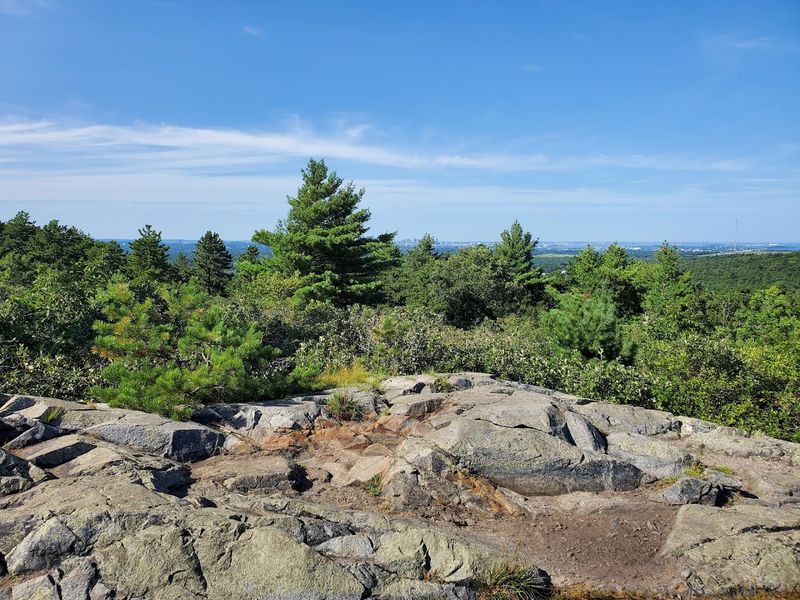
Standing on top of Great Blue Hill with the Boston skyline shimmering in the distance is the kind of reward that makes every uphill step worth it. Blue Hills Reservation sits just south of the city, yet it feels worlds away from the urban bustle.
With over 125 miles of trails weaving through its landscape, there’s something here for every fitness level.
Spring is when this reservation truly shines. Trillium and other wildflowers dot the forest floor, and the fresh green canopy overhead makes every trail feel like a completely different place than it was just weeks before.
Birdsong fills the air as migrating species return, turning the walk into a casual birdwatching adventure too.
The Skyline Trail is the go-to route for first-timers, connecting several summits with rewarding views along the way. The reservation is also dog-friendly, so bring the whole family.
Parking is available at multiple trailheads, making it easy to choose your starting point based on how long you want to hike. Blue Hills is proof that you don’t need to drive hours to find a genuinely spectacular spring hike.
Mount Greylock State Reservation (Lanesborough)
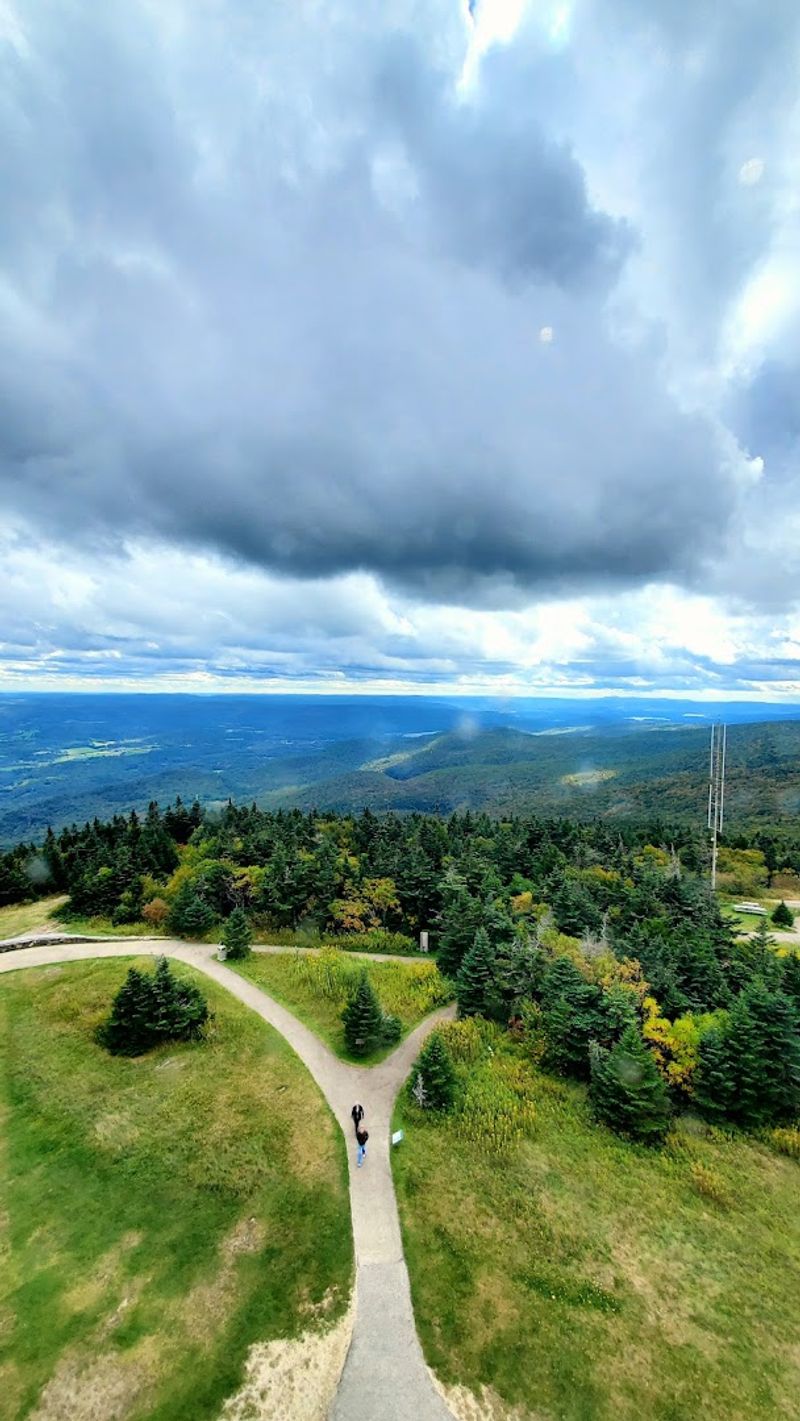
At 3,491 feet, Mount Greylock wears the crown as Massachusetts’ highest peak — and in spring, it earns every bit of that title. Snowmelt sends streams rushing down its slopes, filling the air with the sound of moving water and turning quiet forest paths into something almost magical.
Herman Melville reportedly looked out at Greylock from his Pittsfield home and was inspired to write Moby Dick, which says a lot about the mountain’s power.
Trail options here range from gentle walks suitable for casual hikers to full-day summit adventures that will challenge even experienced trekkers. The Appalachian Trail crosses the summit, giving thru-hikers and day visitors alike a chance to share one of New England’s most iconic ridgelines.
The War Memorial Tower at the top offers 360-degree views that stretch into neighboring states on a clear spring day.
Pack layers, because even when it’s warm in the valley, the summit can still carry a chill in early spring. Mud season is real here, so waterproof boots are a smart call.
The visitor center near the summit provides trail maps and helpful staff who know the mountain well. Greylock rewards preparation generously.
Mount Everett State Reservation (Mount Washington)
Few experiences in Massachusetts hiking match standing at the base of Race Brook Falls in spring. After winter thaw, the water absolutely roars down a series of rocky ledges, sending mist into the air and creating a thunderous soundtrack that echoes through the forest.
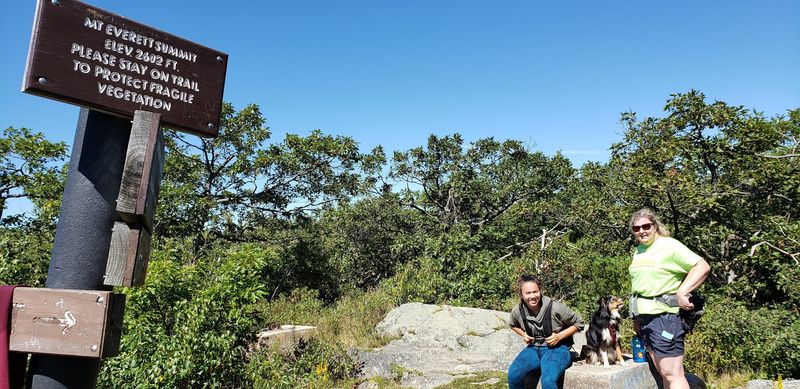
Mount Everett State Reservation in the far southwest corner of the state is one of those places that feels genuinely off the beaten path.
The trail to Race Brook Falls starts from a trailhead on Route 41 and climbs steadily through hemlock groves before revealing the lower falls and then the upper cascade. The total hike to the summit of Mount Everett from the falls trail is around 5 miles round trip — challenging enough to feel like an achievement without being overwhelming for moderately fit hikers.
Spring also brings pitcher plants and other bog vegetation to life near the summit’s open areas, adding a surprising botanical element to the adventure. The Appalachian Trail runs across the summit ridge here too, so you might share the trail with long-distance hikers heading north or south.
Cell service is limited, so download your trail maps before you go. Arrive early on weekends to snag a parking spot.
Purgatory Chasm State Reservation (Sutton)
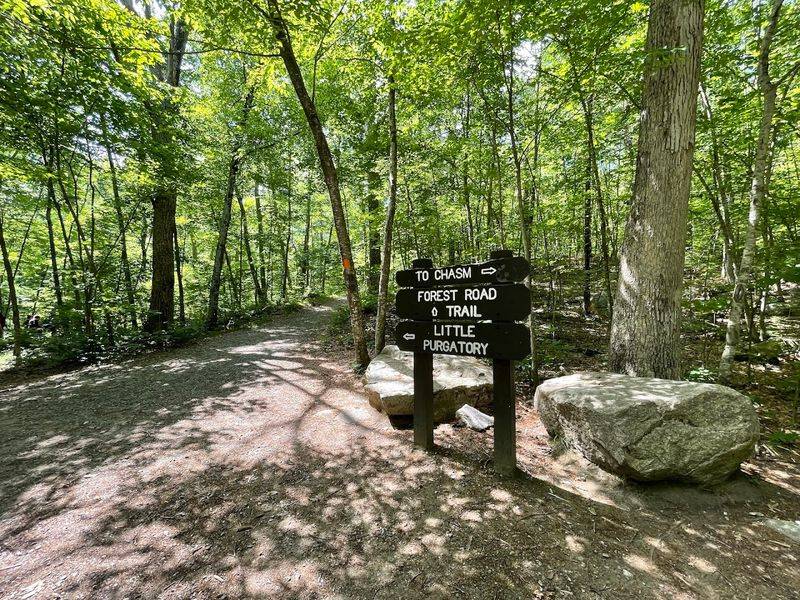
Purgatory Chasm is the kind of place that makes kids — and honestly most adults — feel like they’re exploring a real-life adventure course. Massive granite boulders form a quarter-mile chasm that you scramble through, squeeze between, and climb over.
In spring, fresh green leaves frame the rugged rock walls, softening the dramatic landscape just enough to make it feel welcoming rather than intimidating.
The main chasm trail is only about a mile long, but don’t let that fool you — navigating through the boulders takes time, focus, and a good pair of grippy shoes. Named spots inside the chasm like “The Coffin” and “Fat Man’s Misery” give you a sense of the playful, slightly spooky personality this place carries.
Additional loop trails around the perimeter add mileage for those who want a longer outing.
Spring runoff can make some of the rock surfaces slippery, so take your time and watch your footing. The reservation has picnic areas and restrooms, making it a solid family destination for a full day out.
Purgatory Chasm is located in central Massachusetts, roughly equidistant from Boston and Worcester. Weekday visits in spring mean far fewer crowds and a more peaceful experience overall.
Walden Pond State Reservation (Concord)
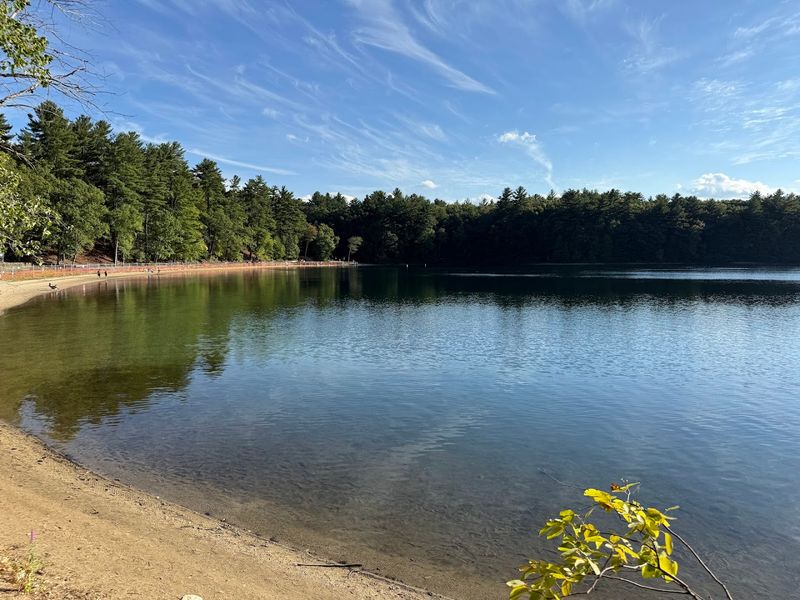
There’s something quietly profound about walking the loop trail around Walden Pond in spring. Henry David Thoreau lived here from 1845 to 1847, and his reflections on nature, simplicity, and solitude in his book Walden have inspired readers for nearly 180 years.
Walking these same woods in early spring, when buds are just breaking and the air smells like damp earth, connects you to that legacy in a surprisingly personal way.
The main loop around the pond is a gentle 1.7-mile trail that suits hikers of all ages and fitness levels. Spring is ideal because the trees haven’t fully leafed out yet, letting sunlight filter through and giving the pond a luminous, almost glowing quality on clear mornings.
A replica of Thoreau’s cabin sits near the parking area, offering a quick history lesson before you hit the trail.
Swimming is popular here in summer, but spring offers the trail almost entirely to yourself. The peaceful atmosphere makes it perfect for a reflective solo hike or a calm family outing.
Bring a journal if you’re feeling inspired — plenty of people do. Parking fills up quickly on sunny weekends, so an early start is always a good idea at Walden.
World’s End (Hingham)
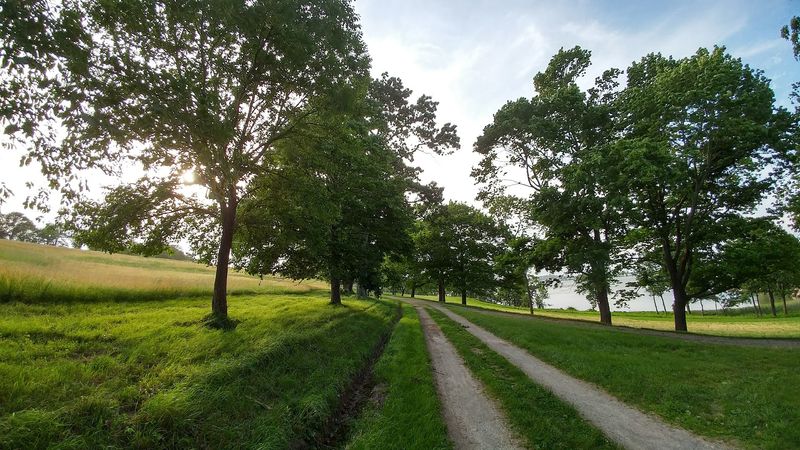
Designed by the legendary landscape architect Frederick Law Olmsted in the 1880s, World’s End carries the kind of polished natural beauty that feels almost too good to be real. Sweeping carriage paths wind over two drumlin hills overlooking Boston Harbor, and in spring the combination of fresh green grass, budding trees, and ocean breezes creates a scene that’s genuinely hard to beat in eastern Massachusetts.
The trail system covers about 4 miles of well-maintained paths, making it accessible for families, casual walkers, and more dedicated hikers alike. Spring crowds are noticeably lighter here compared to summer, which means you can actually pause on a hilltop and enjoy the harbor views without feeling rushed.
On clear days, the Boston skyline is visible across the water — a stunning contrast to the pastoral landscape around you.
World’s End is managed by The Trustees of Reservations, and there’s a small parking fee to enter. Dogs are welcome on leash, which makes it a popular spot for pet owners eager to get their dogs back outside after winter.
The rocky shoreline sections of the trail add a coastal dimension to what might otherwise feel like a classic New England meadow walk. Spring wildflowers along the edges of the paths add delicate color throughout April and May.
Boston Harbor Islands National and State Park (Boston Harbor)
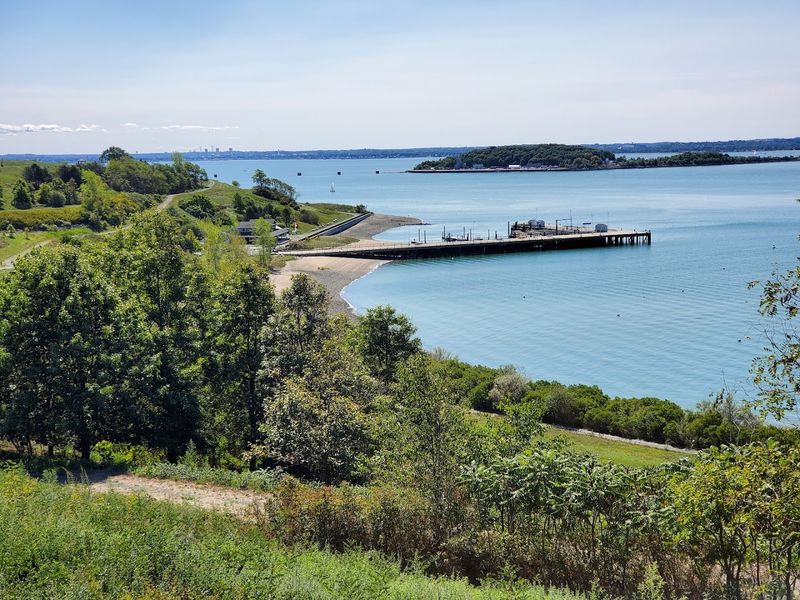
Getting to these trails requires a ferry ride, which honestly makes the whole experience feel like a mini adventure before you even set foot on a trail. Boston Harbor Islands National and State Park encompasses 34 islands, and Spectacle Island is the standout destination for spring hiking.
Its two drumlin hills offer some of the best unobstructed views of the Boston skyline you’ll find anywhere in the region.
Spectacle Island was once a city dumping ground, which makes its current state — a beautifully restored park with clean trails and a visitor center — all the more remarkable. Spring brings crisp harbor air and bright wildflowers to the island’s hillsides, and the ferry crowds haven’t yet reached their summer peak.
The main trail loop covers about 5 miles with manageable elevation changes suitable for most hikers.
Georges Island is another ferry stop worth exploring, featuring the historic Fort Warren where Civil War prisoners were once held. The combination of natural scenery and layered history makes the harbor islands unlike any other hiking destination in Massachusetts.
Ferries depart from Long Wharf in downtown Boston, and the season typically kicks off in late spring. Check the ferry schedule ahead of time, as service ramps up gradually through May.
Fort Hill Trail (Cape Cod)
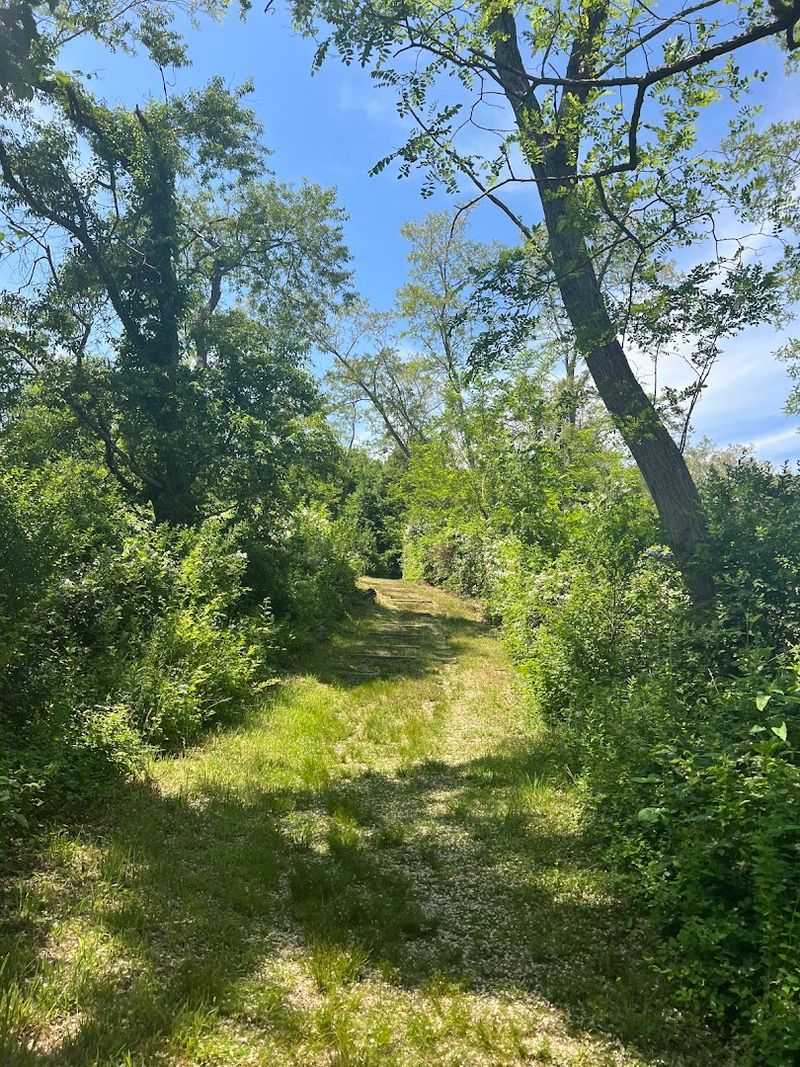
Cape Cod in spring is a completely different world from the packed summer version most people know. Fort Hill Trail in Eastham sits within the Cape Cod National Seashore and offers a short but genuinely rewarding loop that combines upland meadows, boardwalk marsh paths, and sweeping views of Nauset Marsh.
The whole loop is under 2 miles, making it approachable for hikers of any experience level.
Spring migration turns this trail into a birdwatcher’s dream. Red-winged blackbirds, ospreys, and various shorebirds return to the marsh in April and May, filling the air with activity.
The elevated viewpoint at Fort Hill itself offers a panoramic sweep of the marsh and distant barrier beach that genuinely takes your breath away on a clear morning. Captain Edward Penniman’s ornate 1868 Victorian house stands near the trailhead, adding a slice of Cape Cod history to the visit.
The boardwalk section through the red maple swamp is especially beautiful in spring when new growth turns everything a vivid, almost electric green. Parking is free, and the trailhead is easy to find just off Route 6.
Bring binoculars for the birds and a light jacket for the coastal breeze. Fort Hill is the kind of short hike that leaves you feeling completely refreshed.
The Knob (Falmouth)
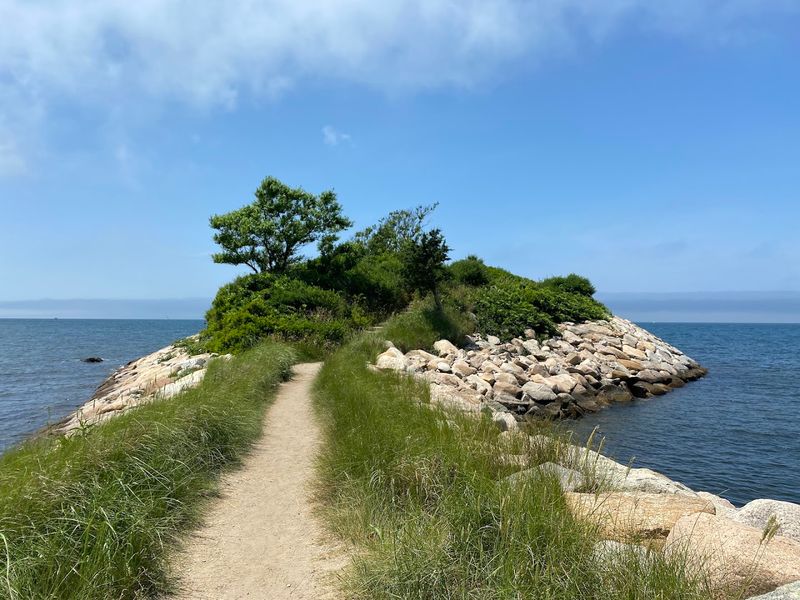
Tucked away in Falmouth at the end of a quiet residential road, The Knob is the kind of local secret that regulars guard with a certain possessive pride. The short out-and-back trail leads to a rocky peninsula jutting into Buzzards Bay, where the views open up in every direction — islands, open water, and the Elizabeth Islands chain stretching toward the horizon.
In spring, the air is crisp and clean in a way that summer humidity never quite allows.
The hike itself is barely a mile round trip, but the payoff is enormous relative to the effort. Spring wildflowers and fresh green shrubs line the path, and the lack of summer crowds means you can actually sit on the rocks at the tip and linger as long as you like.
Shorebirds and osprey are frequently spotted overhead, especially in April and May when migration is in full swing.
The Knob is managed by the Sippewissett Conservation Land Trust, and parking is limited to a small roadside area on Quissett Harbor Road. Arriving early on weekends ensures a spot.
This trail is a favorite among locals who want a quick but deeply satisfying outdoor escape without driving far. First-time visitors almost always leave planning their return trip before they’ve even reached their car.
Mount Watatic (Ashburnham)
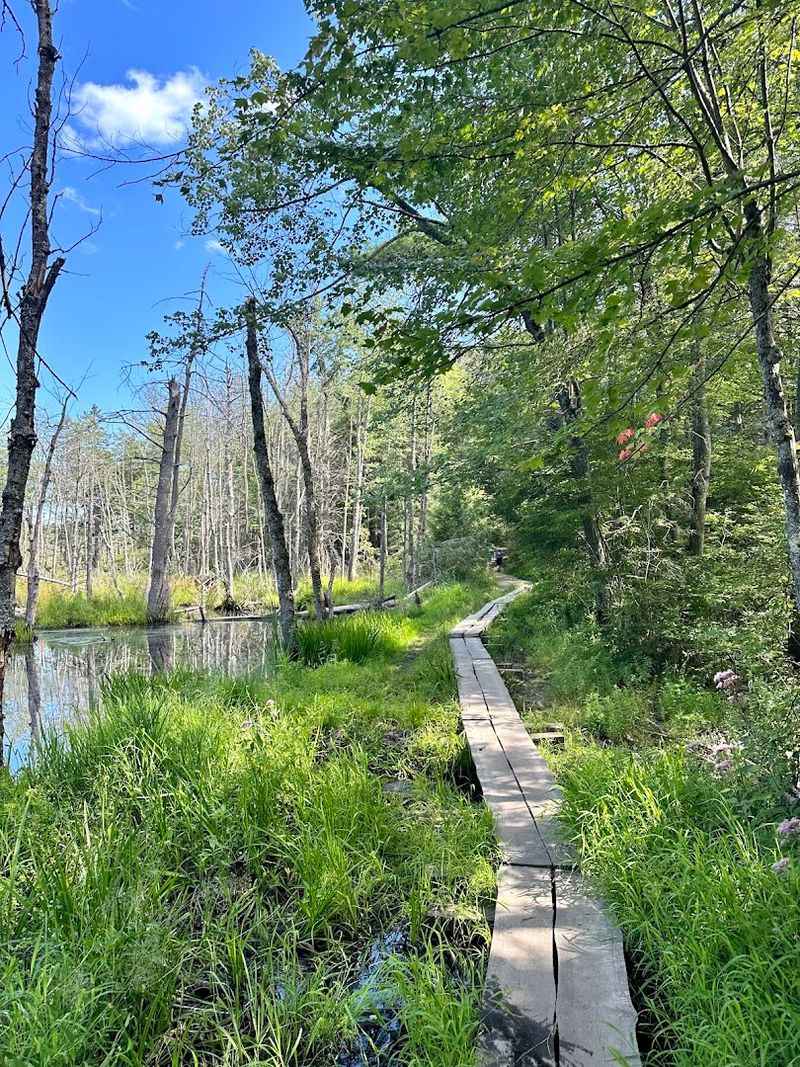
Ask any wildflower enthusiast in central Massachusetts where to go in spring, and Mount Watatic will almost certainly come up within the first few suggestions. The trail to its 1,832-foot summit passes through forests where trillium and pink lady’s slipper orchids bloom in May, creating a botanical display that feels genuinely special.
It’s the kind of thing you stumble upon and immediately want to photograph from every angle.
The main trail from the Watatic Road trailhead is about 2.2 miles round trip with around 500 feet of elevation gain — a satisfying workout without being punishing. The summit itself is partially open, offering views north into southern New Hampshire and south across the rolling hills of north-central Massachusetts.
On a clear spring day, Mount Monadnock in New Hampshire is visible from the top.
Mount Watatic sits along the Midstate Trail, a 92-mile route that runs the length of Massachusetts from Rhode Island to New Hampshire. Spring hikers often combine Watatic with the nearby Nutting Hill for a longer loop.
The trailhead parking area is small, so weekend mornings fill up fast. Weekday visits in May are particularly magical — quiet trails, peak wildflower season, and soft spring light filtering through the canopy make every step feel worth the early alarm.
Tully Trail (Royalston area)
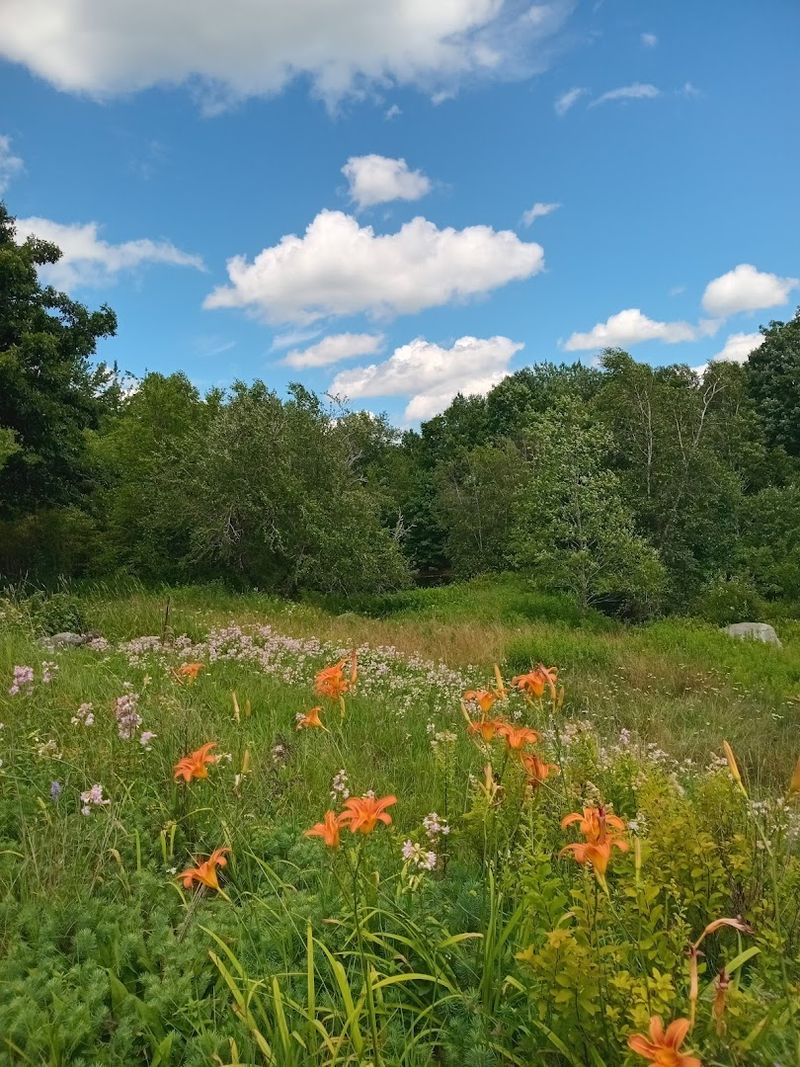
For hikers who want something wilder and more rugged than a manicured park trail, the Tully Trail delivers in a big way. This 22-mile loop in the Royalston area of north-central Massachusetts winds through dense forest, past multiple waterfalls, and along the shores of Tully Lake and Long Lake.
Spring runoff transforms its streams and falls into roaring showcases of natural power that are simply impossible to replicate at any other time of year.
Doane’s Falls, one of the highlights along the trail, drops dramatically through a series of cascades near Royalston center. The sound alone — a continuous, deep rumble that you hear before you see it — is worth the trip.
The trail is managed largely by The Trustees of Reservations and passes through conservation land that feels genuinely remote despite being within a few hours of Boston.
Most hikers tackle the Tully Trail as a multi-day backpacking trip, but day hikes to specific waterfalls or lake viewpoints are completely practical and very popular in spring. Mud season is a real factor here — waterproof boots and trekking poles make a meaningful difference on the more rugged sections.
Wildlife sightings, including black bear and moose, are not uncommon in this corner of the state. Go prepared and go curious.
Breakheart Reservation (Saugus/Wakefield)
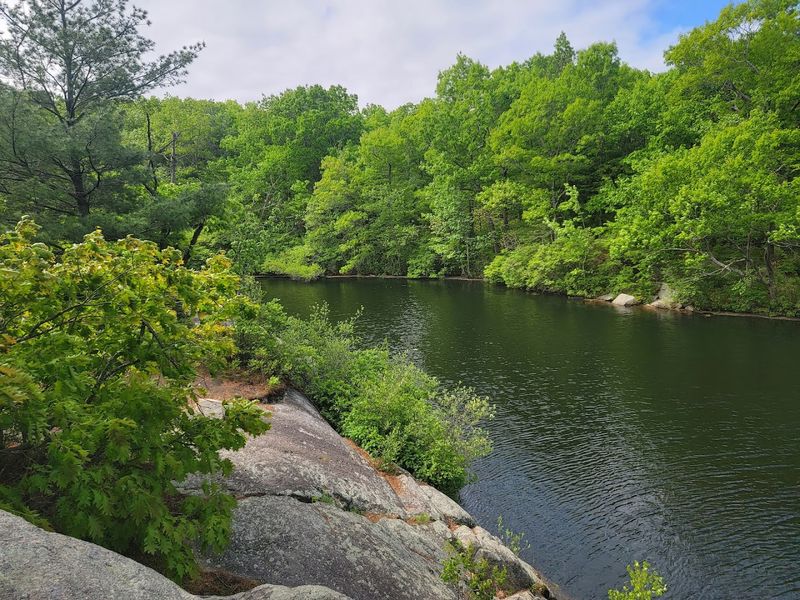
Breakheart Reservation doesn’t get nearly the attention it deserves, which is exactly what makes it such a satisfying find. Tucked between Saugus and Wakefield just north of Boston, this 640-acre reservation offers a surprisingly rugged network of trails featuring rocky outcrops, two scenic lakes, and quiet forest paths that feel completely removed from suburban life.
After a long winter, the first warm spring weekend here feels like a genuine exhale.
The reservation’s trail network covers about 8 miles total, with options ranging from easy lakeside strolls to more challenging ridge walks with open rocky viewpoints. Pearce Lake and Silver Lake both catch the spring light beautifully, and the reflections of budding trees on the water’s surface make for great photography.
The ridge trails offer unexpected elevation and views that surprise most first-time visitors who weren’t expecting anything dramatic this close to the city.
Spring also activates the reservation’s wildlife — wood frogs and spring peepers create an almost surreal chorus near the wetland areas in April, and migrating warblers fill the treetops with color and song. Parking is available off Forest Street in Saugus, and the reservation is free to enter.
Breakheart is the kind of place that becomes a weekly ritual once you discover it, especially through the spring and early summer months.
Stony Brook Wildlife Sanctuary (Norfolk)
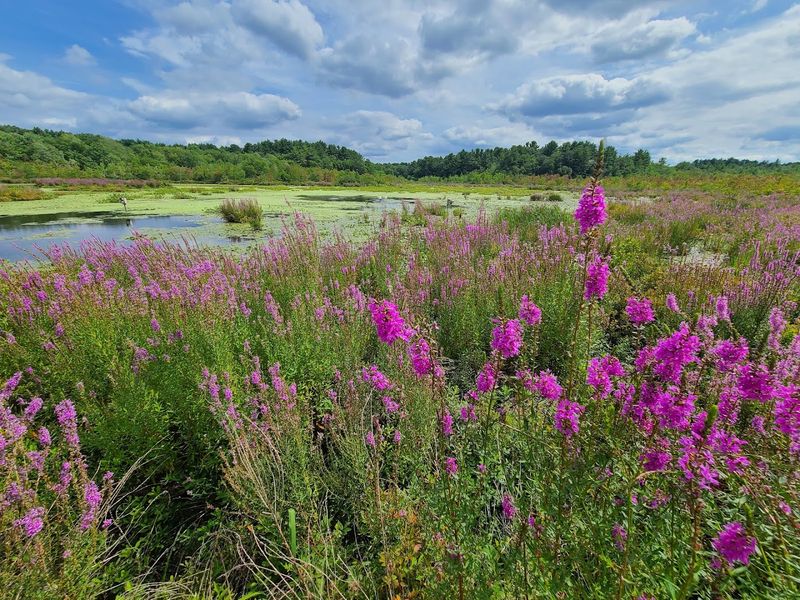
Stony Brook Wildlife Sanctuary operates at a different pace than most hiking destinations — slower, quieter, and deeply attentive to the small wonders of the natural world. Managed by Mass Audubon, this Norfolk sanctuary features boardwalk trails that float through wetlands and skirt the edges of ponds where spring wildlife activity hits its peak.
Otters, great blue herons, painted turtles, and dozens of bird species all become active again as temperatures rise, turning every walk into a wildlife observation session.
The trail network covers about 3 miles of easy terrain, making it ideal for families with younger kids, older hikers, or anyone who wants a low-key but deeply rewarding outdoor experience. Spring migration brings an extraordinary variety of warblers, sparrows, and waterfowl through the sanctuary, and the naturalist staff often lead guided walks during peak season.
Binoculars are strongly recommended — you’ll use them constantly.
One of the sanctuary’s most beloved spring features is the chorus of wood frogs and spring peepers that erupts from the vernal pools in April. The sound is almost unbelievably loud for such small creatures.
There’s a modest admission fee for non-Mass Audubon members. The sanctuary also has a nature center with exhibits that add educational context to what you’re seeing on the trails.
Stony Brook is proof that the best hikes aren’t always about elevation.
Bash Bish Falls (Mount Washington State Forest)
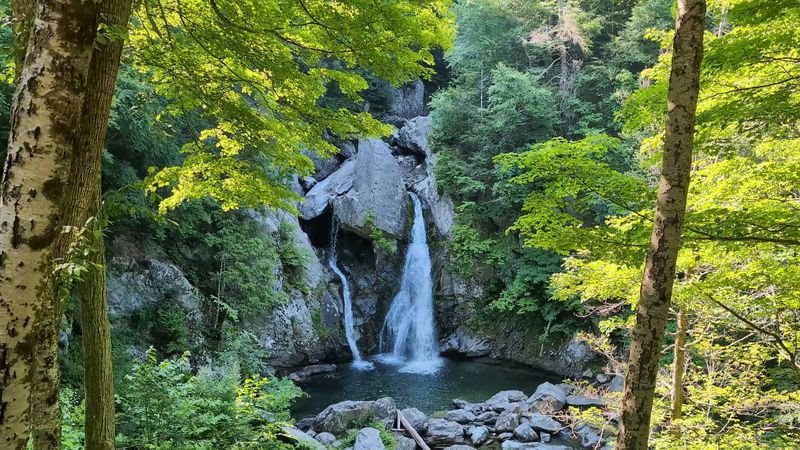
Bash Bish Falls doesn’t mess around in spring. Fed by snowmelt from the surrounding Berkshire hills, the tallest waterfall in Massachusetts absolutely thunders through its twin cascades in April and May, sending mist across the viewing area and creating a roar you can hear from the parking lot.
Standing at the base of those falls after months of frozen, quiet winter feels like nature flipping a switch back to full power.
The most popular approach is the short, half-mile trail from the New York side of the border, but the Massachusetts trailhead offers a longer 1.5-mile route that winds through the forest and delivers a more gradual, satisfying build-up to the main event. The trail passes through hemlocks and hardwoods that are just leafing out in spring, framing the falls in layers of fresh green when you finally arrive.
Swimming in the pool below the falls is prohibited for safety reasons, especially in spring when water levels and currents are at their highest. Respect the barriers and enjoy the view from the designated areas — the falls are dramatic enough without getting any closer.
The surrounding Mount Washington State Forest has additional trails worth exploring if you want to extend your day. Bash Bish is a bucket-list Massachusetts hike, and spring is unquestionably its finest season.