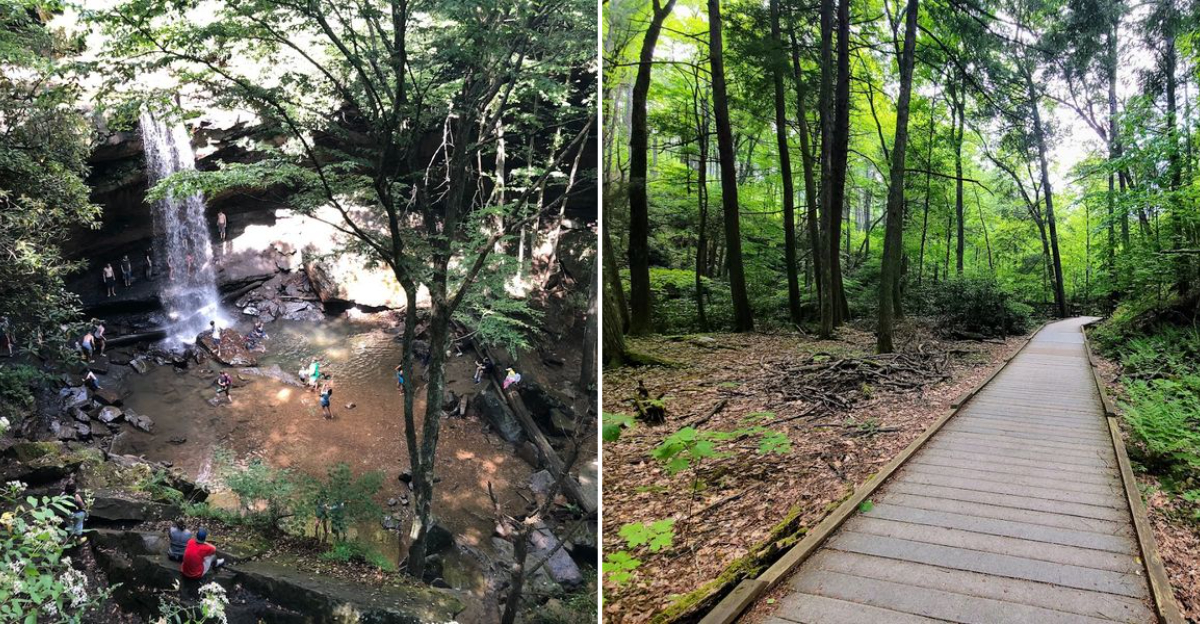
If you want to hear Pennsylvania at full volume, spring is the moment to chase waterfalls. In May, lingering snowmelt and steady rain turn quiet ravines into roaring gorges, with trails that feel cooler, greener, and far more dramatic than they do in summer.
This list pulls together 12 verified hikes and waterfall areas across the state, from famous showstoppers to quieter seasonal cascades. If you are planning a weekend built around thunderous water and muddy boots, start here.
Ohiopyle State Park
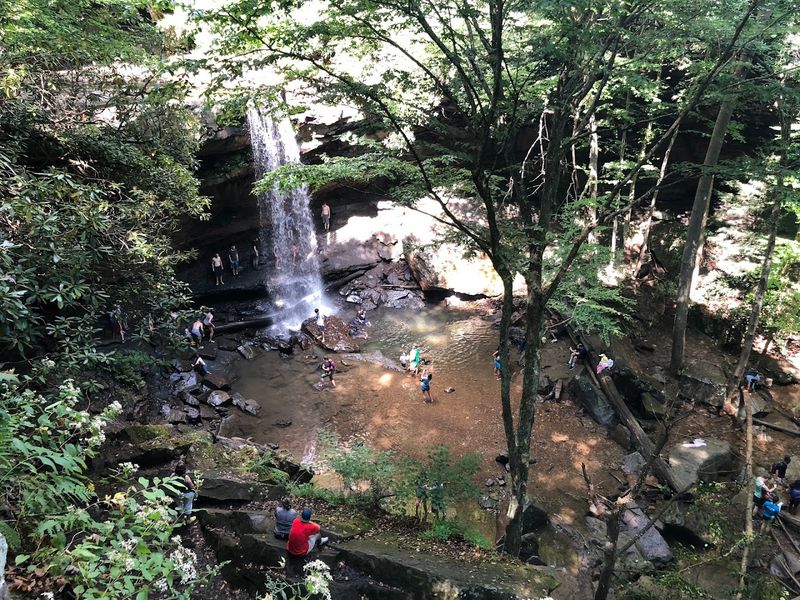
Ohiopyle delivers one of western Pennsylvania’s best spring waterfall experiences, especially when snowmelt swells the Youghiogheny River gorge. Cucumber Falls is the headline stop, but the broader park feels alive in May, with rushing water, saturated forest, and trails that carry the sound of runoff almost everywhere.
The beauty here is variety. You can pair a short walk to the falls with longer rambles along the gorge rim, riverside overlooks, and rugged Laurel Highlands terrain that feels especially powerful after spring rain.
Cucumber Falls itself is compact but photogenic, dropping in a broad sheet over rock into a mossy amphitheater. When flow is strong, the mist hangs in the air and turns an easy visit into something that feels much bigger than the mileage suggests.
If you want a waterfall day with plenty of nearby options, Ohiopyle is an easy pick. It works for casual visitors and ambitious hikers alike, especially when May water levels give the whole park extra energy.
Bushkill Falls
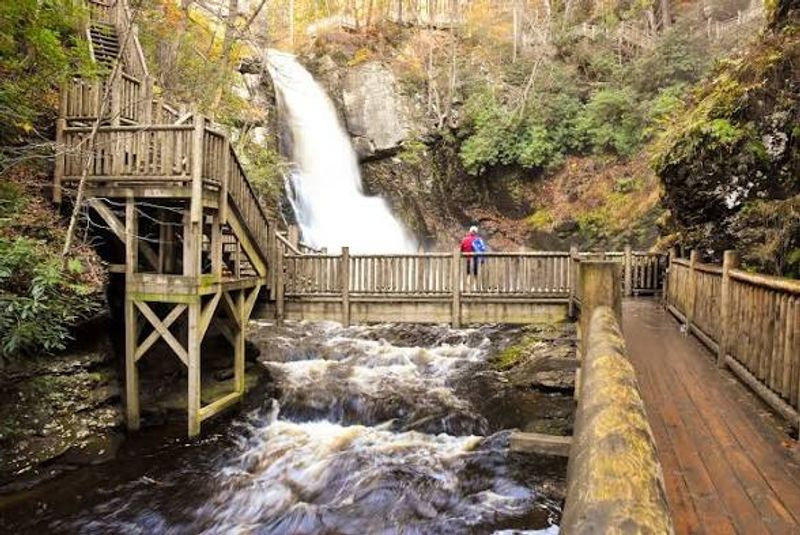
Bushkill Falls earns its nickname as the Niagara of Pennsylvania by stacking multiple waterfalls into one compact Pocono adventure. In spring, the private trail system feels especially lively, with eight waterfalls running hard and boardwalk paths carrying you through a steep, damp gorge.
What makes this place appealing is how many viewpoints you can collect in one visit. The trail network offers several route choices, so you can keep things short and scenic or add stairs and mileage for a fuller waterfall circuit.
The main falls are the biggest draw, but the smaller cascades and narrow gorge sections add depth to the experience. May is ideal because the woods are greening up, the water is forceful, and the air still has that cool edge that keeps hiking comfortable.
If you do not mind an admission fee in exchange for easy access and maintained paths, Bushkill Falls delivers. It is polished, popular, and absolutely worth considering when you want a spring waterfall day with reliable wow factor.
Delaware Water Gap National Recreation Area – Dingmans Falls
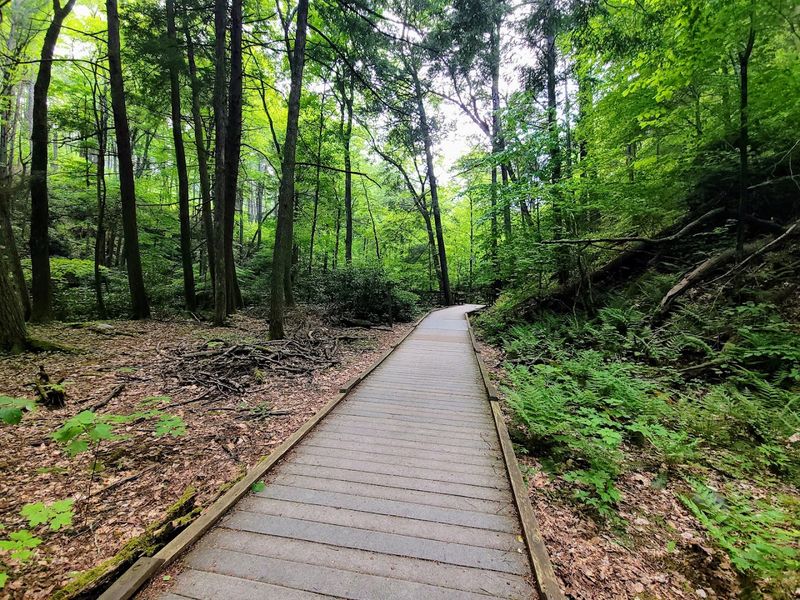
Dingmans Falls is one of the easiest ways to see a major Pennsylvania waterfall roaring in spring. Set within Delaware Water Gap National Recreation Area, this tall cascade is reached by a gentle boardwalk path, making it one of the most accessible dramatic falls in the state.
That easy approach does not make the experience feel small. In May, the 130 foot drop sends down a forceful ribbon of water, and the surrounding ravine traps the sound so well that the waterfall seems even larger as you get closer.
The short hike also pairs beautifully with nearby Silverthread Falls and other Water Gap stops. If you are traveling with family, mixed mobility levels, or anyone who wants scenery without a strenuous climb, this area works remarkably well.
I like Dingmans most in cool, damp weather, when the boardwalk feels quiet and the forest smells freshly soaked. For a low effort outing with a big visual payoff, it is one of the smartest spring waterfall choices in Pennsylvania.
Hickory Run State Park – Hawk Falls
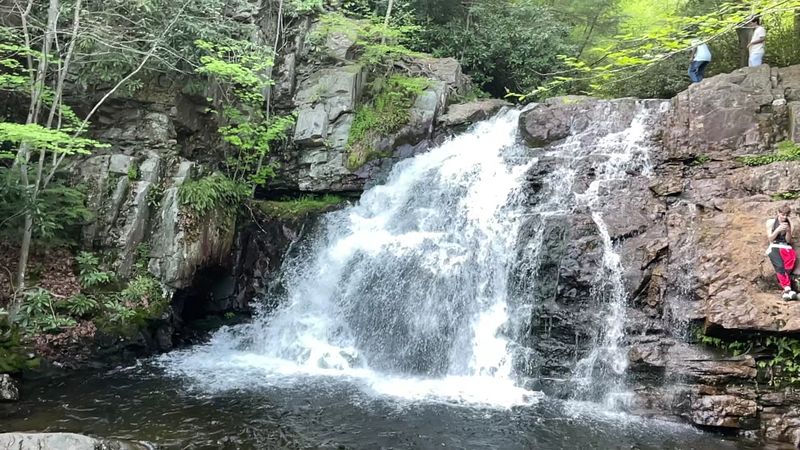
Hawk Falls is one of the most approachable spring waterfall hikes in eastern Pennsylvania, but it never feels ordinary. The trail at Hickory Run State Park is short enough for a casual outing, yet the waterfall lands in a shaded gorge that feels cool, mossy, and especially alive after snowmelt.
The hike begins easily and stays manageable for most visitors, though muddy patches and slick rock are common in May. That is exactly when you want to be here, because the falls run fuller and louder than they usually do later in the year.
Part of the charm is the setting. Rhododendron, hemlock, and boulder-strewn terrain give the gorge a tucked-away feel, so even a brief walk can feel like a real escape rather than a quick roadside photo stop.
If you are looking for maximum reward with modest effort, Hawk Falls fits beautifully. Pair it with nearby Hickory Run scenery and you have an easy spring day trip anchored by a waterfall that truly benefits from seasonal runoff.
Lehigh Gorge State Park
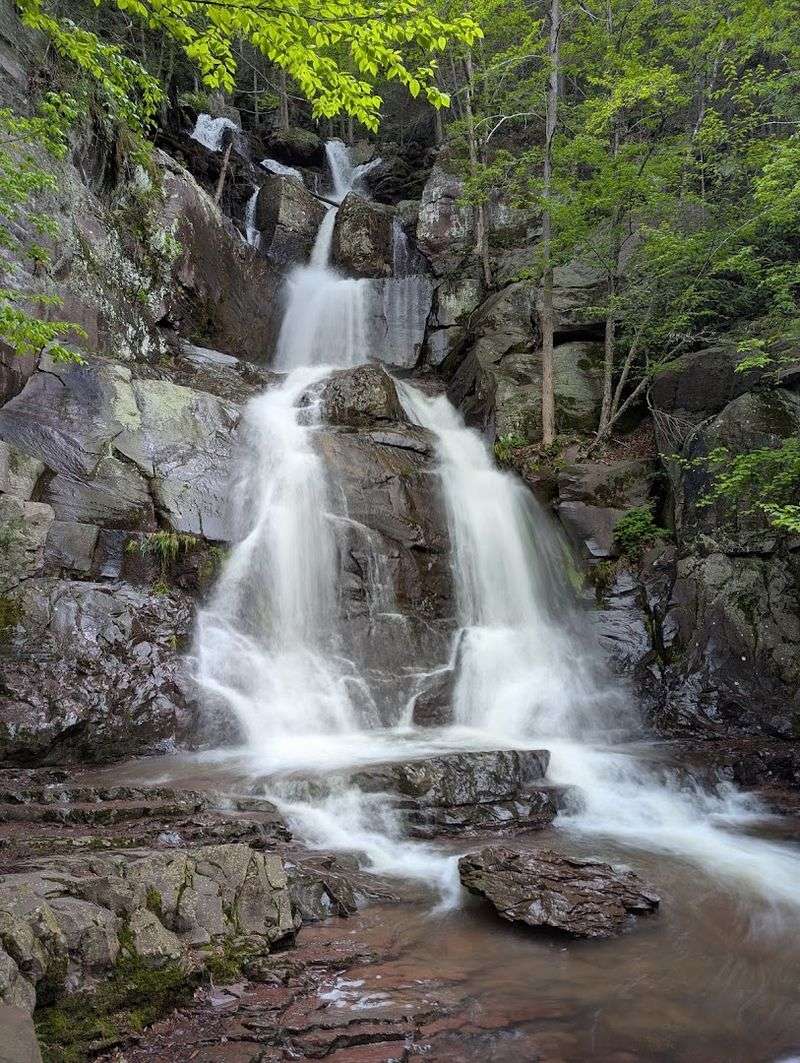
Lehigh Gorge State Park is better known for its river corridor than one signature waterfall, but that is exactly why it shines in spring. Snowmelt and seasonal rain energize the entire landscape, from roaring water along the Lehigh to cascades such as Luke’s Falls and nearby buttermilk-style drops along connected routes.
This is a great pick if you like your waterfall outing mixed with a bigger sense of place. Rail trail sections, gorge views, bridges, and side excursions create a flexible day where you can chase moving water without committing to one steep destination.
In May, the soundscape is the real draw. Water rushes through the gorge from every direction, and even smaller streams feel more dramatic as they tumble toward the river through rock cuts and wooded slopes.
If you want a spring hike that balances scenery, accessibility, and variety, Lehigh Gorge deserves a spot on your plan. Come ready to explore beyond one viewpoint, because the payoff here builds through the whole corridor.
Salt Springs State Park
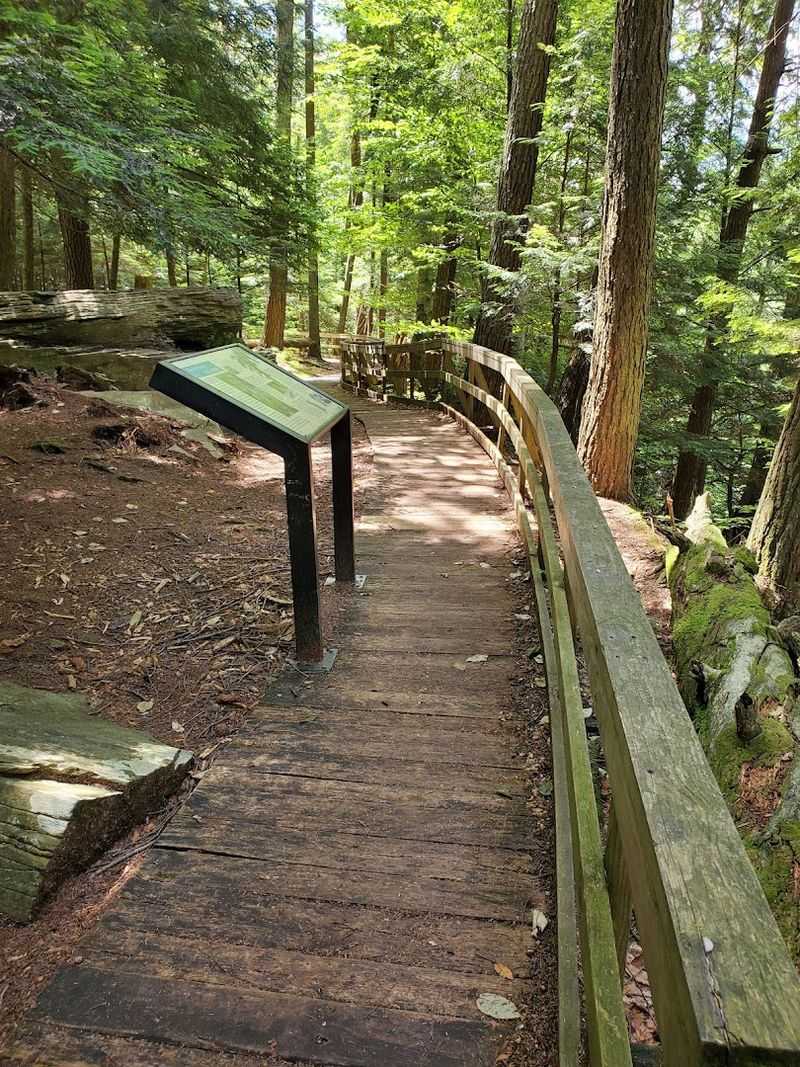
Salt Springs State Park feels quieter than many famous Pennsylvania waterfall destinations, which is part of its appeal. In spring, Fall Brook runs through a beautiful gorge with several waterfalls and cascades, all framed by old growth forest that makes the entire hike feel cool, shaded, and deeply atmospheric.
The park is not built around one oversized showpiece. Instead, you get a sequence of water features that reveal themselves gradually, rewarding hikers who enjoy a scenic woodland walk where the forest itself matters as much as the main drops.
May is an excellent time to visit because runoff strengthens the brook and the surrounding greenery looks especially vivid. The combination of dark hemlocks, wet rock, and moving water gives the trail a rich, almost tucked-away character.
If crowded boardwalk destinations are not your style, Salt Springs is a refreshing alternative. It offers real waterfall substance without much hype, and that lower-key experience can feel even more memorable when spring water is running strong.
McConnells Mill State Park
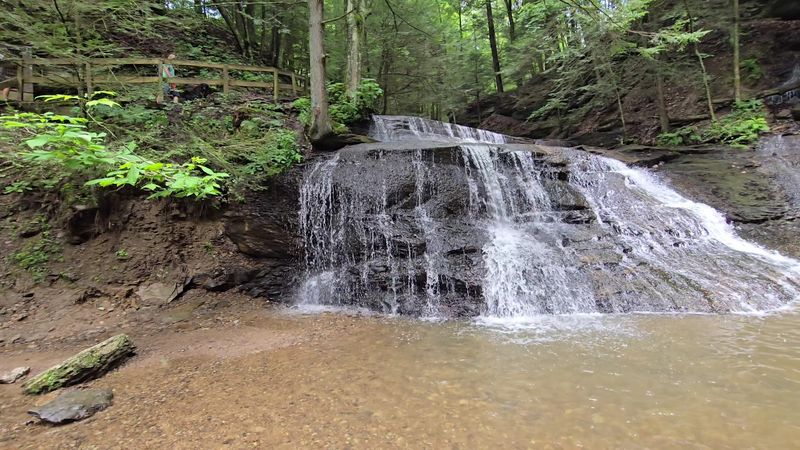
McConnells Mill State Park offers one of western Pennsylvania’s most dramatic combinations of gorge scenery and waterfalls. While the historic mill and covered bridge often get attention first, spring hikers should focus on the park’s ravines, especially Hells Hollow Falls and other water-fed features around Slippery Rock Creek.
The trails here can feel rugged, rooty, and slick when runoff is strong, which is exactly what gives the park its character. You are moving through steep terrain where rock, water, and forest combine in a way that feels wilder than many short mileage numbers suggest.
Hells Hollow Falls is the standout for many visitors, dropping through a narrow rocky setting that amplifies both sound and spray. In May, the creek system throughout the park gains extra force, making overlooks and streamside paths more exciting than they are during drier seasons.
If you want a spring hike with texture and a little grit, McConnells Mill delivers. It is scenic, moody, and especially rewarding for hikers who enjoy waterfalls within a broader gorge landscape.
Linn Run State Park – Adams Falls
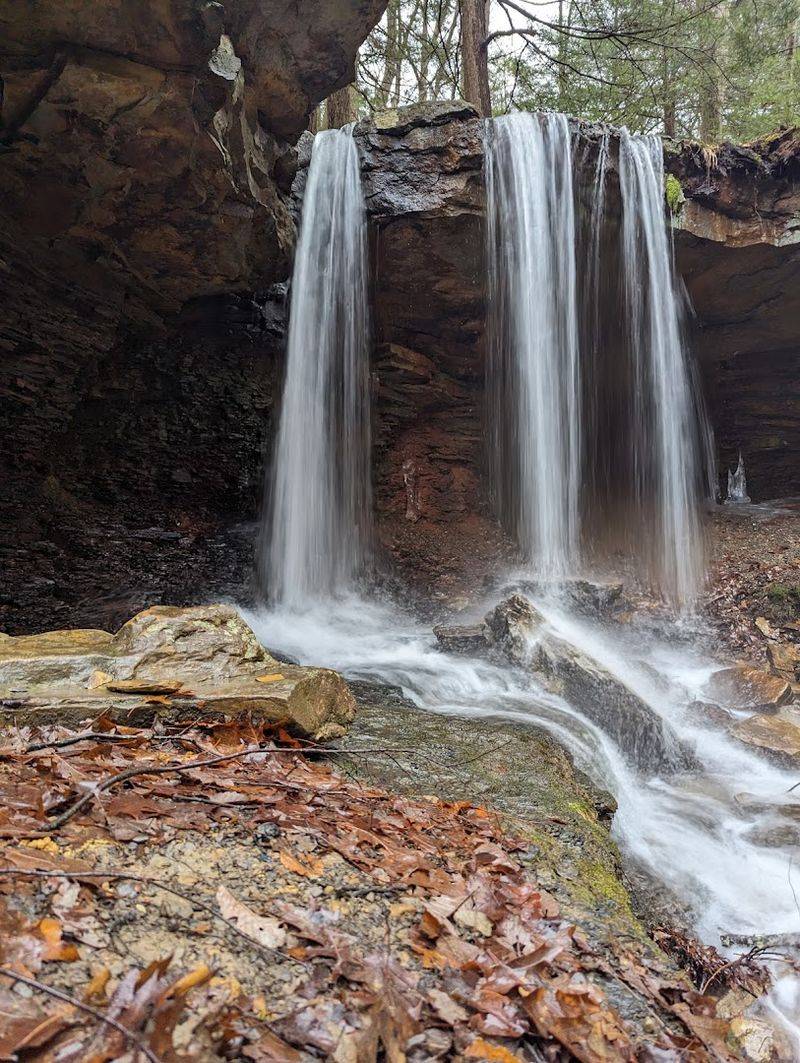
Adams Falls is one of those waterfalls that feels perfectly sized for a relaxed spring outing. Located in Linn Run State Park in the Laurel Highlands, it is reached by an easy walk, yet the cascade gains real personality in May when rain and snowmelt give the creek more muscle.
The trail is family friendly and manageable, which makes this a smart choice when you want scenery without a strenuous climb. Still, the rocky stream channel and layered drop create enough texture to keep the destination visually satisfying for experienced hikers too.
What stands out most is how polished the setting feels in spring. Fresh leaves, cool air, and lively flow turn the short approach into a pleasant woodland stroll, while the falls themselves become far more photogenic than they often are during summer dryness.
If you are exploring the Laurel Highlands and want an easy waterfall stop that still feels worthwhile, Adams Falls belongs on the itinerary. It is accessible, scenic, and at its best when spring water levels stay high.
Trough Creek State Park – Rainbow Falls
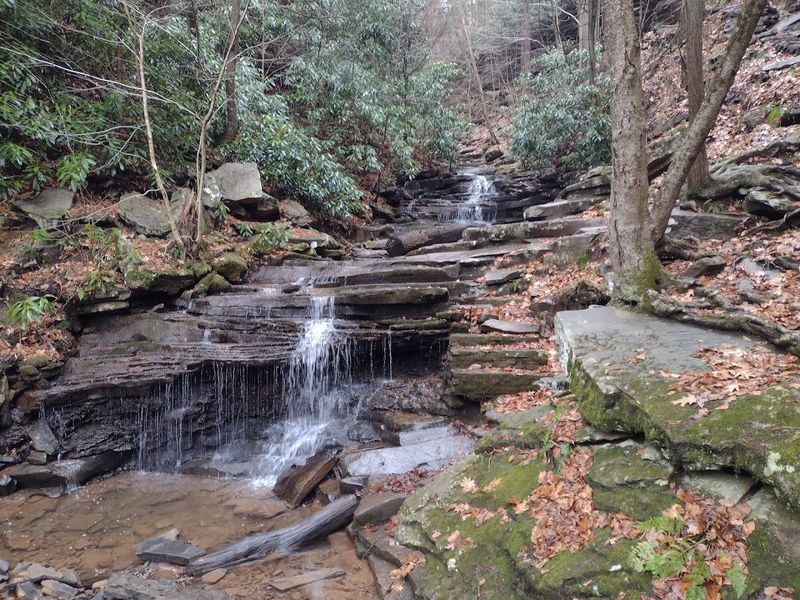
Rainbow Falls at Trough Creek State Park is not Pennsylvania’s biggest waterfall, but it can feel wonderfully alive in spring. Set in a rocky ravine near the park’s other geological attractions, the falls benefit from seasonal runoff that gives this small gorge a louder, fresher, more energetic mood.
This is a good stop for hikers who enjoy combining several features into one outing. Trough Creek also offers cliffs, balancing rock views, and dramatic narrow valleys, so the waterfall works as part of a broader landscape rather than standing alone.
In May, the surrounding forest turns bright green while the ravine stays cool and damp. That contrast makes the short hike more memorable, especially after a recent rain when the cascade and nearby stream sections look fuller and more reflective.
If you prefer lesser-known state park waterfalls with genuine spring character, Rainbow Falls is worth the detour. It may be modest in scale, but the setting gives it more personality than many taller falls in less interesting surroundings.
Colton Point State Park – Turkey Path Falls
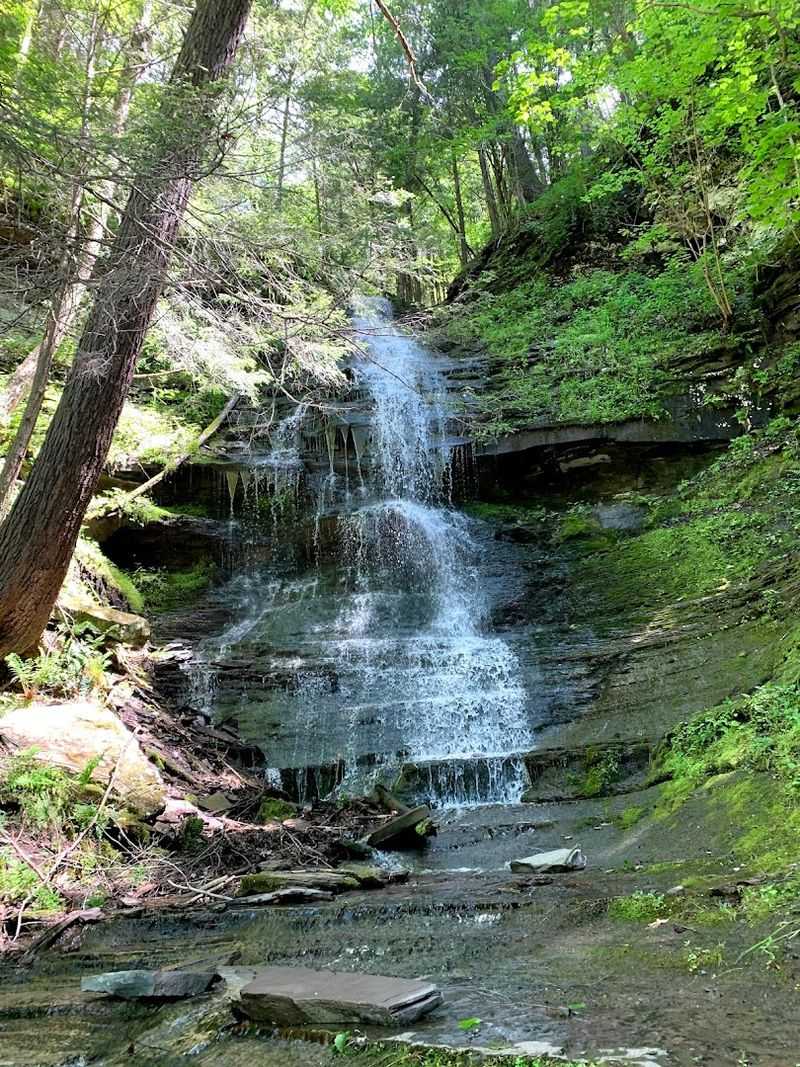
Turkey Path at Colton Point State Park offers a very different kind of waterfall experience from short destination hikes. Here, you descend into Pine Creek Gorge through steep forest, passing seasonal and semi-persistent waterfalls that become far more impressive in spring when runoff pours down the canyon walls.
The hike demands effort, especially on the climb back out, but that challenge adds to the reward. You are not just visiting one waterfall.
You are entering the Pennsylvania Grand Canyon through a trail that feels dynamic, wet, and constantly shaped by moving water.
May is one of the best times to go because the side streams are strongest then. Cascades cross rock ledges, splash beside the path, and create a layered soundtrack that makes the gorge feel much more active than it can in drier months.
If you want drama, depth, and a little sweat with your waterfall day, Turkey Path delivers. Just bring traction, patience, and enough energy for a hike that is as memorable on the return climb as on the descent.
Raccoon Creek State Park
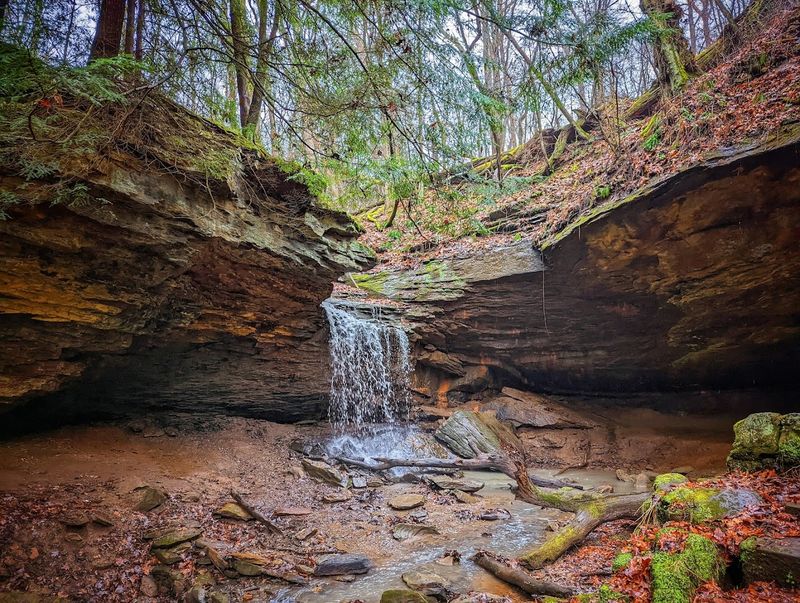
Raccoon Creek State Park is not the first place most people mention for Pennsylvania waterfalls, which is exactly why it can be fun in spring. Seasonal flow brings small but legitimate cascades to parts of the park’s forested trail system, giving western Pennsylvania hikers a quieter option close to population centers.
This is the kind of outing where expectations matter. You are coming for a pleasant spring hike with the bonus of lively water, not a towering landmark.
In the right conditions, though, that modest waterfall loop feels charming, fresh, and very worth the time.
May is the month to try it because the park’s streams still carry good runoff and the woods are at their softest, greenest peak. Birds, wildflowers, and damp soil add to the feeling that the whole landscape is waking up at once.
If you enjoy lesser-known places and seasonal timing, Raccoon Creek can surprise you. It is proof that not every rewarding waterfall hike needs height, hype, or a famous name to leave an impression.
Choke Creek Falls
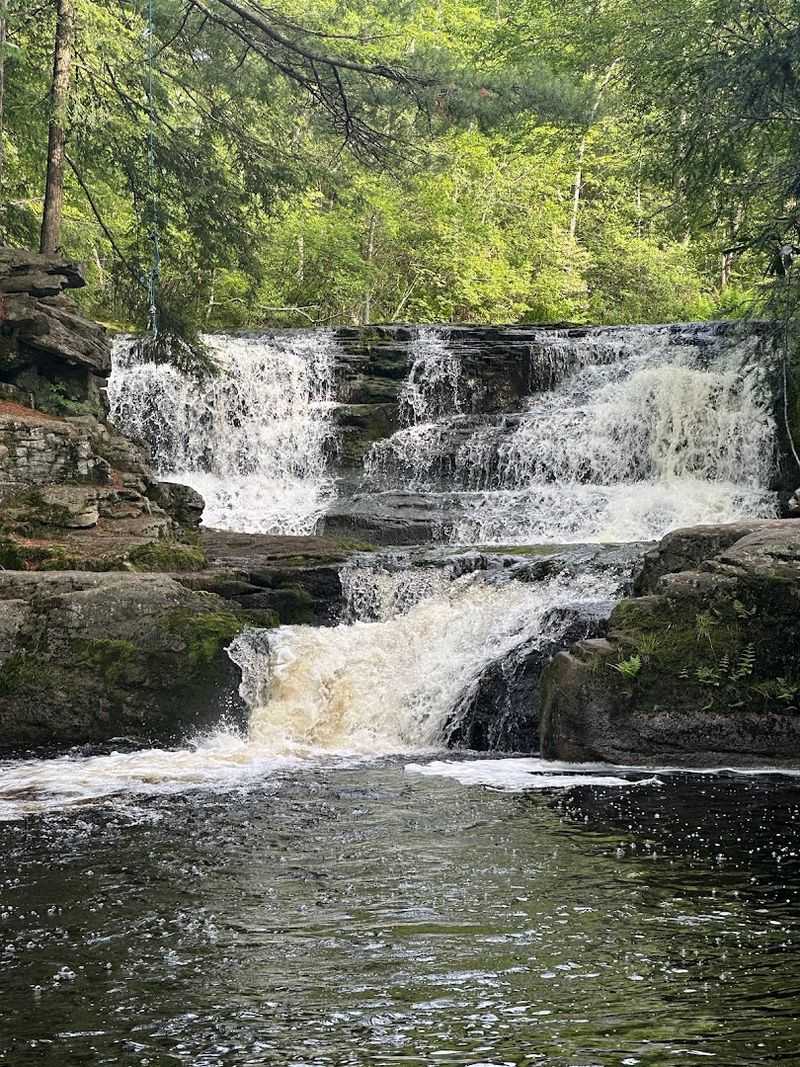
Choke Creek Falls feels like the kind of spring waterfall destination you tell only your most trail-savvy friends about. Hidden within Pinchot State Forest near Thornhurst, it offers a more remote experience than many state park favorites, and snowmelt gives the falls their strongest and most photogenic flow.
The approach can be rougher and less polished than boardwalk-style waterfall walks, so this outing suits hikers who are comfortable with a little navigation, uneven terrain, and getting muddy. That remoteness is the point.
You get a wilder atmosphere and fewer people competing for the view.
In May, the surrounding forest is vibrant but still open enough to appreciate the waterfall’s structure through the trees. Water pushes over dark rock into a secluded setting that feels distinctly northeastern Pennsylvania – cool, damp, and pleasantly untamed.
If you are looking beyond the usual headline stops, Choke Creek Falls is an excellent spring target. It brings together solitude, seasonal power, and that satisfying sense of having earned the experience.