

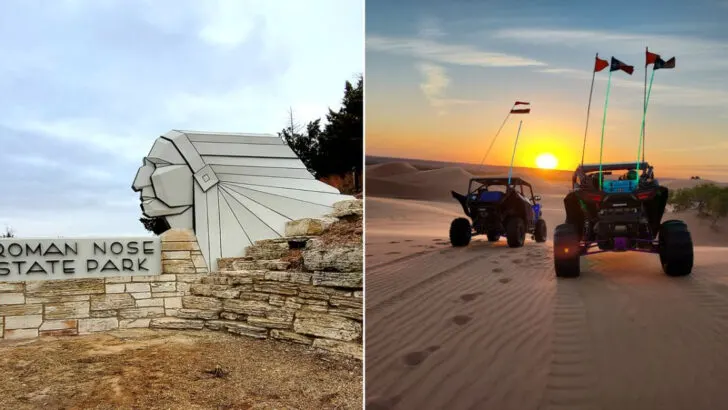
Oklahoma is not just plains and oil rigs. Venture off the beaten path, and you’ll find waterfalls tumbling into hidden lakes, forests that feel untouched, and canyons carved by time itself.
Each state park tells a story that surprises. You might hike through rugged cliffs one day, paddle across a mirror-like lake the next, or stumble upon wildlife that makes you forget the city exists.
These parks reveal a side of Oklahoma few expect. Rolling hills, deep forests, and secret trails make every visit an adventure.
The colors shift with the seasons, from fiery autumn leaves to sparkling winter frost, turning every corner into a postcard moment.
Whether you’re chasing adrenaline, peace, or pure curiosity, these 11 parks prove that Oklahoma hides wonders waiting to be discovered. Leave your map behind—this is a state that invites exploration, and each park delivers its own magic.
Robbers Cave State Park
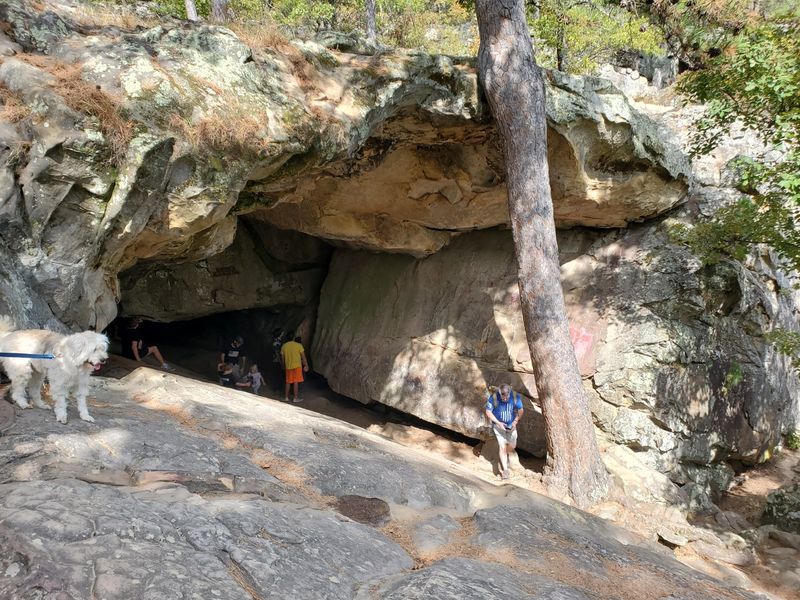
Robbers Cave wears its outlaw lore lightly, but the sandstone tells the story. Crags, overhangs, and narrow passages form a natural fortress that once sheltered fugitives.
You wander between honeycombed walls and suddenly understand why this place kept secrets.
Climbing and bouldering are excellent on the coarse sandstone, with routes for new climbers and confident trad leaders. If scrambling is more your speed, the cave complex rewards curiosity without specialized gear.
Bring a headlamp for dim corners and keep an eye on kids, since ledges appear faster than you expect.
Trails stitch together lake views, pine ridges, and small waterfalls after rains. The Rough Canyon loop and Cattail Pond area show off seasonal color, from spring dogwood to fall bronze.
Wildlife stays active in the quieter hours, so listen for woodpeckers and keep your camera ready.
Campgrounds and historic cabins feel cozy under the trees, and a small lake invites paddles at sunrise. The park hosts fall festivals and ranger programs that add layers to the legend.
You leave with dust on your boots and a grin, feeling like you solved a riddle written in stone.
Gloss Mountain State Park
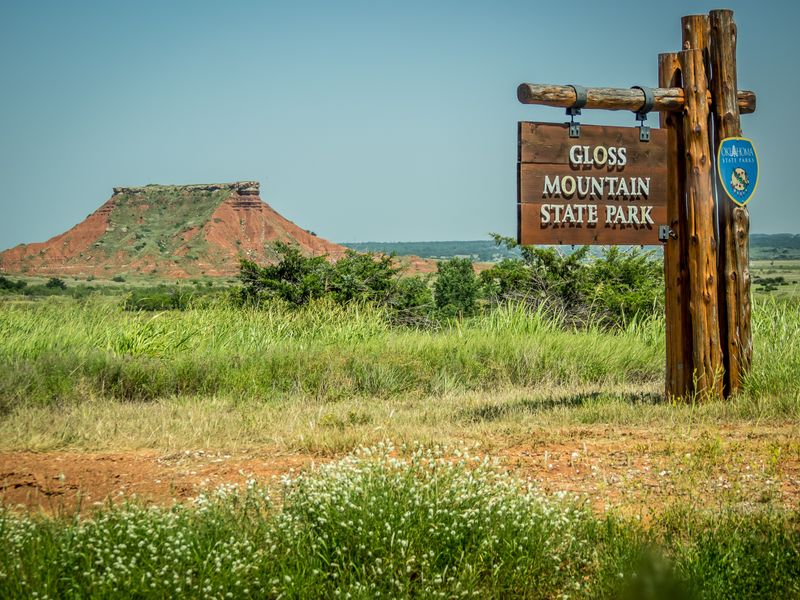
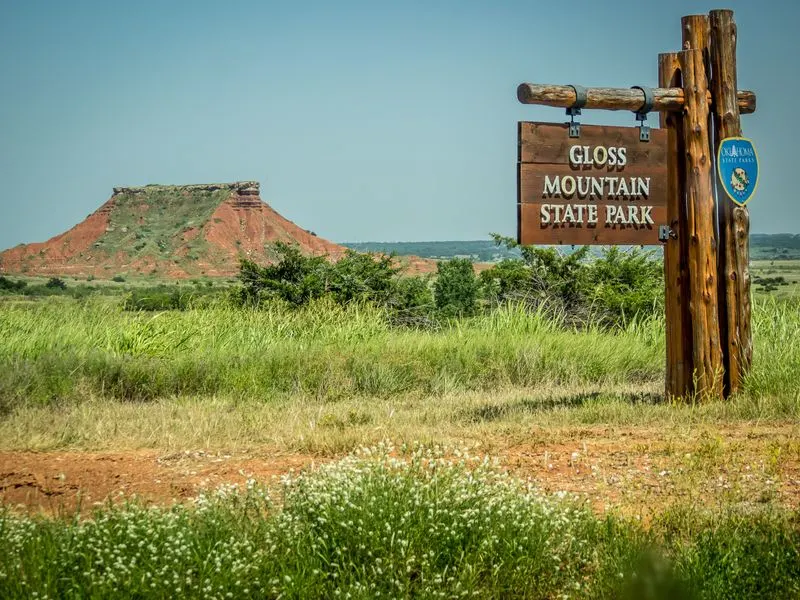
Gloss Mountain is not a mountain in the classic sense, but a series of mesas that glitter with gypsum. When the sun hits right, the slopes sparkle like they have been dusted with powdered glass.
The trail climbs fast to Cathedral Mountain, rewarding you with a sky wide horizon.
Expect heat and exposure most of the year, so start early and pack more water than you think you need. The path follows stairs, railings, and slick sections where traction matters.
From the top, you can trace the Cimarron River valley and read time in the striped rock.
This park is small, so your visit pairs well with a road trip across northwest Oklahoma. Birders scan for soaring hawks and quick swallows that stitch the cliffs with motion.
On windy days, the mesas sing quietly, a dry hush that feels ancient.
Facilities are minimal, which keeps the vibe raw and clean. Bring a picnic, a brimmed hat, and a camera that loves contrast.
You will leave with red dust on your shoes and the memory of light flickering on stone like sparks.
Wichita Mountains Wildlife Refuge and adjacent parks
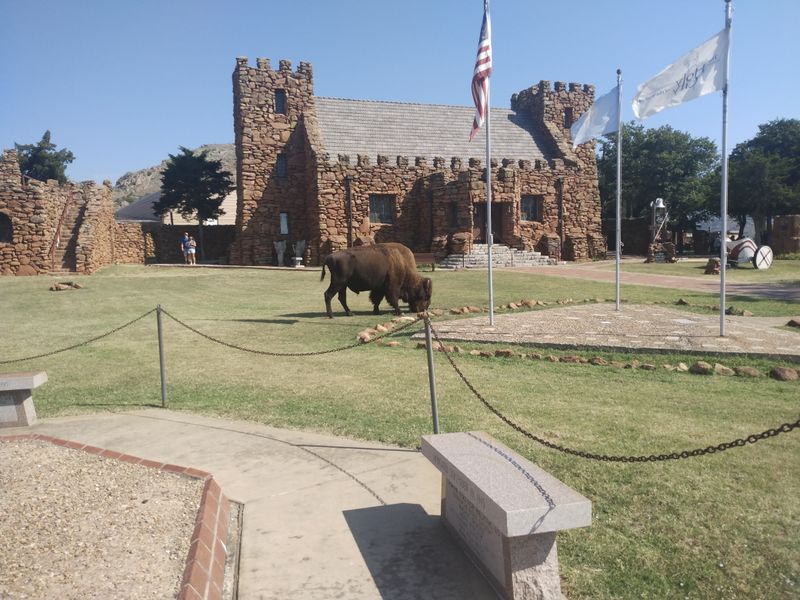
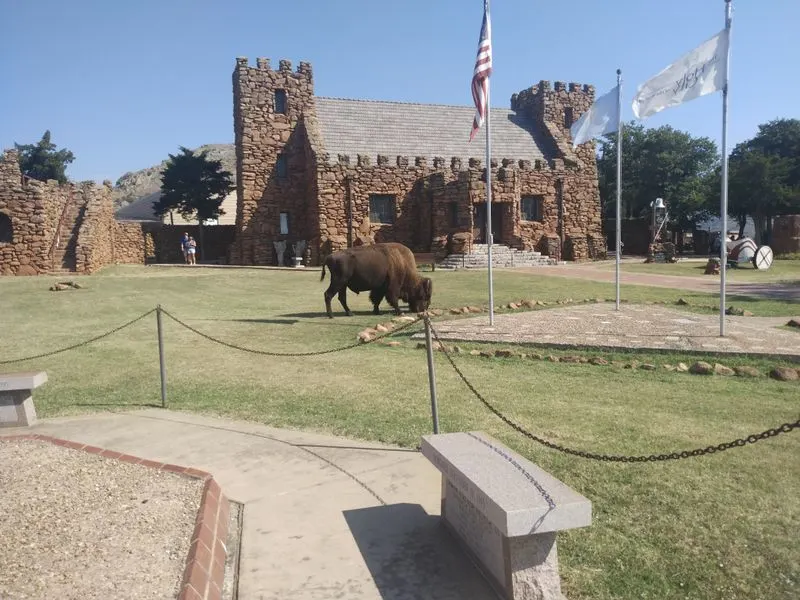
Granite domes rise from prairie like sleeping elephants in the Wichita Mountains. Bison browse in roadside meadows, elk slip through oak thickets, and prairie dogs chirp from their towns.
The light over Mount Scott can flip from pewter to gold in minutes, making every overlook feel cinematic.
Hikes range from easy lakeside paths to off trail scrambles on granite slabs. Elk Mountain Trail offers airy views and pink rock that glows at sunset.
Watch footing when the rock is wet, because polished surfaces turn sneaky.
Wildlife watching is superb at dawn and dusk. Keep distance from bison and use pullouts for photos.
In spring, wildflowers paint the prairie with Indian paintbrush and coreopsis, creating stripes of color between boulders.
Primitive camping is limited in the refuge, but nearby state parks and private campgrounds fill the gap. Bring layers since wind moves quickly through the gaps and saddles.
Whether you come for wildlife or wide open granite, you will leave with wind tangled hair and a full memory card.
Natural Falls State Park
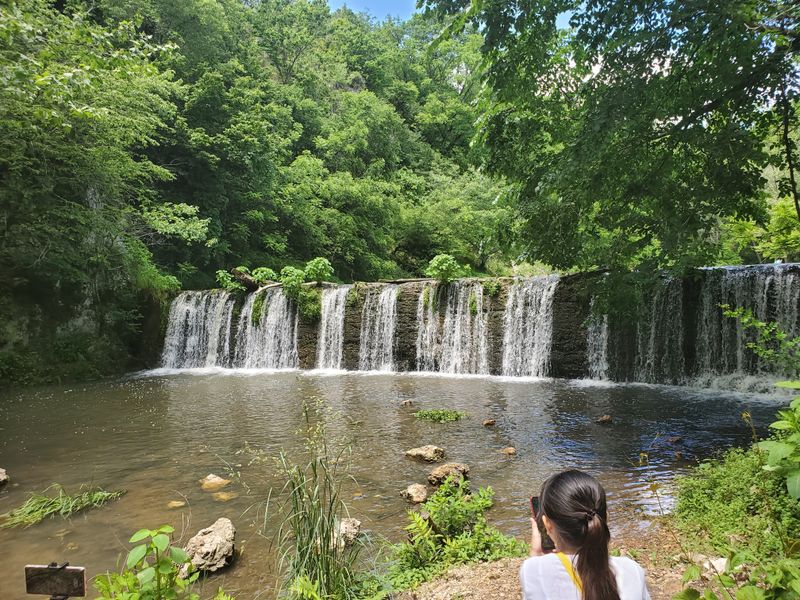
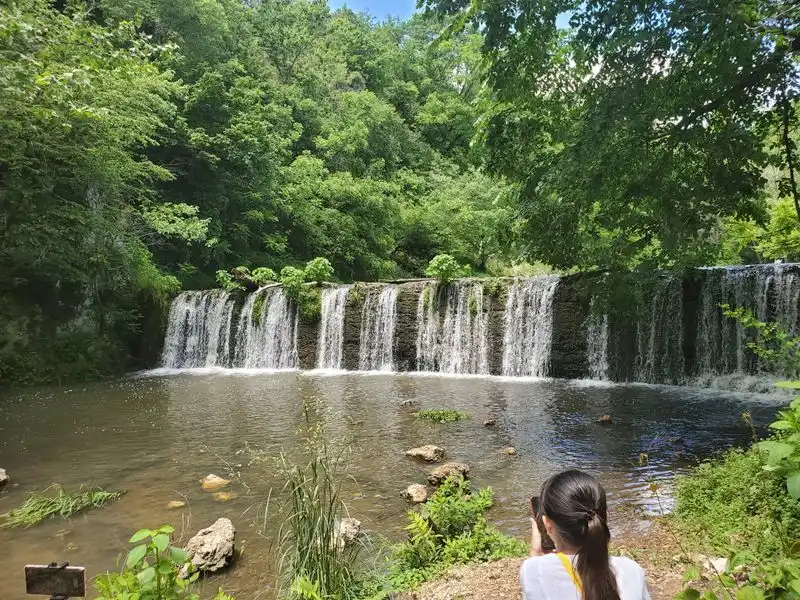
Natural Falls hides a cool, shaded amphitheater in the far northeast corner of the state. Water drops down a 77 foot ribbon into a turquoise pool framed by moss and ferns.
The scene feels like Ozark country more than prairie, and the air is ten degrees kinder.
Short trails loop to overlooks and boardwalks that protect delicate plants. You cannot swim at the base, which keeps the grotto pristine, but nearby streams and picnic areas offer rest in the shade.
Photographers should bring a tripod for silky water and soft green textures.
Yurts and campsites make easy basecamps for a weekend of quiet hikes. Birds love the cool microclimate, so expect warblers, wrens, and occasional migrating surprises.
Early morning visits deliver calm water and fewer voices.
Families appreciate the short distances and the feeling of discovery around each bend. If you want a longer day, pair the park with nearby Ozark foothill trails.
You will leave refreshed, like you found a secret spa carved in stone.
Roman Nose State Park
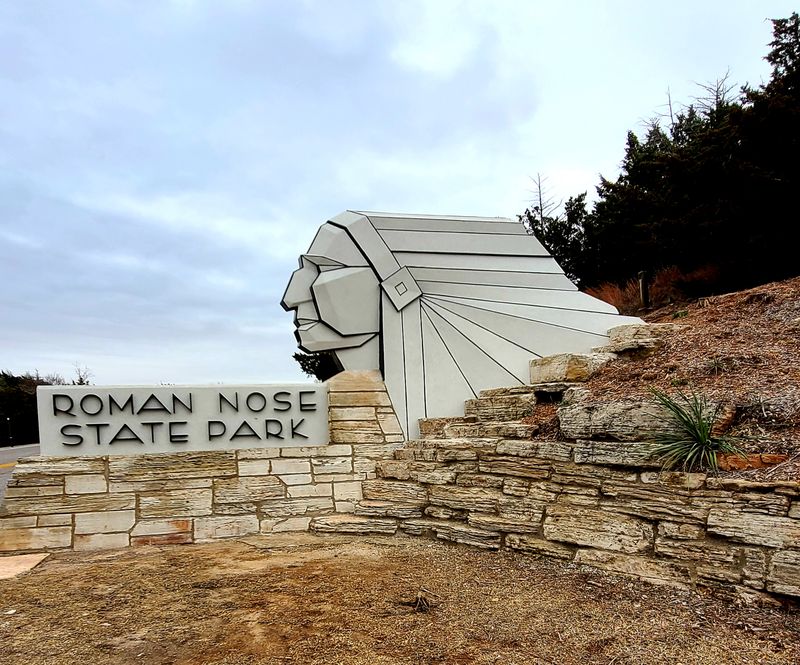
Roman Nose sits in a red rock canyon with spring fed lakes that gleam like mirrors. The contrast of sandstone, cottonwoods, and blue water feels almost Southwestern.
Trails climb to skylines where turkey vultures circle and the wind tastes like sage.
Hiking and mountain biking explore mesa rims and creek bottoms, with moderate grades and big views. The Three Springs area is a must for its clear water and birdlife.
If you golf, the park course lines up canyon shots that feel unlike anywhere else in Oklahoma.
Kayaks and paddleboards glide across calm coves, perfect for quiet mornings. In summer, shade becomes currency, so plan early or late sessions.
Wildlife tends to appear when crowds thin, especially deer along the edges.
Lodging options include a mid century lodge, cabins, and shaded camp loops. History threads through the park, from tribal stories to WPA era structures.
Spend a full day and you will see why locals love this blend of canyon drama and gentle water.
Red Rock Canyon Adventure Park
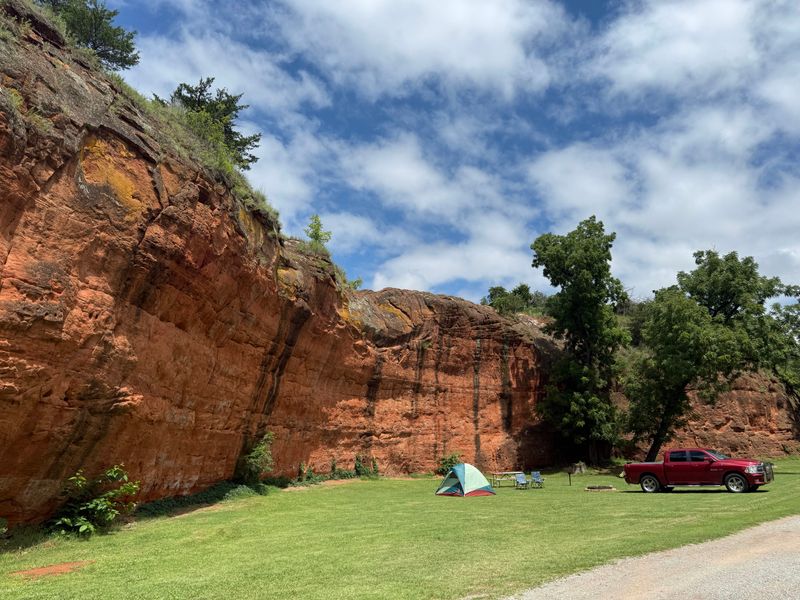
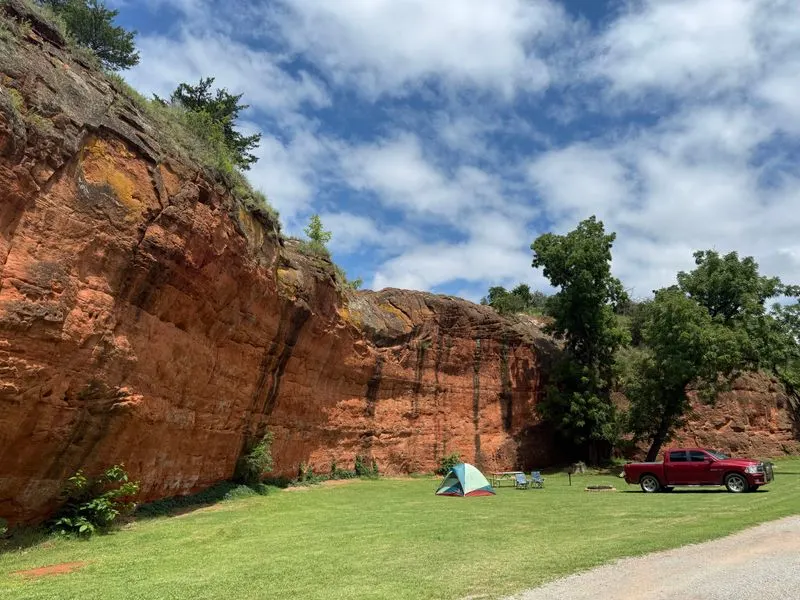
This privately operated park once flew the state park flag and still delivers classic canyon vibes. Red sandstone walls rise straight from the floor, catching light that shifts from copper to crimson.
You feel small, in the good way that invites slower steps and longer looks.
Hiking stays easy but immersive, with side slots worth exploring after rains. Rappelling is a highlight for guided groups, and the rock’s texture gives confidence under hand.
Families enjoy shaded picnic tables tucked against the cliffs.
In fall, cottonwoods paint yellow ribbons along the creekbed. Spring saturates every surface, and the canyon’s acoustics turn birdcalls into music.
Photographers should watch for reflected light that glows on lower walls.
Camping runs from simple tent spots to RV sites, with the canyon creating a natural windbreak. Weekdays feel quiet, so plan accordingly if you prefer solitude.
Leave time to sit against warm rock and watch shadows climb, a slow motion show that never gets old.
Little Sahara State Park
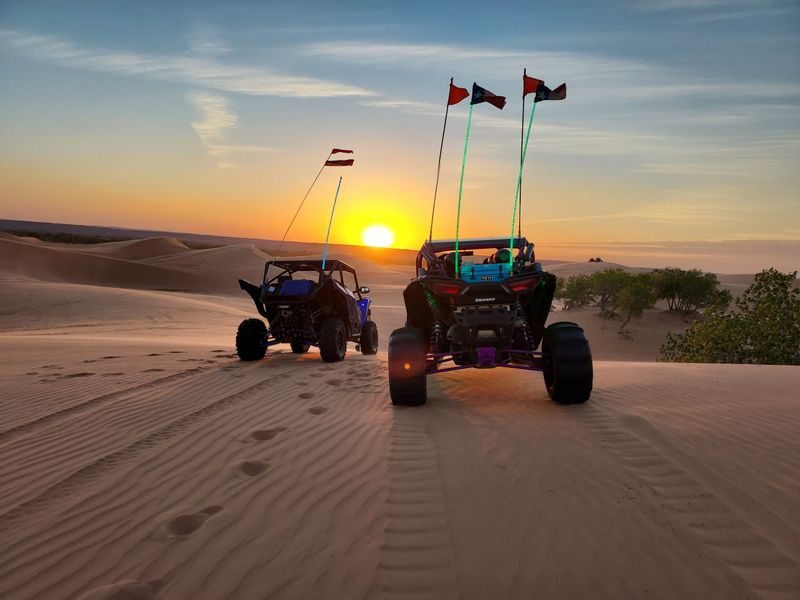
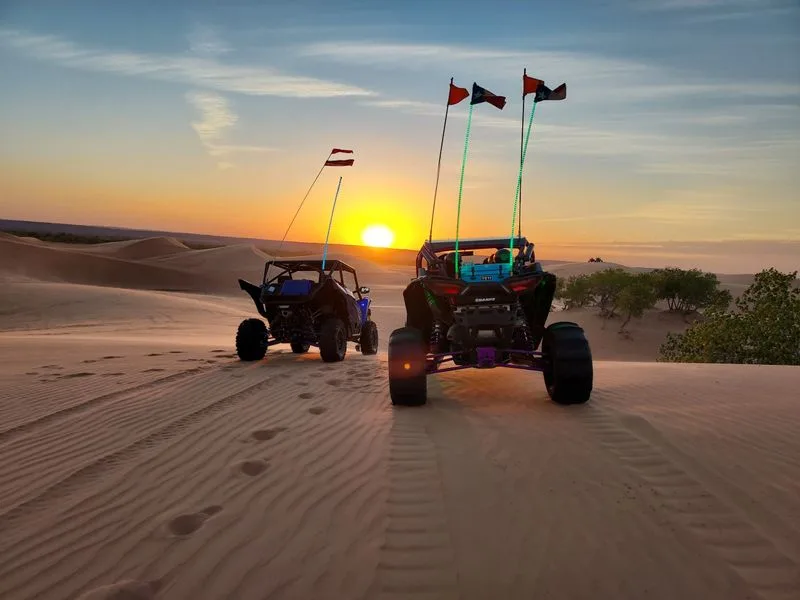
Little Sahara shocks first timers with rolling dunes that look borrowed from far away deserts. Wind sculpts ripples and sharp crests, and the light paints long stripes across the sand.
It is kinetic, playful terrain where your sense of scale stretches.
Most visitors come to ride ATVs and dune buggies across the open areas. Rental outfits on the edge of the park simplify logistics, and safety flags are mandatory.
If you prefer quiet, sunrise walks along the perimeter deliver soft light and surprising tracks.
Bring sun protection, spare water, and a willingness to shake sand from everything. The dunes shift weekly, so familiar routes change, keeping every visit fresh.
On still evenings, the sky turns sherbet colors that mirror the pale sand.
Camping sits close to the action, with night engines winding down to stars and coyotes. Photograph from lower angles to exaggerate ripples and depth.
You will leave a little dustier and a lot happier, with sand sparkling in your shoes.
Salt Plains State Park
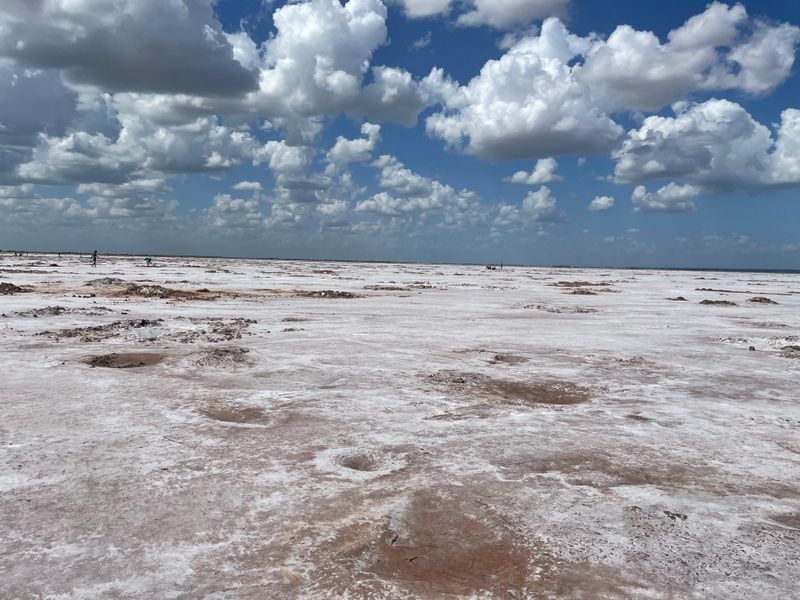
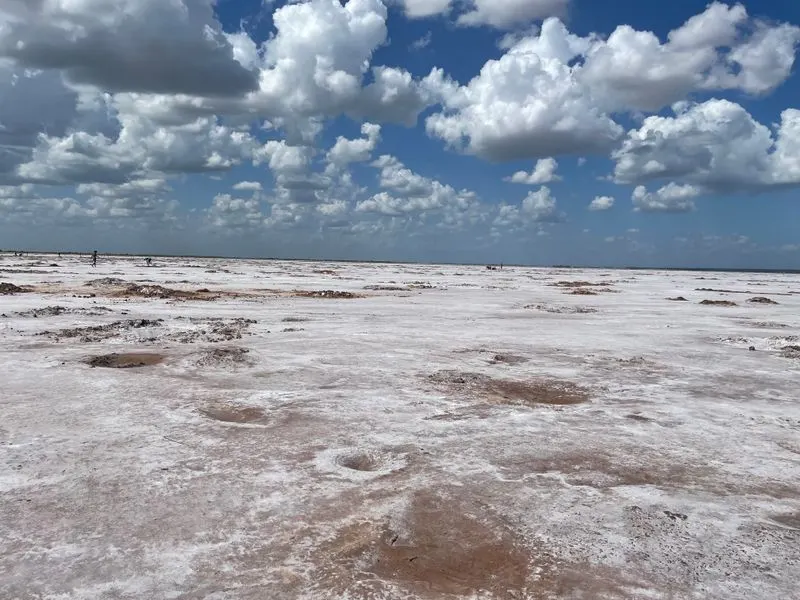
Salt Plains introduces a stark, lunar landscape that changes with seasons and rain. Shimmering flats stretch to the horizon, and the light bounces hard off the white crust.
You step out and feel the crunch underfoot, like walking on brittle glass.
The big draw is selenite crystal digging in a designated area during open season. Children and adults kneel in shallow pits, rinsing sand to reveal hourglass filled crystals unique to this place.
It is messy, satisfying, and surprisingly meditative.
Birding is world class, especially during migrations when American avocets, plovers, and pelicans feed in shallow water. Bring binoculars and a patient mindset, because the drama sits at the edge of stillness.
Photography thrives on minimalism and big sky weather.
Facilities make day trips easy, and nearby camping turns it into a star filled night. Check conditions since rain can transform access roads and flats.
You will leave with pockets full of sparkle and a new appreciation for Oklahoma’s wild variety.
Greenleaf State Park
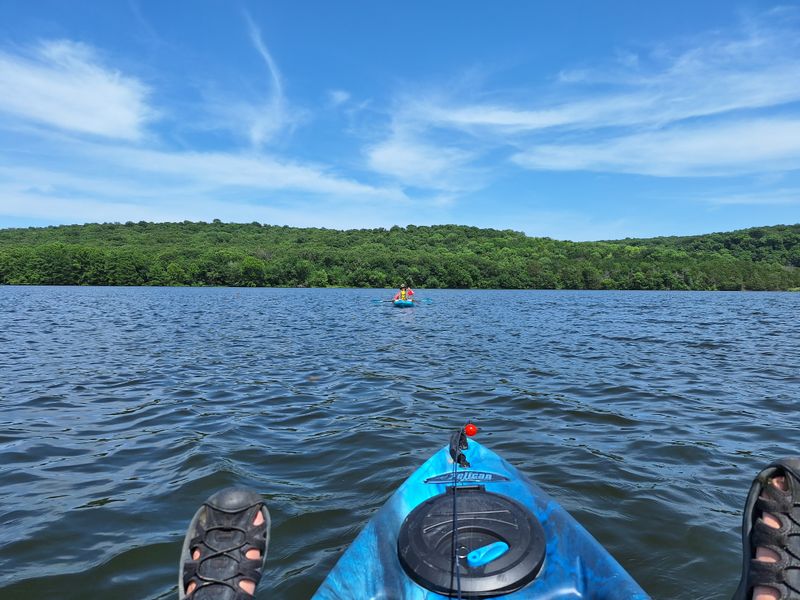
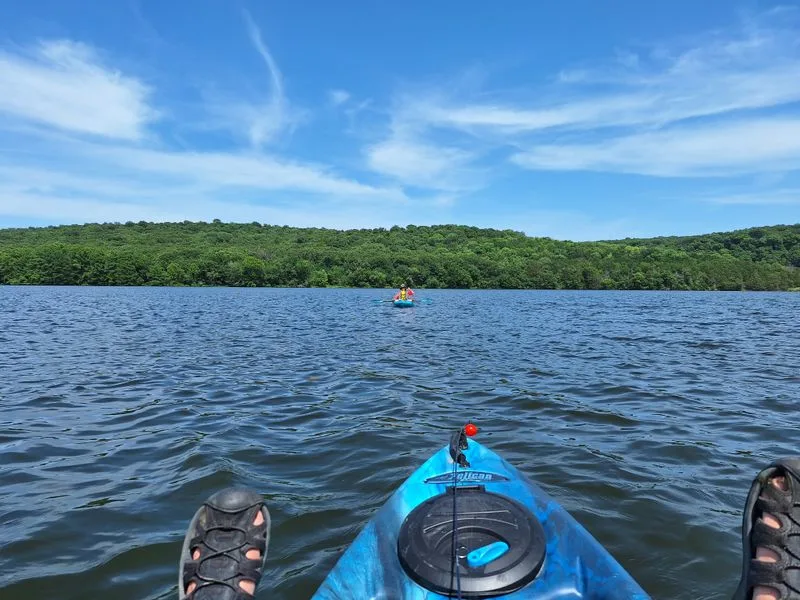
Greenleaf feels like a summer camp memory polished by time. The lake wakes with mist, and the suspension bridge on the Ankle Express trail swings gently under careful steps.
You hear woodpeckers, see turtles slip from logs, and breathe air that smells like pine and damp earth.
Trails loop through quiet forest with enough elevation to keep hearts honest. Kayaks glide along coves where lily pads hold dragonflies like stained glass.
Fishing from shore is relaxed and often rewarding in the low light hours.
Cabins and campgrounds sit under shade, with CCC architecture adding character and history. Families gravitate to the swim beach, while hikers claim mornings and late afternoons.
The park rewards unhurried days and screen free hours.
Pack a thermos, find a dock, and watch the sun climb. When the breeze lifts, the lake chuckles softly against wood and stone.
You will leave feeling steadier, like the forest taught your pulse a calmer rhythm.
Osage Hills State Park
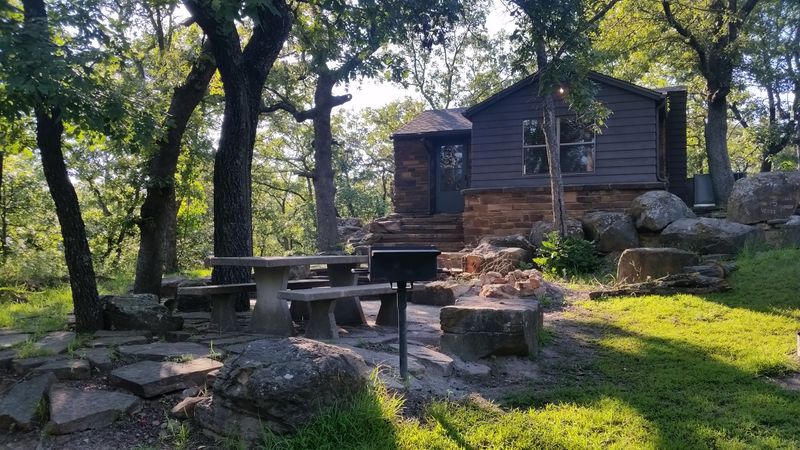
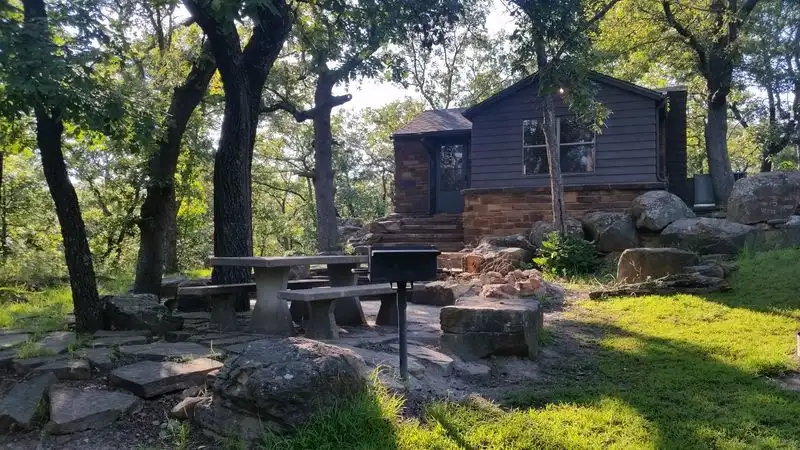
Osage Hills trades drama for texture, and the result is quietly beautiful. The hills roll in layered greens that turn to copper and gold in fall.
Creeks step down rocky shelves, making music that lingers over picnic tables and old stone bridges.
Trails weave through oak and hickory, with deer prints and armadillo trails underfoot. Mountain bikers find flow on forgiving grades, while hikers collect overlooks and creek crossings.
After rain, small cascades brighten the soundscape.
Historic cabins show classic CCC craftsmanship, rough stone that warms in afternoon light. Birders catch warblers in spring and owls at dusk, especially near riparian pockets.
Bring patience and a lens that likes low light.
The park sits near Pawhuska and the Tallgrass Prairie, making an easy combo trip. Even a single night here resets your senses.
You will wake to birdsong and leave with a subtle smile you cannot quite explain.
Sequoyah State Park
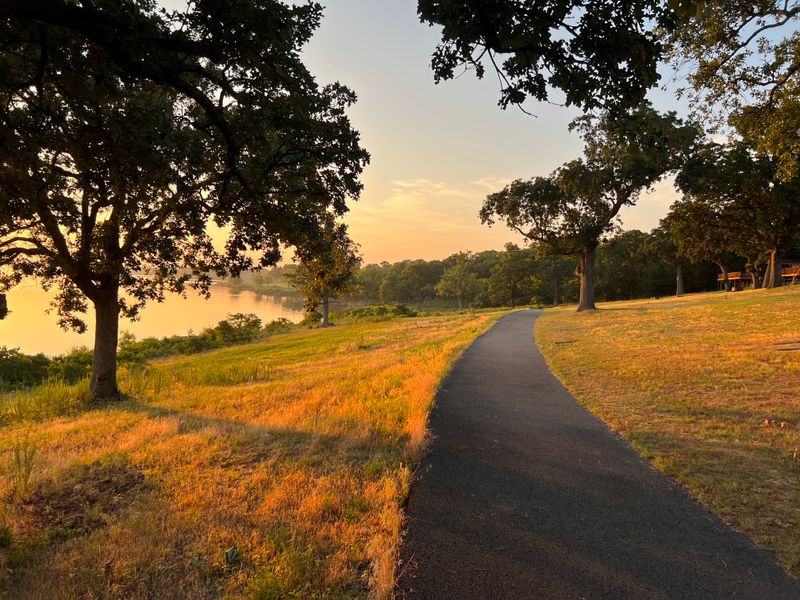
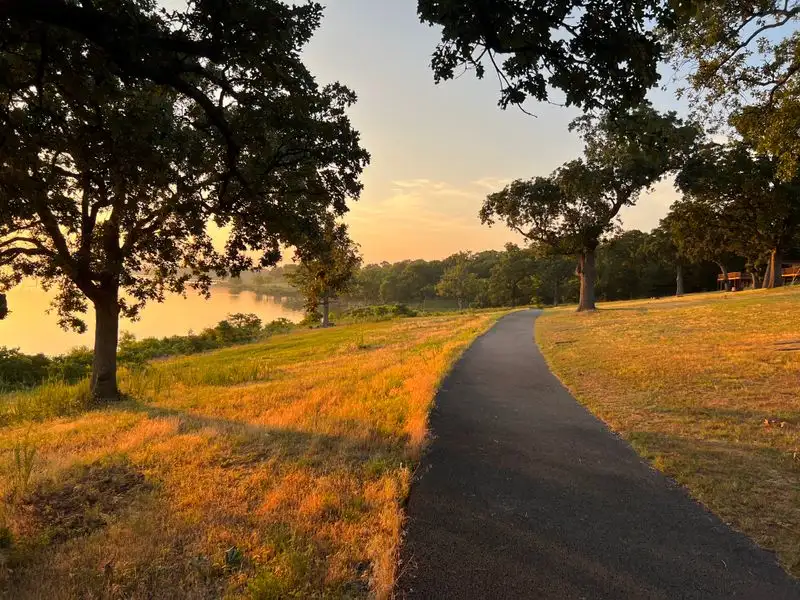
Sequoyah hugs a peninsula on Fort Gibson Lake, a place built for easy weekends. The marina clinks softly, and sailboats paint small triangles against wide water.
Shoreline trails invite slow walks with views that open and close like breathing.
Families love the nature center and guided horseback rides from the on site stables. You can rent boats, paddle quiet coves, or cast for crappie and bass near brushy points.
On windy days, waves slap the rocks with a steady rhythm that soothes.
Lodging runs from a big lodge to cabins and full hookup sites, making logistics simple. Sunsets become communal events, with cameras out and kids skipping stones.
The park’s gentle grades make it accessible for multigenerational trips.
Pack a picnic, bring binoculars for lake birds, and do not rush the mornings. If you crave more action, nearby towns add cafes and small museums.
You will drive away feeling like you finally figured out how to relax by water.