

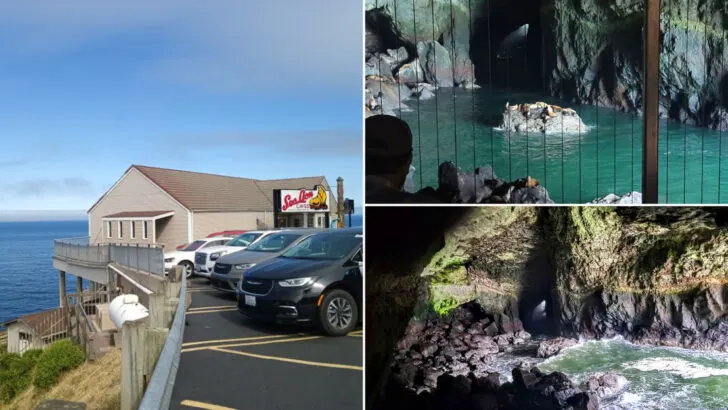
Step into a world where the ocean roars and history sleeps in salt and stone.
Along the rugged Oregon Coast, Sea Lion Caves opens a 12-story sea cave that has been home to wild Steller sea lions for more than 80 years. Sunlight filters in, waves crash below, and the air vibrates with life.
Inside, the cave is alive with movement and sound. Massive sea lions lounge on rocky ledges, vocalizing with deep, echoing calls that fill every corner.
The experience is raw, unpolished, and utterly captivating — nature showing off on its own schedule.
Visitors often find themselves mesmerized, watching these incredible creatures up close while feeling the power of the ocean surge beneath them. For anyone seeking adventure, wonder, or just a reminder that the wild still reigns, this Oregon gem delivers a spectacle you’ll never forget.
The 12 story sea cave and how it formed
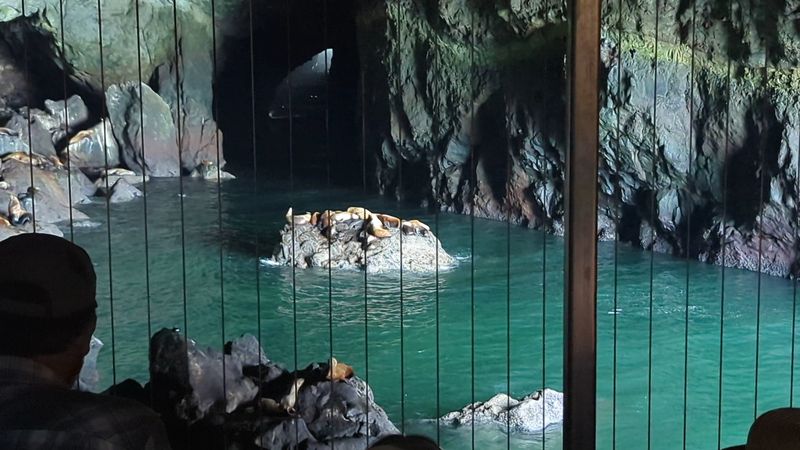
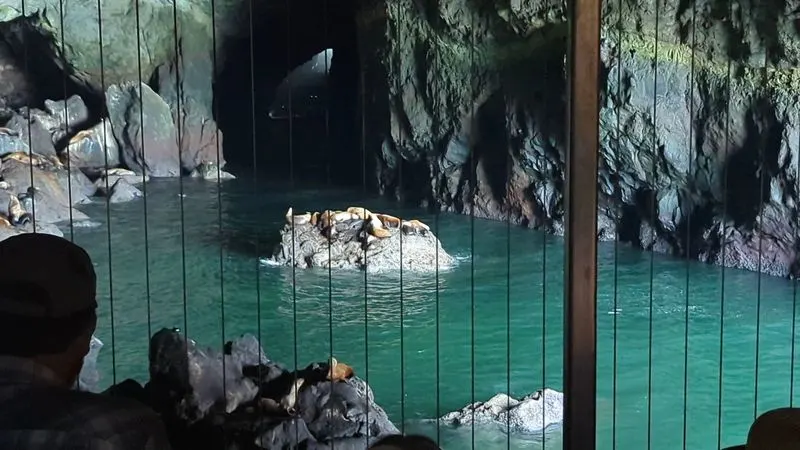
Imagine standing inside a natural chamber as tall as a 12 story building while waves thunder through openings carved by relentless Pacific swells. Sea Lion Caves formed within basalt cliffs over millions of years, widened by hydraulic action and chemical weathering.
The result is a cathedral like cavern where sound ricochets and salt mist hangs in the air.
Here, the ocean has been the engineer, chiseling arches, benches, and slick tide polished stone. Seasonal storms amplify the symphony, sending plumes of spray and a deep bass rumble through the cave’s mouths.
On calmer days, the acoustics still feel alive, echoing every drip and distant bark.
Standing at the rail, you can trace the cave’s geology in layers: dense basalt, pockets of tuff, seams streaked with minerals. Look for rounded cobbles that tell of past collapses and reshaping.
The sheer volume helps explain why this site shelters wildlife even in rough weather.
The wonder is not only size but movement. Light shifts from emerald to slate as clouds pass the cliff face.
Whether sea lions are present or feeding offshore, the cave’s evolving atmosphere is worth the ride down the elevator and the walk through the tunnel.
Steller sea lions vs California sea lions
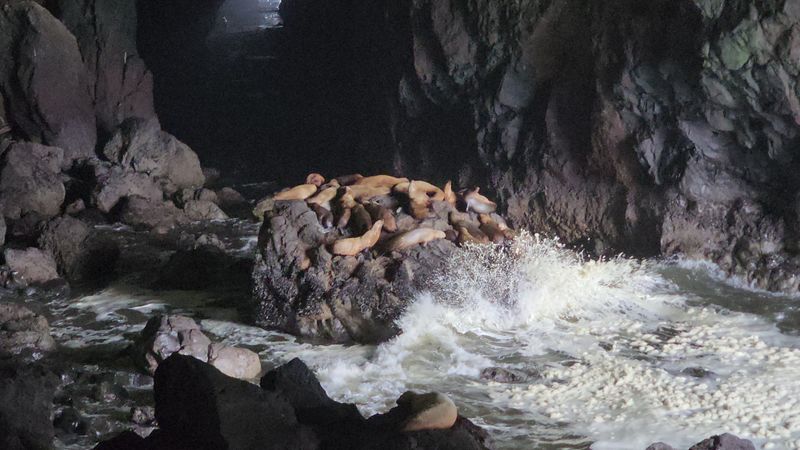
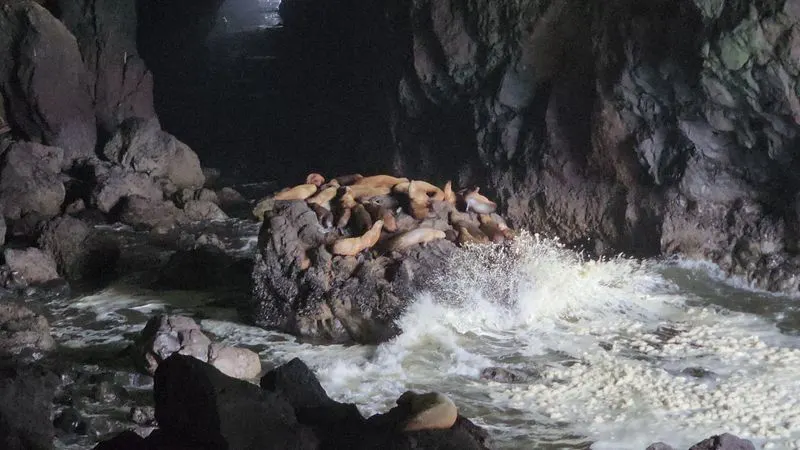
Not all sea lions are the same, and Sea Lion Caves is famous for Steller sea lions, the largest eared seals. Stellers are bulkier with lighter, often blond to tawny fur and blocky heads.
California sea lions look sleeker and darker with a pronounced forehead bump on males and a more dog like profile.
Listen for differences too. Steller males produce deep chesty roars, filling the cave with resonance, while California sea lions bark in sharper bursts.
Body size helps: adult male Stellers can top 2,000 pounds, towering over Californias, which are usually under half that weight.
You will often see Stellers dominating the rock ledges here, especially in fall through spring. Californias may be spotted from coastal viewpoints outside the cave or on nearby haul outs.
Staff signage helps decode which species you are seeing on any given day.
Respect the wildlife by observing from designated platforms. Binoculars reveal whiskers, flippers, and social interactions without disturbing the colony.
When animals are out feeding, interpretive boards and a short film deepen your understanding, so you still leave with sharp eyes for identifying both species elsewhere along Highway 101.
Best seasons and timing for sightings
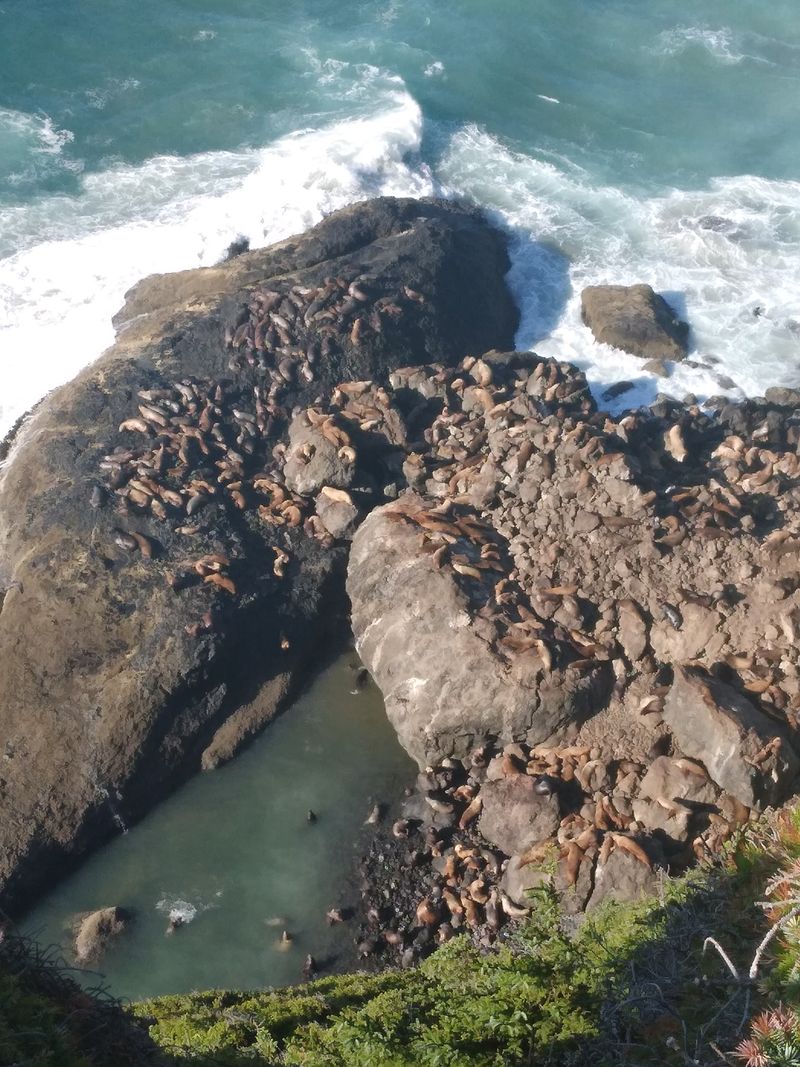
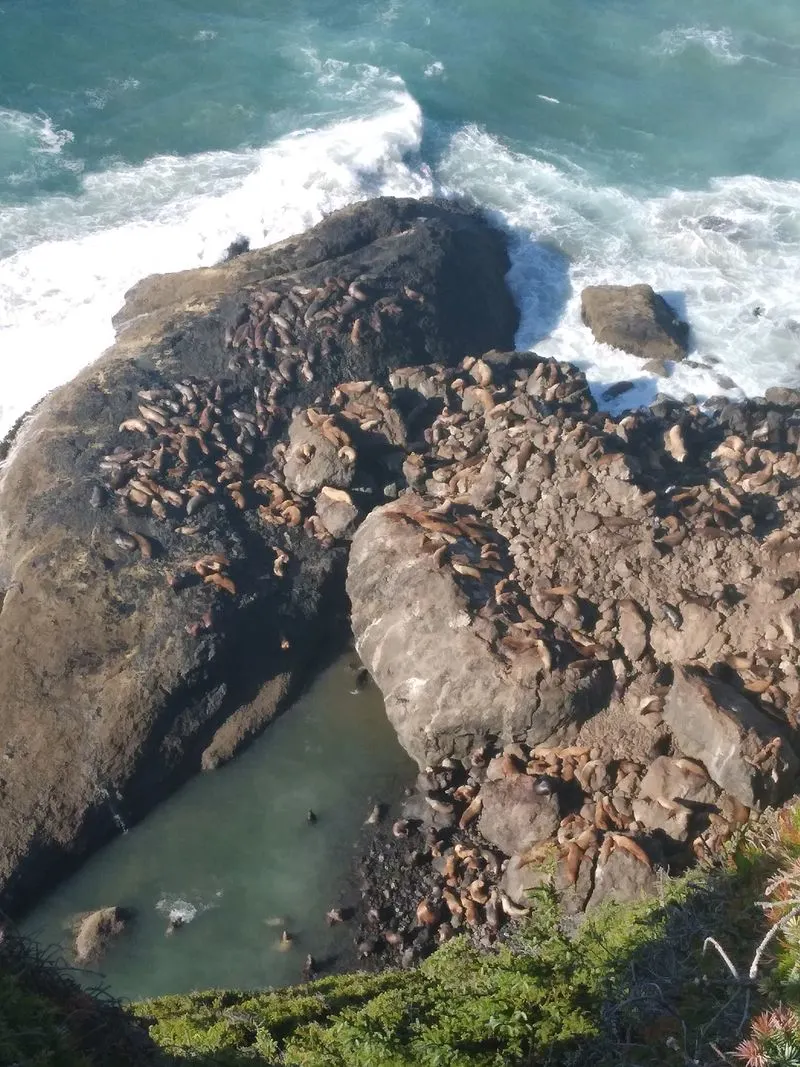
Wildlife has its own schedule, and Sea Lion Caves sets expectations early. Steller sea lions are often inside the cave from late fall through spring, especially during rough seas.
In late spring and summer, many shift to rookeries on offshore rocks to breed and pup.
That means some days you will step into a roaring cave with dozens to hundreds hauling out, and other days you will find only surf and echoes. Staff post conditions at the entrance and offer discounted admission or rainchecks when animals are away.
Calling ahead can help plan, but ocean conditions change fast.
For better chances, aim for cooler months, mornings after storms, and midweek when crowds thin. Binoculars expand your viewing range if the colony hugs darker ledges.
If they are out feeding, nearby turnouts along US 101 can reveal raucous groups on open rocks.
Even on lower activity days, the cave’s geology, blowholes, and viewpoints deliver drama. Make peace with uncertainty and enjoy the preserve on its terms.
Patience pays off, and returning within 12 months on a raincheck often yields that unforgettable chorus of barks, splashes, and mist swirling through green light.
How to get there and plan your stop
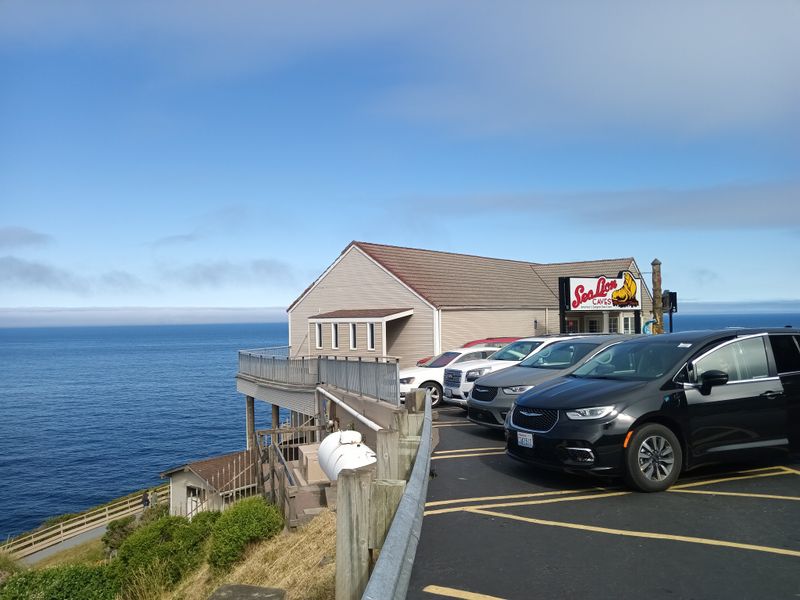
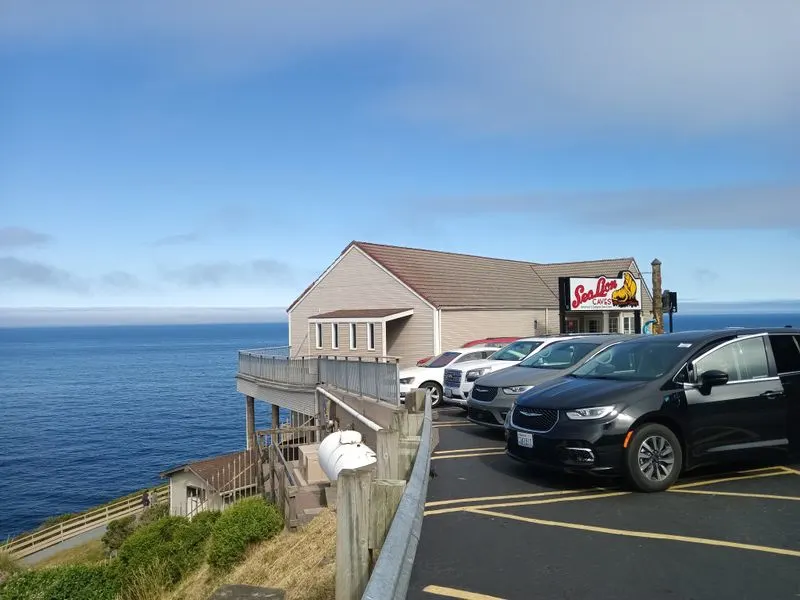
Sea Lion Caves sits at 91560 US 101, about 11 miles north of Florence on a dramatic cliff. Parking is free, and the entrance building leads to ticketing, exhibits, and the elevator.
Hours generally run 9 AM to 4 PM, but check the posted times because weather and season can adjust schedules.
Plan 45 to 90 minutes, depending on crowds and how long you linger at viewpoints. Wear layers for coastal wind and bring a hat or hood for mist.
The cave can feel chilly even on sunny days due to constant airflow and spray.
Cell service varies along this stretch, so download maps. If you want extra views, budget time for Heceta Head Lighthouse State Scenic Viewpoint nearby.
Some visitors also scout roadside turnouts to spot sea lions when the cave itself is quiet.
Arrive with flexible expectations and a spirit of discovery. You will find friendly staff, clear safety railings, and well maintained pathways.
With timing luck, you catch the colony in full voice. Without it, you still get an unforgettable look at a 25 million year old sea cave and the raw Pacific sculpting Oregon’s coast.
Tickets, hours, and what the price includes
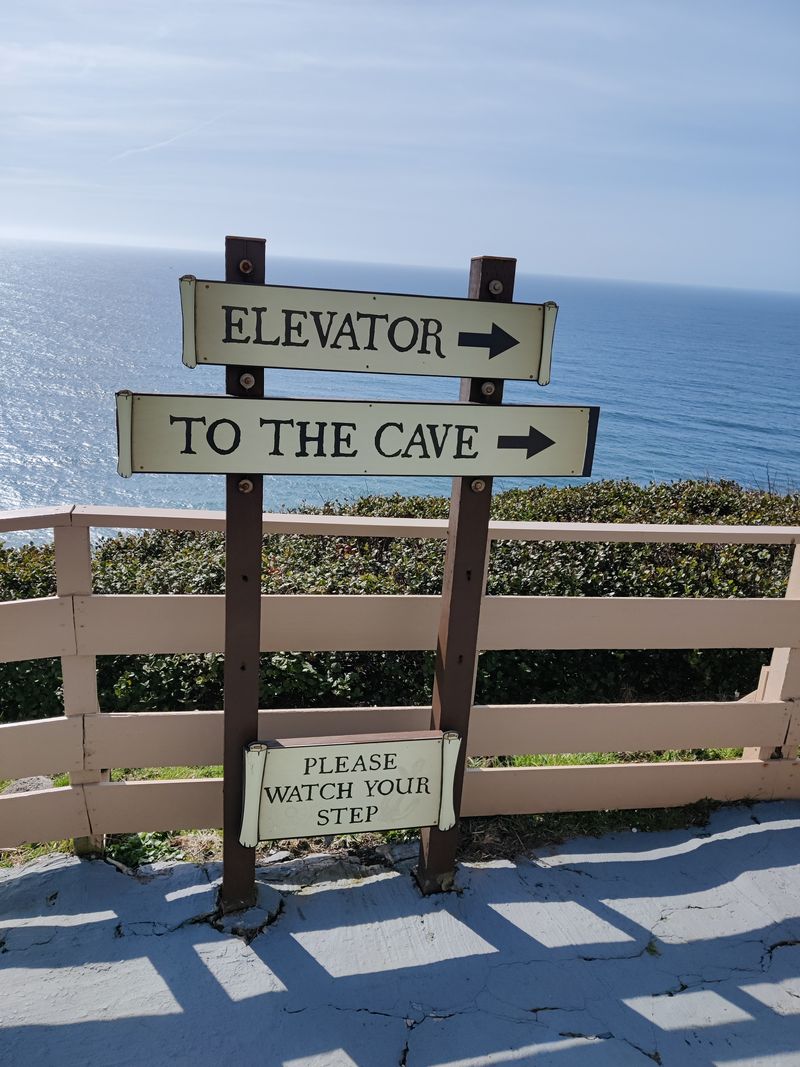
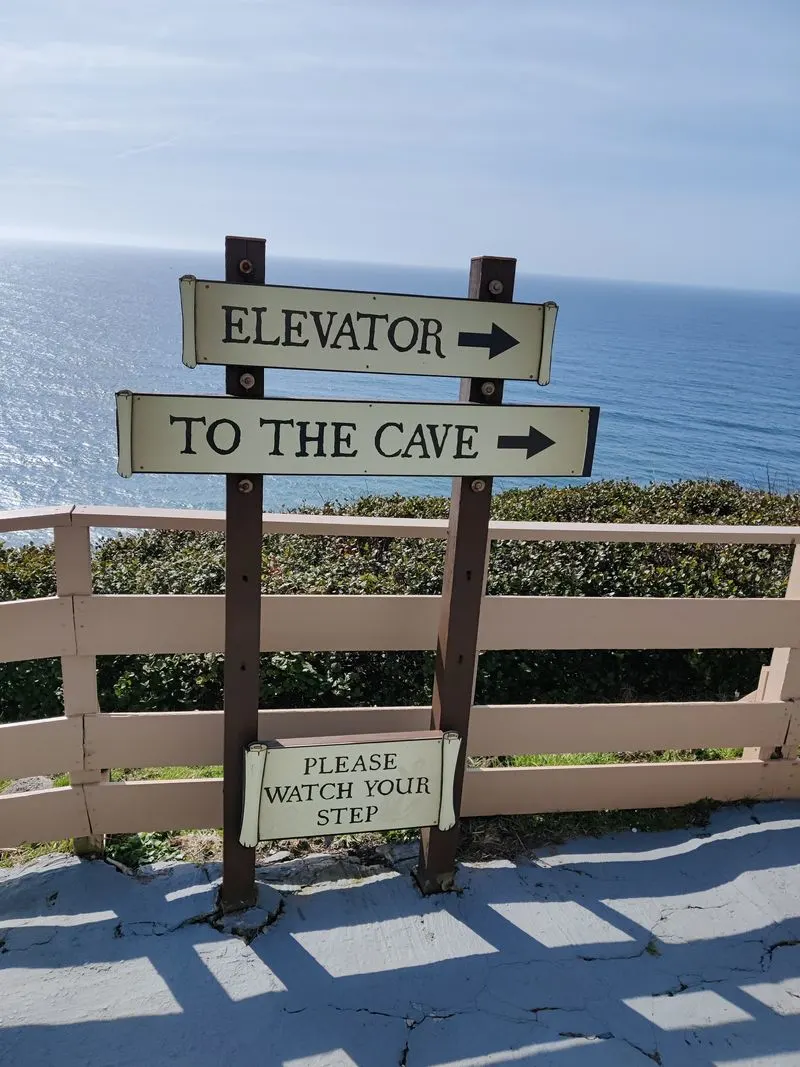
General admission is posted at the counter, with adults typically around $18, seniors slightly less, and kids discounted. Children four and under are free, and parking is included.
When sea lions are not visible, staff often provide a small discount or a raincheck valid for a year.
Your ticket covers elevator access into the cave, time at cliffside viewpoints, interpretive signage, and a short educational film. Expect a well organized flow with clear safety guidance.
Lines build on weekends and school breaks, so earlier arrivals help.
Because this is a preserve, not a zoo, sightings vary. The team tries to set expectations before purchase, updating guests about current conditions.
That transparency helps you decide whether to explore today or return another season.
Bring a credit card, though having a backup payment never hurts in rural areas. Save your receipt if given a raincheck.
If the colony is roaring, linger and soak in the spectacle. If it is quiet, focus on geology, the lighthouse view, and coastal birds that share the cliffs.
The elevator ride and accessibility notes
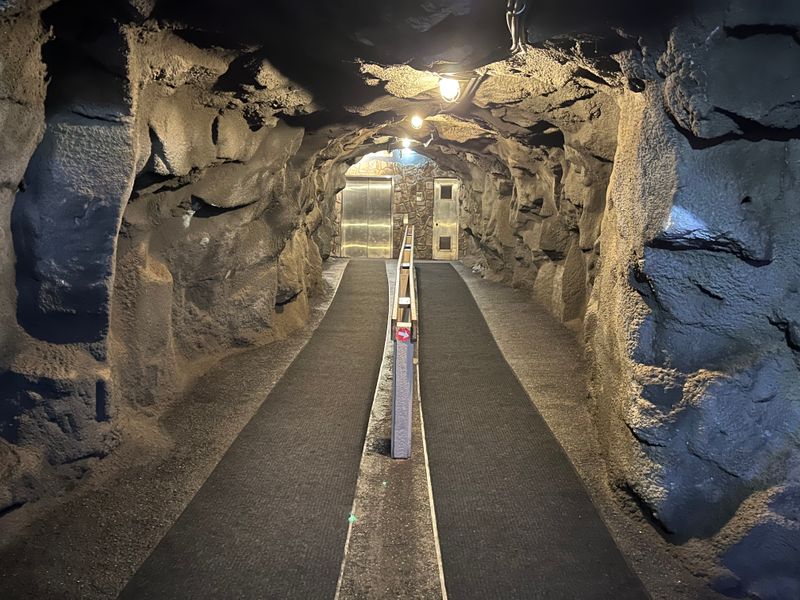
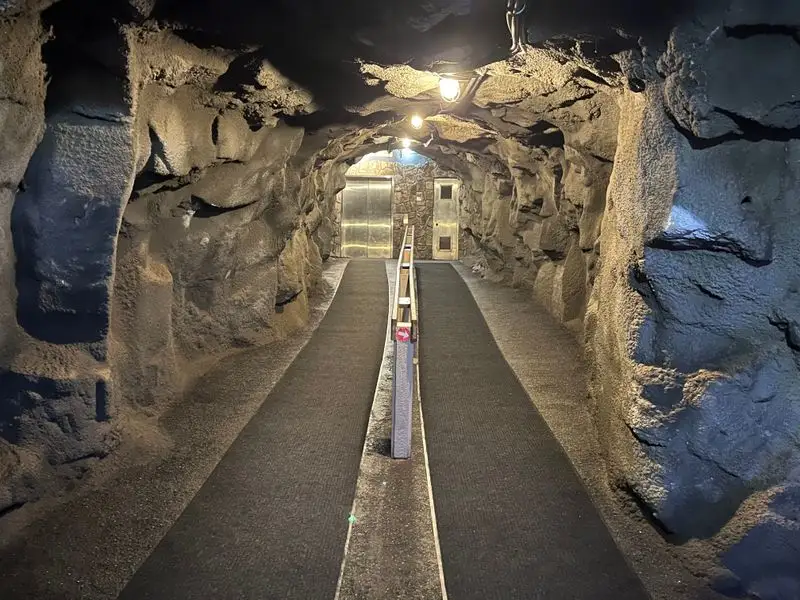
The elevator is your portal from windswept cliff to thundering cavern floor in seconds. It is smooth, enclosed, and monitored by staff, making the descent easy for most visitors.
When the doors open, moist air and the echo of waves hit immediately.
Accessibility is better than you might expect for a wild setting. There are railings, defined walkways, and a relatively short distance from elevator to viewpoints.
However, surfaces can be damp and slightly uneven, so traction shoes help.
Wheelchair users often manage the upper areas comfortably, but grade changes and moisture warrant caution. If you have mobility questions, call ahead at +1 541 547 3111 for current conditions.
Staff are candid about what is practical on the day you visit.
Elevator closures can occur during power issues or safety checks. In those rare cases, views from the top still deliver sweeping drama of Heceta Head and offshore rocks.
Either way, plan extra time for photos, because even the elevator lobby windows frame the ocean in a way that begs a few careful shots.
What you will see inside the cave
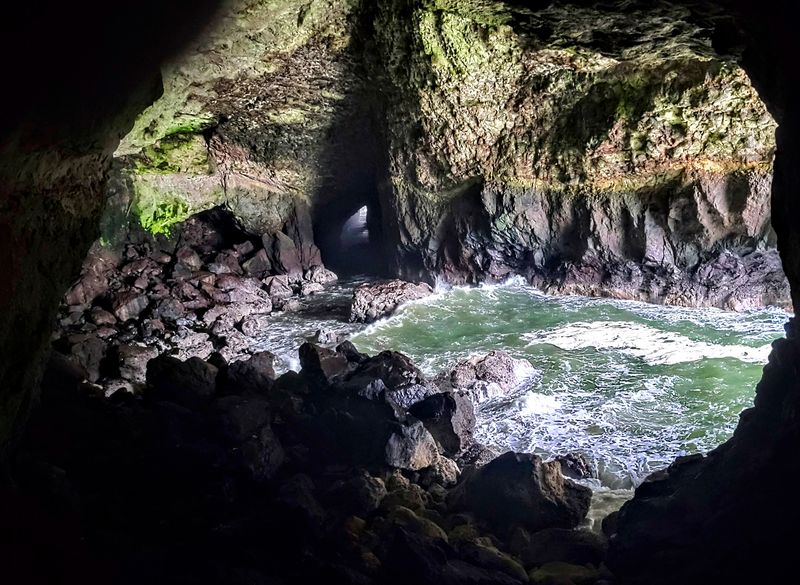
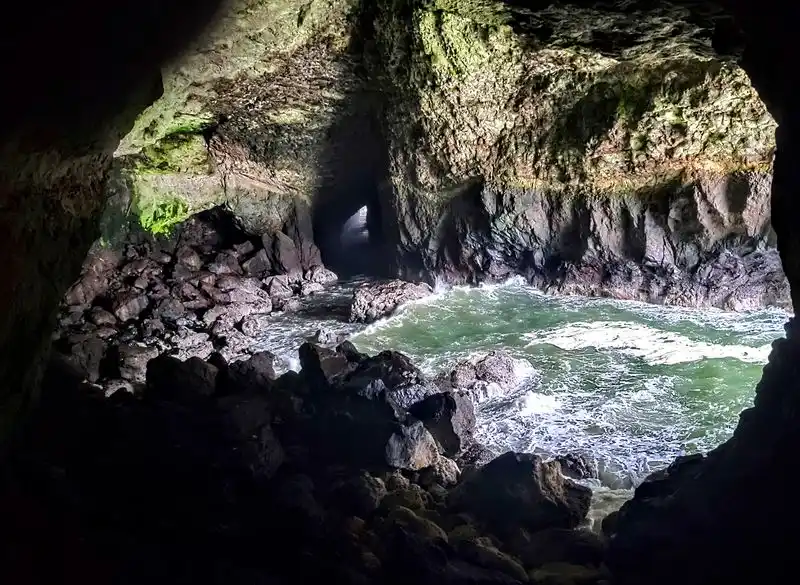
Inside, platforms place you at the heart of the action without disturbing wildlife. Look for mottled rock ledges where Steller sea lions haul out to rest, social spar, and preen.
Water shimmers green as sunlight filters through openings, lighting the cave like a living lantern.
When the colony is present, you will hear guttural roars, slaps, and splashes that vibrate in your ribs. Pups chase in shallow pools while adults posture, nap, or slide off rocks.
Quiet days shift the focus to the immense architecture and bowling alley smooth stones.
Interpretive panels explain behavior, diet, and range. You can compare skulls and skeleton models, then glance up to see the anatomy in motion.
The short film anchors the natural history with striking footage and respectful storytelling.
Expect strong smells. That is part of reality in a wild haul out.
A mask or scarf helps if you are sensitive. With binoculars, details pop: whisker pads, clawed foreflippers, and the way water beads on oiled fur.
Give yourself space at the railing and let the rhythm of the Pacific do the rest.
Heceta Head Lighthouse and coastal viewpoints
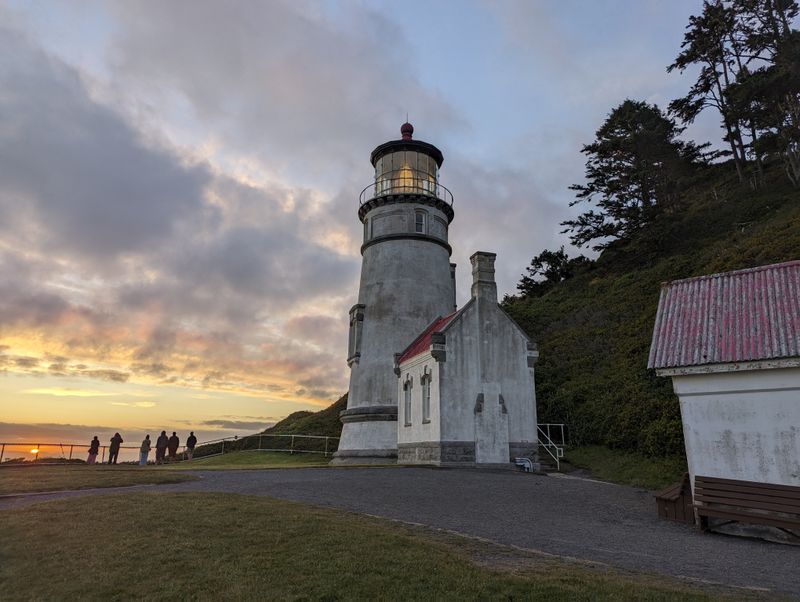
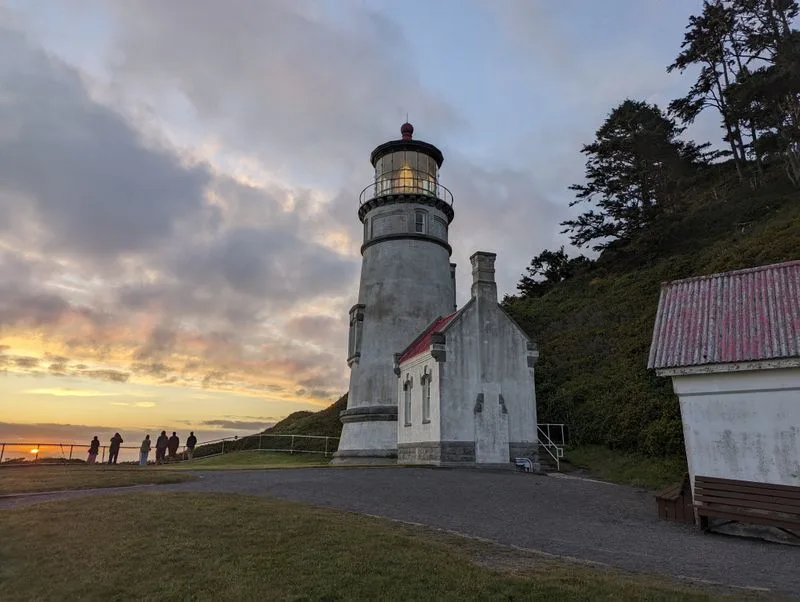
Step back outside and the Oregon Coast steals the show. From the walkways you can frame Heceta Head Lighthouse perched above frothy surf, one of the coast’s most photogenic beacons.
The cliffs around Sea Lion Caves drop steeply to jade water, with gulls and cormorants stitching the sky.
On clear days, distant stacks march south toward Florence and north toward Cape Perpetua. Winter storms turn the scene cinematic, flinging spray over reefs while sun breaks punch through clouds.
Handrails keep you secure so you can focus on steady shots.
Bring a lightweight telephoto or use the coin operated viewers for detail on rocks and birds. Even a phone camera shines at golden hour when basalt warms and the lighthouse glows.
Watch footing, as coastal mist can slick surfaces.
If sea lions are outside the cave, scan roadside pullouts a few minutes north. Sound travels, and a rising chorus often gives them away.
This combo of wildlife preserve and postcard vistas makes the stop worthwhile in any season, especially if you are piecing together a Highway 101 itinerary.
Wildlife beyond sea lions: birds and whales
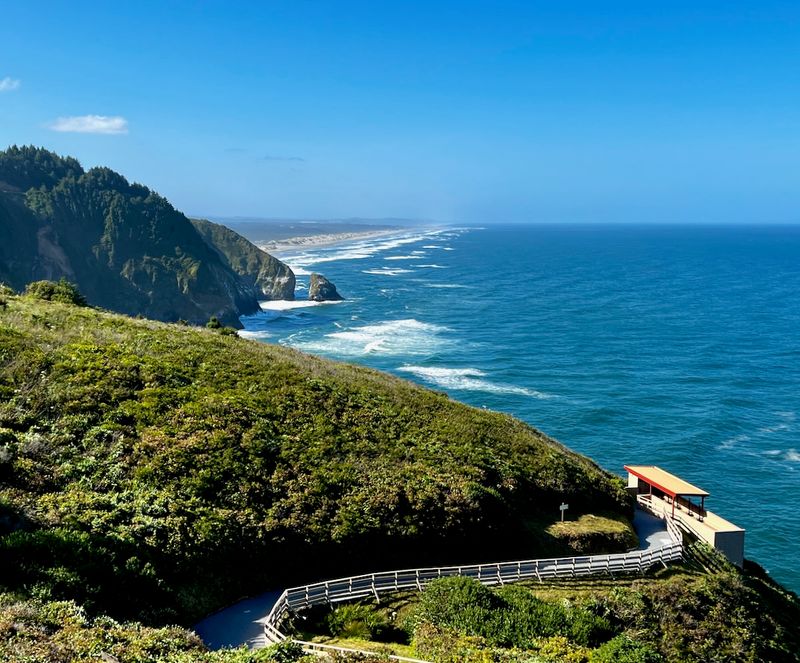
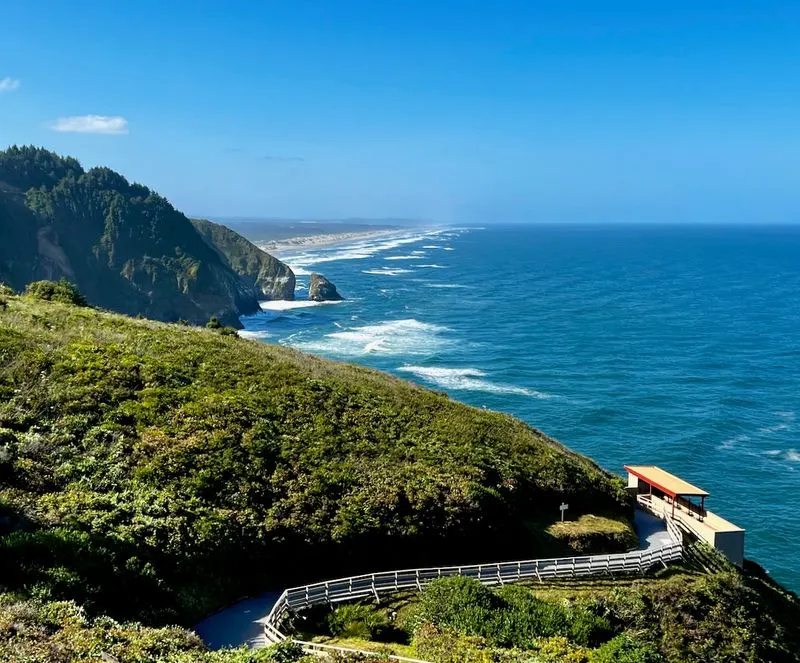
Keep your eyes open beyond the main stars. The cliffs support nesting seabirds like common murres, cormorants, and pigeon guillemots.
Bald eagles sometimes patrol the headlands, while harbor seals and occasional porpoises work the nearshore swells.
In winter and spring, gray whales migrate along the Oregon Coast, their spouts visible from viewpoints when seas are calm. Bring binoculars to scan the horizon for puffs and flukes.
On blustery days, watch for dark backs rolling between wave sets.
Inside the cave, birdlife uses ledges between sea lion haul outs. Guano streaks mark long established perches, and interpretive signs help with identification.
Even when mammals are absent, these aerial comings and goings animate the scene.
Remember this is a preserve, so distance and quiet matter. Resist calls or whistles that could stress animals.
With patience, you can build a fuller checklist than expected from a single stop. The blend of marine mammals, seabirds, and migrating giants underscores why this stretch of Highway 101 remains a premier wildlife corridor.
Nearby Florence tips for a full day
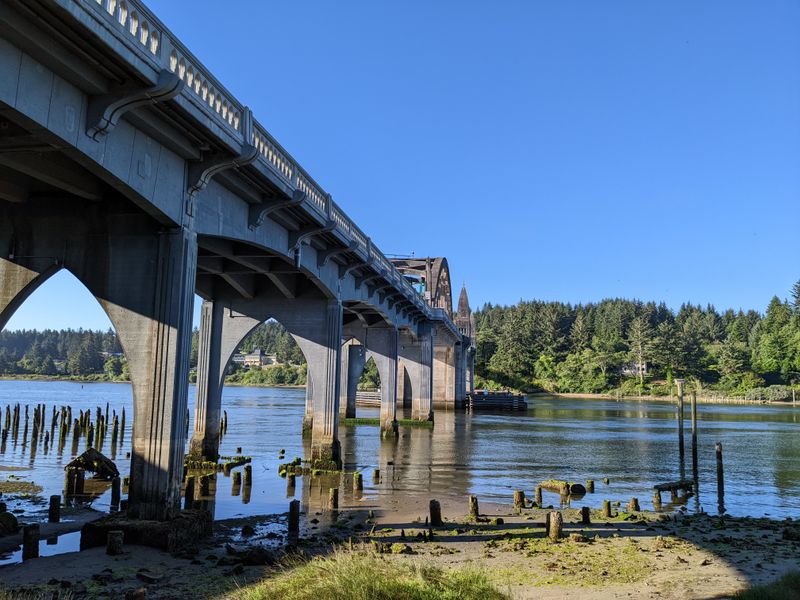
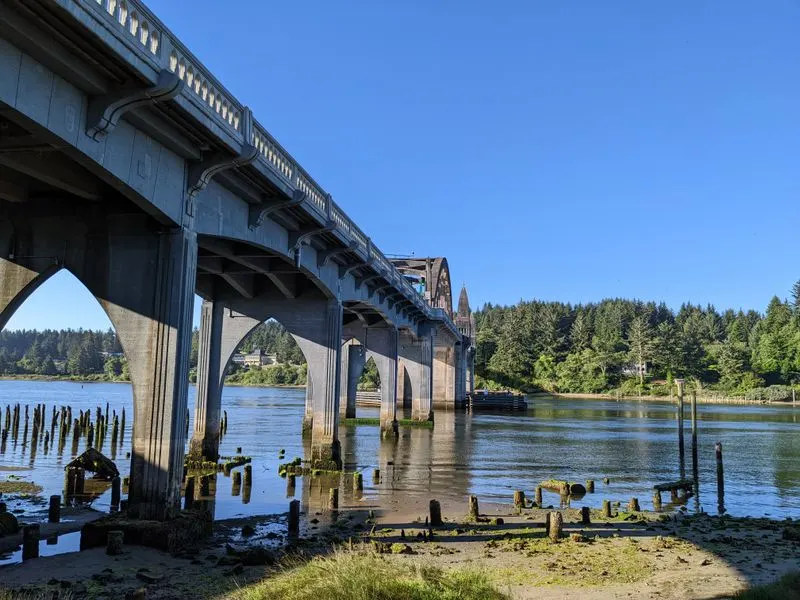
Turn your stop into a full coastal day anchored by Florence. Stroll Old Town along the Siuslaw River for chowder, coffee, and galleries.
The Art Deco Siuslaw River Bridge makes a classic photo, especially at blue hour.
For dunes adventure, head south to Oregon Dunes National Recreation Area for short walks on wind sculpted sand or guided rides. If you prefer quiet, try beach accesses north toward Heceta Beach.
Pack layers because coastal microclimates swing fast.
Back on US 101, pullouts near Sea Lion Caves sometimes reveal offshore haul outs when the cave is quiet. Bring binoculars you grabbed from the gift shop and scan for tan bodies stacked like loaves on black rock.
You can often hear them before you spot them.
End with sunset at a bluff top viewpoint, then dinner in town. If a raincheck is in your pocket, plan your return around winter storms and morning tides.
Florence pairs small town charm with wild edges, making Sea Lion Caves the dramatic centerpiece of a perfect Oregon Coast loop.