A century-old mill may seem like an unlikely place to discover a living river ecosystem, but in Turners Falls, its brick walls now frame a fascinating journey through the Connecticut River Valley. Inside the restored building, visitors can explore exhibits filled with wildlife, river habitats, and stories that reveal how closely the region’s communities are connected to the water.
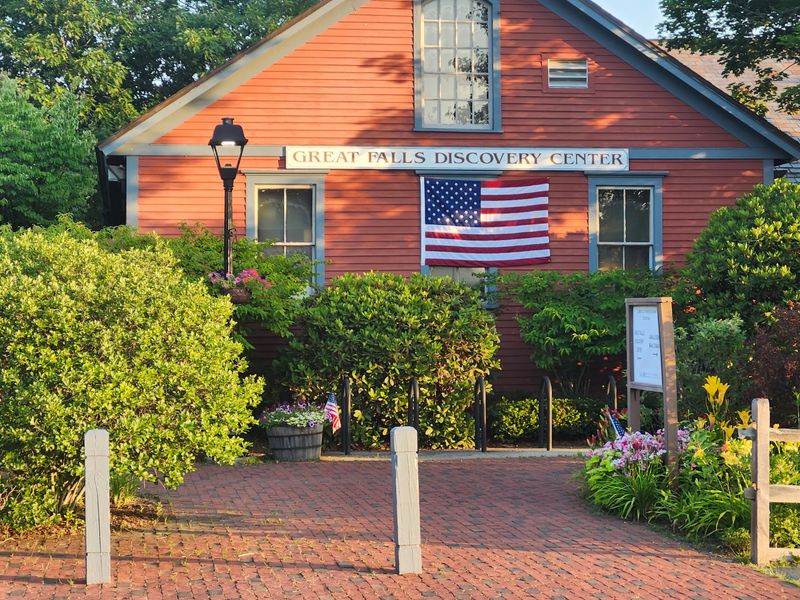
The Great Falls Discovery Center at 2 Avenue A brings that natural world indoors through hands-on displays, colorful wildlife exhibits, and educational spaces designed for curious visitors of all ages. Admission is free, making it an especially inviting stop for families and anyone who enjoys discovering something new without spending a fortune.
After exploring inside, visitors can continue outdoors along nearby trails and riverfront spaces, where the landscape puts the exhibits into context. Step into this remarkable Massachusetts mill and discover how history, wildlife, and the Connecticut River come together under one roof.
A Century-Old Mill Reborn as Nature’s Classroom
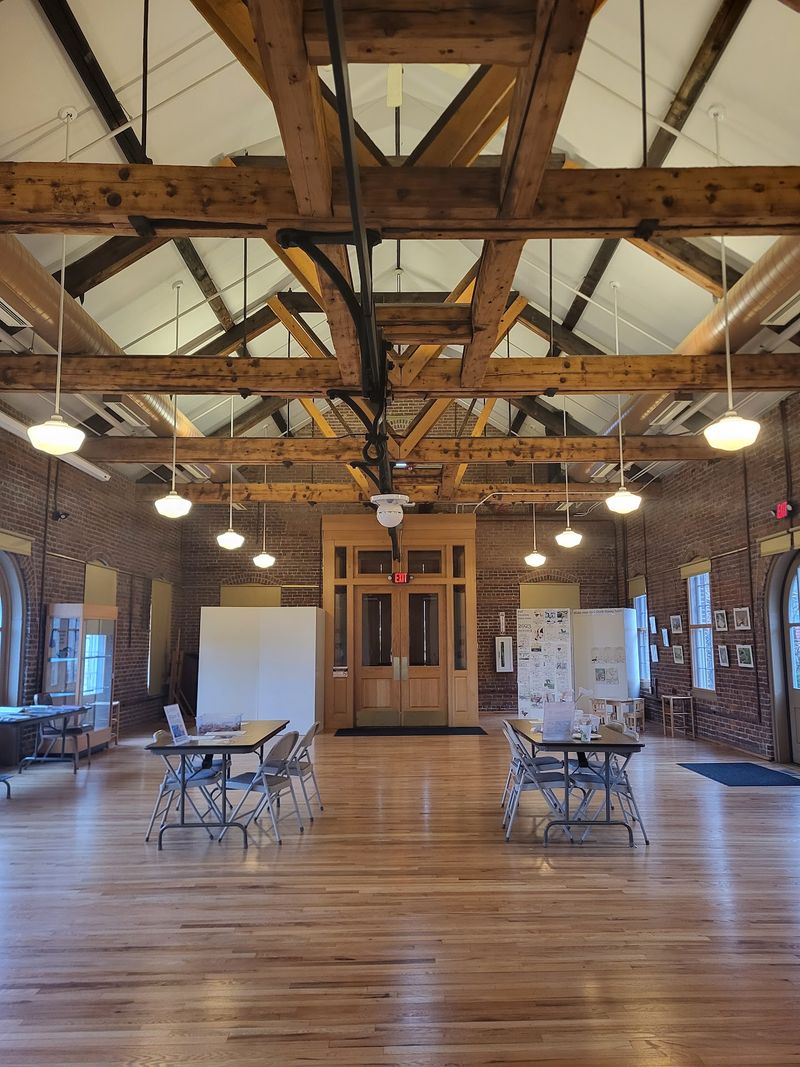
Walking up to a towering brick structure that once hummed with paper mill machinery feels like stepping back in time. The building’s industrial bones tell stories of New England’s manufacturing heyday, when these walls witnessed decades of production and progress.
Now the Great Falls Discovery Center has given this architectural landmark an entirely new purpose. Inside those same thick walls, natural history comes alive through carefully designed spaces that honor both the building’s past and the river valley’s ecological importance.
The transformation preserves original features while creating bright, welcoming galleries perfect for exploration.
Visitors immediately notice how the high ceilings and large windows flood exhibits with natural light. The spacious main room anchors the entire experience, providing room for both permanent displays and rotating community exhibits.
This adaptive reuse project shows how historic preservation and environmental education can work beautifully together, creating a destination that serves the community while celebrating local heritage.
Life-Size River Dioramas That Feel Startlingly Real
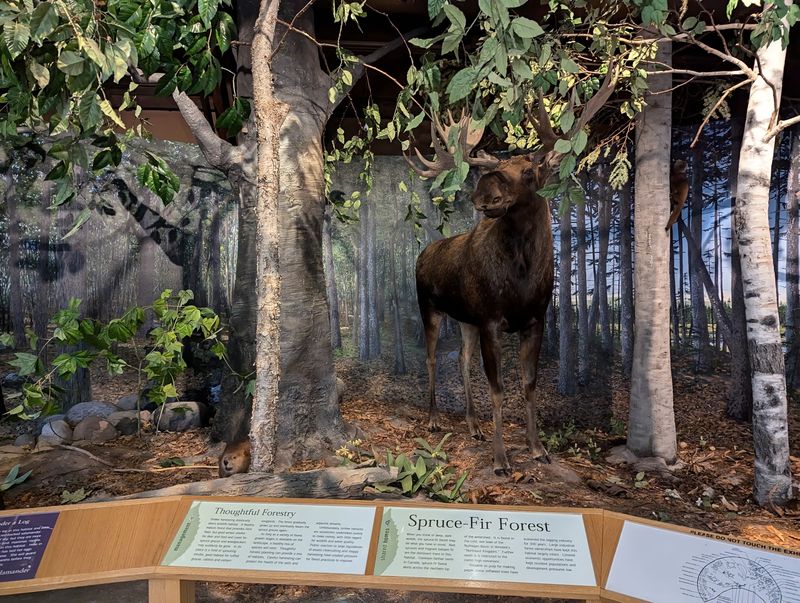
You can almost hear the water rushing when you stand before these incredibly detailed habitat scenes. Talented artists painted backgrounds so convincing that visitors often reach out to touch what appears three-dimensional but exists only on canvas.
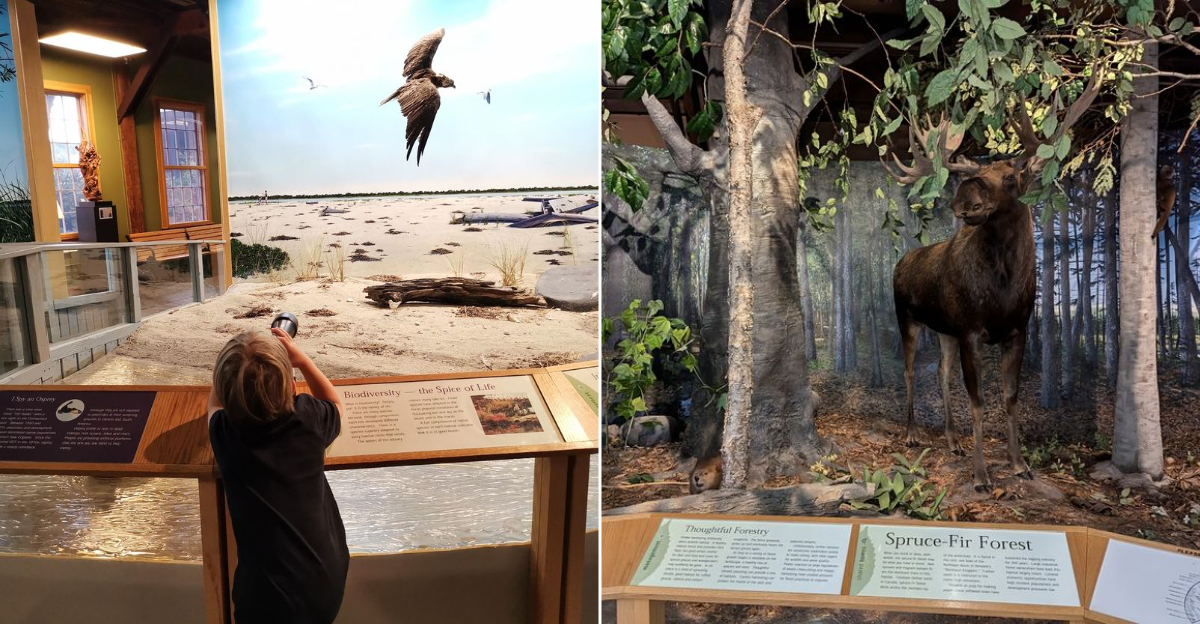
Each diorama at the Great Falls Discovery Center captures a specific ecosystem within the Connecticut River watershed. From wetland margins to upland forests, these displays showcase the remarkable biodiversity that exists right in Massachusetts backyards.
Carefully positioned taxidermy animals appear frozen mid-movement, creating moments that would be nearly impossible to witness in the wild.
What makes these exhibits particularly special is their attention to seasonal accuracy and ecological relationships. You’ll notice how predators and prey are positioned to tell stories about food webs and survival strategies.
Kids especially love the challenge of spotting every creature hidden within the scenes. The realistic settings help visitors understand how different species interact and depend on healthy river systems for survival.
Wildlife You Can Study Up Close Without Binoculars
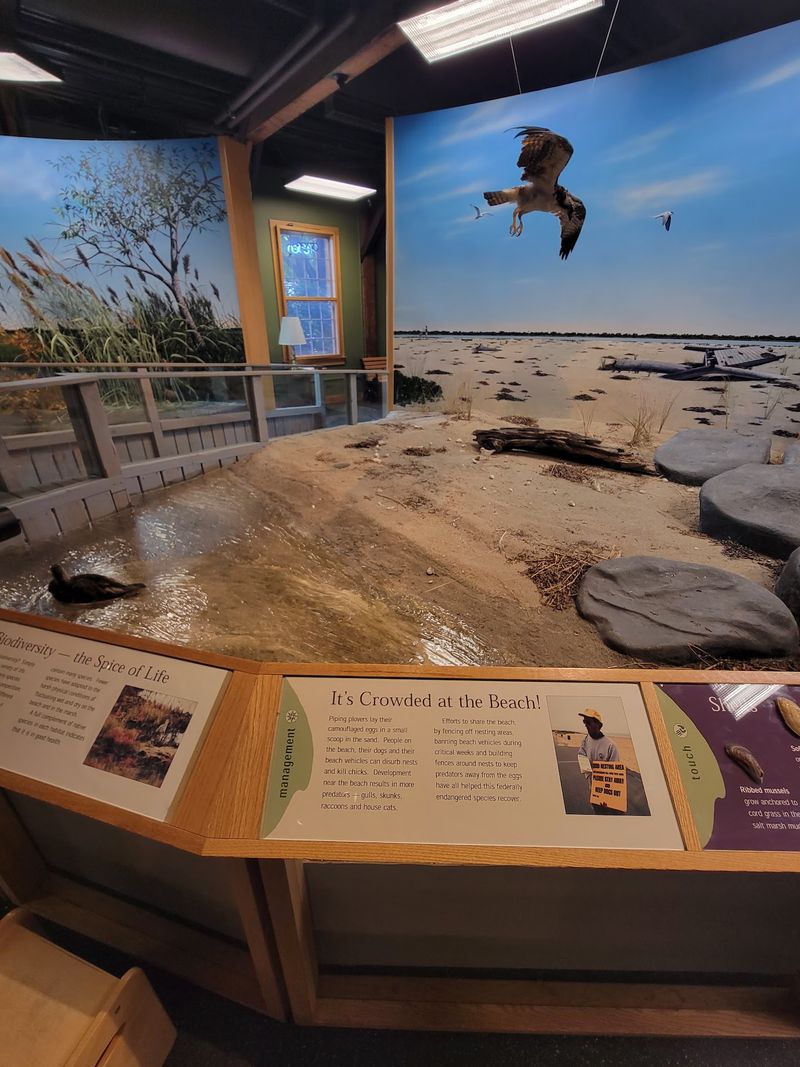
Getting within inches of a fisher or viewing a great blue heron’s wingspan at eye level rarely happens in nature. These creatures move too quickly or stay too distant for close observation.
The taxidermy collection at the Great Falls Discovery Center solves that problem beautifully. Expertly preserved specimens of river valley wildlife stand posed in lifelike positions, allowing visitors to examine details usually missed in fleeting outdoor encounters.
You can study the powerful talons of a raptor, count the rings on a turtle’s shell, or appreciate the sleek adaptation of a river otter’s body.
Rather than feeling morbid, these displays serve as powerful educational tools that foster appreciation and understanding. Each animal is labeled with information about its role in the ecosystem, diet, and habitat needs.
Kids who might squirm at the sight of a real snake find themselves fascinated by the patterns and scales. The collection helps demystify local wildlife and encourages visitors to watch for these species during outdoor adventures.
Watching Fish Climb Stairs During Migration Season
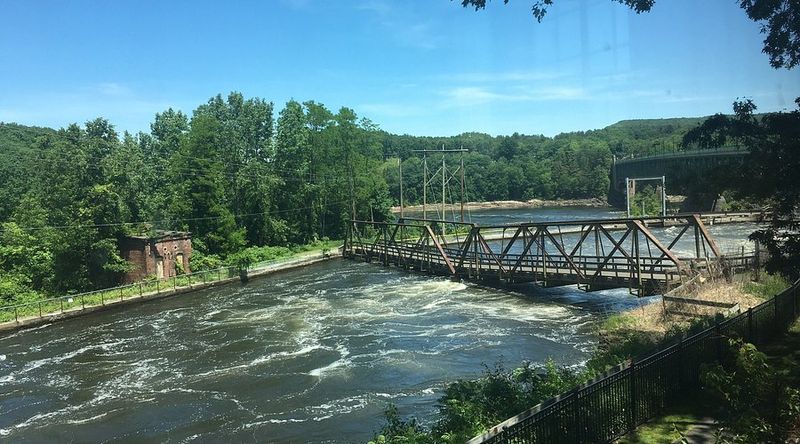
Salmon and shad don’t let a dam stop their ancient spawning journey. They just take the stairs instead.
Right across from the Great Falls Discovery Center sits one of New England’s most fascinating fish passages. During migration season, typically in late spring, visitors can watch thousands of fish navigate the specially designed ladder that helps them bypass the hydroelectric dam.
Underwater viewing windows let you see these determined swimmers up close as they rest between climbing efforts.
The fishway represents decades of conservation work to restore migratory routes that were blocked when dams transformed New England’s rivers. Staff members are often on hand to explain the species making the journey and why fish passage matters for healthy river ecosystems.
It’s not just about fish, seeing this natural spectacle reminds us how human infrastructure can be designed to work with nature rather than against it. Time your visit for May or early June to catch peak migration activity.
Riverside Views That Change With Every Season
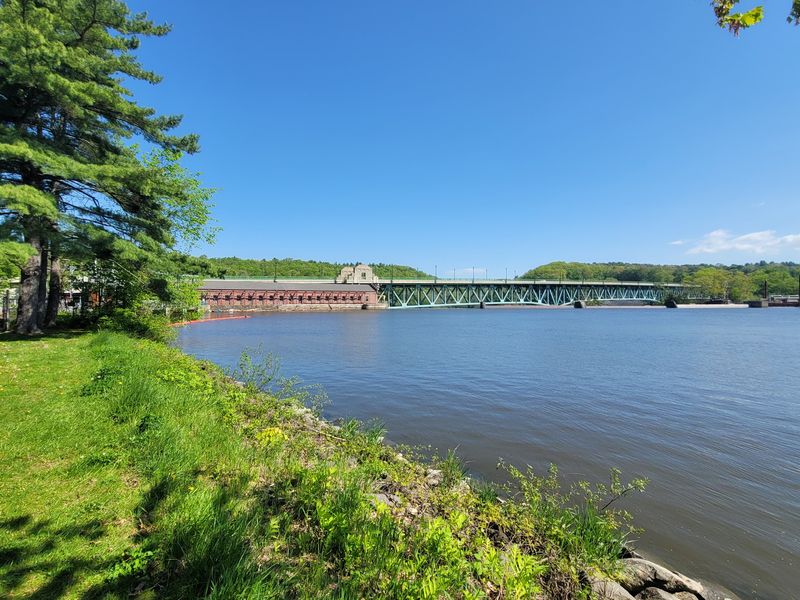
Sometimes the best museum exhibits exist outside the building entirely. Step through the back door and the Connecticut River itself becomes your gallery.
Walking paths lead from the Great Falls Discovery Center to stunning overlooks where the river’s power becomes immediately apparent. The canal that once powered mills now offers peaceful waterside strolls with benches perfect for watching the current and contemplating how this waterway shaped the region’s entire history.
During autumn, the surrounding hills blaze with color reflected in the water below.
Sunset seekers particularly love this spot, as the westward view offers spectacular golden hour photography opportunities. The historic bridge spans the river nearby, creating a picturesque frame for your observations.
Bring a picnic to enjoy at the outdoor tables, or simply sit quietly and watch for herons fishing in the shallows. These outdoor spaces extend the center’s mission by encouraging direct connection with the natural world being studied inside.
The contrast between indoor exhibits and outdoor reality creates a complete educational experience.
Trail Systems Perfect for Quick Nature Escapes
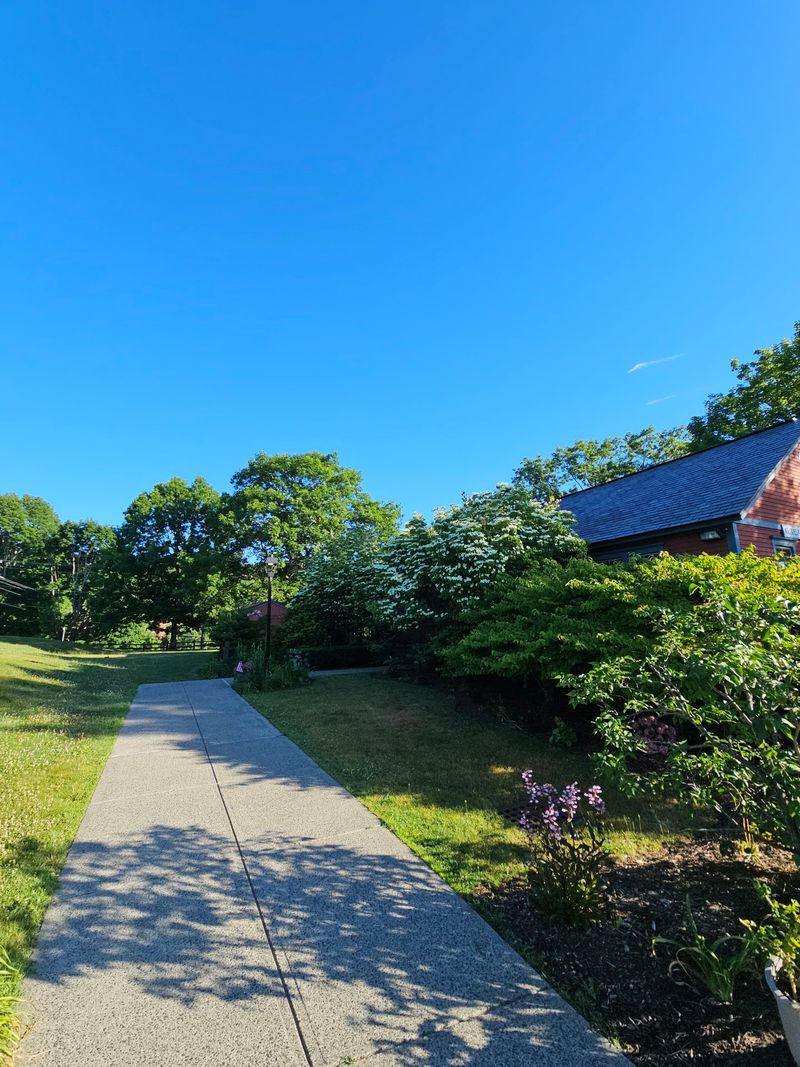
You don’t need a full day or serious hiking boots to experience nature here. Sometimes twenty minutes outside is exactly enough.
Multiple trail options branch from the Great Falls Discovery Center, ranging from short accessible loops to longer rail trail connections. The paved paths accommodate strollers and wheelchairs, making these walks genuinely accessible for families with varied mobility needs.
Interpretive signs along the routes point out native plants, geological features, and wildlife habitats, turning casual strolls into learning experiences.
The rail trail connection is particularly popular with cyclists who appreciate the level, traffic-free route following the historic railroad bed. Walkers enjoy the tree-shaded stretches during summer months when shade becomes precious.
Spring brings wildflowers to the trail edges, while winter transforms the landscape into quiet, snow-covered serenity. These trails prove that you don’t need wilderness distances to find natural beauty, just well-maintained paths and a willingness to slow down enough to notice your surroundings.
Staff at the center can recommend route options based on your available time and interests.
Free Admission That Makes Learning Accessible to Everyone
Quality education shouldn’t require deep pockets. The best museums understand that access matters more than admission fees.
The Great Falls Discovery Center operates completely free of charge, removing financial barriers that keep some families from museum experiences. This commitment to accessibility reflects the center’s mission as a community resource rather than a tourist attraction.
You can visit once or return weekly without worrying about budget constraints, making it perfect for homeschooling families and anyone seeking regular nature connection.
The free model works because the center is operated by the Massachusetts Department of Conservation and Recreation, supported by public funding dedicated to environmental education. This means your tax dollars directly support your ability to explore and learn.
Visitors consistently mention the incredible value in reviews, expressing gratitude for such high-quality exhibits and programming without entry costs. The policy encourages spontaneous visits and makes the center a genuine community gathering place rather than a special-occasion destination.
Donations are welcome but never required.
Community Events That Bring Neighbors Together
Museums become truly vital when they host more than exhibits. They need to pulse with living community connection.
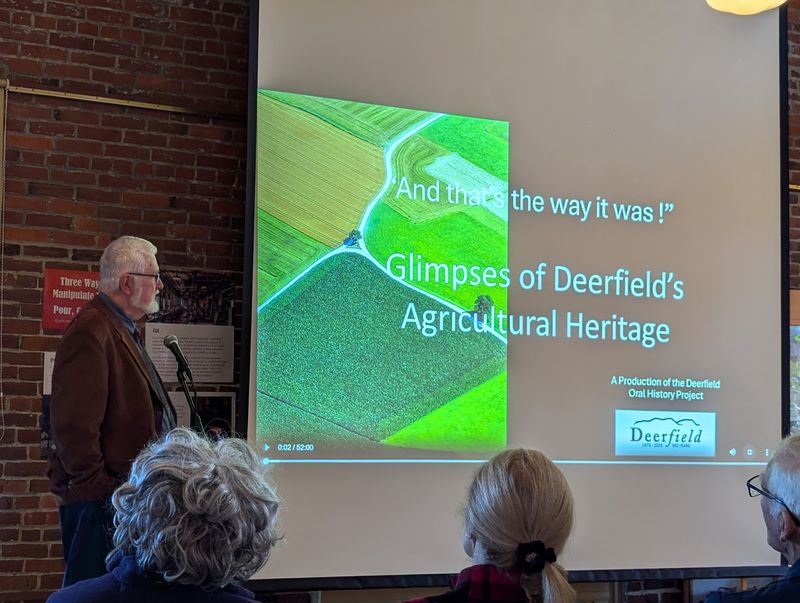
The Great Falls Discovery Center’s spacious great room transforms regularly for concerts, art shows, workshops, and family programs. Monthly coffeehouse performances bring live music to Turners Falls, while seasonal events like fairy house building workshops attract multi-generational participants.
Local artists display their work in rotating exhibits, creating opportunities for community members to showcase talent and for visitors to appreciate regional creativity.
Staff members actively engage during programs, helping children with activities and sharing their extensive knowledge about river ecology. The combination of professional exhibits and grassroots programming creates a welcoming atmosphere where learning feels natural rather than forced.
Event calendars fill with nature walks, craft sessions, and educational presentations that change throughout the year. This commitment to active programming prevents the center from becoming a static attraction, instead maintaining its relevance as a dynamic community hub.
Check their website before visiting to see if special events align with your schedule.
Hands-On Learning That Sticks With Young Minds
Kids remember what they touch far longer than what they merely see. Active learning beats passive observation every single time.
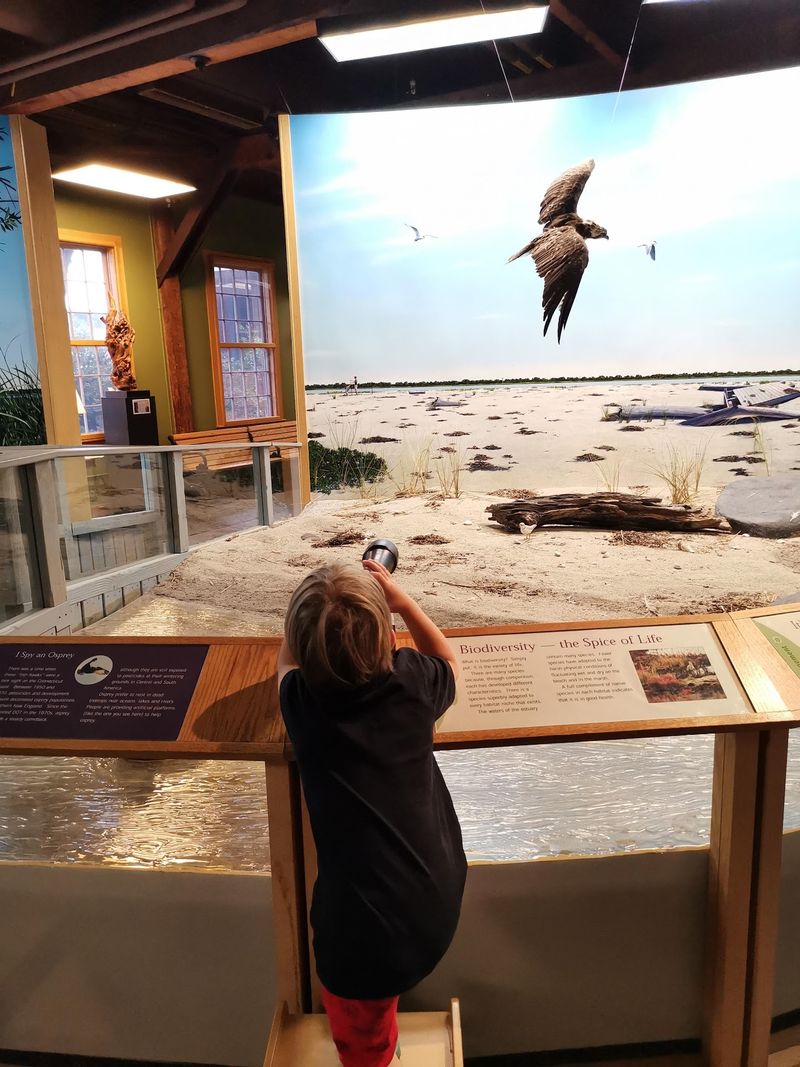
Throughout the Great Falls Discovery Center, interactive elements invite participation rather than demanding quiet reverence. Computer stations let children explore additional information at their own pace, while scavenger hunt challenges encourage them to carefully examine every display.
Staff members don’t just monitor rooms, they actively engage with young visitors, answering questions and guiding explorations with genuine enthusiasm.
Parents consistently praise how the center manages to be both educational and genuinely fun. Children return requesting second and third visits, which speaks volumes about engagement levels.
The combination of realistic dioramas, hands-on technology, and knowledgeable staff creates an environment where learning happens almost accidentally through play and exploration. School groups particularly benefit from the curriculum-aligned content and the space to accommodate entire classes.
The center proves that environmental education works best when it feels like an adventure rather than a lesson, creating young advocates for river conservation who understand why these ecosystems matter.