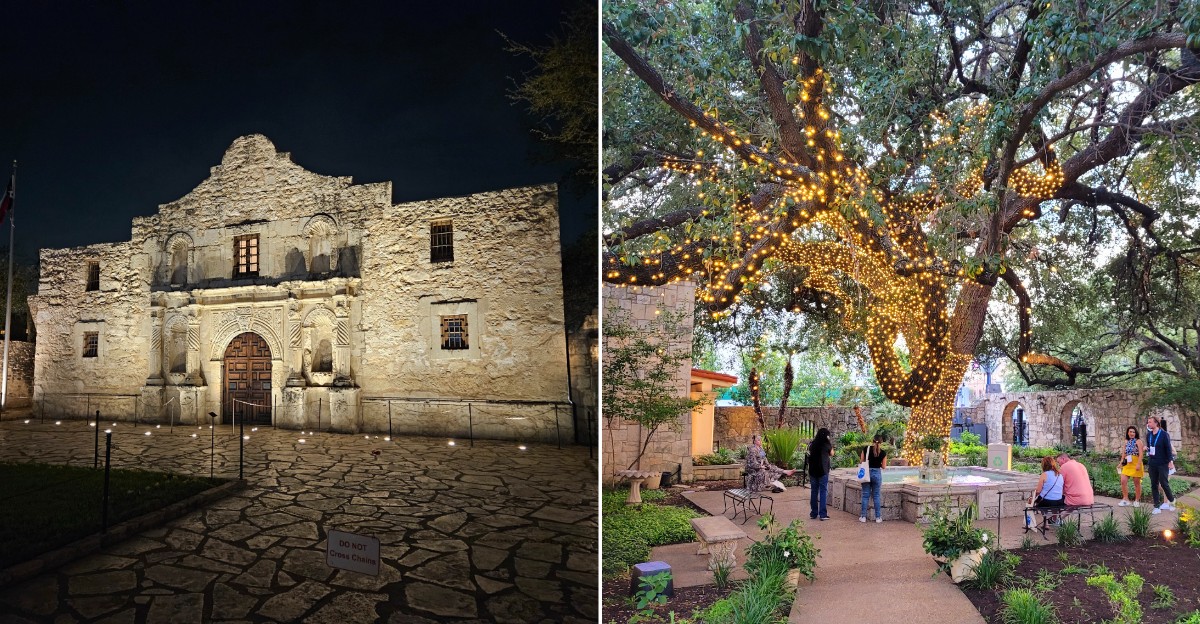
Modern traffic passes just beyond the old stone walls, yet stepping into The Alamo can make downtown San Antonio feel surprisingly distant. Founded as a Spanish mission in 1718, the historic site has witnessed centuries of change and became forever connected with the 1836 Battle of the Alamo.
Its story, however, reaches well beyond those famous days of conflict.
At 300 Alamo Plaza, visitors can explore preserved buildings, courtyards, exhibits, and grounds that reveal different chapters of the site’s long history. The weathered stone, shaded walkways, and historic structures offer plenty of details to notice as you move through the complex, while exhibits help place the mission within the broader story of Texas.
A visit here is an opportunity to slow down and consider how one place can carry so many layers of history. Here’s what you can discover as you explore The Alamo and its remarkable past.
Where the Mission Story Began
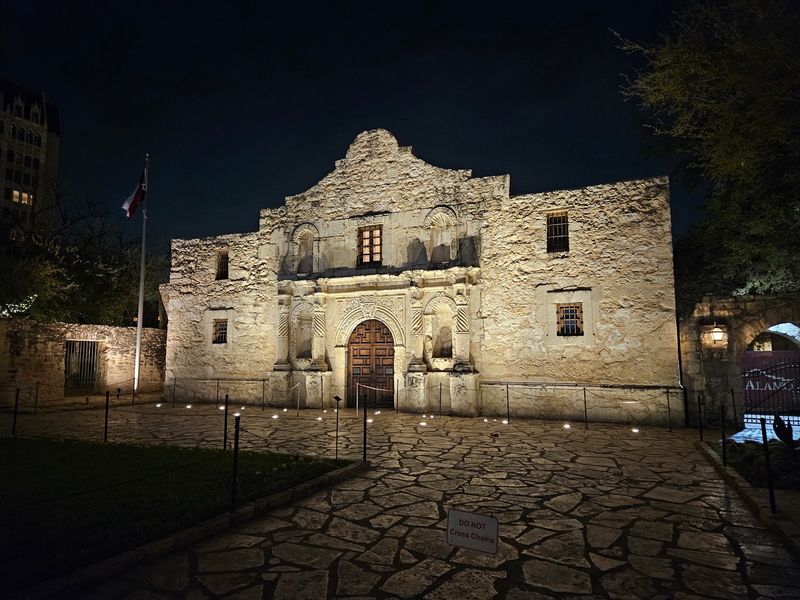
Before the famous battle, there was a plan to build a community. Spanish Franciscan missionaries founded Misión San Antonio de Valero in 1718, hoping to establish a place for worship, work, and daily life.
That earlier purpose can be easy to miss when you arrive expecting only a fort.
The mission first stood near San Pedro Springs before moving to the area occupied by The Alamo today. Indigenous people were central to its history, though mission life also brought pressure to leave behind their own traditions.
As you read the signs around the grounds, look for the people named in the early mission story, not just the dates.
Picture a busy settlement rather than a single quiet chapel. People grew food, learned trades, attended services, and shared space within a changing Spanish colonial world.
Their experiences were not all alike, and the site makes more sense when you remember that.
Start your visit with the mission years before turning to 1836. Doing so gives the familiar church a deeper meaning and helps you see why this small part of downtown San Antonio holds such a long, complicated story.
A Chapel Built Through Setbacks
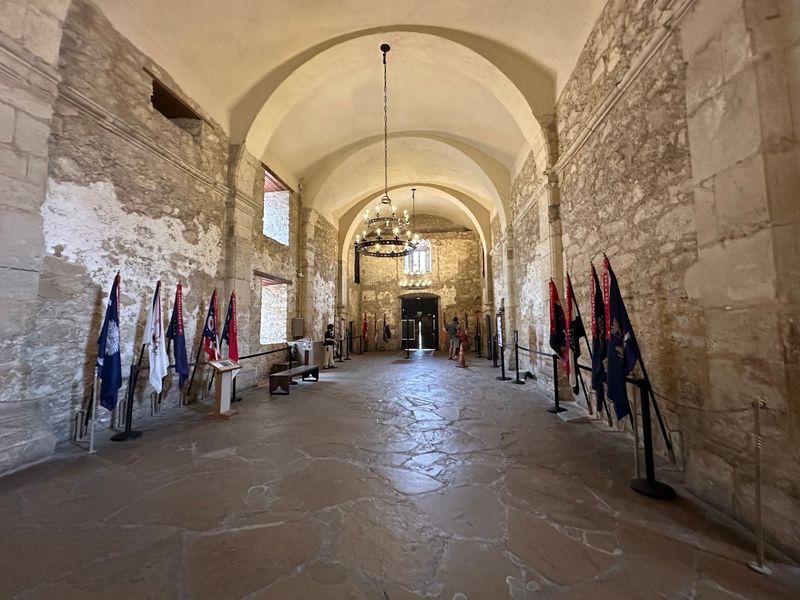
The stone front looks settled now, as if it has always stood exactly this way. Its building story was far less simple.
Mission builders faced delays and setbacks, and an earlier stone chapel collapsed before work began on the structure visitors recognize today.
Construction of the surviving church started in the 1750s, but plans for a grander building were never fully carried out. Look closely at the limestone walls and carved doorway when you reach The Alamo.
Those details show the care people put into a project that changed over many years.
The church was only one part of a larger mission complex. Living quarters, work spaces, storage areas, and walls once helped shape daily life here.
Much of that setting has disappeared beneath the modern city, so signs and exhibits are useful for imagining what stood beyond the famous facade.
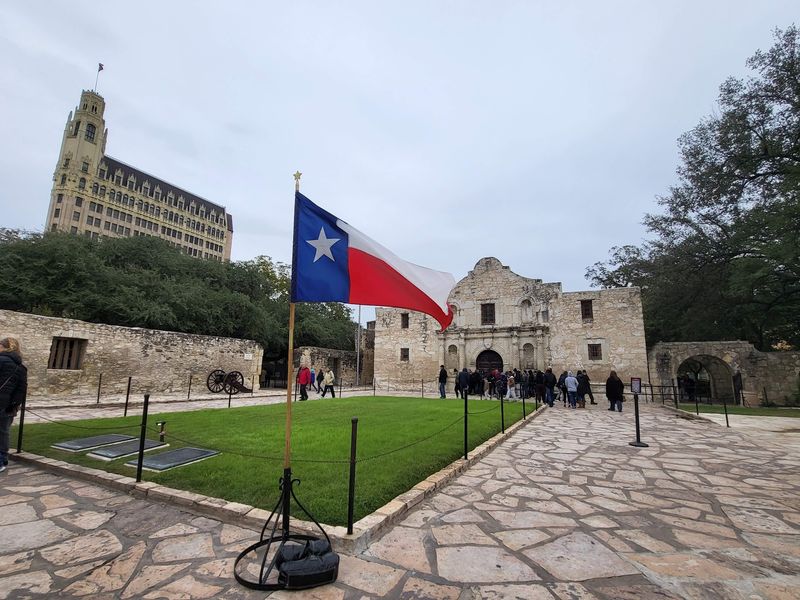
Try taking one wide view of the building, then stepping closer to study the stone. That small change in perspective can turn a familiar postcard image into evidence of real labor, unfinished plans, and a community that kept building despite setbacks.
When a Mission Became a Military Post
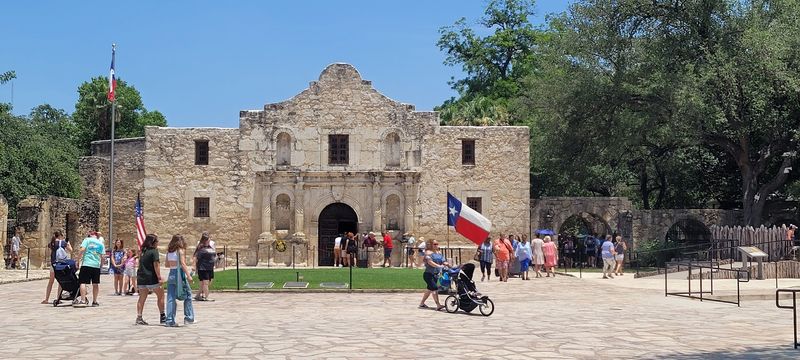
A place can change its job without losing its past. By the late 1700s, the mission period at this site was ending, and the buildings began serving other needs.
The shift helps explain how a religious settlement could later become a place of armed defense.
Spanish soldiers occupied the former mission in the early 1800s. Its familiar name likely came from soldiers connected to Álamo de Parras in Mexico; álamo is also the Spanish word for cottonwood.
While walking The Alamo grounds, notice how walls and open spaces could be adapted for military use.
That change did not happen overnight. The site passed through different hands as control of Texas was contested, and people reused buildings rather than starting from nothing.
A cannon or wall marker may catch your eye, but the larger story is how an existing mission became a strategic position.
Pause before moving on to the battle exhibits. Thinking about this in-between period makes the 1836 siege easier to understand.
You are not looking at a fort designed from the beginning for that fight, but at an older place pressed into a new and dangerous role.
Thirteen Days Under Siege
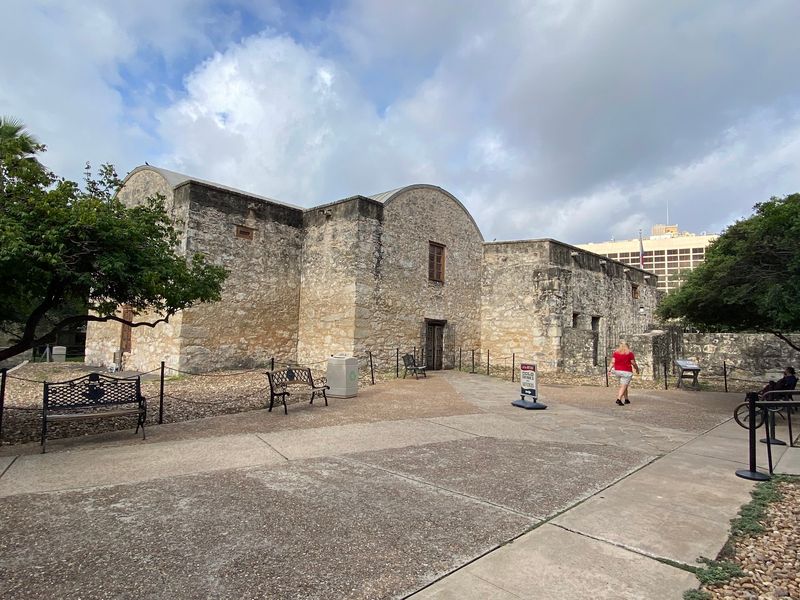
Imagine waiting day after day, knowing a much larger army surrounds you. That was the situation for the defenders at The Alamo during the siege from February 23 to March 6, 1836.
The former mission had become a stronghold in the Texas Revolution, but its defenses had limits.
For thirteen days, Mexican troops under General Antonio López de Santa Anna pressed the position. The defenders included Anglo-American settlers and Tejanos, Texans of Mexican heritage.
Reading their names and looking at the site plan can help you see the fight as a human event rather than a scene from a movie.
Walk slowly between the church and the other surviving structures. The downtown blocks around you make it hard to picture the full battlefield, so use the markers to find where walls and open ground once lay.
Those clues give the story a clearer shape.
The siege ended with a Mexican assault and the deaths of the defenders. Give yourself time to take in that outcome.
A quiet moment here often says more than a dramatic retelling, especially when you remember the many lives affected on both sides.
Famous Names and Overlooked Lives
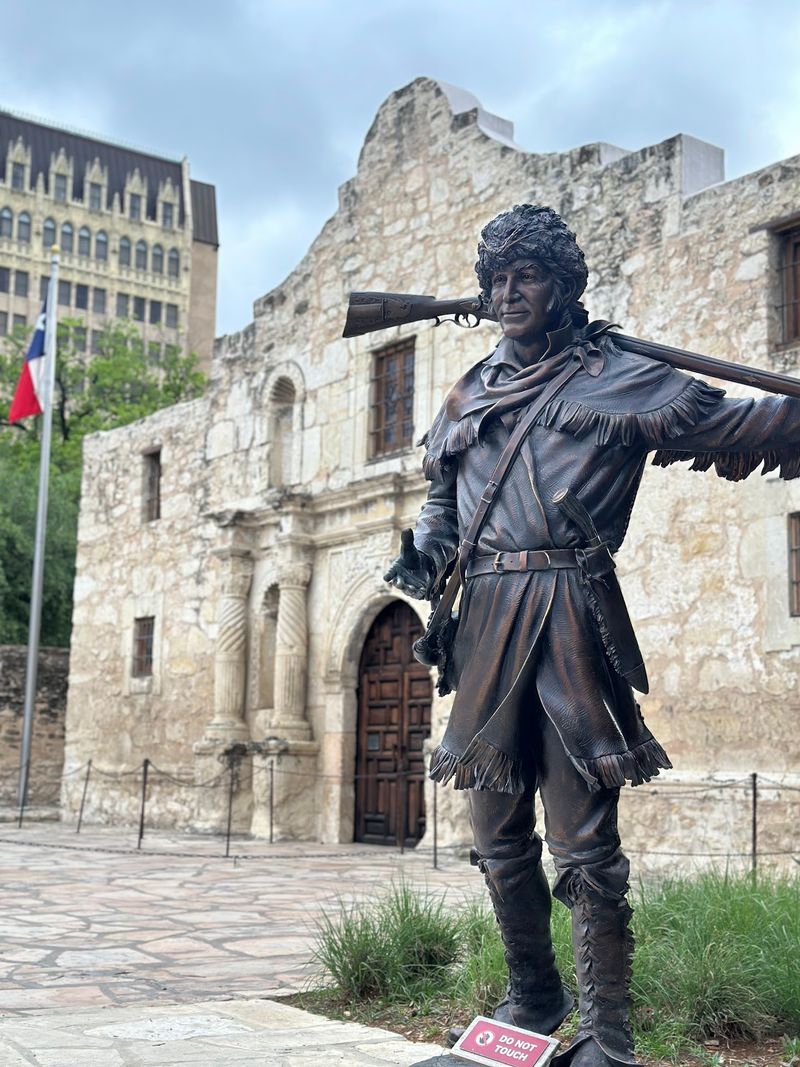
Familiar names have a way of filling a whole story. Davy Crockett, James Bowie, and William B.
Travis are closely tied to The Alamo, and their choices still draw visitors. Yet the history here also belongs to people whose names rarely appear in movies or classroom lessons.
Tejano defenders joined the fight, while women, children, and other noncombatants experienced the siege in different ways. Mexican soldiers had their own lives and families beyond the battlefield.
As you explore the exhibits, look for those wider viewpoints alongside accounts of the best-known defenders.
After the battle, the phrase Remember the Alamo became a rallying cry for Texian forces. Weeks later, they defeated Santa Anna’s army at San Jacinto.
That outcome made the 1836 battle central to Texas independence, but it did not make every part of its history simple.
Choose one person you know little about and follow their story through the displays. It is a small travel habit that changes the visit.
Instead of leaving with only a list of heroes, you may leave thinking about the many people caught in a turning point.
Inside the Quiet Church
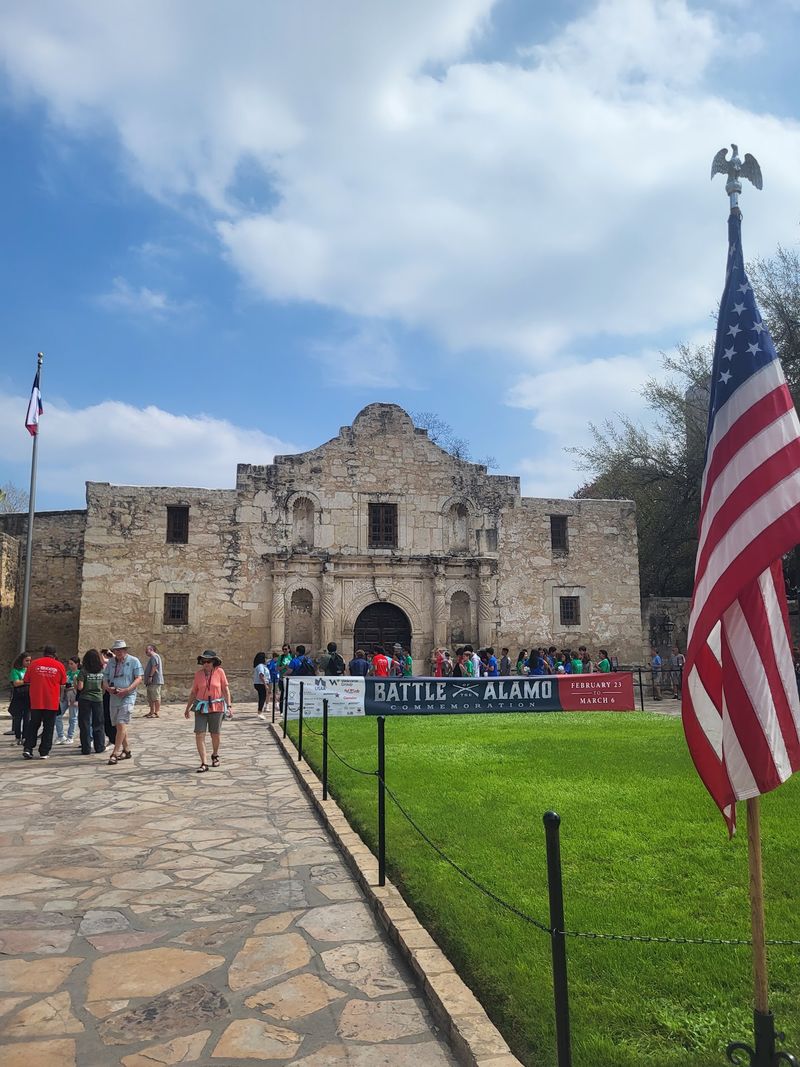
Outside, the plaza can feel busy. Inside the church, visitors often grow quiet without anyone asking them to.
That contrast is part of what makes stepping through The Alamo’s best-known doorway so memorable.
The building began as a mission church and later became part of the 1836 defense. Its old walls carry both stories, so take a moment to think about worship before thinking about battle.
The carved entrance and thick limestone are worth studying from outside, where you can also take a photograph of the famous facade.
Entry to the church is free, but you need a timed ticket. Reserve one ahead of your visit, especially if your time in downtown San Antonio is limited.
Photography is not allowed inside, so put your phone away and pay attention to what the displays say about the building and the people who used it.
A short visit can still feel meaningful here. Read slowly, leave room for others, and let the stillness do some of the work.
You may remember the experience more clearly than any picture you could have taken.
Beyond the Famous Facade
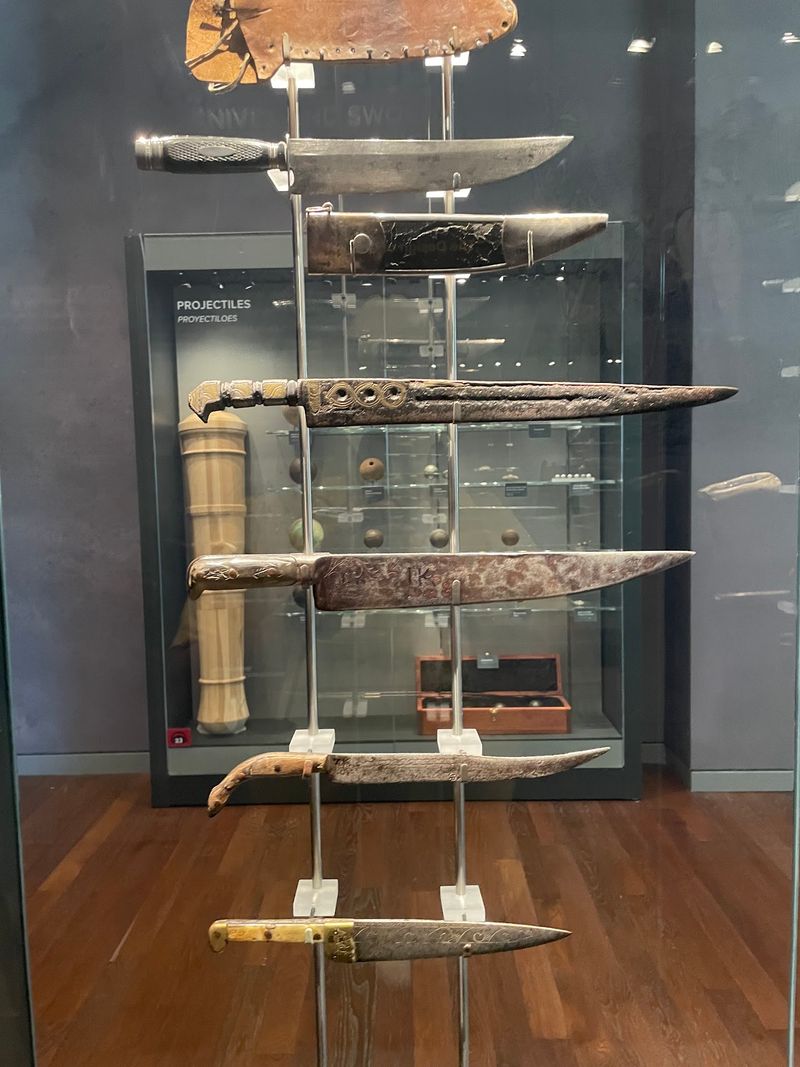
One building gets most of the postcards, but another holds a great deal of the story. The Long Barrack is among the oldest surviving parts of The Alamo.
It served the mission community before becoming a defensive position during the 1836 battle.
Give the building time rather than treating it as a quick stop after the church. Its exhibits help connect the mission years to the siege, while the Ralston Family Collections Center adds objects from a wider span of Texas history.
Together, these spaces show how much of the past cannot be understood from the chapel alone.
In the Collections Center, look for pieces from the Phil Collins Collection and Spanish colonial artifacts. A small object can make a distant century feel surprisingly close: someone held that item, used it, or saved it.
Read the labels before deciding what each piece might mean.
Check current admission and exhibit details when planning your visit, since experiences beyond the free church entry may require tickets. If your schedule allows only one longer stop, these displays reward curiosity and give you more context for everything you saw outside.
A Breathing Space in the Gardens
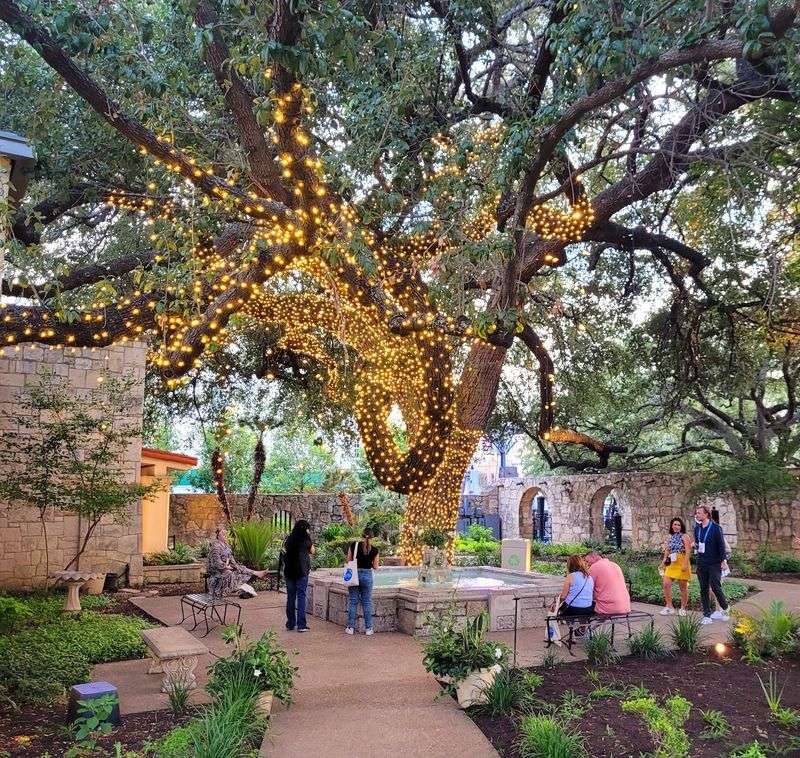
A patch of shade feels especially welcome after a stretch in the Texas sun. On The Alamo grounds, garden paths offer space to slow down between buildings and exhibits.
The quieter setting can help you absorb a story that moves from everyday mission life to a deadly battle.
Walk the paths and notice how close the busy city remains. Trees and planted beds soften the view, while nearby historic features bring your thoughts back to the site.
It is a striking mix: traffic just outside, and a place for reflection within the grounds.
If you are visiting with children, use a garden break to ask what surprised them. They may have noticed a detail on a wall or remembered a person from an exhibit.
Bring water and dress for the weather, since time outdoors can add up during a San Antonio visit.
There is no need to hurry toward the next sign. Find a comfortable spot, look back at the church, and picture how much the surrounding landscape has changed.
The pause gives you a chance to see The Alamo as a place people lived, not only a landmark.
History You Can Hear and Ask About
Sometimes one question opens a whole century. A living-history interpreter might explain a tool, a soldier’s task, or what daily work required on the Texas frontier.
At The Alamo, those conversations can make a fact on a sign feel much more real.
Look for scheduled demonstrations during your visit, and ask staff what is happening that day. If you prefer a planned route, check the available guided and audio tours.
A guide can help you connect places that seem far apart on a map, while audio lets you stop whenever something catches your interest.
Try asking a specific question rather than a broad one. How did people get water?
What did the mission look like before the battle? Clear questions often lead to details you will remember long after you leave, and they give younger visitors an easy way to join in.
Programs and tour options can change, so check The Alamo’s website before you go. Even without a special event, listening carefully to an interpreter or following an exhibit label can turn a walk through old buildings into a conversation with the past.