

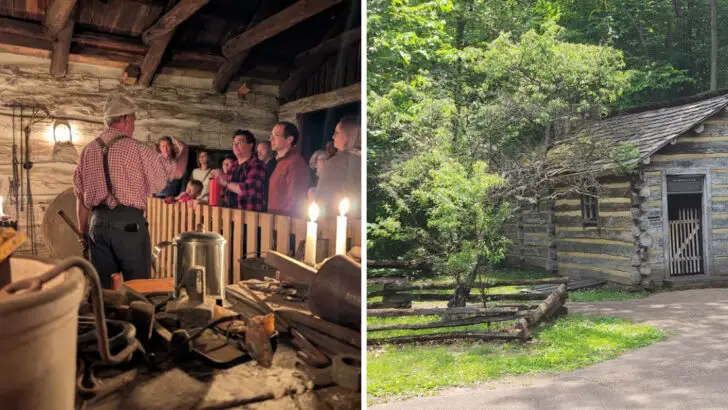
This isn’t a museum visit — it’s a time jump.
One step past the gate and modern life fades fast. Dirt paths replace pavement. Log cabins line the hills. The quiet feels intentional, like the village is waiting for you to slow down.
You wander without a script. A blacksmith’s shop here. A general store there. Every corner hints at routines shaped by daylight, weather, and grit. It feels simple, yet never boring.
The air smells like wood and grass. Voices echo from another century.
Lincoln’s New Salem invites you to linger, to imagine, to drift. For a few hours, the 1830s don’t feel distant at all — they feel close enough to touch.
Visitor Center Orientation and Film
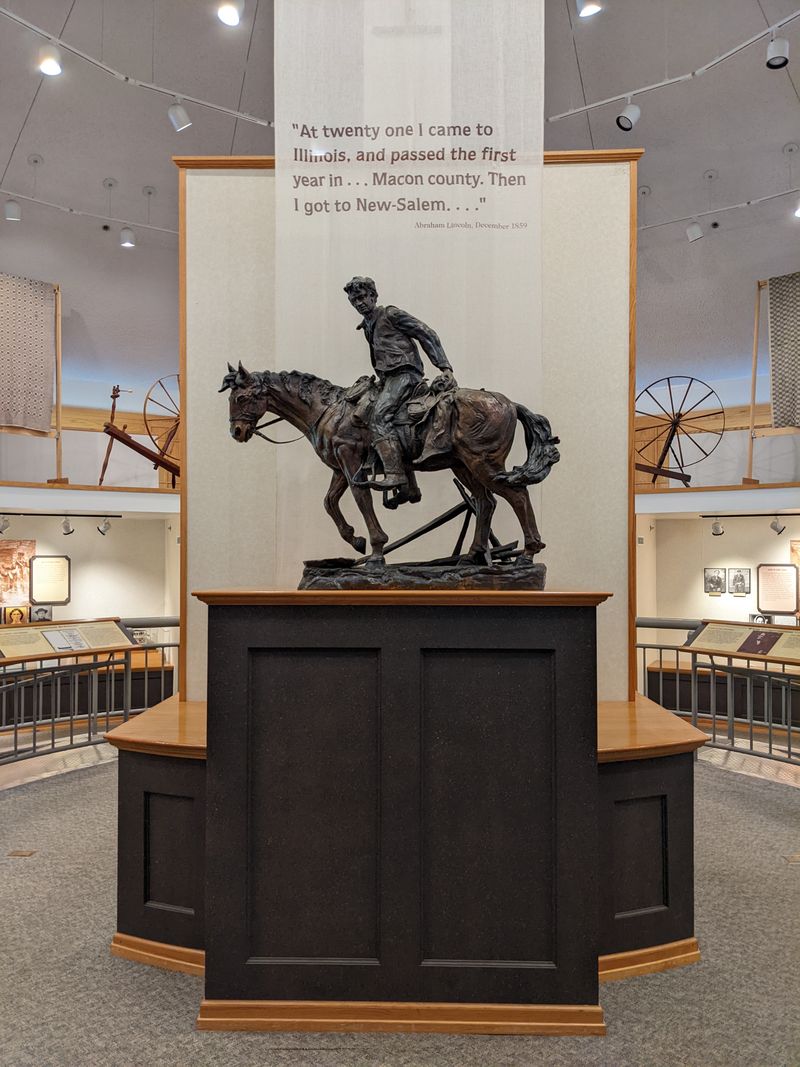
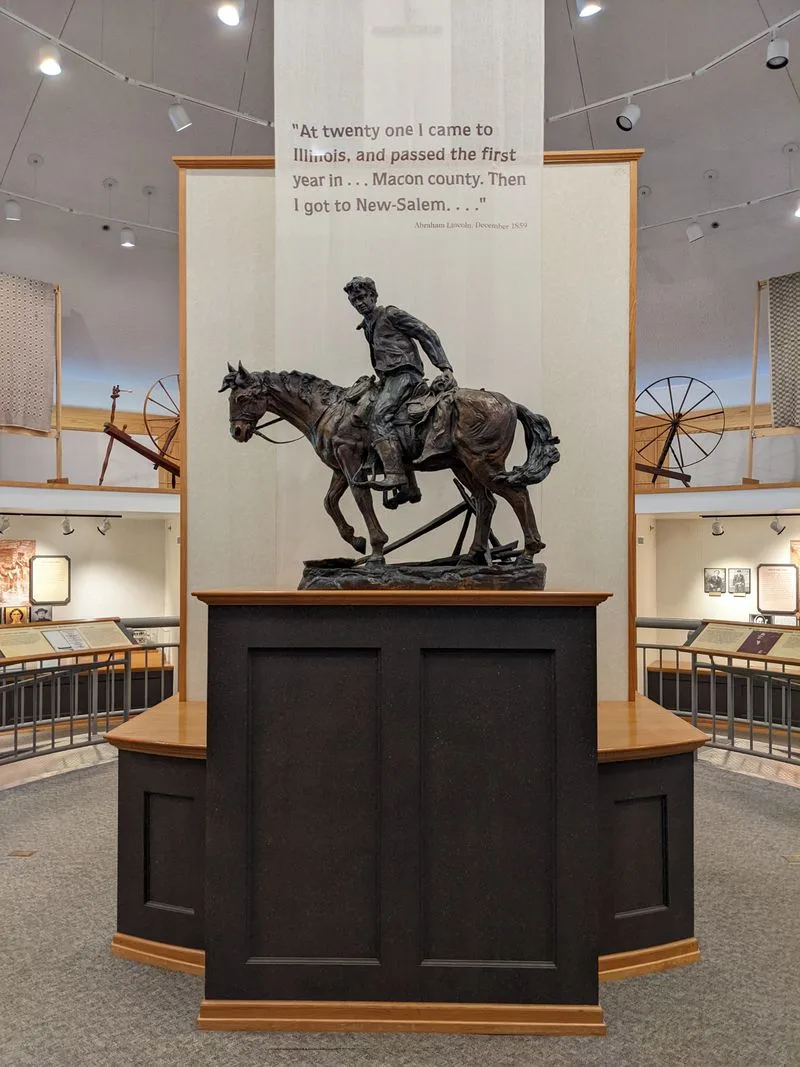
Begin your visit at the Visitor Center, where a short film frames Lincoln’s young adulthood and the bustling frontier town that shaped him. The exhibits are compact yet rich, pairing artifacts with clear panels that make the 1830s feel close.
You get restrooms, water, and climate control before stepping onto the rustic paths outside.
The movie’s 17 minutes pass quickly, covering surveying, storekeeping, and friendships that influenced Lincoln’s character. If you like context, this is where it clicks, especially for kids who benefit from a quick story before the walk.
You can browse the small museum and grab a free site map.
Staff and volunteers are friendly, fielding questions and suggesting a route that matches your timing. Expect thoughtful tips about where reenactors are stationed that day and which cabins are open for interior viewing.
Donations are welcome, and the welcome feels genuine.
Cabin Row and Period Furnishings
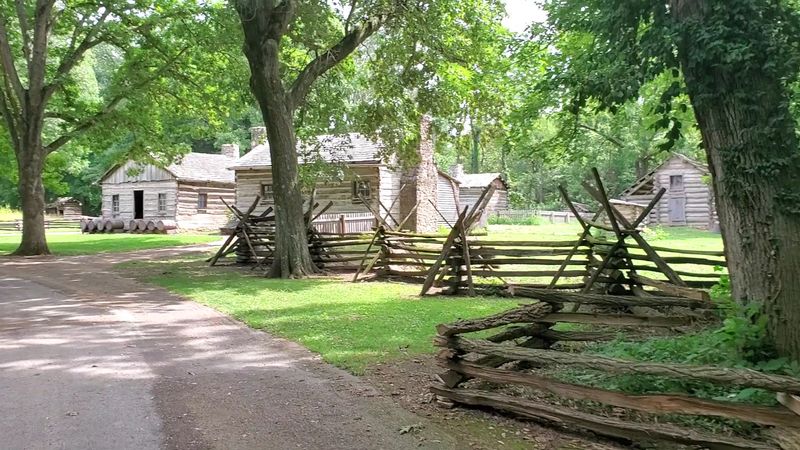
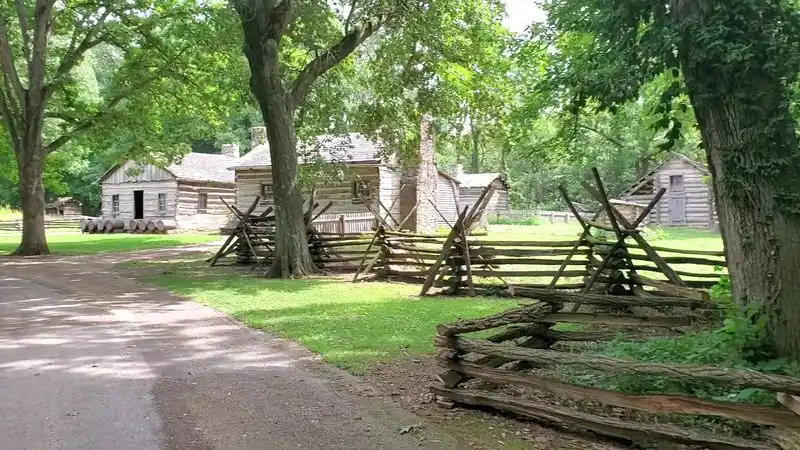
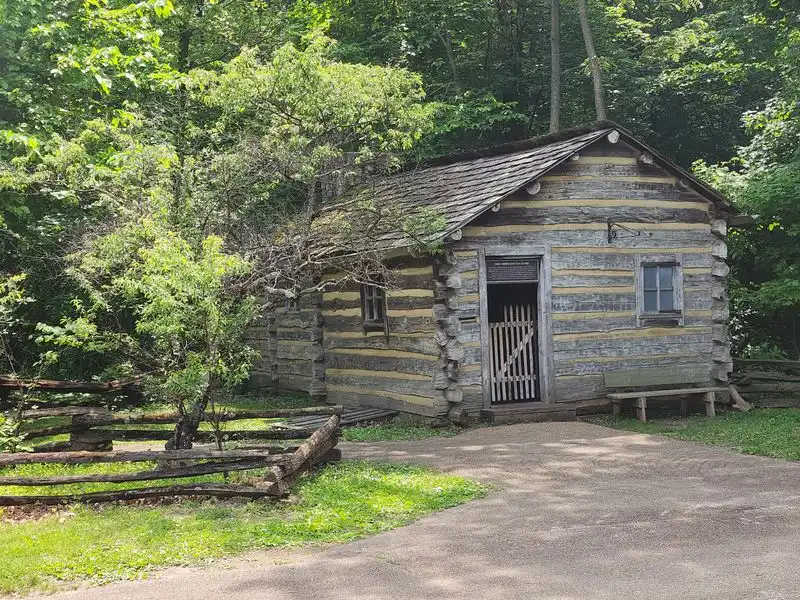
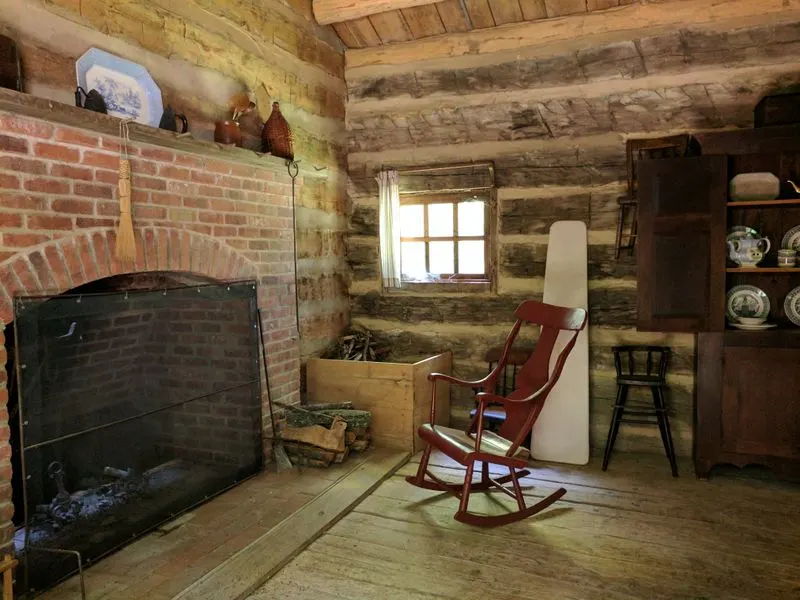
Walking along Cabin Row, you peek through open doorways at straw mattresses, pegged chairs, and iron kettles swinging over brick hearths. The rooms feel spare but purposeful, and the scent of wood lingers in the air.
You can almost hear boots on planks and quiet evening conversations.
Volunteers point out details most of us miss, like latchstrings, trundle beds, and the way light guides the layout. Furnishings are period appropriate, placed to teach rather than clutter.
Signs do the rest when no interpreter is present.
Some buildings allow careful entry, while others invite a look from thresholds for preservation. Either way, you gain a sense of how families cooked, mended, and slept through Illinois seasons.
Bring questions, because small objects often tell the biggest stories about frontier resilience.
The Blacksmith’s Forge
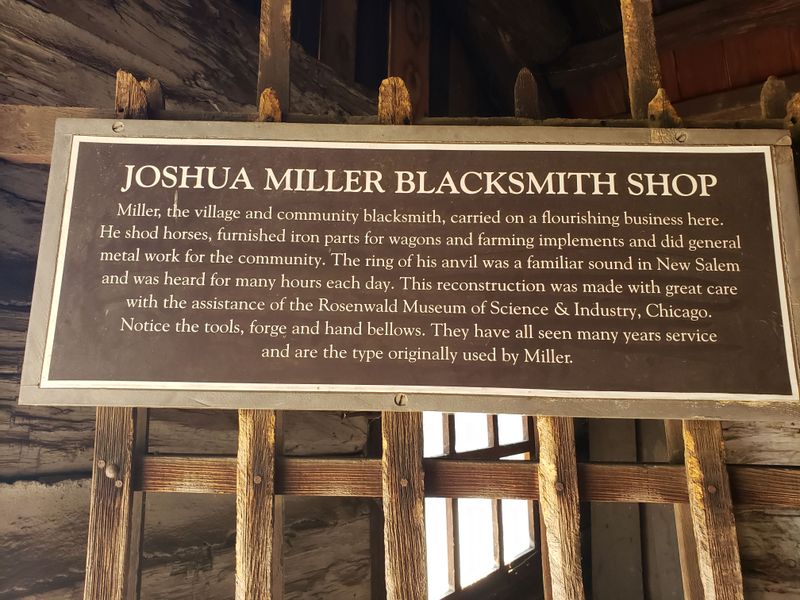
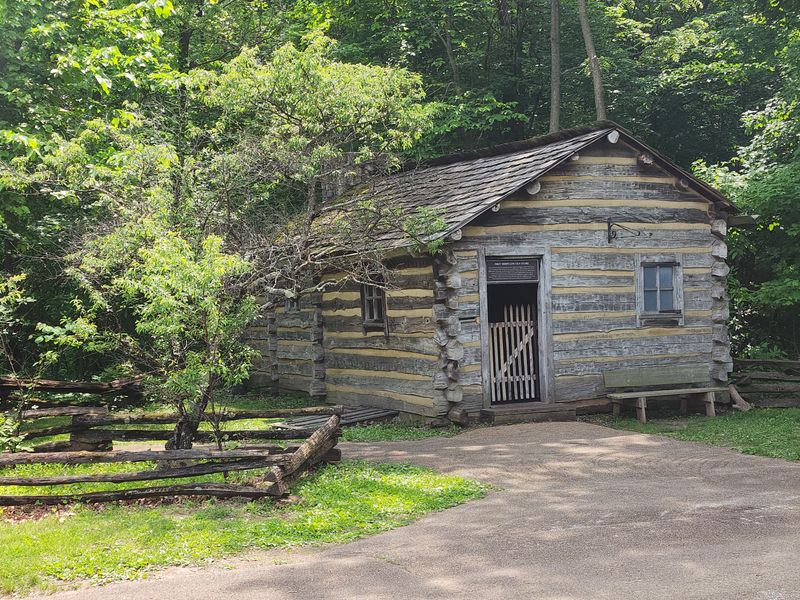
Step into the blacksmith shop and you will feel a wave of heat and hear the ringing anvil before your eyes adjust. The interpreter works the bellows, coals flare, and a bar of iron turns cherry red.
Sparks skate like fireflies while simple tools transform into hinges or nails.
This is practical magic and community infrastructure, since every farm, wagon, and mill needed ironwork. Ask how prices were set or how many nails framed a house, and you will get satisfying, specific answers.
The rhythm of hammer and tong becomes a heartbeat for the village.
Kids love the spectacle, and adults appreciate the craftsmanship and stamina required. Even when the forge is cold, exhibits explain tempering and tool shapes.
It is loud, smoky, unforgettable, and it makes the 1830s feel powerfully present.
The General Store and Barter Economy
Inside the general store, shelves hold cloth, coffee, and nails while a ledger waits for careful entries. You learn how cash was scarce and trust mattered, with credits balanced against labor or goods.
The interpreter explains how Lincoln clerked, measured, joked, and learned people here.
Look for scales, hand cranked coffee grinders, and the neat script that tracked a community’s needs. Prices come to life when compared to a day’s labor swinging an axe or hauling grain.
You will leave understanding why a well run store became a crossroads of news and opportunity.
Even without an interpreter, labels sketch how barter shaped families’ choices. Consider how seasons dictated inventory and which luxuries arrived by river.
The counter is where math met manners, and it shaped a future lawyer’s practical sense of fairness.
Surveying Lincoln’s Early Career
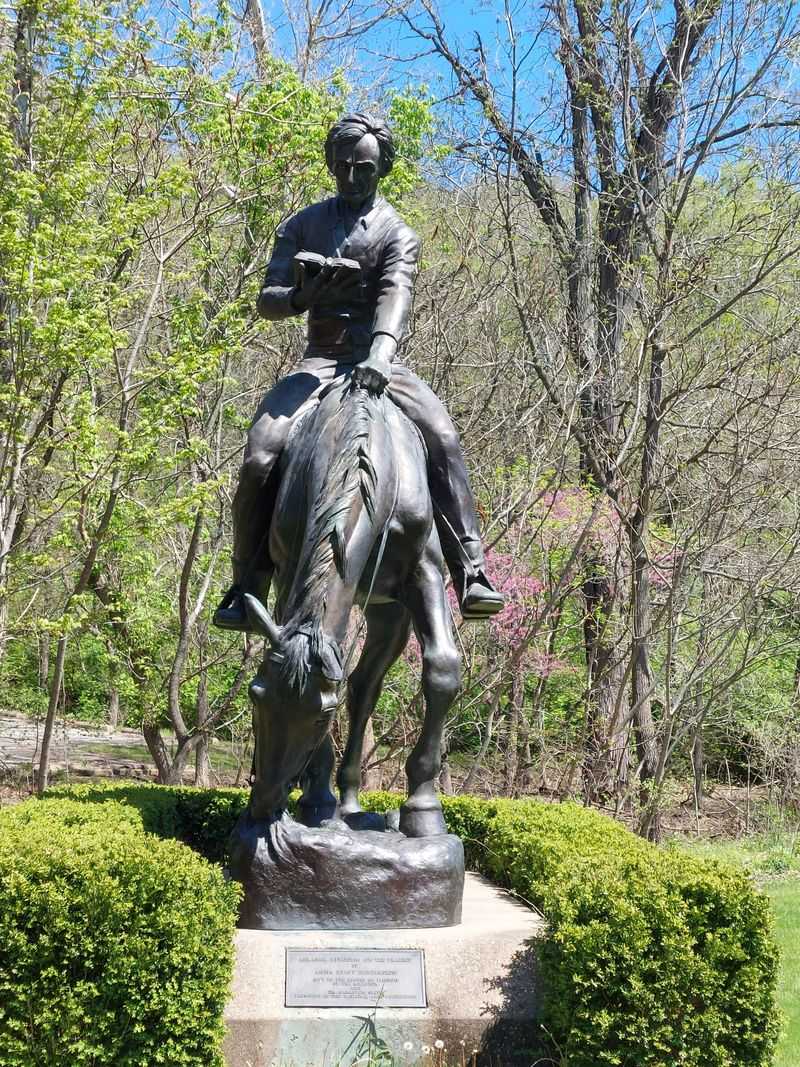
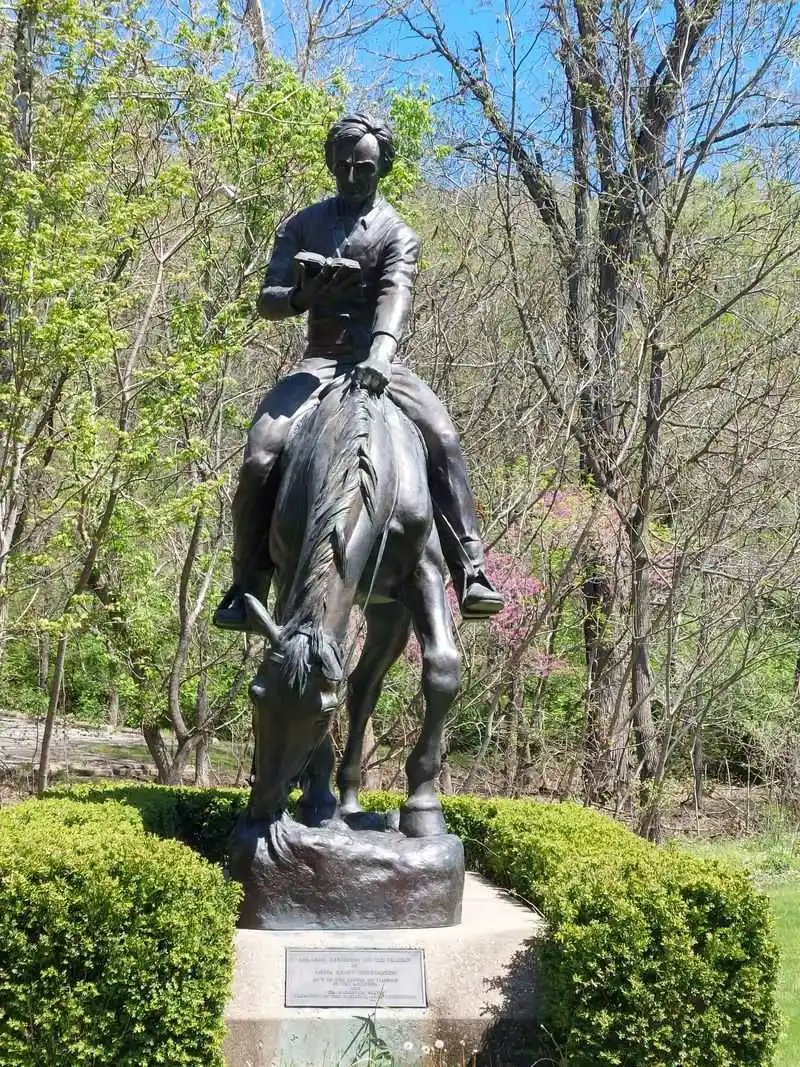
Surveying shows you Lincoln the problem solver, not yet the statesman. An interpreter lays out a chain, sights a compass, and marks lines with stakes you can follow.
Suddenly, land turns into numbers, and numbers become neighbors, fences, and courts.
Ask how disputes were handled, and you will hear about precision and trust on a growing frontier. The tools look simple, but measurements demand discipline and teamwork.
You may never look at a straight split rail fence the same way again.
Even if no live demo is running, panels outline how maps were drawn and paid for. The work was steady, outdoors, and essential to commerce.
It is a great stop for teens who like STEM, because geometry meets grit in the Illinois sun.
Seasonal Events and Candlelight Walk
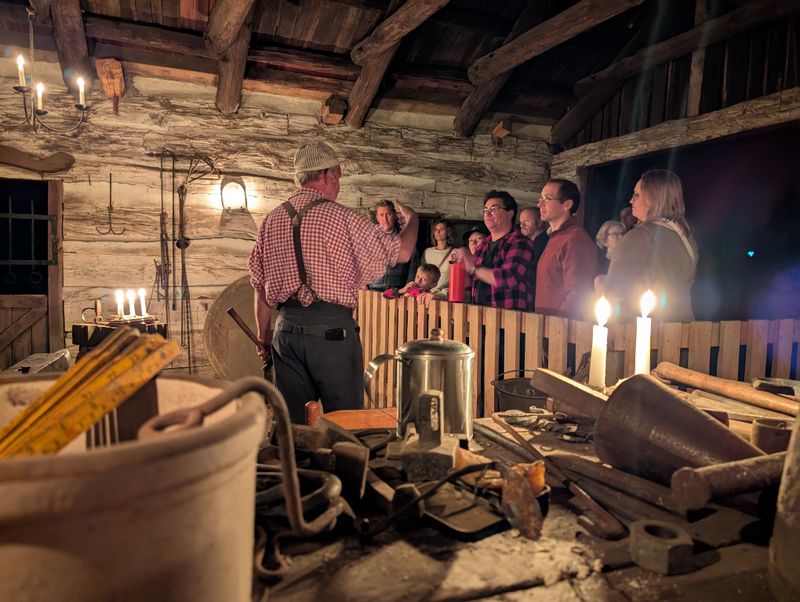
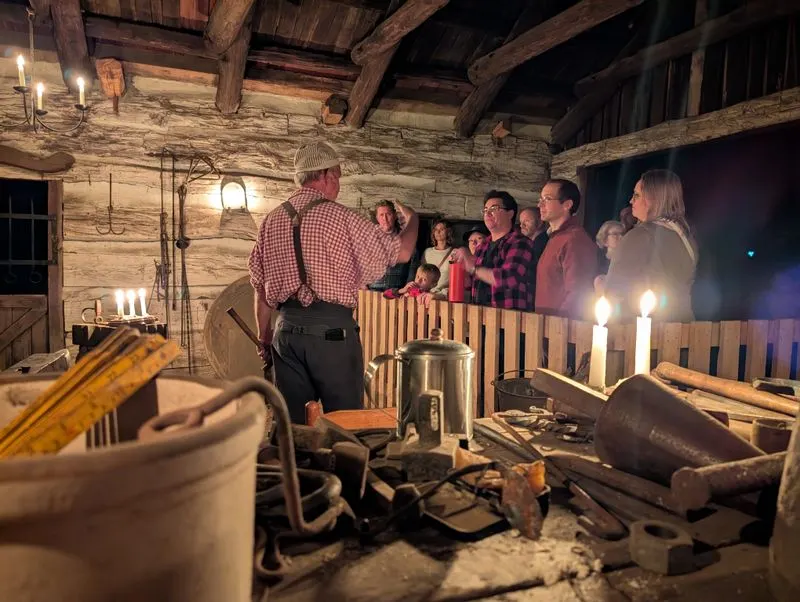
If your timing is right, the candlelight walk turns the village into a warm ribbon of lanterns and soft voices. Cabins glow, music threads the dark, and you feel time loosen under your feet.
Crowds thin, and details like frost on railings feel cinematic.
Volunteers share stories, songs, and simple treats that make the evening communal. It is never flashy, and that restraint is the charm.
Layers and good shoes make it comfortable so you can linger without hurry.
Check the site calendar and arrive early for parking, then let the glow guide your route. Phones go back in pockets because the scene rewards quiet presence.
You leave with a steadier heart, reminded how light and hospitality carried neighbors through long winters.
Trails, Woods, and Wildlife
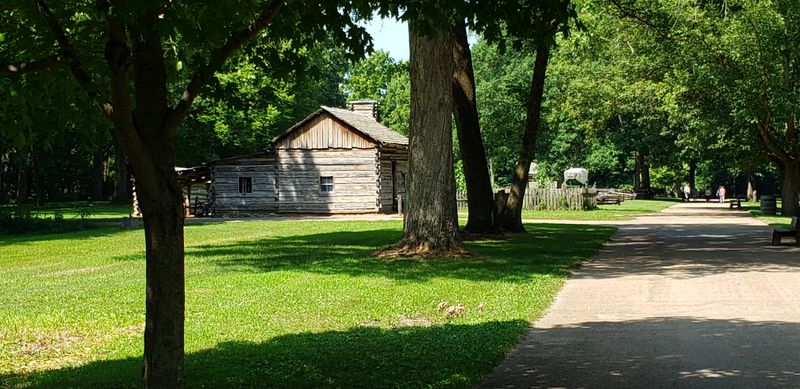
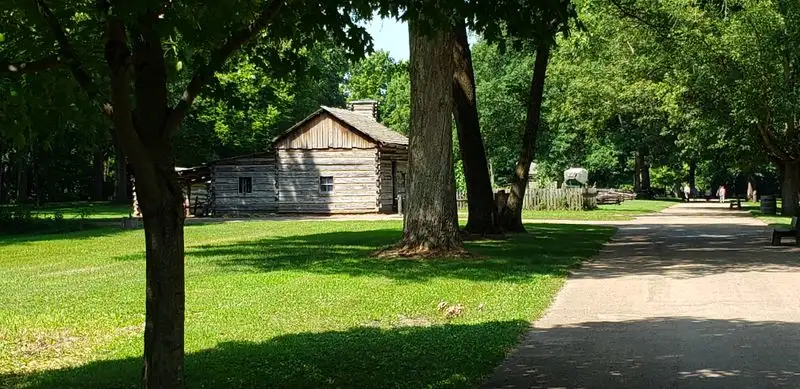
Between cabins, the forest breathes, and your pace naturally slows. Trails loop gently, with birdsong and leaf scent setting the soundtrack.
You will notice how the woods shelter the village from the modern world just beyond.
Interpretive signs explain how timber fueled hearths, fences, and mills. You start measuring distance in cords and seasons instead of miles.
The quiet helps kids decompress, and it gives adults room to absorb the human scale of work.
Bring water and comfortable shoes, because you will wander longer than expected. Shade is generous, and benches appear right when needed.
Watch for deer at the edges near dusk, a reminder that the landscape shaped every decision here.
Practical Tips: Hours, Donations, and Access
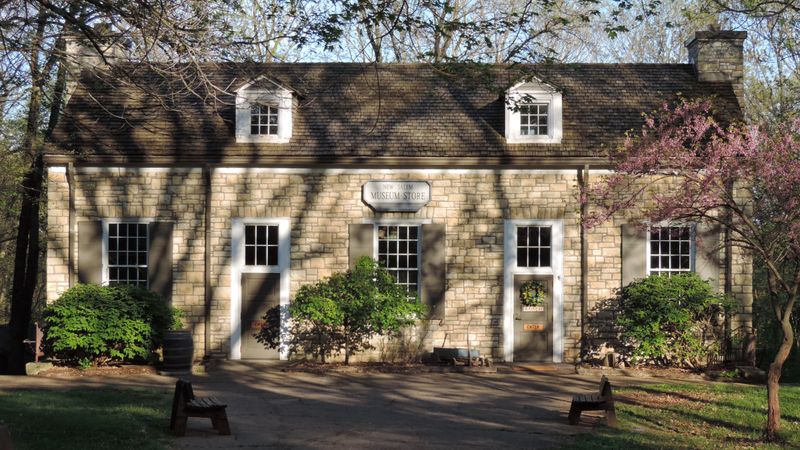
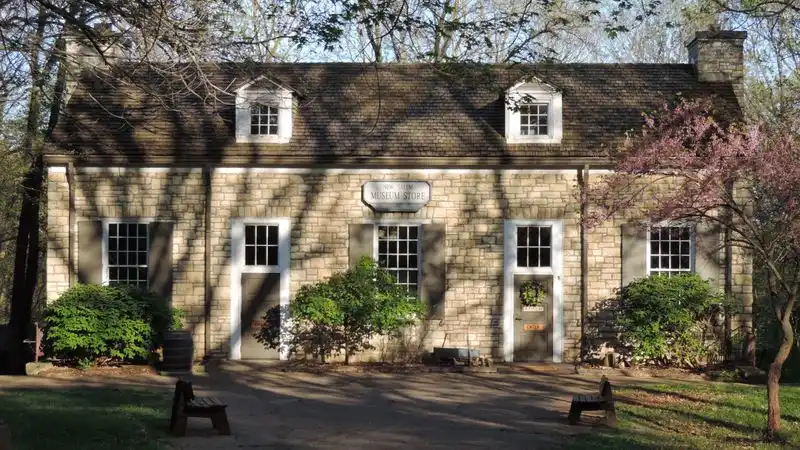
Plan for a relaxed two to four hours, depending on how often you stop to chat. The site operates 9 AM to 5 PM on most open days, with Sunday and Monday closures, so check before driving.
Parking is free, and the experience is donation based, which keeps it welcoming.
Lincoln’s New Salem State Historic Site is located at 15588 History Lane, Petersburg, IL, an easy drive from central Illinois and well marked once you approach the area.
Start at the Visitor Center for restrooms, water, and the map. Paths are smooth enough for strollers and many wheelchairs, though some cabin thresholds are best viewed from doorways.
Dress for weather, since most time is outdoors under trees.
Bring snacks or picnic, and look for shaded tables. If interpreters are light, signs still make the walk meaningful.
A small gift shop adds souvenirs that feel thoughtful, not touristy, and your donation truly supports the care you see.
Campground Convenience Next Door
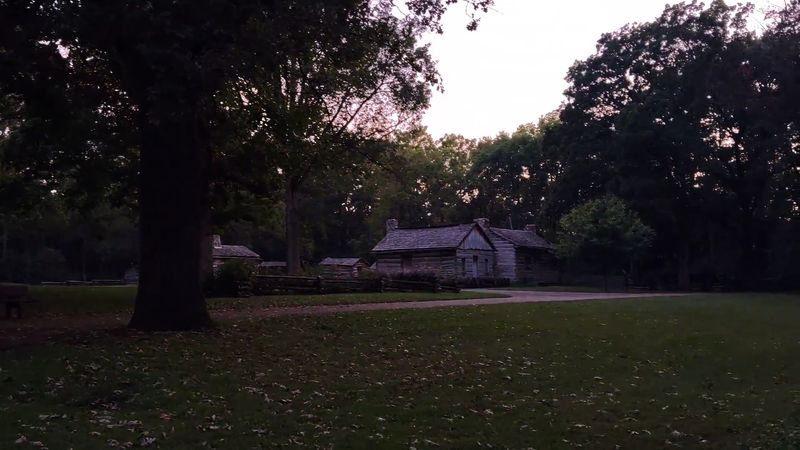
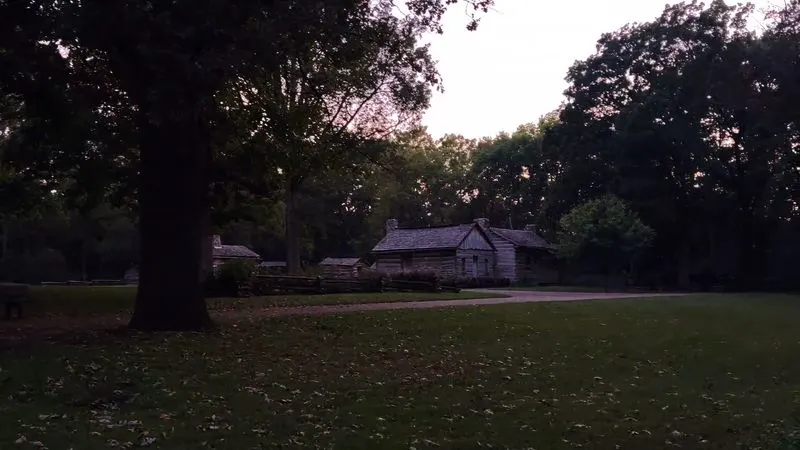
If you want to linger, the adjacent campground makes it easy to stretch the visit into morning and evening light. Sites sit under tall trees, with a calm that pairs well with the village’s slow pace.
Bathhouses are simple and clean, and electric hookups are available at many pads.
You can stroll from camp to cabins, then back for lunch or a nap. Nights bring owls and a sky dark enough to see more stars than you expect.
It is a practical base for exploring Petersburg and nearby Springfield too.
Reserve ahead during peak seasons, and bring layers for shoulder months. The dated playground still draws kids between walks.
Waking up steps from history lets you arrive early, unhurried, and ready to enjoy the site before crowds gather.
Why New Salem Still Matters
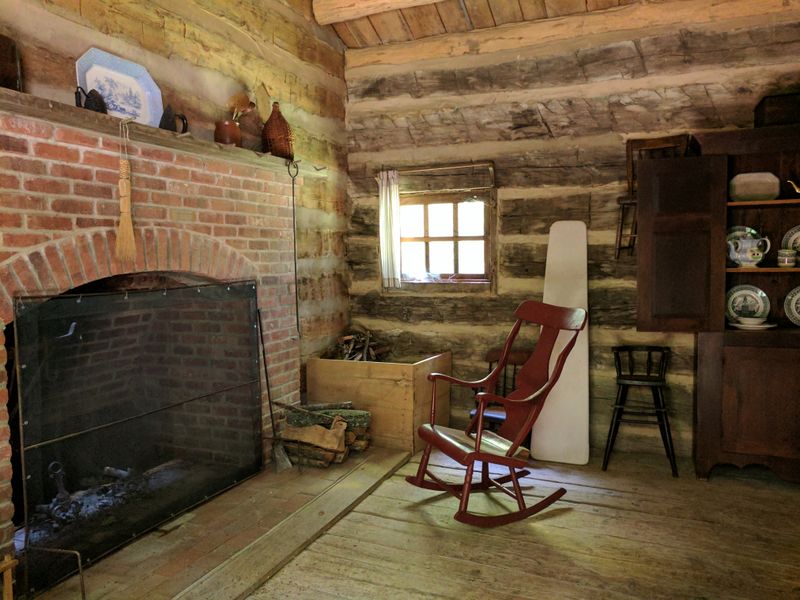
New Salem matters because it humanizes a towering figure by showing the chores, jokes, and setbacks that forged him. You witness community as infrastructure, where neighbors traded labor, stories, and responsibility.
The village becomes a mirror for your own daily choices.
Here, history is not trapped behind glass. It breathes in wood smoke, hammered iron, and ledger ink, inviting you to ask better questions.
How do work and kindness travel together, and what does character look like at scale.
You leave carrying details that feel small but sticky, like a latchstring or a measuring chain. Those details build empathy, which makes textbooks easier later and civic life kinder now.
That is a lot to gain from a free walk in the Illinois woods.