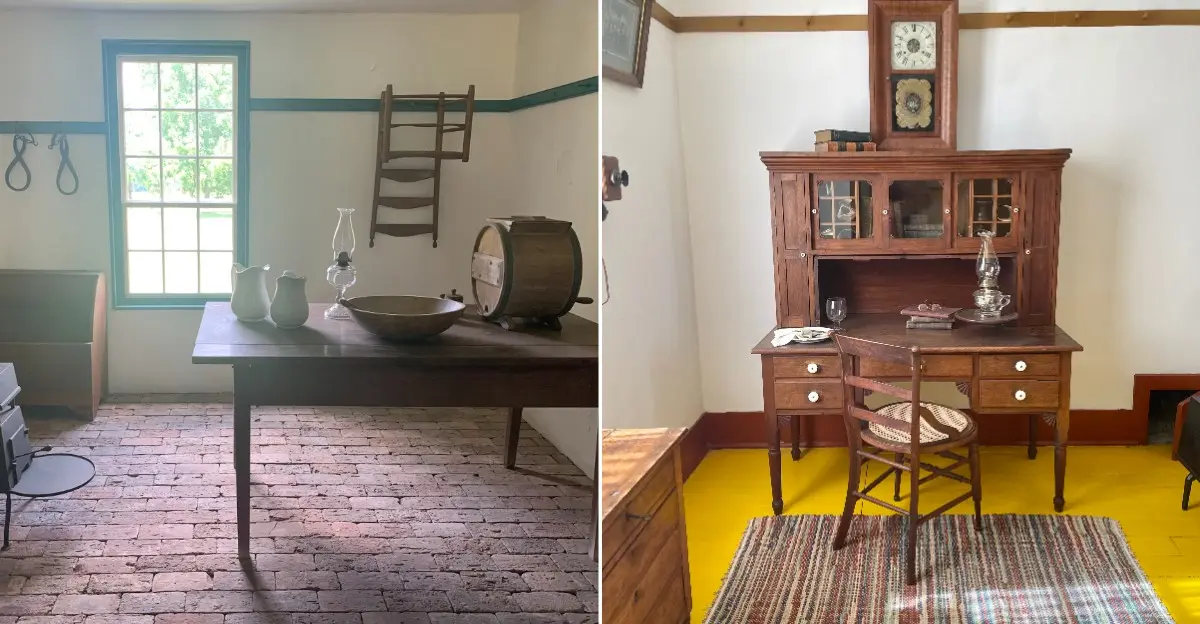
A plain wooden chair hangs upside down on a peg rail, and it might be the most interesting piece of furniture in Kentucky. Down a quiet country road in Logan County sits a place where people once built a whole way of life around order, equality, and careful work.
They made their own furniture, ran their own farms, and came up with clever ideas that still show up in homes today. Many travelers drive right past the turnoff and never know what they missed.
Those who do stop often stay far longer than they planned. The rooms, the tools, and the buildings tell a story about faith, teamwork, and change.
Keep reading to learn what makes this quiet spot worth the detour, how long to stay, and what small details to look for once inside.
A Village Hiding in Plain Sight
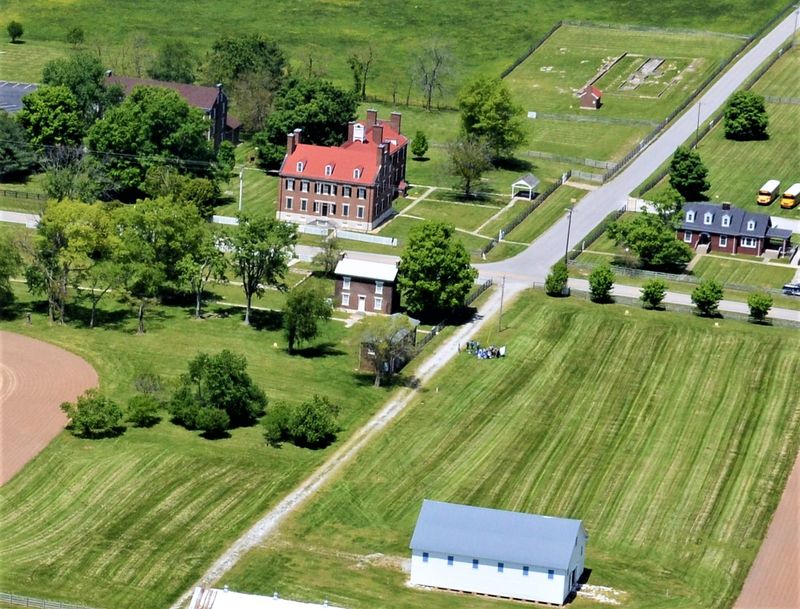
Some of the best history lessons sit at the end of a country road. South Union Shaker Village is found at 896 Shaker Museum Rd, Auburn, KY 42206, in south central Kentucky.
The site is a living-history museum that tells the story of the Shakers who settled here. Their community was established in 1807, and it grew into one of the busiest Shaker villages in the western part of the country.
Today, the grounds include original buildings, restored rooms, and outdoor markers showing where other structures once stood. The museum focuses on how the Shakers lived, worked, prayed, and organized their days.
Many people arrive knowing almost nothing about the Shakers. That is perfectly fine, since the exhibits start with the basics and build from there.
The village sits in a rural area, so plan the drive ahead of time. Cell service and road signs can be easy to miss in the countryside.
Once the gravel settles, a big story waits inside these quiet walls.
Who Were the Shakers, Anyway?
Here is a fun starting point. The Shakers got their nickname from the lively way they moved during worship services.
Their official name was the United Society of Believers in Christ’s Second Appearing. Members lived together in large communal groups, shared their property, and believed men and women should be treated as equals.
They also chose not to marry or have children of their own. Because of that, the community grew by welcoming new members and taking in orphans.
Simplicity was a big deal for them. They believed that doing good work was a form of worship, so even a broom or a box had to be made with care.
That belief explains why their furniture still looks so modern and clean. Nothing fancy was added just for show.
Learning these basics first makes everything else at the village click into place. A short introductory video helps set the scene before the tour begins.
Consider it the opening chapter of a surprisingly gripping book.
The Centre House Steals the Show
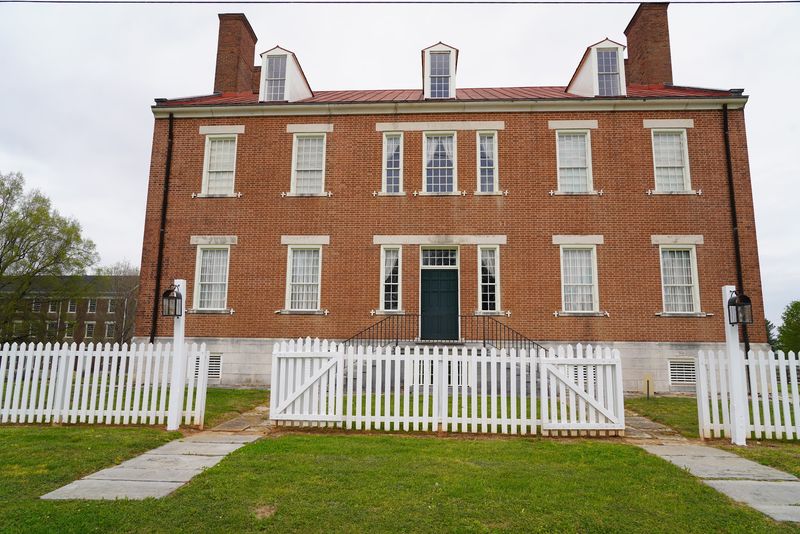
Built in the 1820s, the Centre House is the star of the property. Plenty of guests say this building alone makes the trip worth it.
It was a dwelling house, which means many Shaker members lived here together. The building is large, with several floors and rooms arranged in a careful, orderly way.
Look closely at the layout. Shaker dwellings often had separate doors and staircases for men and women, since the sexes lived as brothers and sisters rather than couples.
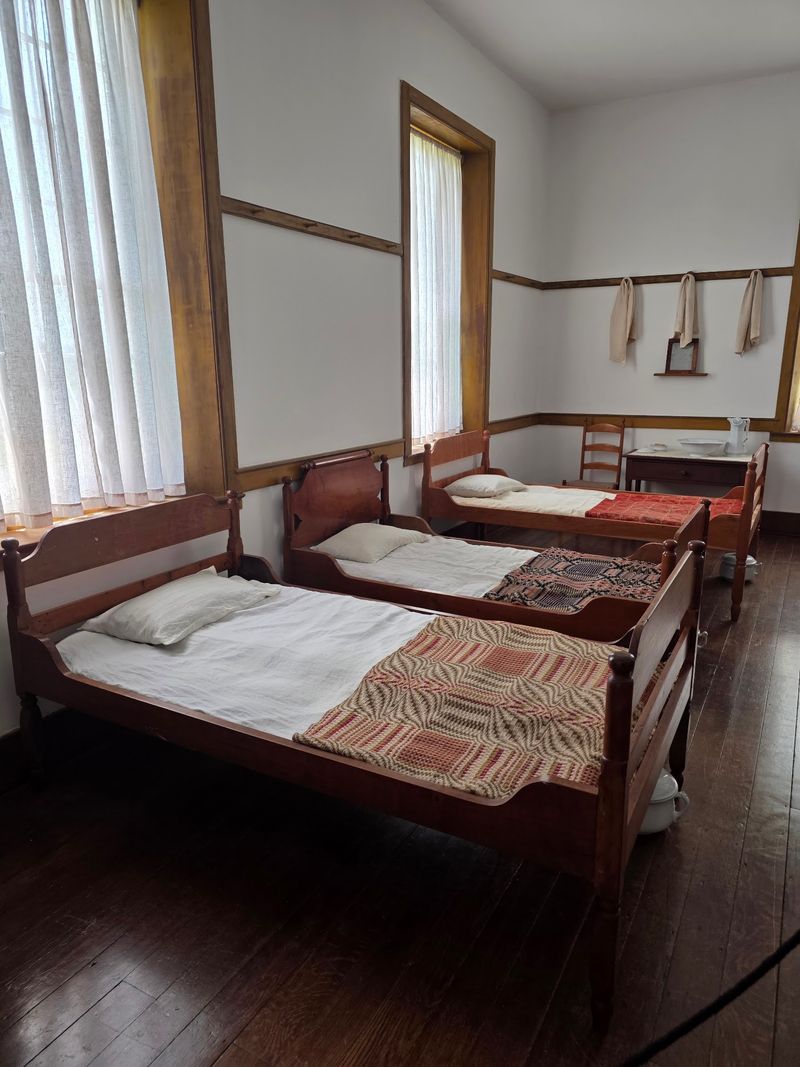
Inside, the rooms are set up to show daily life. There are sleeping rooms, work spaces, and areas filled with original furniture and household objects.
Fair warning for anyone with sore knees. There are many stairs throughout, so take them slowly and rest when needed.
The building gives a real sense of how dozens of people shared one roof without chaos. Rules, routines, and teamwork kept everything running.
Brick by brick, the Centre House turns a history lesson into a home tour.
Furniture With Nothing to Hide
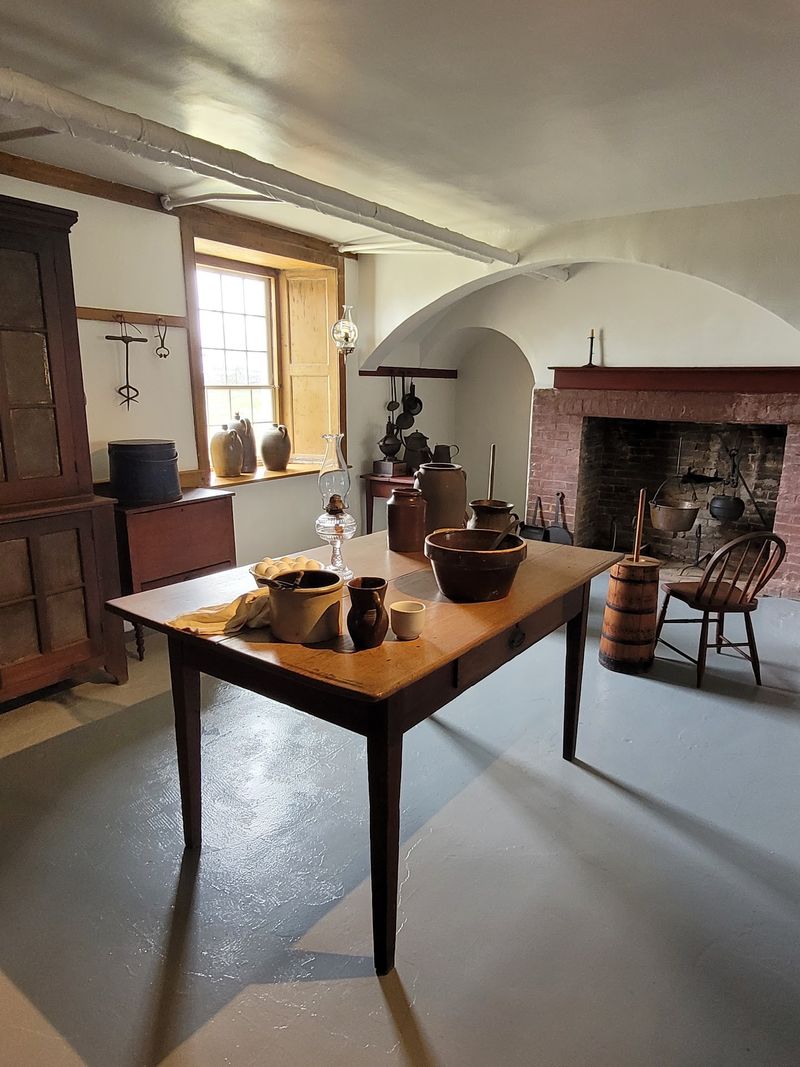
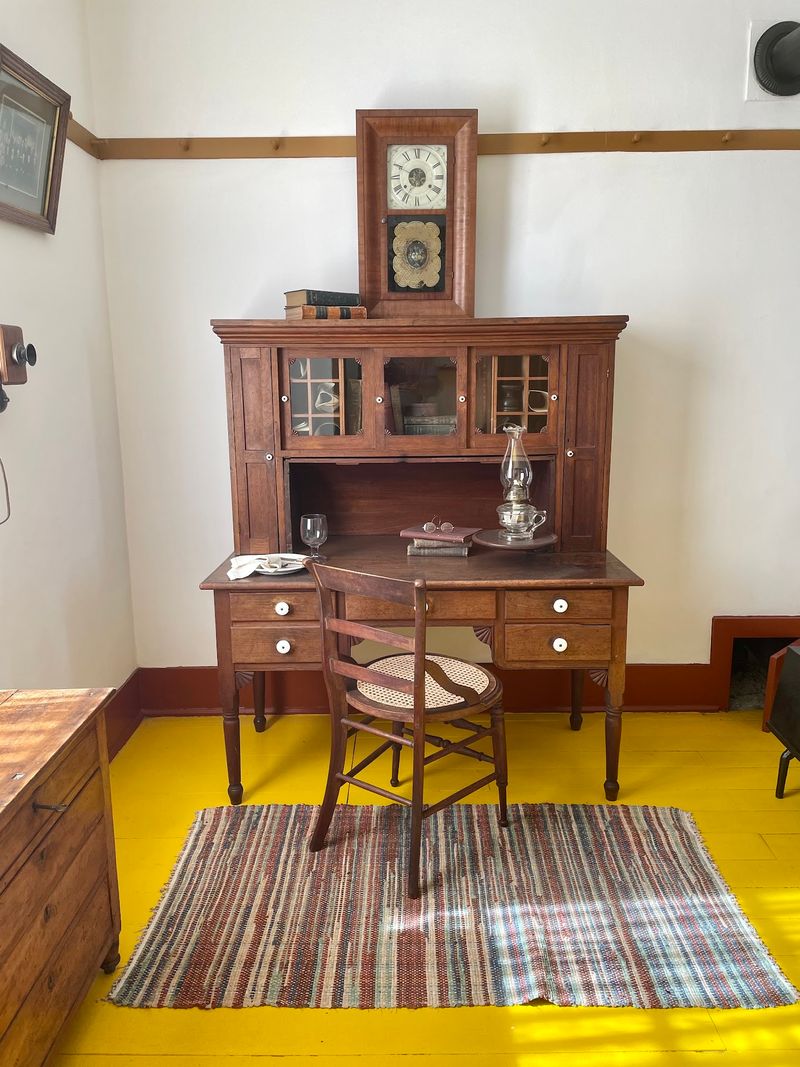
A Shaker chair does not try to impress anyone, and that is exactly why it does. The furniture here is plain, sturdy, and built to last for generations.
South Union craftsmen had their own regional style. Kentucky Shaker pieces often used local woods like walnut and cherry, and some show small touches that set them apart from pieces made in New England villages.
Notice the clean lines and lack of carvings. Every drawer, leg, and knob had a job to do.
Built-in cabinets and tall chests helped keep rooms tidy. Storing things neatly was not just a habit but part of their faith.
Collectors today pay serious money for authentic Shaker pieces. Seeing them in their original setting gives them even more meaning.
Take time to look at the joints and finishes. Small details reveal how much patience went into each piece.
Plain furniture, it turns out, can speak volumes about the people who made it.
Those Clever Peg Rails
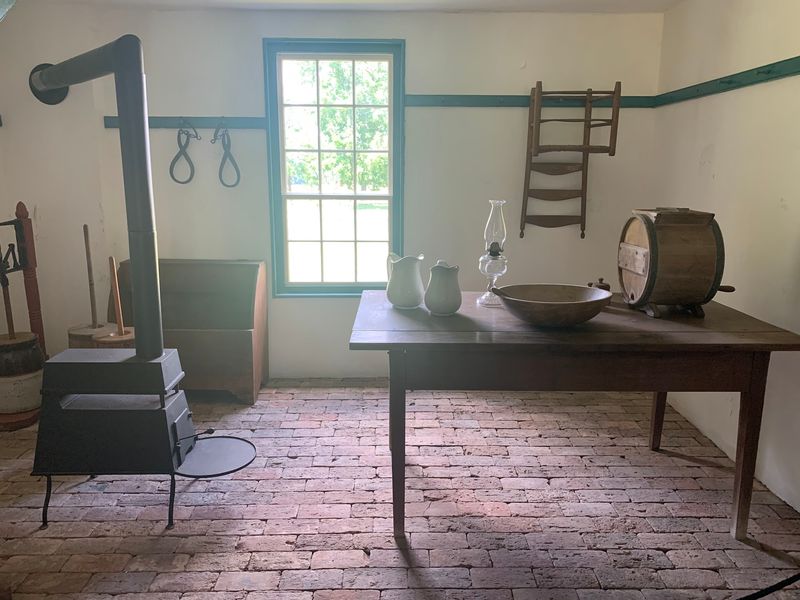
Wooden pegs line the walls in many rooms, and they hold almost everything. Chairs, clothes, brooms, and baskets could all hang up and out of the way.
Hanging chairs on the wall made sweeping the floor quick and easy. In a community that valued cleanliness, that mattered a lot.
Many guests also spot small vents in the walls near where lamps once sat. Those details hint at how carefully the Shakers thought about safety and airflow in their buildings.
Peg rails might be the most copied Shaker idea of all. Home stores still sell them for mudrooms, closets, and kids’ rooms.
Spend a minute counting how many pegs appear in one room. It becomes a fun little game, especially for younger travelers.
These simple strips of wood show how the Shakers solved everyday problems. Their answers were practical, low cost, and easy to repeat.
A row of pegs may look humble, but it hangs a whole philosophy on the wall.
Inventors in Plain Clothing
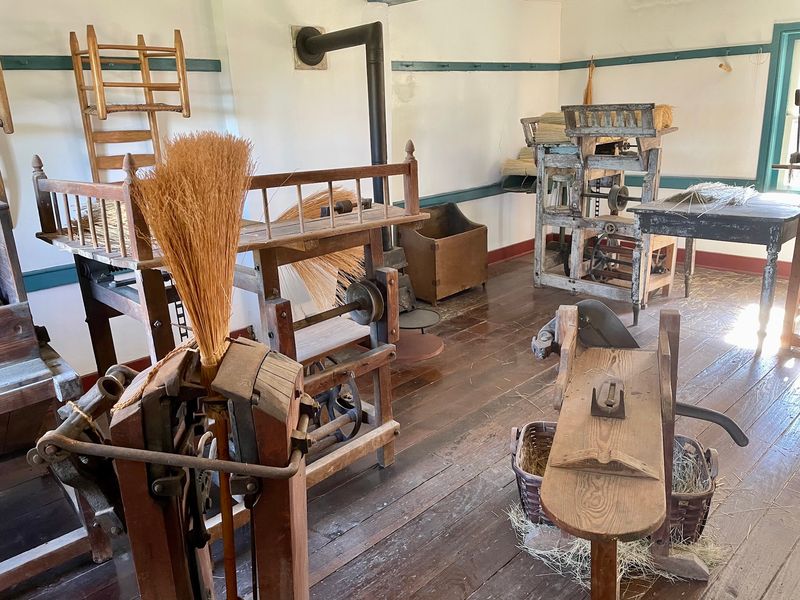
Plenty of people walk in expecting old-fashioned folks who avoided new ideas. They walk out surprised by how inventive the Shakers really were.
Shakers are credited with popularizing the flat broom. They were also among the first to sell garden seeds in small paper packets.
They welcomed useful technology when it made work easier. Better tools meant more time and energy for the community as a whole.
At South Union, members ran farms, workshops, and small industries. Selling goods to the outside world helped keep the village going.
The exhibits explain how these ideas spread beyond the village. Some of them are still part of ordinary homes and gardens today.
Kids especially enjoy finding objects they recognize. It makes the past feel a lot less distant.
Keep an eye out for tools that look strangely familiar. The Shakers may have had a hand in shaping them.
Simple living, it seems, never stopped them from thinking big.
Set Your Own Pace
No tour guide is rushing anyone along here. The main tour is self-guided, so each person can linger wherever curiosity leads.
Things usually begin with a short introductory video. It explains who the Shakers were and gives an overview of the grounds.
From there, two main buildings can be explored on foot. The rest of the experience is an outdoor walk with plaques marking where original buildings once stood.
Signs and reading material fill in the details along the way. They are clear, well written, and packed with useful facts.
Wear comfortable shoes, since there is walking both inside and outside. The stairs inside the buildings add a little extra workout.
Many people find that the self-guided format helps the story sink in. There is room to stop, reread, and think.
Freedom to wander is a nice bonus. Just remember the doors close at 4 p.m., so the clock still gets the final say.
Budget More Time Than You Think
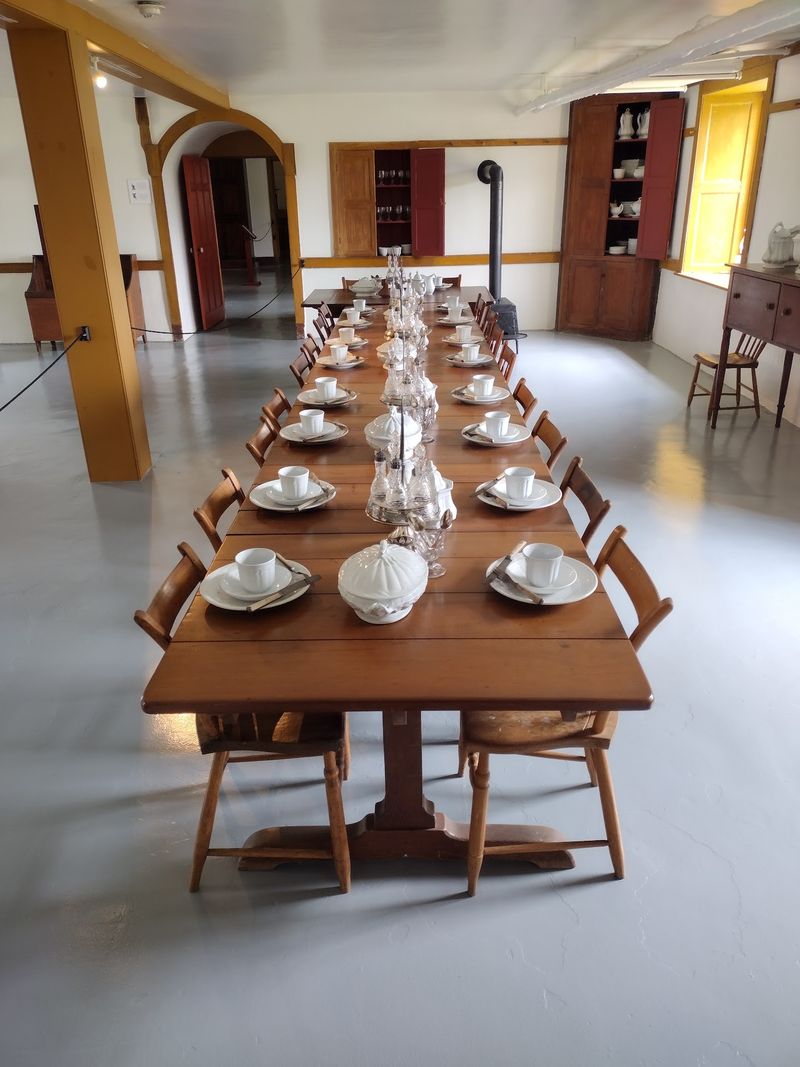
Here is the most common surprise of all. People expect a quick stop and end up wishing they had more hours.
Plan on at least two hours to see everything. Some guests suggest two and a half to three hours for anyone who loves reading every sign.
The village is open Tuesday through Saturday from 10 a.m. to 4 p.m. It is closed on Sunday and Monday, which catches some road trippers off guard.
Arriving earlier in the day makes a big difference. A late start can mean racing past exhibits that deserve attention.
Adult admission has been around $15, with lower rates for seniors. Check the official website before going, since prices and hours can change.
A few folks have even run out of time and returned on another trip to finish. That says a lot about how much is packed in.
Treat the schedule as part of the plan, and the visit will feel relaxed instead of rushed.
Friendly Experts Behind the Desk
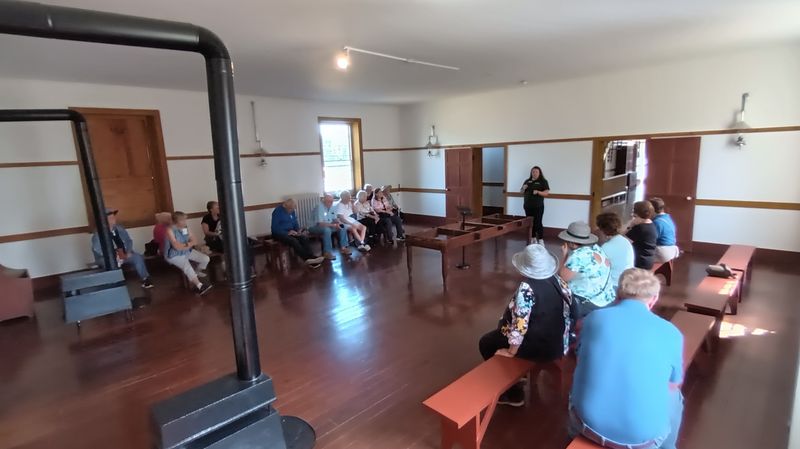
Sometimes the best exhibit is a person who knows the answers. The staff here are known for being well informed and warm.
The visitor center is a great place to ask questions before starting the tour. Staff can suggest what to see first and share background stories.
They clearly care about the history they protect. That passion makes even small facts feel exciting.
Do not be shy about asking something simple. Most guests arrive knowing little about the Shakers, and the team is used to starting from the beginning.
Questions about furniture styles, daily routines, or the end of the community all make great conversation starters. Each answer tends to open up a new layer of the story.
The museum also hosts events and programs at different times of year. Ask about upcoming happenings while at the desk.
A quick chat might turn into the most memorable part of the day, and it costs nothing but a few minutes.
Restoration in Progress
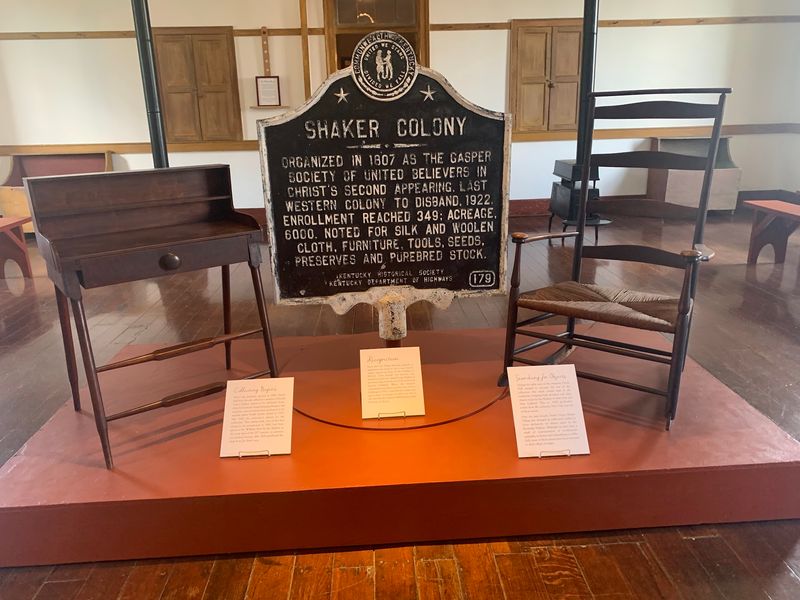
History is not finished here, not even close. The museum has been restoring additional buildings so more of the village can be shared.
That means the experience changes over time. Someone who came years ago may find new rooms and exhibits on a return trip.
Restoration work takes patience and money. Old buildings need careful repairs that respect how they were first built.
Fundraisers and community support help keep these projects moving. Local groups have even organized rides to raise funds for the museum.
Watching a historic site grow is a special kind of fun. It shows that preservation is an active job, not just a dusty shelf.
Ask staff what is currently being worked on. They often have updates about which building is next and what it will hold.
Every repair helps another piece of the Shaker story come back into view. Consider it a good excuse to plan a second trip down the road.
Tavern Stays and Gift Shop Finds
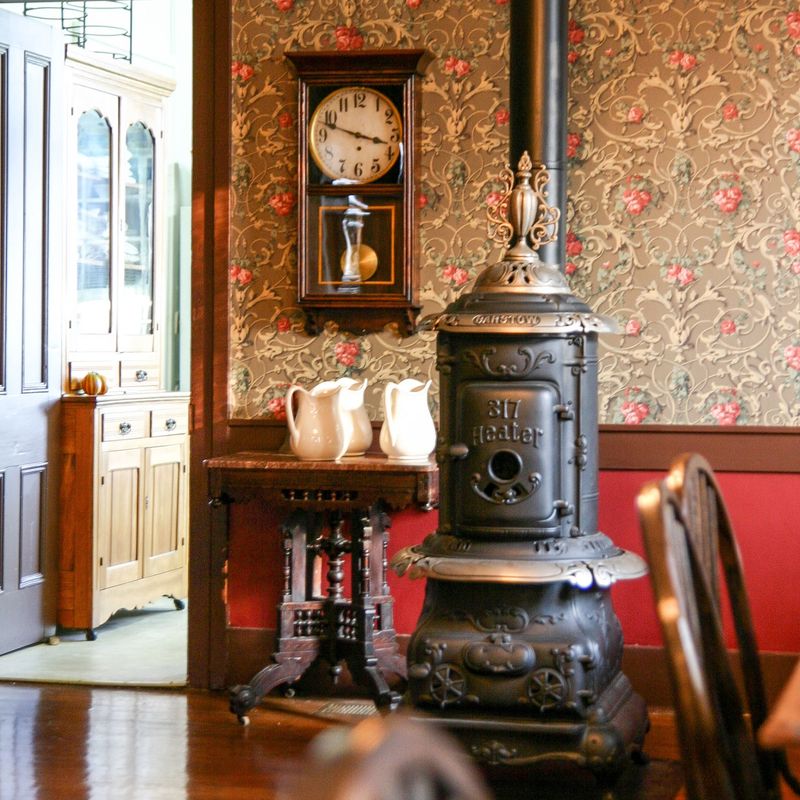
Leaving does not have to happen right away. The village includes the historic Shaker Tavern, which has served as a bed and breakfast and an event space.
The Shakers originally built the tavern in 1869 to host travelers coming through by rail. It was one of their ways of earning income from the outside world.
Today the space has hosted weddings and receptions. Couples have praised the helpful coordination and the useful kitchen and prep rooms.
Back at the museum, the gift shop offers a nice mix of items. It is a good stop for books about Shaker life and small keepsakes.
Shopping here also helps support preservation. Every purchase goes back into caring for the site.
The village is a handy side trip for anyone visiting Mammoth Cave or Bowling Green. It fits nicely into a south central Kentucky road trip.
From quiet rooms to plain chairs on pegs, this village proves that simple things can carry a remarkably big story.