
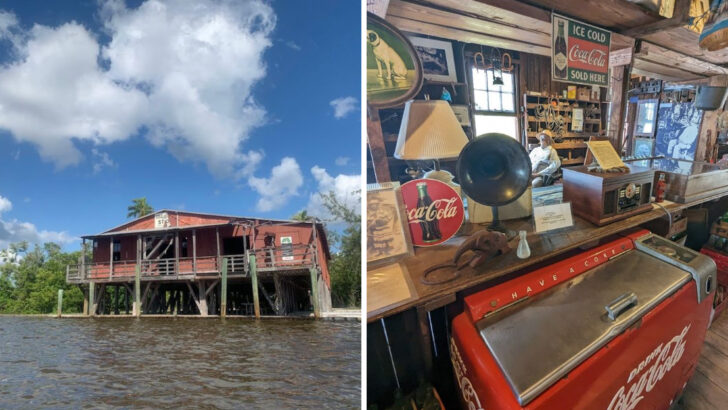
Hidden at the very edge of the Florida Everglades, the Smallwood Store on Chokoloskee Island feels like a place time simply forgot.
Built in 1906, this weathered wooden building once served as the beating heart of a remote frontier community, providing food, medicine, mail, and connection to settlers who had almost nothing else.
Walking through its creaky doors today means stepping into a world where old medicine bottles still line the shelves and a vintage Coca-Cola machine hums with history.
If you have ever wondered what life on the frontier truly looked like, this remarkable museum has every answer you need.
A Remote Frontier Setting at the Edge of the Everglades
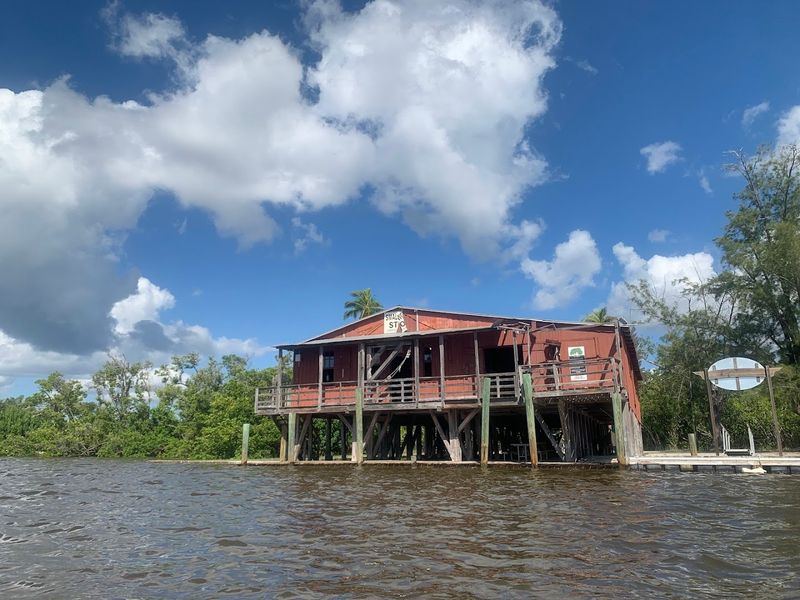
Chokoloskee Island sits so far from the rest of Florida that for most of its early history, the only way to reach it was by boat. Tucked among the Ten Thousand Islands near the southern tip of the state, this tiny island felt like the edge of the known world to the people who called it home.
The surrounding landscape is unlike anything else in the country. Endless mangrove forests, shallow bays teeming with fish, and skies wide enough to swallow your worries whole — this place has a raw, untamed beauty that still takes visitors by surprise today.
Wildlife is everywhere, from roseate spoonbills to manatees drifting through the glassy water.
Before roads connected Chokoloskee to the mainland, settlers here lived in near-total isolation. Supplies came by boat, news arrived weeks late, and neighbors were few and far between.
That isolation shaped everything about how people lived, traded, and survived. Visiting the Smallwood Store means understanding that this was not a quaint rural town — it was a true frontier, wild and unforgiving, where every resource mattered deeply.
Established in 1906 by Pioneer Ted Smallwood
Ted Smallwood arrived in Chokoloskee with a dream, a strong back, and very little else. In 1906, he built his store from the ground up, turning raw lumber and sheer determination into something that would outlast him by more than a century.
He was exactly the kind of person the frontier attracted — resourceful, stubborn, and deeply committed to building a life where others saw only swamp.
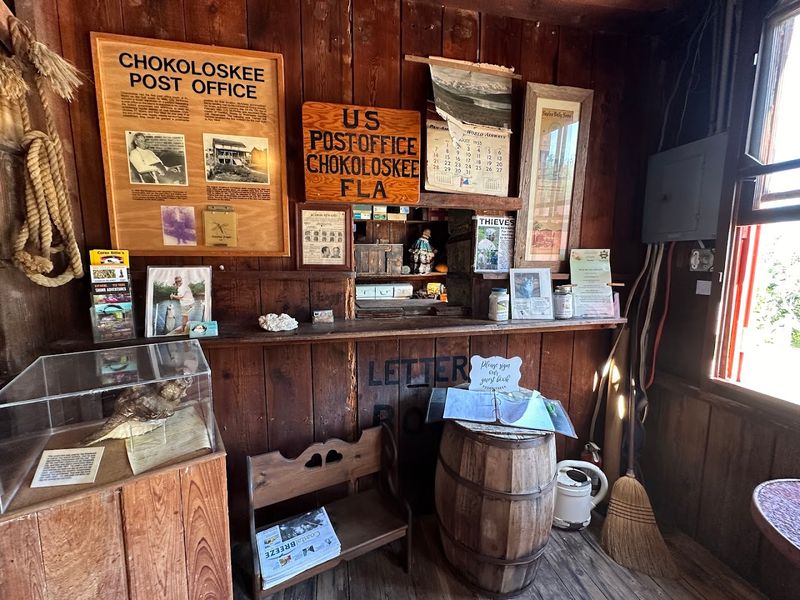
From the beginning, the store was more than a business. Smallwood applied for and received a post office license, making his building the official mail stop for the entire community.
Letters and packages arrived by boat, and neighbors gathered at the store to collect their mail and catch up on whatever news had drifted down from the outside world.
Ted Smallwood also traded actively with the Seminole people, who paddled their canoes through the mangroves to exchange animal hides, egret plumes, and other goods for supplies they needed. That relationship made the store a rare meeting point between two very different worlds.
His legacy is not just a building — it is a story about what one determined person can build when they refuse to quit.
A True Multi-Purpose Frontier Hub
Most stores today do one thing well. The Smallwood Store did everything.
At various points in its history, it served simultaneously as a general store, post office, pharmacy, trading post, and community gathering space — all packed into a single wooden building perched above the water.
Settlers could walk in needing flour, leave with a letter from a distant relative, pick up a remedy for a cough, and trade a bundle of furs for credit toward their next purchase. That kind of all-in-one convenience was not a luxury here — it was a lifeline.
Without the Smallwood Store, many families simply would not have been able to sustain themselves in such an isolated environment.
Fishermen stopped in after long days on the water. Seminole traders arrived by canoe loaded with goods from deep in the Everglades.
Neighbors lingered to swap stories and share whatever news had come in with the latest mail boat. The store created community in a place where community was hard to come by.
Knowing all of this makes walking through those old doors feel less like visiting a museum and more like stepping into a memory that belongs to everyone who ever called this coast home.
Built for Survival in a Harsh Environment
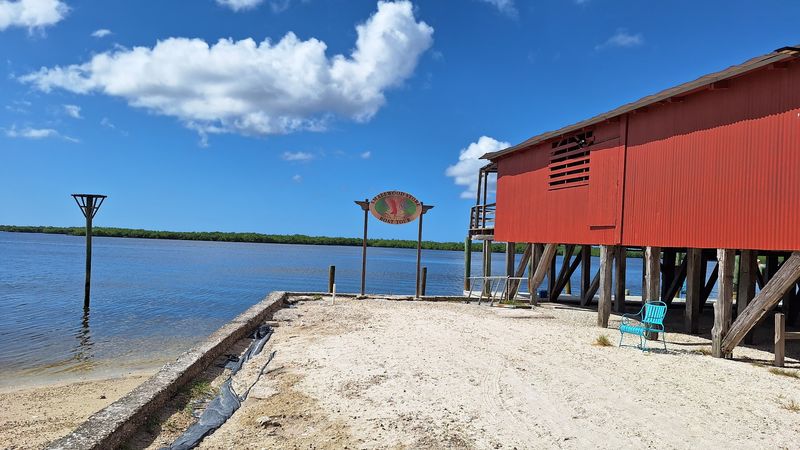
Building anything permanent on Chokoloskee Island in 1906 was an act of serious courage. The land was low, the storms were fierce, and the bay could rise without much warning.
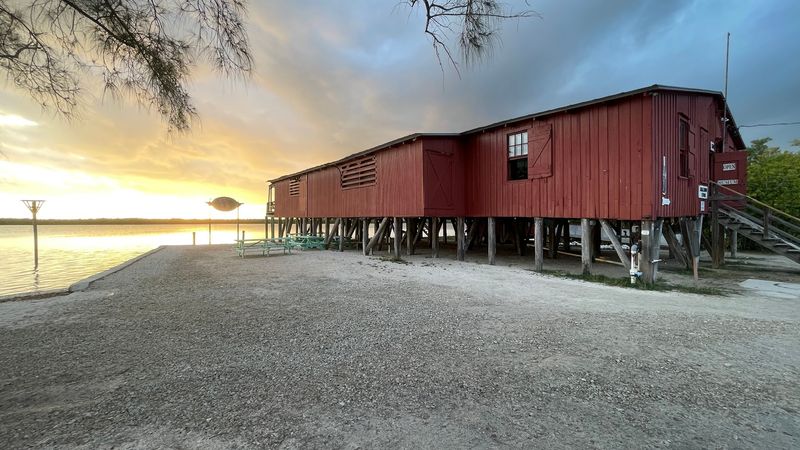
Ted Smallwood solved the flooding problem the way most sensible Everglades builders did — he put his store on stilts, lifting the entire structure safely above the reach of normal high water.
The wooden frame has absorbed more than a century of Florida weather. Hurricanes have roared through, storm surges have lapped at the pilings, and the relentless heat and humidity have worked away at every joint and board.
Yet the building still stands, a quiet testament to the skill of the people who put it together with hand tools and hard work.
Looking at the structure from the water, you get a real sense of what early settlers were up against. There was no concrete foundation, no modern engineering software, and no hardware store down the road.
Everything was built using knowledge passed down through experience and a practical understanding of how water, wind, and wood behave together. The Smallwood Store is not just a historic landmark — it is proof that human ingenuity can outlast almost anything nature throws at it.
Preserved Almost Exactly as It Was Left
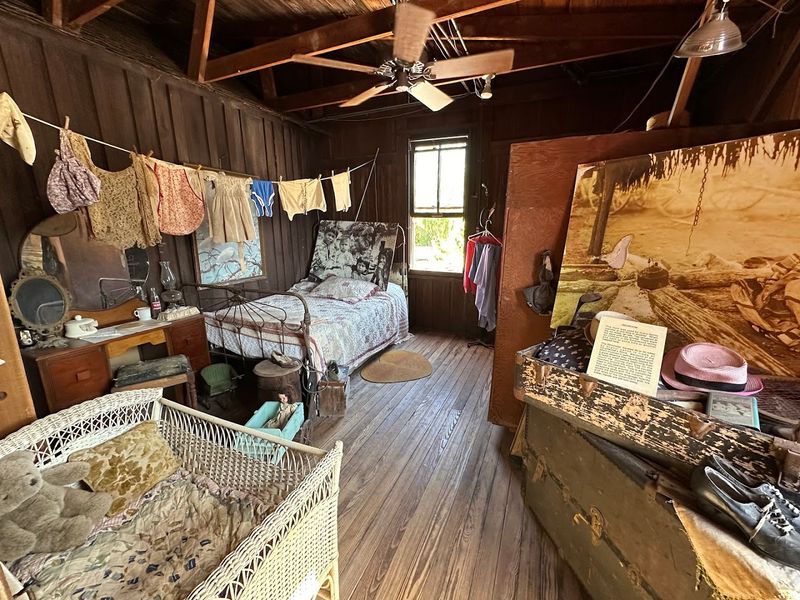
When the Smallwood Store closed its doors as an active business in 1982, nobody cleared out the shelves. Nobody boxed up the merchandise or hauled away the fixtures.
About 90 percent of everything inside simply stayed right where it had always been, creating what may be one of the most accidental and authentic time capsules in the entire United States.
That decision — whether it was intentional preservation or simply the pace of life on a remote island — turned out to be extraordinary. Historians, photographers, and curious travelers now have the rare chance to see a genuine early 20th-century store interior that has not been staged or reconstructed for dramatic effect.
What you see is what was actually there.
Dust settles softly on old tins and bottles. Price tags from decades past still cling to items on the shelves.
The layout of the store floor reflects exactly how Ted Smallwood and his family arranged things to serve their customers efficiently. Very few places in America offer this kind of unfiltered connection to the past.
Most historic sites rebuild, recreate, or restore. The Smallwood Store simply kept everything exactly as it was, and that makes all the difference in the world.
A Living Museum Filled With Original Artifacts
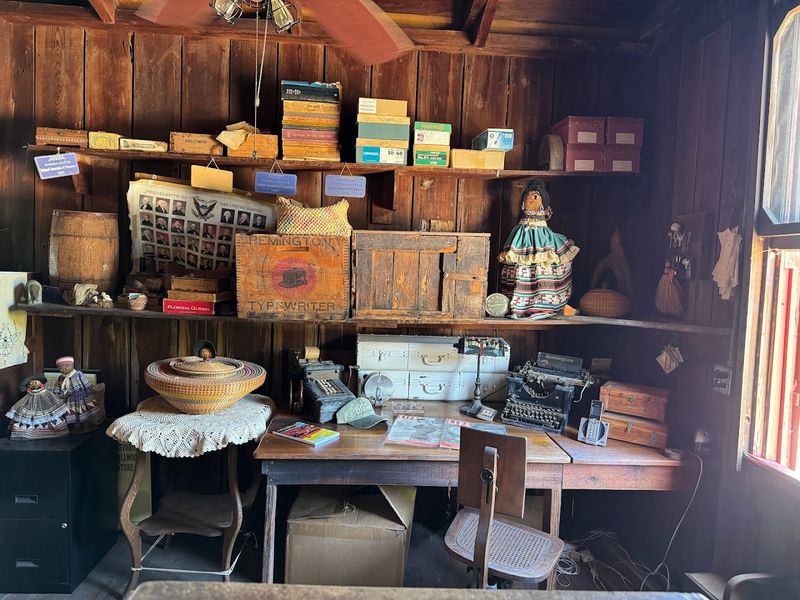
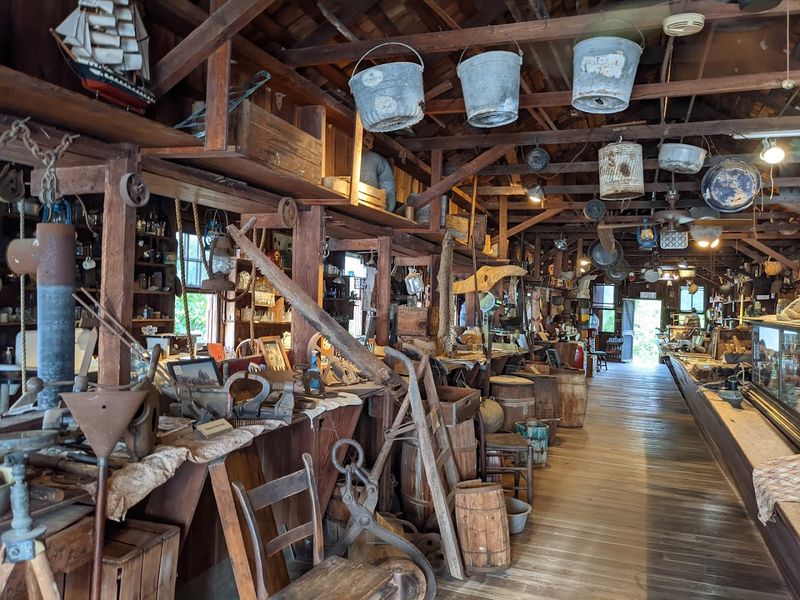
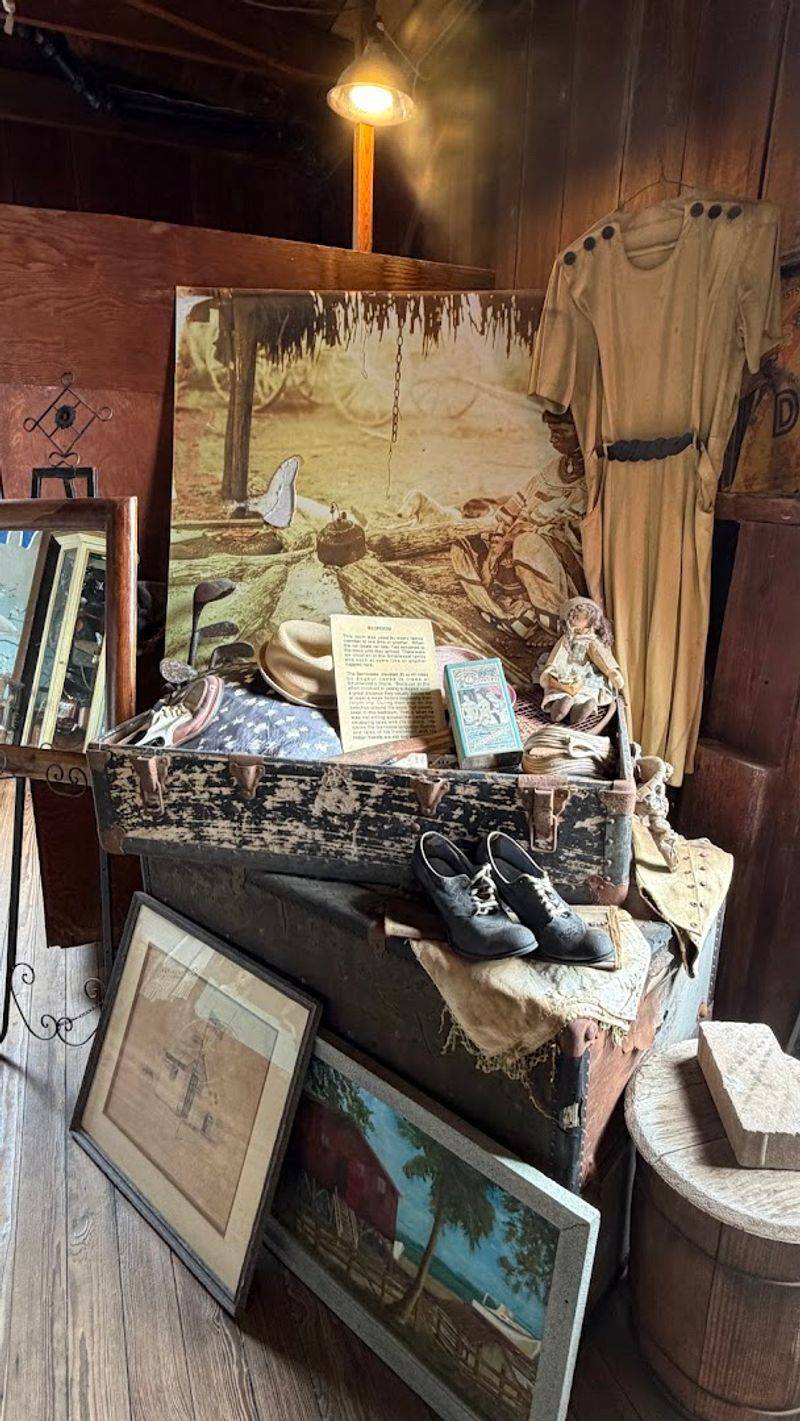
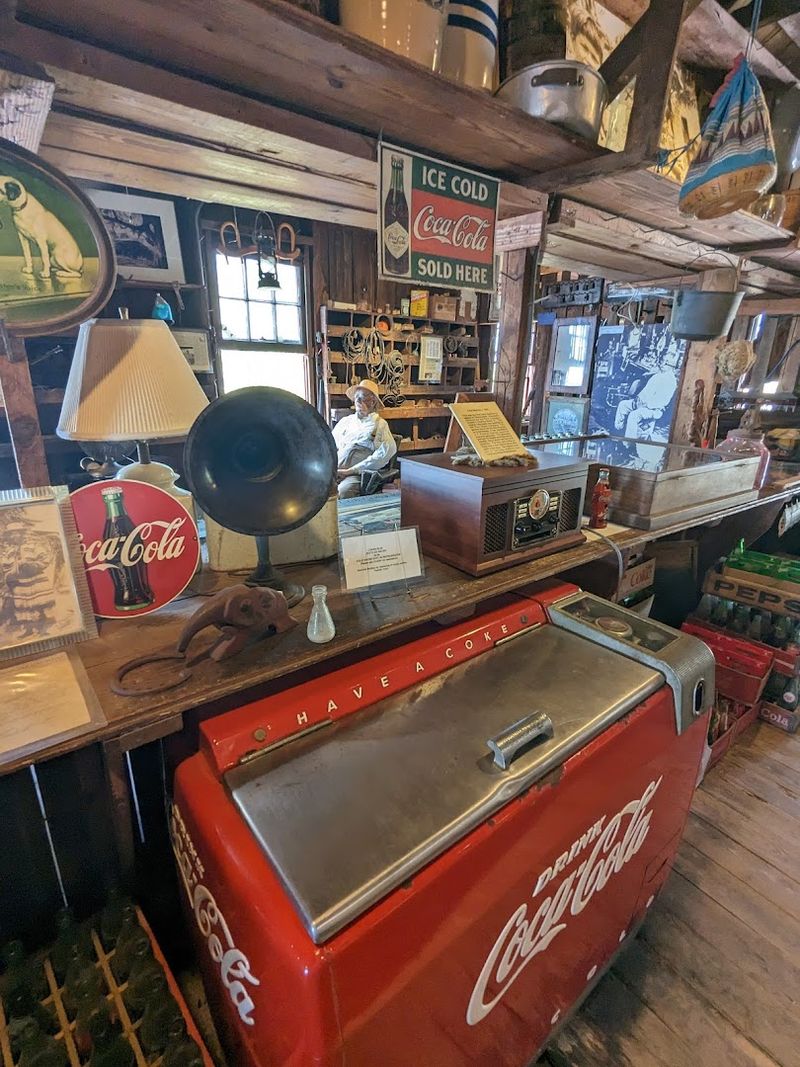
Rattlesnake skins hang from the rafters. Antique medicine bottles line wooden shelves in neat, slightly faded rows.
A 1940s Coca-Cola machine stands in the corner like it is still waiting for its next customer. Every single object inside the Smallwood Store is original — nothing was brought in later to fill gaps or make the place look more interesting.
That authenticity is what separates this museum from most others. Curators at typical history museums select, restore, and label items for maximum educational impact.
Here, the artifacts are simply present — arranged the way they were used, surrounded by the same walls and floors that witnessed daily frontier life for decades. The effect is quietly overwhelming.
Visitors often find themselves stopping mid-step to stare at something unexpected. A hand-painted sign.
A rusted trap hanging on a nail. A glass jar filled with something unidentifiable from a century ago.
Every item tells a story without needing a placard to explain it. Children who visit often describe the experience as feeling like they broke into someone’s house and found everything exactly where it was left.
That reaction — that mix of wonder and slight disbelief — is exactly what makes the Smallwood Store so unforgettable for everyone who walks through it.
Stories of Pioneers, Outlaws, and Survival
Few places in Florida carry as much dramatic history as the Smallwood Store. One of the most gripping stories connected to this building involves Edgar Watson, a charming and deeply dangerous man who farmed sugarcane on nearby Chatham Bend.
Watson was rumored to have murdered several of his workers, and his violent reputation cast a long shadow over the entire community.
In October 1910, Watson arrived at the Smallwood Store dock after a deadly storm, and a group of local men confronted him about the deaths on his property. The standoff ended in gunfire, and Watson was killed on the very spot where boats still tie up today.
Author Peter Matthiessen later turned this history into a celebrated trilogy of novels, bringing Watson’s story to a national audience.
Beyond the Watson legend, the store holds quieter stories too — of Seminole families who traded here across generations, of fishermen who survived hurricanes by sheer stubbornness, and of women who raised children in one of the most remote corners of America. These are not polished, comfortable stories.
They are raw and real, full of hardship and resilience, and the Smallwood Store preserves them all without flinching or softening a single edge.
Still Family-Owned and Deeply Personal
Most historic landmarks eventually pass into the hands of government agencies or nonprofit organizations. The Smallwood Store took a different path.
More than a century after Ted Smallwood first opened his doors, the building remains in the care of his descendants — a fact that gives this place a warmth and personal depth that institutional management simply cannot replicate.
His granddaughter Lynn McMillin spent years working to have the store recognized as a historic site and to keep it open for visitors. Her dedication was not just professional — it was personal.
These were her family’s walls, her family’s shelves, her family’s stories. That kind of ownership changes the way a place feels from the moment you walk inside.
Photographs of the Smallwood family hang among the artifacts. Personal letters and documents share space with trade goods and tools.
The line between family history and American history blurs in the most beautiful way possible. Visiting the Smallwood Store is not like reading about the past in a textbook — it is like being welcomed into someone’s home and trusted with the real story of how they lived.
That rare sense of personal connection is something no renovation or reconstruction could ever manufacture or replace.
Visitor Information and Tips for Planning Your Trip
The Smallwood Store is located at 360 Mamie Street in Chokoloskee, Florida, which sits at the southern end of the Tamiami Trail near Everglades City. Admission runs around five dollars, which makes it one of the most affordable and rewarding history experiences in the entire state.
The store is typically open daily, with hours running roughly from 10 a.m. to 5 p.m. during peak season and slightly adjusted hours in the off-season — always worth a quick call or online check before you go.
Bring cash. The entry fee and gift shop items are best handled with bills and coins rather than cards, and the gift shop carries some genuinely interesting local books and keepsakes worth browsing.
Plan to spend at least an hour inside reading the displays and taking in the artifacts — this is a storytelling museum, and rushing through it means missing the best parts.
Combining your visit with an Everglades kayaking trip or a guided boat tour through the Ten Thousand Islands turns a great afternoon into an unforgettable one. The natural setting around Chokoloskee is spectacular.
Handle everything gently — many of the artifacts are original, fragile, and more than a hundred years old. Treat the space with the same respect you would give to something irreplaceable, because that is exactly what it is.