A dark wooden house can make a year in a history book feel surprisingly close, especially when you can walk through its rooms and picture the people who once called it home.
The Witch House at Salem was the home of Jonathan Corwin, a judge involved in the Salem witch trials of 1692, and it gives visitors a rare look at ordinary life during an extraordinary and frightening time.
Inside, the small rooms, household displays, and stories about the people who lived there show that the trials affected real families and neighbors, not just names in old records.
If you are curious about Salem, come ready to look closely, ask questions, and leave with a clearer picture of how fear and unfair accusations shaped this chapter of history.
You do not need to know every detail before you visit; a little patience and curiosity will help the house speak for itself.
A House That Still Stands
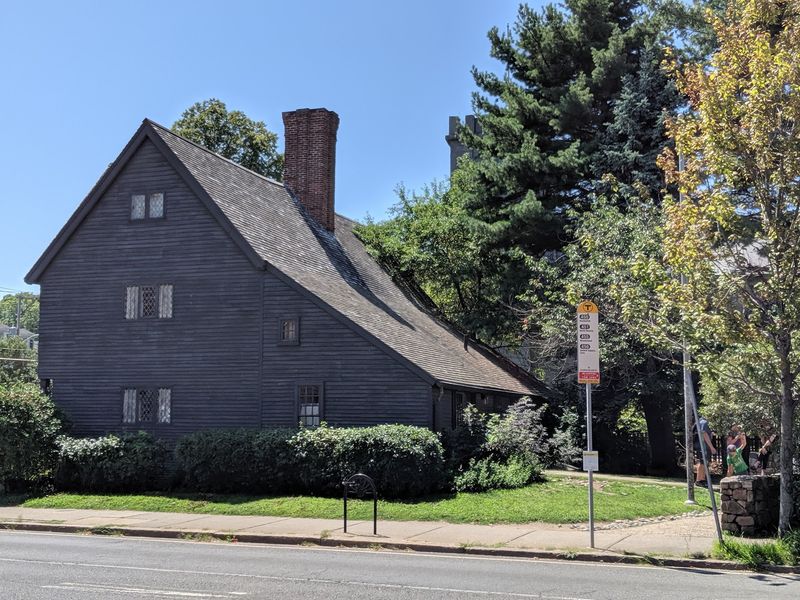
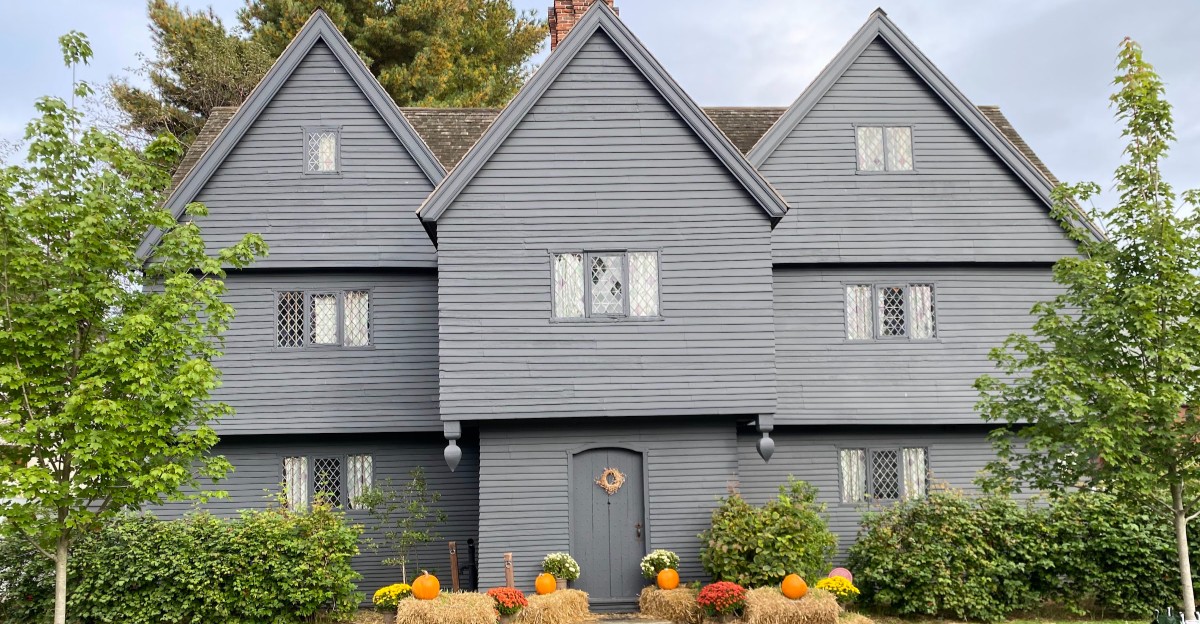
At first glance, the dark walls and steep roof look like the start of a spooky story. The surprise is that this is a real home with a direct link to the Salem witch trials. The Witch House at Salem stands at 310 Essex St, Salem, MA 01970, where visitors can see a surviving piece of the town’s seventeenth century past.
Before going inside, pause and look at the building’s shape. Its small windows and heavy frame reflect a time when builders worked with different tools, materials, and ideas about comfort. Try imagining a family coming through the door with food, firewood, or news from a neighbor.
Keep one useful distinction in mind as you explore: the house is connected to the trials through its owner, not because an accused witch lived here. That fact makes the visit more interesting, not less. You are looking at a place where someone with power had a daily life, even as a community faced terrible accusations. Seeing an actual building can make that history harder to brush aside than a date printed on a page.
Jonathan Corwin’s Connection
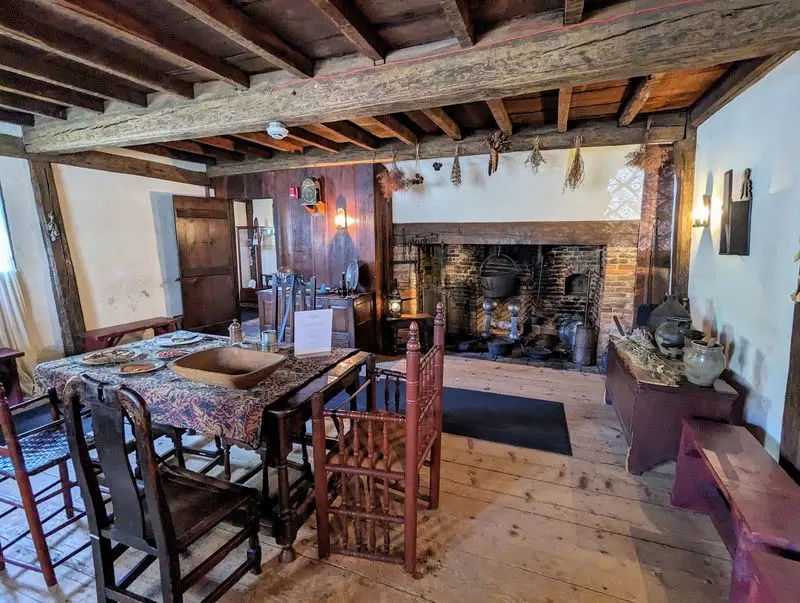
A judge once went home to these rooms after dealing with some of Salem’s most serious accusations. His name was Jonathan Corwin, and he took part in the 1692 witch trials. Knowing who lived here helps explain why the house matters, even though its rooms were part of a home rather than a courtroom.
As you read the displays, think about the difference between hearing a claim and proving it. People accused of witchcraft faced fear, pressure, and rules that did not protect them fairly. Corwin’s connection to those events offers a chance to talk about what can happen when officials accept frightening stories without enough evidence.
It is tempting to sort everyone in the past into simple groups of heroes and villains. History rarely works that neatly, but the harm caused by the trials should not get lost in that complexity. If you visit with a child, ask what questions a fair judge should raise before believing an accusation. The answer may lead to a bigger conversation about rumors, responsibility, and listening carefully when someone is blamed.
Rooms Built for Everyday Life
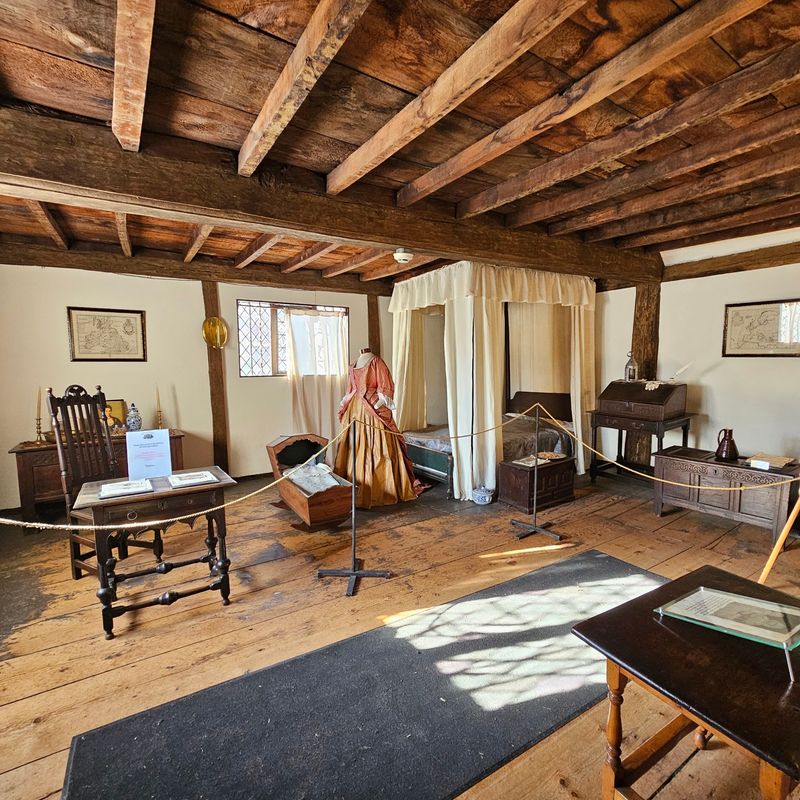
Imagine trying to finish your chores before daylight fades from a small window. The rooms at the Witch House encourage that kind of question. Alongside its link to the trials, the museum shows how a household might have cooked, slept, worked, and stayed warm centuries ago.
Look past the famous name on the sign and notice the practical details. A hearth meant heat and meals, but it also meant gathering fuel and watching a fire closely. Furniture and household objects could have jobs that are easy to miss when you are used to switches, running water, and bright lights.
Give yourself time to read the room labels rather than rushing toward the next doorway. Some objects help represent the period instead of coming from Corwin’s own family, so check what each label actually says. A useful game for younger visitors is to choose one daily task and explain how they would do it here. The exercise turns an old room into a place of real choices, work, and family routines, rather than just an eerie backdrop.
Details Worth Slowing Down For
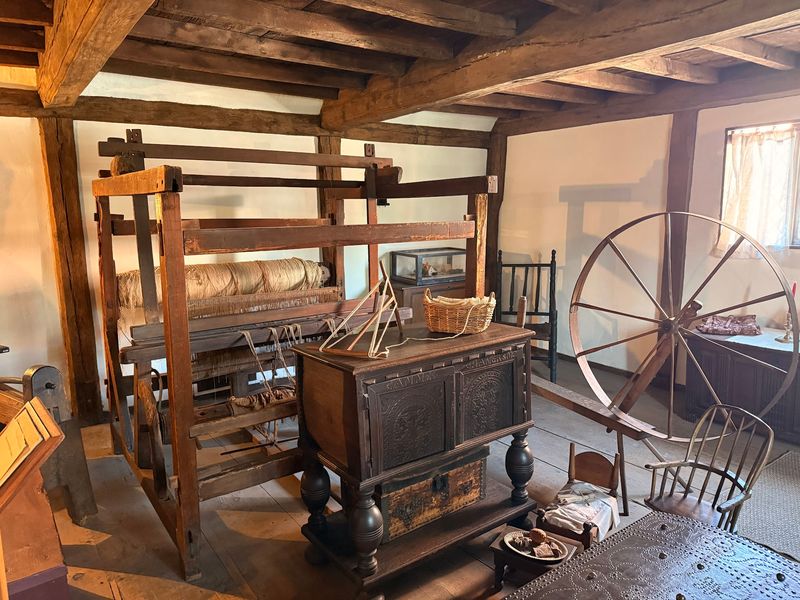
Old houses reward people who look twice. A beam, a narrow window, or an uneven surface may catch your eye before any display case does. At the Witch House, those details help you sense the size and feel of a home from another age.
Move slowly through the rooms and notice how much space people had to share. Consider where daylight reaches and where a candle might have been needed. Even a doorway can remind you that building styles and ideas about comfort have changed over time. You do not need to be an architecture expert to spot those differences.
Still, avoid guessing that every visible feature has stayed exactly the same since 1692. Historic buildings need repairs and care to survive, and museums may furnish rooms to explain a period. If a detail puzzles you, read the nearby information or ask a staff member what is original. That simple question can teach you more than a quick photo ever could. The best reward is a sharper picture of how people moved through the house each day.
The Human Cost Behind 1692
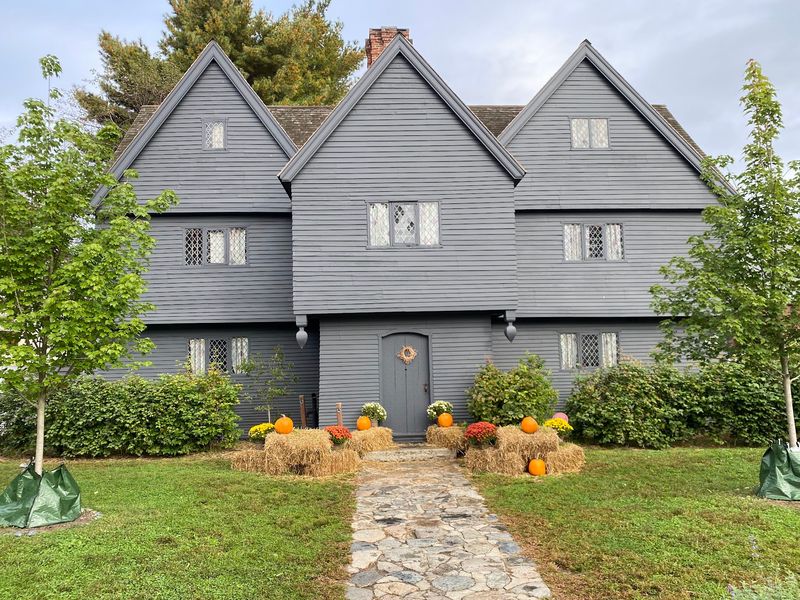
Nothing about the trials was make-believe for the people caught in them. In 1692, accusations of witchcraft tore through families and neighborhoods, and the proceedings led to deaths. The house offers a place to think about that history without turning another person’s suffering into a thrill.
When a display mentions an accusation, remember that being named was not proof of wrongdoing. Fear could spread quickly, especially when neighbors distrusted one another. The museum’s connection to a trial judge makes it a useful setting for considering who was believed, who held power, and who paid the price.
Visitors can keep the experience respectful by reading names carefully and resisting jokes about the accused. If you are exploring with a young reader, explain that the word witch in the house’s name does not mean a witch lived there. It points to the trials that made Salem famous. That small correction matters because it shifts attention from a spooky label to the real people behind the story. Their experiences deserve more than a scare.
Questions Make the Visit Better
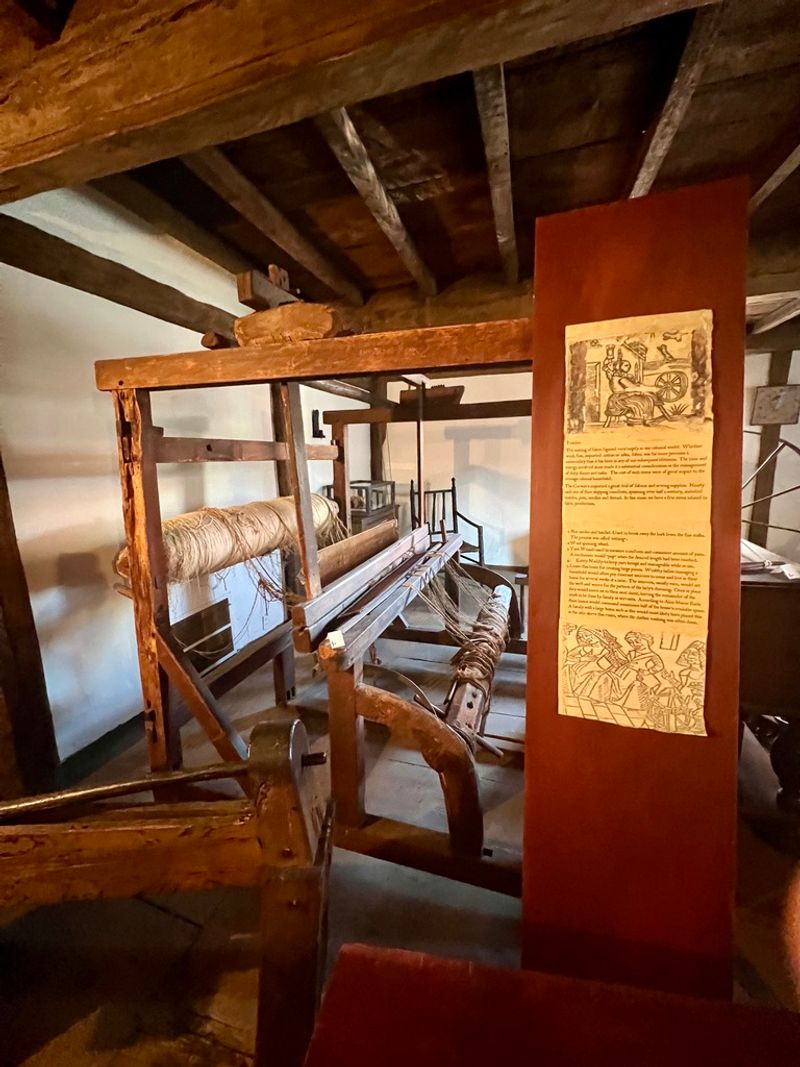
One good question can change a short museum stop into a memorable history lesson. The Witch House has information to read as you move through its rooms, and staff may be able to help with details that are easy to miss. Go in with curiosity instead of expecting every answer to appear on one sign.
Try asking how the museum knows a fact about the house or its former residents. You might also ask whether an object belonged to the Corwin family or simply shows what people used during that period. Those questions help separate solid evidence from a story that only sounds convincing.
Young visitors often enjoy choosing one thing that surprises them and sharing it before leaving. Was it the size of a room, a household tool, or a fact about the trials? Adults can join in too. No one has to memorize dates to learn something meaningful here. The goal is to notice, compare, and leave with a better question than the one you brought through the door.
Plan for a Small Historic Museum
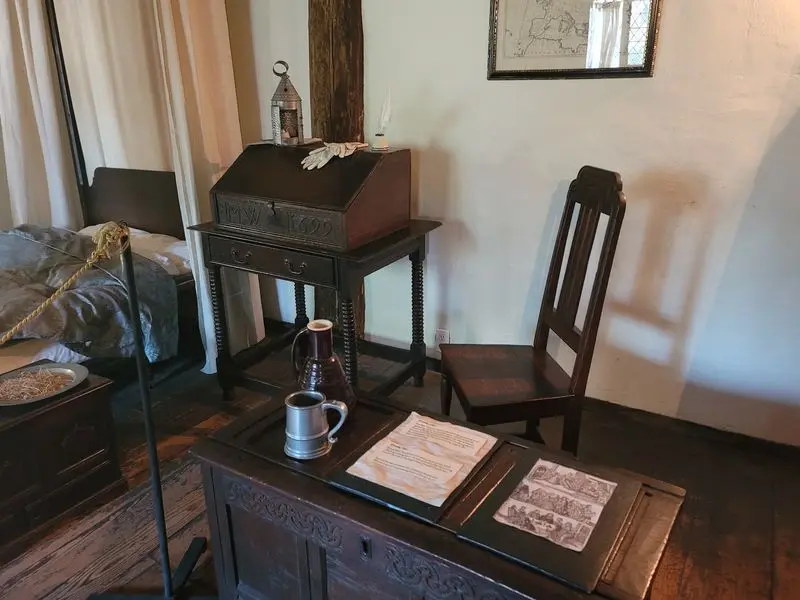
Big expectations can make a small museum feel smaller than it really is. The Witch House is best approached as a focused visit, not a full day of exhibits. Its rooms offer a close look at one historic home and the events linked to its owner, so make space to read instead of racing through.
Before you go, check the museum’s official website for current hours, ticket details, tour options, and visitor rules. Schedules can change, even when a listing shows regular daily hours. A quick check can also help you plan around busy times and learn whether photography is allowed during your visit.
Remember that a centuries old house may have tight spaces and access limits. Contact the museum ahead of time if stairs or other barriers could affect your trip. Visitors have also reported that there are no public restrooms, so taking care of that need beforehand is sensible. With the practical details settled, you can spend your attention on the rooms and the history they hold.
What Stays With You Afterward
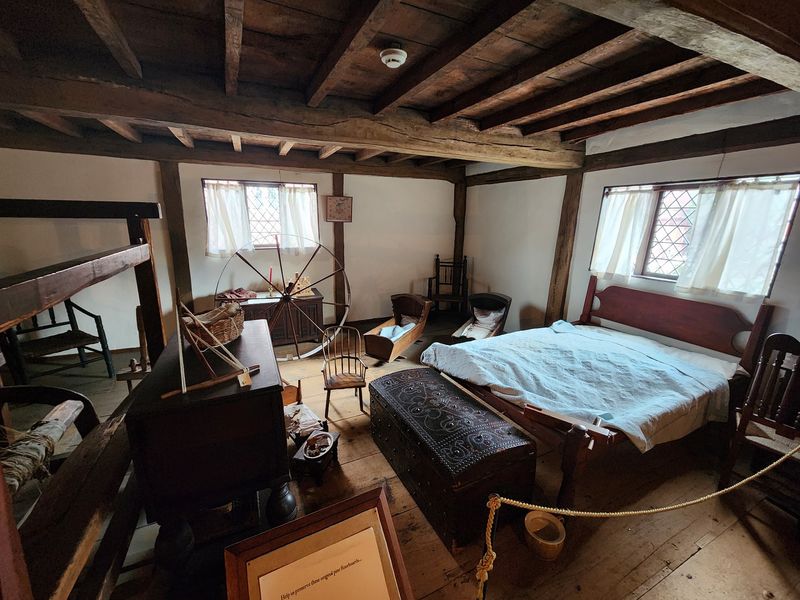
The strangest part of leaving may be how ordinary the house begins to seem. Someone once ate, rested, and worried behind those walls while Salem faced a frightening crisis. That mix of familiar home life and painful public history is what makes the visit stay in your mind.
After walking through, take a moment to name one belief you held before entering and whether it changed. Perhaps you expected a haunted house and found a home tied to a judge instead. Maybe a household object made the seventeenth century feel less distant than a dramatic tale ever could.
Carry that thought into conversations about the trials. The Witch House cannot tell the whole story of 1692, and it should not stand in for the voices of the accused. It can, however, remind us to ask careful questions about fear, evidence, and authority. A good visit does more than bring the past close for an hour. It helps you notice how quickly a rumor can hurt real people, then and now.