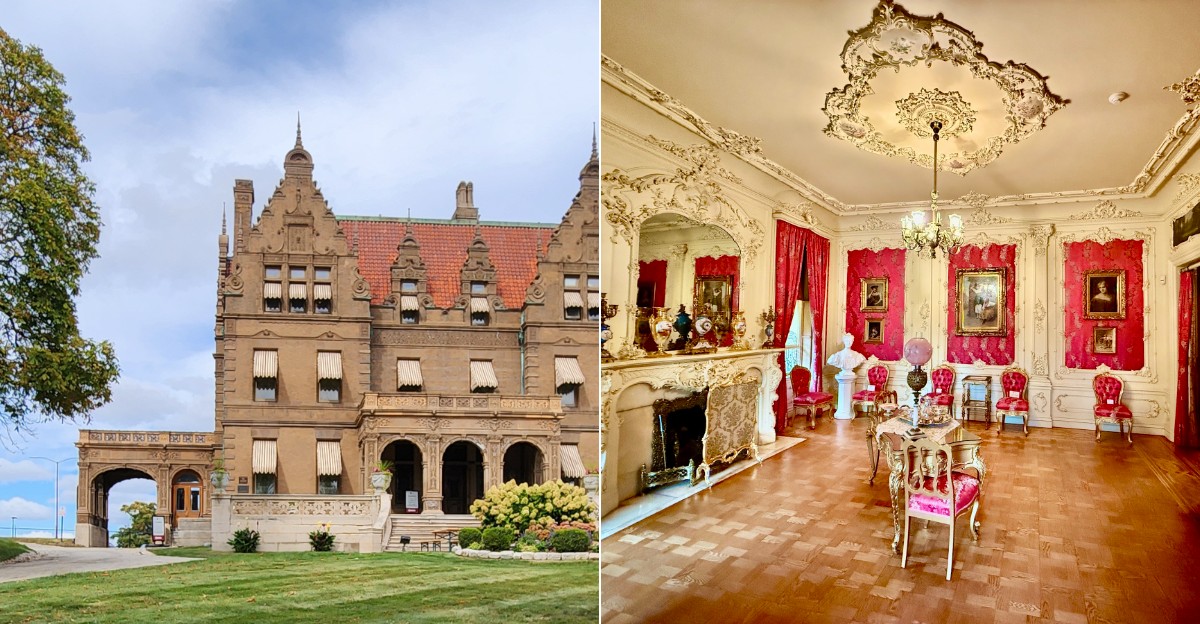
A grand Milwaukee doorway can open onto a world where carved wood, ornate furnishings, and quiet rooms reveal just how much wealth brewing could create. At the Pabst Mansion, 2000 W Wisconsin Ave, Milwaukee, WI 53233, visitors step inside the former home of Captain Frederick Pabst and his family, whose fortune helped shape the city’s history.
Inside, detailed woodwork, decorative rooms, and carefully preserved furnishings offer a closer look at how an affluent Milwaukee family lived during the Gilded Age. The mansion feels personal in the small details: the spaces where people gathered, the objects they used, and the craftsmanship surrounding everyday life.
Rather than simply admiring an impressive house, visitors can consider the people and choices behind its grand rooms. As you move from one space to the next, more pieces of the Pabst family story—and Milwaukee’s past—begin to come into focus.
Meet a Grand Survivor on Wisconsin Avenue
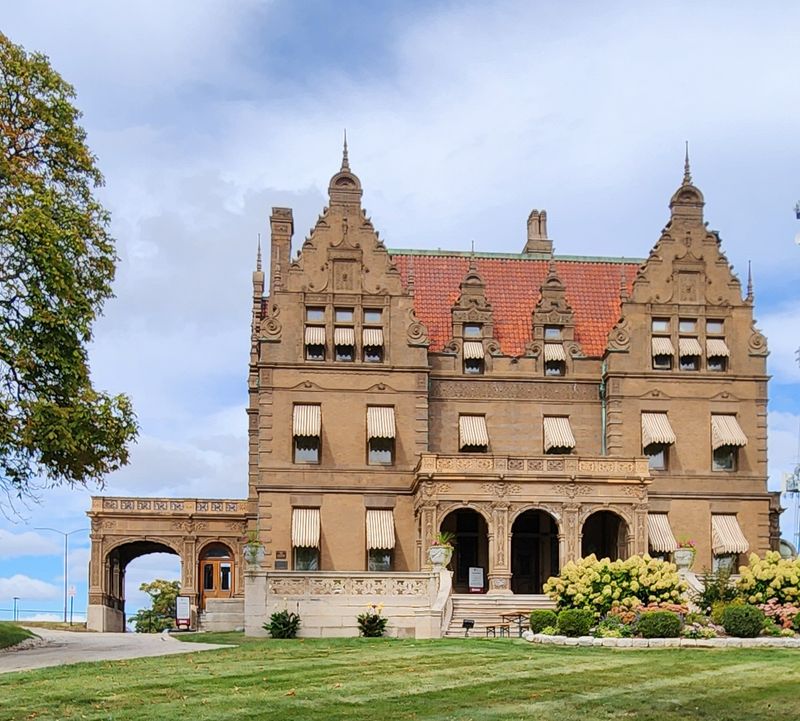
A busy city street makes the first glimpse feel even more striking. Above the sidewalk, an elaborate roofline and richly detailed walls announce a home built to be noticed, not simply lived in.
At 2000 W Wisconsin Ave, the Pabst Mansion preserves a piece of Milwaukee’s once grand residential landscape. Completed in 1892, the house reflects the Flemish Renaissance Revival style, with decorative brickwork and stone details that reward a slow look.
Before heading inside, pause where you can safely see the building without blocking the entrance. Follow the roofline with your eyes, then study how smaller details frame the windows and doors, turning a large house into something surprisingly intricate.
The contrast with the surrounding city is part of the experience, especially when you imagine Wisconsin Avenue lined with other impressive homes. Many neighboring mansions disappeared over time, making this survivor especially meaningful.
Check the museum’s arrival instructions before your visit, since check-in may happen separately from the mansion entrance, and allow a few extra minutes to enjoy the exterior before your scheduled tour begins rather than rushing straight through the doorway.
Discover the Captain Behind the Beer
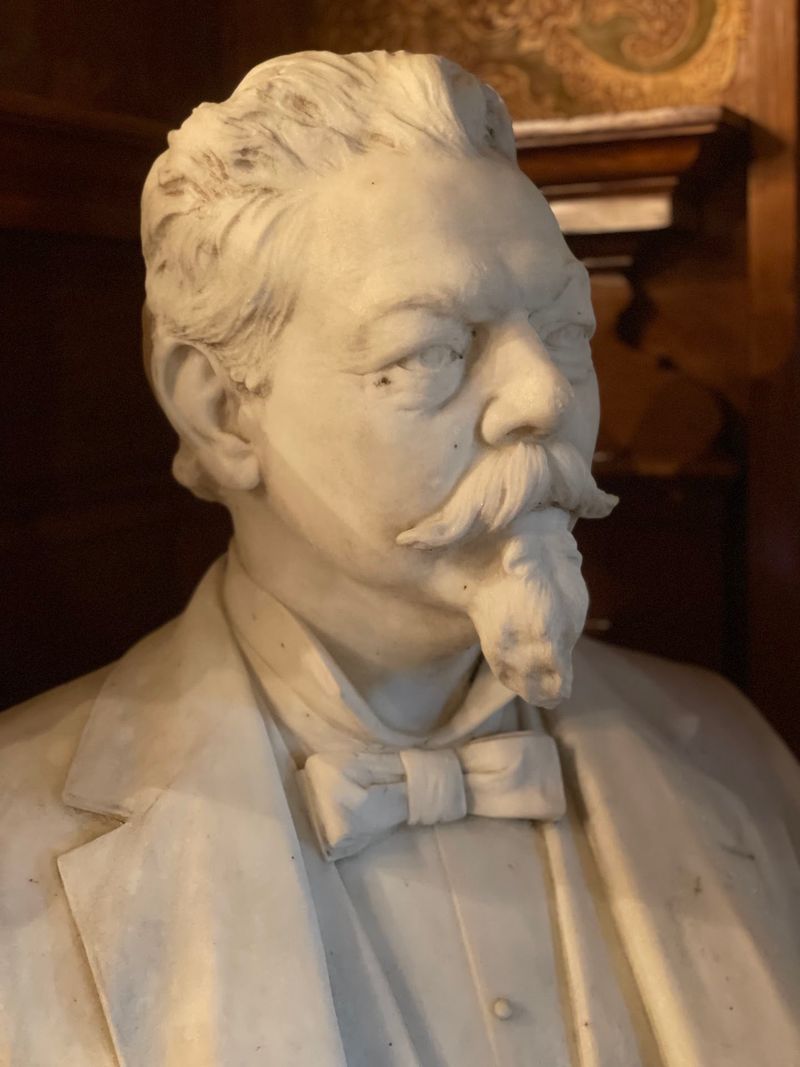
A familiar beer name becomes much more interesting when a real person steps into the story. Behind the mansion’s beauty stands Frederick Pabst, a businessman whose earlier life helps explain why people called him Captain.
Before his brewing career, Pabst worked on Great Lakes steamships. He later joined the brewing business connected to his wife’s family, helping build the company that made the Pabst name famous far beyond Milwaukee.
During a Pabst Mansion tour, listen for the connections between his work, his family, and the home they created. Those stories give the rooms a purpose beyond showing wealth, revealing a place where business success and private life met under one remarkable roof.
Ask your guide how the family’s background shaped the house, rather than focusing only on how much everything cost. A portrait or household object becomes more memorable when you understand who used it and why it mattered.
You do not need to know brewing history beforehand; curiosity is enough to turn a recognizable label into a richer picture of Milwaukee’s past and the people who helped shape its identity.
Follow the Stories on a Guided Tour
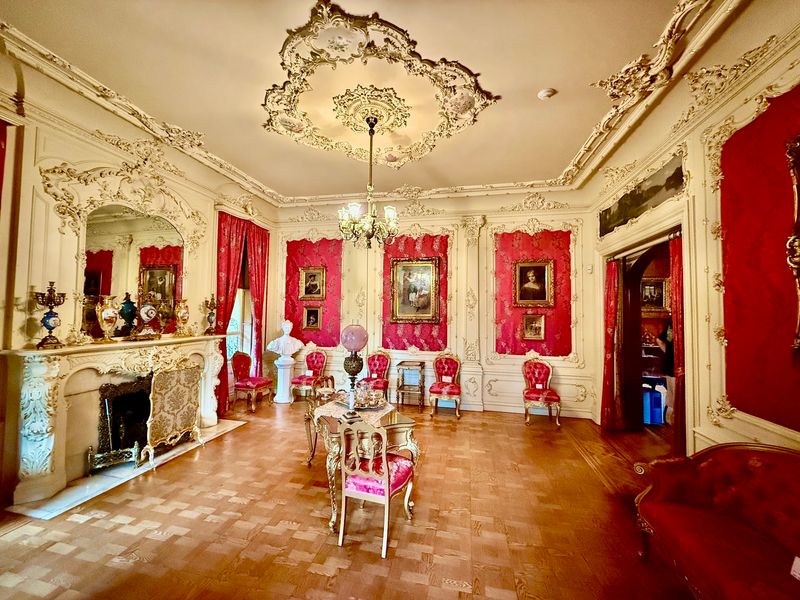
One small detail can change an entire room when someone explains what you are seeing. A cabinet, painting, or unusual fixture suddenly becomes a clue, and the house begins to feel less like a display.
Guided tours at the Pabst Mansion connect the family’s story with Milwaukee history and the building’s design. Visitors frequently praise the docents for making complicated history easy to follow through clear explanations, lively stories, and thoughtful answers.
Choose a guided option if you enjoy hearing the reasons behind what you see. Tour schedules and formats can change, so check the official website before booking instead of assuming every visit follows the same route or lasts exactly the same amount of time.
Bring a question that genuinely interests you, whether it concerns family life, construction, or the work of preserving an old home. Stay close enough to hear without crowding others, and save longer questions for a natural pause.
The best moments often come when a guide points out something you would have walked past, giving a beautiful room a story you can still remember after leaving Milwaukee.
Let the Woodwork Steal Your Attention
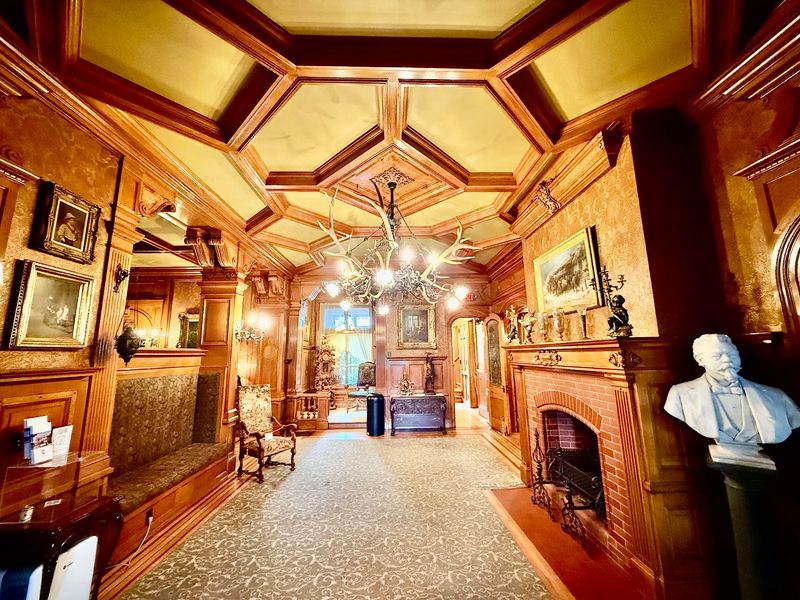
Look up before you move on. Some of the most impressive craftsmanship sits above eye level, where carved details and carefully finished surfaces can easily escape a visitor focused only on furniture.
Inside the Pabst Mansion, elaborate woodwork gives many spaces their strong character. Door frames, wall treatments, and ceiling details show how much planning went into a house where even everyday passages could become decorative statements.
Try choosing one section to study closely instead of attempting to absorb everything at once. Notice the repeated shapes, the depth of the carving, and how the wood frames the room, then ask your guide about the materials or craftsmanship if you want more background.
Photography can help preserve a favorite detail, but confirm current rules before taking pictures and avoid touching historic surfaces. A close view is often more revealing than a wide room shot, especially when light catches the edges of a carving.
Even visitors who rarely think about architecture may leave with a new respect for the patient work behind these interiors, where practical building parts became a lasting form of art.
Imagine an Evening in the Formal Rooms
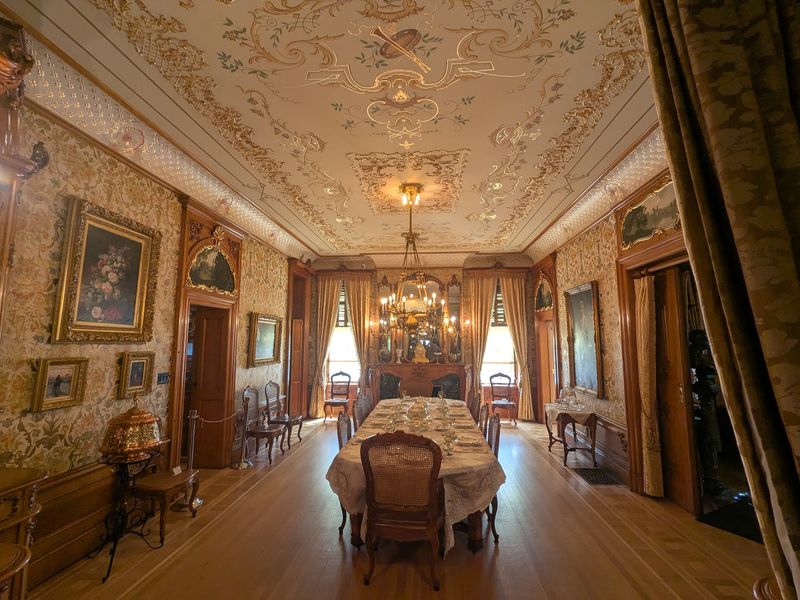
Imagine arriving dressed for an evening visit, with every room quietly signaling your host’s success. The formal spaces make it easy to picture a time when entertaining guests was also a way to show taste and standing.
At the Pabst Mansion, decorated interiors reveal how wealthy families presented themselves during the Gilded Age. Furniture, artwork, and architectural details worked together, creating settings meant to impress while still serving the needs of a family home.
As you move through the rooms open on your tour, consider how guests might have experienced them. Ask which spaces were used for entertaining and which belonged more closely to private family life, rather than assuming every beautiful room had the same role.
Keep an eye on the arrangement of chairs and the relationship between doors, windows, and fireplaces. Those practical details help explain how people gathered, talked, and moved through the house.
For a more personal experience, picture one ordinary evening instead of a grand party: someone waiting for company, a conversation beginning, or family members settling into familiar surroundings after a long day in bustling nineteenth-century Milwaukee.
Read the Clues in Furniture and Art
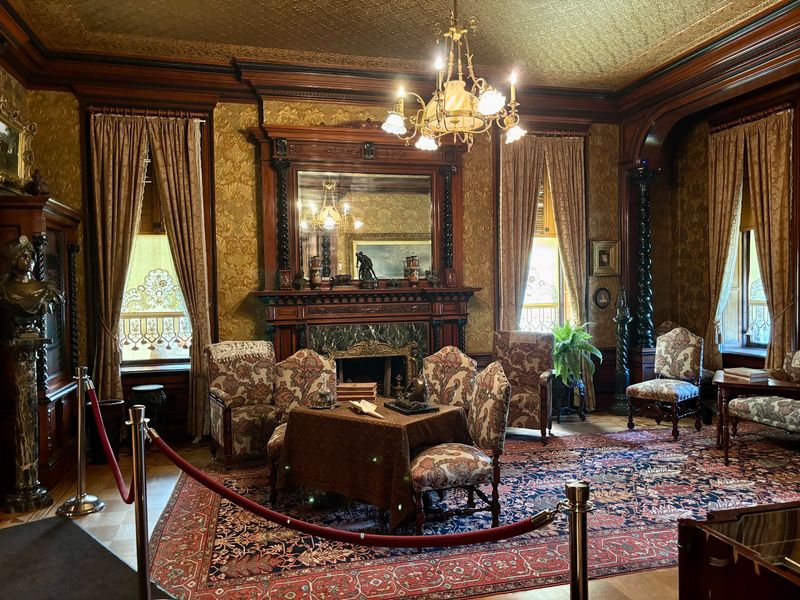
An old chair can tell a quieter story than a grand staircase. Its shape, placement, and worn history invite you to think about the people who once sat there, rather than simply admiring its appearance.
The Pabst Mansion displays historic furnishings and artwork that help bring its rooms to life. Visitors have described a mix of original objects and pieces appropriate to the period, making careful interpretation an important part of understanding what is on view.
Ask your docent which items belonged to the family and which help recreate the setting. That simple question adds depth without taking away any beauty, because both original objects and thoughtful replacements can explain how a room once looked and functioned.
Choose one painting or piece of furniture to remember instead of trying to catalog every object. Notice its size, style, and place within the room, then listen for any known history attached to it.
Resist touching surfaces or leaning across barriers for a closer photograph. The pleasure here comes from careful looking, allowing a single object to make the larger story of the household feel more human.
Spot the Clever Side of Gilded Age Living
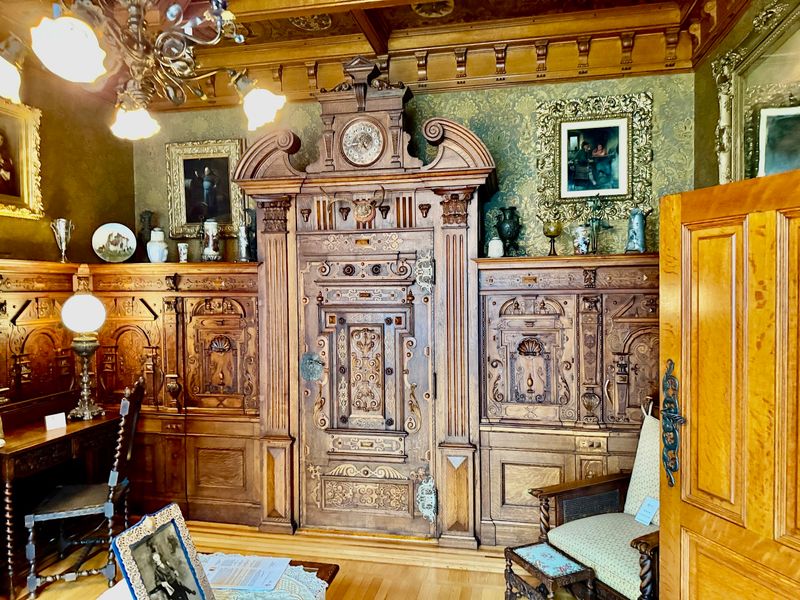
Luxury was not only about looking impressive; it could also mean making a large household run smoothly. Between the decorative features, small practical inventions offer a surprisingly familiar glimpse of people wanting greater comfort and convenience.
Visitors to the Pabst Mansion have noted speaking tubes and concealed cabinets among the details explained on tours. Features like these reveal another side of the house, where beautiful rooms also needed storage, communication, and everyday organization.
Let your guide identify these details rather than opening anything yourself. Ask how a particular feature worked and who might have used it, especially when its purpose is not obvious from a quick glance across the room.
A useful way to connect with the past is to compare those solutions with your own home, without expecting them to work exactly like modern tools. A speaking tube, for example, served a communication need long before household electronics became common.
These modest discoveries can be more surprising than the grandest decoration, reminding you that the mansion was a working home with schedules, tasks, and people trying to get through an ordinary day.
See Preservation as Part of the Story
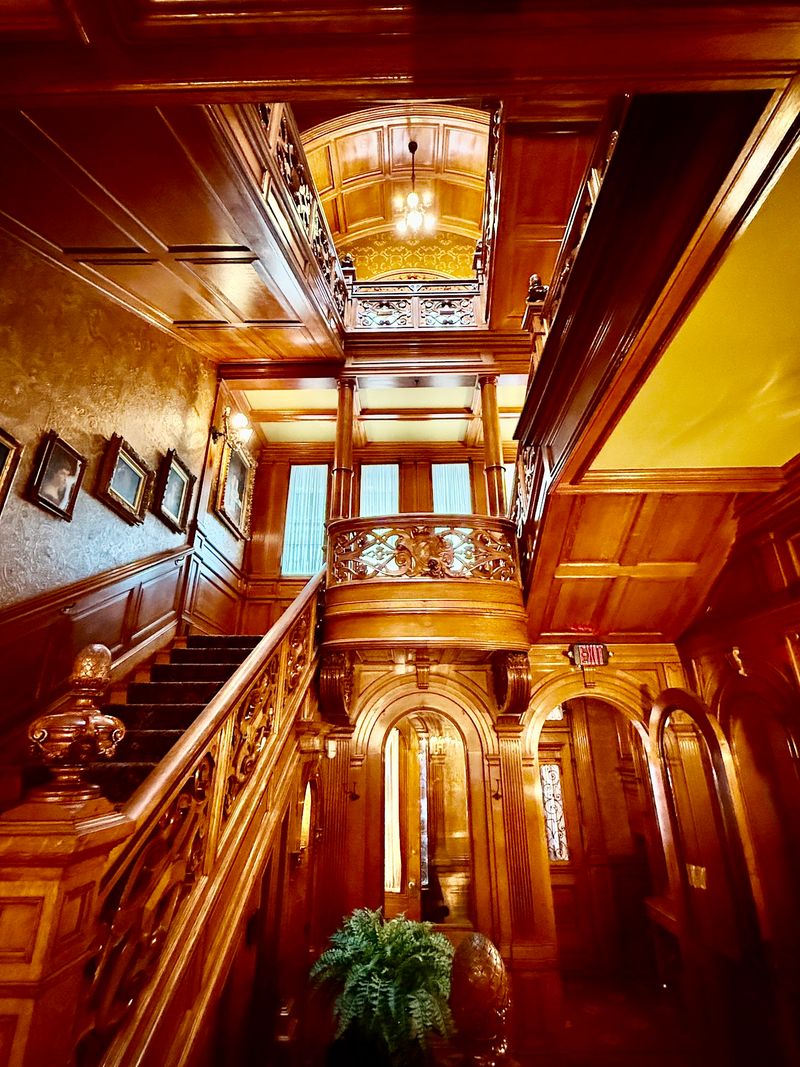
Beautiful old rooms do not stay beautiful by accident. Behind the polished visitor experience lies a steady effort to protect fragile materials, understand earlier changes, and decide how best to reveal the home’s past.
Preservation is a central part of the Pabst Mansion’s story. The building survived the threat of demolition, and continuing restoration helps visitors appreciate details that might otherwise have been lost, hidden, or damaged beyond easy recognition.
Ask whether any current projects are discussed during your tour. Work may affect what you see, but an explanation of a repaired surface or recovered detail can make the visit more interesting than a room that appears untouched by time.
Rather than expecting every corner to look brand new, notice how the museum explains change and care. Follow any temporary signs or barriers, and remember that preservation sometimes requires patience from visitors as well as staff.
Buying admission helps support the museum’s work, while learning about restoration gives the visit a deeper purpose. You are not just looking at a wealthy family’s former home; you are seeing how a community keeps its history visible.
Catch the House in Its Holiday Dress
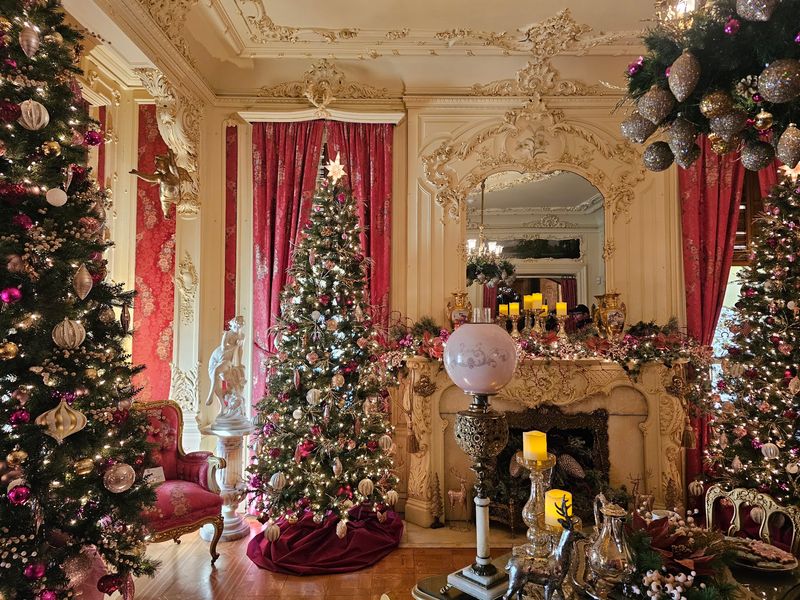
A decorated tree changes the mood of an already remarkable room. During the holiday season, festive displays can add warmth and color, giving the mansion a different personality from its quieter appearance during the rest of the year.
Christmas visits to the Pabst Mansion are especially popular with travelers who enjoy historic interiors dressed for celebration. Visitor accounts describe decorated rooms that make the architecture and furnishings feel even more inviting, without replacing the house’s deeper historical appeal.
Check the official website for seasonal dates, ticket choices, and any special tour formats before planning around the decorations. Holiday offerings may differ from regular visits, and booking ahead is a sensible step when your travel schedule leaves little room for changes.
Give yourself time to notice the historic setting beneath the festive layers. A tree beside elaborate woodwork or seasonal color near a fireplace creates a memorable contrast, but do not assume every decoration reproduces the family’s original customs.
For returning visitors, this season offers a fresh way to experience familiar spaces, while first-time guests can enjoy the cheerful atmosphere and still learn about the home.
Make Time for a Comfortable, Unhurried Visit
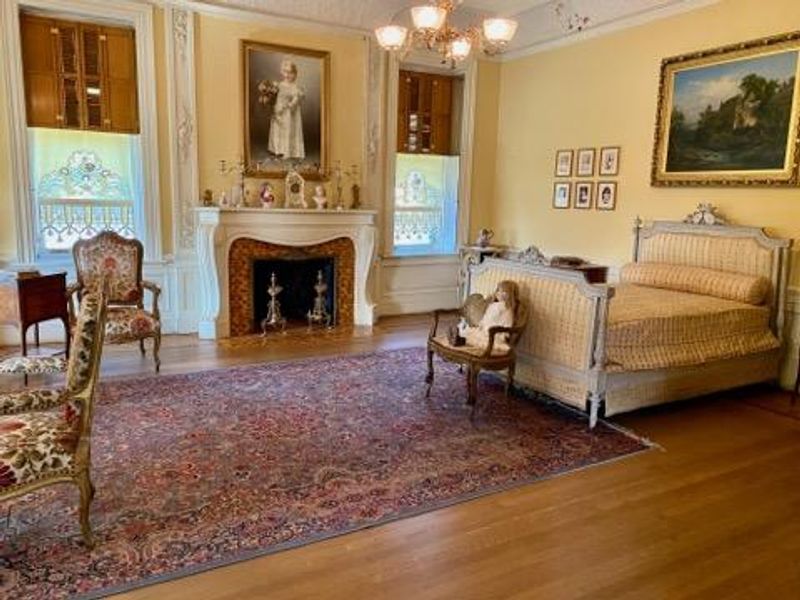
The difference between a rushed stop and a memorable visit often comes down to a little planning. Arriving with time to spare lets you enjoy the house instead of worrying about tickets, stairs, or where to check in.
Find the Pabst Mansion at 2000 W Wisconsin Ave in Milwaukee, and use its official website for current admission details and tour availability. Posted museum hours do not necessarily mean you can begin a full tour at any moment.
Confirm parking and check-in instructions before leaving, since visitors have reported meeting in the nearby gift shop rather than entering the house first. Wear comfortable shoes, and contact the museum about accessibility, elevator availability, seating, or other needs instead of relying on older reviews.
Save a little time afterward for the gift shop if you enjoy taking home a reminder of your visit. Pabst-themed gifts connect the museum experience with the family’s brewing story, but there is no need to buy anything to appreciate the house.
A well-paced visit leaves room for questions, close looking, and one final glance at the exterior before returning to modern Milwaukee.