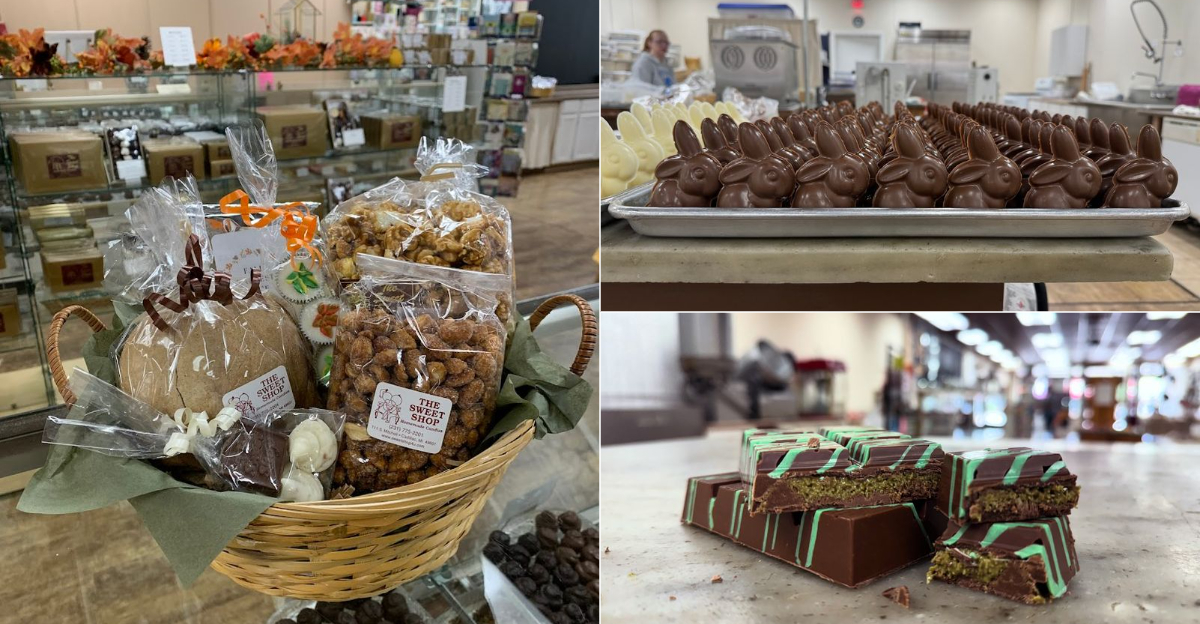
While modern industries continue searching for ways to accelerate production and automate processes, certain places on Michigan’s culinary landscape survive precisely because they embrace the opposite approach.
The true value of traditional recipes lies in patience and skillful craftsmanship, a philosophy that has been carefully preserved for generations inside the historic Sweet Shop.
Located in downtown Cadillac at 122 South Mitchell Street, Cadillac, Michigan 49601, this iconic confectionery offers an authentic glimpse into time-honored candy-making methods.
Rather than relying on mass production, the focus remains on handcrafted chocolates and caramels that carry the weight of local memory and a reputation for consistent quality.
Discover the story of the people and techniques that have successfully connected historical heritage with everyday life behind this storefront display for decades.
A Business That Survived Generations
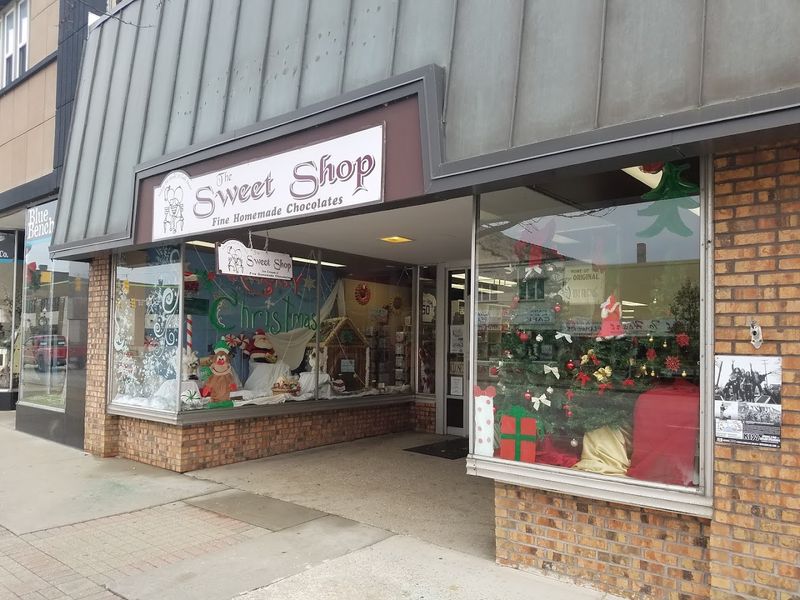
Generations of customers have watched this storefront remain part of daily life while neighboring businesses changed around it, giving the place unusual staying power in a retail landscape that often rewards novelty over continuity.
Because longevity alone means little without relevance, the store has endured by keeping familiar products available and maintaining dependable service.
That continuity preserves a sense of ritual, turning ordinary purchases into habits that customers return to again and again.
During different eras, local shoppers returned for holiday boxes, after school treats, and gifts for relatives, creating a chain of memories that linked childhood visits to later family traditions.
Rather than chasing reinvention for its own sake, the business appears to have understood that stability can be a strength when quality remains consistent and the experience still feels welcoming.
Behind that endurance is a practical story about adaptation within tradition, not a frozen museum piece, where old methods continue alongside modern expectations for presentation and convenience.
Unlike many nostalgic destinations that rely mainly on décor, this one retains relevance because the products themselves still justify the visit and keep the history active.
The Craft Of Handmade Chocolate
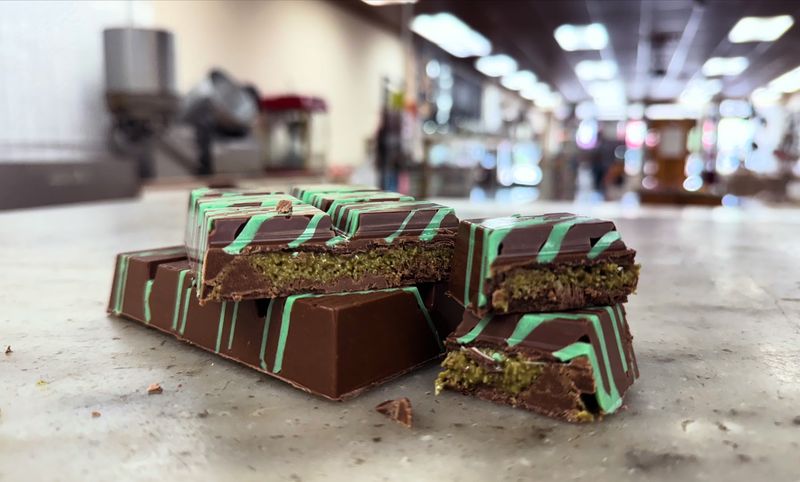
Inside the production process, handmade chocolate remains central to the shop’s identity, and that matters because small variations in temperature, timing, and texture still shape the final result.
Regulars often notice a difference that mass production cannot easily duplicate, especially in pieces where soft caramel, nuts, or fruit centers depend on close attention during dipping and cooling.
Each batch reflects a method that values touch and observation, from the sheen of the coating to the firmness of the filling, showing how confectionery skill lives in repeated practice.
Local praise for caramel and chocolate combinations suggests that the kitchen has preserved techniques refined over decades.
Rather than relying on shortcuts designed only for speed, it continues to emphasize methods that have earned trust over time.
Winter holidays may bring the busiest demand, yet the craftsmanship is not merely seasonal because the store’s reputation rests on products made carefully throughout the year.
Another reason these sweets stand out is balance, with sweetness, texture, and portion all considered in ways that make classic confections feel thoughtful rather than excessive.
Why Traditional Candy Making Still Matters
Preserved methods matter here because candy making is not simply about flavor, but also about technique, patience, and the transfer of practical knowledge from one set of hands to the next.
Original formulas and long used routines create continuity that customers can taste, especially when familiar textures and finishes remain consistent over many years.
Visitors may arrive expecting nostalgia, yet traditional production offers something more concrete, including slower preparation, close monitoring, and a willingness to respect older standards.
Loyal patrons help sustain that approach by choosing products associated with care and memory instead of treating candy as an interchangeable impulse purchase.
Time has shown that old fashioned methods can survive without becoming outdated, particularly when they deliver reliability that people trust for gifts, celebrations, and family gatherings.
Careful confectionery work also preserves a slice of regional food culture, reminding travelers that small specialty shops can still anchor culinary identity in ways larger chains rarely do.
Recipes become part of local history when they remain active, sold, shared, and discussed across generations rather than merely framed as relics from the past.
Historical Details Preserved Through Time
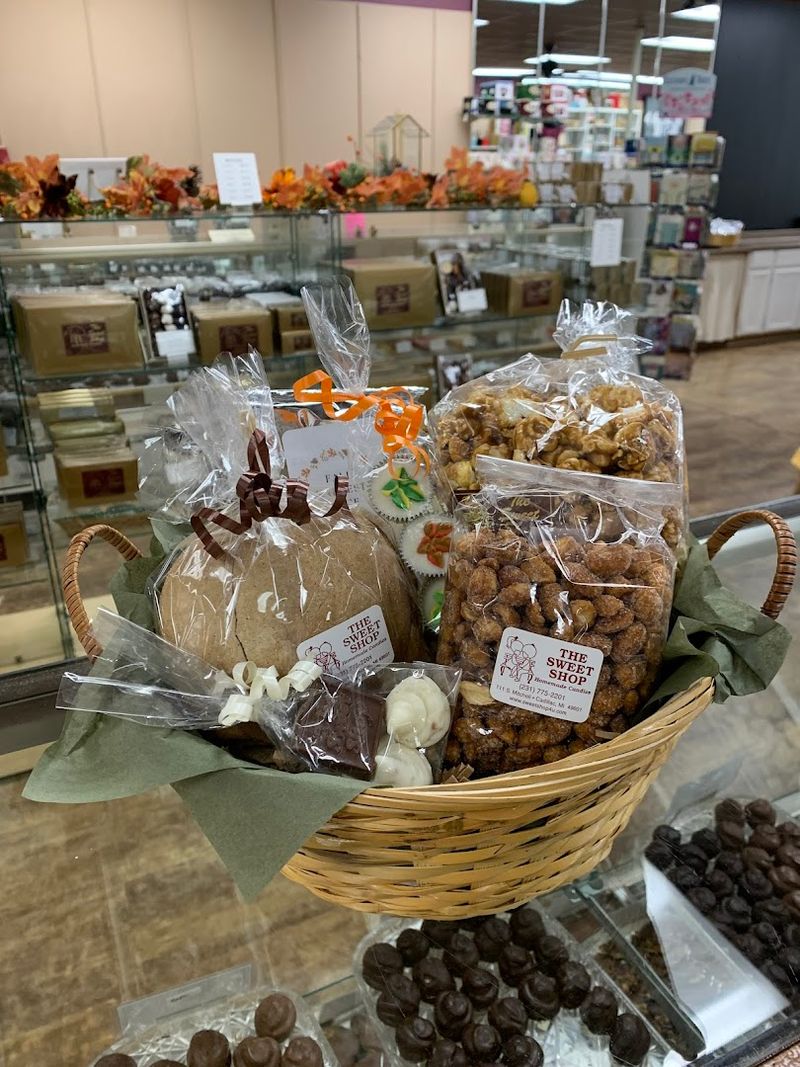
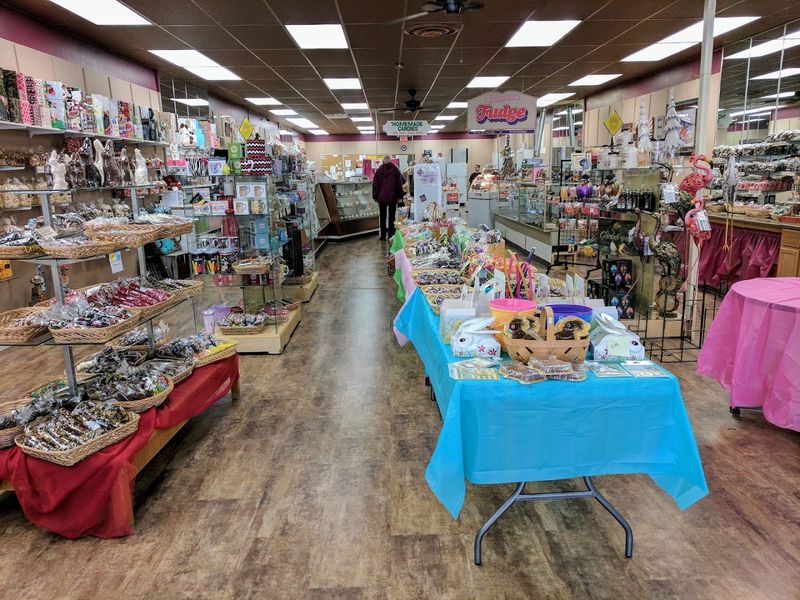
Shoppers notice quickly that the experience is shaped by more than what sits in the cases, since the surroundings also communicate age, care, and continuity.
Seasonal decorations may change, but the underlying character remains grounded in traditional retail details that suggest the building has kept faith with its earlier purpose.
Autumn light through the front windows, orderly trays behind glass, and a compact downtown footprint all reinforce the feeling of a business that values preservation over unnecessary remodeling.
Springtime visitors often describe the place as welcoming rather than grand, which suits a historic shop whose appeal depends on familiarity and human scale.
Gift counters, shelving, and display arrangements contribute to a sense of permanence that enriches the candy itself by placing it within an environment shaped over many decades.
Downtown history can be difficult to keep visible when commercial districts modernize rapidly.
Yet this storefront demonstrates how small details preserve continuity without turning the experience into a performance.
Footsteps on older floors and close views of the cases remind visitors that preservation is practical here, woven into daily business instead of staged as a separate attraction.
Signature Treats That Keep People Coming Back
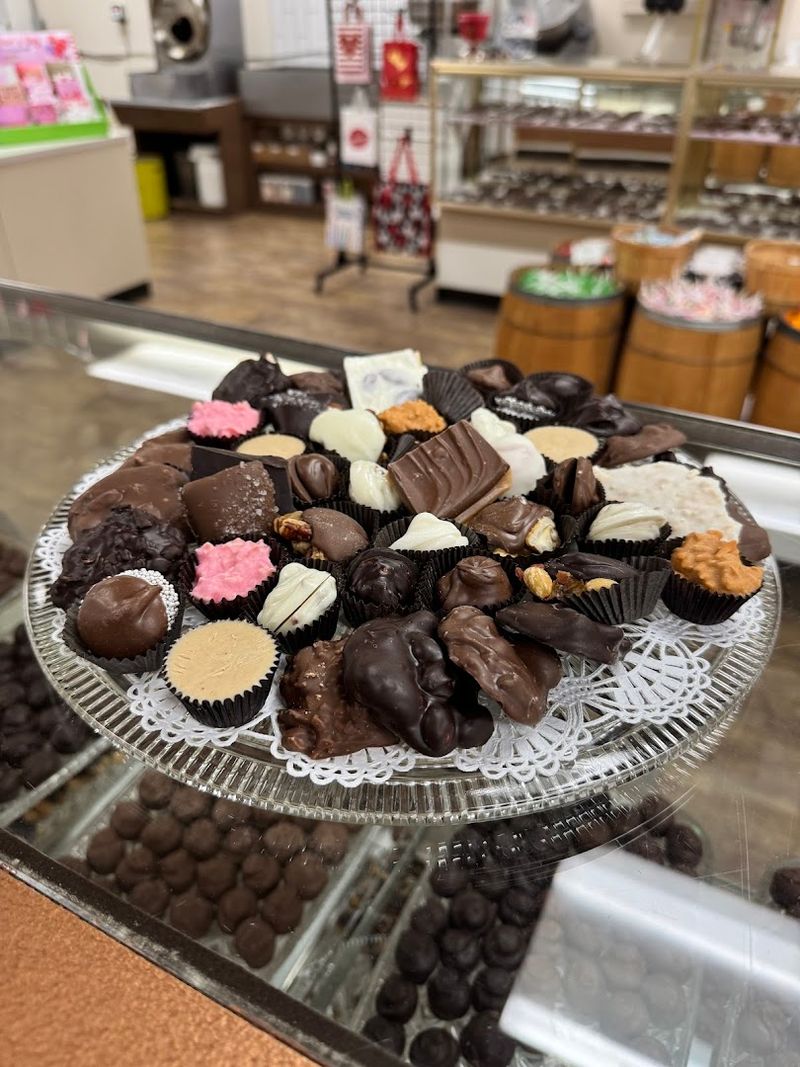
Morning customers and afternoon browsers tend to gather around the same favorites, a sign that certain treats have earned lasting places in family routines and local recommendations.
Window displays may lure people inside, but repeat visits are usually driven by products whose textures and flavors remain dependable from one season to the next.
Quality shows especially in caramel based sweets, chocolate covered pieces, fudge, and oversized apples, all categories that reward patience and careful handling more than flashy presentation.
Instead of relying on novelty alone, the store keeps loyalty through recognizably well made classics that suit both personal indulgence and easy gift giving.
Consistency helps explain why people remember particular items for years, sometimes linking them to childhood trips, holidays, or return visits after long absences.
Travelers passing through may stop for a single purchase, then leave with boxed assortments because the selection encourages exploration without feeling overwhelming.
Nostalgia plays a role, but customer attachment also comes from texture, freshness, and the confidence that a favored sweet will taste the way memory says it should.
The Importance Of Family Traditions
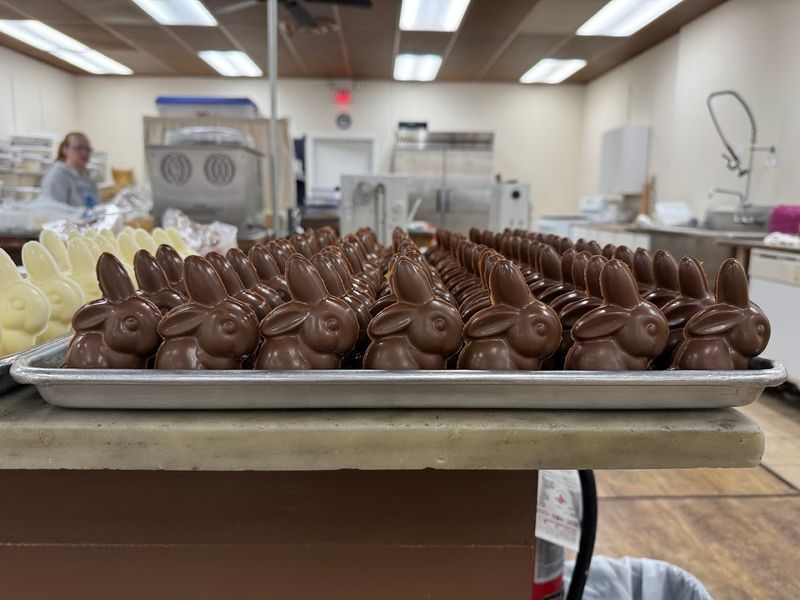
Grandparents introduce children here in ways that turn a purchase into a ritual, allowing candy to function as a bridge between generations rather than a simple snack.
Families often return during vacations, holidays, and hometown visits, repeating familiar stops that help define what a trip or celebration feels like.
Memory deepens when the same sweets appear at birthdays, funerals, reunions, and winter gatherings, giving the shop a place within private family histories as well as public local life.
Handwritten gift notes, carried boxes, and stories about earlier visits all strengthen the sense that these confections travel through households along with personal tradition.
Modern retail often encourages convenience over attachment, yet this store shows why people still value places that can be shared across age groups without explanation.
Staff interactions matter because a warm exchange can turn an ordinary errand into a remembered moment, especially for children learning that stores can have personality and continuity.
Service therefore becomes part of the inheritance, helping younger visitors connect the sweets in their hands with the experiences that older relatives have described for years.
Seasonal Specialties Throughout The Year
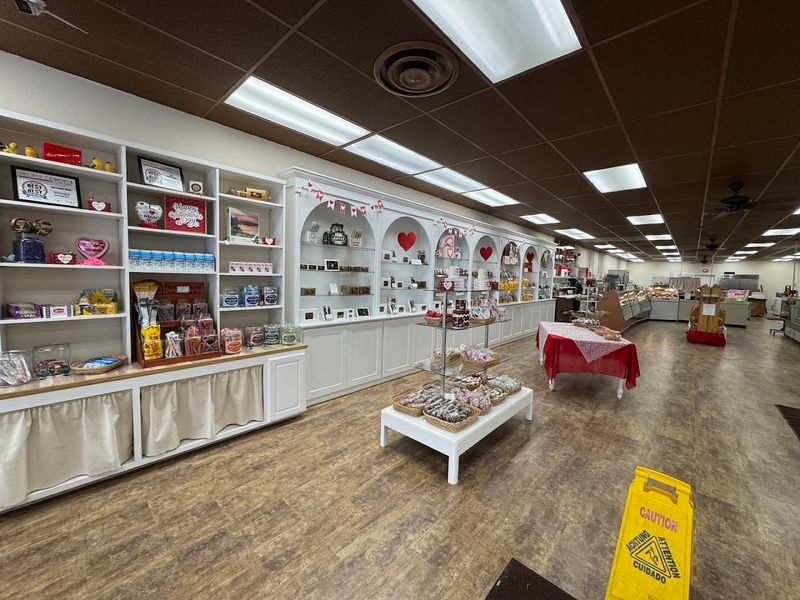
Even with year round favorites on display, the calendar shapes excitement here because certain sweets are closely tied to changing weather, school breaks, and holiday gatherings.
Packaging and product variety shift with the seasons, allowing the store to feel timely without abandoning the classic foundation that customers expect.
Beyond everyday chocolate pieces, colder months often highlight gift assortments and rich treats suited to celebrations, while fall naturally draws attention to caramel apples and shareable specialties.
Altogether, that rhythm keeps the cases interesting for local patrons who visit often and for travelers who arrive only once or twice a year.
While seasonal offerings create anticipation, they also demonstrate how traditional businesses stay active by connecting old recipes to recurring community moments.
Collectors of family customs value these limited windows because they mark the year through taste, whether the occasion is a winter visit home or a quick stop before a gathering.
Historians of food culture would recognize this pattern as one reason small confectioners endure, since they provide edible landmarks tied to annual routines rather than detached luxury purchases.
A Downtown Landmark With Lasting Appeal
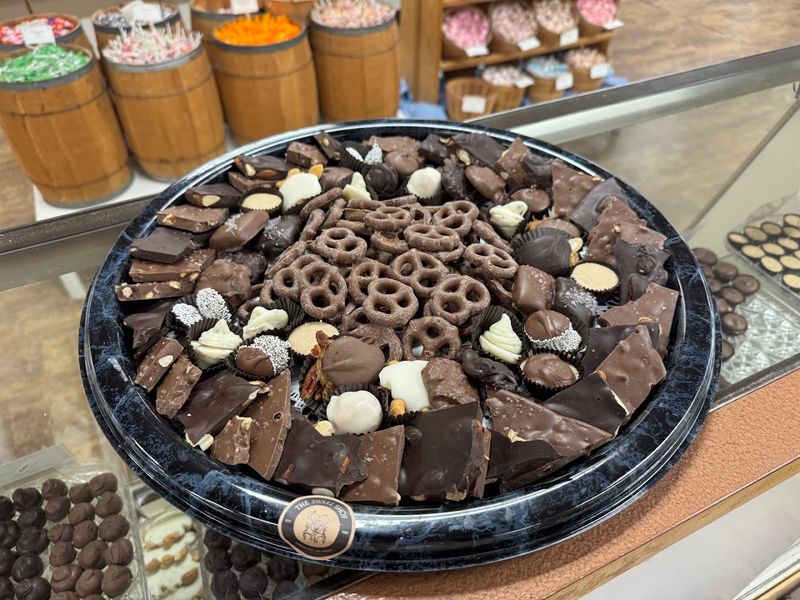
Craftspeople keep the confections meaningful, but the shop’s influence extends beyond the counter because it also strengthens the character of the surrounding downtown.
Children, commuters, and visitors encounter a storefront that adds continuity to the street, reminding them that successful main streets depend on distinctive local businesses with durable identities.
Residents often measure a town’s health by the places that remain dependable over time.
This establishment contributes to that confidence through regular hours, recognizable products, and visible care.
Tourists benefit as well, since a historic sweet shop offers an easy entry point into local culture without requiring special planning or deep prior knowledge.
Placed within a walkable commercial area, the store helps turn an ordinary errand into a broader downtown experience that can include browsing, conversation, and small discoveries.
Nearby businesses gain from that draw, while the candy shop gains from the steady foot traffic and civic familiarity that only long presence can create.
Enduring appeal therefore comes from a combination of craft, memory, and location, making this storefront both a culinary stop and a piece of living local heritage.