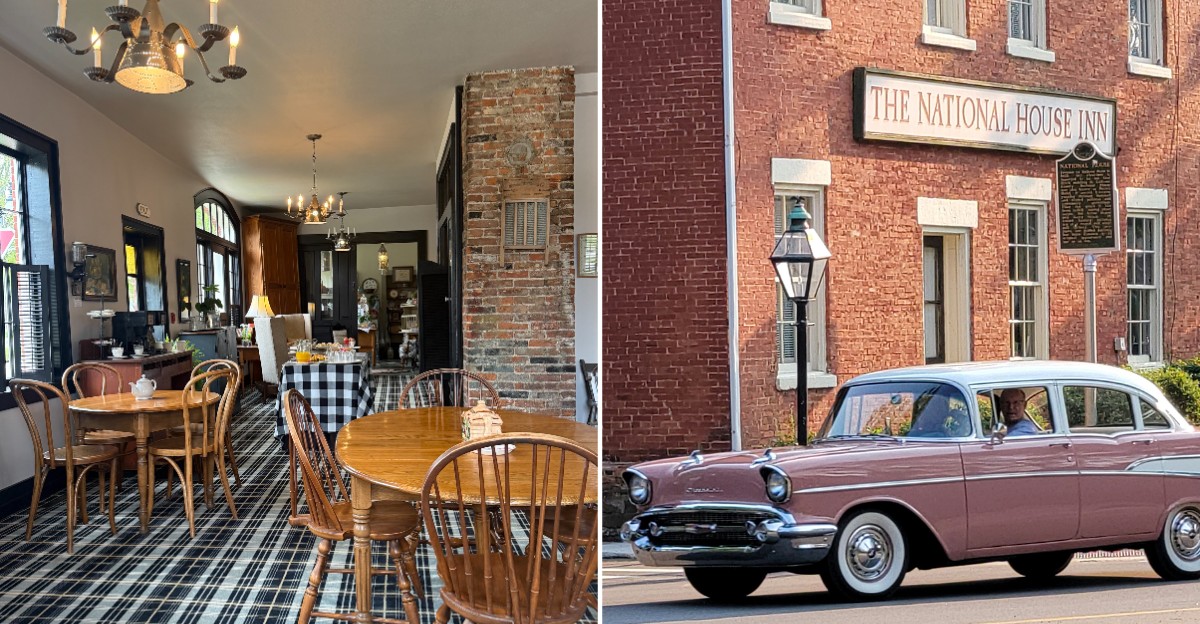
A brick building beside a quiet fountain can look like the perfect setting for an old-fashioned dinner, but this Marshall landmark has a different story to tell. The National House Inn at 102 S Parkview is a historic bed and breakfast dating to 1835, making it older than the 1849 date often associated with it.
Today, its rooms, breakfast, and preserved character offer visitors a chance to experience a piece of Michigan history up close.
Inside, historic details meet welcoming spaces, while the fountain and surrounding streets add to the atmosphere outside. Although it is sometimes described as a tavern, the National House Inn is not a dinner-serving tavern today; it operates as a bed and breakfast.
For travelers drawn to historic buildings and stories that reward a closer look, this Marshall landmark has plenty to discover. Here’s what makes a stay at the National House Inn memorable and what you can expect when you visit.
First Impressions by the Fountain
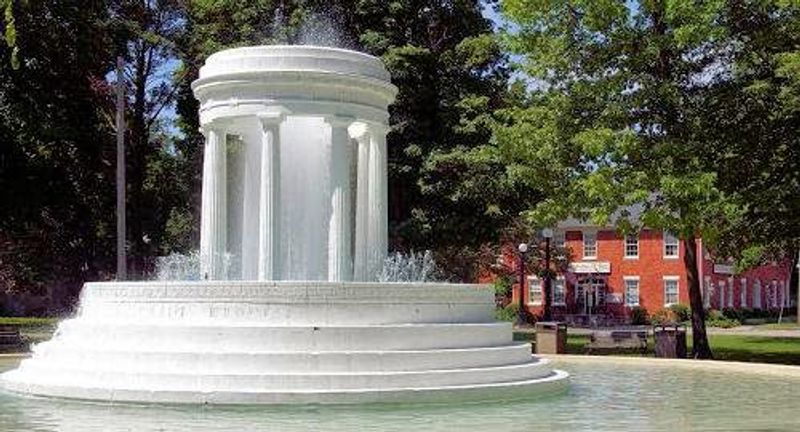
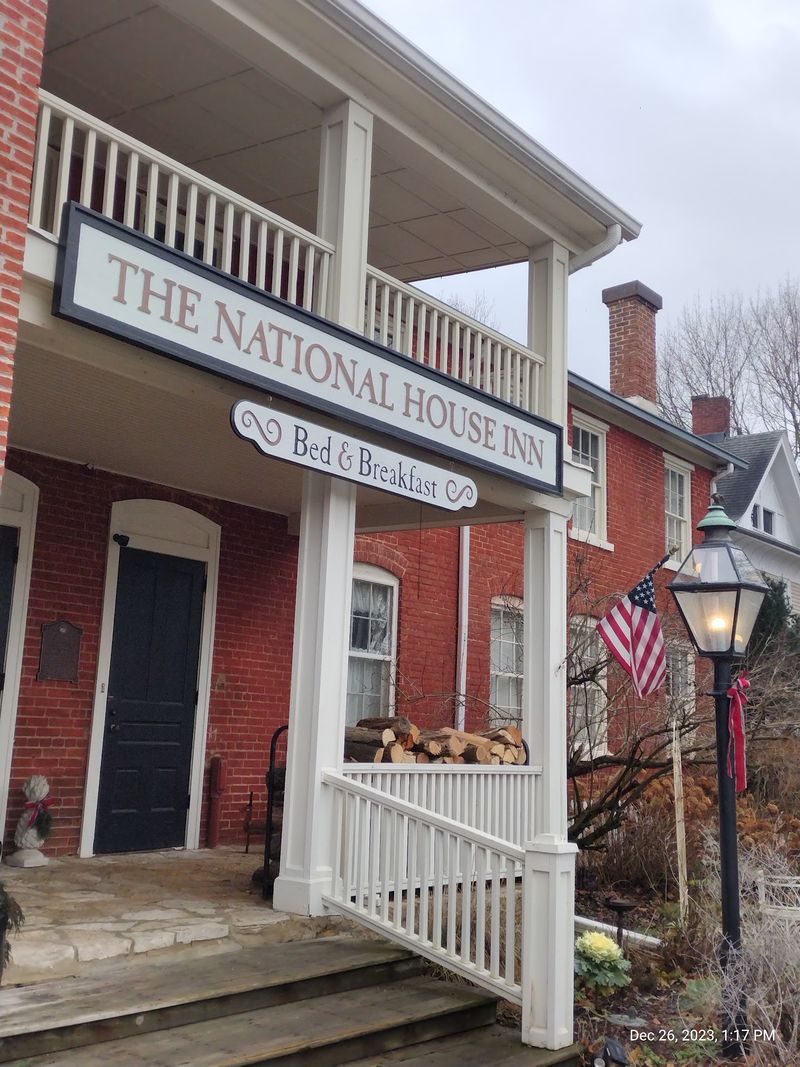
A brick building beside a fountain has a way of slowing your steps. From the street, the National House Inn looks like a place with stories behind its doors.
Its white porch and old fashioned shape stand out against the movement of cars around Fountain Circle.
The building was constructed in 1835, earlier than the 1849 date in the article title. It has welcomed travelers in different ways over many generations.
Take a moment outside before going in, and notice how the windows, brickwork, and porch fit together. A photograph from across the circle can capture both the inn and its setting.
Inside, the mood is more personal than a large hotel. Furnishings and shared rooms help guests picture a slower kind of travel, while present day comforts make a stay practical.
If you are booking, look at room photos rather than assuming every room has the same layout. Even a brief pause on the porch offers a sense of why people keep returning: the building feels closely tied to Marshall.
Arriving before sunset leaves time to see the fountain and find your way around without rushing.
When Stagecoaches Set the Pace
Imagine reaching an inn after a long day on a rough road, with dust on your shoes and supper still ahead. That was a familiar part of travel when this Marshall building first opened.
Known early on as Mann’s Hotel, the future National House Inn served people moving between Detroit and Chicago.
Stagecoach travel could be tiring, so a reliable stop mattered. Guests needed somewhere to rest, meet others, and prepare for the next stretch.
In 1844, the Michigan Central Railroad reached Marshall, and rail workers and passengers became part of the building’s changing story. Its history shows how one address could stay useful even as transportation changed.
Today, you do not need a stagecoach to appreciate that role. Stand near the entrance and picture bags being carried inside by travelers with no quick way to call ahead.
Then compare that scene with your own arrival. If you enjoy local history, ask the inn staff what historical information is available during your stay.
Learning a little before exploring the rooms can make ordinary details, such as a hallway or staircase, feel much more connected to the people who once passed through.
A Cellar Story Worth Hearing Carefully
Some of the most serious stories about an old building are the ones you cannot see from the sidewalk. At the National House Inn, accounts of a hidden cellar room have been linked to the Underground Railroad.
The story invites visitors to think about the risks faced by people escaping slavery and those who helped them.
It is best to approach this part of the inn’s past with care. The cellar connection is often described as a belief, not a fact that every detail can prove.
Marshall had a strong antislavery history, but that wider setting does not confirm exactly what happened in every room. Ask staff about the sources behind any story they share, and respect areas that are closed to guests.
That careful approach can make a visit more meaningful. Instead of treating the account as a spooky secret, consider the courage and fear tied to the Underground Railroad.
A historic inn can open a door to questions that deserve more reading later. You may leave with fewer simple answers, but a deeper sense of the human lives connected to this place and its community.
One Building, Several Surprising Jobs
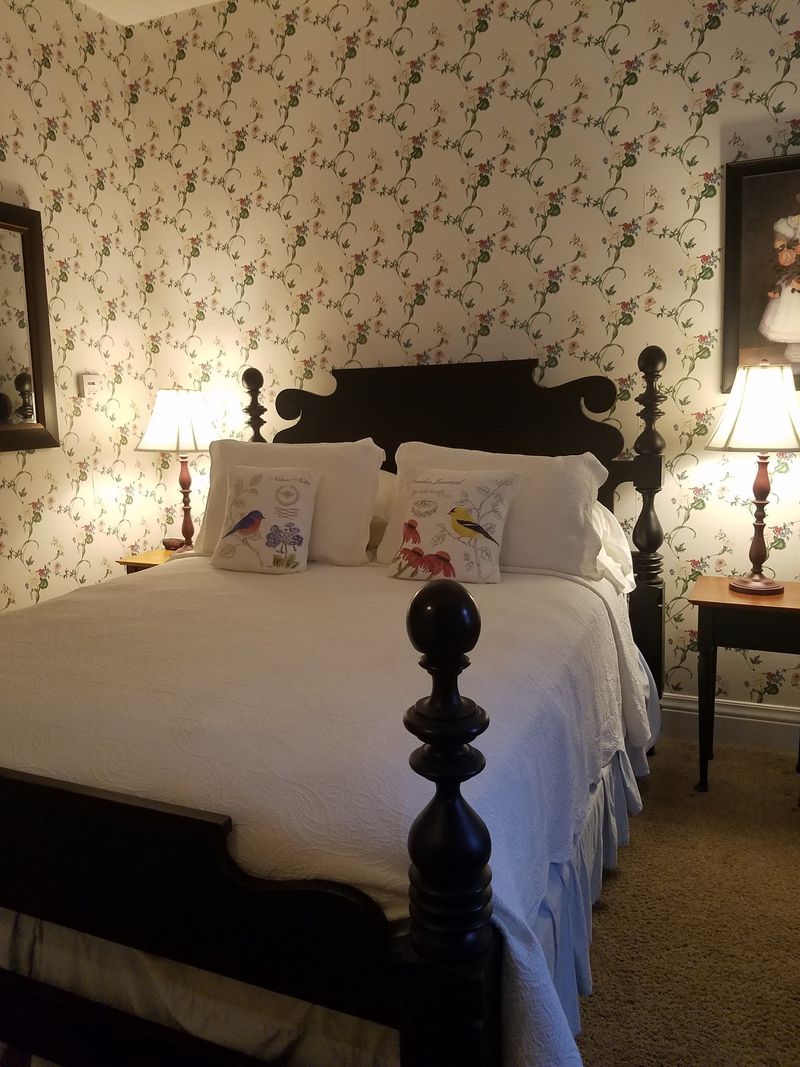
A building can change jobs without changing its address. After years of hosting travelers, the National House stopped operating as an inn in 1878.
Its next chapters included factory use and, later, apartments. Each change gave the same walls a new purpose.
In the late 1800s, the property housed work connected with windmills and farm wagons. Dr. Dean bought it in 1902 and turned it into apartments known as Dean’s Flats.
Try picturing the daily sounds of each period: travelers arriving, workers busy with equipment, and neighbors coming home. The shift from hotel to factory to living space makes the National House Inn more than a frozen piece of the past.
Look for signs of age when you visit, but remember that not every old feature comes from the same decade. Historic buildings are changed and repaired over time.
If a doorway or room layout catches your eye, ask whether staff know its story rather than guessing. That small question can lead to a better understanding of how Marshall kept this useful building standing through changes that might have ended the life of a less adaptable place.
The Comeback That Saved an Inn
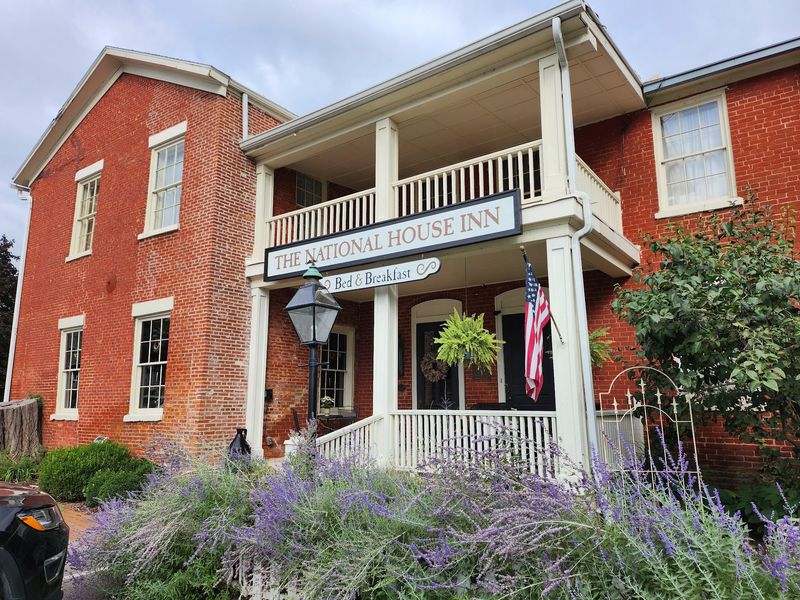
By the 1970s, the future of this old landmark was far from certain. Years of wear had left the National House in need of serious attention.
Rather than let it fade, a small group took on the work of bringing it back to its first purpose.
Norm and Kathryn Kinney, along with Hal and Jacque Minick, led a restoration that reopened the building as an inn on Thanksgiving in 1976. Their effort was tied to the nation’s bicentennial and offered Marshall a way to keep part of its history in use.
When you visit, the result is not a museum behind ropes. It is a place where guests can sit, sleep, and share breakfast.
That living role is part of the appeal. Preservation often means making careful choices between protecting old character and meeting current needs.
Notice how the inn balances familiar comforts with a setting that still looks and feels historic. If you are planning a stay, understand that older buildings may have uneven floors or smaller rooms.
Those quirks may charm some guests and trouble others, so checking details before booking helps the visit start well.
A Room with Its Own Personality
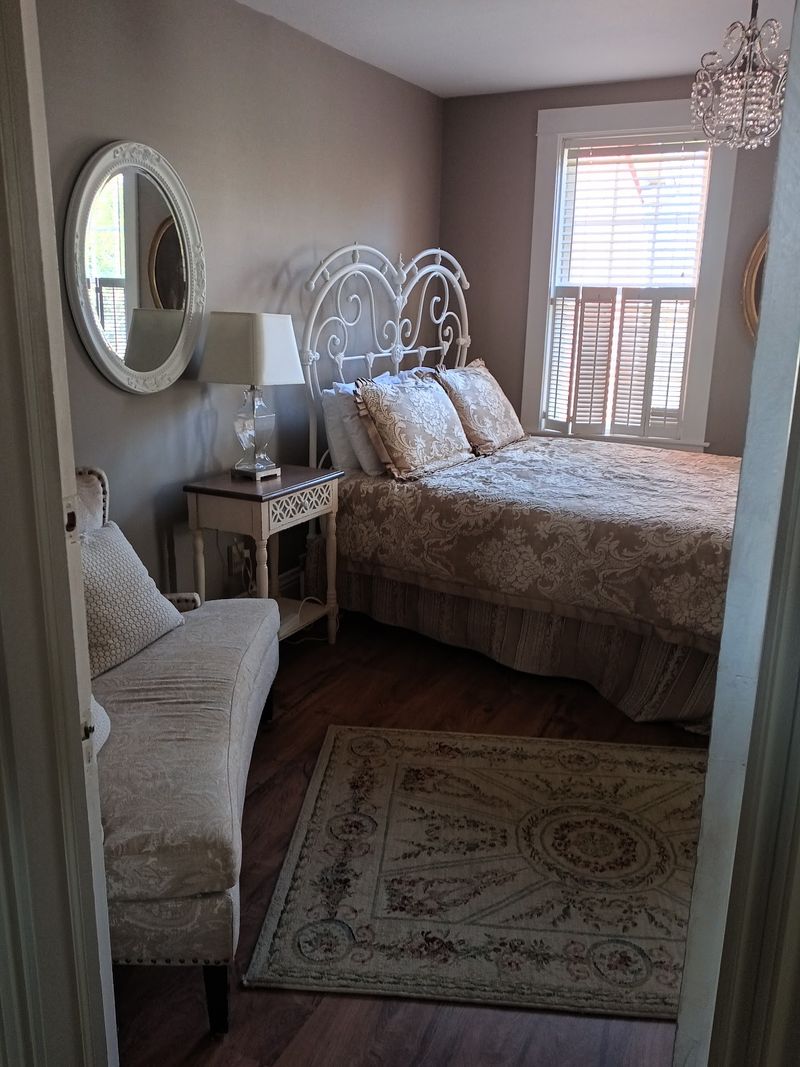
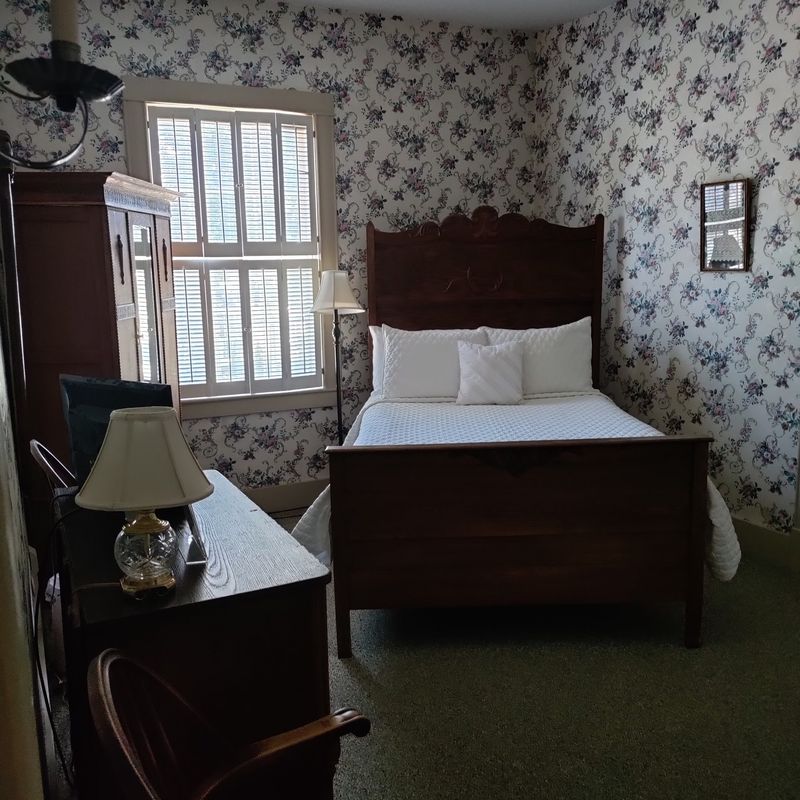
Opening a guest room door here may feel different from entering a standard hotel room. The National House Inn has 15 rooms and suites, and their furnishings give each space its own character.
Floral patterns, antique pieces, and traditional beds help carry the mood of the older building.
There are useful modern touches, too, including private bathrooms, air conditioning, and Wi-Fi. Some rooms offer views toward the fountain, while others face the garden.
Before reserving, compare the available room photos and descriptions carefully. A smaller room may suit a short visit, but extra space could matter if you plan to relax indoors for hours.
Guests who are sensitive to road sounds may prefer asking about a garden facing option.
Part of the fun is choosing a room that matches your trip rather than simply accepting the first opening. If stairs, floor levels, or bed comfort are concerns, call the inn and explain what you need.
Historic charm works best when practical needs are handled first. With the right room, an overnight stay gives you time to enjoy the building after a day out, when its shared spaces feel especially calm.
Breakfast, Tea, and the Dinner Mix-Up
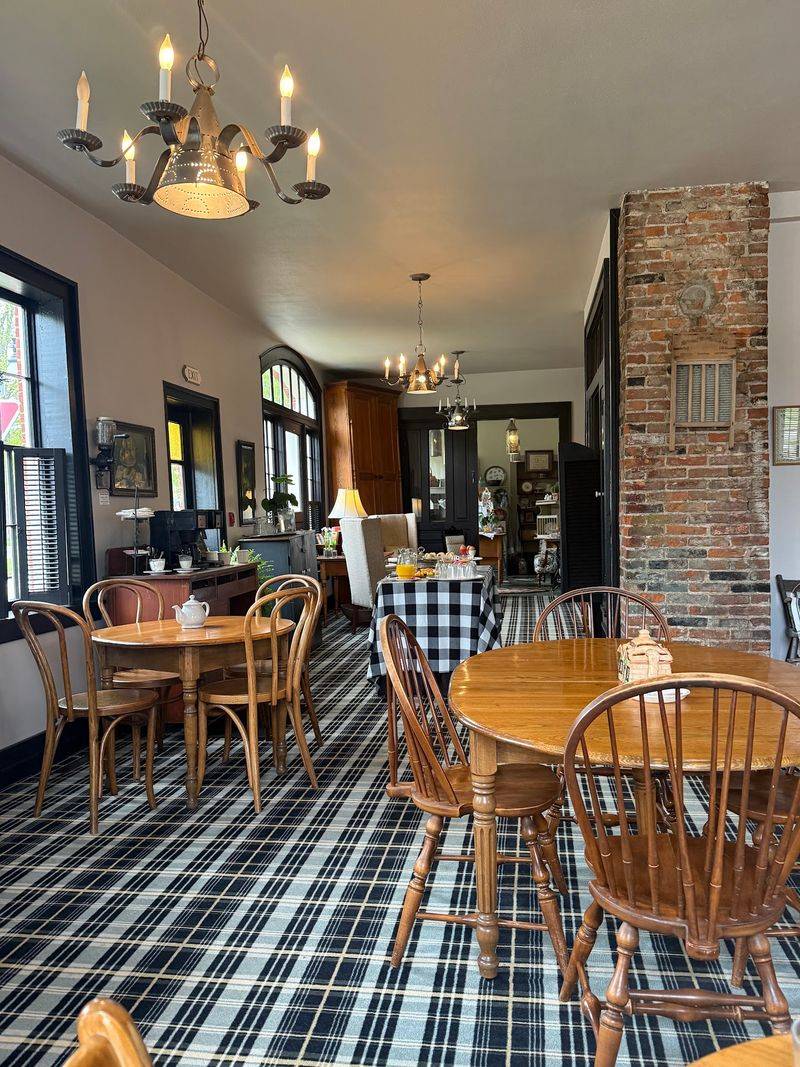
The smell of breakfast can be the best reason to leave a comfortable room. At the National House Inn, a home cooked morning meal is part of the bed and breakfast experience.
Guests have described waffles, egg strata, fruit, and baked treats, though offerings can change.
There is one detail worth knowing before you make dinner plans. Despite the tavern and dinner wording in the title, the National House Inn is not presented as a dinner serving tavern.
Its appeal is an overnight stay with breakfast and small comforts that may include afternoon tea or evening popcorn. Confirm current food offerings with the inn, especially if you have allergies or a tight schedule.
A relaxed breakfast also gives you a chance to notice the dining room itself. Antique furniture and painted woodwork make the meal feel connected to the building’s long life.
You do not have to hurry through a plate just because the day’s plans are waiting. Leave enough time to enjoy coffee, talk about what you have seen, and ask staff about their favorite details of the property before you head out.
The Curious Case of the Charles Dickey Room
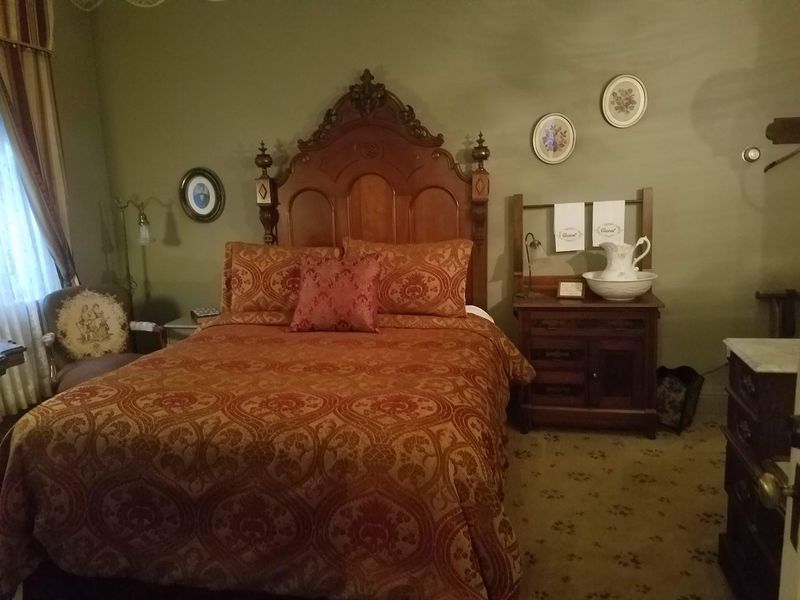
Sometimes a single room collects more stories than an entire hallway. The Charles Dickey Room at the National House Inn has become part of its ghost lore.
Visitors have reported odd experiences there, including falling pictures, vivid dreams, and the smell of cigar smoke.
Those reports are personal accounts, not evidence of a haunting. A curious guest may enjoy knowing the tale before turning in, while a light sleeper might rather choose another room.
If a certain room matters to your stay, ask about availability when booking instead of assuming it will be open. Staff can also explain the room’s current features, which are more useful for planning than any legend.
The best part of such a story may be the conversation it starts. What makes a room feel different after you have heard something unusual about it?
At an inn with nearly two centuries of history, imagination has plenty to work with. You can appreciate the mystery without expecting anything strange to happen.
Settle in, take in the old furnishings, and enjoy a night shaped by your own experience rather than someone else’s account.
An Easygoing Base in Historic Marshall
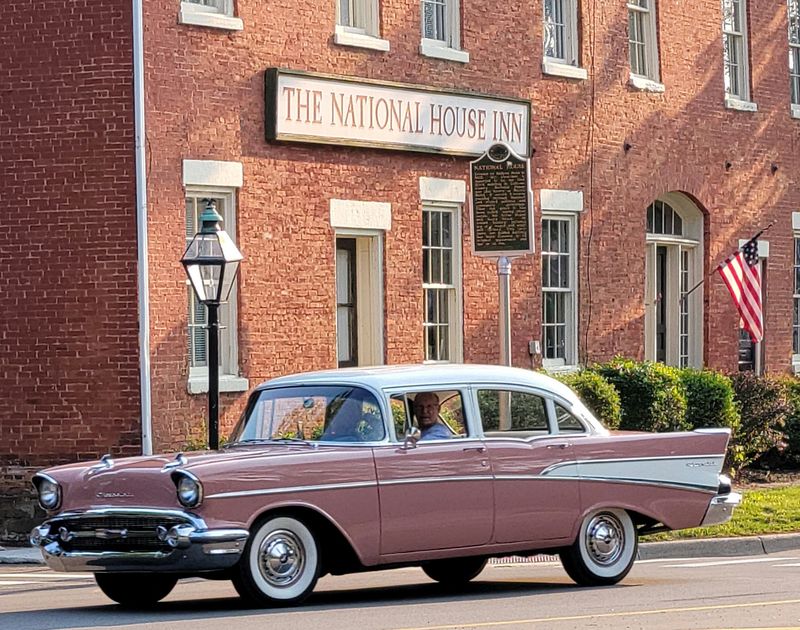
Sometimes the best part of a stay is being able to leave the car alone. The National House Inn sits at 102 S Parkview, overlooking Marshall’s Fountain Circle.
Its position makes it easy to enjoy the view outside, then return to a familiar porch or sitting room.
The nearby Brooks Memorial Fountain offers a natural starting point for a short walk. Guests can also see the Honolulu House Museum close to the inn, though tour times should be checked separately.
If you want to spend most of your visit on foot, ask the inn about parking and local walking routes before you arrive. Comfortable shoes will help on a day that includes both indoor exploring and older streets.
Leave some unscheduled time for the property itself. A garden view, a quiet seat, or a few minutes watching the circle can be more restful than packing every hour with stops.
That is the advantage of choosing a place with its own story: returning to your room does not end the day’s sense of discovery. The inn remains part of the trip, not just where you sleep.