Winston-Salem is a city that tends to surprise visitors, and one of its most quietly remarkable places sits just off a residential road on the northwest side of town.
Historic Bethabara Park protects the site of the first Moravian settlement in North Carolina, founded in 1753, making it the oldest European settlement in the state that still has preserved archaeological remains.
Walking through the grounds feels genuinely different from most historic sites, because so much of what you see here is actual history rather than reconstruction.
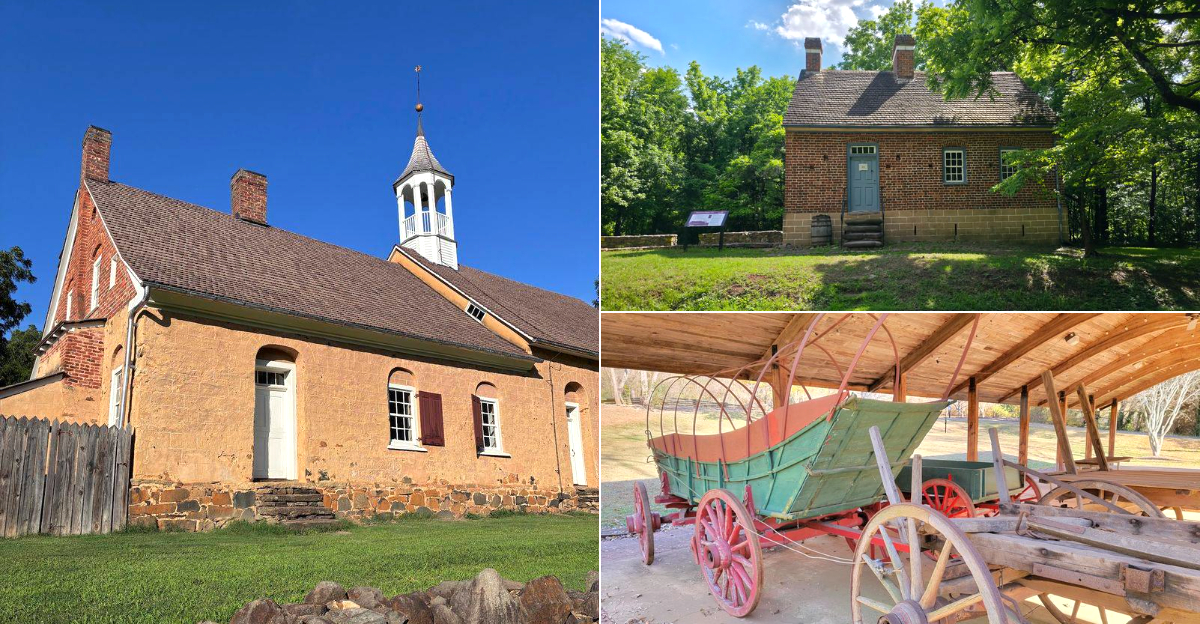
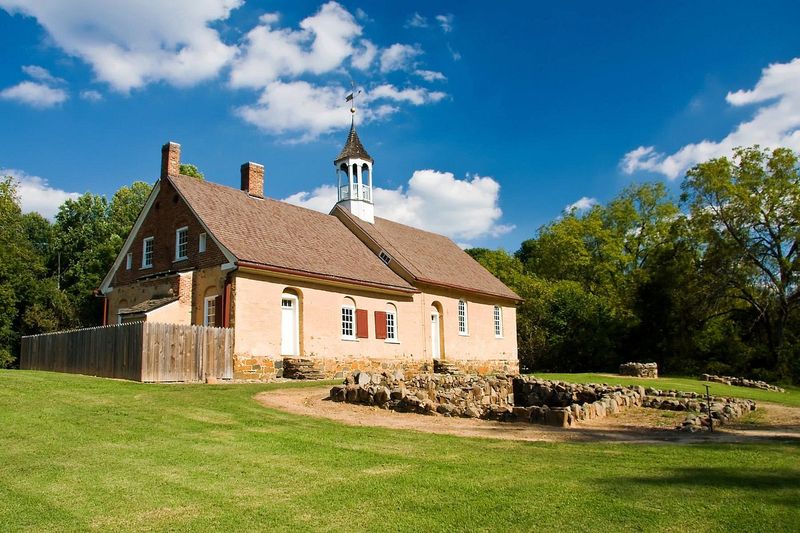
The park includes a restored 1788 congregation house, original fort foundations, a working colonial garden, and nearly 200 acres of wetlands and forest trails.
If you’re spending time in Winston-Salem, Bethabara deserves a dedicated half-day rather than a quick stop on the way to somewhere else.
Why Its Age Still Matters
Walking here feels like opening a storybook, where quiet paths and old stones reveal people building lives here centuries ago.
Bethabara matters because it is North Carolina’s oldest preserved European settlement, giving visitors a chance to see early community planning.
Founded by Moravians in 1753, the village was built with purpose, faith, and teamwork, which still shows in the layout.
Unlike a textbook page, the grounds help kids and adults picture daily chores, travel, worship, and trade in one place.
Visitors notice how the village tells a state story, showing where later towns in the Winston-Salem area first took shape.
That sense of beginnings gives every marker, foundation, and building extra meaning, since you are standing where local history started.
Families can make the most of this section by slowing down, reading signs together, and comparing what life then lacked.
Questions come easily here, especially about food, safety, jobs, and travel, so it helps to let visitors imagine themselves there.
Even a visit can spark curiosity about maps, crafts, and settlement life, making the past feel distant and more real.
Few places teach early North Carolina history so clearly, and that is why the settlement remains a memorable starting point.
The Moravian Beginning
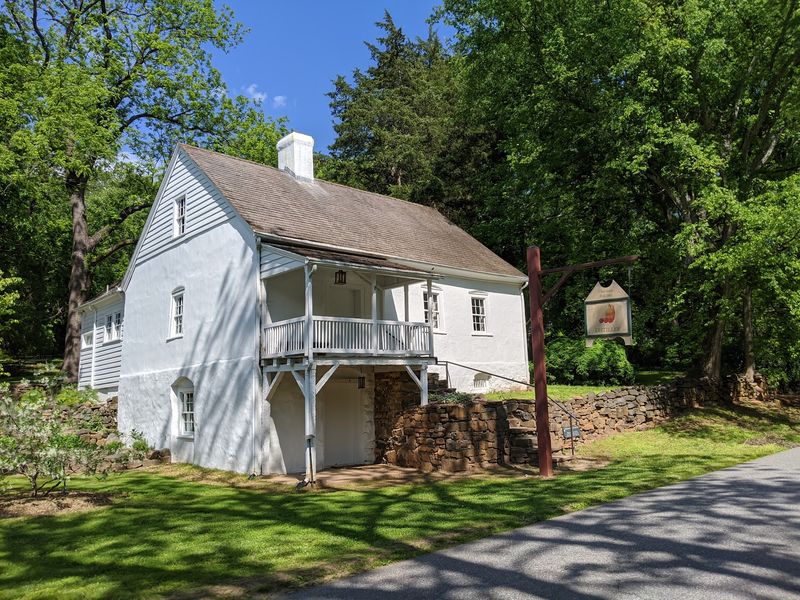
A journey sits behind the calm scenery, because eleven Moravian settlers traveled hundreds of miles to begin a planned community.
They came seeking religious freedom, but they also brought practical skills, including farming, building, and trade knowledge needed for survival.
Learning their story helps visitors see that settlements did not appear overnight, but grew through patience, work, and shared purpose.
Moravian communities were known for order and cooperation, which explains why Bethabara developed features like workshops, homes, and worship spaces.
Kids may enjoy imagining the long trip from Pennsylvania, especially when they realize settlers carried tools, hopes, and routines southward.
Adults connect with the planning side of the story, noticing how faith and daily labor worked together instead of apart.
Rather than rushing past the exhibits, spend time with timelines and plaques so the human side of migration sinks in.
That background makes every stop more meaningful, because buildings and ruins start to feel connected to real names and decisions.
Some reviews praise knowledgeable guides, and that makes sense, since the Moravian story includes religion, community rules, crafts, and travel.
By the time you finish, the settlement feels less like an old site and more like a determined beginning here.
Inside a Recreated 18th Century Village
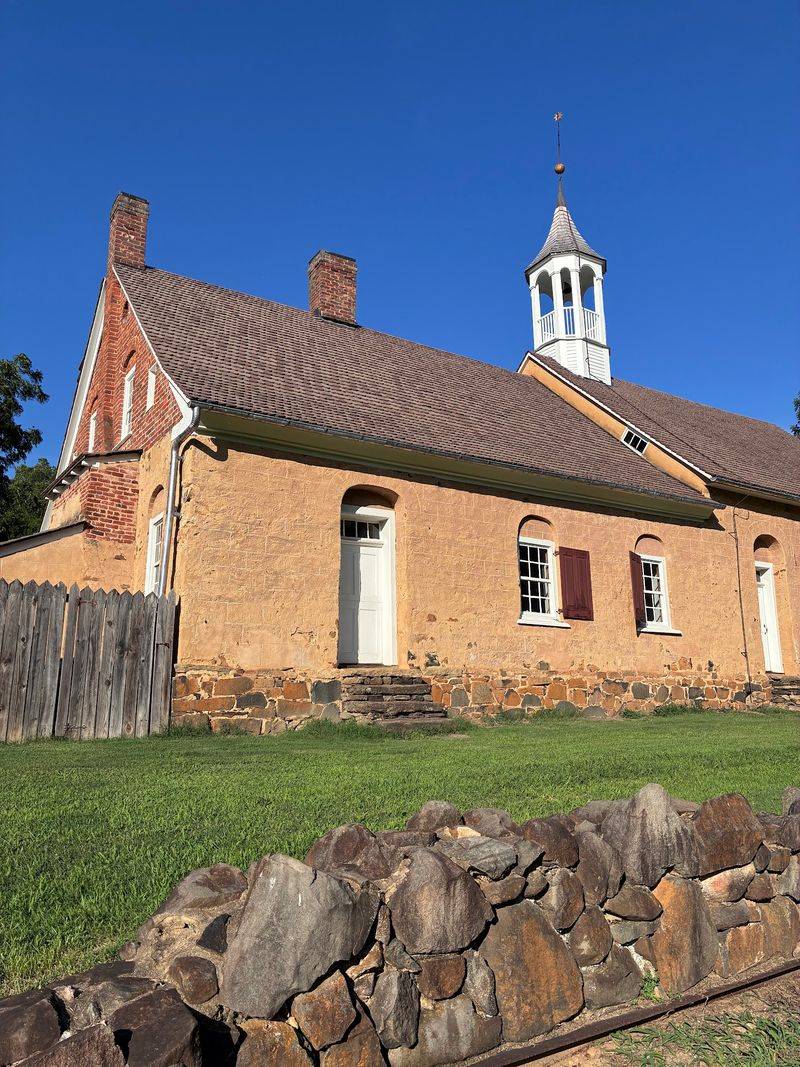
Bread smells, costumed interpreters, and restored rooms can turn afternoons into scenes that feel museum worlds shaped by time travel.
The reconstructed village gives shape to daily life, helping visitors picture cooking, sleeping, praying, and working inside a colonial community.
One standout is the Gemeinhaus, a combined church and home that reminds visitors how central faith was to Moravian life.
Instead of treating religion as separate from work, the settlement wove worship into everyday routines, meetings, meals, and decisions there.
Reenactments and demonstrations often make the area feel lively, especially when staff explain food, clothing, candle making, or blacksmith work.
Families who visit during special events may get the richest experience, since open buildings and hands-on activities make history easier.
Even without a festival, the village rewards slow walking, because details like tools, fireplaces, and room layouts tell quiet stories.
Bringing curious kids works well here, since they can connect chores and spaces to things they already understand from home.
Visitors who enjoy architecture will also notice how simple design choices supported safety, shared life, and practical household needs daily.
More than displays, these reconstructed spaces help the past feel lived in, which is a big reason people remember them.
Ruins That Tell Quiet Stories
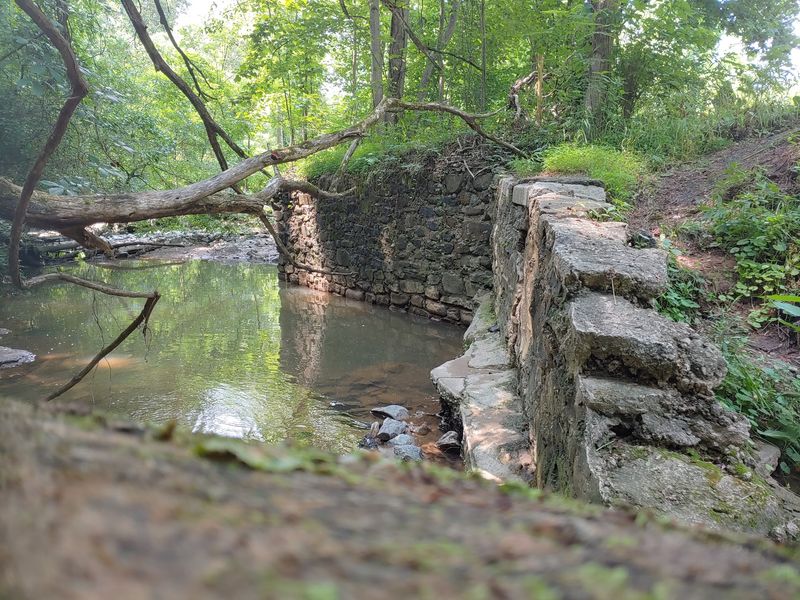
Not every clue stands tall, and some of the most interesting history here rests in outlines, stones, and low foundations.
Those remains show where buildings once stood, giving visitors a puzzle-like way to imagine rooms, fences, and busy yards.
Archaeology matters at Bethabara because the ground still holds evidence that can confirm stories, dates, and patterns of settlement life.
Signs across the site help decode those traces, so even first time visitors can understand what vanished buildings once did.
One person may see old stonework, while another sees a bakery, workshop, or home coming back into focus again today.
That act of imagining is part of the fun, especially for children who like mysteries, maps, and hidden evidence there.
Reviewers often mention the old foundations because they make the settlement feel honest, not polished into something unreal or fake.
Taking photos can be fun, but reading the markers first makes each ruin far more meaningful and easier to remember.
Visitors who love local history should spend extra time here, since buried details often explain more than a rebuilt wall.
Few places show absence so clearly, and that strange strength makes the archaeological side of Bethabara quietly unforgettable today still.
Living History You Can Actually Watch
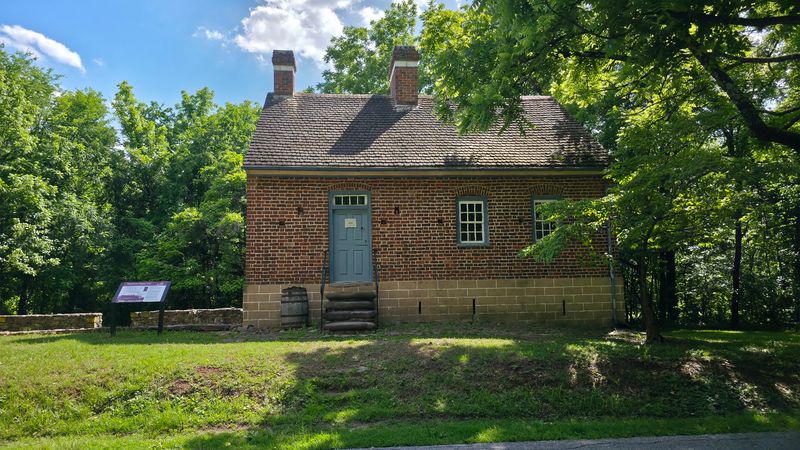
Some of the best moments arrive unexpectedly, like watching a tool being made and suddenly understanding how hard jobs were.
Living history demonstrations help bridge the gap between reading about the past and seeing real materials shaped by hand nearby.
At Bethabara, reviews often highlight knowledgeable staff, and that praise matters because good guides turn facts into memorable stories easily.
A blacksmith talk, candle making day, or period cooking sample can keep children engaged longer than signs alone ever will.
Adults benefit too, especially when interpreters answer unusual questions about tools, chores, or why certain choices made sense back then.
Personal demonstrations can stick in memory for years, since movement, sound, and even smell make lessons easier to hold onto.
If you can, ask about tour options at the visitor center, because guided experiences often uncover details casual walkers miss.
Timing matters here, so checking the website before visiting can help you catch festival days, craft programs, or special interpretations.
Friendly staff make the park feel welcoming, which helps first time visitors who may not know where to start there.
When people leave talking about a guide, that usually means the history felt personal instead of distant and dry afterward.
Trails, Wildlife, and a Softer Side of History
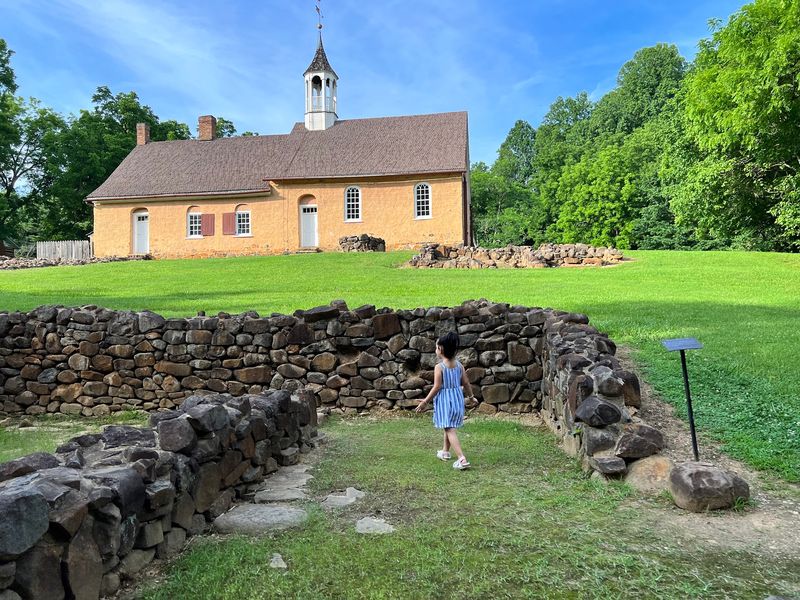
Birds, creek sounds, and shaded paths give this historic place a softer side, making it feel peaceful instead of formal.
The park sits within a wildlife preserve, so a visit can mix history reading with easy walking and outdoor breaks.
Many guests mention the trails because they add room to breathe after exhibits, especially on pleasant spring or fall days.
Families with kids can use the walk as a reset, letting younger visitors move around before returning to buildings again.
Nature also helps explain why settlers chose the area, since water, land, and travel routes mattered for survival and growth.
Some paths are short and simple, while others invite a longer wander, so comfortable shoes are always a smart idea.
Pet friendly grounds make the setting more approachable, though visitors should clean up and stay alert for posted trail updates.
A picnic stop or gazebo break can turn the outing into an easy half day rather than a rushed lesson.
Because some reviews mention access changes, checking current conditions first can save disappointment and help you plan your route better.
For many people, the mix of trails and history is exactly what makes Bethabara feel different from other landmarks nearby.
A Thoughtful Walk Through God’s Acre
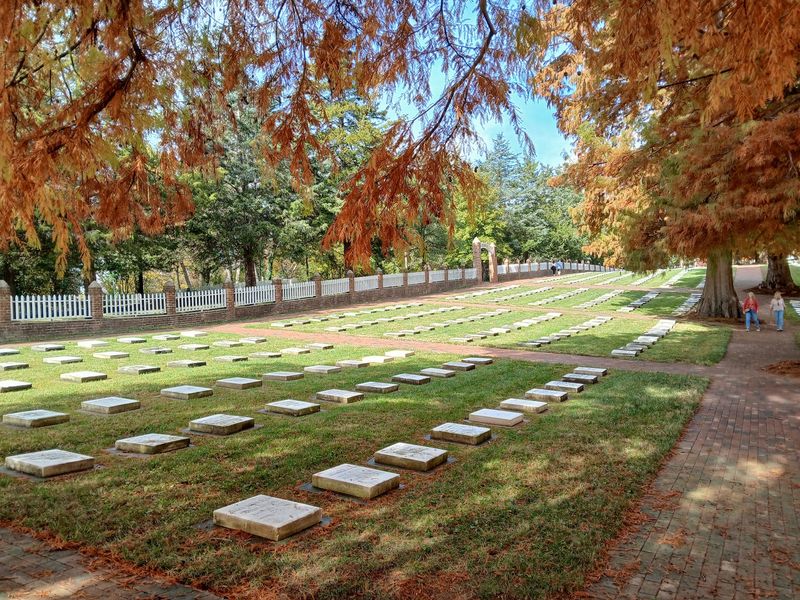
Quiet places can teach a lot, and the burial ground at Bethabara adds a thoughtful layer to the visit overall.
Known as God’s Acre in Moravian tradition, the cemetery reflects beliefs about equality, community, and life beyond daily work there.
Walking there feels different from exploring workshops or trails, because the mood becomes calmer, slower, and more personal somehow today.
Visitors often appreciate how the cemetery connects names and dates to the settlement story, turning history from abstract into human.
Children may ask deep questions here, so adults can use the moment to discuss remembrance, beliefs, and respect gently together.
The path to this area also rewards patient walkers, especially those who enjoy quiet scenery and moments without crowd noise.
Good manners matter, including speaking softly, staying on paths, and treating grave markers as part of a real community history.
Even visitors who know little about Moravians can feel the meaning here, because memory and loss are universal human experiences.
Photography can be respectful if done carefully, but many people find the strongest takeaway comes from simply standing still there.
Ending a visit here can leave a lasting impression, reminding people that settlements were shaped by lives, not just buildings.
Plan a Visit That Goes Smoothly
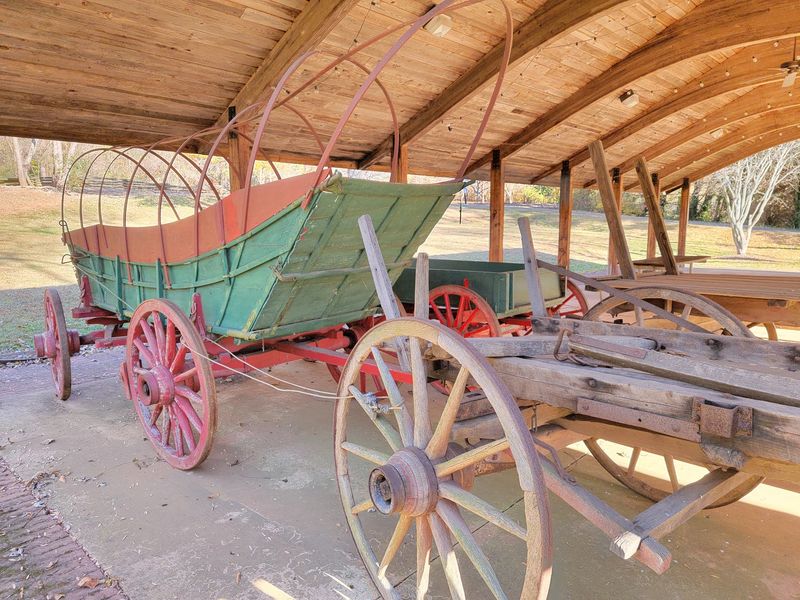
A smoother visit starts with planning, especially since hours change by day and some programs happen only at certain times.
Historic Bethabara Park, 2147 Bethabara Rd, Winston-Salem, NC 27106, is easiest to enjoy when you begin at the visitor center.
Current public hours generally include Tuesday through Saturday daytime access and shorter Sunday hours, while Monday is closed for visitors.
Checking the official website before leaving home is smart, because seasonal schedules, closures, and demonstrations can affect your plan greatly.
Reviews suggest guided tours are worth requesting, especially if you want deeper stories instead of only walking the grounds alone.
Families should allow at least one to two hours, more if children want trails, demonstrations, or gift shop time too.
Wearing comfortable shoes, bringing water, and carrying a phone for photos or maps will make the outing easier overall today.
Because some online maps can point toward trails first, follow signs carefully so you reach the historic village area directly.
Visitors who enjoy festivals should watch for special weekends, since craft days and seasonal events can add extra excitement there.
With a little preparation, the park becomes an easy, memorable trip that blends local history, outdoor space, and family-friendly learning.