Step into a forgotten century where every doorway tells a story.
At Landis Valley Village and Farm Museum, 100 acres of preserved Pennsylvania German farm life invite visitors to experience the sights sounds and traditions of the 1800s.
Historic homes, working farms, and skilled craftspeople reveal how families cooked, worked, celebrated, and built communities long before modern conveniences arrived.
With more than 40 historic buildings and thousands of artifacts, this open-air museum brings history to life through hands-on experiences that feel wonderfully real.
Visitors can wander quiet village paths, watch traditional crafts, and discover the everyday moments that shaped Lancaster’s past.
A journey here is more than a visit; it is a chance to step inside the stories of generations who kept these farming traditions alive for a century forever.
A 100-Acre Living History Village
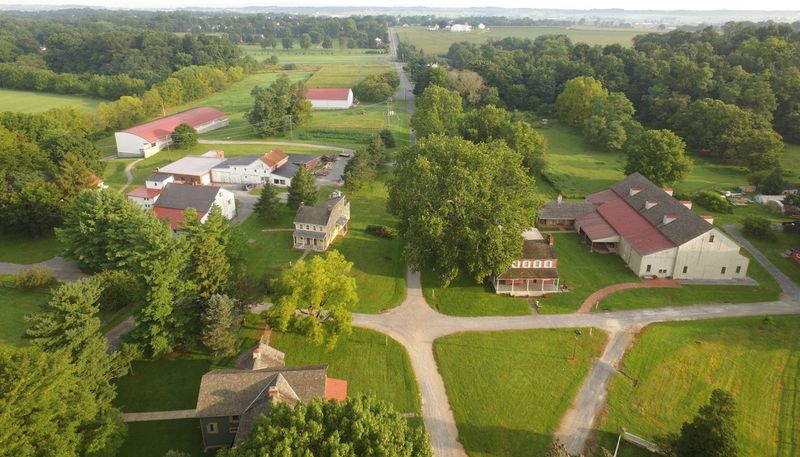
Stepping onto the grounds of Landis Valley feels like discovering a secret portal to the past. This sprawling museum ranks among Pennsylvania’s largest living history sites, offering visitors an immersive journey through rural life as Pennsylvania German families knew it from the 1700s through early 1900s.
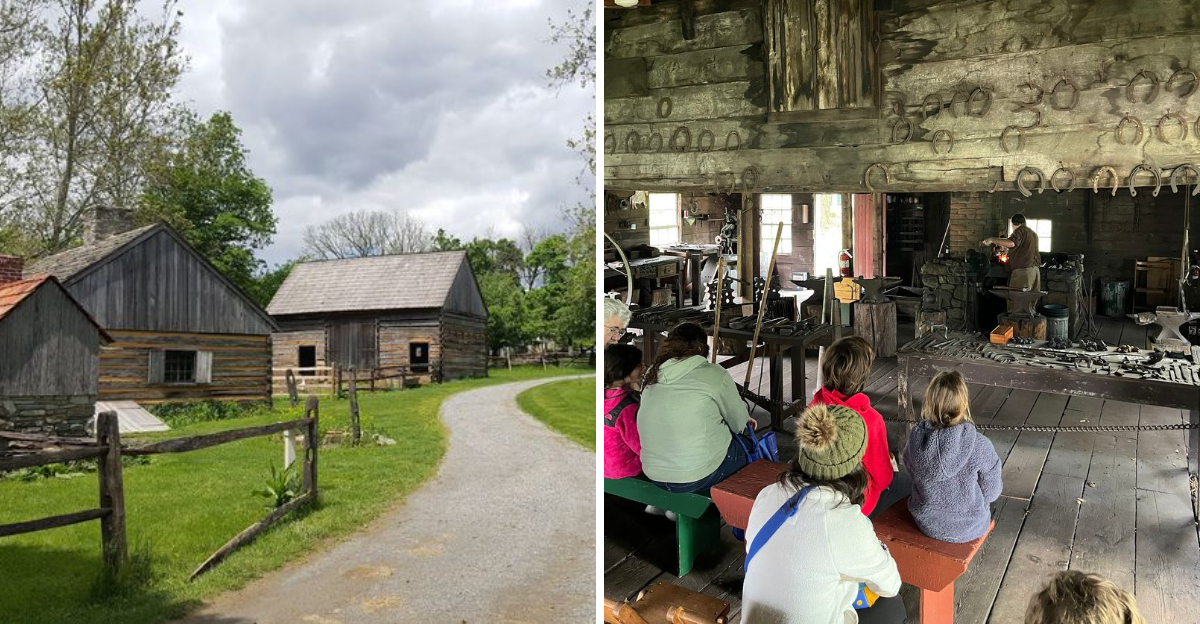
More than 40 carefully preserved and reconstructed buildings dot the landscape, each one telling its own story. Log cabins, sturdy farmhouses, weathered barns, and trade shops create an authentic village where you can truly grasp how entire communities functioned generations ago.
Unlike static museum displays behind glass, these structures invite you inside to touch history.
The sheer size of the property means there’s always something new around the next bend in the path. Farm fields stretch toward the horizon while garden plots burst with heirloom vegetables.
Walking trails connect the various buildings, encouraging you to explore at your own pace. Whether you’re a history enthusiast or simply curious about simpler times, the village creates an experience that engages all your senses and sparks genuine wonder about how people once lived.
Authentic Farmhouses, Barns, And Workshops
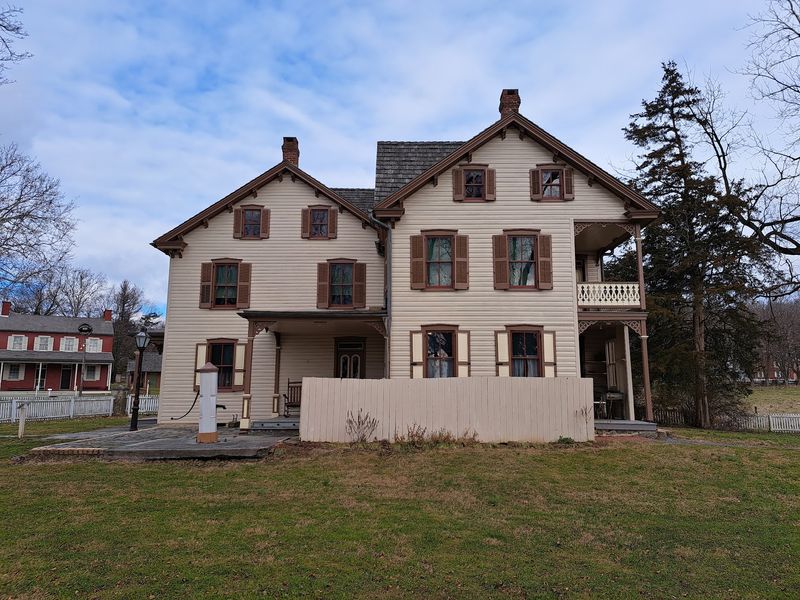
Every building at Landis Valley has a story etched into its wooden beams and stone foundations. Original structures were carefully moved here from across Pennsylvania, while others were meticulously reconstructed using traditional methods and materials.
Together, they form a complete picture of rural community life.
Walk through cozy farmhouses where families raised their children, their walls still holding the warmth of countless meals cooked over open hearths. Massive barns showcase the architectural genius of German craftsmen who built structures to last centuries without a single nail.
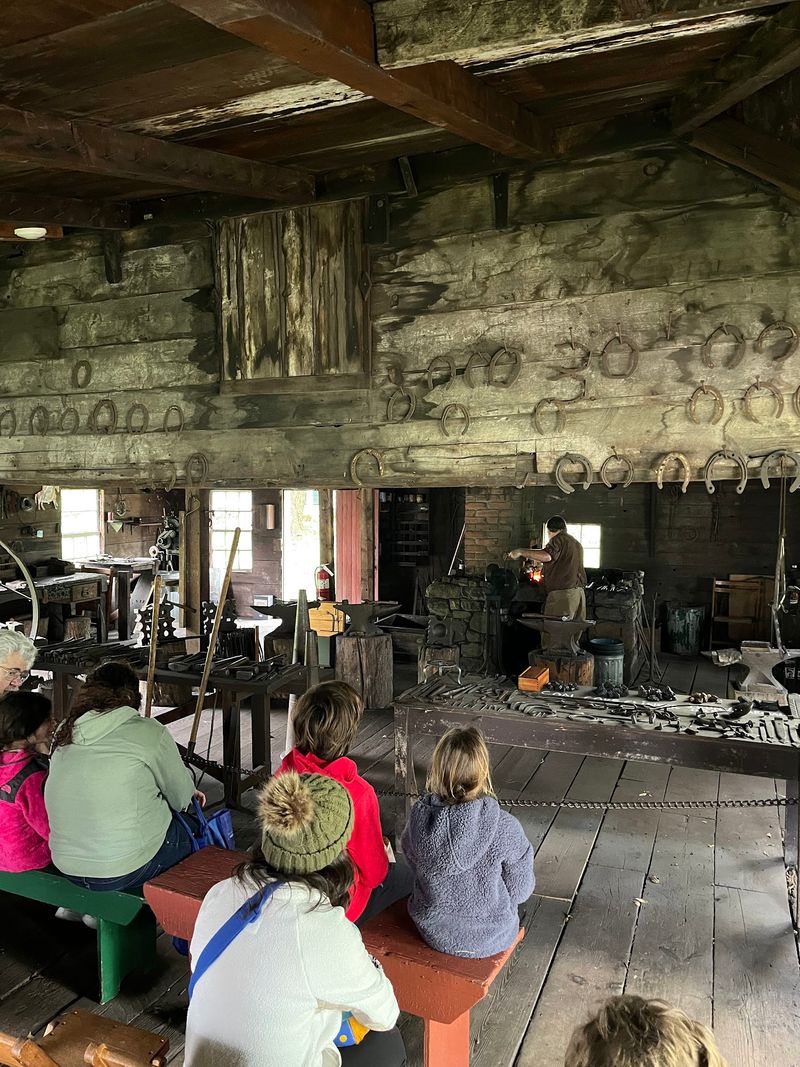
The blacksmith shop echoes with the memory of iron being shaped into essential tools.
Each building serves as more than just a structure. The one-room schoolhouse lets you imagine children reciting lessons by candlelight.
Trade workshops reveal the specialized skills communities needed to thrive, from shoemaking to pottery. Period furnishings fill every room, from hand-carved beds to butter churns, creating spaces so authentic you almost expect someone to walk through the door.
These aren’t empty shells but fully realized glimpses into daily existence during America’s formative centuries.
Experience Pennsylvania German Farm Life
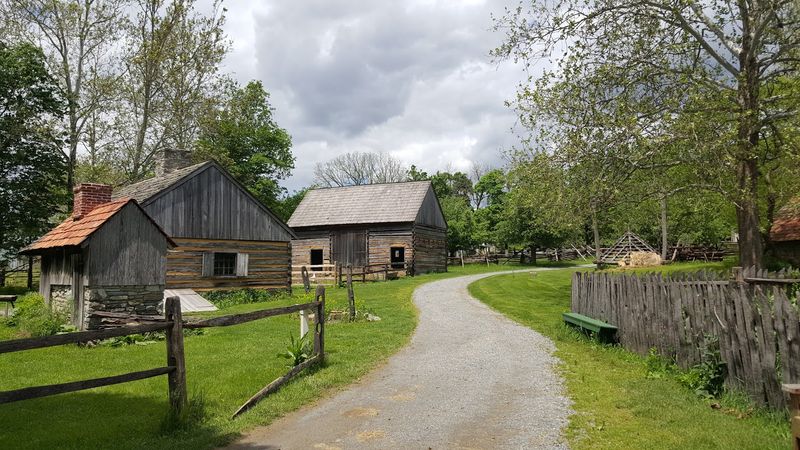
Pennsylvania German farmers built thriving agricultural communities through generations of hard-won wisdom and tireless work. At Landis Valley, their legacy unfolds across every acre, revealing farming methods that sustained families and communities for over two centuries.
These immigrants from Germany brought sophisticated agricultural knowledge to Pennsylvania’s fertile soil. They understood crop rotation before it became scientific practice, preserved food through ingenious methods without refrigeration, and raised livestock breeds perfectly suited to their needs.
Their barns were architectural marvels designed to maximize efficiency in harsh winters.
Walking the museum grounds, you’ll discover how families divided labor throughout the seasons. Spring planting, summer tending, fall harvesting, and winter preparation created an endless cycle that required every family member’s contribution.
Children learned practical skills from their earliest years, becoming essential workers long before adulthood. The museum doesn’t romanticize this life but presents it honestly, showing both its hardships and the deep satisfaction that came from self-sufficiency.
You’ll gain profound respect for the strength, ingenuity, and determination that turned wilderness into productive farmland and built a culture that still influences the region today.
Explore One Of The Nation’s Largest Pennsylvania German Collections
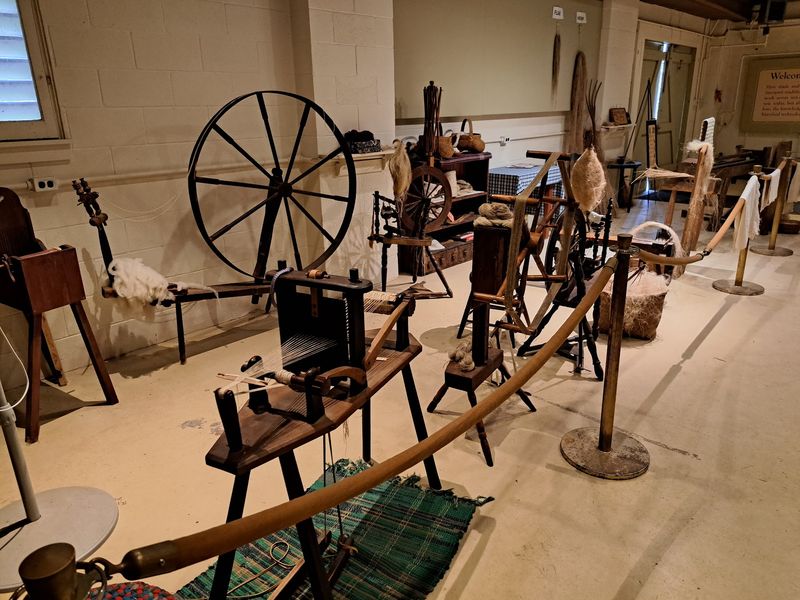
Behind the scenes and throughout the village buildings, Landis Valley preserves an astounding treasure trove of material culture. The collection includes thousands upon thousands of artifacts that paint an incredibly detailed picture of Pennsylvania German life spanning multiple centuries.
Exquisite quilts showcase needlework skills passed from grandmother to granddaughter, their patterns telling stories in fabric and thread. Decorated furniture displays the distinctive folk art traditions that made Pennsylvania German pieces instantly recognizable.
Farm implements reveal the evolution of agricultural technology from simple hand tools to more complex machinery. Kitchen goods, clothing, toys, and personal items offer intimate glimpses into daily routines and special celebrations.
What sets this collection apart is its scope and authenticity. Museum curators have assembled pieces that represent all aspects of rural life, from the most utilitarian plow blade to the finest decorated marriage chest.
Each artifact was once owned, used, cherished, or created by real people building lives in a new land. Walking through exhibits, you’re not just seeing old stuff but connecting with the hopes, skills, and traditions of entire communities who shaped Pennsylvania’s cultural landscape.
Visit Historic Gardens, Fields, And Heritage Animals
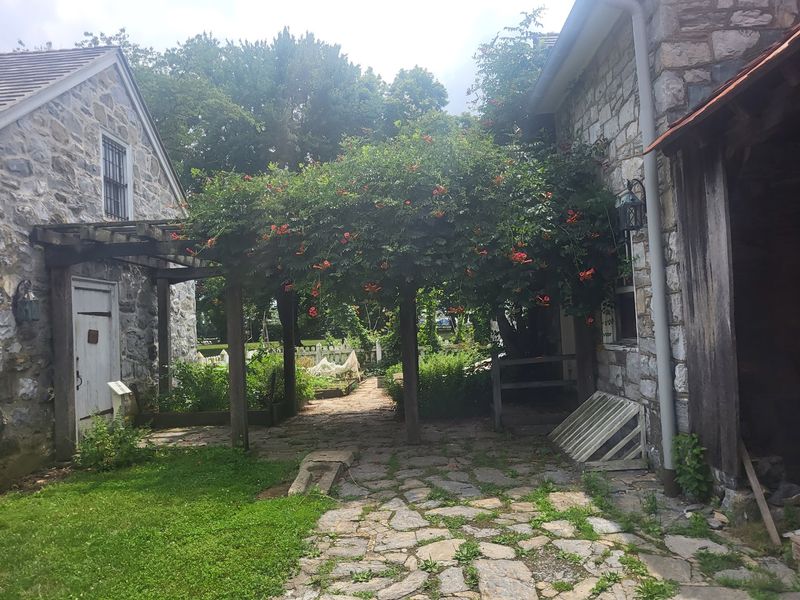
Nature and agriculture intertwine beautifully across Landis Valley’s living landscape. The museum doesn’t just preserve buildings and objects but maintains working gardens, cultivated fields, and heritage livestock breeds that complete the authentic farming experience.
Heirloom gardens burst with vegetable varieties that farmers planted two hundred years ago, their seeds carefully saved and shared across generations. These aren’t modern hybrid plants but historic cultivars that taste, look, and grow differently than today’s grocery store produce.
Orchards feature fruit tree varieties that were kitchen staples in the 1800s. Herb gardens contain medicinal and culinary plants that families depended on before modern pharmacies existed.
Heritage animal breeds graze the pastures, representing livestock types specifically developed by Pennsylvania German farmers. These chickens, sheep, and other animals aren’t just decorative but demonstrate how communities bred animals for specific regional needs.
Working fields show historical planting patterns and crop choices. Together, these living elements create a complete agricultural ecosystem that helps visitors understand farming as an integrated way of life rather than isolated activities.
The seasons transform the landscape constantly, making every visit unique throughout the year.
Seasonal Festivals And Hands-On Living History Events
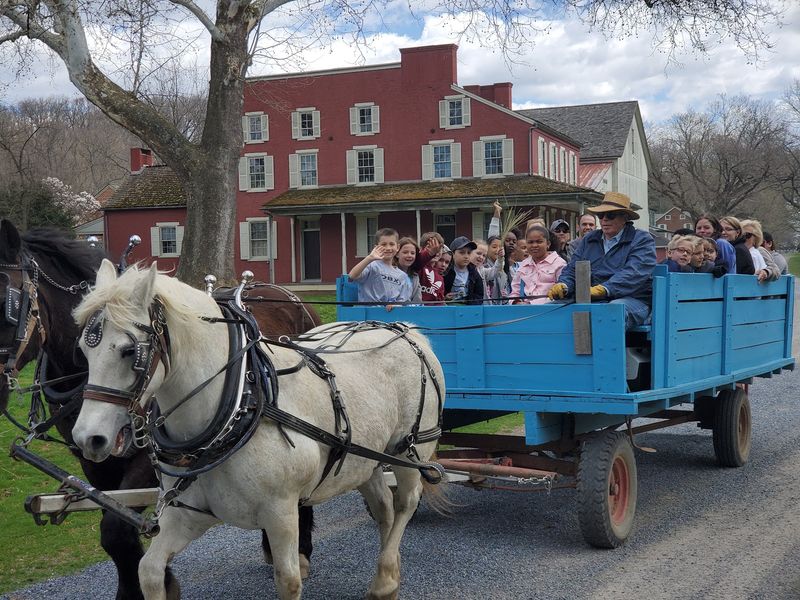
Throughout the calendar year, Landis Valley explodes with special events that transform the museum into a bustling 1800s community. These festivals and programs offer extraordinary opportunities to experience history as an active participant rather than just an observer.
Harvest celebrations in autumn recreate the community gatherings that marked the farming year’s most critical season. Military encampments bring history’s dramatic moments to life with period soldiers demonstrating weapons and tactics.
Hands-on workshops teach visitors actual historic skills like rope-making, candle-dipping, or traditional cooking methods. Wagon rides pulled by horses carry families through the grounds just as farmers once traveled.
These events attract crowds who share a passion for tangible history. Children especially love the interactive nature of festival days, where they might churn butter, play colonial games, or meet farm animals up close.
The museum’s event calendar changes seasonally, reflecting the rhythm of agricultural life when planting, harvesting, and weather dictated community activities. Planning your visit around a special event adds extra layers of engagement and entertainment.
Check ahead to catch demonstrations that particularly interest you or to experience the museum during its most vibrant, crowded, exciting moments.
The Heirloom Seed Project And Agricultural Heritage
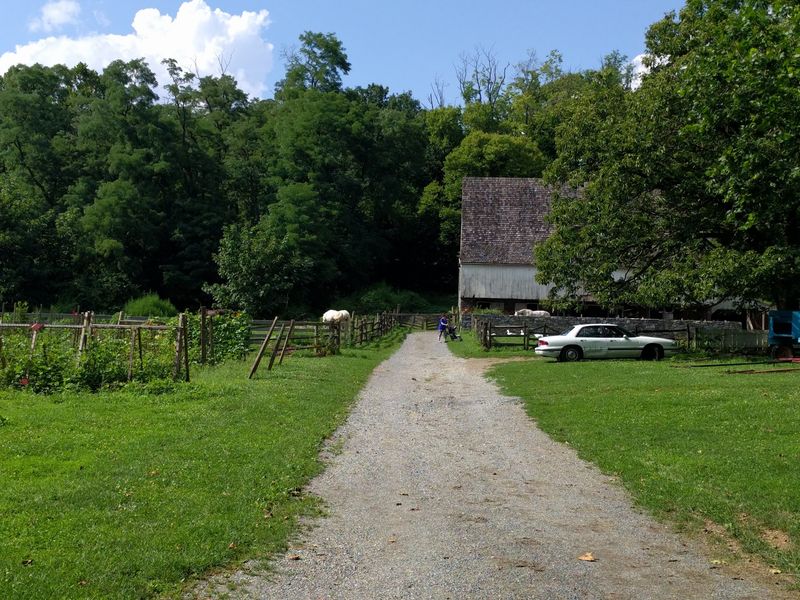
Among Landis Valley’s many remarkable features, the Heirloom Seed Project stands out as nationally significant. This program works to save rare historic plant varieties that once filled Pennsylvania farms but nearly disappeared as modern agriculture favored commercial hybrids.
The project carefully grows, harvests, and distributes seeds for vegetables, flowers, and herbs that immigrants brought from Europe or developed through generations of careful selection. Some varieties exist nowhere else in the world, making this conservation work critically important.
These aren’t just plants but living links to our agricultural past, each one carrying genetic traits developed through centuries of cultivation.
Why does this matter? Historic varieties often possess flavor profiles, disease resistance, or growing characteristics lost in modern breeding programs.
Home gardeners and small farmers can obtain these seeds, planting the same bean varieties their great-great-grandparents grew. The project represents more than nostalgia, it’s serious agricultural preservation that maintains biodiversity and keeps options open for future food security.
Visitors can learn about the program, see the growing gardens, and even purchase seeds to start their own piece of living history at home.
Why History Lovers And Families Will Love Visiting
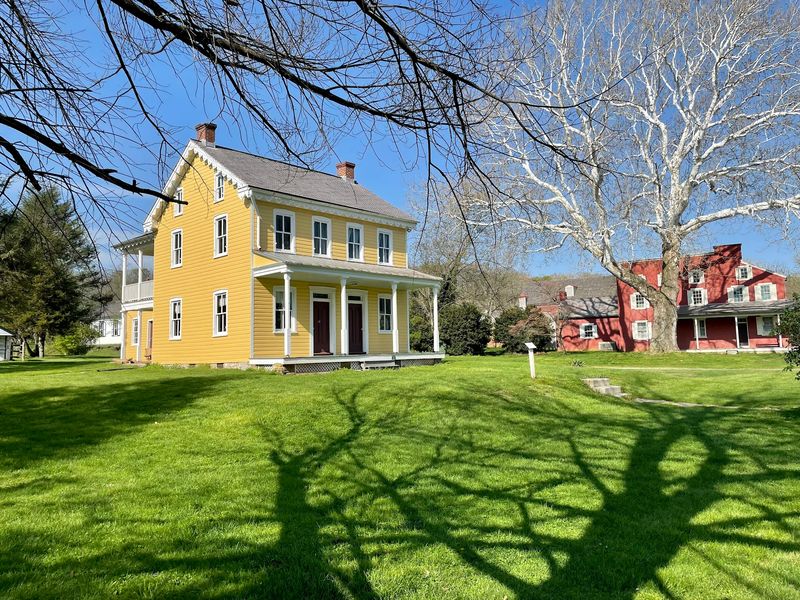
Landis Valley succeeds brilliantly at being many things to many people. History enthusiasts find endless details to study and photograph.
Families discover an educational destination where kids actually want to learn because everything feels like an adventure rather than a lecture.
The outdoor setting means children can move freely and burn energy while exploring. Interactive elements keep young minds engaged, whether they’re examining old toys, watching blacksmithing demonstrations, or meeting farm animals.
Photography lovers capture stunning images of historic architecture, rural landscapes, and crafts demonstrations. The peaceful grounds offer a refreshing escape from modern life’s constant noise and hurry.
Educational value runs deep without feeling preachy or boring. Every building, tool, and tradition connects to larger stories about immigration, community building, self-sufficiency, and cultural preservation.
The museum respects visitors’ intelligence while presenting information in accessible ways. Whether you spend two hours or an entire day here, you’ll leave with a richer understanding of how ordinary people built extraordinary legacies through hard work, ingenuity, and determination.
It’s the kind of place that inspires thoughtful conversations during the drive home and creates memories that last for years.
Visitor Info And Tips
Planning your visit properly ensures you make the most of this incredible destination. Landis Valley Village and Farm Museum sits at 2451 Kissel Hill Road in Lancaster, Pennsylvania, easily accessible from major routes serving the Lancaster area.
Operating hours are Wednesday through Saturday from 9:00 AM to 4:00 PM, plus Sundays from noon to 4:00 PM. The museum closes Mondays and Tuesdays, so plan accordingly.
Admission costs $12 for adults, $10 for seniors, and $8 for youth ages 3 to 11, while children under 2 enter free. Discounts apply for AAA members and active-duty military personnel.
Free parking makes arrival stress-free. Budget at least two to three hours for a thorough exploration, though history enthusiasts could easily spend an entire day wandering the grounds.
Many buildings offer ADA accessibility, though some historic structures and uneven terrain present challenges. Wheelchairs are available upon request.
Comfortable walking shoes are absolutely essential given the property’s size. Check the events calendar before visiting to catch special demonstrations or seasonal programs.
Don’t rush past the museum store, which offers unique gifts and those precious heirloom seeds to take home.