Few homes in Texas look as much like a castle as this one.
Bishop’s Palace in Galveston was built between 1887 and 1893 for attorney and politician Walter Gresham and his family.
Architect Nicholas Clayton designed it with stone walls, ornate towers, and dramatic Victorian details.
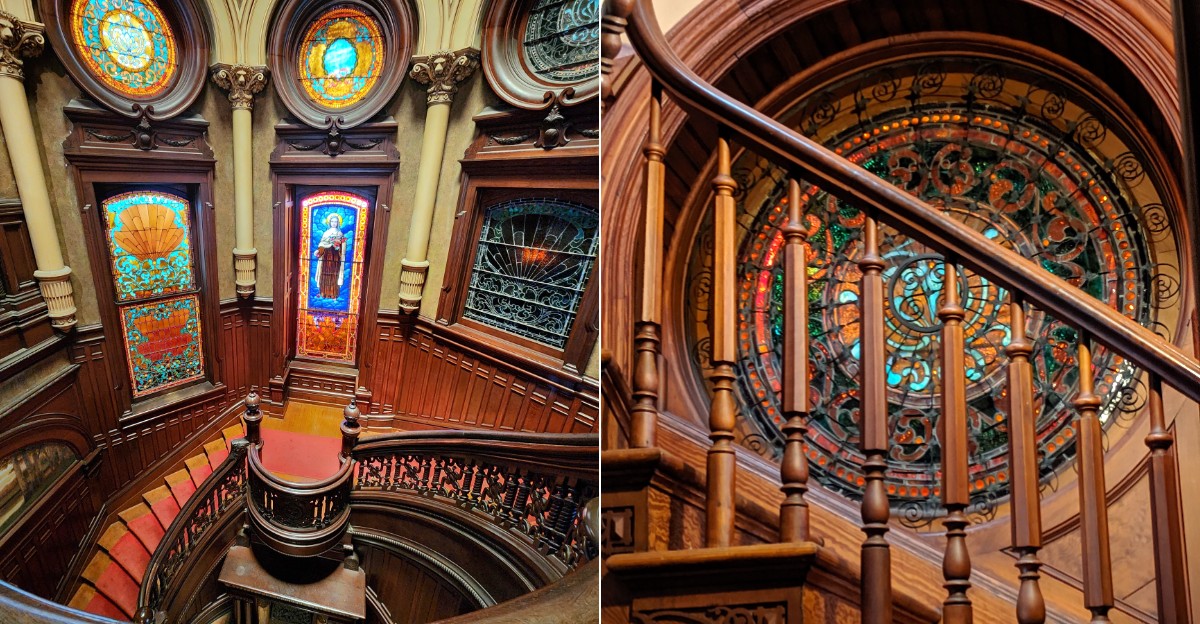
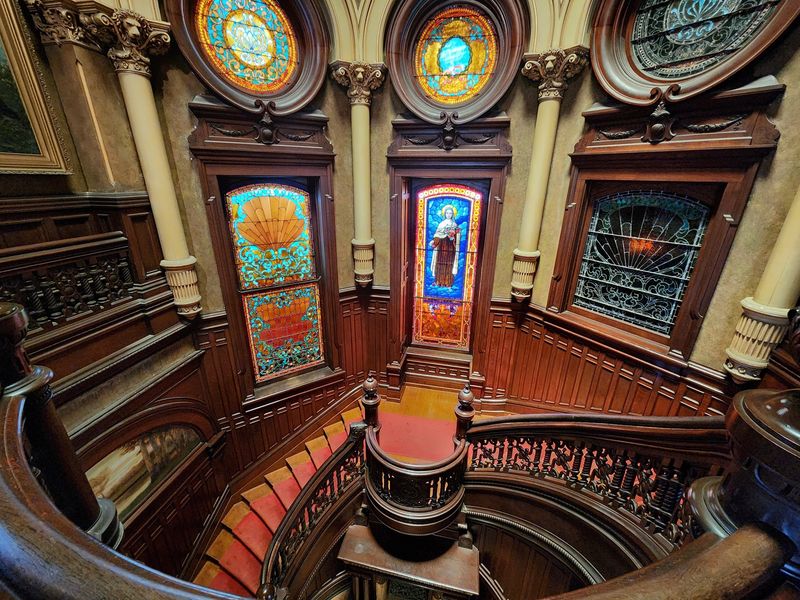
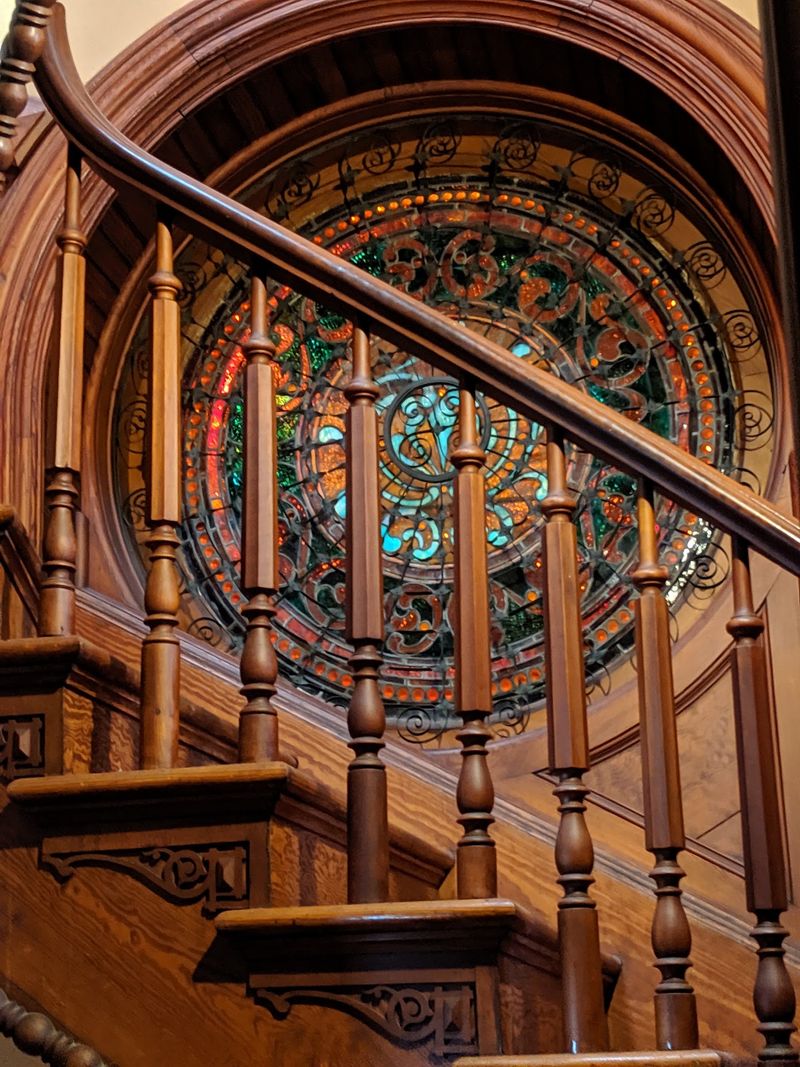
Inside, stained glass windows, carved woodwork, and elaborate fireplaces fill the rooms with color and character.
The sturdy home famously survived the Great Storm of 1900, which devastated much of the island.
Step through the doors, look up, and get ready to be amazed by the craftsmanship around you.
A Castlelike Welcome in Stone
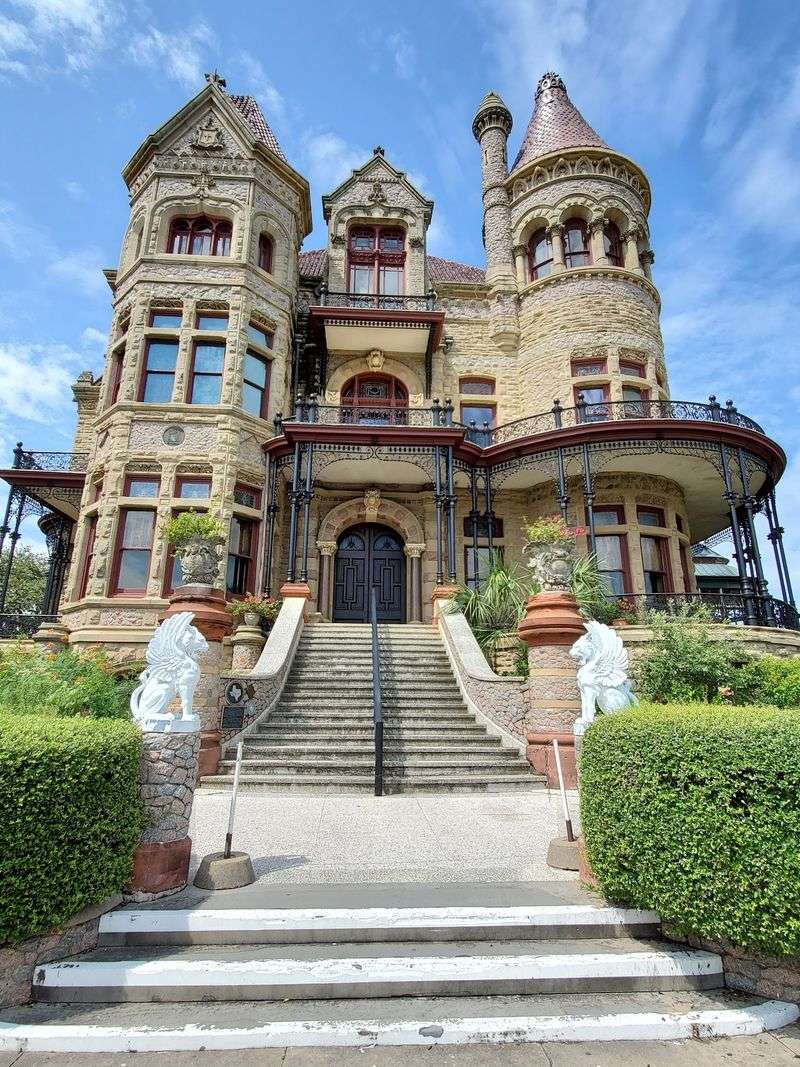
Stone towers and steep rooflines make the first few minutes feel like the opening scene of a fairy tale. Yet this impressive building began as a family home, not a royal fortress. Bishop’s Palace stands at 1402 Broadway Avenue J, Galveston, TX 77550, United States.
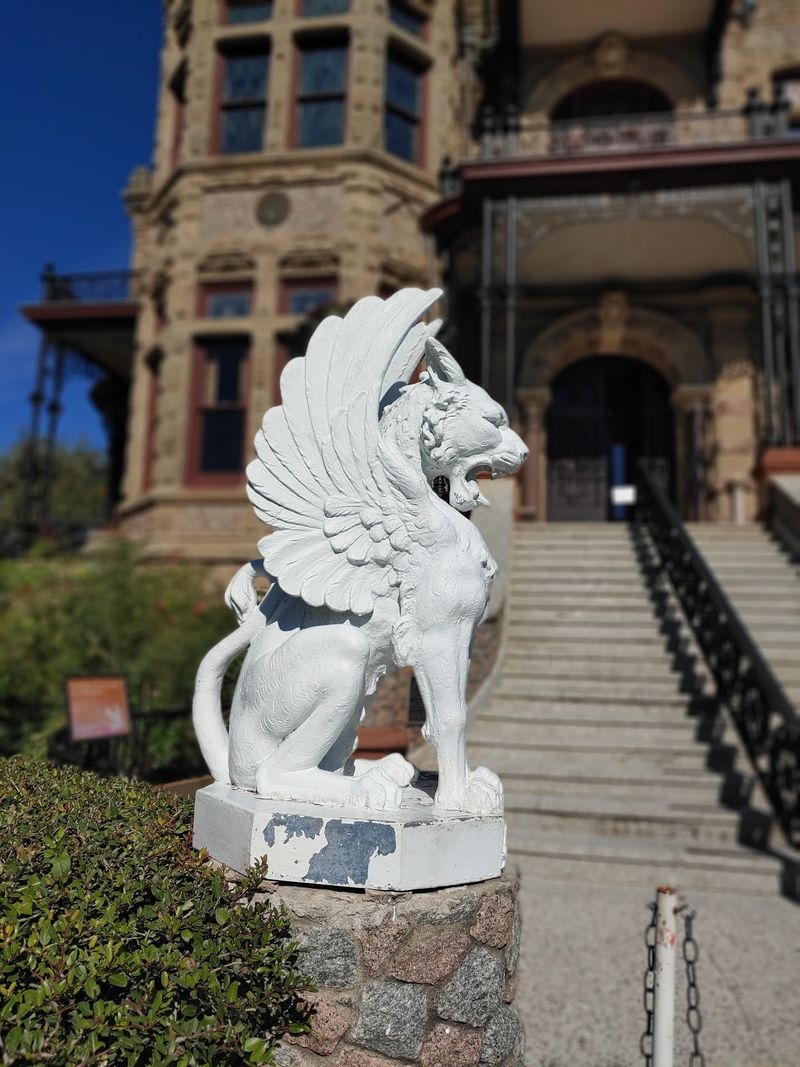
Architect Nicholas Clayton designed the house for Walter and Josephine Gresham, with construction taking place from 1887 to 1892. Its bold Victorian design uses towers, arches, and richly worked stone to create that castlelike effect. Before entering, pause long enough to follow the different roof shapes with your eyes.
A quick look from the sidewalk gives you the overall picture, while a closer view reveals smaller patterns around the entrance. Rather than trying to name every architectural feature, notice how the pieces fit together. The mix of solid walls and delicate details makes the exterior feel both strong and decorative.
For photographs, keep clear of traffic and avoid blocking the entrance or steps. Morning light may help bring out the stonework, depending on weather and the angle of the sun. Give yourself a few extra minutes outside before your tour, because this first impression sets the stage for everything waiting within the walls of this remarkable historic family home.
Gilded Age Grandeur With a Family Story
Behind all that splendor was a household with everyday routines, ambitions, and a strong desire to make an impression. Walter Gresham was a lawyer and politician, and the home reflected his family’s success. Remembering the people who lived here keeps the tour from becoming only a parade of beautiful objects.
The house belongs to the Gilded Age, a period when great fortunes helped fund large homes and lavish decoration. For wealthy owners, rooms could display status as clearly as clothing or jewelry. Fine materials and skilled craftsmanship told guests that the family had money and taste.
As you explore, think about how each space might have served a different purpose. A room meant for receiving visitors could feel more formal than one used for private family life. The tour commentary can help explain those differences without requiring any background in architecture.
Josephine Gresham’s interest in art adds another useful thread to the story. Listen for information about her work and the family’s personal lives, rather than focusing only on construction costs. Ask children to imagine where they would read, paint, or welcome a friend, then compare their choices with the room’s actual use. That simple exercise makes a grand old house feel much more human and familiar.
Woodwork That Rewards a Closer Look
Your eyes may head toward the largest room first, but the best discoveries often wait along a railing or doorway. Carved wood is one of the interior’s most admired features. Its appeal comes from both the rich material and the care taken to shape it.
Look closely at the staircase, trim, and decorative surfaces wherever the visitor route allows. Different woods can produce changes in color and grain, giving the rooms a layered appearance. Even without knowing their names, you can compare a smooth panel with a deeply carved detail.
Try choosing one small feature and studying it for half a minute. Follow the curves, notice repeated shapes, and consider how much patience such work required. Suddenly, the house becomes a record of skilled hands rather than simply an expensive building.
Anyone who enjoys woodworking will find plenty to discuss, but younger visitors can join the search too. Challenge them to spot a pattern that appears more than once, without touching the surface. Keep fingers, bags, and camera straps away from historic finishes, since repeated contact can cause damage.
Before leaving a room, turn around for another view of its doorway. Details that disappear when entering often become clear when seen from the other side at a slower pace.
Stained Glass That Changes With the Light
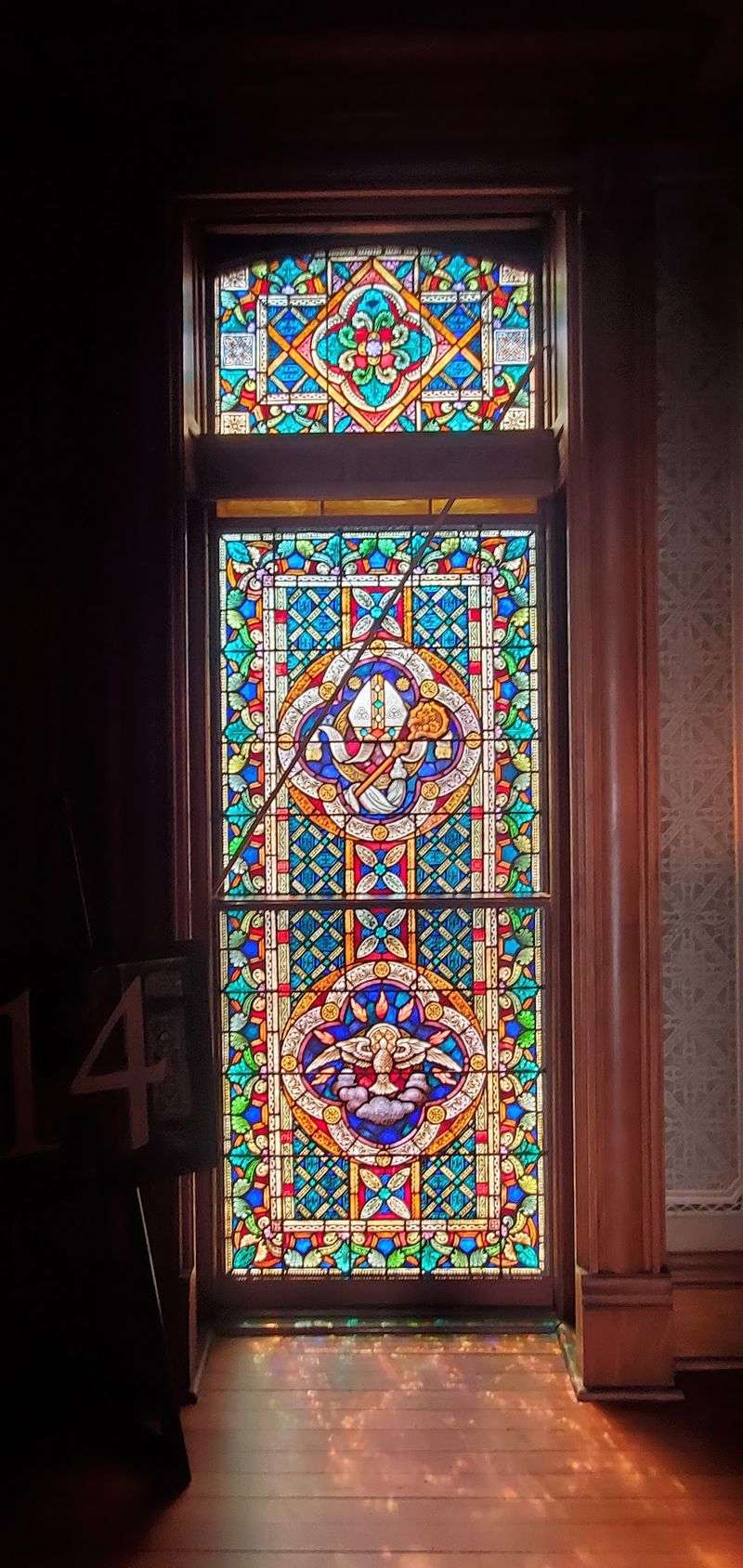
Color becomes part of the room when sunlight passes through a stained glass window. Instead of acting only as decoration, the glass changes how nearby surfaces look and feel. A bright afternoon and a cloudy morning may offer quite different impressions of the same feature.
Pause near the windows along the approved tour route and notice the relationship between glass, wood, and daylight. Some details are easier to see when you step back rather than move closer. Give your eyes a moment to adjust before deciding which colors stand out most.
Photography can be tricky because a bright window may leave the surrounding room looking dark. If pictures are permitted, try a wider view first, then a closer image of the glass. Avoid flash unless staff specifically allows it, and never lean across barriers for a better angle.
Families can turn this stop into a simple observation game. Ask each person to choose a favorite color or describe how the window changes the mood. There is no need to identify every design to enjoy the effect.
Leave room for other visitors to pass while you look. The nicest experience comes from watching quietly, then noticing how the next room uses light in a completely different way throughout the day.
Fireplaces, Painted Ceilings, and Small Surprises
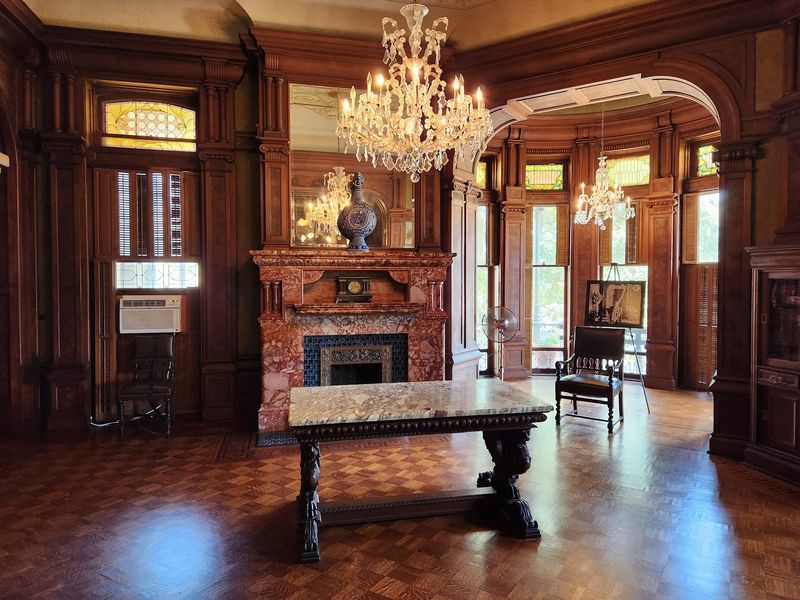
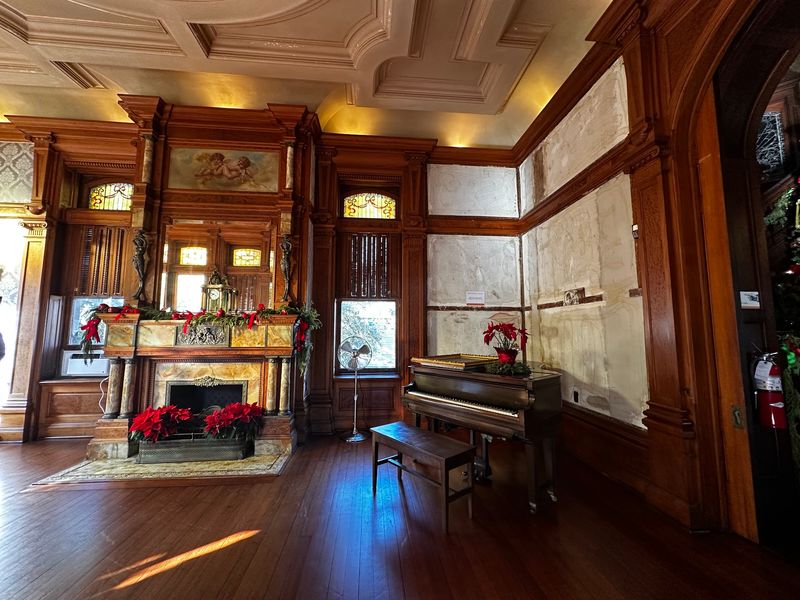
Looking straight ahead is not enough in a house where decoration can reach from the floor to the ceiling. Painted surfaces, marble fireplaces, and carefully finished rooms invite you to change your usual sightseeing habits. Look up, look down, and let the smaller features share the spotlight.
The fireplaces are worth studying as pieces of room design, not just sources of warmth. Notice how their materials and shapes relate to nearby walls and woodwork. A fireplace can act as a visual center, helping explain how furniture and conversation once gathered around it.
Ceiling paintings add another layer of interest above eye level. Rather than walking while looking upward, stop in a safe spot before examining them. That small pause protects you from steps, furniture, and other visitors while giving the artwork proper attention.
Do not assume every object on display has remained in exactly the same place since the house was built. Use the audio commentary, room information, or staff guidance to separate documented history from your own guesses. Questions about materials and original room use often reveal more than a quick photograph.
Pick one favorite detail before moving on. Remembering a single fireplace or painted ceiling can make the visit more vivid than collecting dozens of rushed pictures.
A Mansion That Became a Bishop’s Home
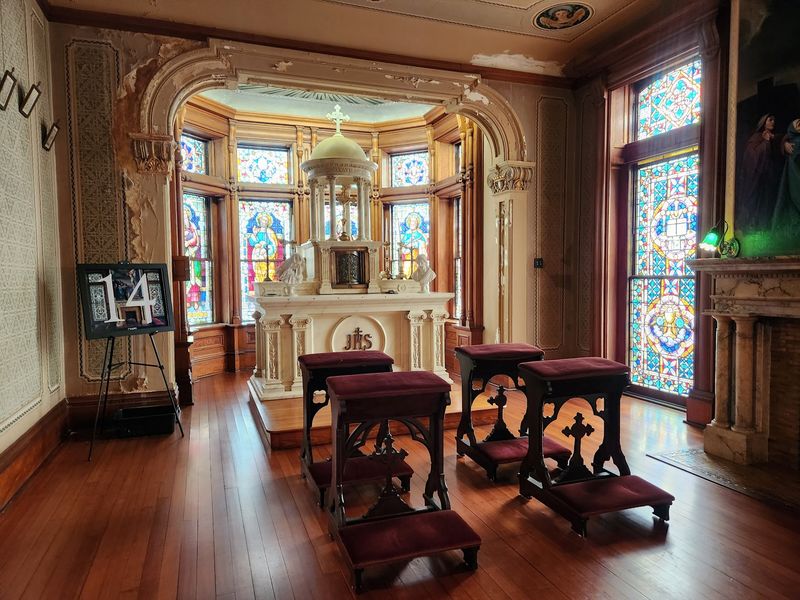
A change of owners gave the building a new purpose and the name visitors know today. In 1923, the Catholic Diocese purchased the former Gresham home for use as a bishop’s residence. That later chapter helps explain why a private mansion also contains a chapel.
The shift is a reminder that historic houses do not always tell one neat story. Rooms may change as new residents bring different needs, beliefs, and daily habits. Pay attention when the tour separates the original family years from the building’s religious use.
When the chapel is accessible on your visit, approach it as a place with its own meaning. Notice how its purpose differs from rooms created for entertaining or family comfort. Keep conversation quiet, follow posted rules, and give other visitors space to reflect.
Another major chapter came earlier, during the devastating hurricane of 1900. The house survived, and the Greshams sheltered people during the disaster. Knowing that history changes the way its sturdy exterior feels, turning an impressive design into a reminder of shelter and survival.
Ask staff which parts of these stories are covered by your chosen tour. Connecting the family home, storm refuge, and bishop’s residence makes the building far more meaningful than its castlelike appearance alone might first suggest.
Choose Between a Relaxed Tour and Deeper Access
Some visitors want to wander slowly, while others want a guide who can explain every turn. Choosing the right tour matters because admission types do not necessarily cover the same spaces. A standard visit and a special guided experience can offer different levels of access.
Visitors commonly describe a self guided audio tour that lets them explore at their own pace. You can spend longer with a favorite room instead of keeping up with a large group. Ask staff how the current audio system works and whether personal headphones are compatible.
For a broader look, check the official schedule for the Basement to Attic tour. This special option has offered access beyond the regular visitor route, including upper areas. Availability, routes, and room access can change, so confirm details before buying tickets.
Book ahead if seeing additional floors is a main reason for your visit. Do not assume an ordinary admission ticket includes every staircase or room you notice. Allow extra time for guided visits, since questions and careful movement through the house can extend the experience.
Printed guides in English and Spanish have also been offered, according to the operator’s response to visitor feedback. Ask about current alternatives if audio is difficult for you or someone in your group.
Plan a Comfortable Visit and Protect the Details
A little planning leaves more room for enjoyment once you step through the door. Budget roughly ninety minutes to two hours if you like listening, looking closely, and taking permitted photographs. A shorter visit is possible, but rushing makes the rooms blend together.
The supplied listing shows daily hours of 10 AM to 5 PM. Confirm opening times, last admission, ticket prices, and special closures through the official website before traveling. Historic properties may adjust access for repairs, events, or safety needs.
Wear comfortable shoes and expect stairs as part of the experience. Anyone with mobility concerns should contact staff beforehand to discuss the current entrance arrangements and accessible areas. For questions, the listed phone number is +1 409-762-2475.
Several visitors report quieter conditions on weekdays, although crowds can vary. Keep your audio volume considerate, follow the marked route, and avoid sitting on historic furniture. Preservation depends on thousands of small choices made by the people who visit.
Save a few minutes for the gift shop if you enjoy books or souvenirs. A thoughtful purchase can become a reminder of the craftsmanship you noticed inside. Most of all, leave gaps in your schedule so the visit feels like an exploration rather than another appointment to finish before the day ends.