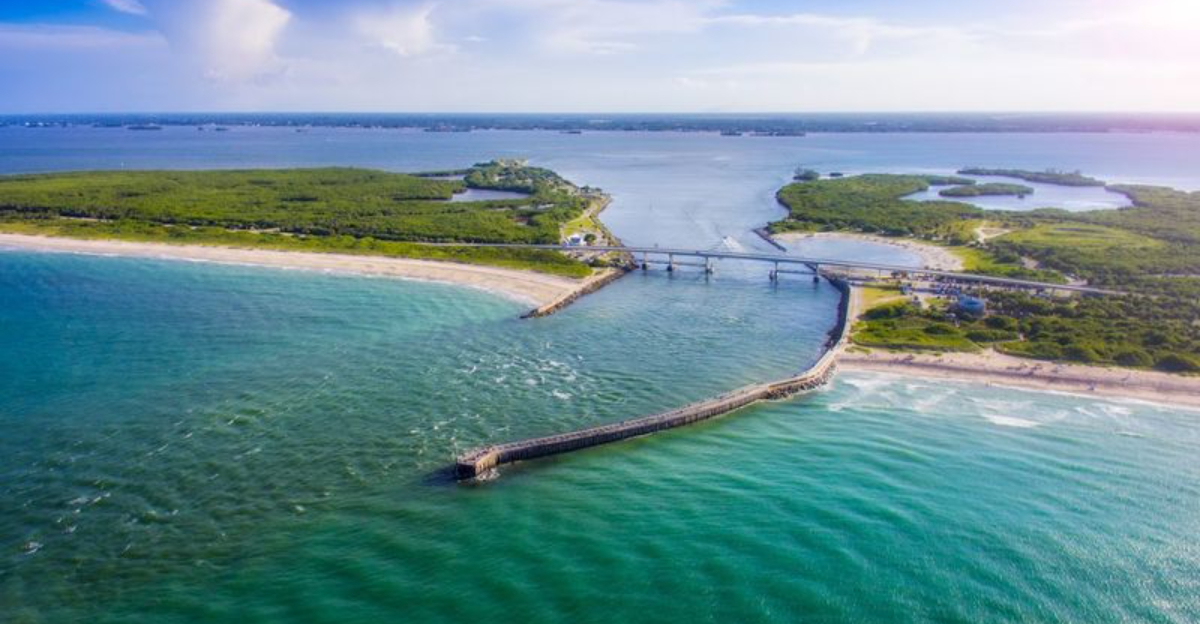
If you chase waves in Florida, Sebastian Inlet is the kind of place that keeps showing up in every serious surf conversation.
This narrow break between the Atlantic and the Indian River Lagoon turns ordinary swell into something far more exciting, drawing surfers from all along the coast.
On the right day, it delivers fast walls, punchy peaks, and the kind of session you talk about for weeks.
Here is what makes this inlet so magnetic, and how to make the most of your visit.
Sebastian Inlet’s Strategic Coastal Location
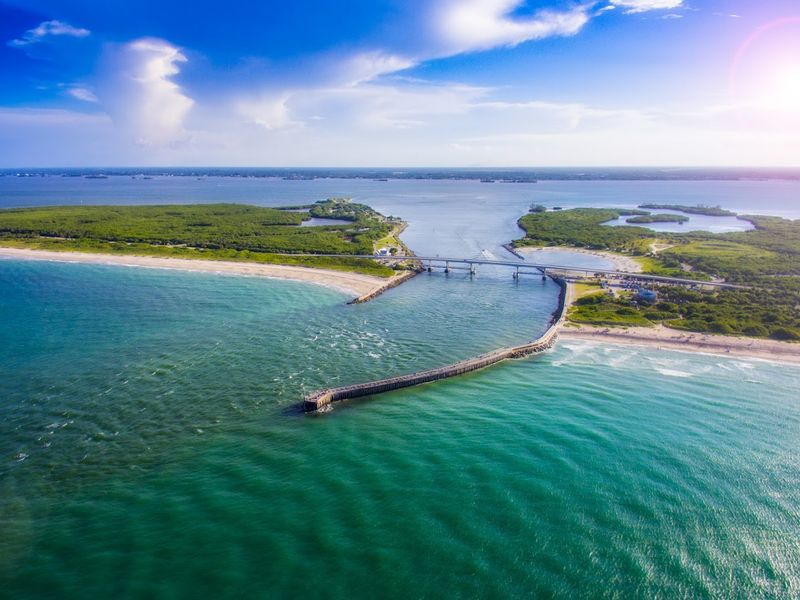
Sebastian Inlet State Park sits in a position that feels almost engineered for surf, even though nature did all the work. Where the Atlantic Ocean meets the Indian River Lagoon, the coastline narrows into a pass that funnels moving water and incoming swell.
That squeeze gives waves more shape and punch than you might expect from much of Florida’s softer shoreline.
What makes the inlet stand out is how efficiently it captures energy from a range of swell angles. Instead of letting that energy spread weakly across miles of beach, the inlet focuses it near the jetties and adjacent sandbars.
When you are looking for consistency in a state known for fickle surf, that geographic advantage becomes the whole story.
I think that is why so many surfers are willing to drive a little farther just to paddle out here. You are not only betting on a forecast, you are betting on a place that naturally improves what the Atlantic sends in.
Even on average days, Sebastian Inlet often looks more organized, more powerful, and more rideable than nearby beaches, which is exactly why it has earned such a loyal following.
The Famous North Jetty Break
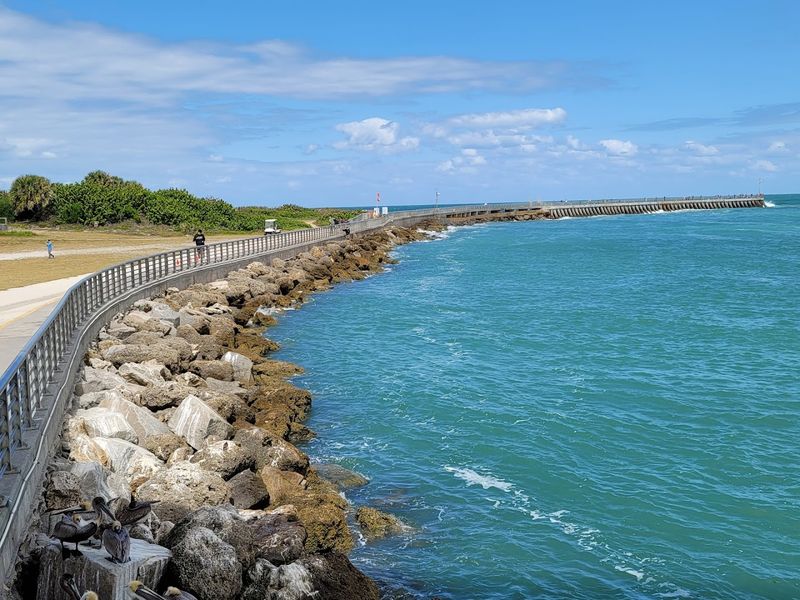
The North Jetty is the break most surfers picture when Sebastian Inlet comes up, and for good reason. On the right swell direction, it can produce fast, hollow waves that feel far more serious than most people expect from Florida.
The wave stands up quickly, runs with speed, and can offer those rare barreling sections that keep advanced surfers coming back.
This spot rewards experience because timing and positioning matter from the moment you paddle out. The combination of jetty structure, tide movement, and shifting sand can create a lineup that looks inviting but demands commitment once a set arrives.
If you hesitate, the best section is gone, and if you misread the takeoff, the rocks suddenly feel much closer.
That challenge is part of the North Jetty’s legend. Surfers do not make the drive just to catch anything, they come hoping for that one wave that runs clean and hollow down the line.
When conditions line up, the break delivers a level of performance surfing that has shaped Florida surf culture for decades and made Sebastian Inlet one of the state’s most iconic places to paddle out.
South Jetty’s More Forgiving Waves
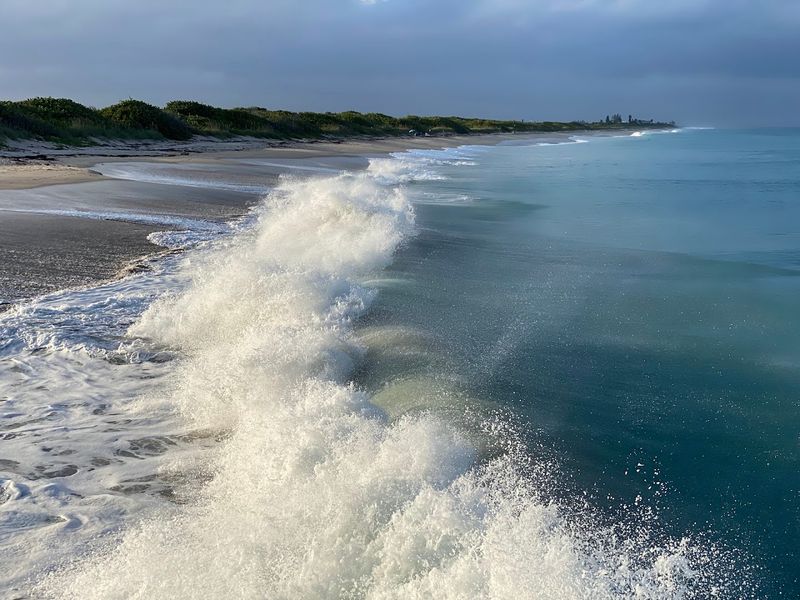
On the other side of the inlet, the South Jetty usually offers a friendlier version of the Sebastian experience. The waves can still have plenty of shape and energy, but they often break in a way that feels more approachable for intermediate surfers.
If you want a session that is exciting without being relentlessly punishing, this side often makes more sense.
Longboarders also tend to appreciate the South Jetty when the swell spreads more evenly across the inlet. Instead of the quick, hollow urgency that makes the North Jetty famous, you may find cleaner shoulders and more room to settle into a line.
That can make the wave feel less like a test and more like something you can read, enjoy, and build confidence on.
I would still treat it with respect because this is Sebastian Inlet, not a sleepy beginner beach. Currents, crowds, and changing sandbars can shift the mood fast, especially when swell picks up.
Still, if you are deciding where to paddle out and want a balance between challenge and fun, the South Jetty is often the side that lets you taste the inlet’s quality without taking the full brunt of its intensity.
Year-Round Surfability by Florida Standards
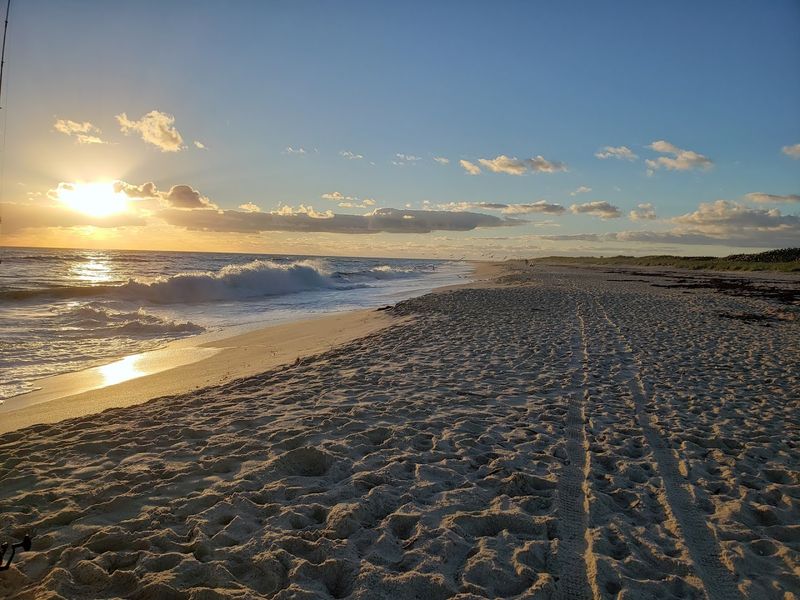
One reason Sebastian Inlet has such a devoted following is simple: it stays surfable more often than many other Florida spots. Across the state, plenty of beaches go disappointingly flat for long stretches, leaving surfers staring at weak shorebreak or glassy nothing.
Sebastian benefits from regular Atlantic exposure, so even modest swell can show up with enough structure to make a session worthwhile.
Winter cold fronts help keep things moving when cooler weather pushes energy into the Atlantic. Later in the year, tropical systems begin adding another layer of possibility, sometimes sending cleaner and more powerful swell toward the inlet.
Because the break can respond to several seasonal patterns, surfers do not have to pin all their hopes on one narrow window.
That kind of reliability matters if you are deciding where to spend gas money, time, and optimism. You may not score epic waves every week, but the odds of finding something rideable are usually better here than at many nearby beaches.
In Florida terms, that is huge, and it explains why surfers from up and down the coast keep checking Sebastian first whenever they hear even a hint of swell in the forecast.
Hurricane Season Swell Events
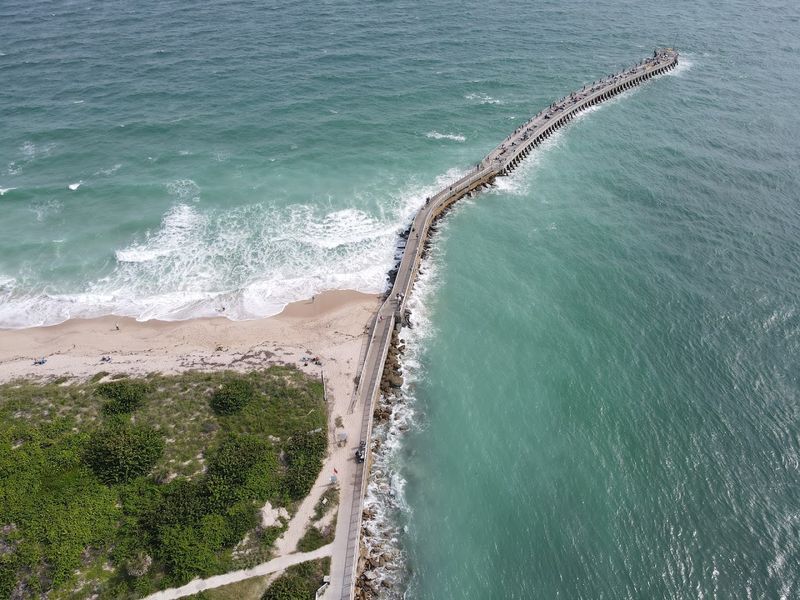
When tropical storms or hurricanes pass offshore, Sebastian Inlet can shift from dependable to unforgettable in a hurry. Long-period swell arrives with more power, more interval, and much more consequence, transforming the lineup into something that looks and feels charged.
For skilled surfers, these are the days that fuel road trips, predawn alarms, and endless forecast refreshing.
The quality can become exceptional, with waves standing taller, wrapping cleaner, and breaking with a kind of purpose that is rare along much of the Florida coast. At the same time, everything gets more serious.
Stronger currents, moving sandbars, tighter takeoff zones, and heavier wipeouts mean that what looks amazing from the beach may be dangerous in the water.
I think this is where local knowledge really matters, because storm surf can humble even confident surfers. It is tempting to chase the best wave of the season, but the inlet demands respect when tropical energy lights it up.
If conditions are beyond your comfort zone, watching from shore is still part of the experience, and sometimes the smartest call is appreciating the spectacle without paddling into something you are not ready to handle.
Tide Sensitivity and Wave Quality
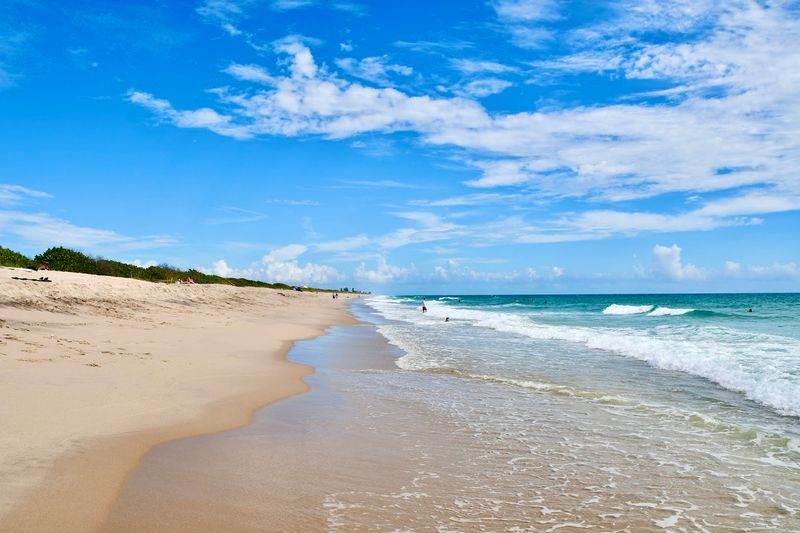
Tide can completely change the personality of Sebastian Inlet, which is why experienced surfers pay close attention before they head out. A wave that looks messy or sectioned at one stage of the tide can clean up beautifully a few hours later.
Around here, mid to incoming tide is often the sweet spot because it helps shape the surf over the shallow sandbars and jetty structure.
That extra water can smooth out the break just enough to make sections connect more naturally. Instead of a wave shutting down too quickly or wobbling apart, you may get a cleaner face and a more predictable line.
It is not a guaranteed formula, because wind and swell direction still matter, but tide often decides whether the session feels average or memorable.
If you are visiting for the first time, checking the tide chart is not optional background information, it is part of the whole strategy. Showing up at the wrong stage can leave you wondering why this famous spot seems underwhelming.
Time your paddle-out better, though, and you are much more likely to understand why Sebastian Inlet has built its reputation on quality rather than just frequency.
Strong Rip Currents and Navigation Hazards
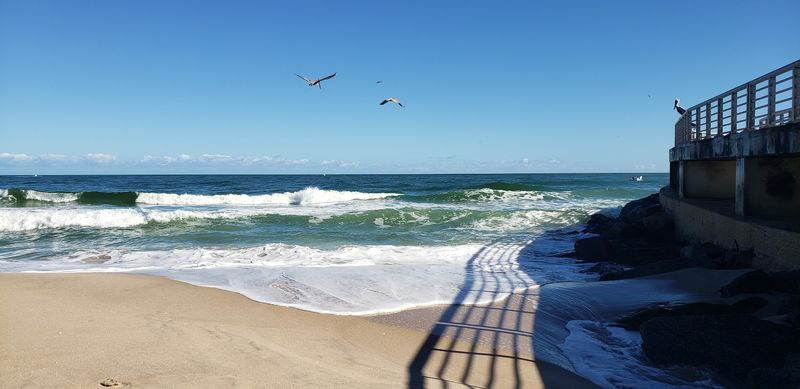
Sebastian Inlet’s power is part of its appeal, but it also creates very real hazards that you should not underestimate. The channel flow generates persistent rip currents, especially near the jetty rocks, and those currents can move faster than they appear from shore.
For surfers, they can help with paddling position at times, but they can also pull you into places you never intended to be.
The rocks themselves add another layer of consequence. A mistimed exit, a broken leash, or a bad wipeout on a bigger day can turn a routine session into a dangerous situation quickly.
Swimmers need to be just as cautious, because the inlet is not a mellow, predictable beach break where drifting a little out of place feels harmless.
I would treat navigation here as part of the skill set, not an afterthought. Watch the water before you enter, note where others are paddling out, and have a clear plan for getting in and getting back to shore.
Sebastian rewards awareness as much as ability, and if you respect the currents and structure instead of ignoring them, you will give yourself a much better chance of having the kind of session worth remembering.
Crowds and Local Surf Culture
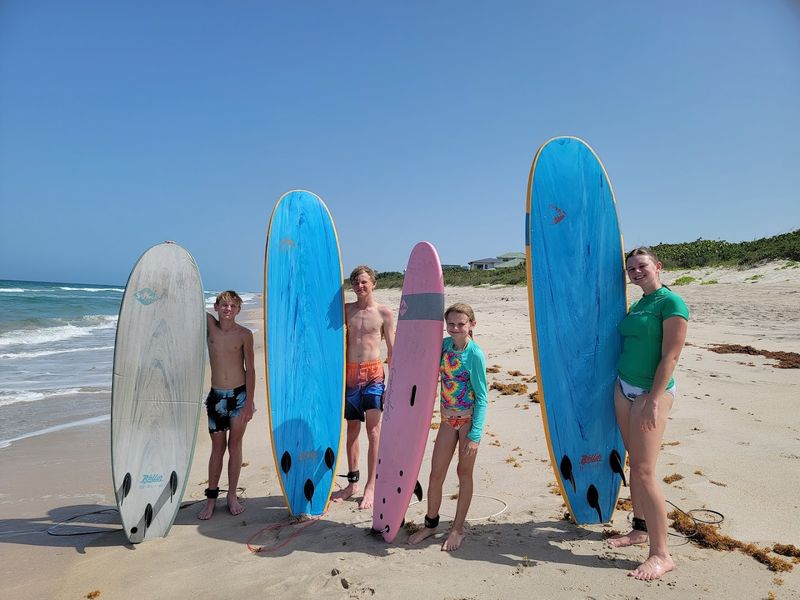
Because Sebastian Inlet has earned such a strong reputation, crowds are simply part of the deal on good days. Surfers drive in from all over Florida, and when the forecast starts looking promising, the lineup fills fast with everyone from seasoned locals to hopeful visitors.
That mix creates an electric atmosphere, but it also means wave selection and etiquette matter a lot.
Local surf culture here runs deep, shaped by years of memorable sessions, competitive history, and a shared respect for the inlet’s moods. You can feel that legacy in the parking lot conversations, the way people study the tide, and the quick judgments made about where the best peak will form.
If you paddle out with humility, patience, and awareness, you are much more likely to have a positive experience.
Early mornings and weekdays usually offer your best shot at a little more breathing room. Weekend peaks and standout swell events can get crowded enough that every wave feels earned, especially at the more famous takeoff spots.
Still, even with the competition, there is something energizing about sharing the water with people who clearly understand why this place is worth the drive and worth the wait.
Visitor Info and Tips for the Best Experience
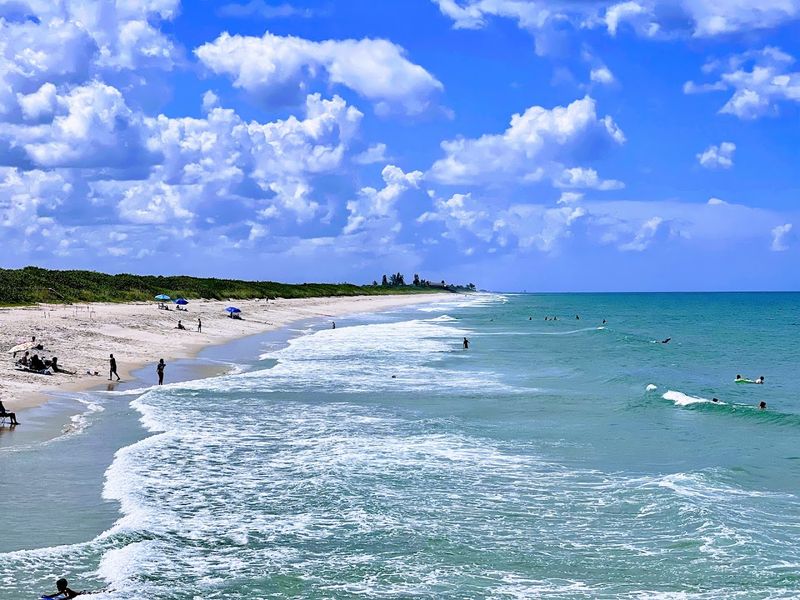
If you are planning a surf day at Sebastian Inlet State Park, a little preparation goes a long way. The park is located at 9700 S Hwy A1A, Melbourne Beach, FL 32951, and arriving early is one of the smartest moves you can make.
Parking fills up quickly when surf is on, especially during weekends, holidays, and any swell event that gets people excited.
Bring the basics, but also think specifically about inlet conditions. Reef-safe wax, extra fins, and water shoes can all come in handy, particularly when the entry is rocky or the surf is heavier than expected.
Before you leave home, check swell direction, tide charts, and wind because the difference between a fun session and a frustrating one often comes down to timing.
The park also charges a small entrance fee, which is worth factoring into the day. Restrooms, picnic areas, and easy access make it simple to turn a quick paddle into a full outing, whether you are surfing, watching, or traveling with friends and family.
If you plan ahead and stay flexible, Sebastian Inlet becomes more than a surf stop, it turns into one of the most rewarding coastal day trips in Florida.