Pennsylvania doesn’t just have skylines—it has giants.
From needle-like towers piercing the clouds in Philadelphia to steel-framed legends rising over Pittsburgh, these buildings demand attention the second they come into view. They don’t just fill the skyline.
They own it.
Some were built to break records. Others changed the way their cities looked forever.
Together, they turned Pennsylvania into a place where old brick streets and soaring glass towers collide in the best way possible.
Step closer, and each one tells a different story—money, power, design, and big-city dreams stacked floor after floor. These are the ten tallest buildings in Pennsylvania, and every one of them leaves a mark you can spot from miles away.
Comcast Technology Center
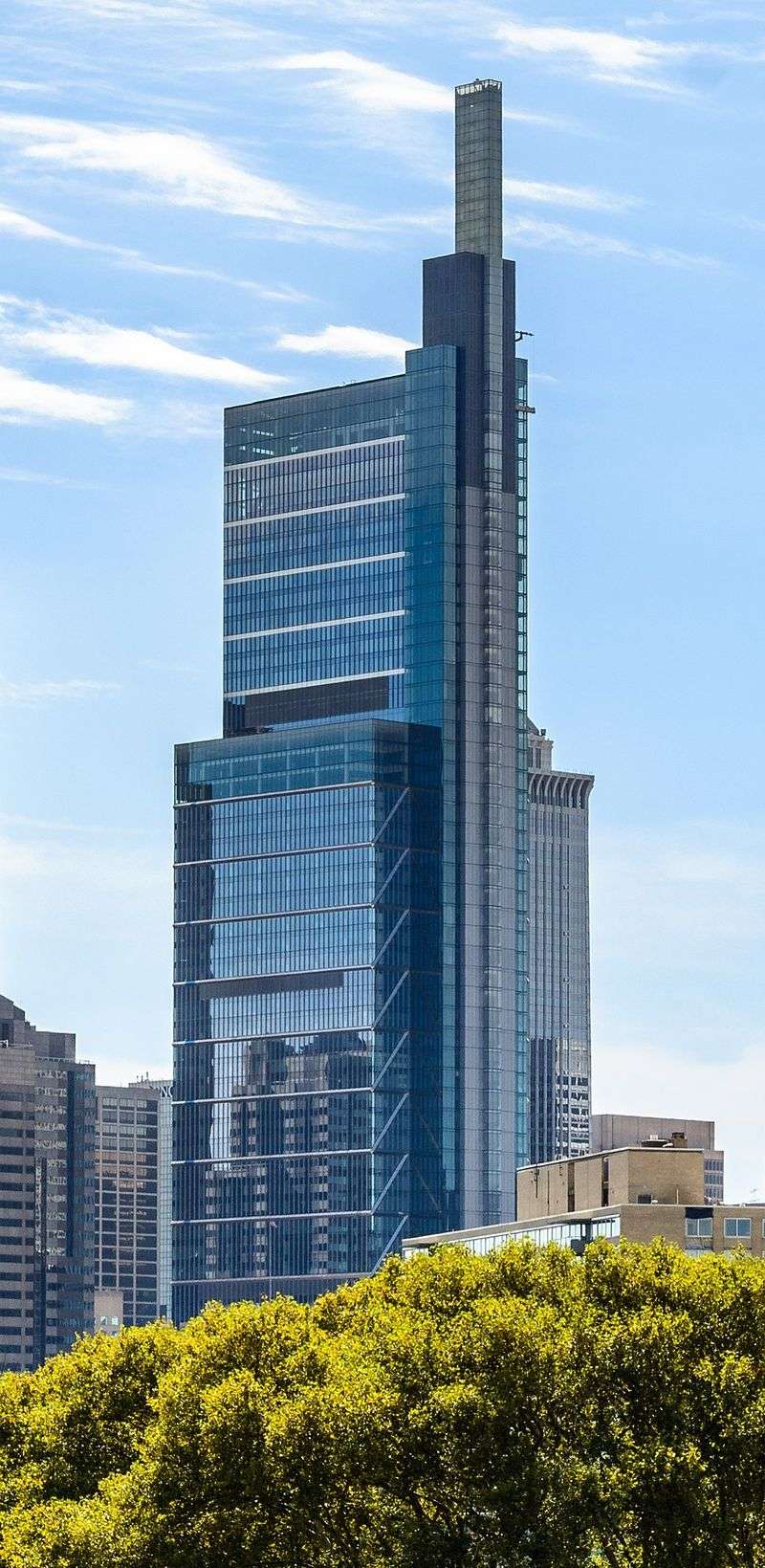
Reaching 1,121 feet into the sky, this supertall marvel claims the crown as Pennsylvania’s absolute tallest structure. The Comcast Technology Center didn’t just break records when it opened; it redefined what a Philadelphia skyscraper could be.
Designed by the world-renowned Foster + Partners, its sleek glass exterior catches sunlight differently throughout the day, creating a constantly shifting visual display.
Inside, this isn’t just another office tower. The building blends corporate headquarters with a Four Seasons Hotel, broadcast studios, and observation spaces that offer breathtaking city views.
Advanced engineering allows the structure to withstand powerful winds while maintaining energy efficiency that sets new standards.
What makes this tower truly special is how it anchors Center City’s evolution into a 21st-century business hub. The surrounding streetscape was redesigned to complement the tower’s presence, creating pedestrian-friendly plazas below.
Standing near it, you can’t help but crane your neck upward, feeling the sheer ambition that went into creating Pennsylvania’s tallest achievement in glass and steel.
Comcast Center
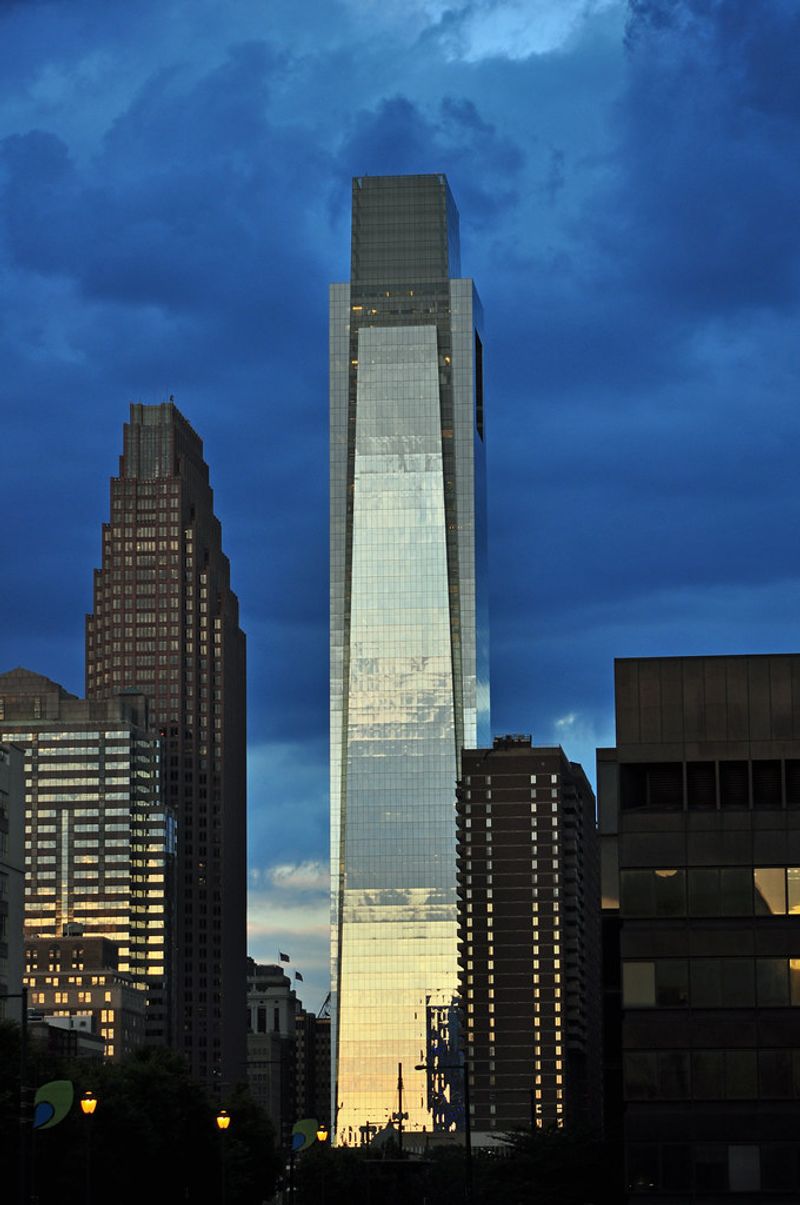
Before its taller sibling arrived, this 974-foot giant ruled Philadelphia’s skyline for over a decade. The Comcast Center remains an architectural powerhouse, its clean lines and glass surfaces creating an elegant profile against the city’s historic backdrop.
At night, the building transforms into a glowing beacon, thanks to an LED atrium that displays stunning light shows visible from blocks away.
Corporate headquarters don’t usually generate excitement, but this one does. The ground floor features a massive atrium with one of the largest high-definition video screens in the world, showcasing nature scenes and artistic displays.
Employees and visitors alike pause to watch seasonal content that brings a touch of natural beauty into the urban environment.
The tower’s impact extends beyond its physical presence. It helped revitalize the western edge of Center City, sparking new development in the area.
Its sustainable design earned LEED Gold certification, proving that massive office towers can embrace environmental responsibility while maintaining corporate elegance and functionality.
One Liberty Place
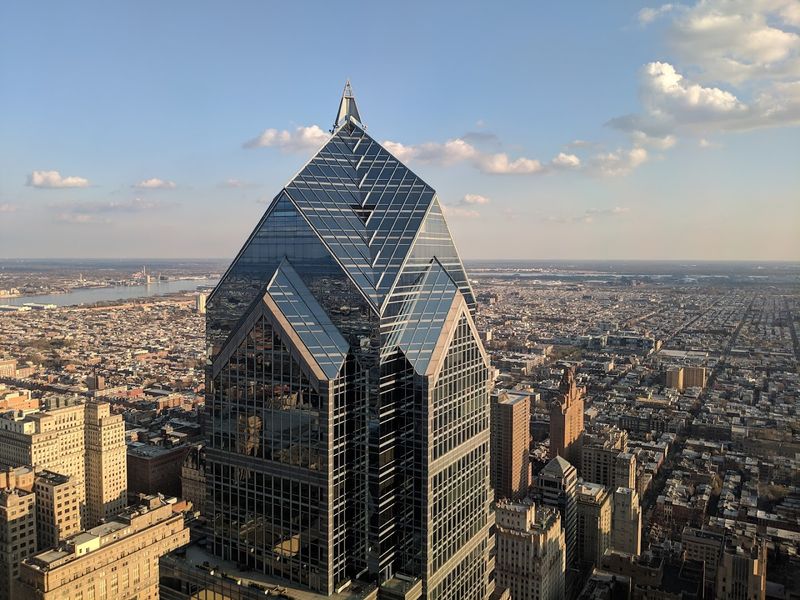
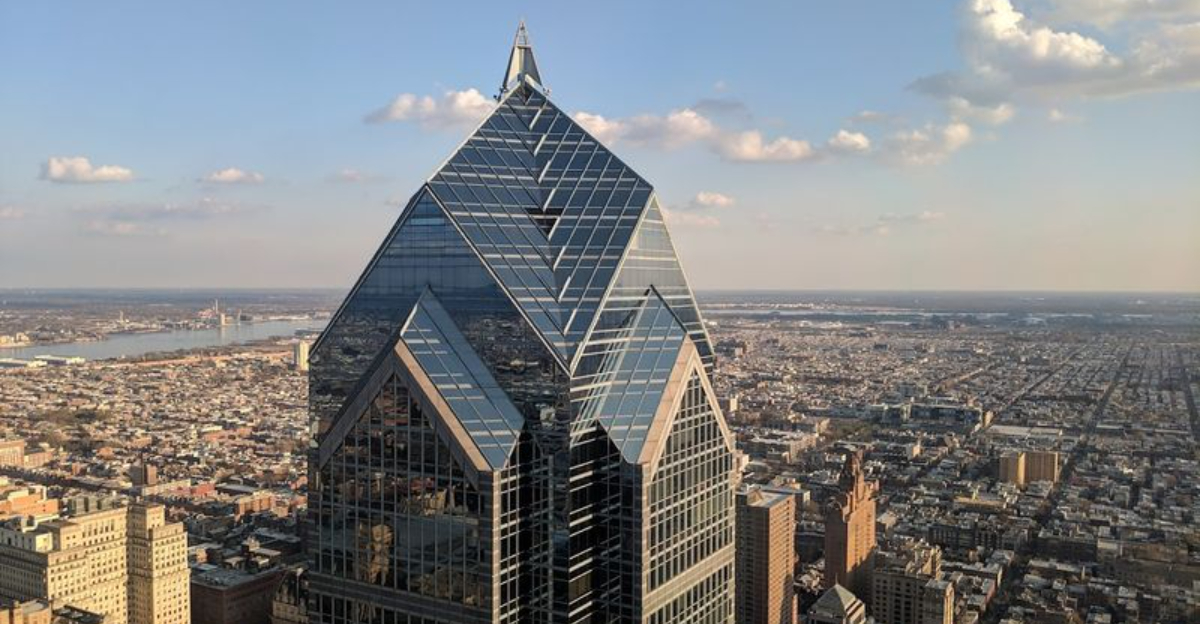
Did you know this skyscraper ended a 90-year informal ban on buildings taller than City Hall? One Liberty Place changed Philadelphia forever when it pierced the sky at 945 feet in 1987.
Its distinctive postmodern design, featuring a stepped pyramid crown and blue-tinted glass, became instantly recognizable and sparked a building boom that reshaped the entire city.
The tower’s triangular spire isn’t just decorative; it serves as a navigation landmark visible from miles away. Architect Helmut Jahn created a design that honors Art Deco influences while embracing contemporary materials and construction techniques.
The building’s setbacks and geometric patterns create visual interest from every angle, making it endlessly photogenic.
Beyond aesthetics, this structure represents a pivotal moment in urban planning history. By breaking the gentleman’s agreement that kept Philadelphia’s skyline relatively flat, it opened possibilities for vertical growth.
Today, it anchors Liberty Place complex, which includes retail, dining, and office space that keeps the area buzzing with activity day and night.
Two Liberty Place
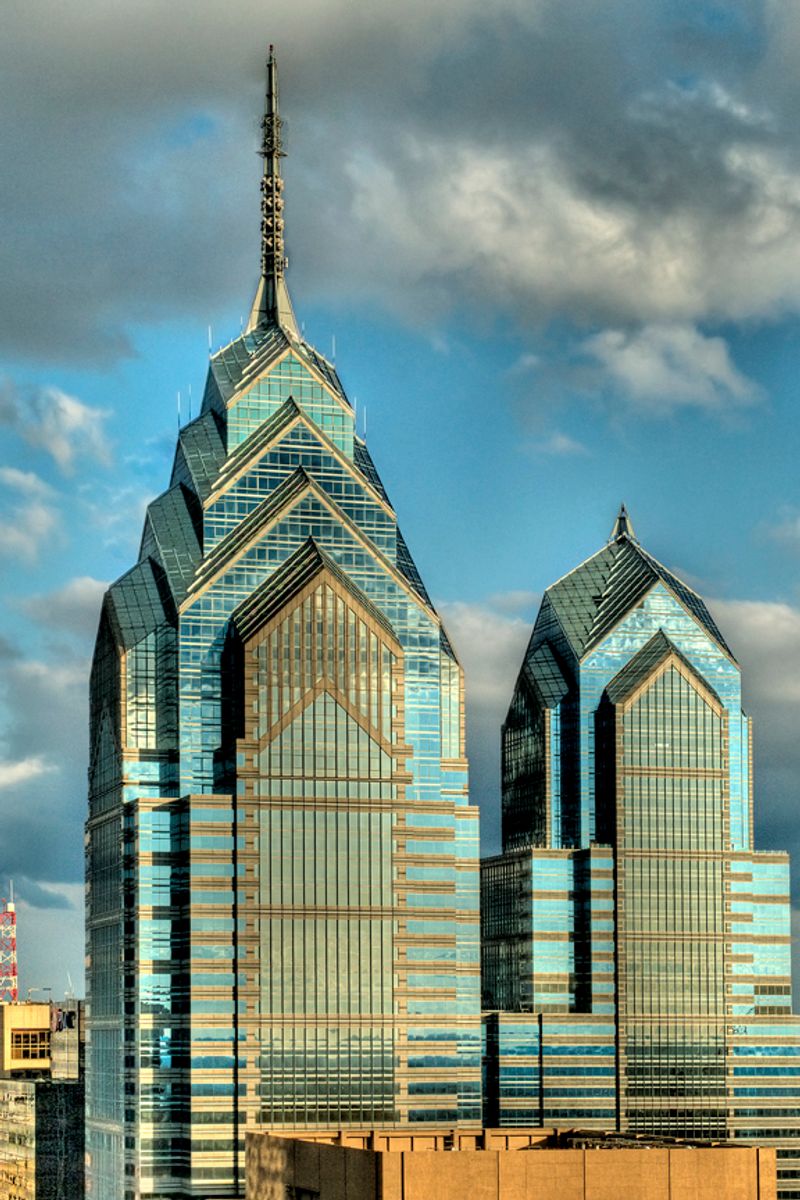
Standing 848 feet tall, this tower proves that sequels can be just as impressive as originals. Two Liberty Place joined its famous sibling to create a dynamic architectural pairing that adds symmetry to Philadelphia’s high-rise district.
While slightly shorter, it holds its own with a refined design that complements rather than competes with the original.
The building primarily serves corporate tenants seeking prestigious addresses in Center City’s heart. Its floor plates offer flexible layouts that accommodate everything from traditional offices to modern collaborative workspaces.
Floor-to-ceiling windows flood interiors with natural light while providing occupants with panoramic views of the Delaware and Schuylkill Rivers.
What’s fascinating is how these twin towers work together urbanistically. They frame views and create dramatic perspectives depending on where you stand in the city.
The development helped establish the concept of vertical neighborhoods in Philadelphia, where multiple towers cluster together to create density and energy.
Together, they’ve become such icons that locals simply say
U.S. Steel Tower
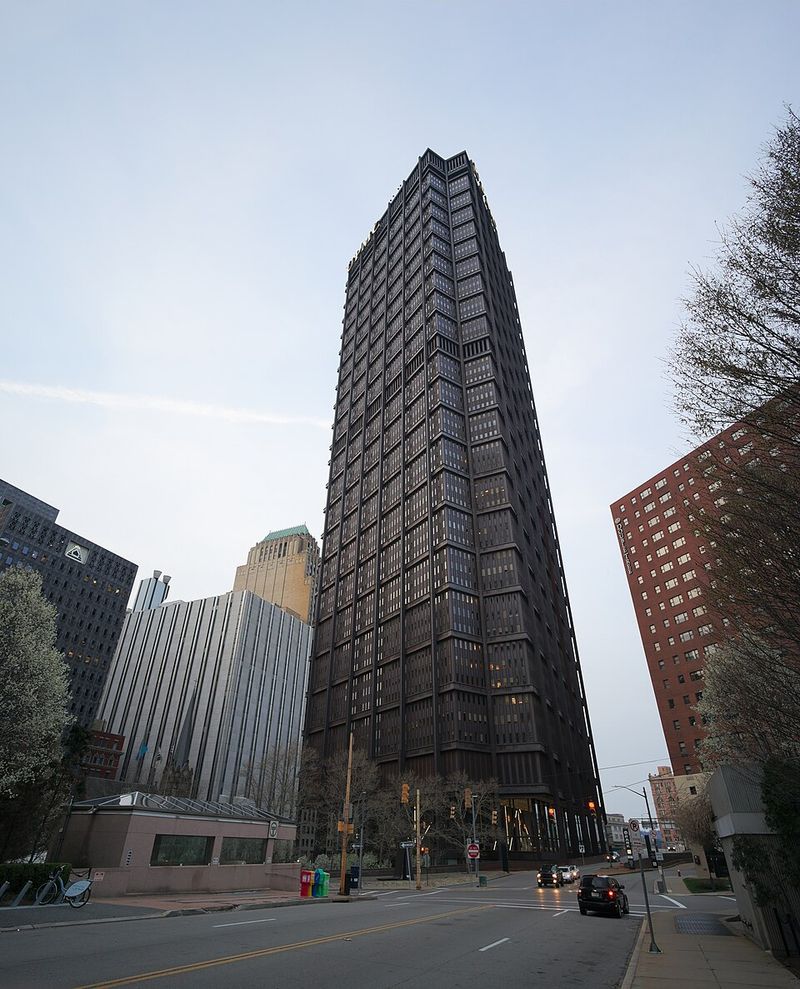
Pittsburgh’s tallest structure wears its industrial heritage like a badge of honor. At 841 feet, the U.S.
Steel Tower’s dark, weathered steel exterior creates a striking contrast against the sky, intentionally left untreated to develop a protective rust patina. This triangular giant doesn’t try to hide what it’s made of; instead, it celebrates the material that built the city.
The building’s unusual three-sided shape isn’t just for show. This design maximizes corner offices while creating structural efficiency that reduces material use.
Completed in 1970, it represented the steel industry’s confidence during an era when Pittsburgh’s economy depended heavily on manufacturing.
Time has only enhanced this tower’s character. The oxidized steel has deepened to rich brown tones that shift with weather and light conditions.
Inside, recent renovations have modernized facilities while respecting the building’s historic significance. From Mount Washington’s overlooks, this dark sentinel stands out immediately, anchoring Pittsburgh’s skyline with unmistakable presence.
It reminds everyone that this city’s modern success is built on a foundation of steel, hard work, and industrial innovation.
Three Logan Square
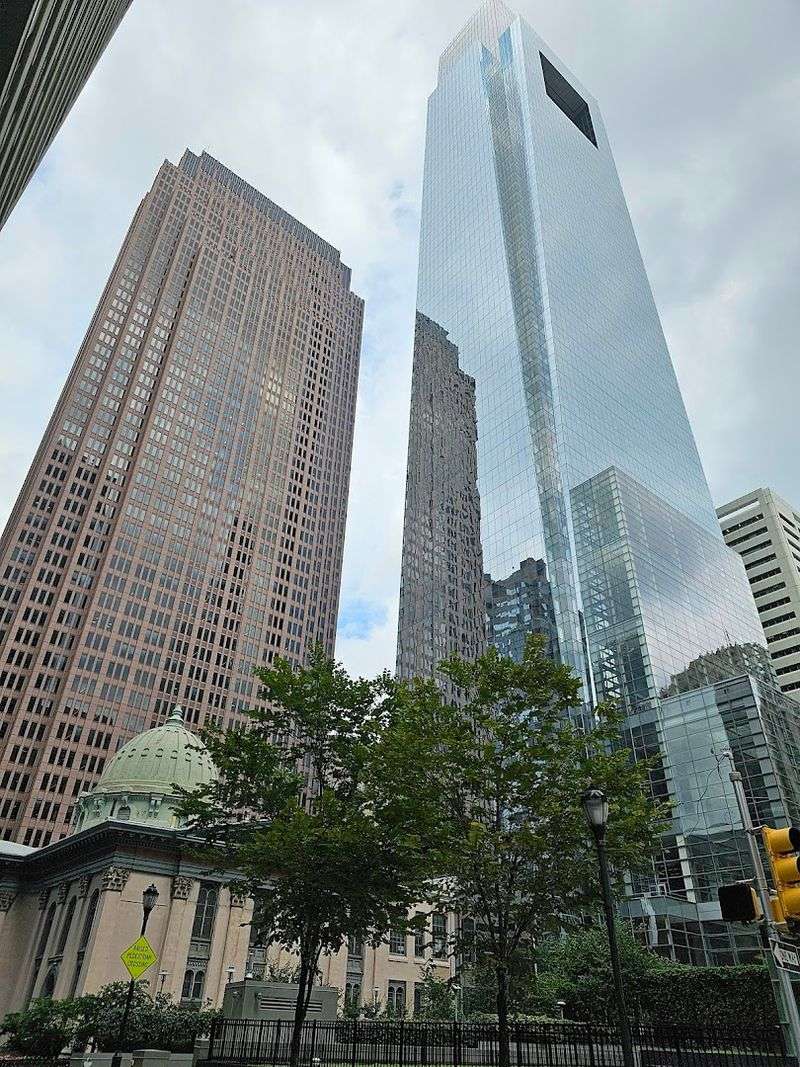
Soaring 739 feet above Logan Square, this modern tower brings fresh architectural energy to one of Philadelphia’s most historic neighborhoods. Three Logan Square’s glass facade reflects changing skies and nearby buildings, creating a dynamic surface that never looks quite the same twice.
Completed in 2009, it represents newer thinking about urban mixed-use development.
The building smartly combines office floors with a luxury hotel occupying upper stories. This dual-purpose design keeps the structure active around the clock, with business professionals during the day and hotel guests enjoying evening views.
The hotel component includes high-end restaurants and amenities that serve both visitors and locals.
Location matters tremendously here. The tower strengthens the Logan Square corridor, which had lagged behind other Center City areas in vertical development.
By choosing this site, developers signaled confidence in the neighborhood’s potential. Today, the building serves as a gateway between the Museum District and downtown business core, its modern presence bridging different aspects of Philadelphia’s identity.
The surrounding plaza creates ground-level public space that enhances pedestrian experience.
FMC Tower at Cira Centre South
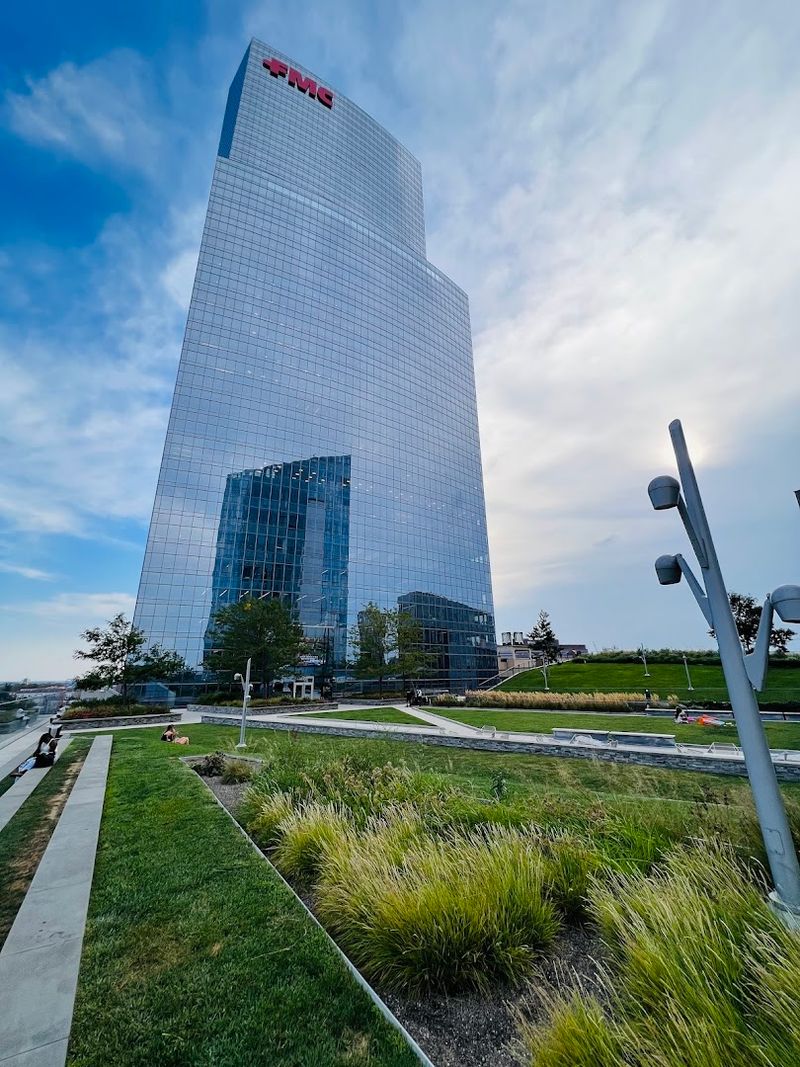
Here’s something different: a 730-foot residential tower that pushed Philadelphia’s skyline westward across the Schuylkill River. FMC Tower rises from the University City side, creating a striking presence in an area previously dominated by lower-rise buildings and academic facilities.
Its slender profile and modern glass skin mark a dramatic shift in how the city approaches riverfront development.
Living near the clouds comes with perks. Residents enjoy unobstructed views of both downtown Philadelphia and the river valley below.
The building’s height means upper floors experience less street noise while catching cooling breezes during summer months. Mixed-income housing within the tower ensures economic diversity rather than creating an exclusive enclave.
The tower’s companion, Cira Centre, creates a mini-skyline that announces University City’s transformation into a major urban hub. This development catalyzed additional construction nearby, proving that Philadelphia could grow beyond traditional Center City boundaries.
Standing on the Walnut Street Bridge, you can appreciate how these towers create new visual landmarks that help orient residents and visitors in previously undefined spaces.
BNY Mellon Center
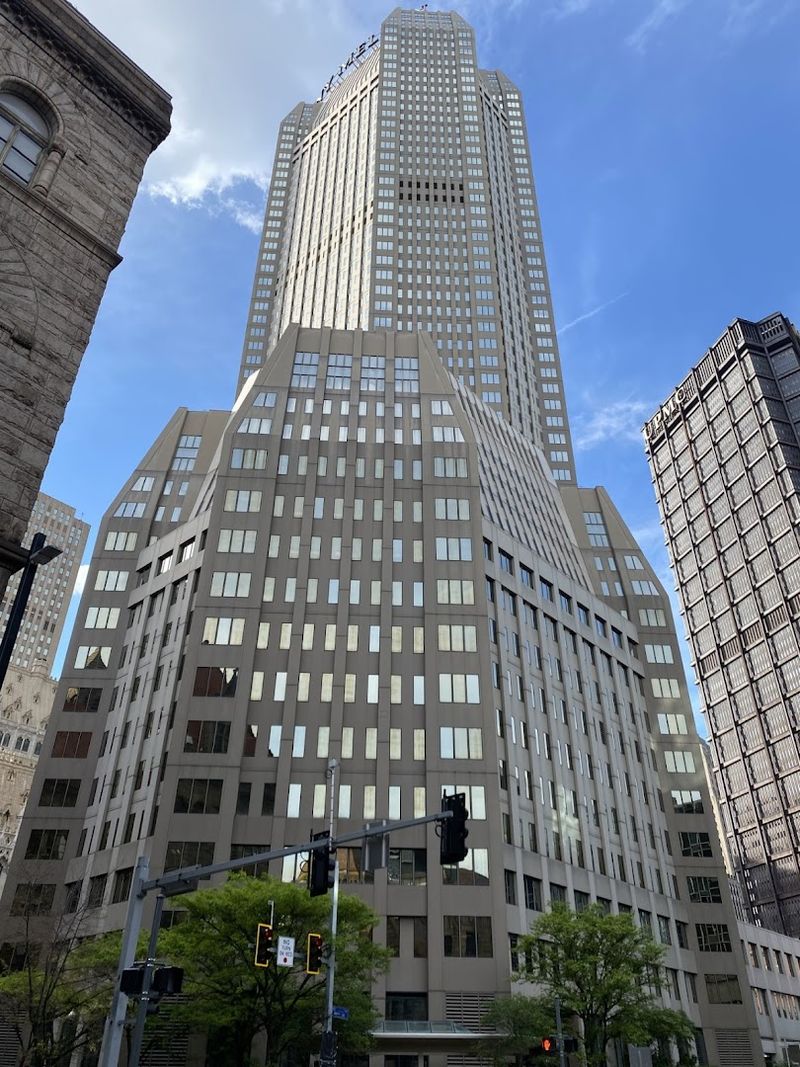
Pittsburgh’s Golden Triangle gets much of its visual punch from this 725-foot financial tower. BNY Mellon Center stands as a symbol of the city’s transition from manufacturing to finance and technology.
Its glass-and-steel construction style contrasts beautifully with older masonry buildings nearby, creating architectural dialogue between different eras of Pittsburgh’s economic evolution.
The building’s geometric precision reflects the financial sector it serves. Clean lines and reflective surfaces project stability and modern corporate culture.
Inside, trading floors and executive suites benefit from efficient layouts and advanced building systems that support 21st-century business operations.
What makes this tower particularly significant is its location at the heart of Pittsburgh’s business district. It anchors one corner of the Golden Triangle, the wedge-shaped downtown area where the Allegheny and Monongahela Rivers meet.
From Point State Park, you can see how this tower works with other skyscrapers to create Pittsburgh’s compact but impressive skyline. The building proves that financial centers can thrive in cities beyond New York and Chicago, bringing high-paying jobs and economic vitality to Western Pennsylvania.
G. Fred DiBona Jr. Building
Not every skyscraper serves corporate profits or luxury living. The G.
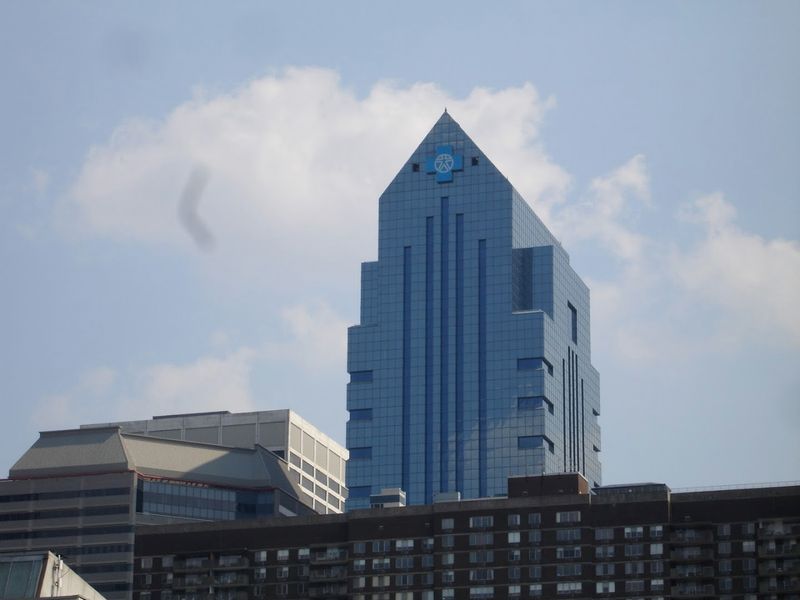
Fred DiBona Jr. Building reaches 625 feet as headquarters for Independence Blue Cross, making it a rare healthcare-focused addition to Philadelphia’s skyline. Located in the hospital district, it creates a visual anchor for an area dedicated to healing and medical innovation rather than finance or retail.
The building’s modern glass exterior signals transparency and forward-thinking healthcare management. Inside, thousands of employees work to administer health insurance for millions of Pennsylvanians.
The tower’s design includes wellness features for staff, practicing what the organization preaches about healthy environments.
This structure matters because it represents economic diversity in urban skylines. While most tall buildings house banks or apartments, this one demonstrates how healthcare organizations have grown into major economic forces.
The building’s presence elevates the surrounding neighborhood, spurring improvements to nearby streets and public spaces. From I-76, the tower provides a recognizable landmark that helps travelers orient themselves, proving that institutional buildings can contribute meaningfully to city identity and wayfinding.
The Laurel
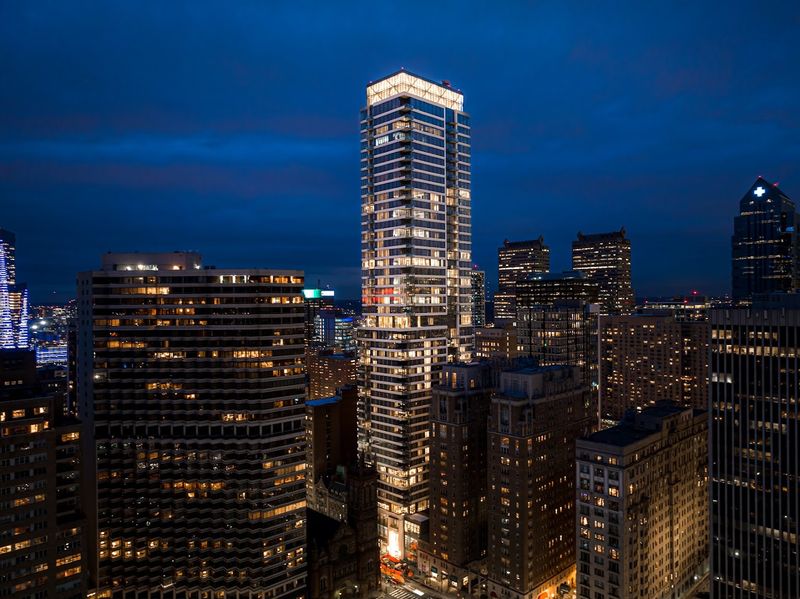
Philadelphia’s newest luxury residential addition stands 599 feet tall, bringing high-end urban living to the prestigious Rittenhouse Square area. The Laurel represents a growing trend toward super-tall residential towers that cater to affluent buyers seeking sky-high living in America’s historic cities.
Its sleek, contemporary design fits the neighborhood while adding vertical drama to an area known for elegant low-rise architecture.
Apartments here come with price tags and amenities that rival New York or Miami luxury towers. Residents enjoy concierge services, rooftop terraces, state-of-the-art fitness centers, and interiors designed by renowned firms.
Floor-to-ceiling windows frame views of the Schuylkill River, Benjamin Franklin Parkway, and the broader Philadelphia region.
The building’s location near Rittenhouse Square puts residents steps from the city’s finest dining, shopping, and cultural institutions. This tower signals Philadelphia’s growing appeal to wealthy individuals who might previously have chosen larger coastal cities.
By adding hundreds of luxury units to the market, The Laurel helps Philadelphia compete nationally for affluent residents while generating property tax revenue that supports city services and schools.