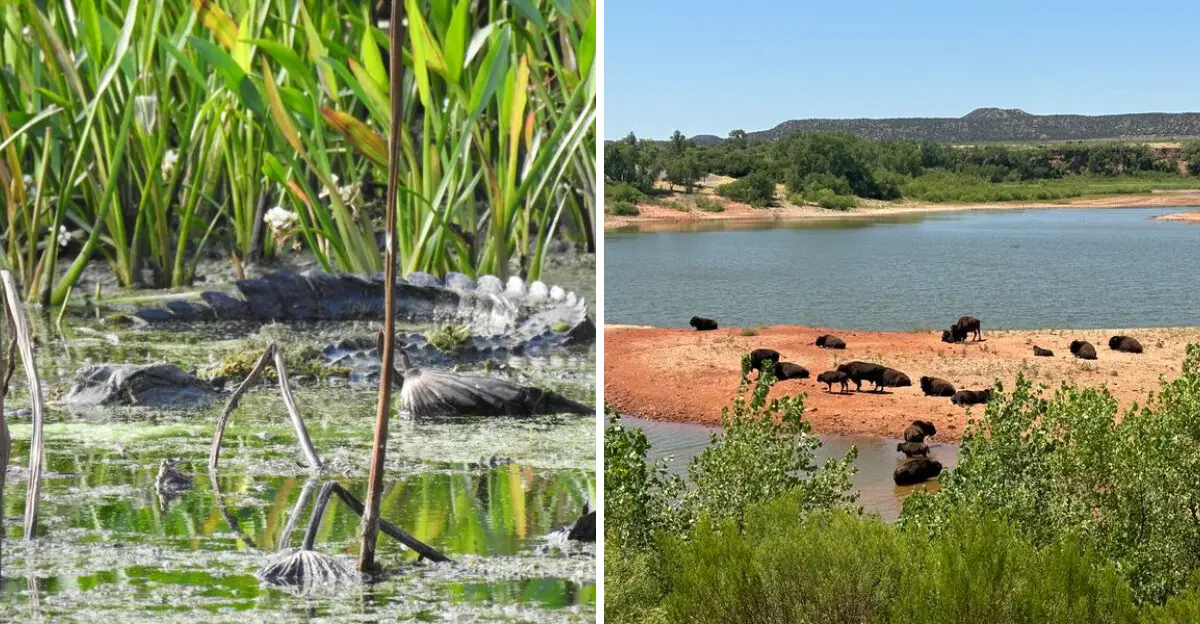
A Texas hike can turn into a wildlife adventure in the blink of an eye.
One minute, you’re following a dusty trail through canyon country, and the next, a bison is grazing nearby or an alligator is soaking up the sun beside the water. These encounters can make an ordinary day outdoors feel like something straight out of a nature documentary.
Texas is packed with trails that cross habitats filled with birds, deer, foxes, bison, reptiles, and plenty of other wild residents.
You never know what might appear around the next bend, which makes every mile a little more thrilling.
From rugged mountain paths to quiet wetlands and open prairie, these ten hikes offer scenery with a wild surprise waiting along the way.
Grab your binoculars, keep your eyes moving, and get ready for some unforgettable animal sightings.
Boot Canyon Trail – Big Bend National Park
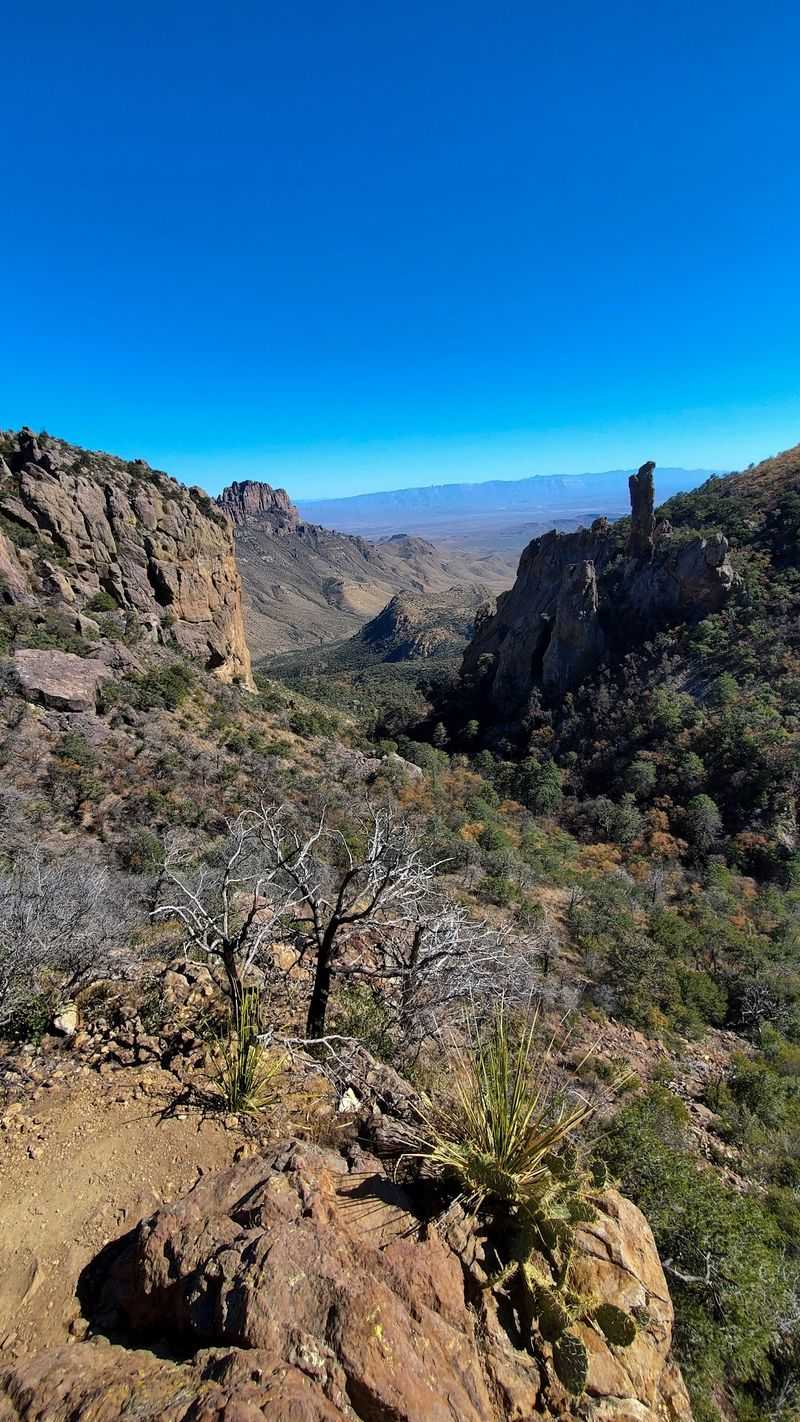
Steep switchbacks and rugged terrain make this Chisos Mountains adventure physically demanding, but the reward goes beyond stunning views. Black bear tracks pressed into dusty soil tell stories of recent visitors, while mountain lion scat reminds hikers they’re walking through true wilderness.
Rock squirrels dart across boulders with surprising speed. Mexican jays call out warnings from juniper branches overhead.
White-tailed deer pause mid-browse, their ears rotating toward unfamiliar sounds before bounding away through the canyon.
Gray fox prints appear along sandy stretches of trail, evidence of nocturnal hunters that roam these slopes after sunset. Every bend in the path offers potential for discovery, whether it’s turkey vultures soaring on thermal currents or a glimpse of something larger moving through distant ravines.
Carrying bear spray makes sense here, not from fear but from respect for sharing space with apex predators. The wildlife possibilities transform this strenuous climb into something deeper than exercise.
Nature operates on its own schedule in Big Bend, and hikers become temporary guests in a world where animals still claim the right of way.
Canyon Rim Trail – Caprock Canyons State Park
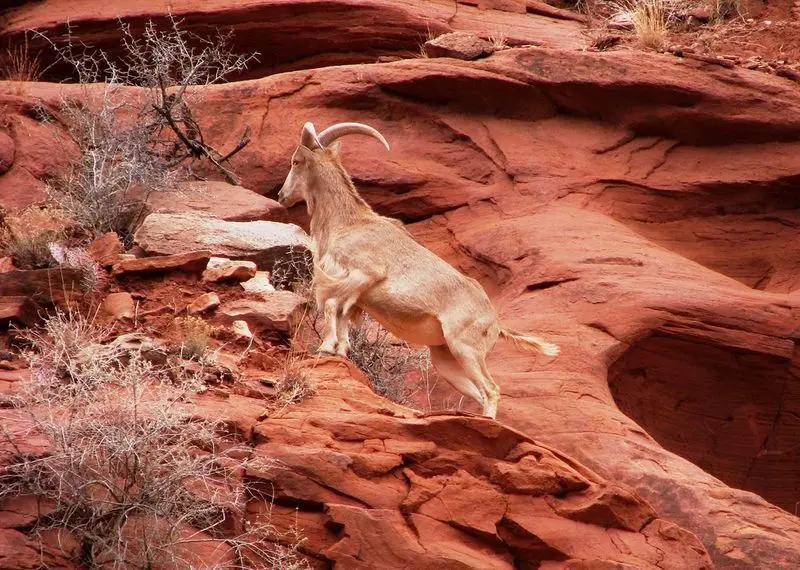
Standing at the canyon’s edge feels like stepping back centuries. Mixed-grass prairie stretches endlessly, swaying in winds that carry the scent of sage and juniper.
Texas Parks & Wildlife recommends this specific trail for observing animals in their native habitat, and the reasoning becomes clear within minutes.
American bison graze across the landscape, their massive shoulders rolling with each step. These aren’t zoo animals behind fences but descendants of the original herds that once darkened the plains.
Watching them move freely across terrain their ancestors knew creates an almost spiritual connection to Texas history.
Prairie dogs chirp warnings from their underground towns. Hawks circle overhead, scanning for movement in the grass below.
Cottontail rabbits freeze at the approach of footsteps, relying on stillness rather than speed.
The wide-open views mean wildlife sightings happen at a distance, giving both hikers and animals comfortable space. Binoculars become essential gear here.
Morning and evening hours bring the most activity, when temperatures cool and creatures emerge to feed or travel across the grasslands.
Painted Bunting Trail – Guadalupe River State Park
Named after one of North America’s most vibrant songbirds, this trail delivers exactly what its title promises during spring and summer months. Painted buntings flash electric blue, lime green, and crimson red as they dart between branches, looking more like tropical visitors than Texas natives.
The 3.1-mile route winds through classic Hill Country terrain where cedar, oak, and native grasses create perfect bird habitat. Warblers flit through canopy leaves while cardinals announce their presence with sharp whistles.
Patient observers might spot Carolina chickadees, tufted titmice, or even the occasional roadrunner strutting across open areas.
Persimmon Path’s wildlife viewing blind offers a different experience altogether. Sitting quietly inside this structure lets you watch animals behave naturally, unaware of human presence just feet away.
White-tailed deer approach cautiously to drink from nearby water sources. Raccoons waddle past at dusk.
Bring a field guide and camera with a decent zoom lens. The trail’s accessibility makes it popular with families, but early morning visits reward serious birders with less crowded conditions and more active wildlife behavior.
West Loop Trail – Lost Maples State Natural Area
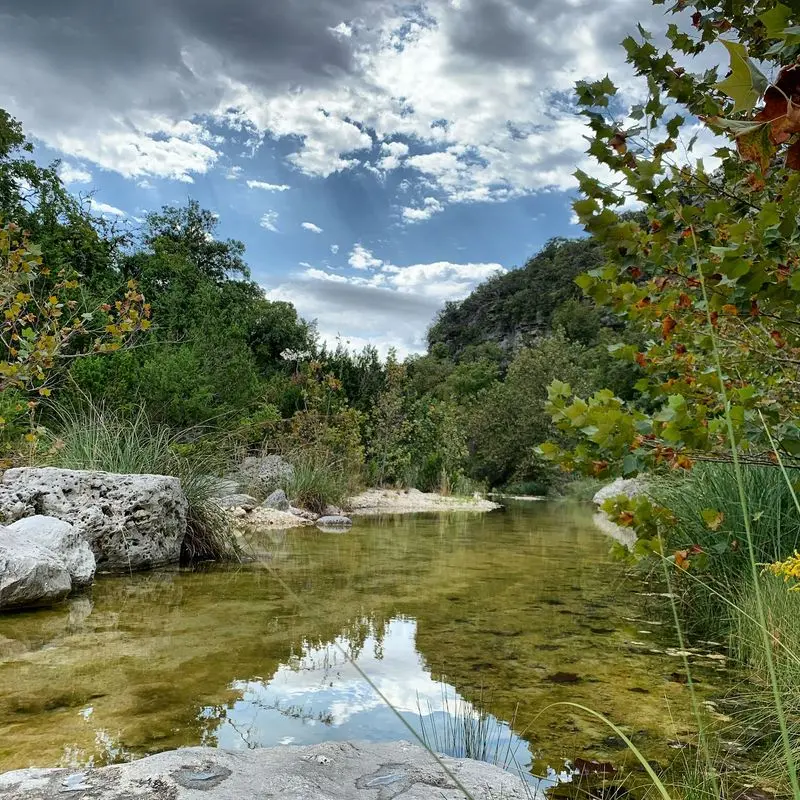
Remote and rugged describe Lost Maples perfectly. The West Loop travels through shady Ashe juniper groves where temperatures drop noticeably, even on hot afternoons.
Sunlight filters through twisted branches, creating dappled patterns on rocky ground below.
Wildlife diversity makes this trail special for observant hikers. Ravens croak from cliff ledges, their intelligence evident in curious sideways glances.
Turkey vultures ride updrafts along canyon walls, wings spread wide in motionless flight that seems almost effortless.
Zone-tailed hawks deserve special attention because they intentionally mimic vulture flight patterns to get closer to prey without triggering alarm. Spotting the difference requires patience and good optics, but successfully identifying one brings genuine satisfaction to bird enthusiasts.
The scenic overlook provides the best vantage point for scanning the river valley below. Deer trails crisscross the canyon floor.
Wild turkeys sometimes parade through clearings in single-file lines, their iridescent feathers catching sunlight.
Lost Maples earns its reputation for feeling especially wild because development hasn’t encroached on its boundaries. Cell service fades quickly.
The sounds of civilization disappear. What remains is the Texas wilderness that once covered far more territory.
Wildlife Trail and Creekfield Nature Trail – Brazos Bend State Park
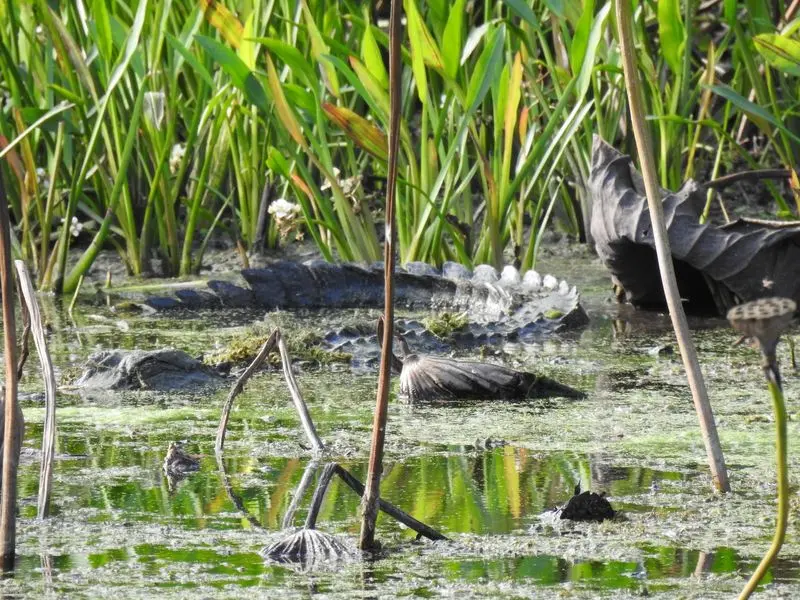
Few hiking destinations make their intentions quite so obvious. Brazos Bend doesn’t hide its wildlife or make you search for hours hoping to spot something interesting.
Alligators lounge beside the trail, close enough to study their prehistoric features without needing binoculars.
The Creekfield Nature Trail offers accessibility features and interpretive signs that explain what you’re seeing. Boardwalks cross wetland areas where turtles stack themselves on logs like living totem poles.
Great blue herons stand motionless in shallow water, waiting for fish to swim within striking range.
Roseate spoonbills add shocking pink splashes to the landscape during certain seasons. Anhingas spread their wings to dry after diving for food, looking like feathered crosses mounted on stumps.
White ibis probe mud with curved bills, searching for crayfish and insects.
Park rules exist for good reason here. Keep a safe distance from alligators, which can move with startling speed despite their lazy appearance.
Never feed wildlife or approach babies, whose protective mothers won’t hesitate to defend them aggressively.
This trail suits hikers who want guaranteed animal encounters rather than hopeful possibilities, making it perfect for families or photographers seeking reliable subjects.
Copperhead Trail – Stephen F. Austin State Park
Older forest sections carry different energy than younger woodlands. Trees grow thicker here, their trunks scarred by decades of storms and seasons.
The canopy blocks most direct sunlight, creating cool shadows even during summer heat.
Texas Parks & Wildlife specifically mentions bobcat and gray fox signs along this trail, and paying attention to the ground reveals their presence. Tracks pressed into soft soil near water sources show where animals traveled overnight.
Scat deposits mark territorial boundaries or feeding spots.
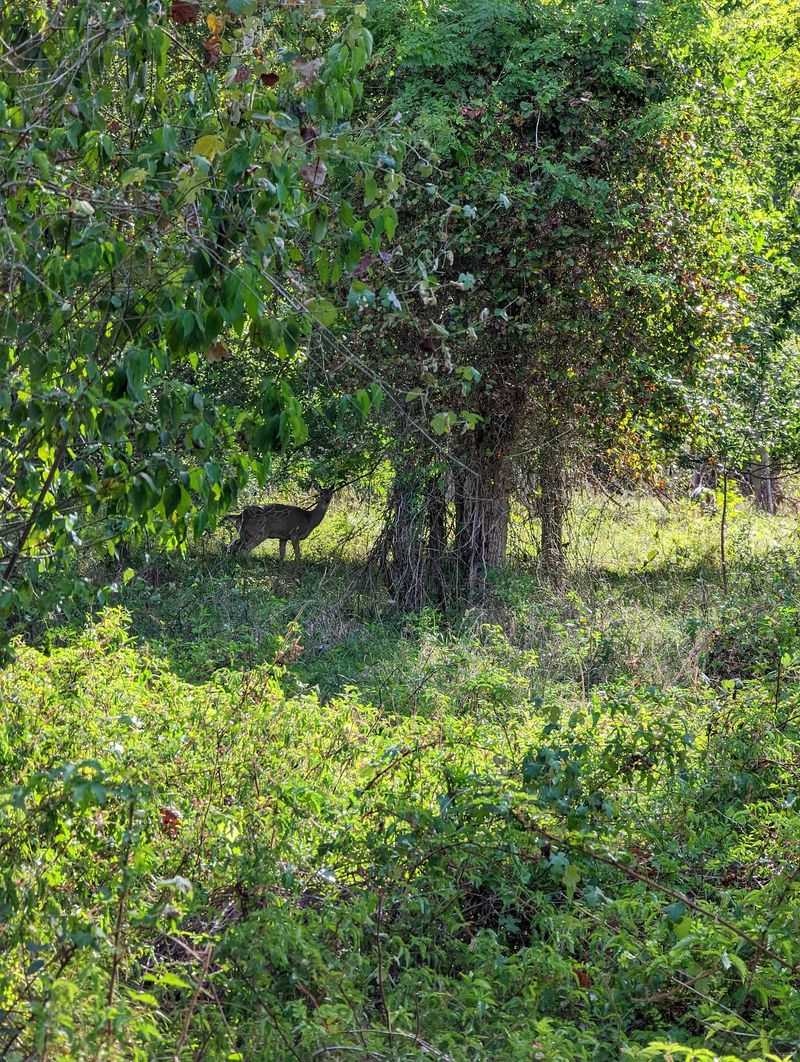
The nearby wildlife blind transforms passive hiking into active observation. Sitting quietly inside, you might watch white-tailed deer emerge from thickets to graze in small clearings.
Pileated woodpeckers hammer dead trees with machine-gun intensity, their red crests visible even from a distance.
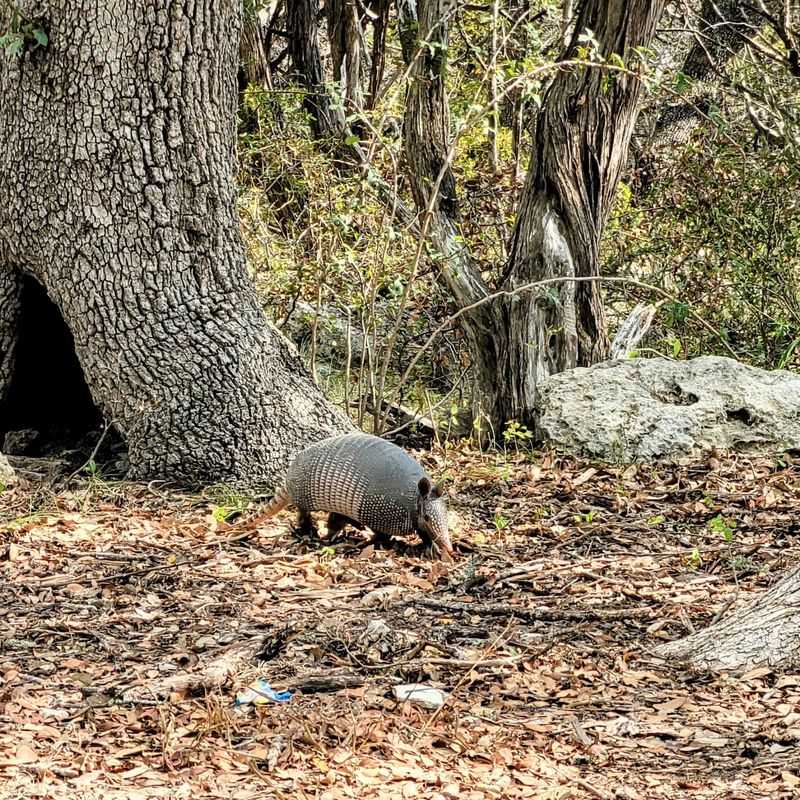
Nine-banded armadillos root through leaf litter with single-minded focus, their armored bodies looking like miniature tanks bumbling through the undergrowth. They often ignore nearby humans, too absorbed in finding grubs and insects to notice watchers.
This short hike works well for photographers willing to invest time rather than miles. Animals frequent established trails through their territories, creating predictable opportunities for those patient enough to wait and watch rather than constantly moving.
Trinity Trace Trail – Lake Livingston State Park
East Texas forests feel different from other regions. Tall pines create cathedral-like spaces overhead while hardwoods add diversity to the understory.
The 2.1-mile Trinity Trace Trail captures this environment perfectly, offering what the park describes as its best forest and wildlife viewing experience.
Loblolly pines drop needles that cushion footsteps, making quiet walking easier. This matters when trying to spot shy forest creatures that bolt at the first sound of approaching humans.
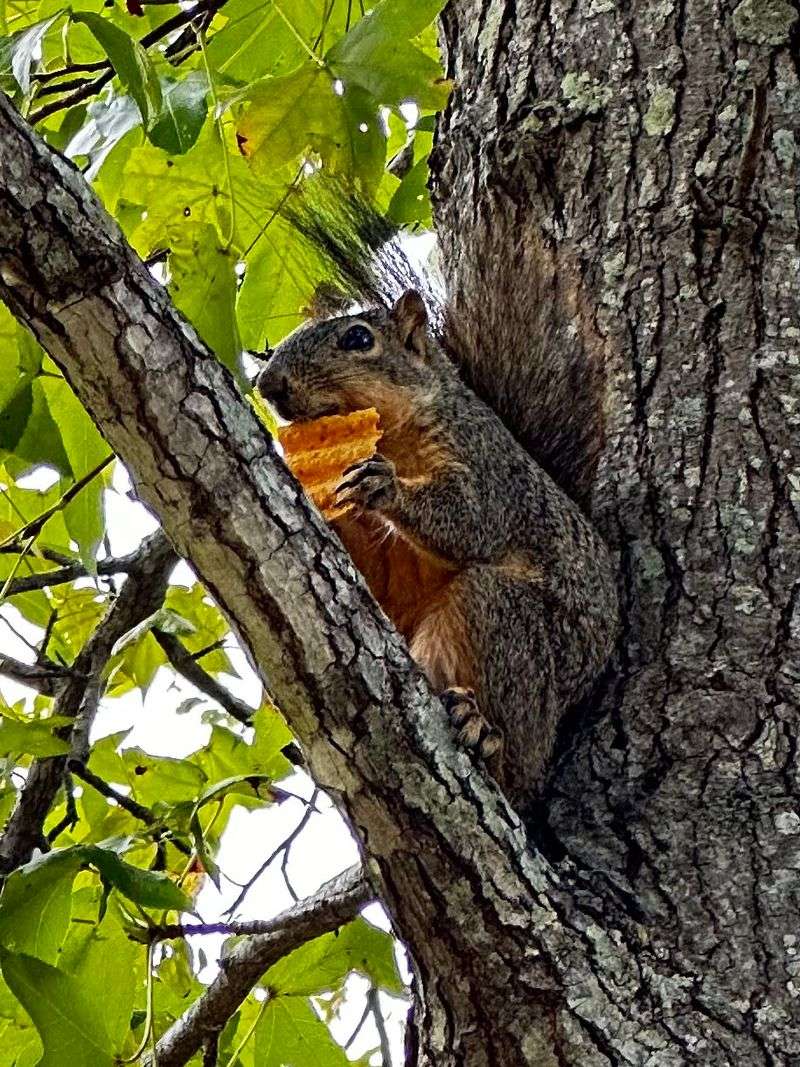
Fox squirrels chatter warnings from high branches. Carolina wrens scold intruders with surprisingly loud voices for such small birds.
The nearby wildlife viewing area shifts focus toward waterfowl and aquatic species. Wood ducks paddle through calm water, the males showing off iridescent green heads and intricate feather patterns.
Great egrets stalk along shorelines on stilts-like legs, their white plumage stark against murky backgrounds.
Spring migration brings temporary visitors passing through on longer journeys. Warblers flit through branches, their bright colors and constant motion challenging observers trying to identify specific species.
Fall offers different rewards when monarch butterflies cluster on flowering plants before continuing south.
Morning hours provide the best wildlife activity before heat and human traffic increase throughout the day.
Beaver Slide Nature Path – Purtis Creek State Park
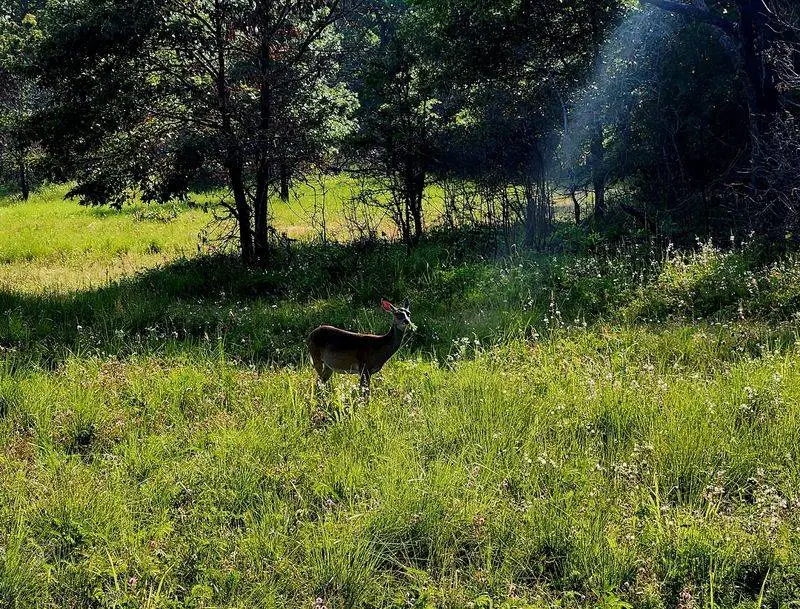
Sometimes the best wildlife experiences happen on the easiest trails. The 1.3-mile Beaver Slide Nature Path follows lake edges where land meets water, creating habitat diversity that attracts numerous species.
The park specifically highlights this trail for wildlife viewing, recognizing that animal sightings often become the highlight rather than an afterthought.
Beavers give the trail its name, though seeing these nocturnal engineers requires either dawn or dusk visits. Their handiwork remains visible throughout the day in the form of gnawed stumps, dam structures, and lodges built from branches and mud.
Herons and egrets work the shallows during daylight hours. Kingfishers dive from overhanging branches, emerging with small fish clutched in pointed beaks.
Turtles sun themselves on partially submerged logs, plopping into water at the sound of footsteps.
The path’s easy terrain means families with young children can complete it without struggle, making this an excellent introduction to wildlife watching for kids. Benches placed at strategic viewpoints encourage stopping rather than rushing, creating opportunities for patient observation.
Bring a notebook to record sightings or sketch interesting finds. The relaxed pace this trail encourages often leads to noticing smaller details that faster hikers miss entirely.
Prickly Pear Trail – Fort Richardson State Park
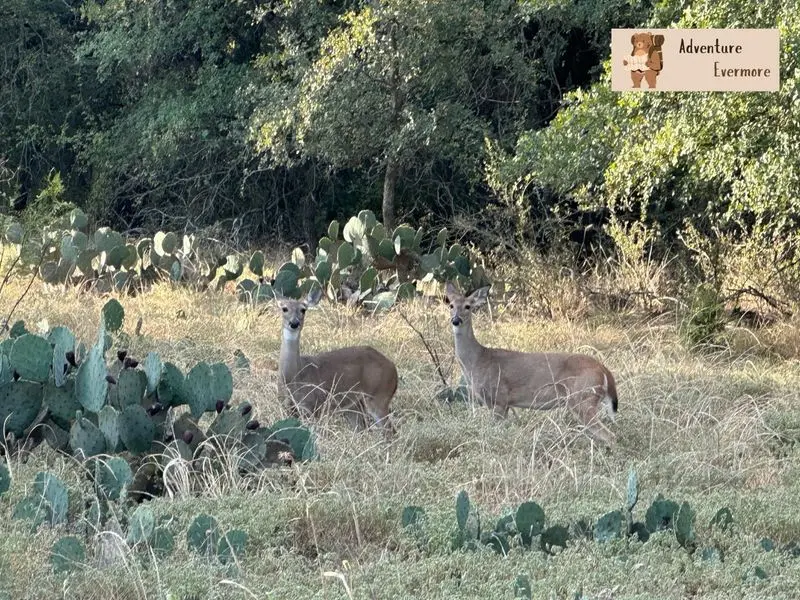
Prairie ecosystems get less attention than forests or mountains, but they support fascinating wildlife communities adapted to open spaces. The 1.3-mile Prickly Pear Trail crosses level grasslands where scanning for animals becomes easier without trees blocking sightlines.
Grassland birds differ completely from forest species. Eastern meadowlarks sing from fence posts, their yellow breasts bright against brown grasses.
Northern harriers cruise low over vegetation, tilting side to side as they search for mice and voles hidden below.
Prairie dogs create extensive tunnel systems visible as bare mounds dotting the landscape. These social rodents stand upright on hind legs, scanning for threats before diving underground at the first sign of danger.
Their warning barks carry across surprising distances.
Coyotes hunt these grasslands, especially during morning and evening hours when prey animals become most active. Spotting one requires luck and patience, but their tracks and scat appear regularly along trails.
Bobcats also work this terrain, though they remain even more elusive.
The open nature of prairie hiking means less surprise encounters compared to trails through dense vegetation. Animals spot approaching humans from far away, choosing whether to flee, hide, or ignore the intrusion based on perceived threat levels and previous experiences.
Wild Horse Trail – Caprock Canyons State Park
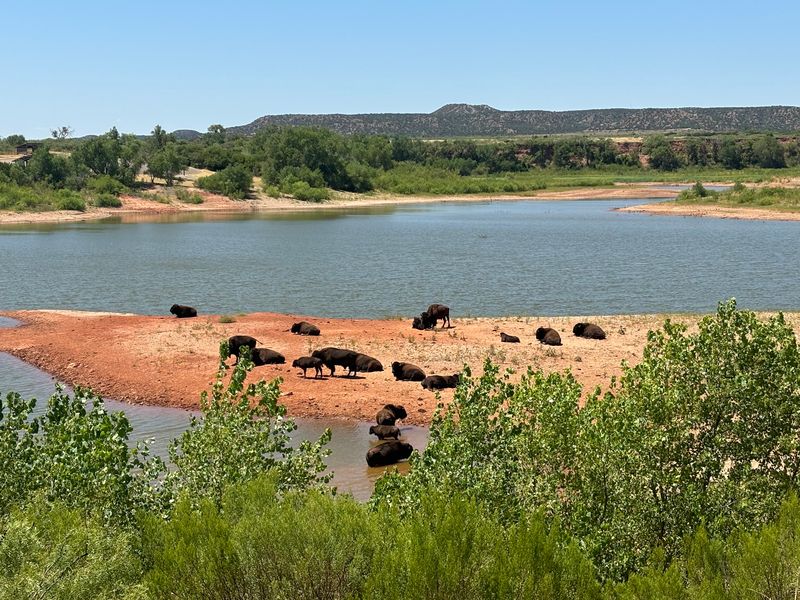
Moderate challenge describes this trail perfectly as it drops toward the Little Red River Valley through landscapes that make Caprock Canyons famous. Red rock formations rise against blue skies.
Junipers cling to canyon walls. The terrain shifts constantly as elevation changes reveal new perspectives.
American bison remain the star attraction here, descendants of the Southern Plains herd that once numbered in the millions. Encountering these massive animals along the trail creates powerful emotional responses.
Their presence transforms abstract history lessons into visceral reality.
Approach bison encounters with respect and caution. Park guidelines recommend maintaining at least 50 yards distance, more if animals show agitation signs like raised tails, pawing ground, or direct stares.
Bulls can weigh 2,000 pounds and run 35 miles per hour despite their bulk.
Beyond bison, native prairie wildlife includes pronghorn antelope occasionally visible on distant ridges, their white rumps flashing as they bound away. Jackrabbits explode from cover with oversized ears laid flat.
Roadrunners sprint across open ground, rarely bothering with flight when speed works better.
This trail combines geological beauty with genuine wildlife possibilities, making the moderately challenging terrain worth every step for hikers seeking authentic Texas wilderness experiences.