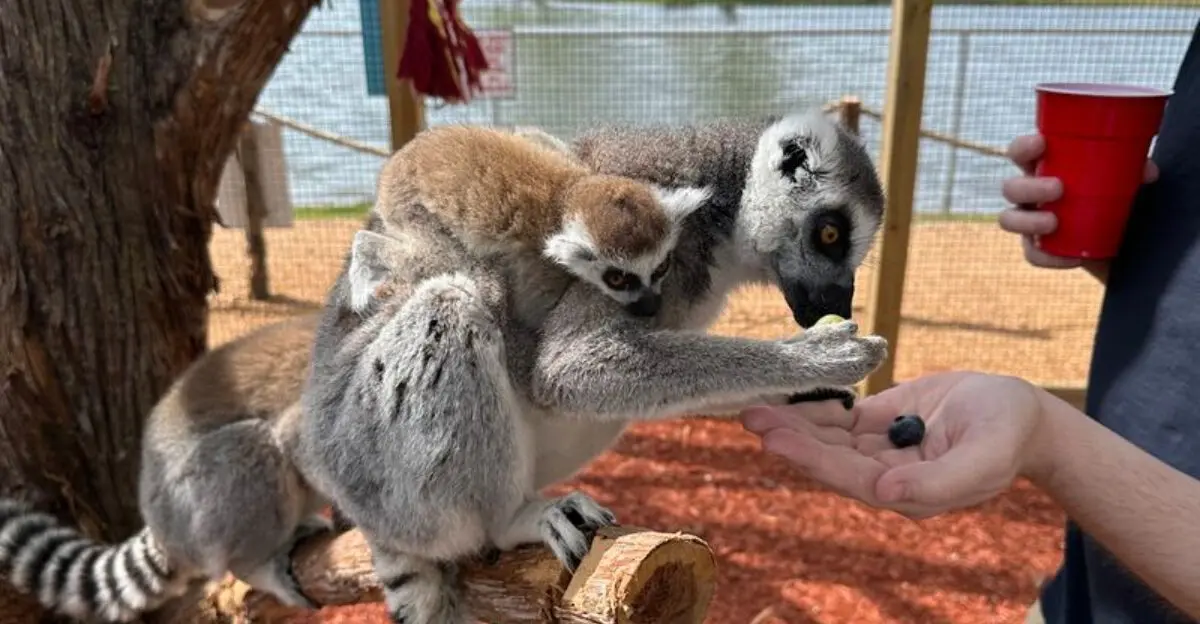
Texas may be famous for bluebonnets, barbecue, and big skies, but animal lovers can also find amazing places to meet rescued wildlife, learn about conservation, and sometimes spot lemurs in lively habitat settings.
From small education centers to large zoos and rescue ranches, these stops help visitors understand why wild animals need safe homes, careful care, and respect from people.
Some places focus on exotic cats, primates, hoofed animals, reptiles, or rescued farm animals, while others mix close-up viewing with keeper talks, tours, and family-friendly lessons.
Pack comfy shoes, check each site’s current animal lineup before you go, and get ready for a Texas road trip filled with bright eyes, swinging tails, strange calls, and stories you will want to share.
1. In-Sync Exotics Wildlife Rescue & Educational Center – Wylie
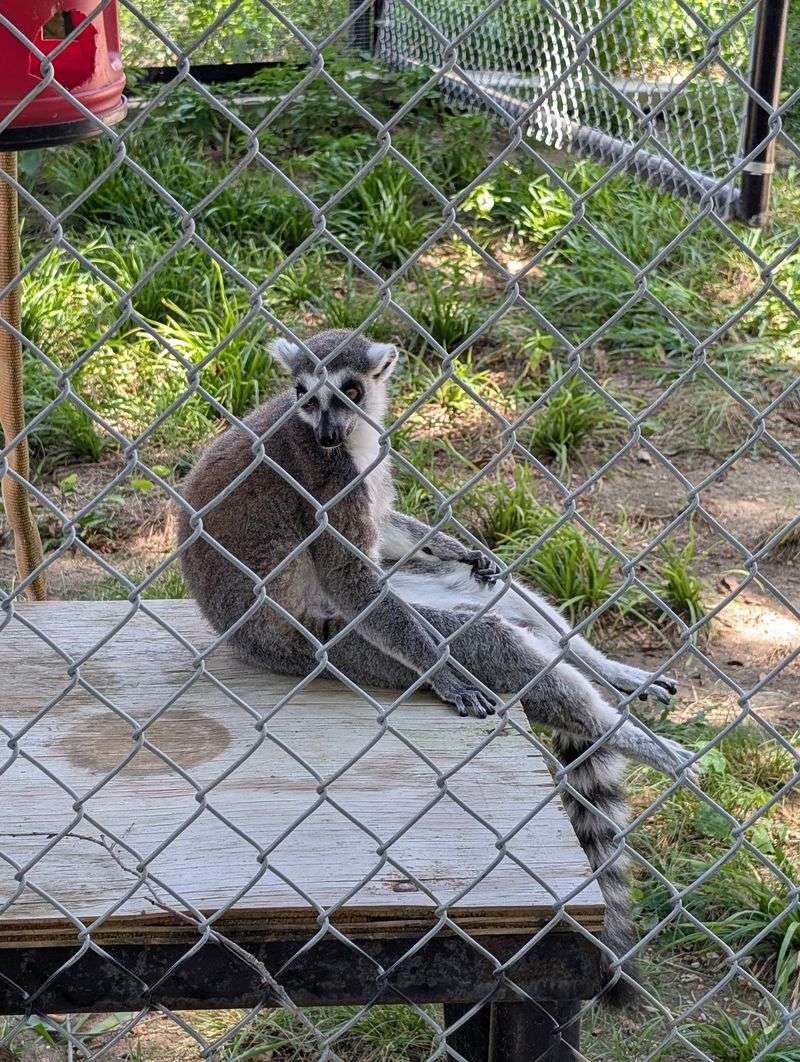
A lion’s cough can stop a whole tour group in its tracks, and In-Sync Exotics in Wylie has plenty of moments like that.
This nonprofit rescue center is best known for big cats, but its lessons fit every animal lover who cares about lemurs, sanctuaries, and ethical wildlife viewing.
Visitors walk past large habitats while reading each animal’s rescue story.
Many residents came from private owners, roadside attractions, or unsafe situations, so the mood feels more meaningful than a simple photo stop.
For travelers searching for lemur-style experiences in Texas, In-Sync is a smart first stop because it teaches the bigger idea behind sanctuary work.
Not every rescued animal can return to the wild, and good care takes space, money, skilled staff, and patient volunteers.
Located northeast of Dallas, the center works well for a half-day trip from the metroplex.
Wear closed-toe shoes, bring water in warm months, and check tour times before driving over.
Kids who love animals often leave with a stronger understanding of why exotic pets are rarely a good idea.
2. CARE (Center for Animal Research and Education) – Bridgeport
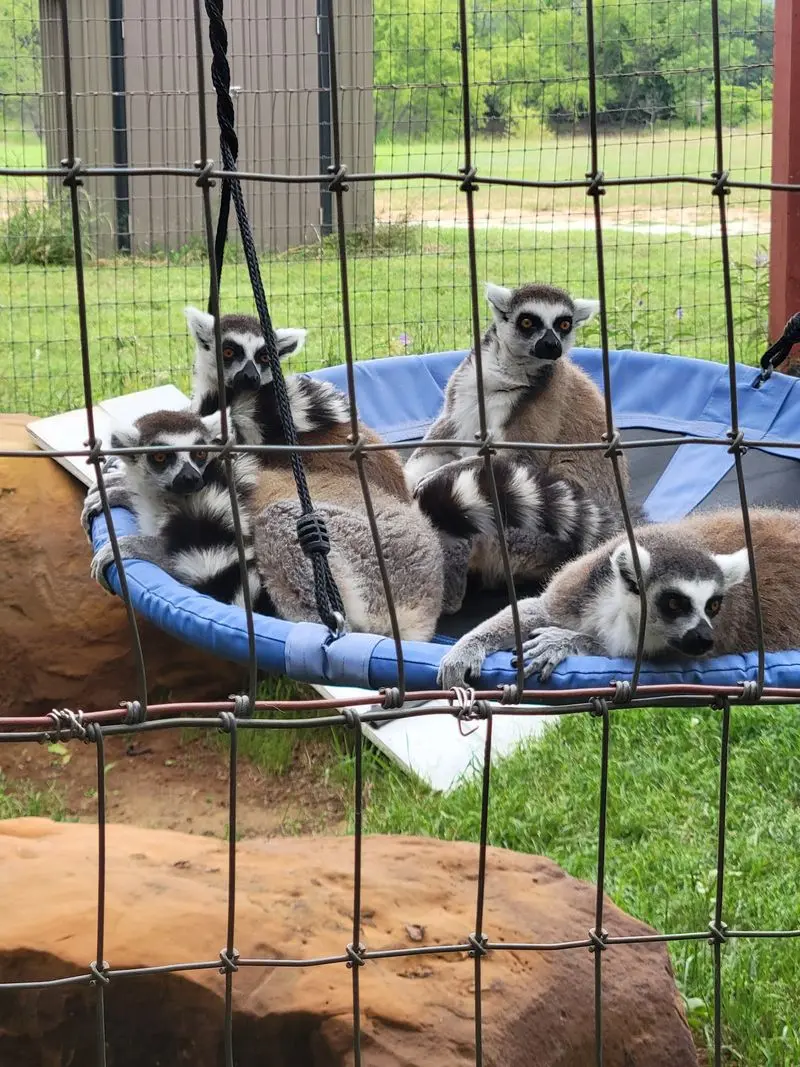
Bridgeport’s CARE feels like the kind of place where every fence has a backstory.
The Center for Animal Research and Education, often called CARE, focuses on rescued exotic animals and public education in a quiet North Texas setting.
Big cats are the main draw, yet the deeper lesson reaches far beyond one species.
CARE explains why exotic animals need expert care, safe housing, proper food, veterinary support, and enrichment that keeps their minds busy.
Animal lovers interested in lemur sanctuaries can learn a useful rule here: good facilities put welfare before entertainment.
That means guests should expect respectful distance, clear safety rules, and staff who talk honestly about the challenges of keeping wild animals healthy.
Located northwest of Fort Worth, CARE is a strong road-trip choice for families, school groups, and adults who enjoy keeper-led learning.
Book ahead when required, arrive on time, and listen closely during talks.
You may come hoping for dramatic animal sightings, but the real takeaway is quieter and better.
Wild creatures deserve homes built around their needs, not our wish for a selfie.
3. Texas Wildlife Park & Education Center – Mountain Home
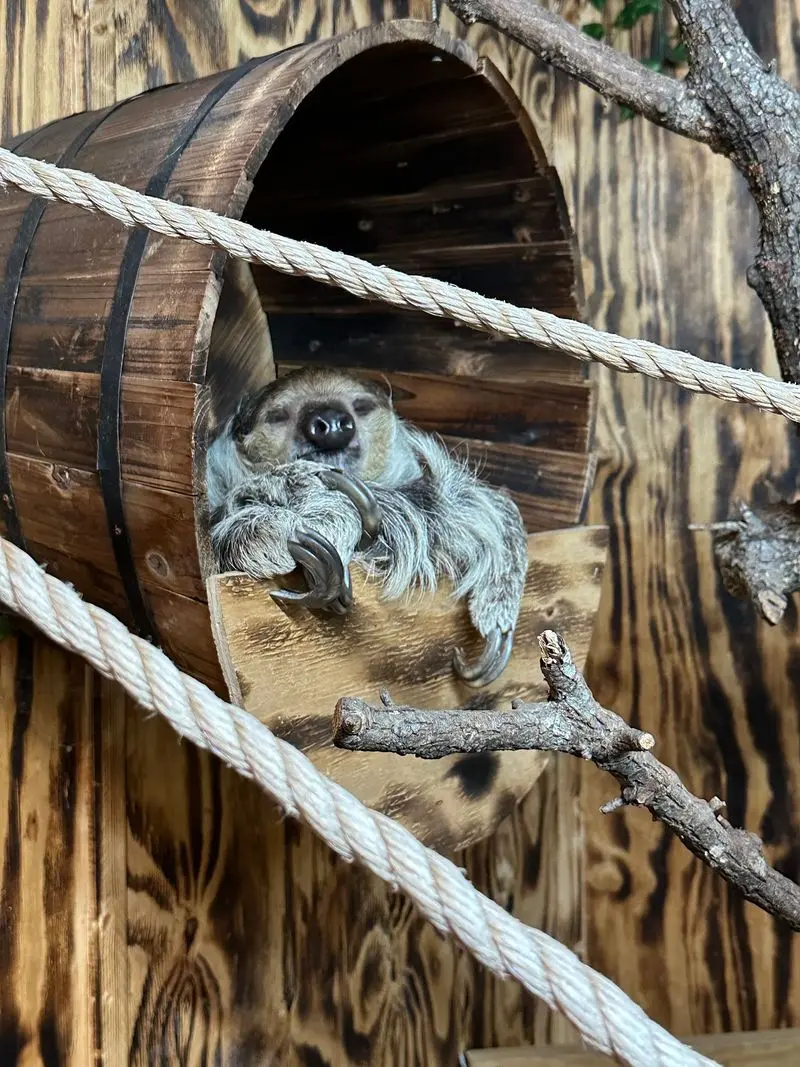
Out in Mountain Home, the Hill Country seems to stretch wide enough for every hoof, paw, and tail to have room to breathe.
Texas Wildlife Park & Education Center offers a more rural animal experience, which makes the drive feel like part of the adventure.
Visitors can expect an education-focused setting with wildlife displays, keeper information, and chances to learn how different species live.
Because animal collections can change, check the latest list before promising a lemur sighting to excited kids.
The location is useful for travelers exploring the Kerrville area, the western Hill Country, or routes between San Antonio and West Texas.
Bring sun protection, since open Texas spaces can feel hotter than the forecast suggests.
What makes this stop valuable is its focus on connection through learning.
A child who notices how an animal eats, rests, climbs, or watches people starts to understand behavior instead of just collecting a quick look.
If primates are part of the current lineup, ask about enrichment toys and social groups.
Those answers reveal more than a cute face ever could.
4. North Texas Safari Park – Bonham
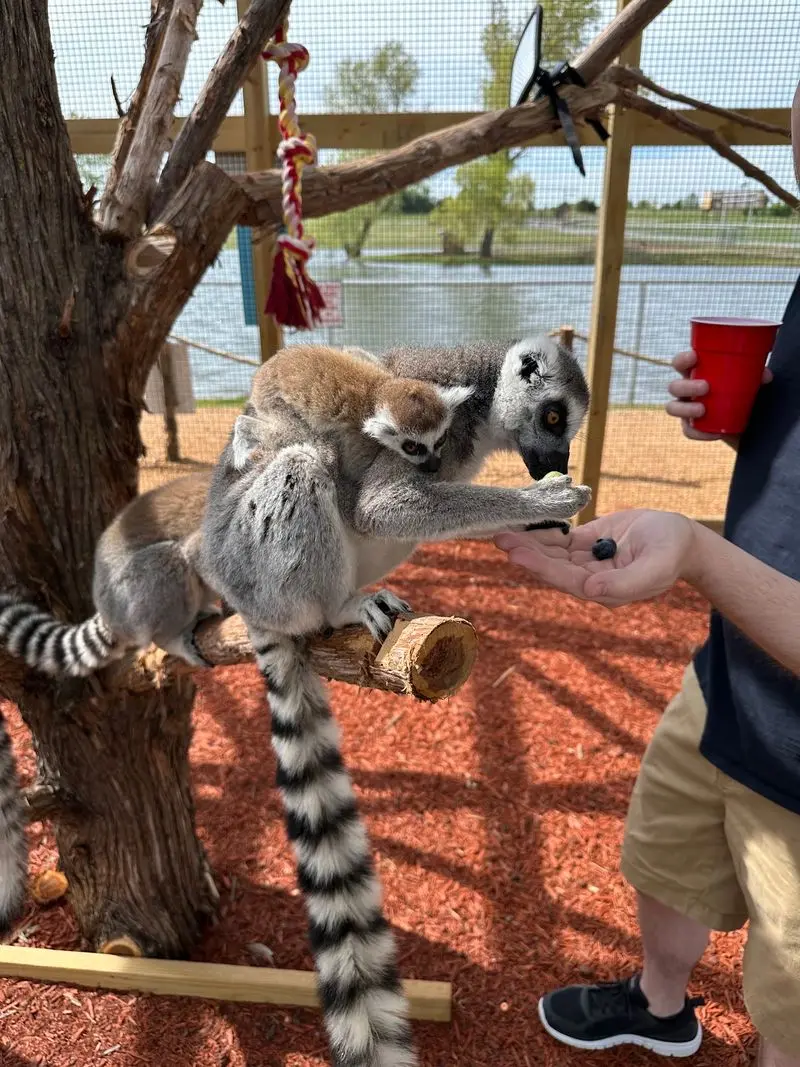
Some animal adventures come with dust on the tires, and North Texas Safari Park in Bonham leans into that road-trip charm.
The park offers a safari-style experience in the countryside northeast of Dallas, where visitors can see a variety of exotic and domestic animals.
Drive-through and walk-around setups can be exciting, especially for kids who like animals bigger than their lunchbox.
Still, guests should follow feeding rules exactly, keep hands safe, and respect barriers, because friendly-looking animals are still animals.
For lemur fans, confirm the current primate options before visiting.
Smaller parks may add, move, or retire animal encounters depending on care needs, weather, permits, and habitat changes.
The Bonham location makes it a fun day trip from Sherman, McKinney, or the Dallas area.
Arrive early when animals may be more active, and bring a camera with a zoom instead of trying to get too close.
The best memories often come from watching natural behavior, such as a curious glance, a lazy stretch, or a bossy goat deciding it owns the road.
5. Sharkarosa Zoo – Pilot Point
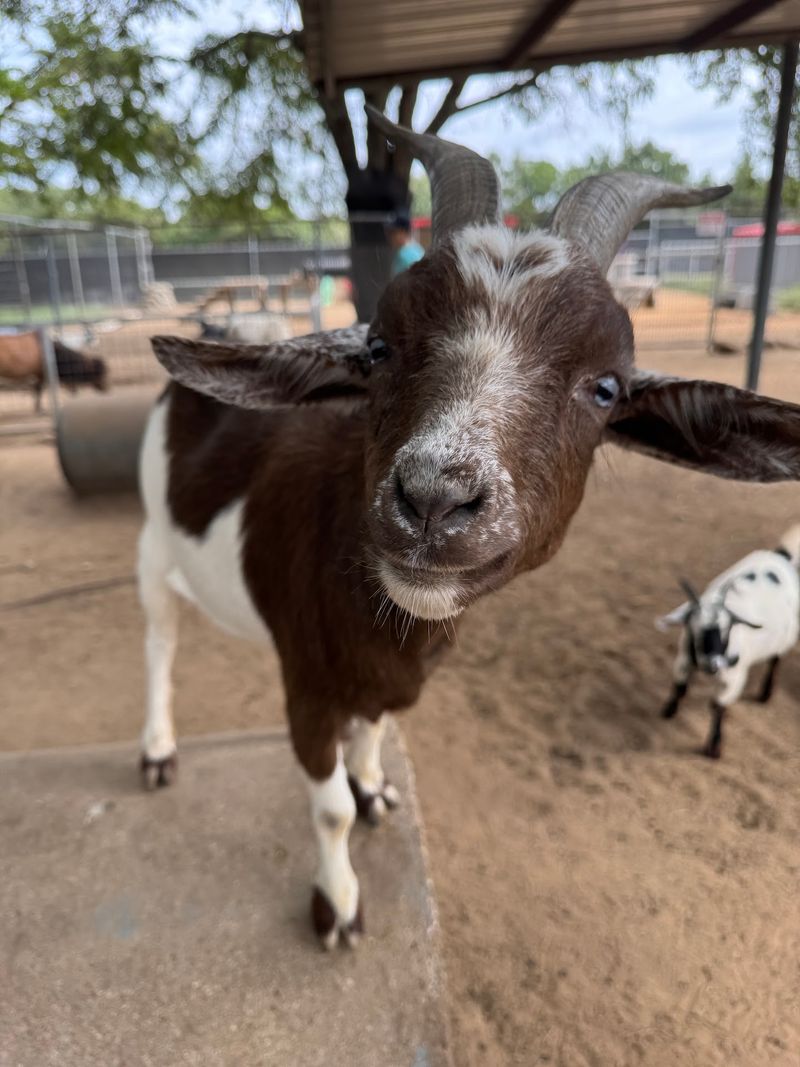
A name like Sharkarosa sounds like it should come with a theme song, and this Pilot Point attraction has the lively energy to match.
Sharkarosa Zoo is a family-friendly wildlife park north of Denton, known for animal encounters, tram rides, and educational programs.
The zoo has featured many species over the years, including primates at various times, so lemur lovers should check the current animal roster before buying tickets.
That quick step saves disappointment and helps you choose the best day or event.
One thing families often enjoy here is the mix of movement and learning.
A tram ride can keep younger visitors engaged, while staff talks give simple facts about diets, habitats, and conservation.
Because Pilot Point sits within easy reach of Dallas-Fort Worth, Sharkarosa works well for birthdays, weekend outings, or a first wildlife experience for young kids.
Teach children to use quiet voices near animals and to ask before touching anything.
A cheerful zoo day becomes even better when visitors understand that respect is part of the fun, not a rule meant to spoil it.
6. Wildlife Wonderland – East Texas
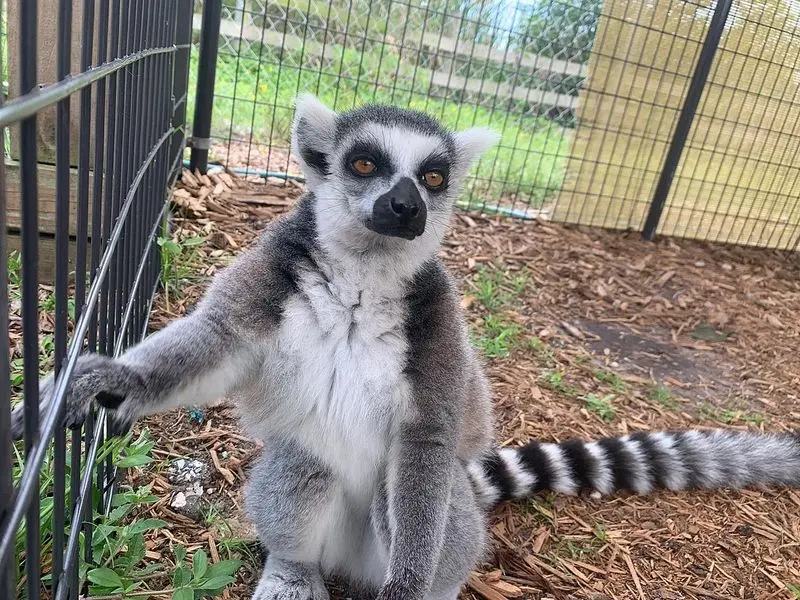
Pine trees, chirping birds, and a little back-road mystery give Wildlife Wonderland in East Texas a storybook feel.
The name sounds playful, but visitors should treat any wildlife stop here with the same care they would bring to a serious rescue or education center.
East Texas is rich with wooded land, small towns, and private animal facilities, so details can change faster than at a major city zoo.
Before planning a lemur-themed day, call ahead or check current pages for hours, species, rules, and ticket options.
The best part of a smaller wildlife experience is often the slower pace.
Guests may have more time to ask questions about diets, enrichment, safe barriers, and how keepers build trust with animals that do not act like pets.
If lemurs are on your wish list, ask whether primates are currently present and whether viewing is public or tour-based.
Even when lemurs are not available, East Texas wildlife stops can still teach a lot about animal care.
Pair the visit with a nature walk, and you get a full day of forest air, learning, and curiosity.
7. Houston Zoo – Houston
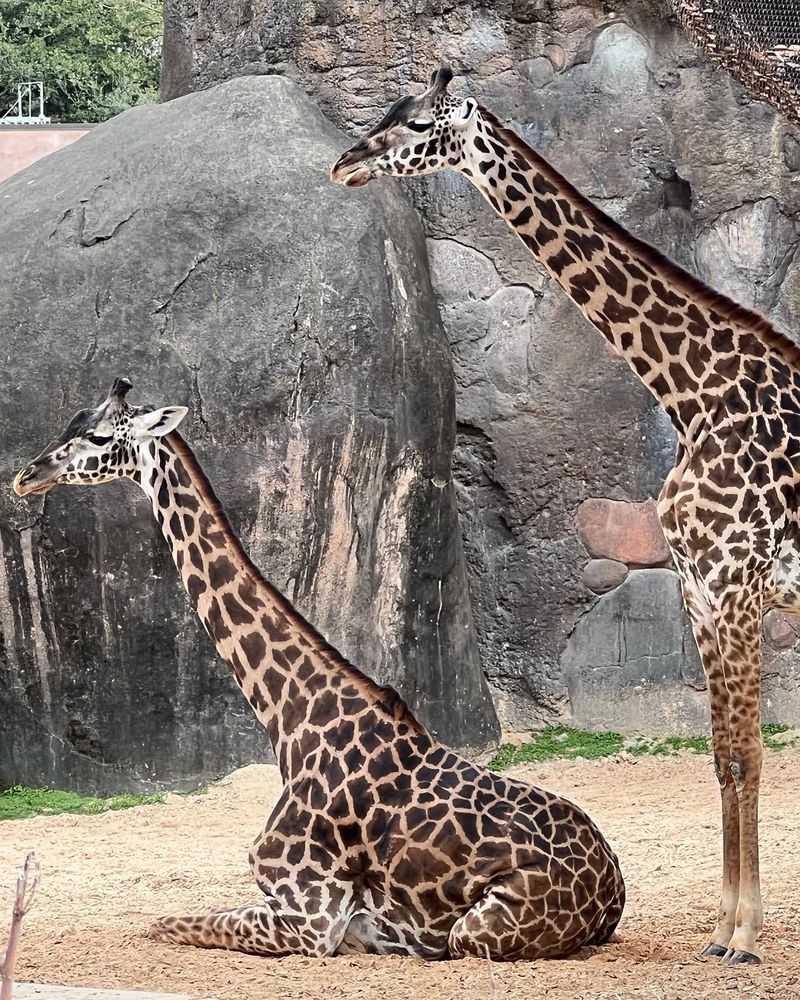
Ring-tailed lemurs look like they dressed themselves with striped scarves, and the Houston Zoo is one of Texas’s best-known places to learn about animals from around the world.
Located in Hermann Park, the zoo combines big-city access with serious conservation work.
Primate habitats are a highlight for many guests, especially when animals climb, sunbathe, groom, or chatter with group members.
Lemurs are from Madagascar, an island with wildlife found nowhere else, so their story naturally leads to lessons about forests and habitat loss.
The Houston Zoo also supports conservation projects beyond its gates.
That matters because a ticket can help fund animal care, education, and efforts that protect species in the wild.
Plan for crowds on weekends, and visit early if you want cooler weather and more active animals.
Use the zoo map to build a route with breaks, water stops, and shade.
Families should pause at keeper chats when available, since a five-minute talk can turn a cute lemur sighting into a real understanding of social life, scent marking, diet, and survival in Madagascar.
8. Amarillo Zoo & Sanctuary – Amarillo
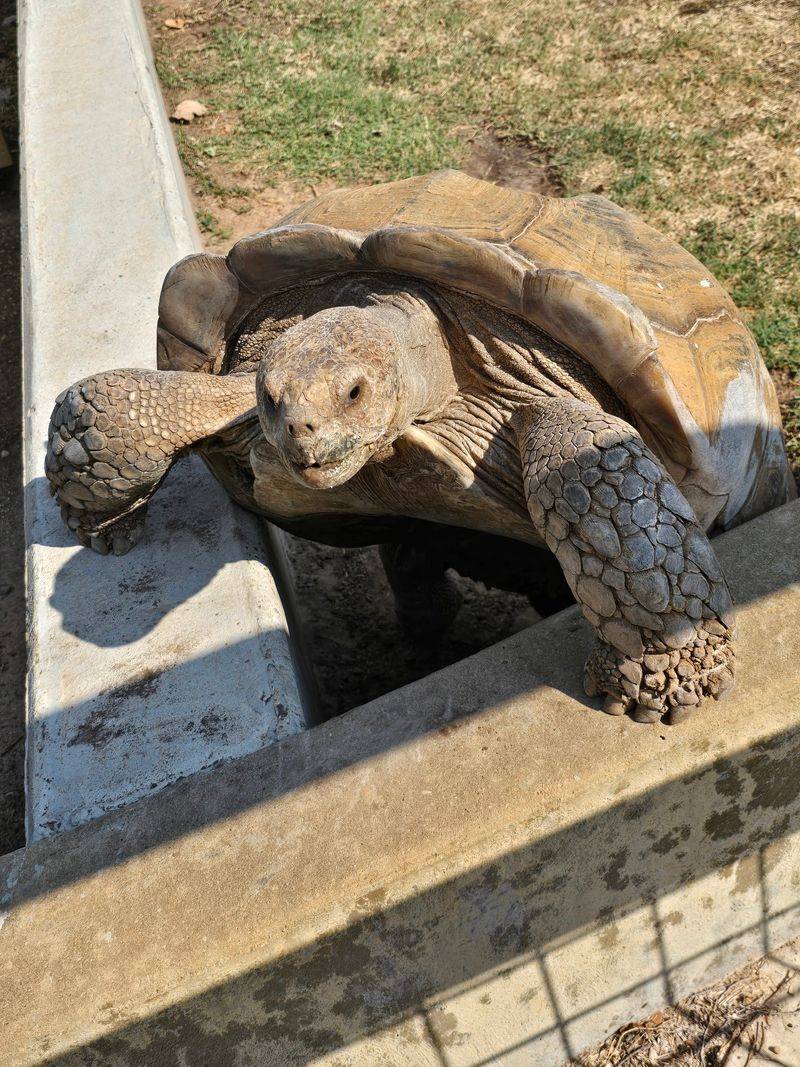
Windy days on the High Plains can make even a zoo visit feel like an expedition.
Amarillo Zoo & Sanctuary, located in Thompson Park, offers a smaller and calmer wildlife experience than many big-city zoos.
Its size is part of the appeal.
Visitors can slow down, read signs, and spend extra time watching animals instead of racing across a huge campus.
Animal lineups can change, so lemur seekers should review the zoo’s latest exhibits or call before planning the trip around primates.
Even without a guaranteed lemur encounter, the sanctuary side of the mission gives guests a strong reason to visit.
Amarillo is a helpful stop for families traveling through the Texas Panhandle or along Route 66.
The zoo pairs nicely with a picnic in Thompson Park, especially during mild weather.
Encourage kids to sketch an animal, write down one new fact, or compare how different species move.
Small zoos can spark big curiosity because the pace allows visitors to notice details, like ear shapes, resting spots, feeding tools, and the clever ways keepers keep animals busy.
9. Black Beauty Ranch – Murchison
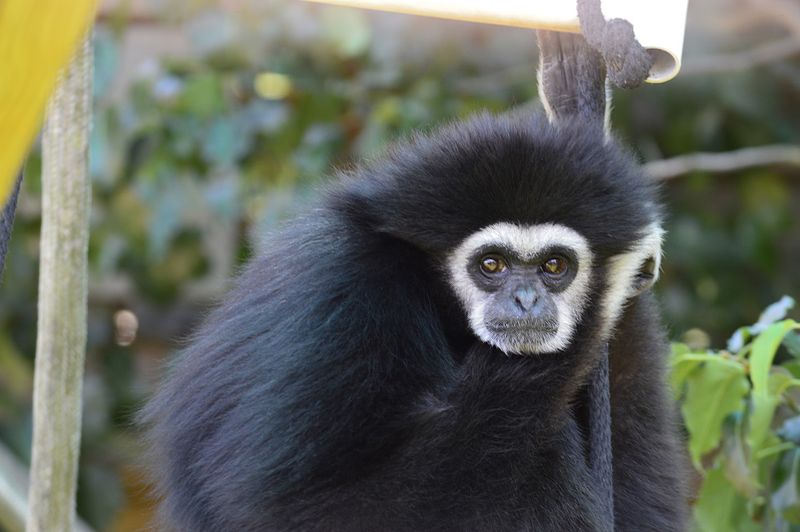
Black Beauty Ranch in Murchison feels less like an attraction and more like a promise kept.
Operated by the Humane Society of the United States, this large sanctuary provides lifetime care for rescued animals, including many species that came from neglect, research, entertainment, or private ownership.
The ranch is not a typical walk-up zoo, so planning matters.
Public visits usually happen through scheduled tours or special events, and that structure helps protect the animals from stress.
Lemur-focused travelers should check current resident information before booking, because sanctuary populations change as rescues occur and animals age.
Still, Black Beauty Ranch belongs on this list because it shows what true refuge looks like.
Located in East Texas near Athens, the property covers wide, quiet land where animals can live with more space and privacy.
Visitors often leave thinking differently about exotic pets, roadside shows, and animal entertainment.
The most powerful part may be what you do not get: no pushing, no forced handling, no noisy tricks.
Instead, you see care built around dignity, which is the heart of every good sanctuary.
10. Animal World & Snake Farm Zoo – New Braunfels
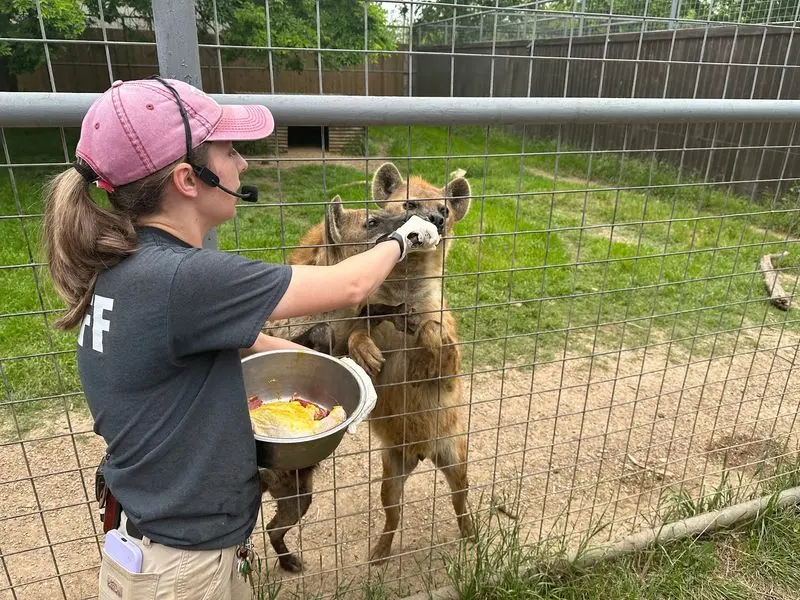
Few places mix cute faces and scaly surprises quite like Animal World & Snake Farm Zoo in New Braunfels.
The roadside name may sound old-school, but the zoo has grown into a busy wildlife stop with mammals, birds, reptiles, and educational shows.
Lemurs are often a favorite for visitors because they are active, social, and easy to recognize by their bright eyes and striped tails.
Watch how they move through branches, share space, and react to keeper routines.
The snake side of the zoo adds a different kind of thrill.
Reptile exhibits help guests compare animal adaptations, from gripping primate hands to heat-sensing snakes and armored scales.
New Braunfels sits between San Antonio and Austin, so the zoo fits neatly into a Hill Country weekend.
Check show times, arrive before the hottest part of the day, and save time for questions after keeper talks.
If you are traveling with kids, set a simple challenge: find one animal that climbs, one that slithers, and one that naps like a champion.
That game turns the visit into a mini science adventure.