Texas may be famous for barbecue, bluebonnets, and wide-open highways, but some of its best sights sit just under the water.
Clear springs, shady rivers, and rocky swimming holes hide fish, turtles, plants, and limestone ledges that many visitors walk right past.
Snorkeling here does not always mean ocean waves or coral reefs, and that is what makes these places feel so surprising.
You can float above desert springs in West Texas, cool off in Hill Country pools, or watch tiny fish sparkle near Austin without leaving the state.
Each spot on this list offers a fresh way to slow down, look closer, and enjoy Texas from a new angle.
Pack a mask, bring water shoes, check local rules before you go, and get ready to meet the quieter, cooler side of the Lone Star State.
The adventure starts where the pavement ends and the water begins today.
1. Barton Springs Pool – Austin
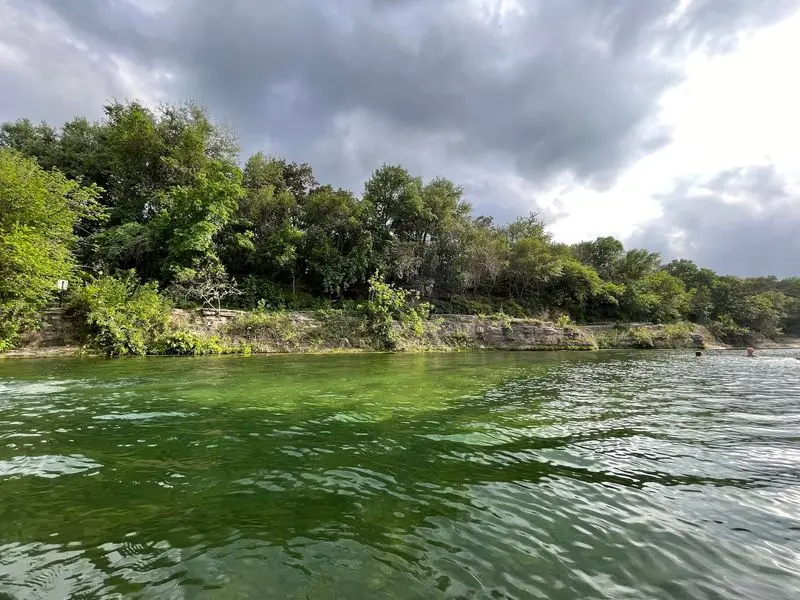
Austin keeps one of its coolest surprises right in the middle of town, and Barton Springs Pool wears that fame well.
Fed by underground springs in Zilker Park, the pool stays around 68 to 70 degrees, which feels shocking at first and amazing a minute later.
Snorkeling here is simple but rewarding, especially along the rocky bottom where small fish and waving plants appear.
Because Barton Springs is home to the endangered Barton Springs salamander, visitors should respect closed areas and avoid stirring up sediment.
Use reef-safe sunscreen, rinse off before entering, and keep fins gentle if you wear them.
The pool has lifeguards during posted hours, plus lawns that make snack breaks easy.
Parking can be tough on warm weekends, so arrive early or use a ride option.
For a quieter snorkel, visit on a weekday morning, when the water looks glassy and the city noise seems far away.
Few places let you watch wildlife, cool down, and still grab tacos nearby afterward.
That mix makes Barton Springs pure Austin.
2. Landa Park Aquatic Complex – New Braunfels
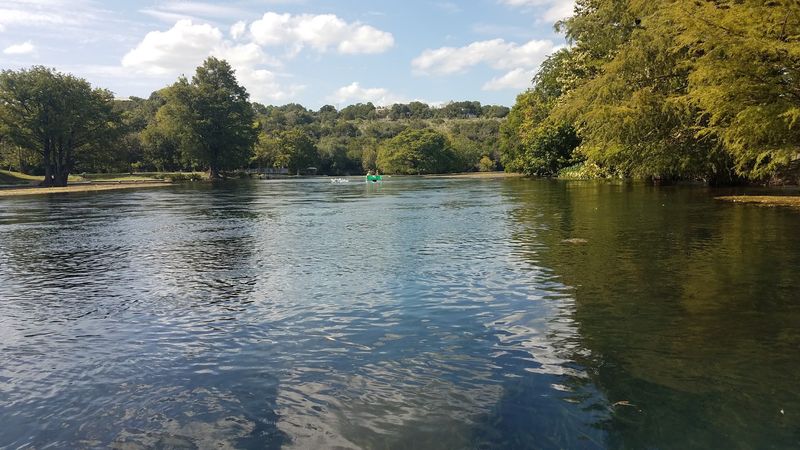
Old-school summer fun meets clear spring water at Landa Park Aquatic Complex in New Braunfels.
The complex sits inside historic Landa Park, where Comal Springs help feed one of the shortest rivers in the world.
While it feels more like a classic swimming spot than a wild backcountry trail, snorkelers can still enjoy crisp water and bright underwater views in designated areas.
Kids often love this place because the setting feels safe, social, and easy to understand.
Adults get shade, restrooms, nearby picnic spots, and a chance to turn a quick swim into a full park day.
Bring a simple mask rather than bulky gear, and ask staff about current rules before entering with snorkel equipment.
Water shoes help on slick surfaces, especially when moving between pool areas.
After swimming, stroll the park trails, ride the miniature train, or watch ducks cruise past cypress roots.
Landa Park works well for beginners who want the joy of looking underwater without planning a rugged river trip.
It is a gentle first step into Texas snorkeling.
3. Balmorhea State Park – Toyahvale
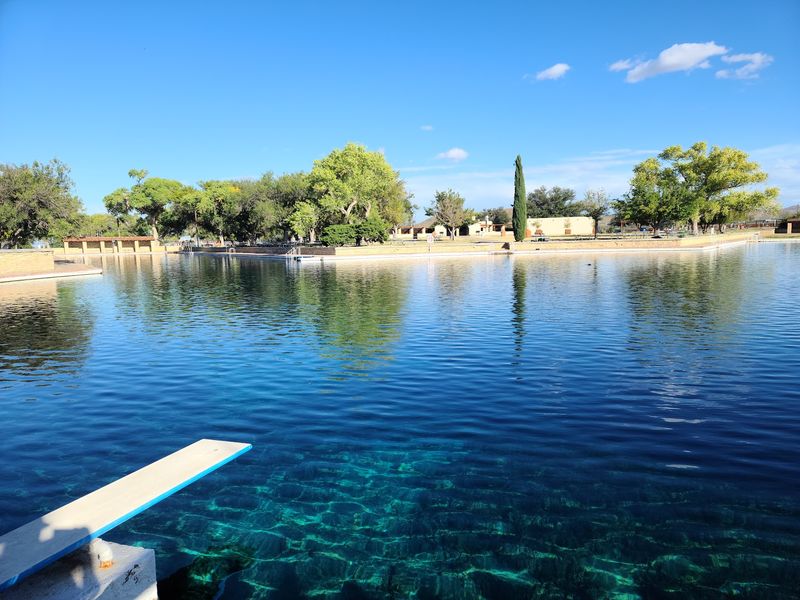
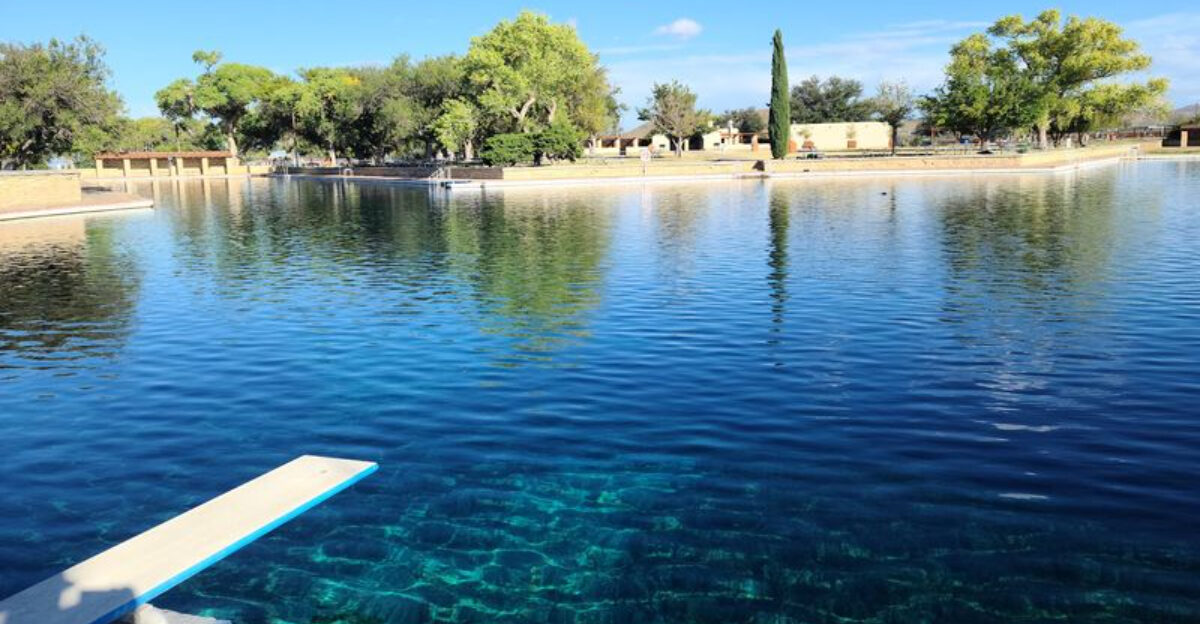
Desert water should not look this blue, yet Balmorhea State Park makes West Texas feel like a secret aquarium.
Located in Toyahvale, near the Davis Mountains, this spring-fed pool covers more than an acre and stays cool year-round.
Snorkelers can glide over a natural bottom where tiny fish flash between rocks and plants.
The park protects rare species, including the Comanche Springs pupfish, so move slowly and never touch wildlife.
Bring a well-fitting mask, since the water is clear enough to reward anyone who takes time to look closely.
Families like the easy entry points, while confident swimmers enjoy the deeper areas near the old pool walls.
Check the Texas Parks and Wildlife reservation system before visiting, because closures and capacity limits happen.
After your swim, dry off under the big sky and notice how odd and wonderful it feels to find a snorkel trail surrounded by desert.
Early mornings are especially peaceful, with fewer splashes, softer light, and better chances to spot fish near the shallow edges.
4. Blue Hole Regional Park – Wimberley
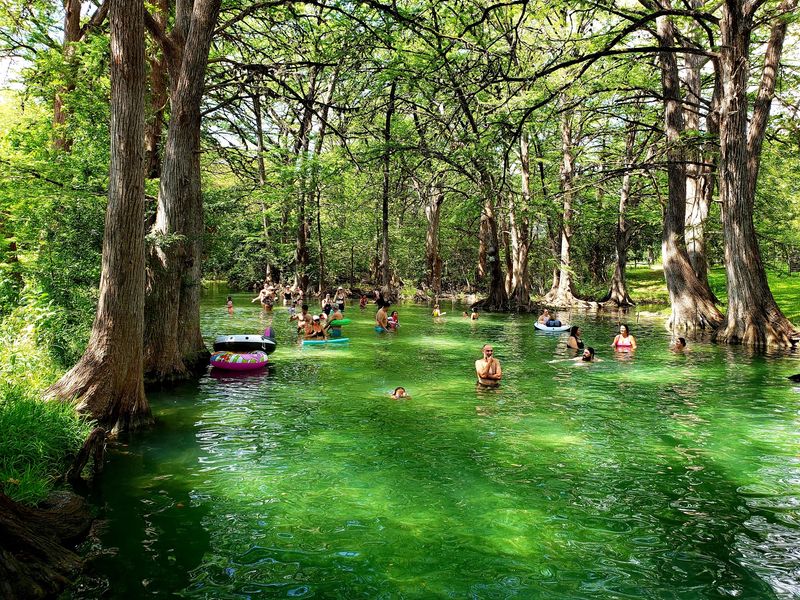
Cypress trees lean over Blue Hole like they are guarding a storybook swimming spot.
Set in Wimberley along Cypress Creek, Blue Hole Regional Park is known for cool, clear water and deep shade.
Snorkelers can float near limestone edges, watch small fish hover in the green-blue water, and enjoy a slower pace than many crowded river stops.
Reservations are usually required during swim season, so do not treat this as a last-minute secret.
Book ahead, pack light, and remember that glass, alcohol, and pets are not allowed in the swim area.
The best views often come near the quieter edges, where sunlight slips through cypress branches and turns the water into moving stripes.
A basic mask is enough here, and fins are usually unnecessary in the compact swimming zone.
Between snorkel sessions, explore the park trails or relax on the grassy lawn.
Blue Hole feels polished but still natural, which makes it great for visitors who want beauty without a rough hike.
Respect the creek, and it gives back plenty.
5. Krause Springs – Spicewood
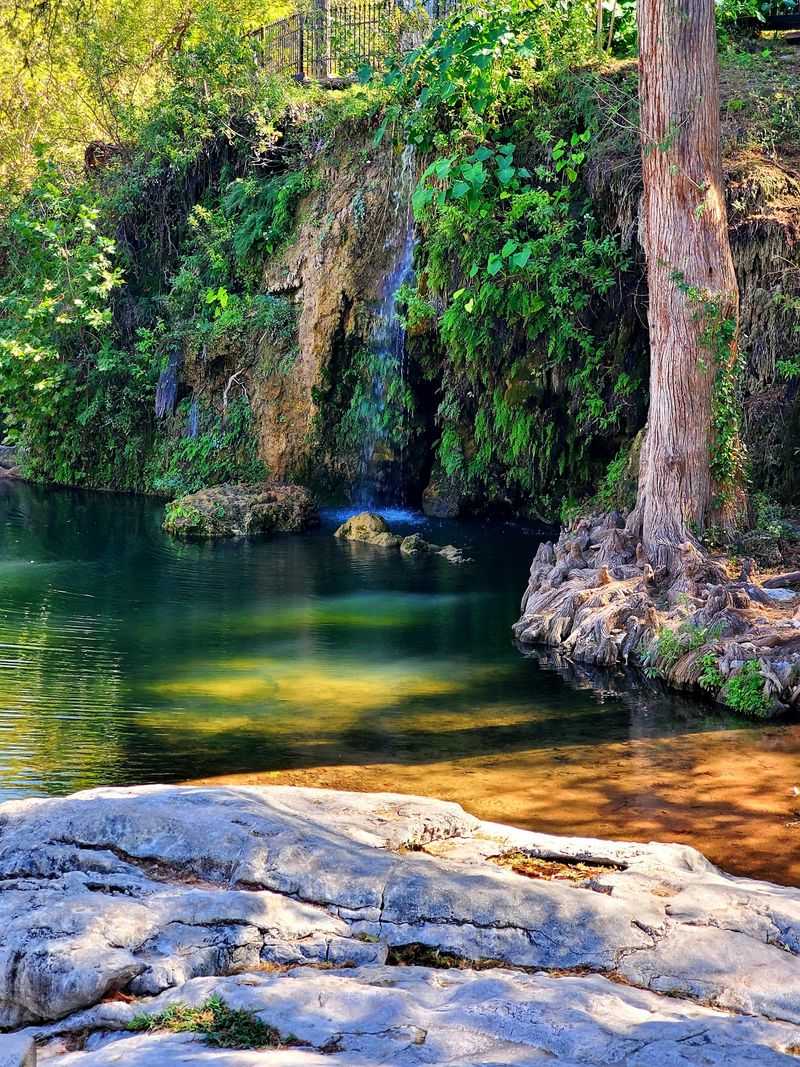
A waterfall, a rope swing, and ferny rock walls make Krause Springs feel almost too pretty to be real.
This privately owned spot in Spicewood has dozens of springs, including water that feeds a natural swimming hole below the main pool.
Snorkeling works best in the calmer sections, where you can study rocks, roots, and small fish moving through the shaded water.
The site has been run by the Krause family for decades, and it still has a relaxed Hill Country camp vibe.
Bring cash or check current payment rules, since private swimming holes often update policies.
Water shoes are smart because stone steps and creek rocks can be slippery.
Arrive early on hot Saturdays, when campers and day visitors fill the grounds fast.
The water may not always be as clear after heavy rain, so check conditions before making the drive.
When visibility is good, the mix of spring water, hanging plants, and limestone makes every slow float feel cinematic.
Keep your mask handy, but leave room in the day for wandering the butterfly garden too.
6. Devil’s Waterhole – Inks Lake State Park – Burnet
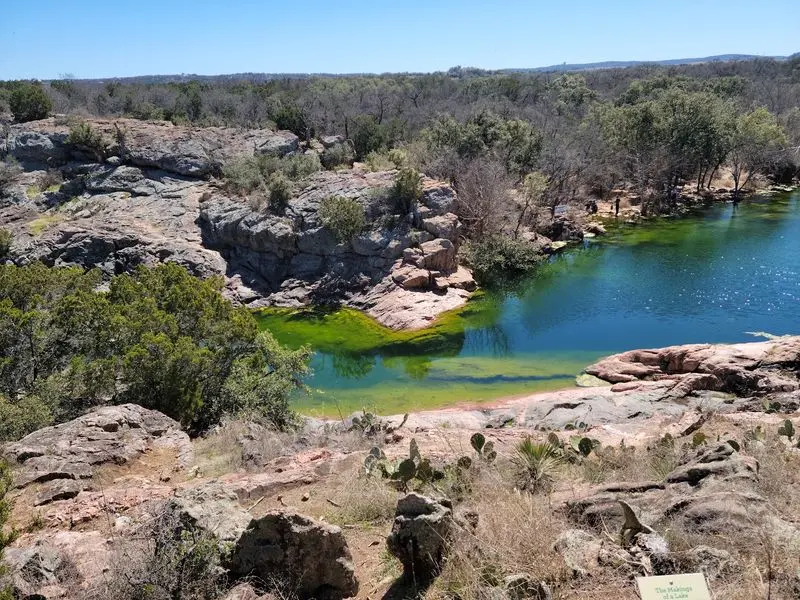
Pink granite cliffs give Devil’s Waterhole a bold, almost moonlike look beside the water.
Found inside Inks Lake State Park near Burnet, this cove is part of a constant-level lake, so it often stays usable when other Hill Country streams run low.
Snorkelers can explore near rocky shorelines, where sunfish, minnows, and underwater ledges create plenty to see.
The name sounds spooky, but the area is popular with swimmers, paddlers, and cliff watchers.
Stay aware of boat traffic, changing depths, and people jumping from rocks where allowed or tolerated.
A life jacket is wise for less confident swimmers, especially because lake snorkeling can feel different from spring pools.
Enter from safe shoreline points, avoid sharp rocks, and keep an eye on wind.
Afterward, hike the nearby trails to see the same granite formations from above.
Reservations are recommended for the park, and summer weekends can sell out.
Devil’s Waterhole offers a rugged flavor that stands apart from tidy pools, making it a fun pick for adventurous snorkelers.
7. Spicewood Springs – Colorado Bend State Park – Bend
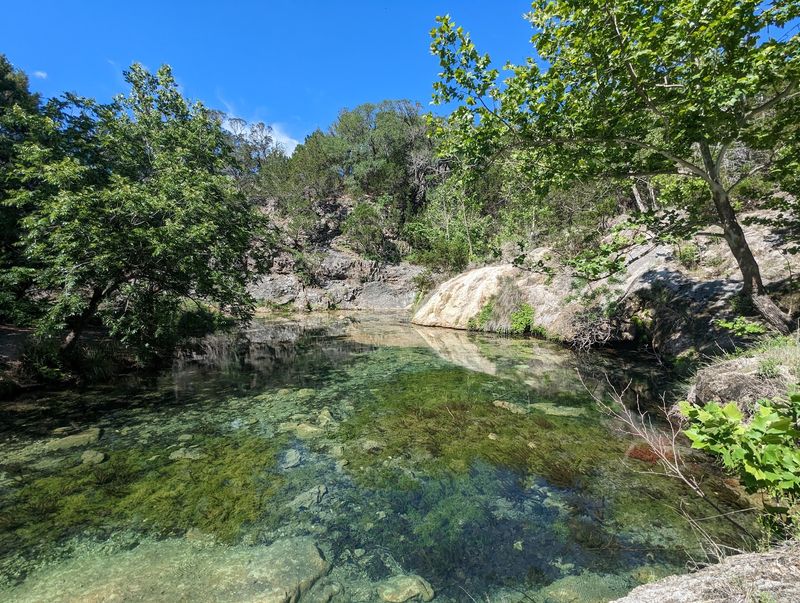
The trail to Spicewood Springs feels like a treasure hunt with splashes along the way.
Inside Colorado Bend State Park near Bend, this creek area offers clear pools, small waterfalls, and limestone shelves that invite patient exploring.
Snorkeling is best in the deeper pools when flow is steady and the water has not been clouded by recent storms.
This park feels wilder than many swimming stops, so pack like you mean it.
Bring water, sturdy shoes, sun protection, and a dry bag for keys or snacks.
The reward is a quieter look at Hill Country water, with tiny fish, rounded stones, and rippling light under the surface.
Do not climb on fragile areas, and follow park signs to protect the creek.
Cell service can be limited, so download maps before driving in.
If you have extra energy, pair your snorkel time with a hike to Gorman Falls, but start early to beat the heat.
Spicewood Springs suits people who enjoy earning their swim and do not mind dust on the trail.
8. San Felipe Springs – Del Rio
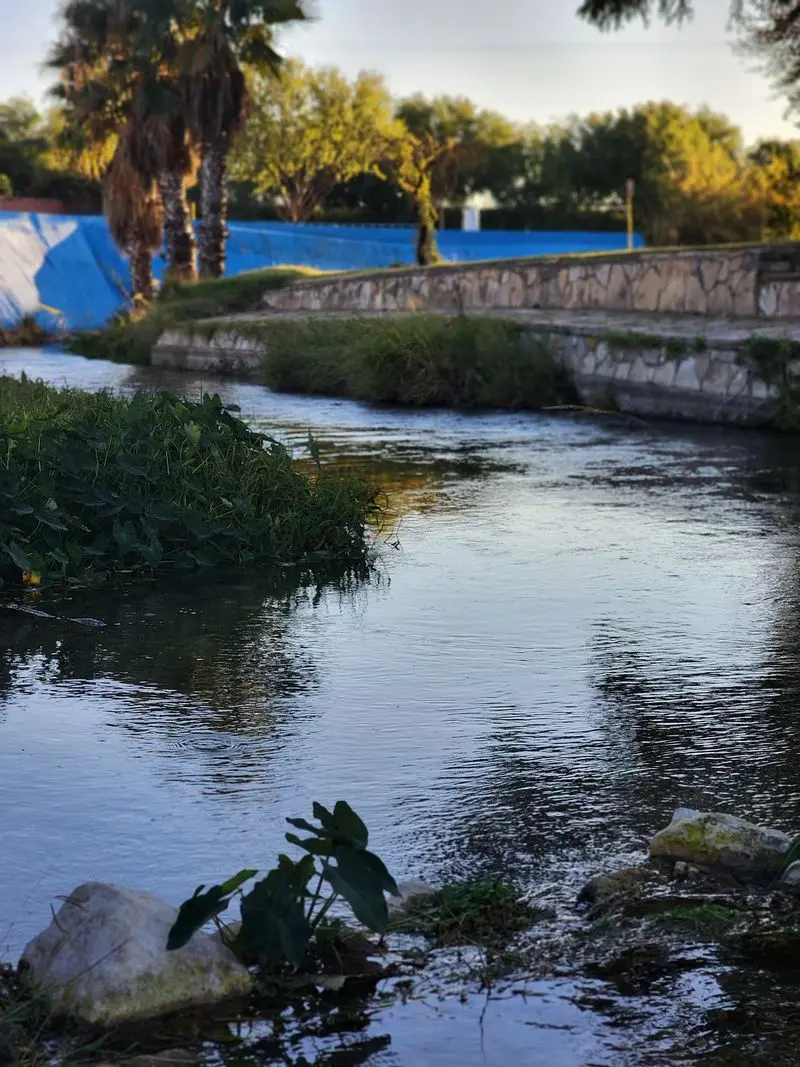
Del Rio’s San Felipe Springs bubble up with a borderlands charm that many road-trippers miss.
The springs feed San Felipe Creek, a clear waterway that winds through town and supports parks, swimming areas, and local wildlife.
Snorkelers can find calm stretches where fish drift over pale rock and plants wave in the current.
Because access points and conditions vary, check local park rules before choosing where to enter.
Some areas may be better for wading and looking than full snorkeling, especially after rain or high flow.
Move carefully, since currents can surprise you even in shallow-looking water.
A mask, water shoes, and a buddy make the outing safer and more fun.
San Felipe Springs also carries history, because dependable water helped shape Del Rio long before modern highways arrived.
After your float, explore nearby murals, grab a cold drink, or head toward Lake Amistad for bigger water views.
This trail feels less touristy than famous Hill Country spots, which is exactly its appeal.
It shows how much life a desert spring can create.
9. Frio River – Garner State Park – Concan
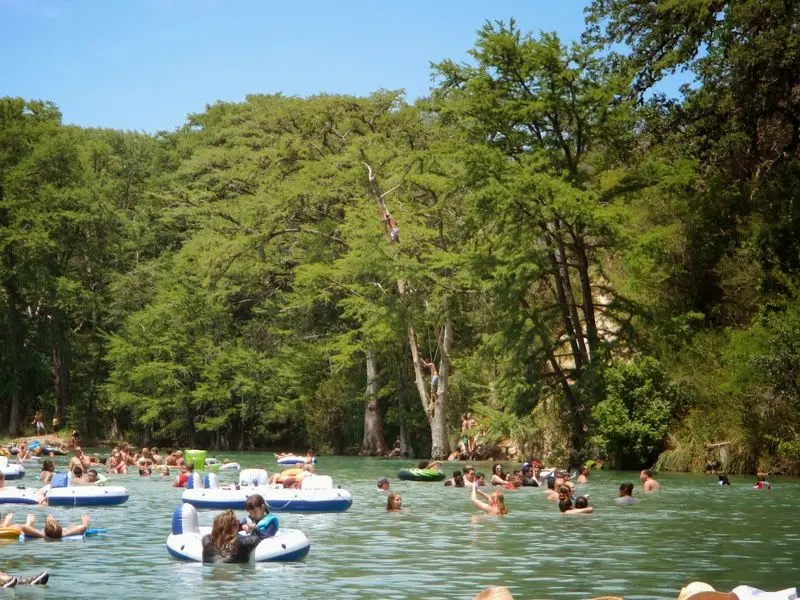
The Frio River lives up to its name with water that can wake up your toes in seconds.
At Garner State Park near Concan, the river runs over limestone, creating clear pools, shallow riffles, and classic Hill Country views.
Snorkelers can look for minnows, bass, and smooth river stones in slower sections away from heavy tubing traffic.
Summer brings big crowds, music, and a festive campground mood, so plan your underwater time early.
Morning light improves visibility, and fewer feet mean less stirred-up gravel.
Wear water shoes because the riverbed can be uneven and slick.
Keep your snorkel simple, stay near your group, and watch for changing depths after bends.
Garner is also famous for evening dances at the pavilion, a tradition that has lasted for generations.
That means your day can move from fish-watching to two-stepping without leaving the park.
Reserve entry or camping ahead, especially during peak season.
The Frio offers more than a pretty swim.
It gives visitors a lively taste of Texas river culture from below and above the surface.
10. McKinney Falls State Park – Austin
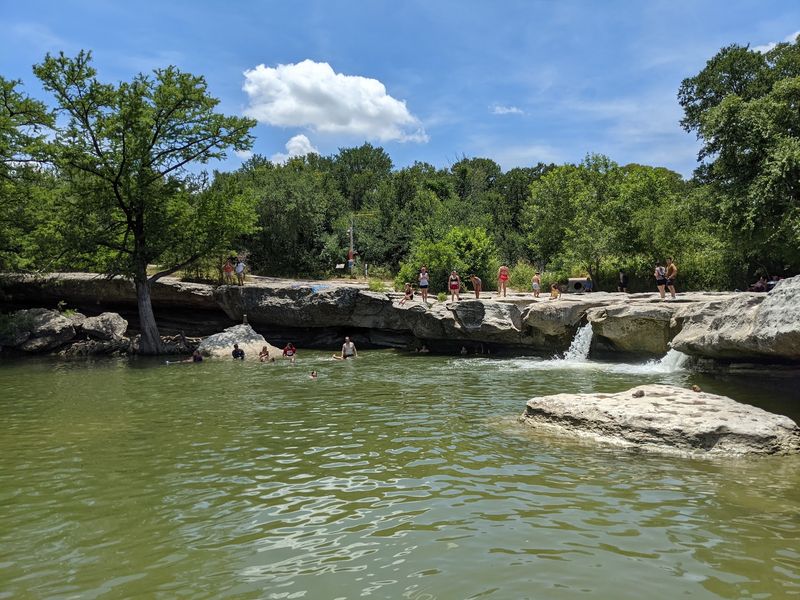
Just when Austin starts to feel busy, McKinney Falls offers limestone, creek water, and breathing room.
The park sits in southeast Austin, where Onion Creek flows over smooth rock ledges at the upper and lower falls.
Snorkeling depends heavily on water level and clarity, but calm pools can reveal fish, submerged stones, and interesting limestone shapes.
After rain, the creek may turn cloudy or unsafe, so always check park alerts before packing your mask.
Never enter flooded water, and follow posted swim warnings.
On good days, this spot works well for relaxed exploring rather than long-distance snorkeling.
Bring water shoes, since the rock can be slick, and choose a shallow entry instead of scrambling down steep surfaces.
The park also has hiking trails, camping, and the remains of an old homestead, so your visit can stretch beyond the creek.
Wildlife sightings may include turtles, birds, and curious little fish near the edges.
McKinney Falls proves you do not have to leave the capital for a quick nature reset with a snorkel twist.