Texas has a wild side that deserves a closer look. Across the state, wildlife sanctuaries give rescued animals a safe place to live while offering visitors a rare chance to see creatures that most of us would never encounter up close.
Forget the usual zoo routine.
Here, you might find yourself watching a tiger pace through its habitat, hearing wolves call, or coming face-to-face with an enormous alligator.
Some sanctuaries focus on exotic animals that can no longer survive in the wild. Others protect native Texas wildlife and create spaces where birds, mammals, and reptiles can thrive.
Each one offers a different window into the lives of animals that need our help.
From East Texas forests to the Hill Country and South Texas, these remarkable places prove that seeing wildlife can be far more meaningful when conservation comes first.
Get ready to meet 12 Texas sanctuaries that may completely change the way you see animals.
In-Sync Exotics Wildlife Rescue & Educational Center – Wylie
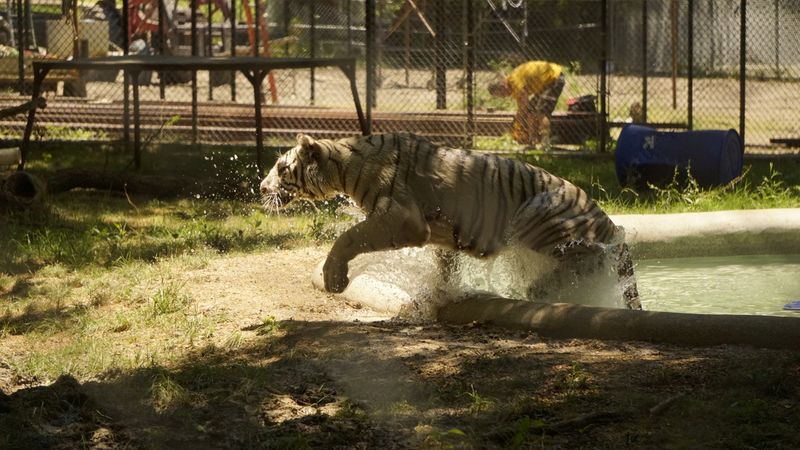
Walking among rescued lions, tigers, and leopards sounds like something from a movie, but that’s exactly what happens at In-Sync Exotics. This nonprofit sanctuary near Dallas dedicates itself to giving exotic cats permanent homes after they’ve been rescued from bad situations.
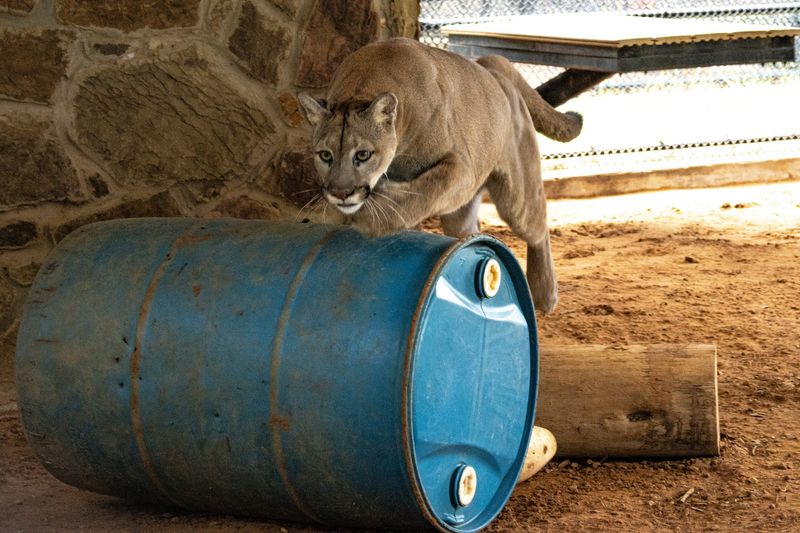
Visitors wander outdoor paths on weekends, getting up close to cougars, cheetahs, bobcats, and even servals.
Each cat has its own story posted near its habitat, explaining why it needed rescue and why exotic pets rarely work out well. Some came from owners who couldn’t handle them as they grew bigger.
Others were saved from neglect or abuse.
The experience teaches important lessons about wildlife ownership while letting you see these magnificent animals thriving in spacious enclosures. Staff members designed the habitats to mimic natural environments, giving residents room to climb, play, and behave like the wild cats they are.
It’s education and inspiration rolled into one powerful visit.
Tiger Creek Animal Sanctuary – Tyler
Deep in East Texas forests, Tiger Creek gives rescued big cats something many never had before: peace. The sanctuary operates with one simple mission, providing lifetime care for exotic animals that cannot return to the wild or be safely rehomed.
Tigers pace along natural treelines while lions lounge under Texas pines.
What makes Tiger Creek different from regular zoos? Every animal here has a rescue story, and guides share those stories during tours.
You’ll learn how a tiger ended up in someone’s backyard or why a lion couldn’t stay at its previous facility.
The wooded setting feels more like a nature preserve than an animal park. Lemurs swing through enclosures designed to match their natural habitats, and every resident receives specialized care based on its individual needs.
Tours run regularly, giving visitors time to ask questions and understand conservation challenges.
The experience stays with you long after you leave, changing how you think about exotic animals forever.
Center for Animal Research and Education (CARE) – Bridgeport
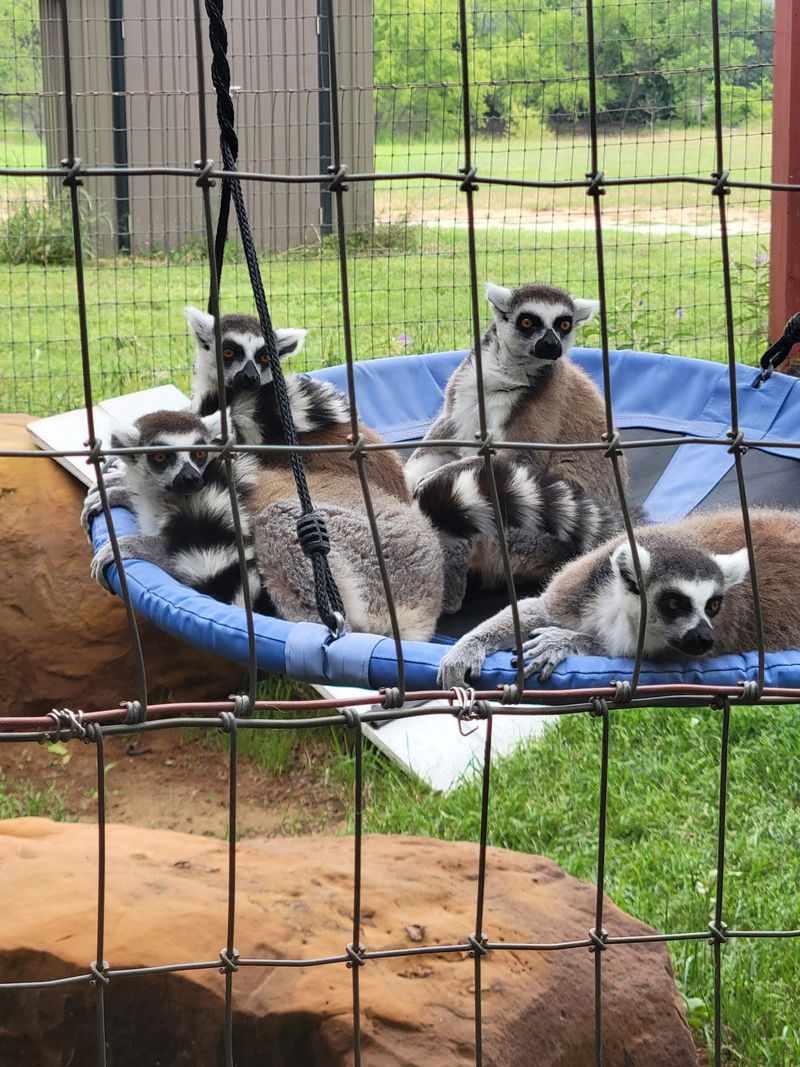
Saturday mornings at CARE mean something special: guided tours through one of Texas’s most dedicated exotic animal sanctuaries. Located in Bridgeport, this facility provides permanent homes for big cats and other exotic species that simply cannot survive in the wild anymore.
Unlike drive-through parks, every step here happens with an experienced guide.
Guides explain each resident’s background, from how they arrived to what daily care involves. Some animals came from failed private ownership attempts.
Others were born in captivity and never learned survival skills.
The sanctuary emphasizes education over entertainment, helping visitors understand why exotic animals make terrible pets and how complex their needs truly are. You’ll see specialized diets prepared, habitat maintenance in action, and the level of expertise required to care for these creatures properly.
Tours book quickly because CARE limits group sizes, ensuring animals aren’t stressed and visitors get meaningful interactions.
The knowledge you gain here changes perspectives on wildlife conservation and captive animal welfare permanently.
Black Beauty Ranch – Murchison
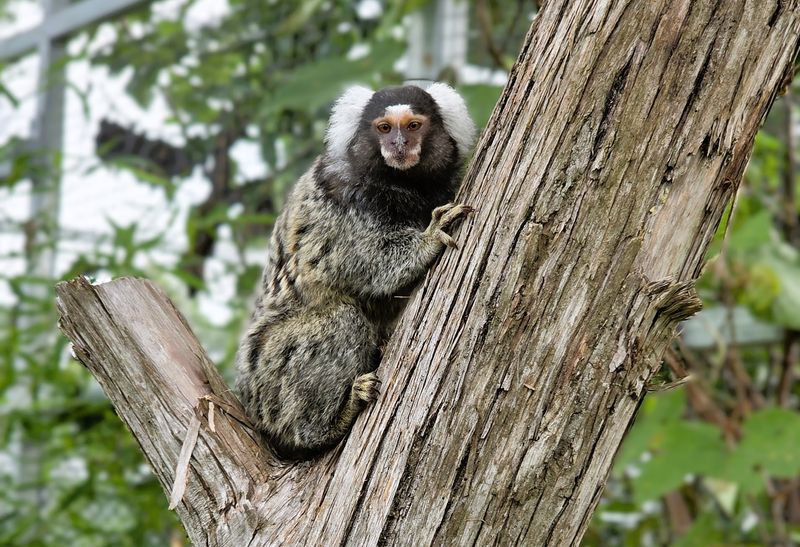
Spanning 1,400 acres of East Texas countryside, Black Beauty Ranch operates on a scale most sanctuaries only dream about. Hundreds of rescued animals call this place home, living in habitats designed to match their natural environments as closely as possible.
Tigers prowl through wooded areas while bears explore large territories.
The ranch doesn’t just display animals. It saves them from cruelty, neglect, exploitation, and abandonment.
Primates swing through climbing structures built specifically for their species. Kangaroos hop across grassy expanses that feel like home.
What started decades ago as a horse rescue has grown into one of America’s premier animal sanctuaries. Every resident here stays permanently because they cannot be released or rehomed safely.
The ranch operates as part of a larger animal protection organization, bringing professional expertise to every aspect of care.
Visitors see firsthand how sanctuary life differs dramatically from zoos or roadside attractions, understanding that true animal welfare means space, specialized care, and lifetime commitment.
Saint Francis Wolf Sanctuary – Navasota
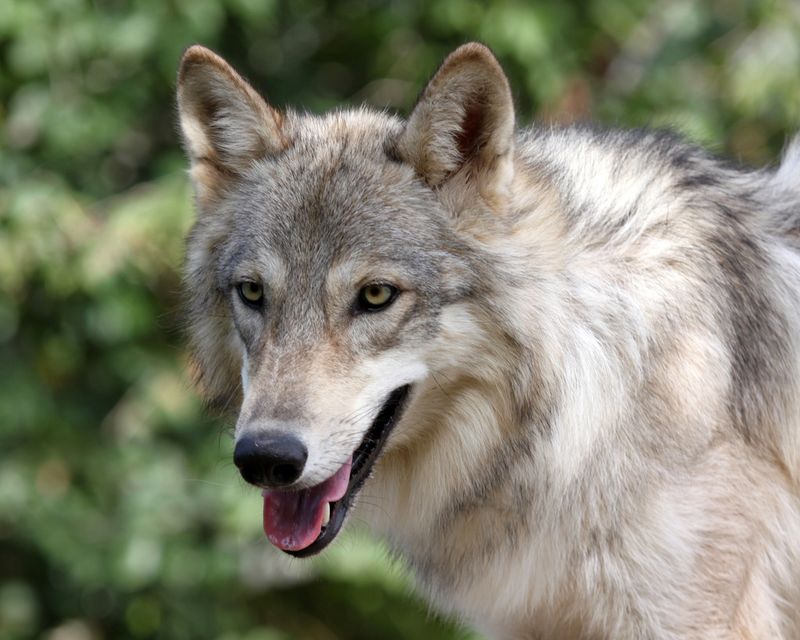
Wolves stir something primal in us, but most people never get to understand them properly. Saint Francis Wolf Sanctuary near Navasota changes that through guided tours focused entirely on wolves and wolfdogs.
These animals arrived after private ownership failed or when previous facilities couldn’t keep them.
Why do wolfdogs need sanctuaries? They’re too wild to be pets and too domesticated to survive in nature.
Many owners realize too late that raising a wolf hybrid takes far more than they imagined.
Tour guides share individual rescue stories while explaining wolf behavior, social structures, and why these animals are so frequently misunderstood. You’ll watch pack dynamics, hear howling that echoes through your bones, and learn about conservation efforts for wild wolf populations.
The nonprofit operates purely on donations and tour fees, ensuring every animal receives lifetime care regardless of age or health issues. Visitors leave with respect for these magnificent creatures and understanding about why they belong in sanctuaries, not backyards.
The experience proves unforgettable for animal lovers of all ages.
Texas Wolfdog Project – Montgomery
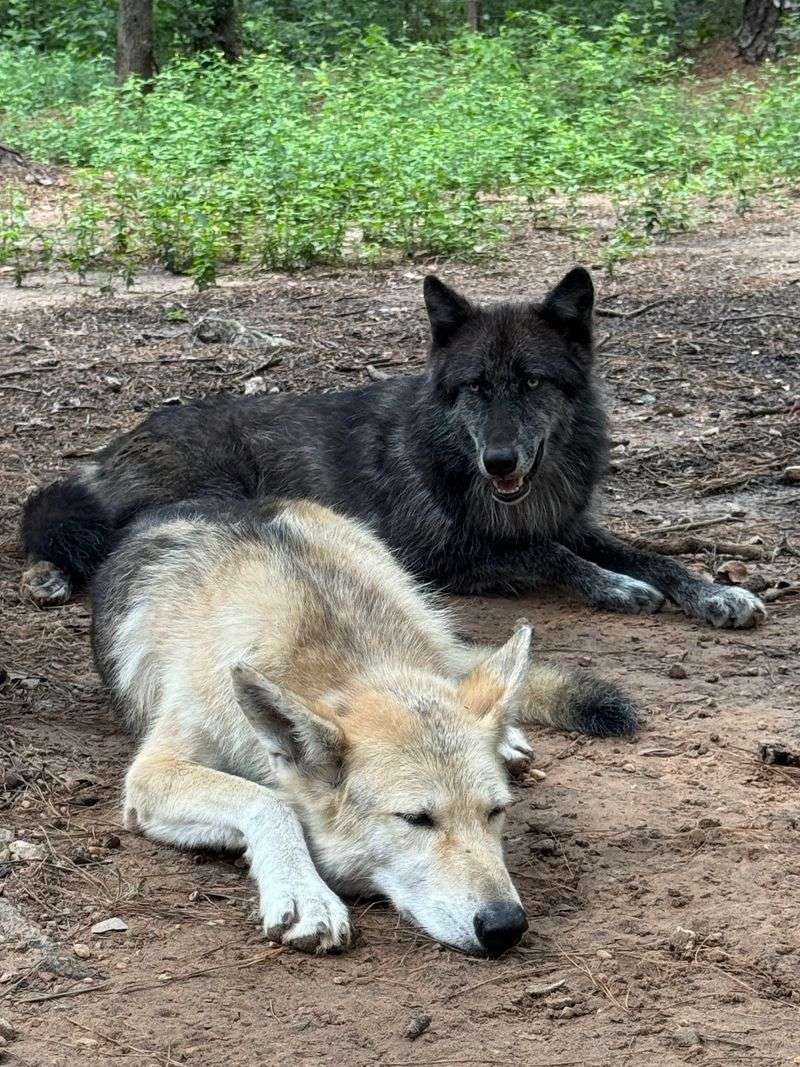
Few wildlife experiences match the intensity of meeting a wolfdog face to face. The Texas Wolfdog Project makes that possible through carefully supervised tours where guests actually interact with some residents.
Staff members know each animal’s personality and comfort level, ensuring both human and wolfdog safety throughout visits.
This sanctuary focuses specifically on wolfdogs and northern breed dogs that found themselves homeless. Many came from owners who underestimated the challenges of raising animals with wild heritage.
Wolfdogs require specialized care, secure facilities, and handlers who understand their complex behaviors.
During tours, guides explain genetics, behavior differences between dog breeds and wolfdogs, and why these animals fail so often in typical home environments. Some residents eagerly greet visitors while others prefer observing from a distance.
The hands-on nature of these tours creates powerful connections while teaching respect for wild animals and their needs. Educational programs help prevent future problems by showing potential owners exactly what wolfdog life involves before they make costly mistakes.
It’s conservation education at its most impactful and memorable.
Wildlife Wonderland – Livingston
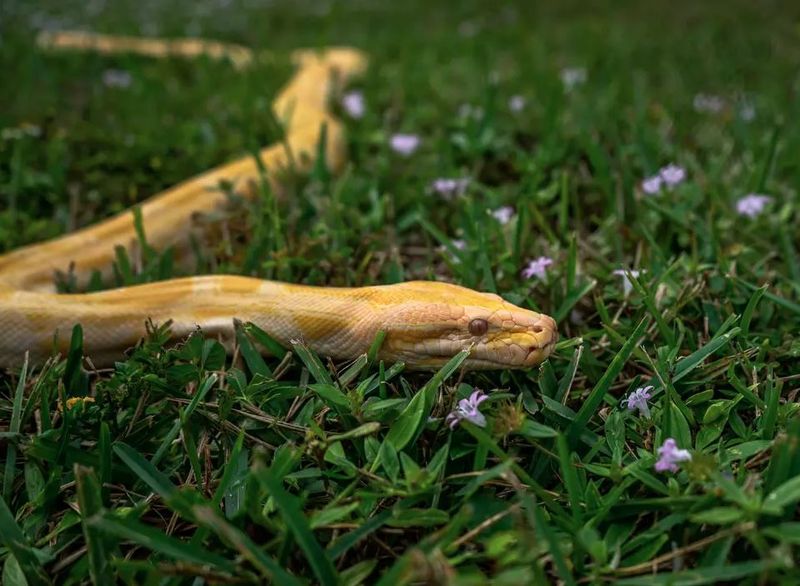
Lemurs weren’t meant to live in Texas, yet Wildlife Wonderland near Livingston provides permanent homes for these and other exotic animals that desperately needed sanctuary. Many residents here arrived with labels like aggressive or difficult, terms that usually mean previous facilities lacked proper expertise.
This nonprofit specializes in cases other places turned away.
Guided tours reveal individual animal stories while showcasing species most Americans only see in movies or major zoos. Ring-tailed lemurs leap between platforms designed for their acrobatic lifestyle.
Other exotic residents occupy habitats tailored to their specific needs.
Conservation education drives every tour, with guides explaining how illegal pet trade, habitat loss, and human interference threaten these species worldwide. You’ll learn why exotic animals suffer in private ownership and what proper care actually requires.
The sanctuary operates entirely through donations and tour fees, relying on public support to continue rescue work.
Visitors frequently comment that seeing these animals in sanctuary settings completely changes their understanding of wildlife conservation and the problems captive exotic animals face daily across America.
Gator Country Adventure Park & Sanctuary – Beaumont
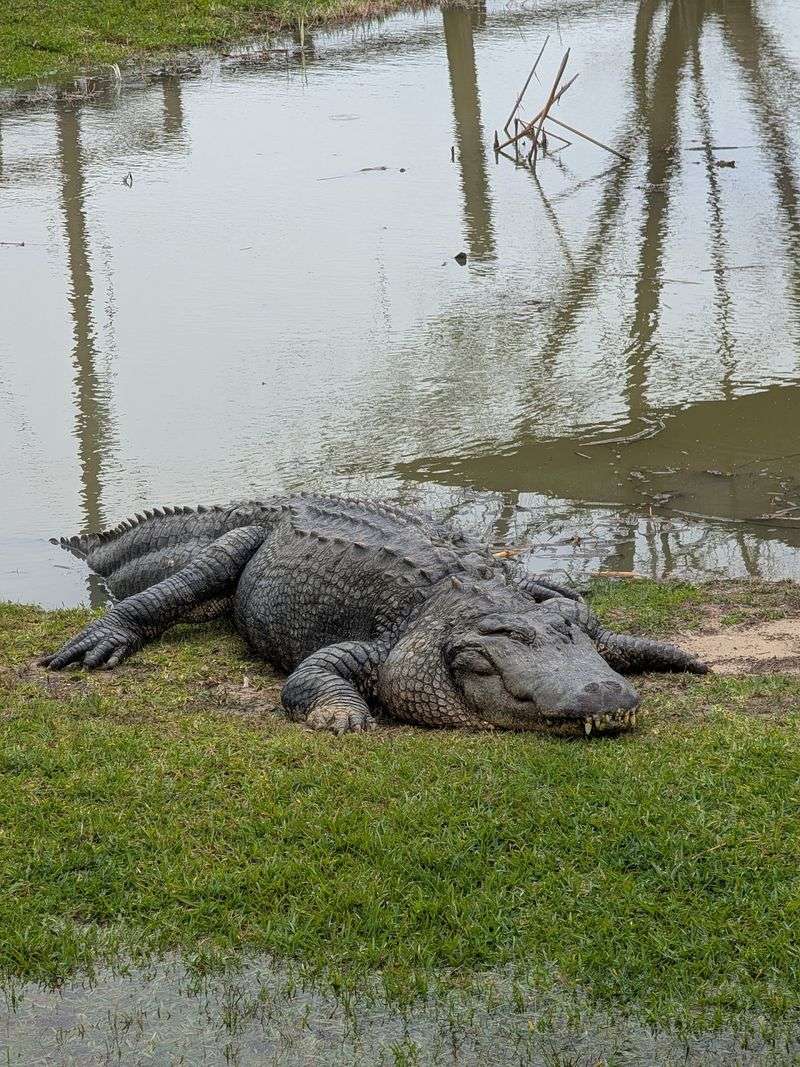
More than 450 alligators call Gator Country home, making this Beaumont facility one of Texas’s most unusual sanctuaries. Forget cute and cuddly, this place rescues and houses reptiles that most people fear.
American alligators dominate the population, but crocodiles, snakes, turtles, tortoises, and lizards also find permanent refuge here.
Where did all these reptiles come from? Some were surrendered by owners who bought baby gators without understanding they grow twelve feet long.
Others were relocated from neighborhoods where they posed safety concerns. Many arrived after being confiscated from illegal situations.
Educational feeding presentations teach visitors about alligator behavior, diet, and conservation status. Supervised reptile encounters let brave guests meet smaller species up close, turning fear into fascination.
The park demonstrates that even Texas’s most misunderstood predators deserve respect and proper care. Staff members share their passion for reptiles during every interaction, showing how these ancient creatures play vital roles in ecosystems.
For anyone curious about reptiles or wanting to conquer fears, Gator Country offers experiences unavailable anywhere else in Texas.
Rogers Wildlife Rehabilitation Center – Hutchins
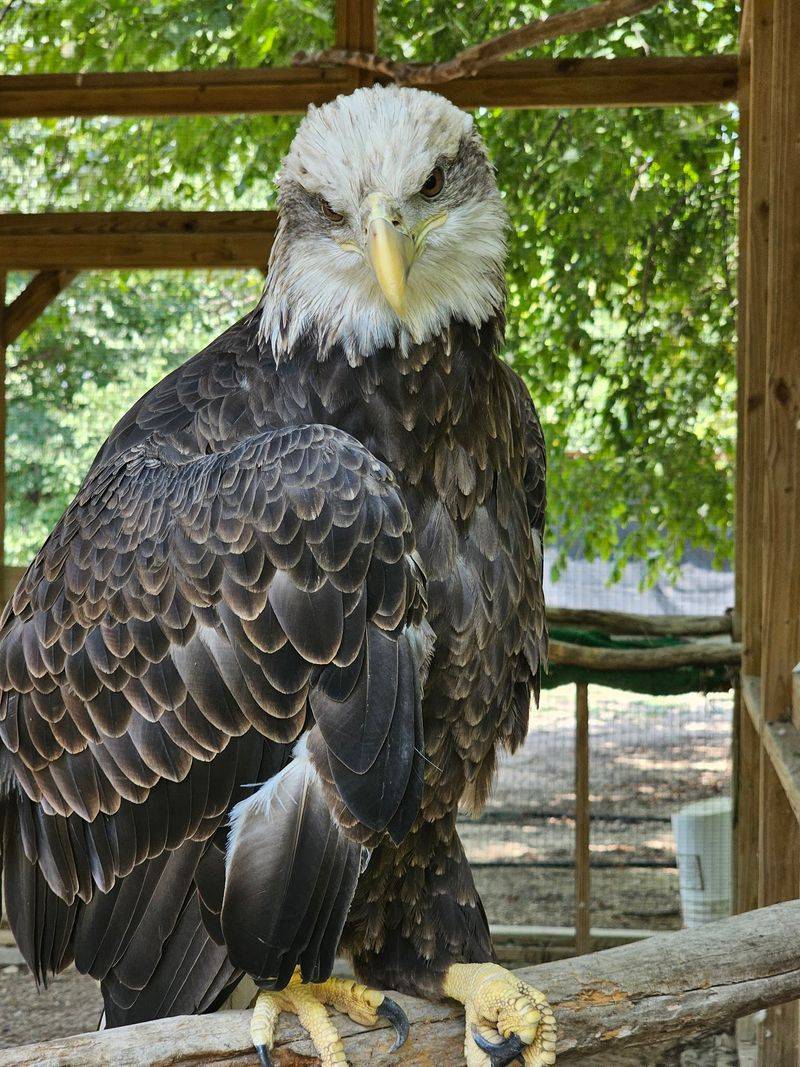
Broken wings brought them here, but careful hands keep them safe. Rogers Wildlife Rehabilitation Center near Dallas specializes in rescuing injured, sick, and orphaned protected birds across Texas.
While many patients heal and return to the wild, some residents stay permanently because their injuries prevent survival outside sanctuary walls.
Walking through the center reveals hawks with partial vision, owls missing wing feathers, pelicans unable to fly long distances, and herons with healed but permanent leg damage. Vultures, caracaras, and dozens of other species occupy aviaries designed for their specific needs.
Each bird’s story teaches visitors about dangers wildlife faces, from vehicle strikes to illegal shooting.
Texas Parks & Wildlife officially recognizes Rogers as a wildlife viewing location, validating its conservation education mission. Staff members explain how human interference and imprinting can doom young birds to captivity even when physically healthy.
The center operates entirely through donations, treating thousands of birds annually while maintaining permanent sanctuary for those that cannot leave.
Visiting here connects people with native Texas wildlife in ways zoos cannot match.
Fossil Rim Wildlife Center – Glen Rose
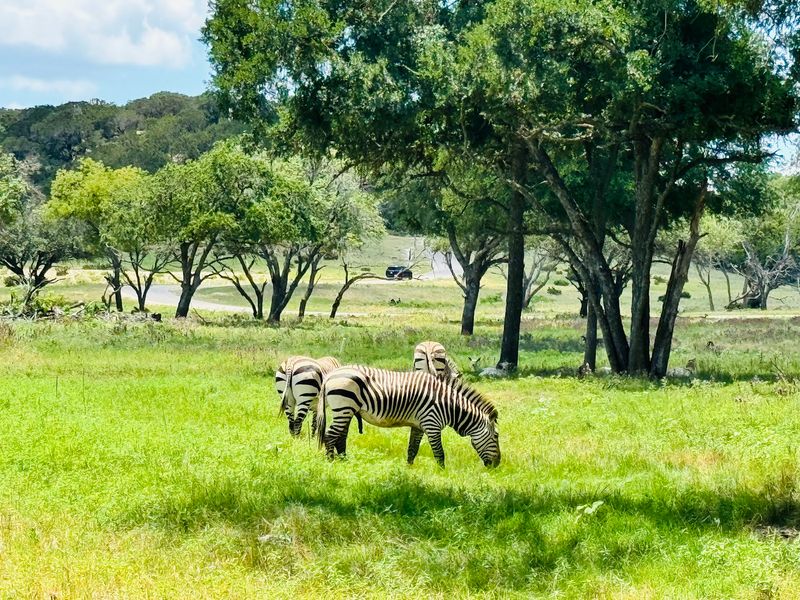
Your car becomes a safari vehicle as a giraffe’s head appears at your window, hoping for treats. Fossil Rim Wildlife Center near Glen Rose reimagines how people experience exotic animals by letting visitors drive through hundreds of acres where wildlife roams relatively free.
Traditional zoo exhibits with bars and concrete disappeared here decades ago, replaced with sprawling habitats that mimic natural environments.
Giraffes, rhinos, cheetahs, antelope, and numerous other species live across the property. Some approach vehicles eagerly while others maintain distance, behaving more naturally than animals in standard zoos ever could.
The nonprofit status means every admission dollar supports conservation programs for threatened and endangered species. Breeding programs here have helped save animals from extinction, sending offspring to other facilities and reintroduction programs worldwide.
Overnight lodging lets dedicated wildlife lovers maximize their experience, waking to giraffes outside cabin windows. Educational programs teach children and adults about conservation challenges these species face in wild habitats.
Fossil Rim proves that seeing animals in spacious, naturalistic settings creates more powerful educational experiences than traditional exhibits ever achieved.
Santa Clara Ranch – Rio Grande City
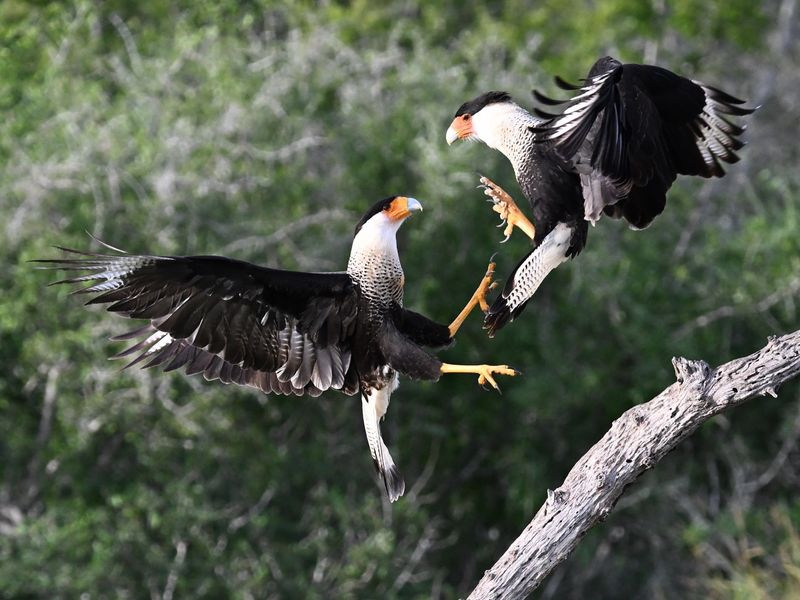
Dawn breaks over South Texas as you sit motionless inside a carefully designed blind, camera ready. Santa Clara Ranch offers something increasingly rare: watching wildlife behave completely naturally in their native habitat.
No cages, no artificial habitats, just patient observation of creatures going about their daily lives unaware of human presence.
The ranch sits in one of Texas’s most biodiverse regions, where South Texas brushland creates habitat for species found nowhere else in America. Photography blinds position observers perfectly for capturing birds and mammals without disturbing natural behaviors.
Specialized observation areas let non-photographers simply watch and appreciate wildlife in its element.
This approach flips the typical sanctuary model completely. Instead of animals in enclosures being viewed by free humans, wild animals roam freely while humans occupy designated observation spots.
The experience teaches patience, respect, and appreciation for wildlife on their terms rather than ours. Rare birds that attract observers from across the country frequent the property, making it a premier destination for serious birders and nature photographers.
It’s the perfect finale for understanding how wildlife sanctuaries truly let us see animals in a whole new way.
Heard Natural Science Museum & Wildlife Sanctuary — McKinney
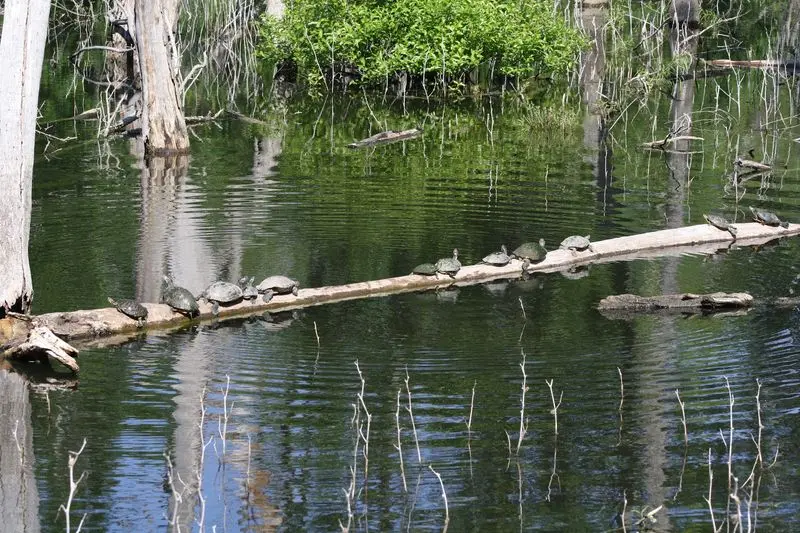
Some wildlife experiences are better when the animals aren’t behind traditional zoo barriers. At Heard Natural Science Museum & Wildlife Sanctuary in McKinney, visitors can explore protected Texas habitats while discovering native wildlife in a setting designed around nature and conservation.
The sanctuary’s trails wind through forests, wetlands, and prairie, creating opportunities to spot birds, reptiles, and other wildlife along the way.
One of the most memorable stops is the Animal Encounter Trail, where visitors can see non-releasable animals that cannot safely return to the wild. Bobcats, gray foxes, and coatimundis are among the residents visitors may encounter, offering a closer look at animals that are rarely seen in everyday life.
The surrounding sanctuary also attracts a remarkable variety of resident and migrating birds.
With its combination of protected habitat, educational exhibits, walking trails, and native wildlife, Heard offers a refreshing alternative to a conventional zoo visit. It shows how Texas wildlife can be appreciated best when conservation and natural surroundings remain at the heart of the experience.