
Some communities are so far from main roads and runways that reaching them feels like crossing time itself. You will meet people who plan life around weather reports, ship timetables, and rare small-plane seats. These places test endurance yet glow with stubborn warmth and culture. Keep reading to see how daily routines adapt when the map turns blank.
Tristan da Cunha, South Atlantic — Edinburgh of the Seven Seas
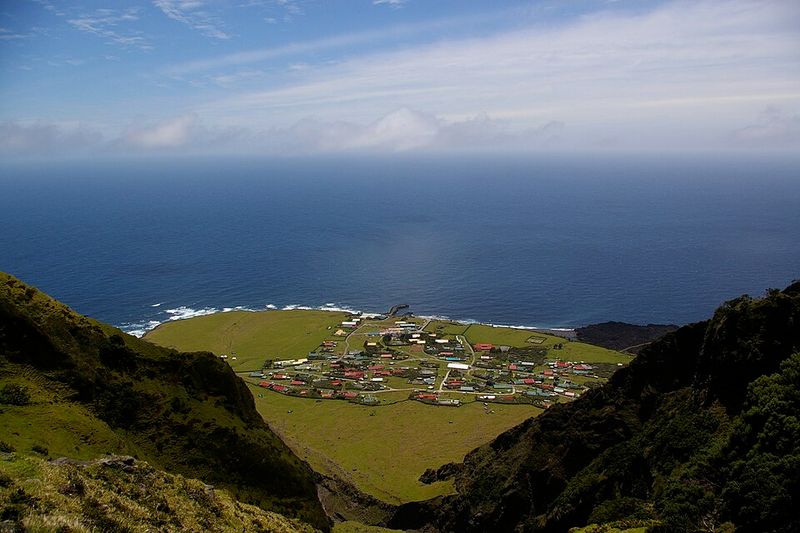
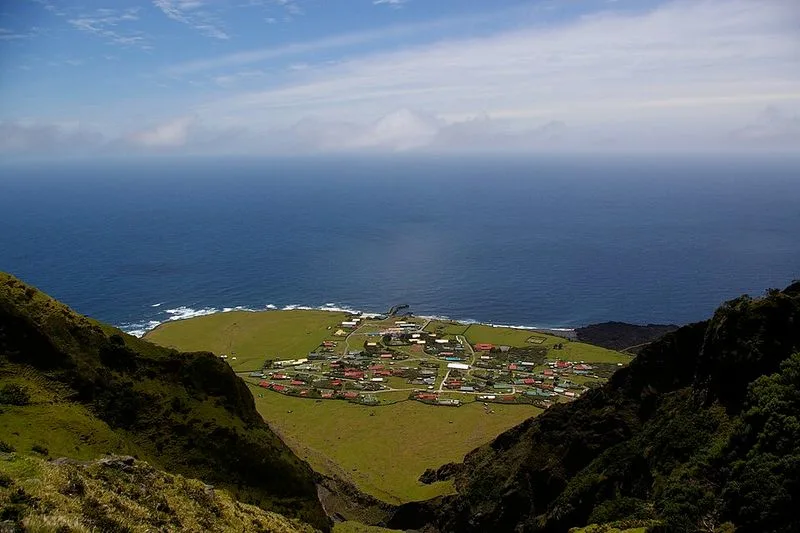
Out here, the sea decides everything. Edinburgh of the Seven Seas has no airport, so ships from South Africa set the rhythm of life. You feel time stretch while waiting for supplies, visitors, and mail that arrive only when weather and timetables align.
People fish, farm small plots, and check the horizon like a daily ritual. Workshops hum when the supply ship is near, then quiet after departure. School, clinic, and community halls keep routines steady, but isolation is always present.
When storms rise, you wait. The island waits with you.
Pitcairn Islands — Adamstown
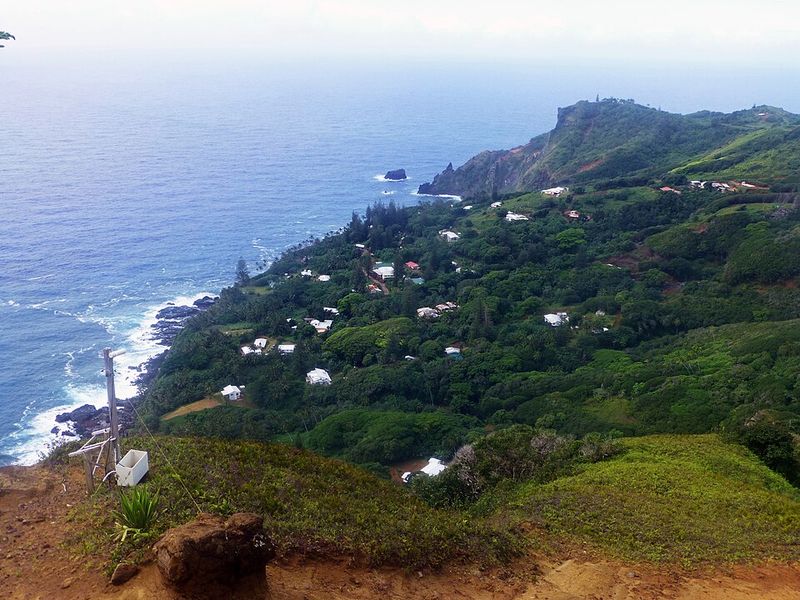
Adamstown is small enough that you learn every voice on the path by the second day. Passenger service is infrequent, and the sea crossing takes days, so plans revolve around the next sailing. A few dozen neighbors keep traditions alive, maintain boats, and share tools.
Here, the horizon is both gateway and wall. Supplies come in crates that become prized resources for months. History feels near in names and stories passed around tables.
When a ship appears, everything accelerates. When it leaves, quiet returns, steady as the surf.
Ittoqqortoormiit / Scoresby Sound, East Greenland
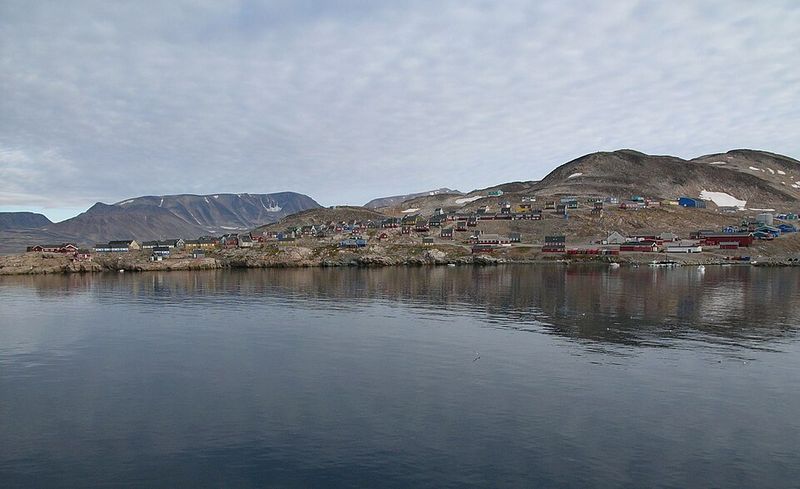
Reaching Ittoqqortoormiit means watching weather windows like someone watches a clock. Flights are irregular, summer boats thread the fjords, and winter can halt movement for weeks. Sea ice sets schedules, and patience becomes a daily skill.
Hunting, fishing, and careful planning keep homes warm and cupboards steady. When the helicopter comes, everyone knows. Boxes move fast, news travels faster.
Outside, the landscape glows white and blue, wide as thought. Inside, tea steams and time softens. You wait for the next opening, knowing it will come, then go just as quickly.
La Rinconada, Peru
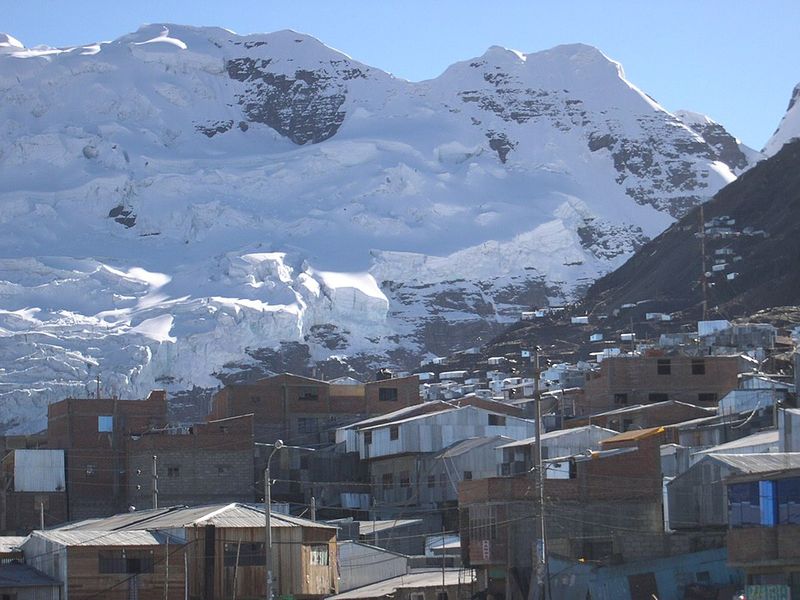
Life above 5,000 meters turns breath into work. Streets tilt steeply around small scale gold mines, and housing clusters where the mountain allows. Roads are harsh, oxygen scarce, and routine shaped by shifts underground.
People hustle with thermoses and headlamps, trading gossip for warmth. Infrastructure is thin, but community bonds run thick. Elevation decides pace, sleep, and appetite.
Visitors feel the altitude instantly. Locals plan carefully, from boiling water to crossing town. On clear mornings, the ice glitters like a promise, and then the hillside shudders back to labor.
Supai, Havasupai Reservation, Arizona, USA

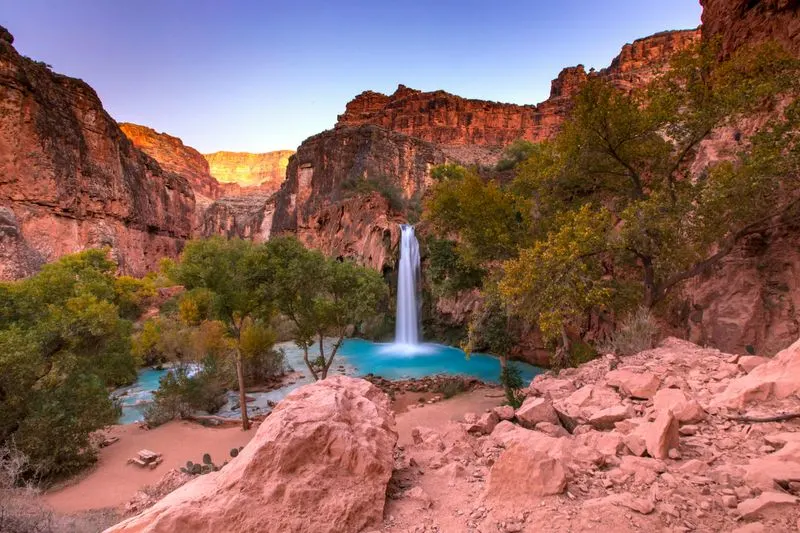
Supai sits deep in a sandstone pocket, away from roads and rush. You reach it by hiking eight miles, riding a mule, or catching a helicopter when weather allows. Mail still arrives by pack animal, which feels both old and perfectly practical.
Waterfalls thunder nearby, and canyon shadows schedule your day. The Havasupai manage access and protect the land, so you move respectfully, step by step. Supplies come in bundles, carefully logged.
Evenings are quiet, stars loud. Leaving takes the same patience as arriving, one switchback at a time, breath syncing with hoofbeats.
Easter Island / Rapa Nui, Chile
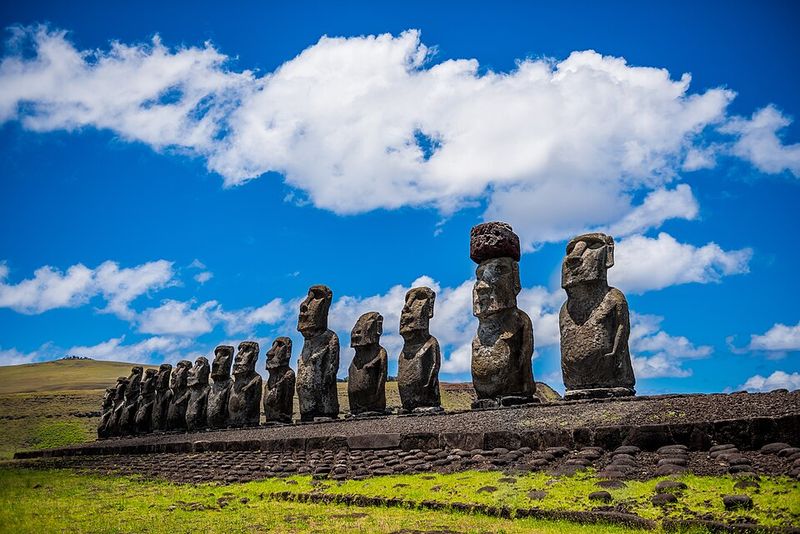
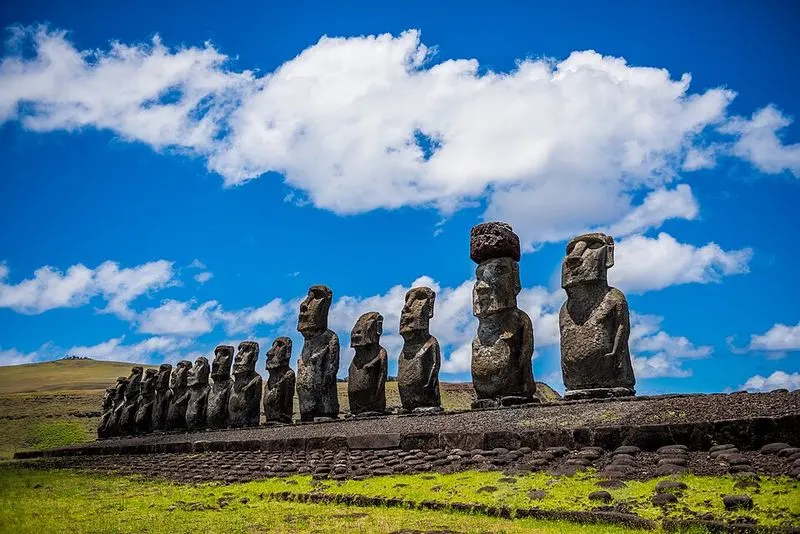
Flights do land here, but you learn quickly that weather edits the schedule. Rapa Nui sits far from continental hubs, so delays ripple through plans and grocery lists. Islanders juggle tourism, family obligations, and tradition with practiced calm.
Moai watch the horizon like steady timekeepers. When planes arrive, fresh produce and new faces brighten the streets. When planes do not, you make do and swap recipes.
The island feels whole and self aware. You pace to the ocean, breathe salt, and understand why patience counts as a local virtue.
Mêdog / Motuo County, Tibet, China

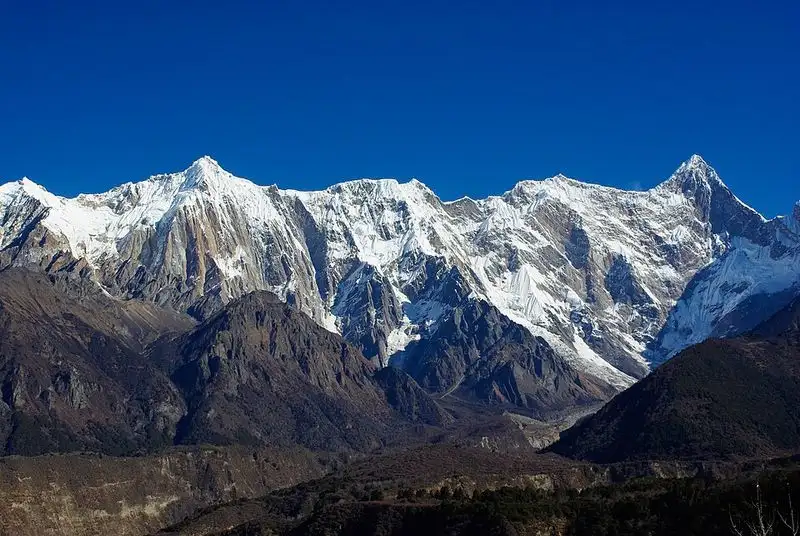
For years, Motuo was a blank on road maps, reached by foot or river alone. A road and seasonal air links help now, but mountains still argue with every plan. Landslides, monsoon rain, and steep switchbacks keep travel uncertain.
Villages cling to green slopes where tea and fruit grow. Markets wake when trucks make it through, and quiet returns when they do not. You feel the valley breathe in weather.
Old footpaths still matter. People read clouds like signs, and journeys bend around the gorge, late connection shaping every routine.
Oymyakon, Sakha Republic, Russia
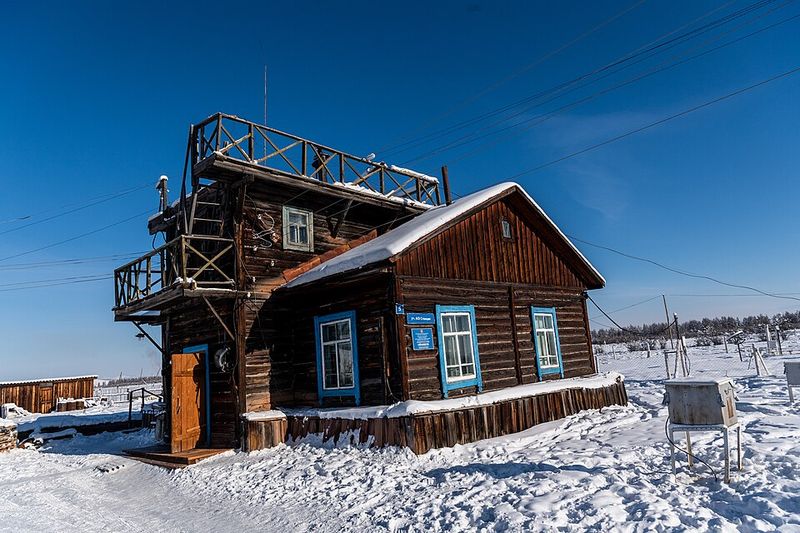
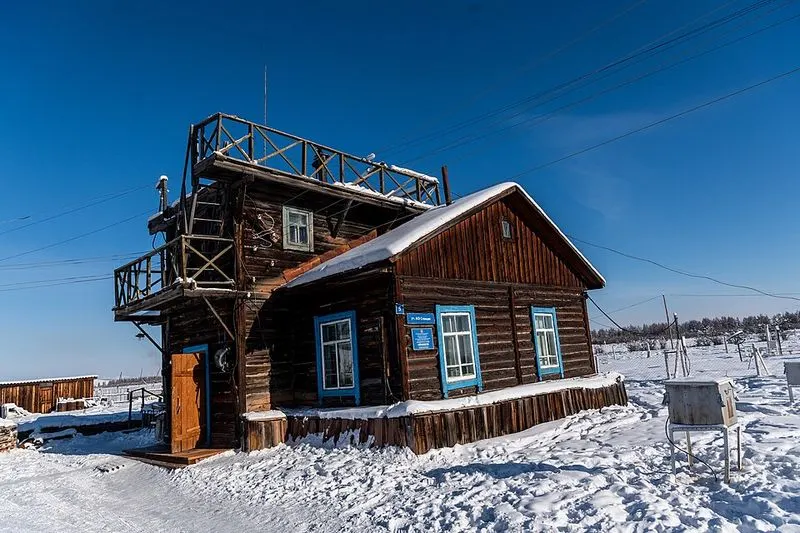
Cold here is not a headline, it is architecture. Oymyakon sees winters so hard that cars sleep indoors and breath turns to glitter. Distances lengthen on frozen roads, and services thin out with the daylight.
People layer clothing like strategy, eat hearty, and keep engines warm. Travel becomes a series of careful calculations. If the wind rises, you wait.
When spring loosens its grip, routines stretch again. But for months each year, transport and outdoor life shrink to essentials. You listen to the creak of ice and plan tomorrow like a polar expedition.
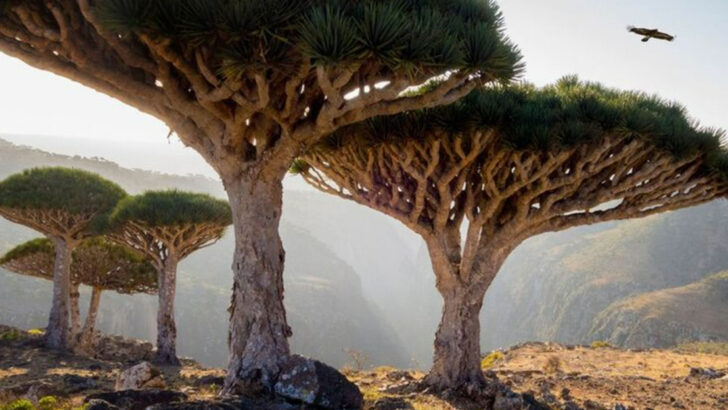
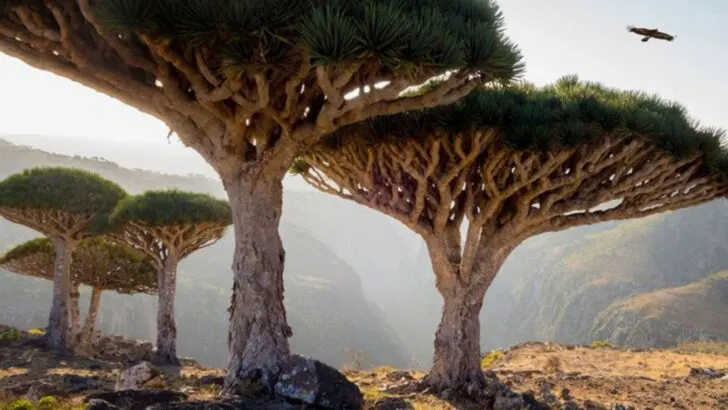
Socotra, Yemen
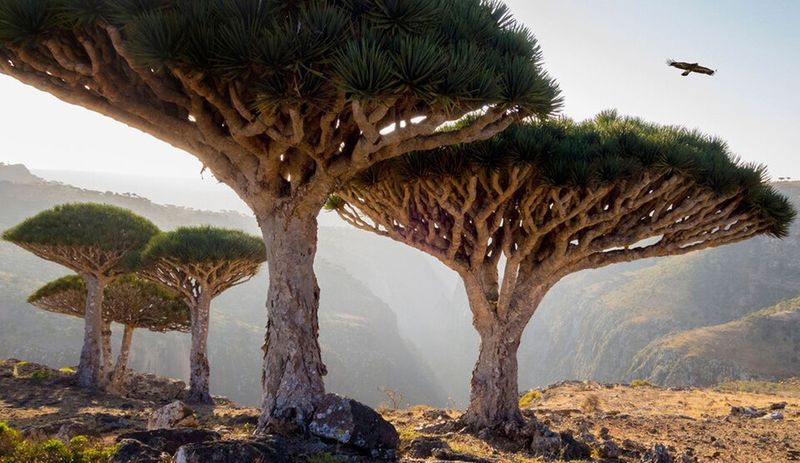
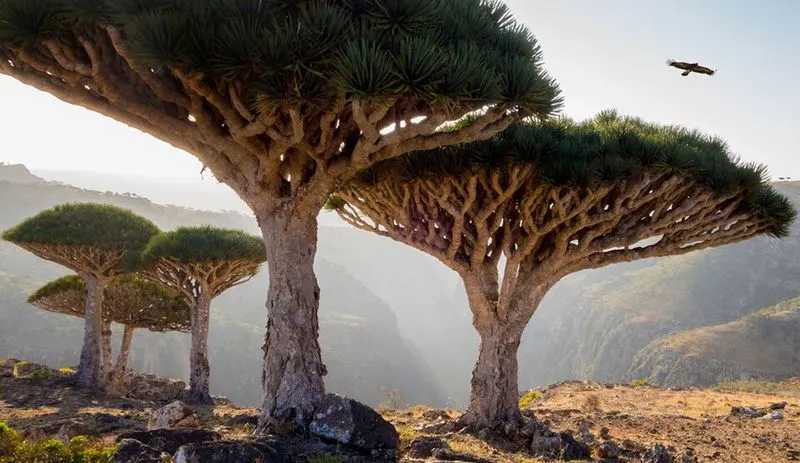
Socotra looks otherworldly, but life is grounded in fishing, herding, and tending rare trees. Flights are irregular and ships take time, so supply chains feel fragile. People adapt by mending, sharing, and keeping skills close at hand.
Markets flare when a plane arrives, then calm to island time. Trails connect small settlements, with the sea always near. You measure weeks by winds.
The flora is unique, and stewardship runs deep. Visitors trickle in, sometimes not at all, while families continue routines shaped by remoteness and resourcefulness.
Kerguelen Islands, French Southern Territories
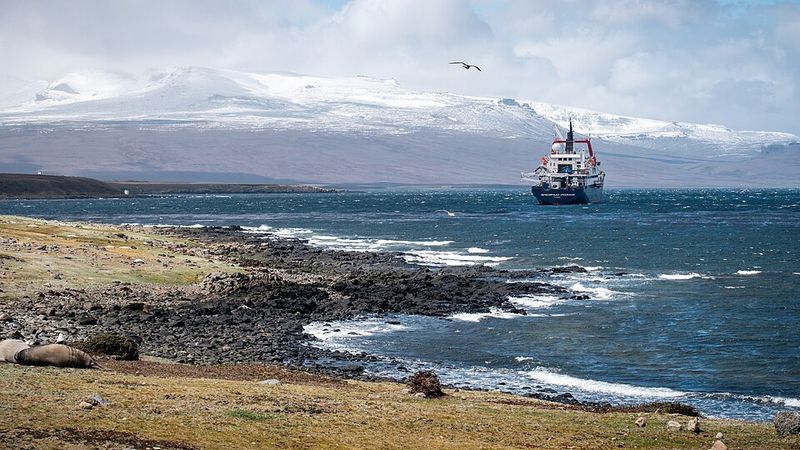
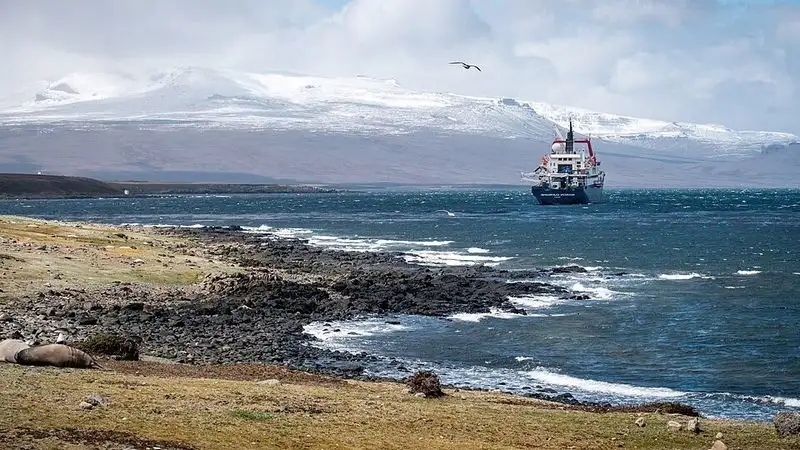
There is no commercial airport here. Kerguelen hosts rotating researchers and station crews who arrive by long sea voyages and occasional logistics flights. Life follows ship schedules, not holidays.
When the vessel docks, the base becomes a hive. Crates stack, emails race, and then the quiet returns to wind and data. Civilian travel patterns do not apply.
People track parts, fuel, and food the way others follow sports. You live by manifests and maintenance windows, with wildlife as neighbors and the Southern Ocean as constant company.
Anaktuvuk Pass and remote North Slope villages, Alaska
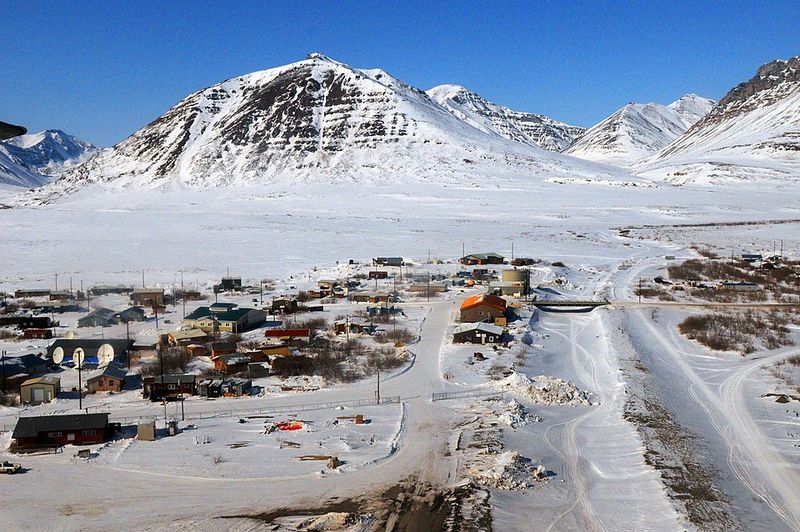
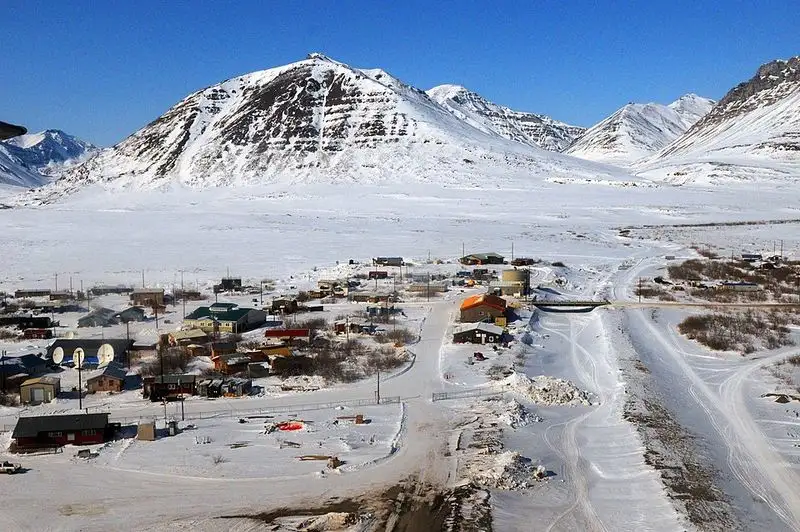
Here, the small plane is the school bus, grocery truck, and lifeline. Villages rely on airstrips, snowmachines, and seasonal boats when rivers open. Weather, darkness, and tundra decide when you move.
Mail day feels like an event. Fuel deliveries are scheduled like ceremonies, with backups for storms. Hunting and community halls carry the culture.
Travel windows are short and precious. When fog drops, plans stop. You learn to pack light, layer up, and treat every seat on a bush plane like gold.
Ny-Ålesund and other Arctic research towns, Svalbard
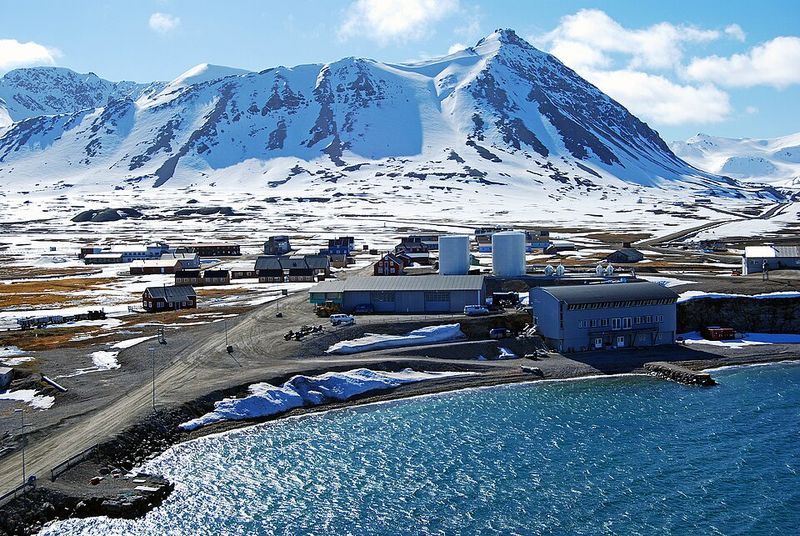
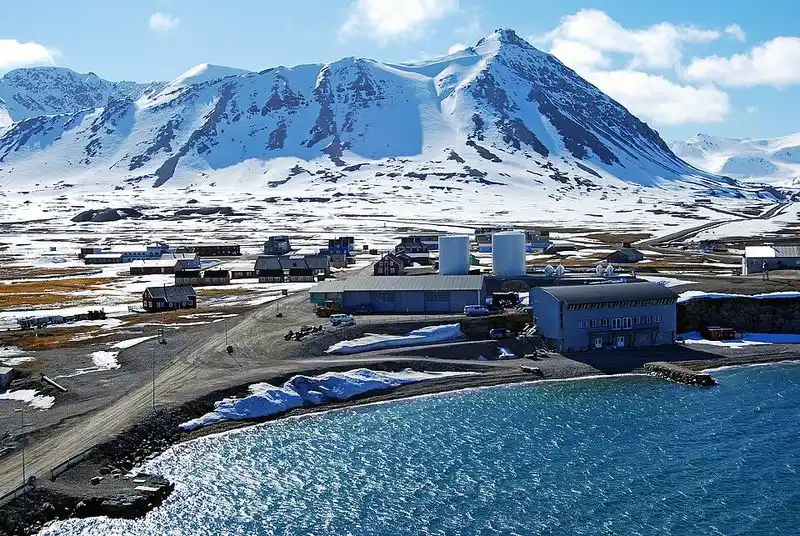
Ny Ålesund runs on research and rules. Access is limited, regulated, and shaped by ice, permits, and flights tied to logistics. You walk past polar bear warnings on the way to the lab and carry radios like gloves.
When planes land, the roster shifts. When sea ice loosens, shipments arrive. Safety briefings sit beside instrument calibrations on the calendar.
Community is tiny but international. Streets are quiet, generators steady, and the midnight sun turns time strange. Work and survival share the same checklist.
Lunana region and remote Bhutanese Himalayan villages
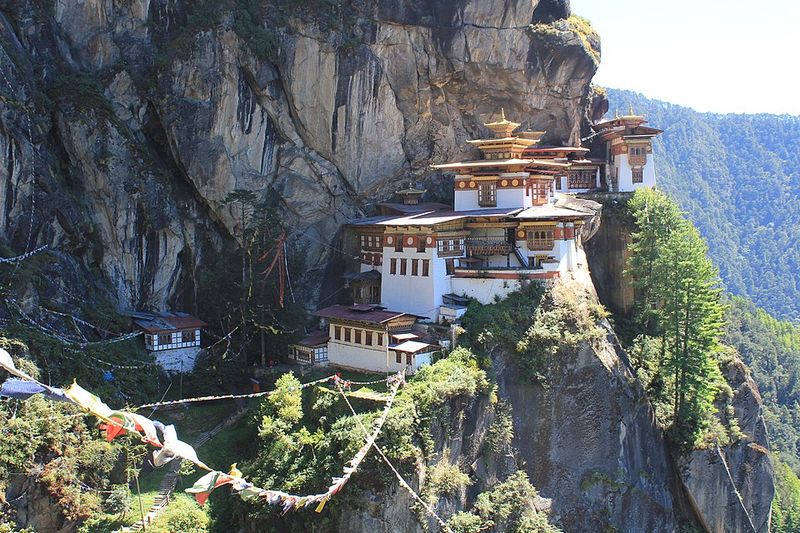
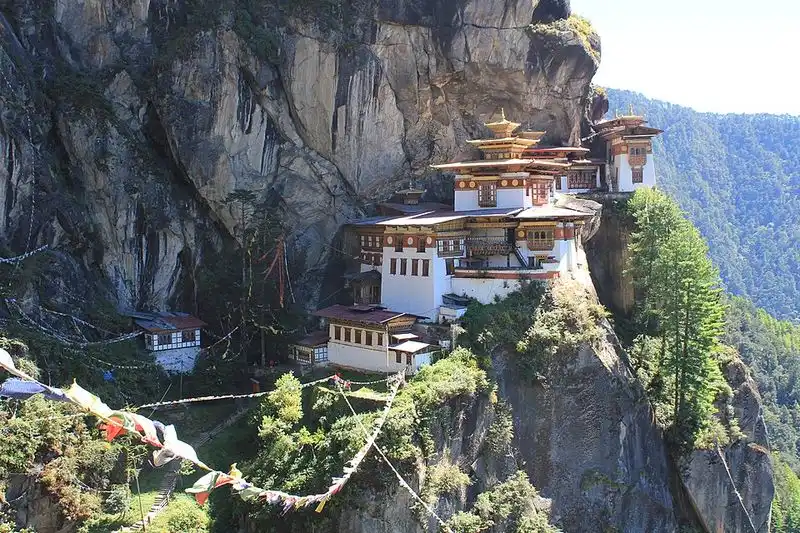
Some Bhutanese villages sit beyond roads, across passes that take days on foot. Helicopters appear rarely, and only when weather cooperates. Supplies arrive on yak backs, and good boots matter more than schedules.
Herding and fieldwork shape the calendar. Monsoon and snow redraw the map each season. Guests are few, tea is strong, and stories carry warmth.
When you finally crest a pass, the village feels like a promise kept. People plan trips like pilgrimages, knowing each step counts, and return with spices, salt, and news.
Barrow, Alaska, USA
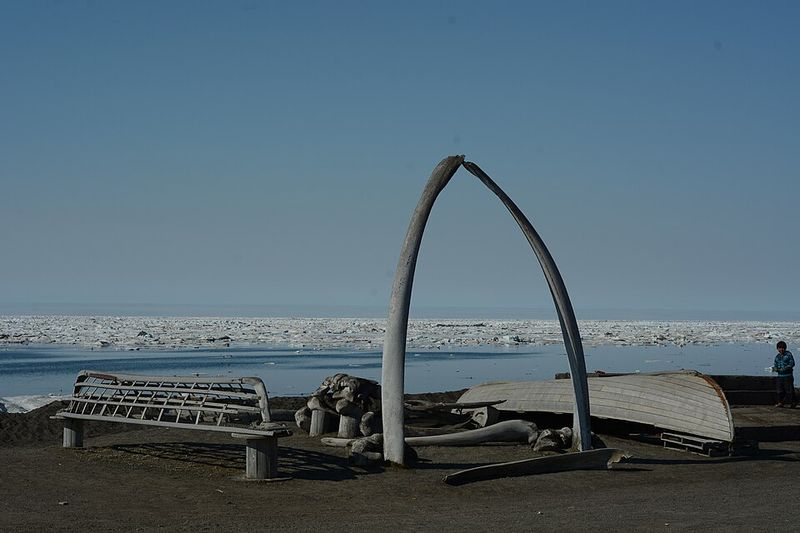
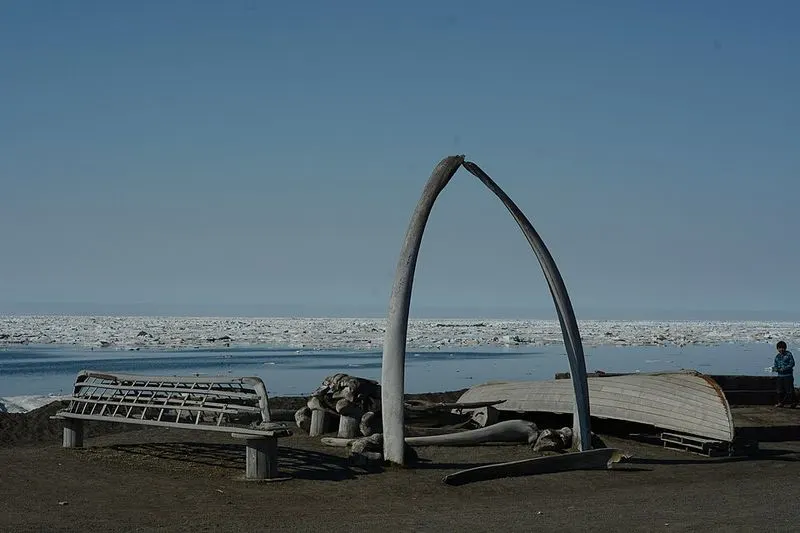
In the northernmost city of the United States, Barrow, Alaska stands as a testament to human tenacity. Known today as Utqiaġvik, this icy enclave endures long, dark winters and extreme temperatures. Yet, its Inuit residents have thrived here for thousands of years.
The town’s culture is rich with traditions like whale hunting and intricate crafts. Despite the challenges, the close-knit community relies on each other for support and survival. Modern conveniences reach Barrow, but it retains a timeless connection to nature.
Fun Fact: Barrow experiences 24-hour darkness in winter, making it one of the few places on Earth with polar night.