Some Florida museums have cracked the code for keeping kids busy—and parents might actually get to relax.
Across the state, children’s museums turn ordinary outings into hours of touching, building, climbing, pretending, and discovering. Forget the constant chorus of “I’m bored!” for a little while.
From pretend grocery stores and fire stations to giant play structures and hands-on science experiments, these museums give curious minds plenty to chase. Kids can make a mess, ask questions, test ideas, and jump into new adventures without staring at a screen.
Rainy afternoon? Easy win.
Too-hot day? Problem solved.
Need an outing that works for different ages? Even better.
These 16 Florida children’s museums prove that learning can feel like play—and that getting kids to leave might become the hardest part of the visit.
Glazer Children’s Museum – Tampa
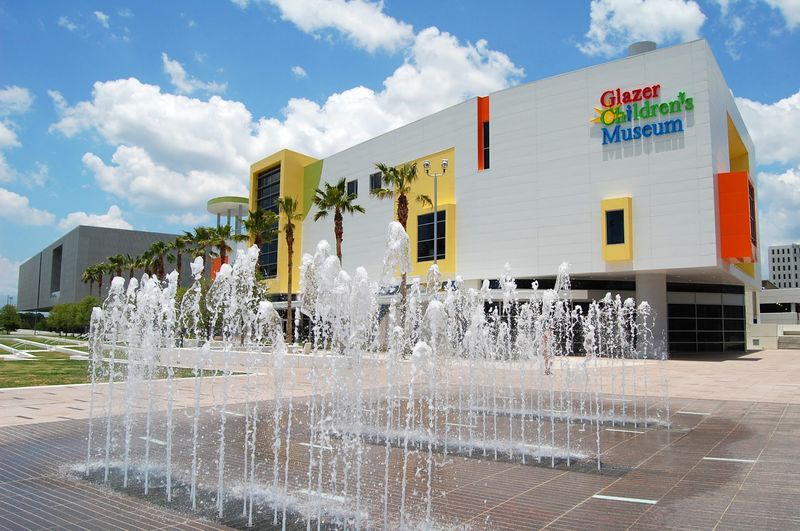
Multiple floors packed with activity make this Tampa museum a powerhouse of engagement. Kids move between pretend neighborhoods, splash-friendly water zones, building areas, and art corners without missing a beat.
The layout encourages exploration rather than standing still.
Each section offers something different enough to reset short attention spans. One moment children are shopping in a miniature grocery store, the next they’re engineering structures or creating messy masterpieces.
Physical challenges scattered throughout let energetic visitors burn off steam while learning.
Parents appreciate that the museum gives children real control over their experience. Instead of passive observation, kids touch, build, climb, and create.
The variety means families can return multiple times without exhausting the possibilities.
This hands-on approach transforms what could be a quick visit into an unexpectedly long afternoon. Children genuinely lose track of time when they’re allowed to direct their own discovery.
Miami Children’s Museum – Miami
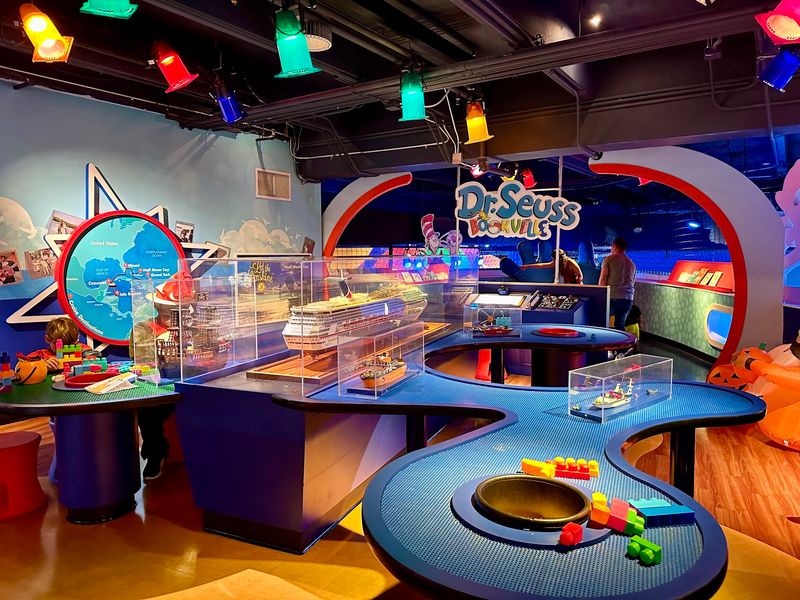
Sprawling themed galleries turn this Miami location into a small universe for curious minds. Art studios sit alongside music rooms, cultural exhibits, and communication zones.
Children bounce from one immersive environment to another, trying on different roles and skills.
The museum doesn’t force a particular path through its offerings. Kids gravitate naturally toward whatever catches their interest, whether that’s creating visual art, experimenting with instruments, or role-playing adult careers.
This freedom makes the experience feel less like a structured tour and more like independent exploration.
Interactive setups throughout the space invite participation rather than observation. Children can actually do things rather than just look at displays behind glass.
That active involvement keeps them invested far longer than traditional museum formats.
Time disappears when kids are genuinely engaged. The combination of variety, hands-on access, and imaginative settings creates an environment where hours pass surprisingly quickly for both children and parents.
Florida Children’s Museum – Lakeland
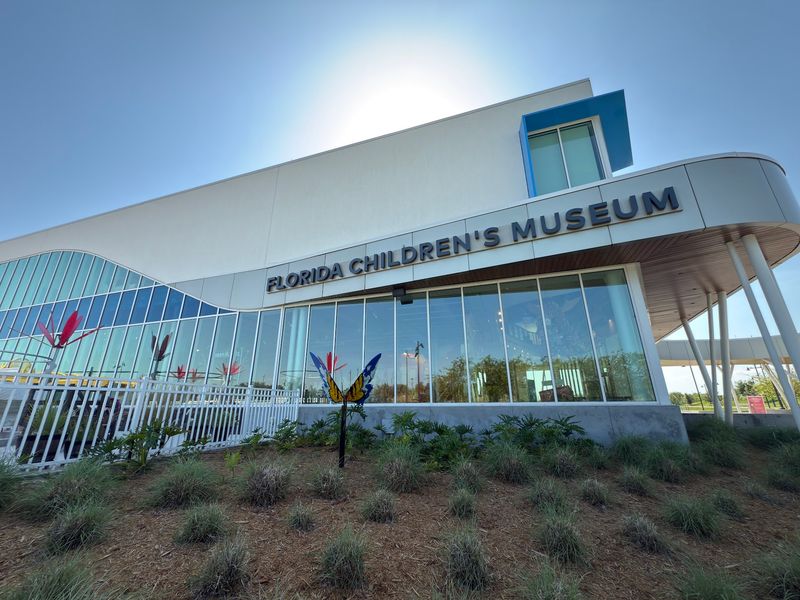
Two floors and nearly 48,000 square feet give families serious room to roam at Bonnet Springs Park. Formerly known as Explorations V, this massive facility earned its upgrade with genuinely impressive scale.
The sheer size means children can move from area to area for hours without retracing their steps.
Interactive exhibits fill both levels with enough variety to satisfy different ages and interests. Younger children find age-appropriate challenges while older kids discover more complex activities.
This range makes it practical for families with multiple children at different developmental stages.
The museum’s design encourages movement and exploration rather than sitting still. Kids climb, build, experiment, and imagine their way through the space.
Physical activity combined with mental engagement creates a winning combination for sustained attention.
Families often plan for shorter visits only to find themselves staying much longer. When a museum offers this much territory to explore, time becomes surprisingly elastic.
Golisano Children’s Museum of Naples – Naples
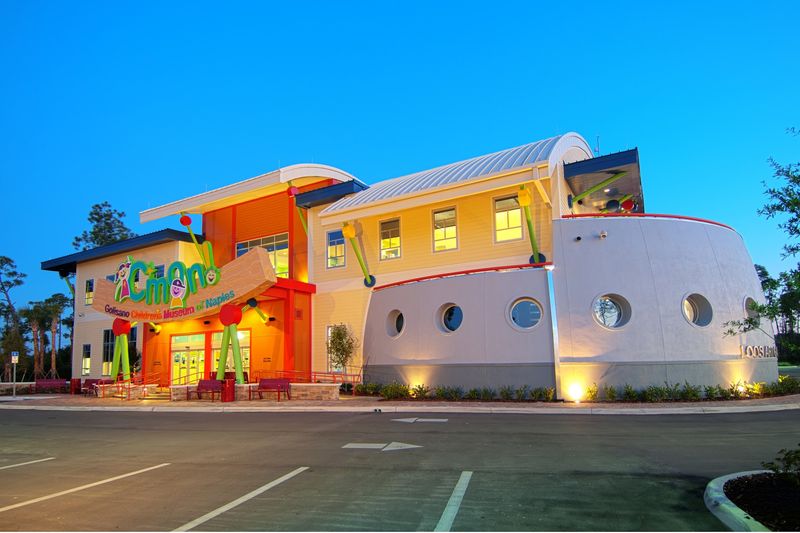
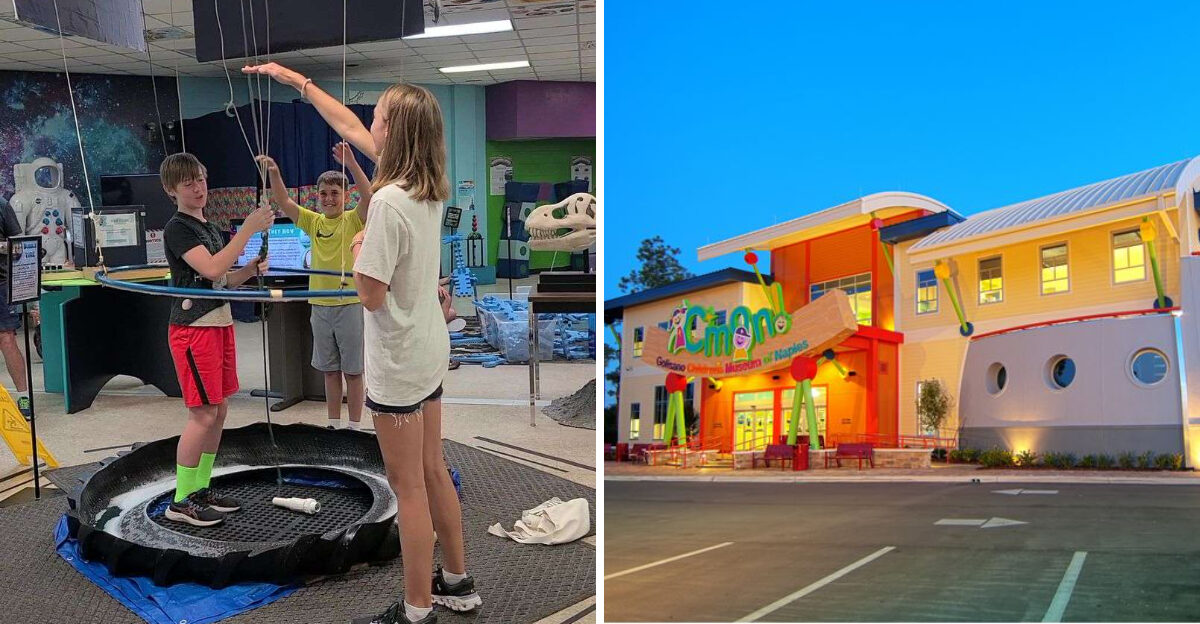
Locally nicknamed C’mon, this Naples museum turns everyday learning into expansive play experiences. Art, science, nature, community life, and imagination all get dedicated zones where children can truly spread out.
The art studio alone provides enough space and materials for serious creative projects.
Messy activities get proper room here, something parents appreciate. Kids can paint, sculpt, and experiment without feeling constrained by tight quarters or worried supervision.
When children feel free to really engage with materials, they naturally spend more time exploring possibilities.
The museum’s approach emphasizes doing rather than watching. Every area invites active participation, whether children are investigating natural specimens, role-playing community jobs, or constructing science experiments.
This hands-on philosophy keeps kids mentally present.
Different sections appeal to different moods, so restless children can shift environments when needed. That flexibility prevents the boredom that usually cuts museum visits short.
Instead, families find themselves lingering well past their planned departure time.
Great Explorations Children’s Museum – St. Petersburg
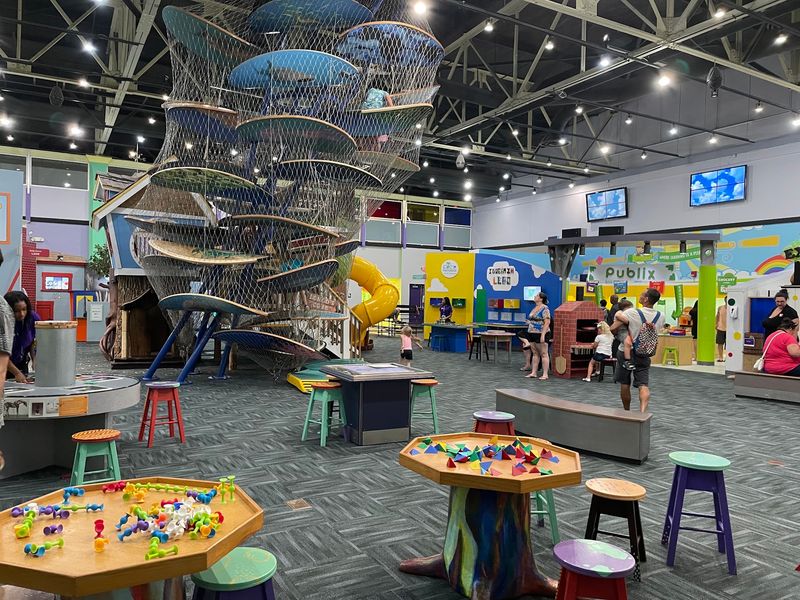
A giant two-story treehouse sets the tone for this St. Petersburg favorite. Kids immediately want to climb, explore, and claim territory within its branches.
That physical draw gets them through the door and invested in staying.
Beyond the treehouse, magnetic sculptures, a pretend fire station, and a dark touch tunnel each offer completely different sensory experiences. The variety means children can shift between quiet focused activities and energetic physical play.
When one type of engagement wears thin, another option waits nearby.
Science-based exhibits scattered throughout encourage experimentation and discovery. Children learn through direct experience rather than explanation, making concepts stick better.
Hands-on science naturally holds attention longer than lecture-style presentations.
The museum particularly excels with younger, high-energy visitors who need movement and novelty. Active children find productive outlets here rather than being told to calm down.
That permission to be physically engaged while learning creates surprisingly long visits.
Children’s Museum of the Treasure Coast – Jensen Beach
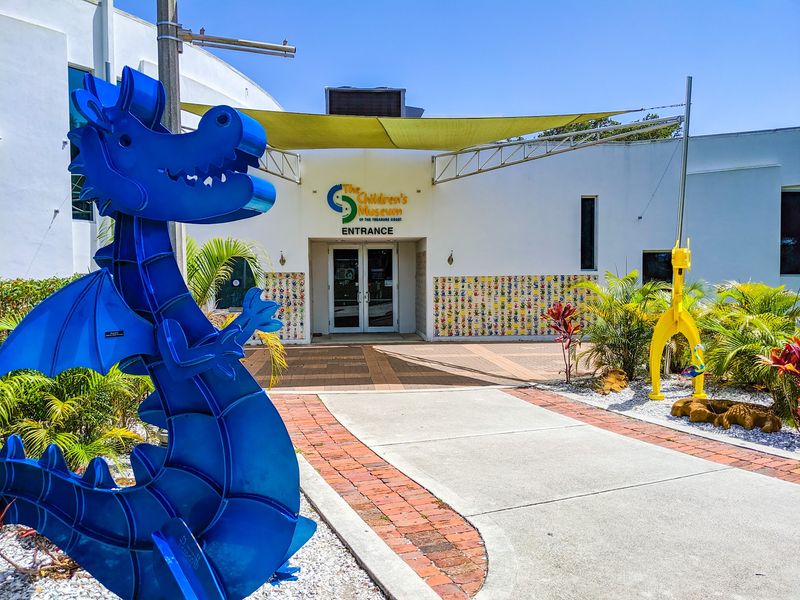
Miniature versions of the grown-up world fill this Treasure Coast destination with irresistible appeal. Children step into scaled-down settings for shopping, medicine, transportation, and mechanics.
The chance to practice adult roles in safe, playful ways captivates young imaginations.
A massive pirate ship adds adventurous flair to the typical pretend-play offerings. Kids climb aboard, take command, and create their own seafaring stories.
This combination of everyday scenarios and fantasy adventures keeps different personality types engaged.
Interactive areas throughout encourage children to actually perform tasks rather than just pretend. They don’t simply stand near a toy cash register; they process transactions, stock shelves, and serve customers.
That level of involvement creates genuine absorption in the activity.
Parents consistently underestimate how long kids will stay engaged here. The museum’s pretend-play focus taps into children’s natural love of role-playing, creating the kind of immersive experience where time disappears.
Families often find themselves being dragged back for return visits.
Schoolhouse Children’s Museum & Learning Center – Boynton Beach
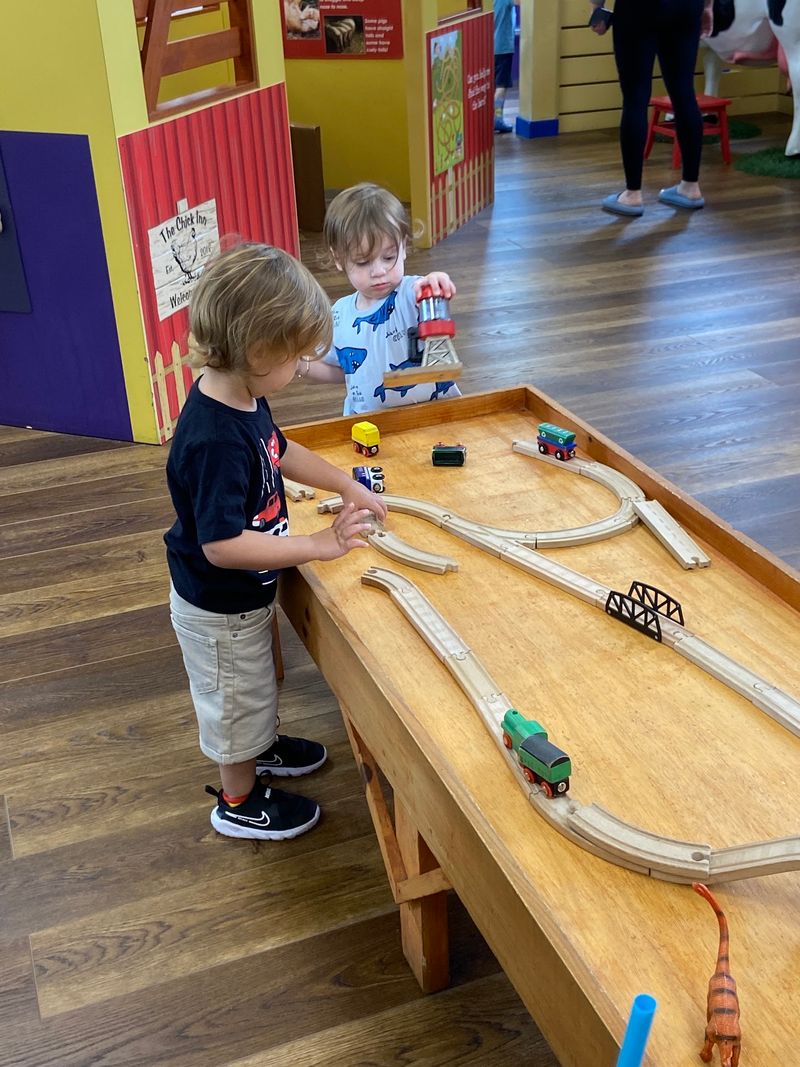
Housed inside an actual historic school building, this Boynton Beach museum blends past and present beautifully. Local history comes alive through hands-on learning rather than dusty displays.
Children explore how earlier generations lived, worked, learned, and played while still enjoying modern interactive elements.
The building itself adds character that purpose-built facilities can’t match. Kids walk through spaces where real students once studied, adding authenticity to their imaginative play.
That connection to actual history makes the experience feel special rather than generic.
Imaginative play areas let younger visitors try out historical roles and activities. They don’t just learn about the past; they interact with it through age-appropriate activities.
This approach makes history accessible and interesting even to children who normally avoid educational content.
The combination of novelty and nostalgia keeps families exploring longer than expected. Parents appreciate the historical context while children simply enjoy the playful atmosphere.
Both perspectives merge into visits that somehow stretch well beyond the anticipated timeframe.
Children’s Museum of the Highlands – Sebring
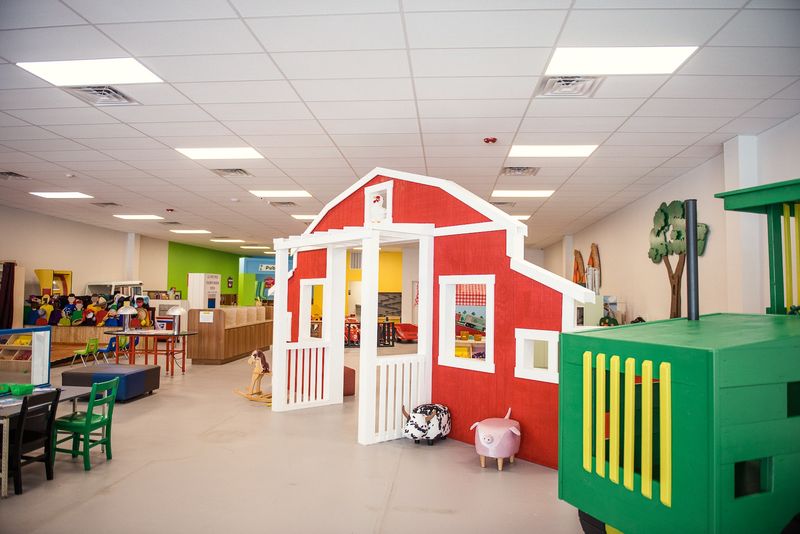
Wonderfully approachable describes this smaller Sebring museum perfectly. Role-playing areas like grocery stores, doctor’s offices, restaurants, puppet theaters, and TV stations create familiar scenarios for younger children.
The scale feels manageable rather than overwhelming, helping kids settle in quickly.
Music activities, cultural exhibits, and physical-play zones add diversity to the lineup. Children can shift between quiet pretend play and more active experiences.
This range accommodates different energy levels and attention spans throughout a visit.
The museum’s size actually works in its favor for certain age groups. Preschoolers and early elementary children can navigate the space independently without getting lost or frustrated.
That independence boosts confidence and extends engagement.
Exhibits encourage imaginative scenarios rather than just button-pushing or passive viewing. When children create their own stories and interactions, they naturally invest more time.
Parents watch kids happily occupied in make-believe worlds for surprisingly long stretches. The intimate scale creates comfort that translates into extended visits.
Jacksonville’s Hands On Children’s Museum – Jacksonville
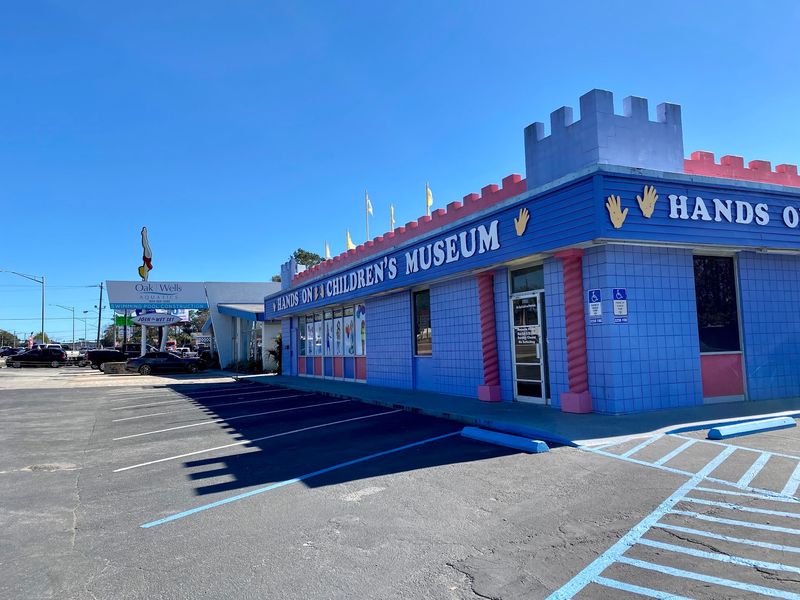
Built around old-fashioned, screen-free imaginative play, this Jacksonville nonprofit offers refreshing simplicity. Kids pretend to shop, run restaurants, visit veterinarians, work in post offices, explore banks, and climb through physical challenges.
No tablets or digital interfaces compete for their attention.
The deliberately low-tech approach lets children’s imaginations do the heavy lifting. Without screens telling them what to do next, kids create their own narratives and interactions.
That creative freedom proves more engaging than flashy technology for many young visitors.
Preschoolers and early elementary-age children particularly thrive here. The exhibits match their developmental interests perfectly, offering just the right complexity.
When activities align with natural developmental stages, children stay absorbed much longer.
Parents appreciate the unplugged environment as a rare alternative to typical entertainment options. Children prove they can stay happily busy without digital stimulation when given compelling analog alternatives.
Visits regularly extend well beyond planned timeframes as kids move contentedly between different role-playing scenarios.
Pensacola Children’s Museum – Pensacola
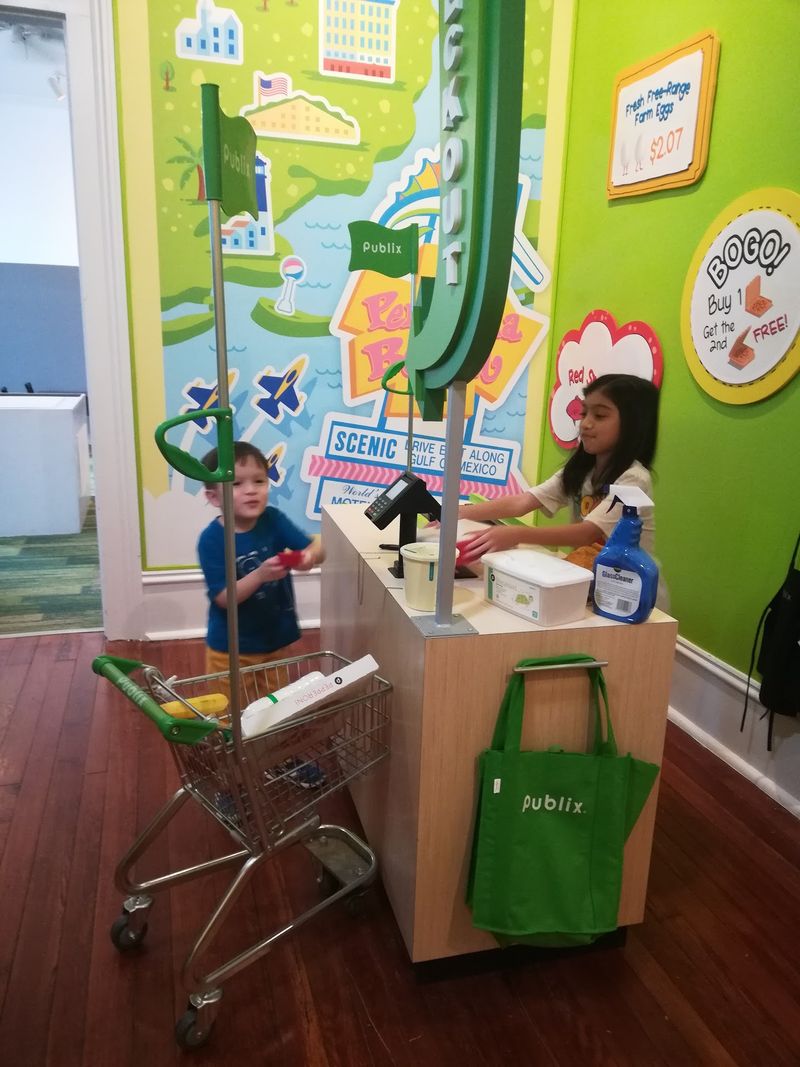
Part of Historic Pensacola Village, this museum makes local history accessible through hands-on pretend play. Children explore period-inspired settings, dress in historical costumes, and interact with exhibits connected to Pensacola’s past.
The approach avoids the stuffiness that makes kids glaze over in traditional history museums.
Blending education with play creates engagement that pure facts can’t match. Kids absorb historical concepts while having fun rather than feeling lectured.
That subtle learning proves more effective and certainly more enjoyable for young visitors.
The costume elements particularly capture children’s attention. Dressing up transforms ordinary museum visiting into active role-playing.
When kids embody historical figures or time periods, they invest emotionally in the experience.
Located within a larger historical complex, the museum offers context that enriches the visit. Families can explore the wider village after the children’s museum portion, making it easy to fill an entire day.
The combination of child-friendly interpretation and authentic historical setting creates surprisingly long, satisfying visits.
Science & Discovery Center of Northwest Florida – Panama City
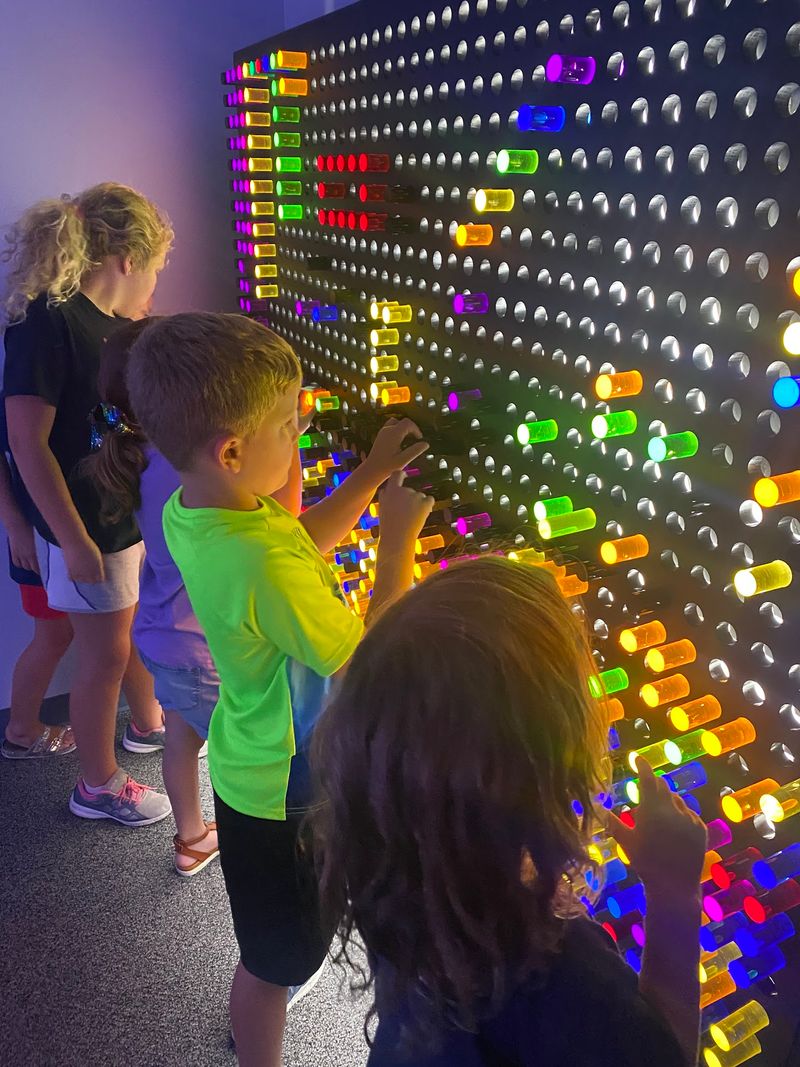
Packed with interactive exhibits designed for experimentation rather than observation, this Panama City science museum hands control to curious kids. Children push buttons, test hypotheses, and investigate questions directly.
The approach transforms science from abstract concepts into tangible experiences.
Natural history and discovery activities throughout the space offer multiple entry points for different interests. Some kids gravitate toward biology, others toward physics or chemistry.
Having various scientific disciplines represented means more children find something compelling.
The museum emphasizes doing over reading. Information comes through hands-on investigation rather than wall text.
This active learning style matches how children naturally want to understand their world, leading to genuine absorption in activities.
Science museums work particularly well for sustaining attention because experiments have clear cause-and-effect relationships. Kids can repeat activities, test variations, and see different results.
That immediate feedback loop keeps them engaged much longer than static displays. Parents consistently report visits stretching beyond their initial expectations.
Children’s Science Explorium – Boca Raton
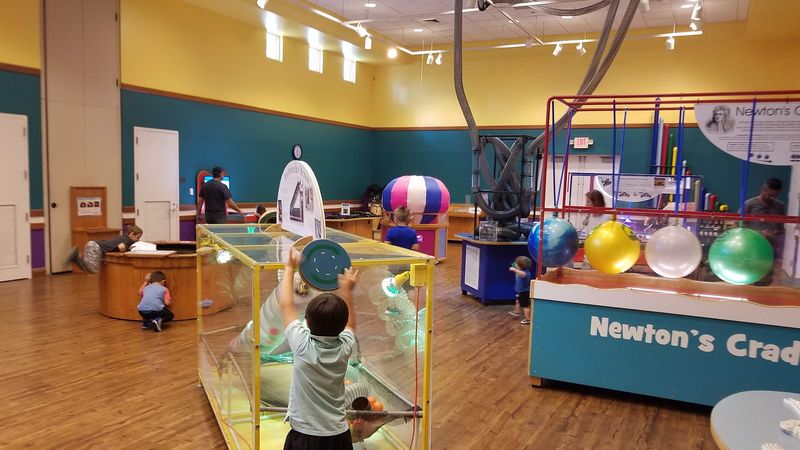
Located at Sugar Sand Park, this free-admission science center combines indoor experiments with outdoor attractions including a large playground. The hybrid setup proves especially brilliant for families whose kids need both mental stimulation and physical outlets.
When energy levels spike, children can head outside without leaving the premises.
Hands-on experiments throughout the indoor space encourage active learning. Children manipulate materials, observe reactions, and test ideas.
The exploratory approach keeps young scientists engaged longer than passive demonstrations would.
Free admission removes pressure to maximize every minute, paradoxically leading to longer visits. Families relax and let kids explore at their own pace rather than rushing to get their money’s worth.
That relaxed atmosphere actually extends engagement.
The playground combination addresses a common museum challenge. When kids hit their indoor limit, they can burn off energy outside then return refreshed to exhibits.
This flexibility prevents premature departures that happen when children get restless. The no-cost aspect also encourages repeat visits.
Museum of Discovery and Science – Fort Lauderdale
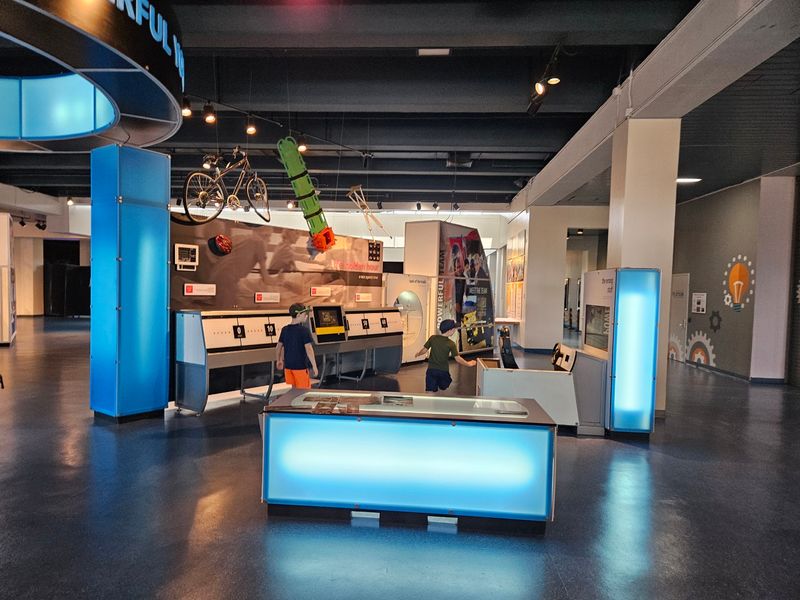
One of Florida’s biggest kid-friendly science destinations sprawls across Fort Lauderdale with hundreds of interactive exhibits. Prehistoric Florida, ecosystems, aviation, weather, and dedicated areas for younger visitors all get substantial space.
The scale means families can visit multiple times without exhausting the possibilities.
Different age groups find appropriate challenges throughout the facility. Toddlers have their own zones while older children tackle more complex concepts.
This range makes it practical for families with kids at different developmental stages, reducing the usual compromises.
Interactive elements throughout transform abstract scientific concepts into concrete experiences. Children understand principles through direct manipulation rather than explanation.
That hands-on learning sticks better and holds attention far longer than lecture-style presentations.
The museum’s size initially seems intimidating but actually works in its favor. Families can pick sections to focus on during each visit, preventing overwhelm while ensuring lots to see.
This structure naturally extends visits as children want to see just one more area before leaving.
IMAG History & Science Center – Fort Myers
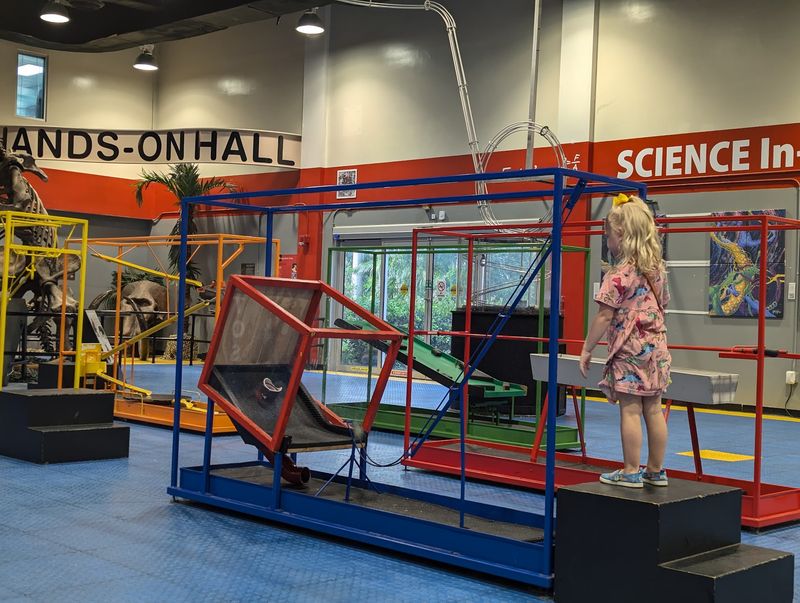
Science, technology, history, and live-animal experiences combine into one highly interactive Fort Myers destination. Experiments, exhibits, aquarium-style displays, and hands-on activities create enough variety to satisfy wandering attention spans.
When one type of exhibit loses appeal, something completely different waits nearby.
The mix of living creatures and mechanical activities particularly captures interest. Kids watch animals, then build structures, then conduct experiments.
That constant variation prevents the mental fatigue that comes from too much sameness.
Live animals add unpredictability that static exhibits can’t match. Children never know exactly what they’ll see during animal demonstrations, creating excitement that brings them back repeatedly.
The element of surprise extends engagement naturally.
IMAG’s interdisciplinary approach means different family members find different favorites. One child might love aquatic life while another prefers technology experiments.
Everyone stays happy longer when the space accommodates diverse interests. Families regularly discover they’ve spent entire afternoons here without planning to.
Orlando Science Center – Orlando
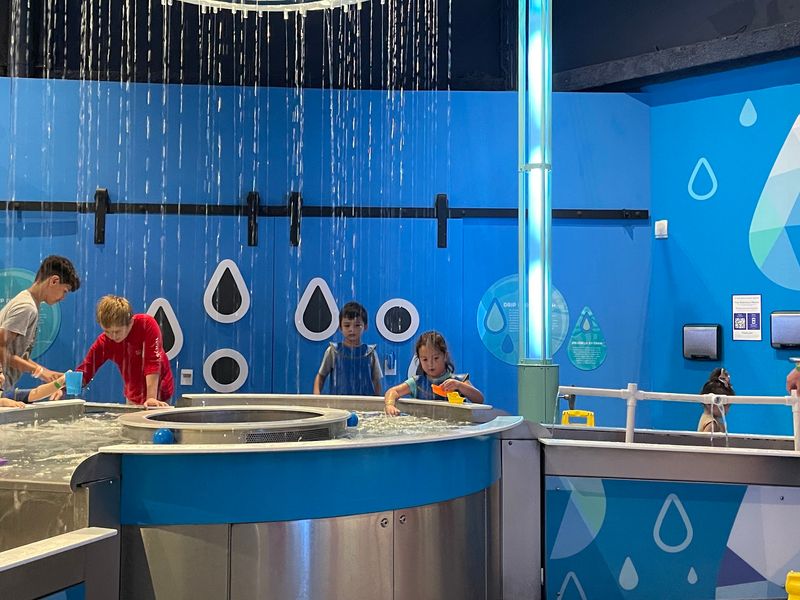
Multiple floors of interactive science exhibits make this Orlando institution perfect for families planning longer visits. Space, engineering, the human body, animals, and technology all get dedicated areas where children explore through hands-on experiences.
The depth in each subject area prevents superficial coverage.
Reading signs takes a back seat to actual experimentation here. Children learn by doing rather than by processing information passively.
That active approach matches how young minds naturally want to understand complex concepts.
The layout encourages vertical exploration through different floors, each with distinct themes. This structure gives visits a sense of progression and discovery.
Kids feel like they’re journeying through different worlds rather than wandering aimlessly.
Science topics naturally lend themselves to extended engagement because they invite repeated experimentation. Children want to see what happens if they change variables or try different approaches.
That investigative mindset transforms quick activities into longer explorations. Families consistently find that planned hour-long visits stretch into entire afternoons almost accidentally.
Emerald Coast Science Center – Fort Walton Beach
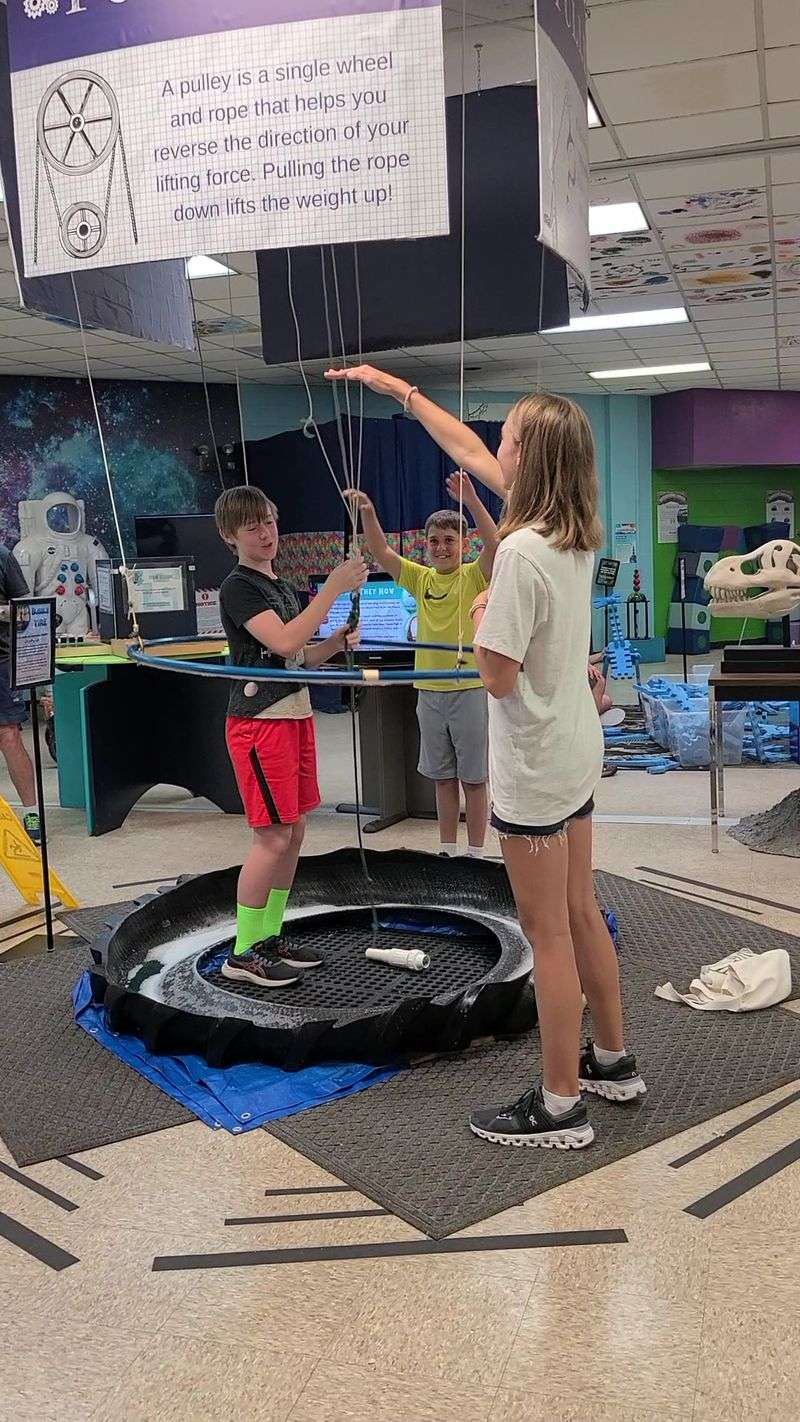
Designed around hands-on STEM exploration, this Northwest Florida center packs more than 200 exhibits into its space. Nature discovery areas, maker activities, holograms, and animal presentations create diverse entry points for different learners.
School-age children who love figuring out how things work find endless fascination here.
Maker activities particularly engage kids who want to build and create. Rather than just observing principles, children apply concepts to actual projects.
That practical application makes learning stick while keeping hands and minds busy.
The sheer number of exhibits means children can bounce between activities without running out of options. When attention wavers on one station, another completely different experience waits nearby.
This abundance prevents the boredom that cuts visits short elsewhere.
Animal presentations add scheduled events that give structure to free exploration. Families can plan around shows while leaving plenty of time for independent discovery.
This combination of programming and self-directed learning accommodates different visiting styles, typically resulting in surprisingly lengthy stays.