
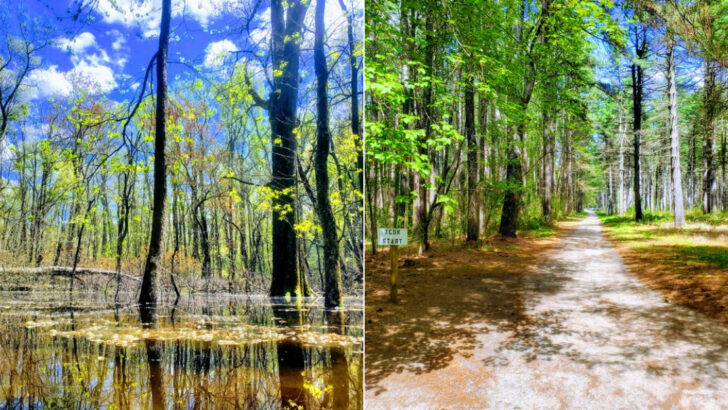
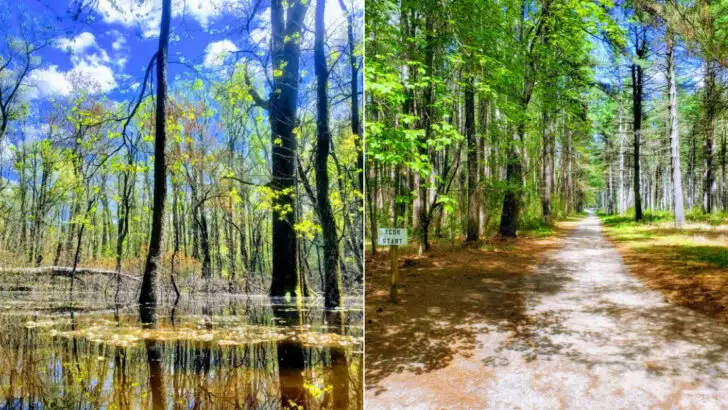
Two miles of quiet that feel like a small, delicious theft from the day.
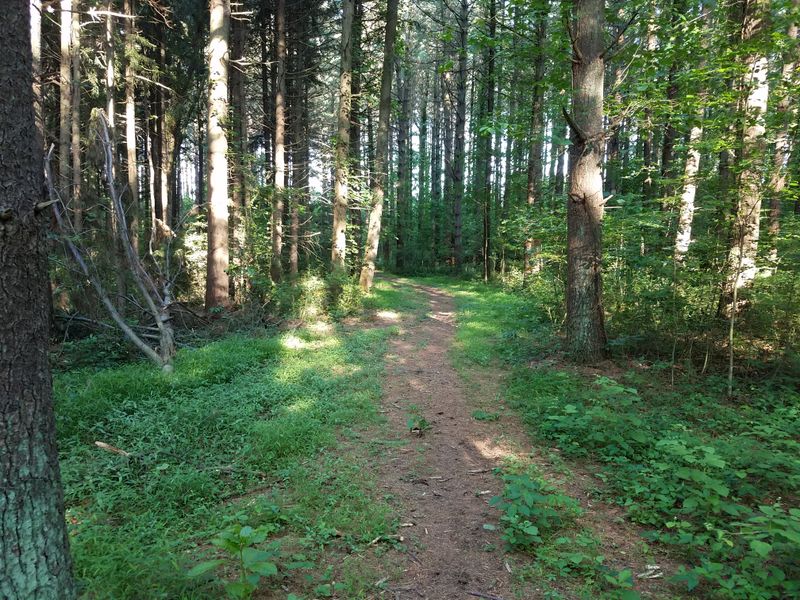
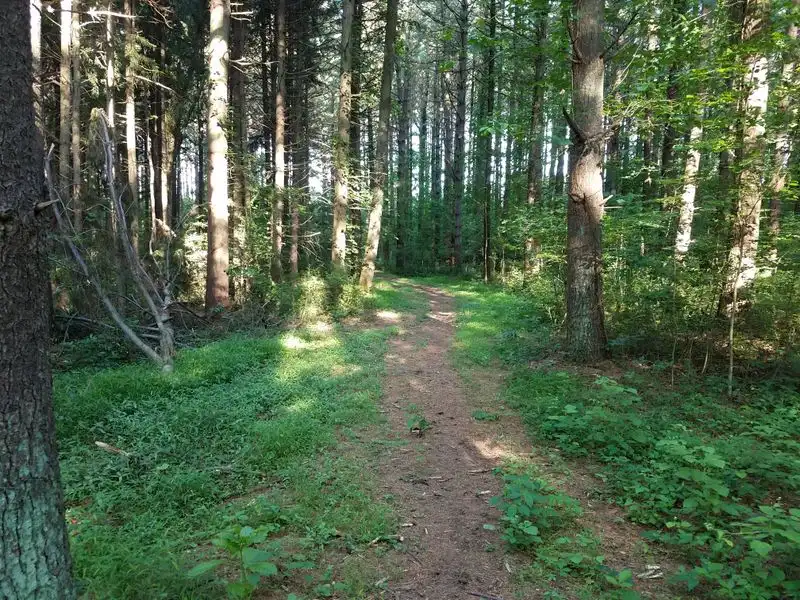
Tybout Tract Trail is a 2.1-mile loop tucked into Blackbird State Forest. Walk it slow and the world narrows to pine scent, bird calls, and the steady crunch of your shoes.
Short boardwalks cross wet hollows and benches invite a long, lazy pause.
Light slices through the trees in the morning and again late-afternoon. You’ll see spring wildflowers at the edges and frogs peeking from puddles after rain.
Runners praise the firm track; families like the gentle turns and easy wayfinding.
Bring trail shoes, bug spray, and a camera for angled light. Go early for quiet and cooler air, or pick a weekday stroll when locals are out in small numbers.
Leave no trace, say hello to passing walkers, and enjoy a short trip that feels farther than it is.
Tybout Tract at a glance
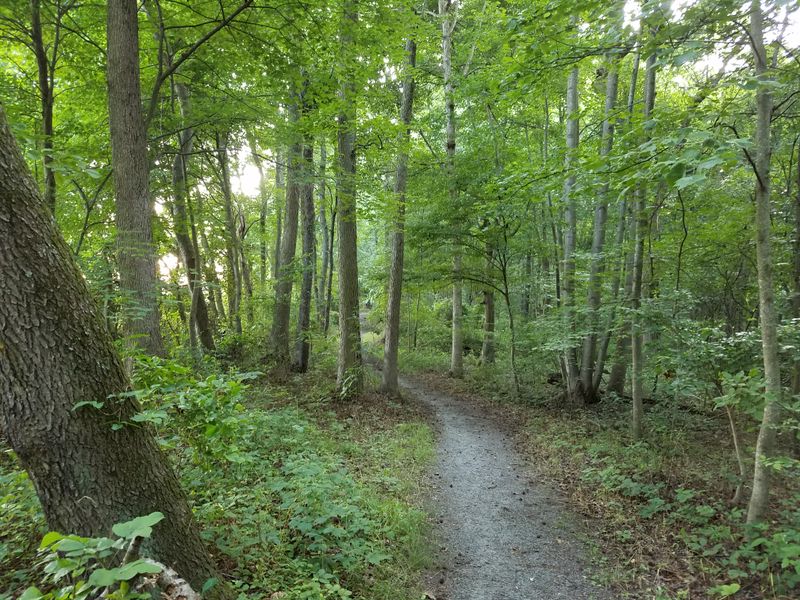
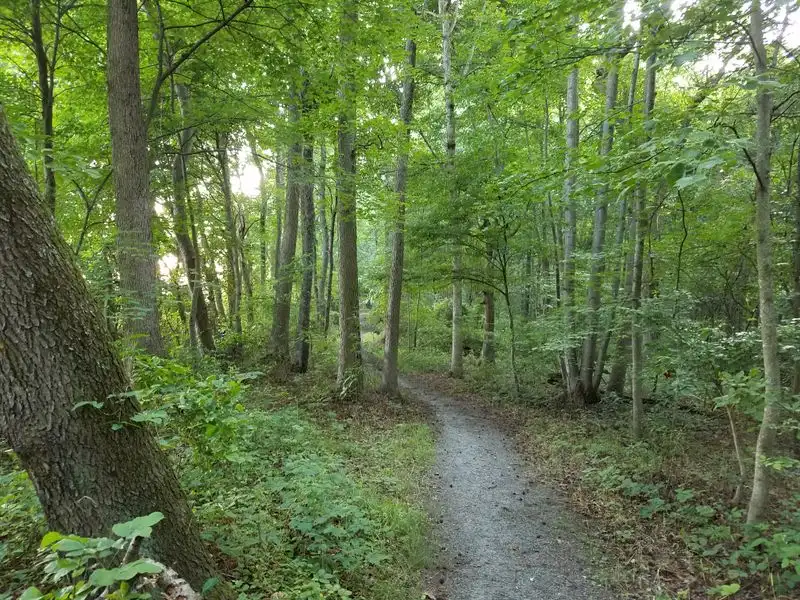
Set within Blackbird State Forest near Smyrna, the Tybout Tract centers around a well-marked loop that measures about 2.1 miles. Most hikers finish it in under an hour, even with a few pauses at benches or marsh edges to listen for birds.
The loop threads through mixed woods and open skirting fields, creating a natural rhythm that feels unrushed.
What stands out is how roomy and quiet it feels compared to busier parks nearby. The path is broad, the sightlines are gentle, and you can fall into a comfortable pace without worrying about crowding.
You will pass shaded stretches that breathe cool air even on warm days, plus a few sunny edges that brighten the mood.
Trail markers are easy to follow, so you are free to look up and enjoy the canopy. It is a satisfying short outing for a casual stroll or a quick weekday reset.
Bring water, a small snack, and curiosity, because the little details here reward slow attention.
Trail layout: loops, connectors, and the yellow 2.1-mile route
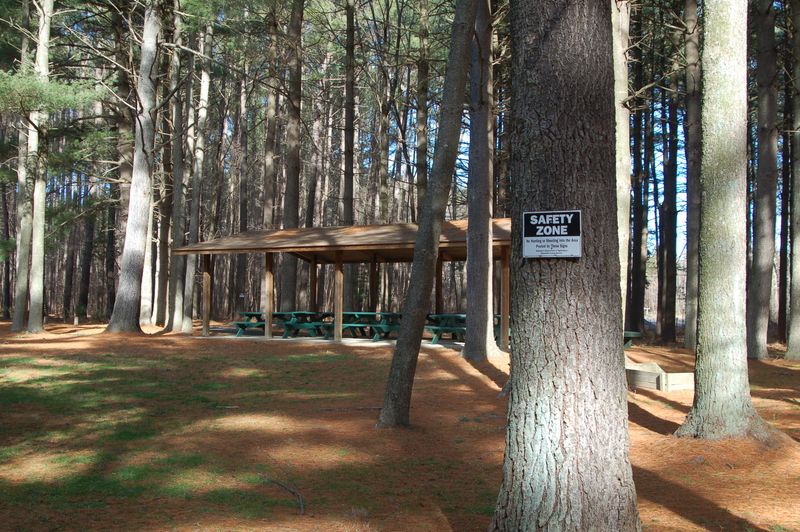
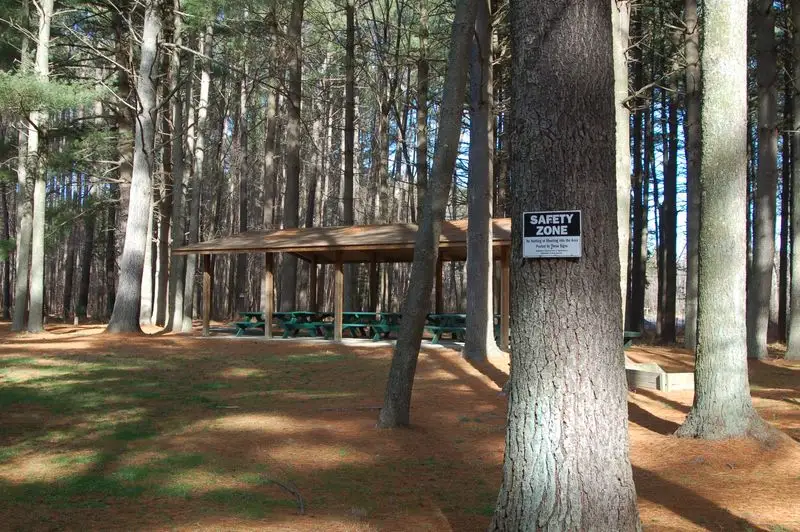
The Tybout Tract uses a simple three loop setup that makes customizing your walk effortless. Blue, red, and yellow loops interlace with short connectors, so you can shift distance without tedious backtracking.
The yellow loop forms the commonly referenced 2.1 mile circuit many locals choose for a reliable, no fuss outing.
Wayfinding is friendly. Look for color blazes on trees and posts, plus occasional junction signs where loops kiss and peel apart.
If you start on yellow and feel energized, you can tack on a blue or red spur, then slide back to yellow to finish.
This layout lets families split goals while staying near each other. One pair can cruise the full yellow, while another trims a corner using a connector.
It feels modular and forgiving, which encourages spontaneous decisions and low stress exploring.
What you will see: trees, marsh edges, and seasonal color
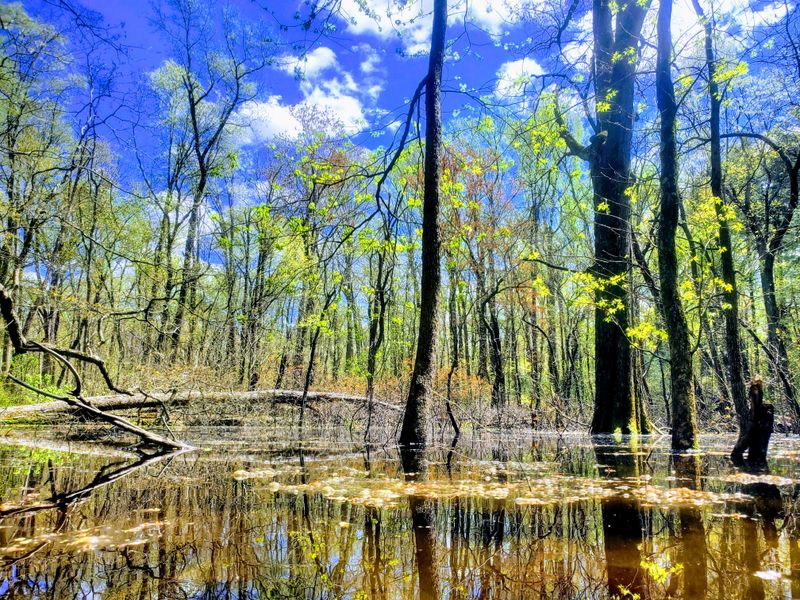
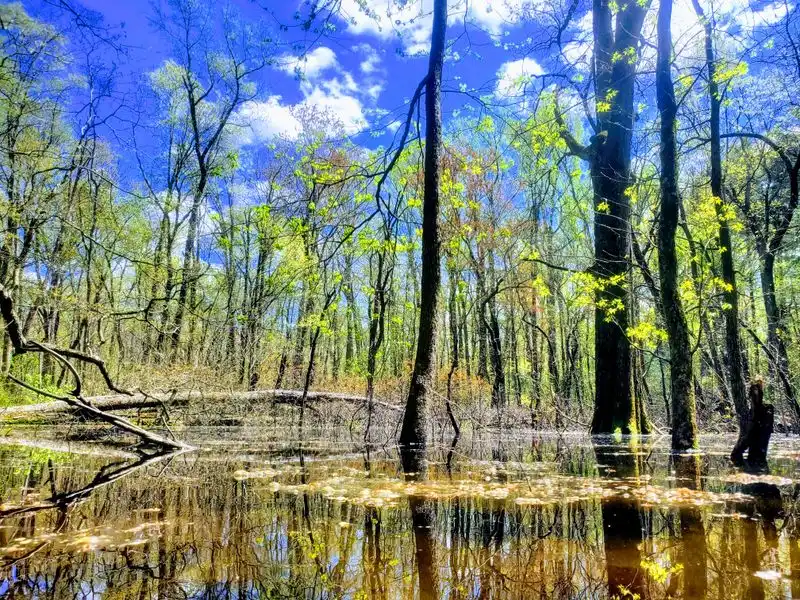
The scenery shifts in gentle bands as you move. Mixed hardwoods and pine stands trade places, giving you changes in texture and scent.
Little wetlands appear near the trail, and open skirting fields widen the sky so you get both shade and bright edges.
Spring brings wildflowers on forest margins, with soft pinks and whites under the trees. Summer deepens greens and warms the air, while benches offer cool, shaded pauses for birdwatching or quick snacks.
In autumn, the canopy turns rich gold and russet, and the loop sparkles with leaf light.
Winters are calm and clear, ideal for seeing bark patterns and birds in motion. Reviewers often mention the restful benches and the comfort of shaded stretches.
Keep your eyes nimble, because the small shifts in color and habitat make every visit feel a little new.
Underfoot and conditions: wide walks, boardwalks, and mud spots
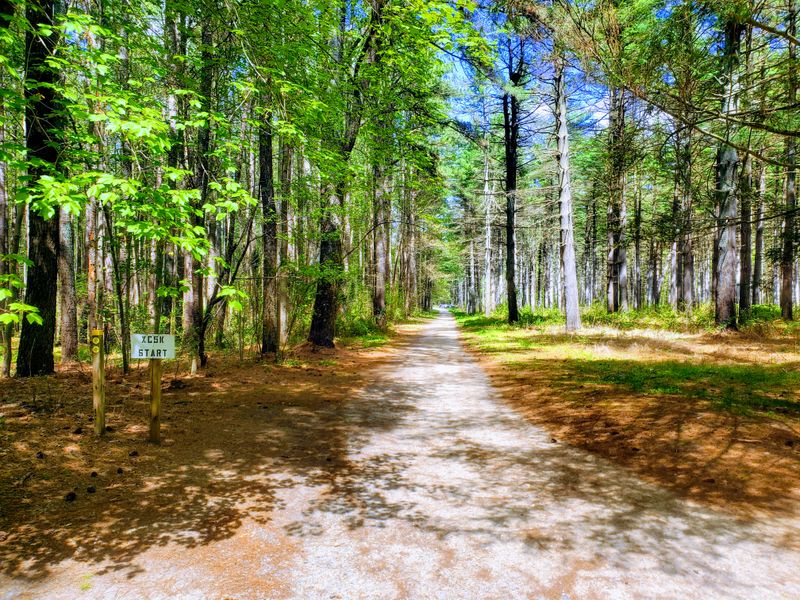
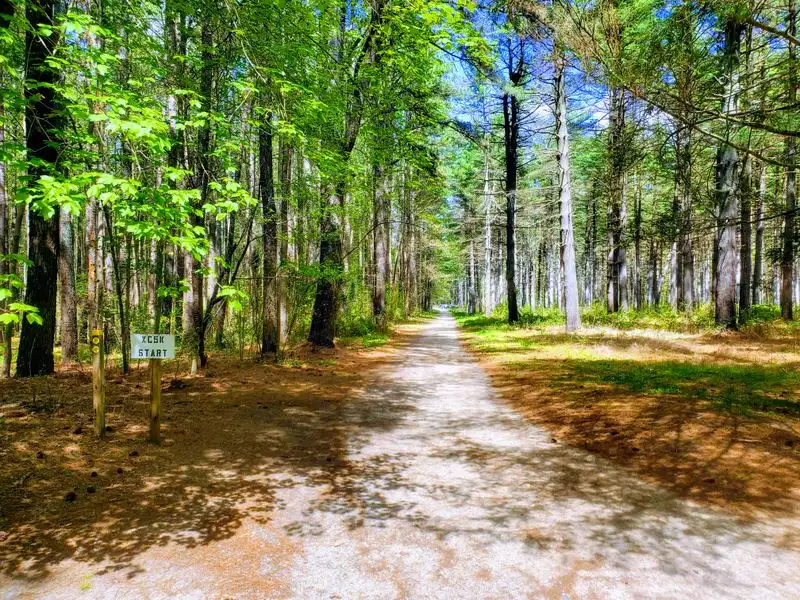
Most of the loop is wide and forgiving underfoot, with packed soil and occasional crushed stone. Short boardwalks cross wet areas, keeping feet dry when the ground is saturated.
After heavy rain, expect a few muddy or shallow flooded spots, especially in low hollows.
The broad path suits trail runners who want rhythm without constant rock hopping. Families with older strollers can roll comfortably on dry days, though you will still want decent tires for small roots.
Good tread shoes help when puddles show up.
Drainage varies by season, so a quick glance at the forecast is wise. If it has been stormy, aim for mid morning or bring gaiters just in case.
Either way, the surface invites an easy pace, and the occasional squish becomes part of the fun.
Accessibility and the paved nature trail nearby
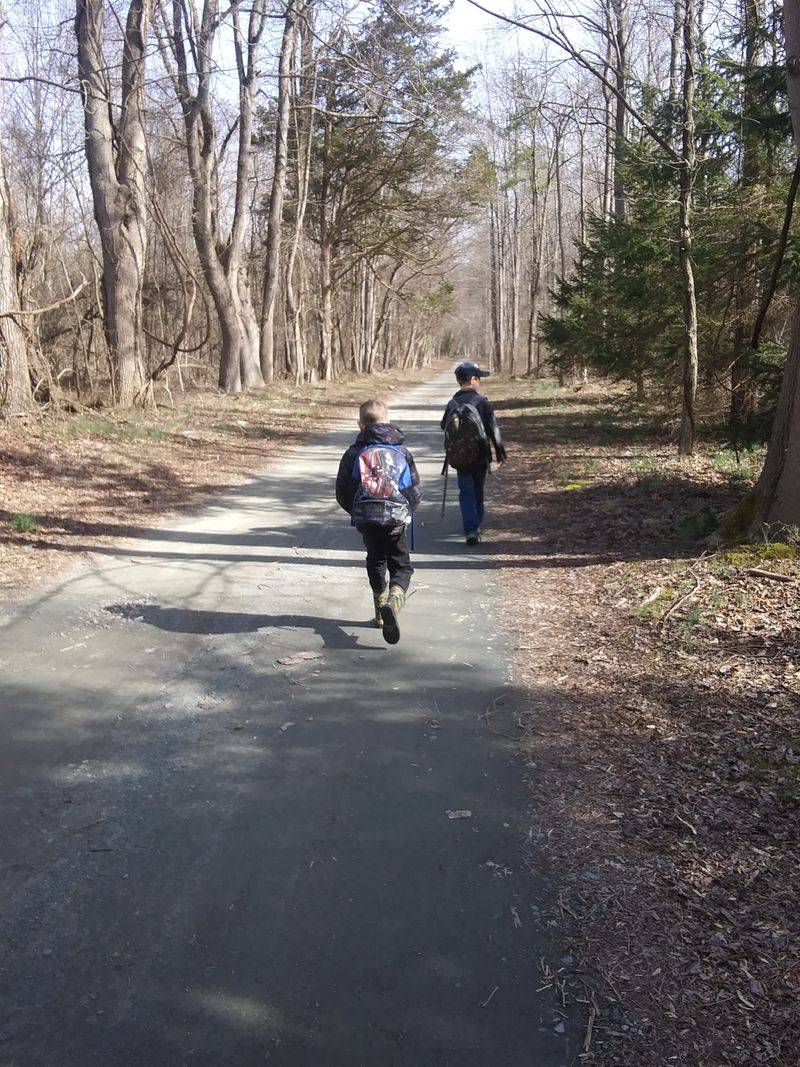
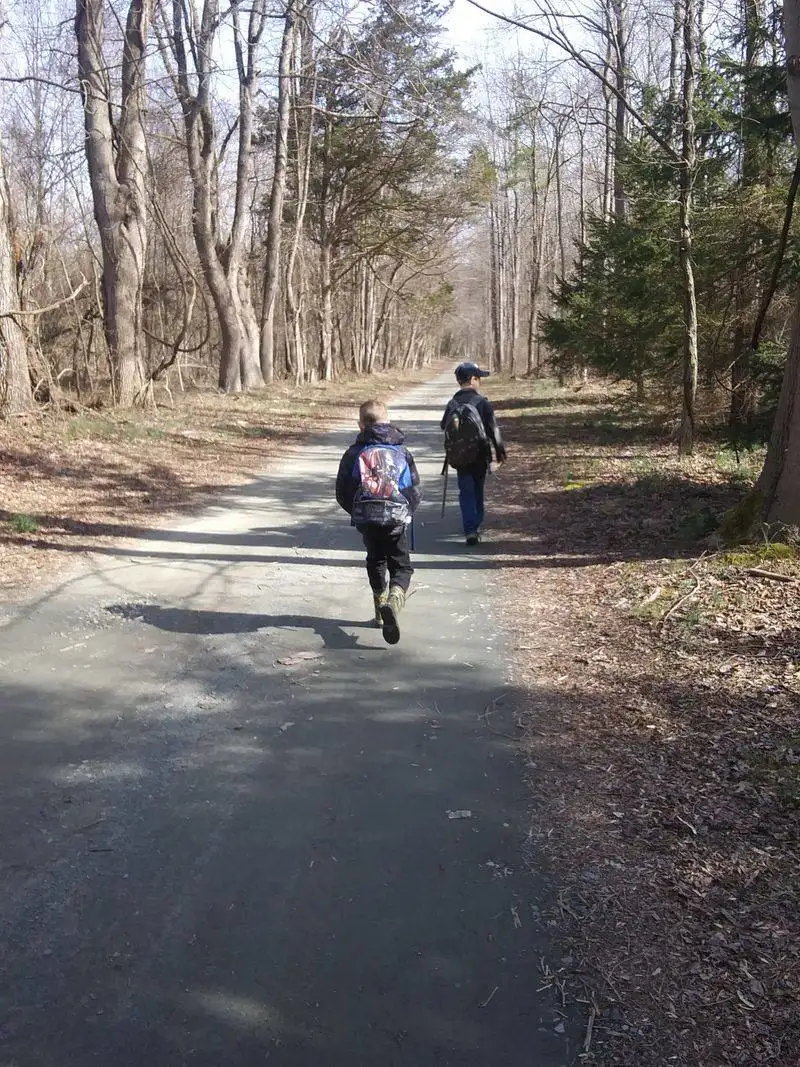
The Tybout area includes a 2,200 foot paved nature trail and an accessible interpretive loop close to the wooded circuits. These smooth paths sit near the trailhead, so groups with mixed abilities can stick together.
It is easy to start on pavement, then join friends on the dirt loop later.
Interpretive signs add context about forest plants and wildlife. Benches appear at sensible intervals, and the pavement keeps footing predictable for mobility aids or small wheels.
On dry days, the transition between paved and natural surfaces feels simple.
This pairing makes the tract welcoming. You can choose the level of adventure that fits today and still share the same woods.
If you love a quick push on pavement and a slower wander on dirt, Tybout lets you do both without driving anywhere else.
Best times to go, mornings, dog friendly walks, and seasonal notes
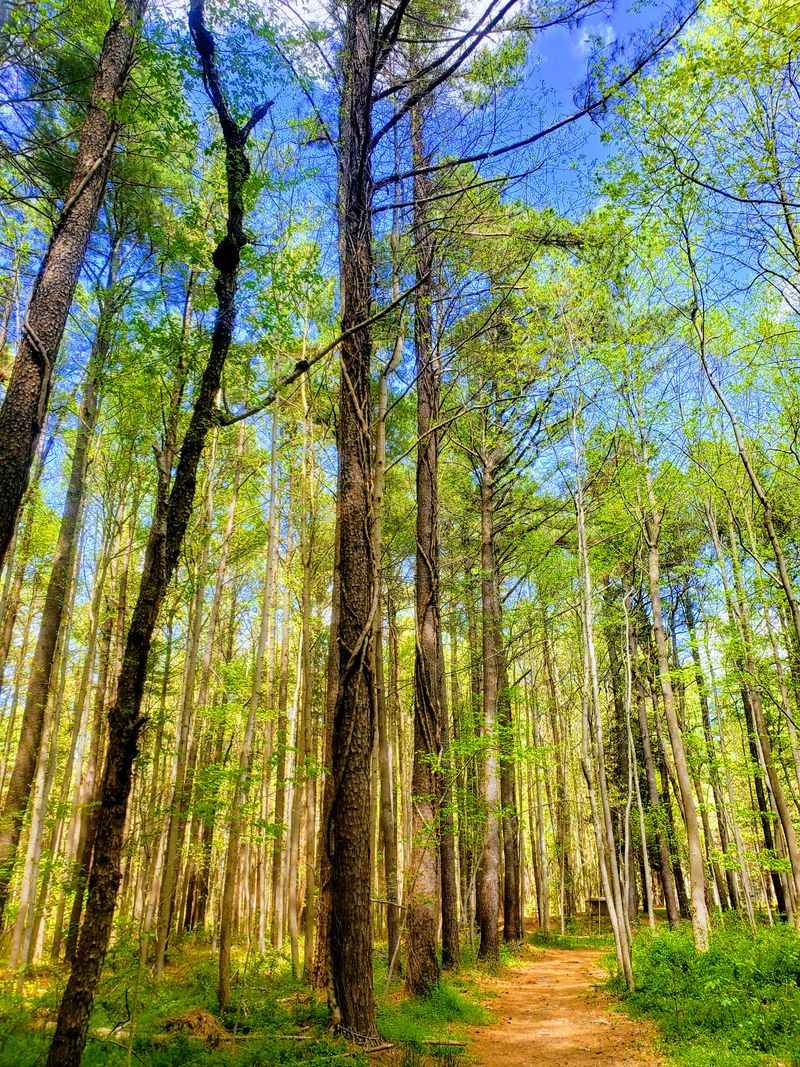
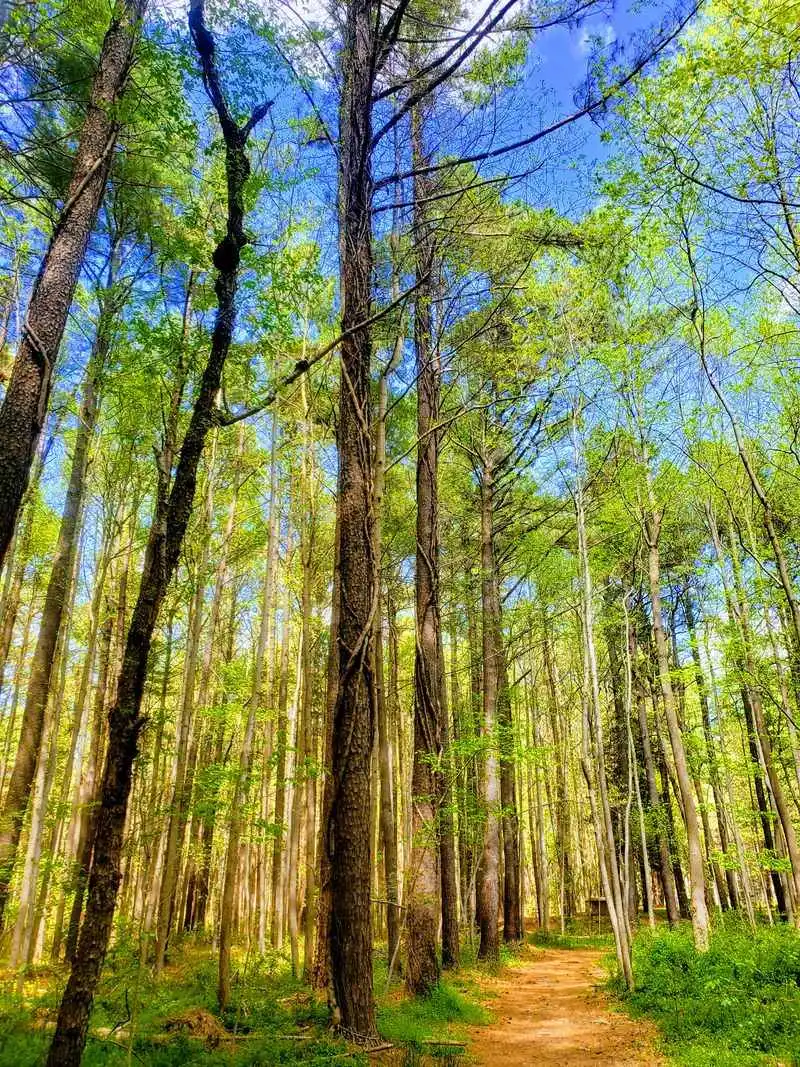
Early morning is the sweet spot here. Cooler air rides the trail, birds stir in the canopy, and sunlight stripes through pines before the day warms.
Weekday visits often feel like a local loop, with steady footsteps, friendly nods, and not much chatter.
Dogs are welcome on leash, and you will see plenty of contented pups trotting the 2.1 mile circuit. Spring and fall bring peak comfort, while summer rewards early starts.
Winter mornings can be crisp and open, excellent for quiet thinking and clear views.
If you prefer calm, arrive before mid morning or on a gray weekday. Bring a light jacket and a small water bottle, then let the pace find you.
It is the kind of trail that rewards unhurried habits and a little seasonal awareness.
Wildlife and plants worth watching for
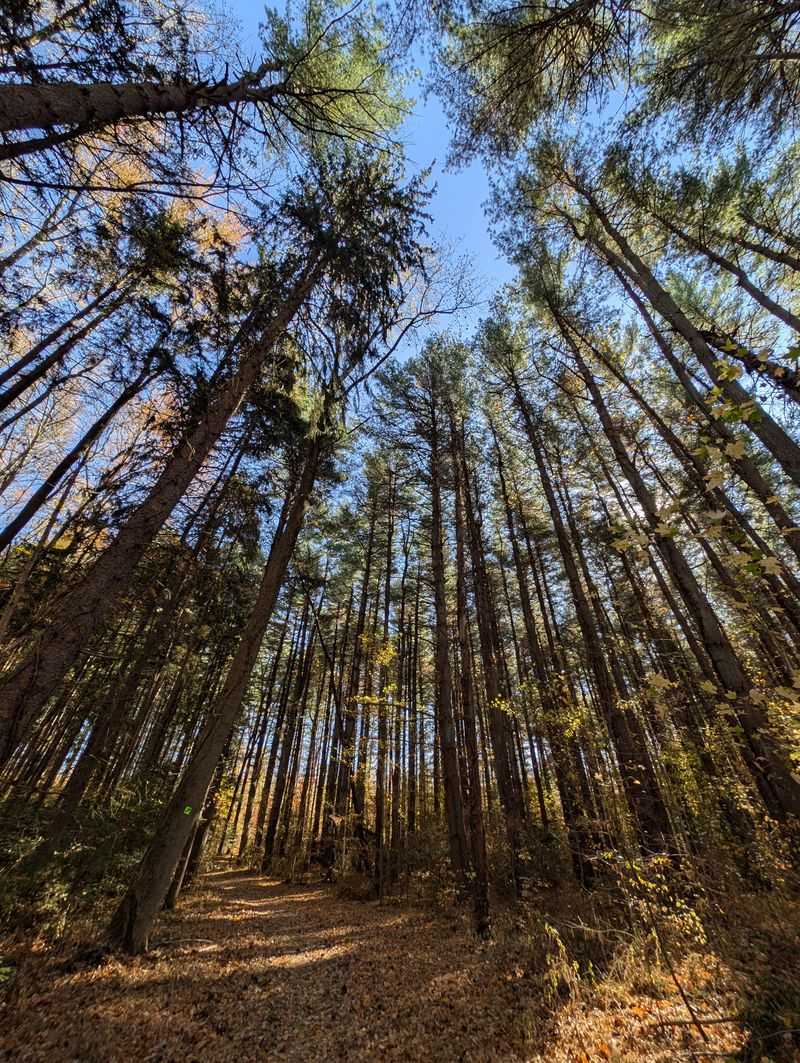
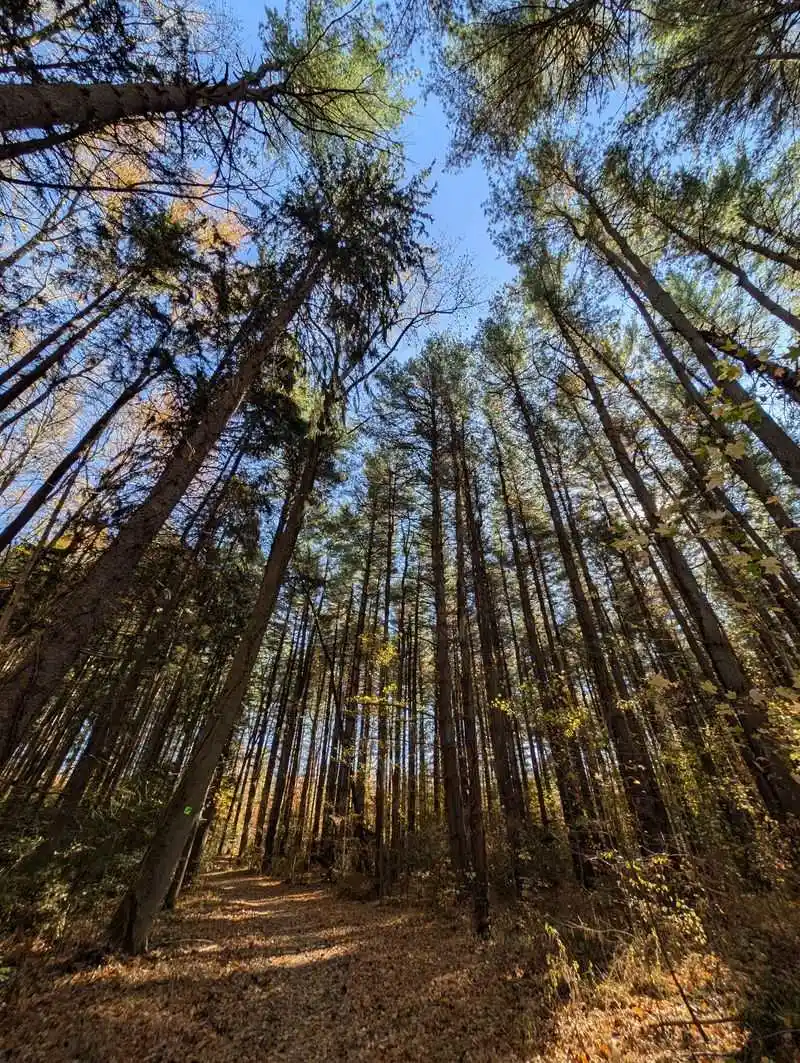
Keep an ear tuned for songbirds almost as soon as you start. Chickadees, titmice, and woodpeckers move through the canopy, and you may catch a deer ghosting along the edge fields.
In wet seasons, a small wading bird might flick across a marshy pocket.
Spring hollows can pulse with frog calls, especially after rain. Forest edges offer wildflowers and emerging ferns, little green curls that promise summer leaves.
If you pause at benches, scan both near and far for movement, because wildlife often reveals itself when you stop.
Bring compact binoculars and set your expectations for simple pleasures. You are not chasing a list here, just saying yes to whatever shows.
The loop’s variety makes each pass a fresh roll of the dice, and that is part of the charm.
Practical details, parking, trailhead access, and maps
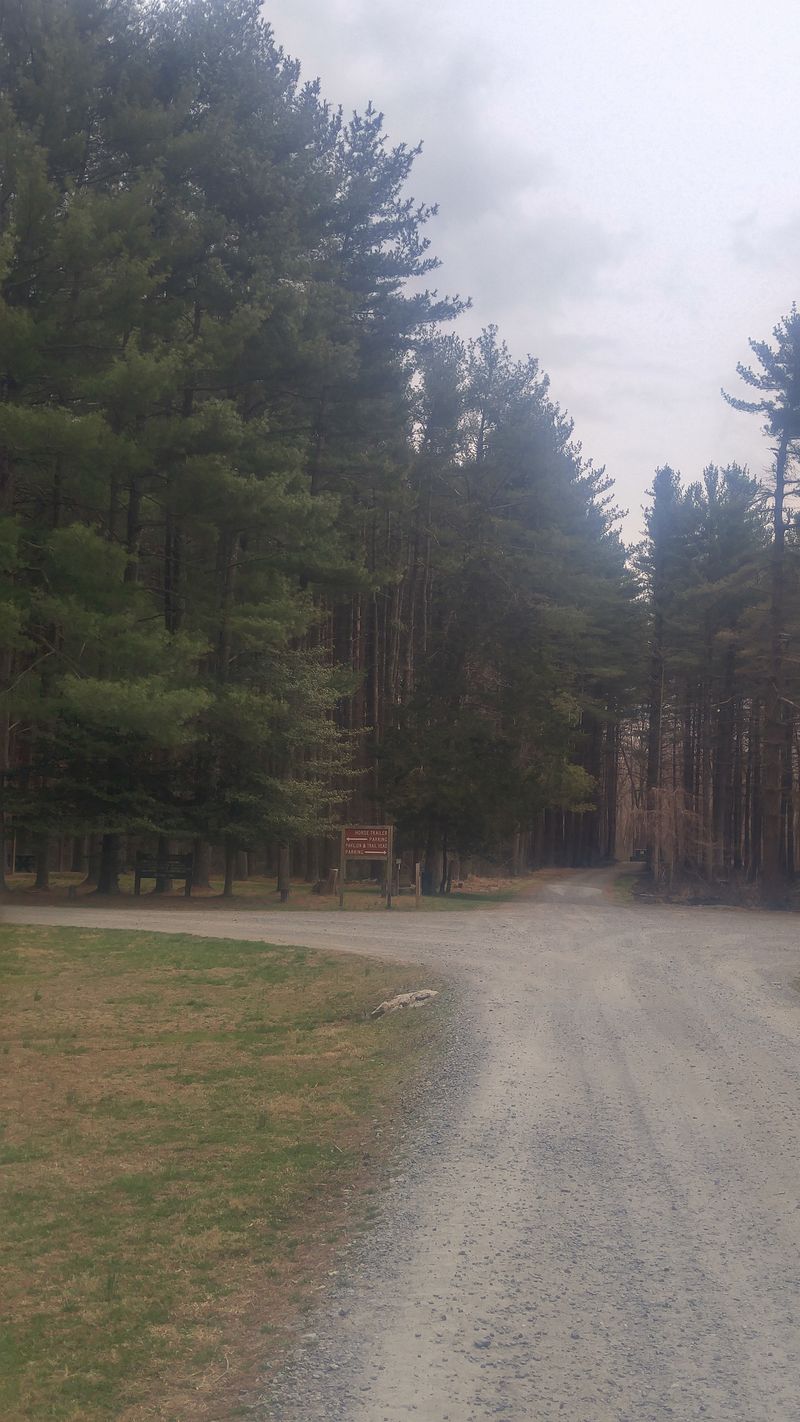
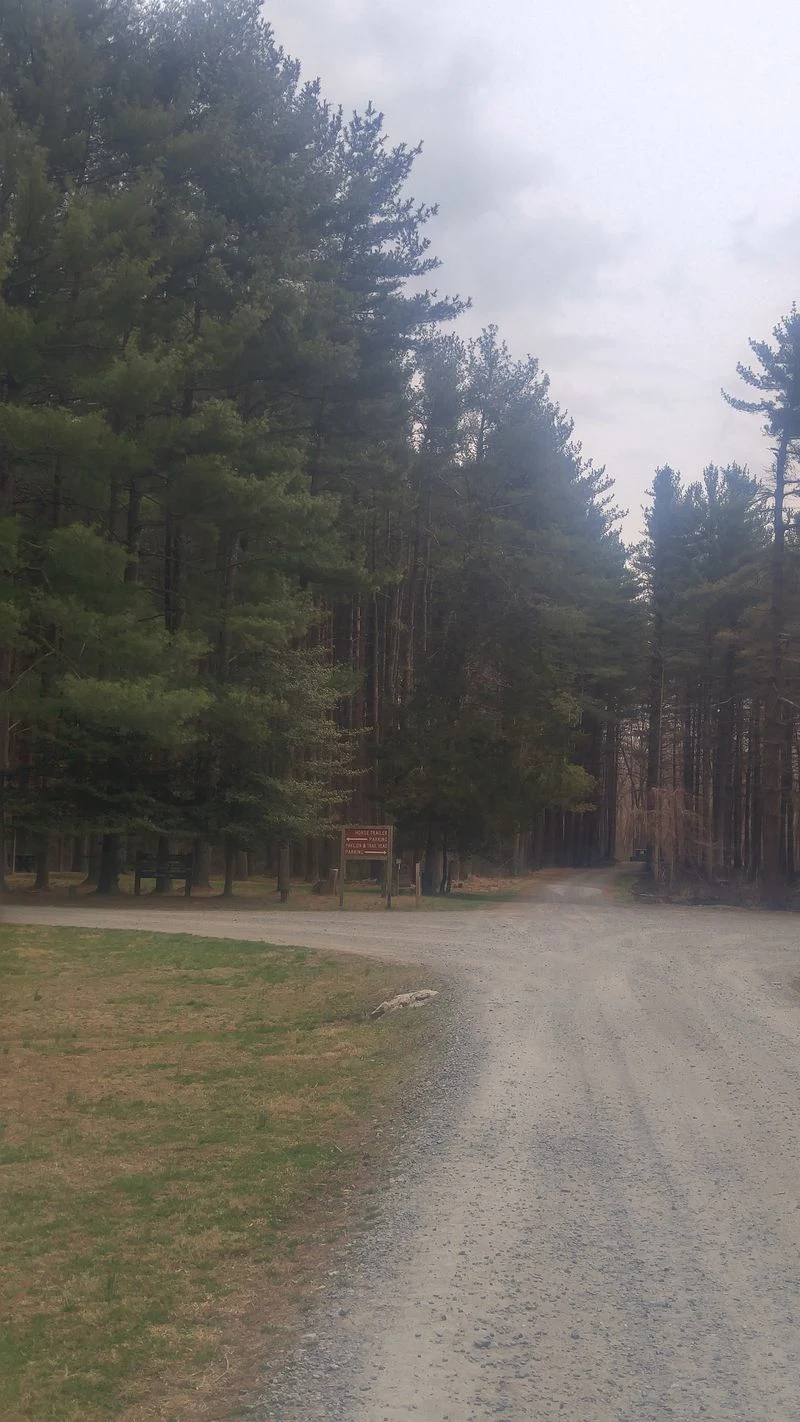
Access the Tybout Tract from Blackbird Forest roads, where small parking lots sit near trailheads. A kiosk usually holds maps and notices, and the path begins within a few steps of your car.
The layout feels straightforward, with clear color blazes pointing the way.
Official forest maps and a downloadable PDF outline rules, campsite locations, and loop connections. State forest maps mark parking clusters and picnic spots, which keeps planning simple.
Cell service can be patchy, so saving a map to your phone helps.
Arrive with water, bug spray in warm months, and a light layer if the wind picks up. You will find the start, choose your color, and get moving in minutes.
It is low drama in the best way, leaving more time for the trees.
Safety and trail etiquette
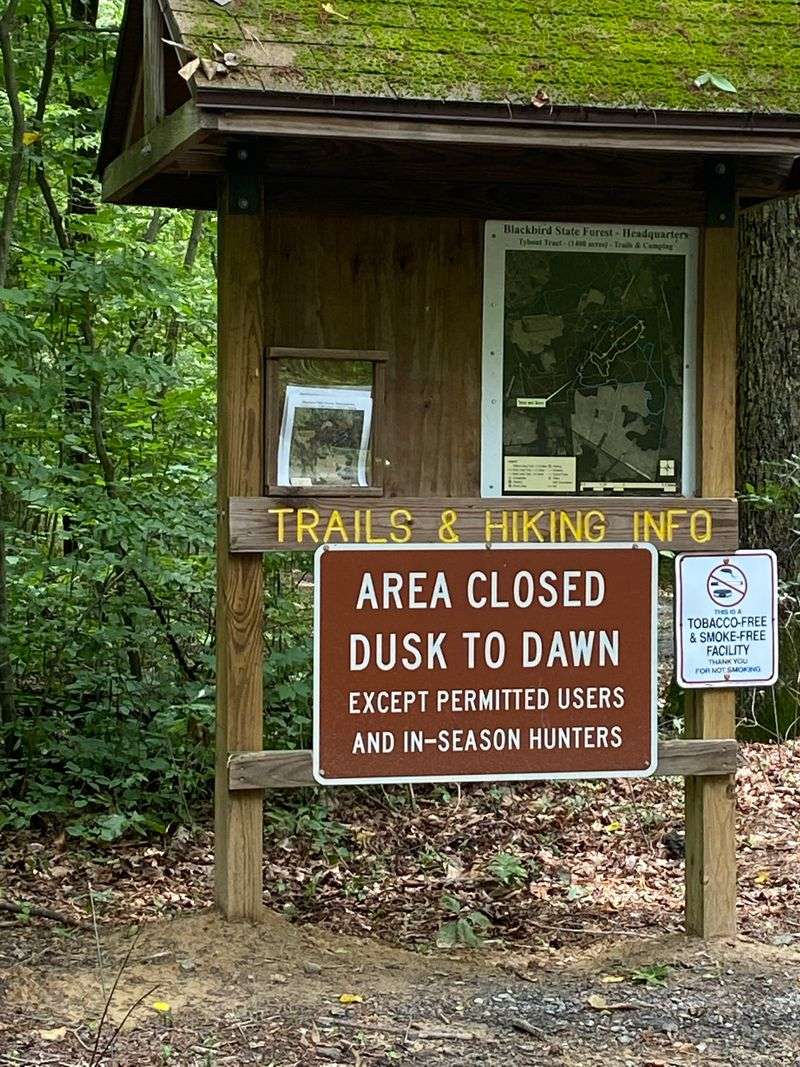
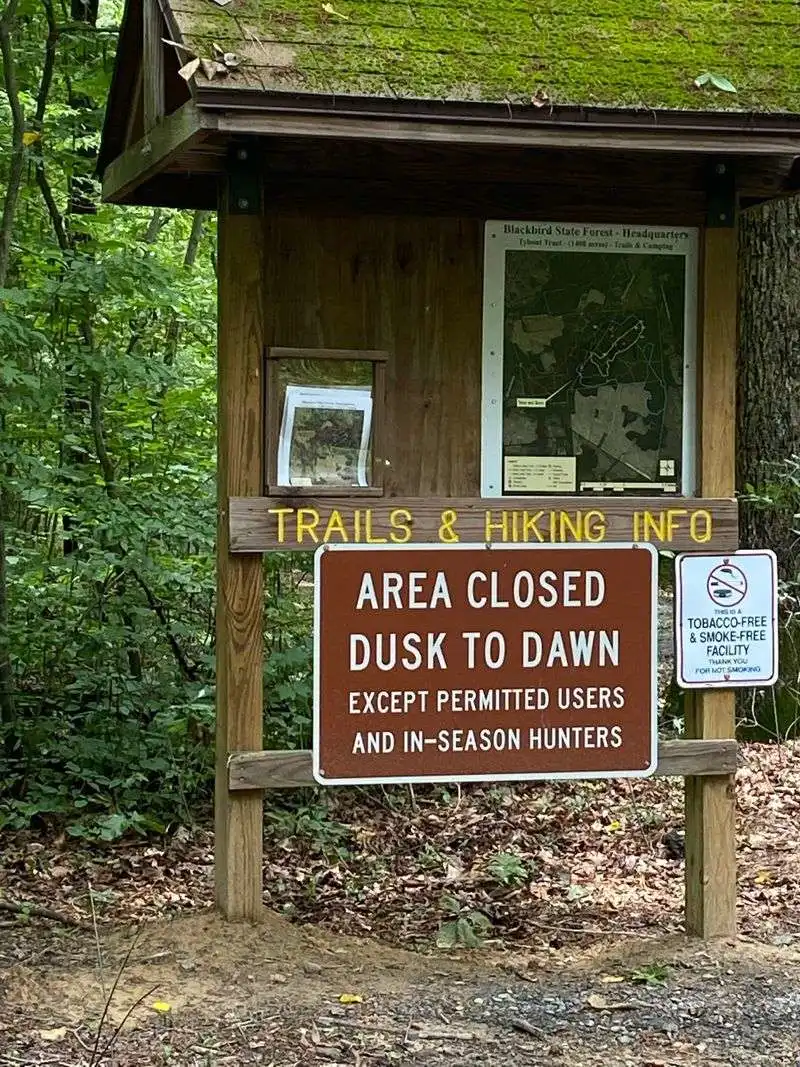
Pack out every wrapper and peel, even if you think it will compost. Obey posted hunting seasons from the forest service, and consider wearing bright colors during active dates.
Keep dogs leashed and yield with a smile at tight spots.
Watch for wet or uneven sections after storms, especially near boardwalk approaches. The tract is multi use on certain loops, with hikers, cyclists, and equestrians sharing segments.
Announce yourself when passing, and step aside if hooves or wheels need room.
Carry a small first aid kit and a charged phone for peace of mind. Simple habits make this quiet place safer for everyone.
A little courtesy and attention keep the trail as welcoming as it feels today.
How to extend the outing: loops, nearby trails, and picnic spots
When the 2.1 mile yellow loop feels too short, tap a red or blue segment to lengthen your wander. Connectors make it easy to add a mile or two without repeating scenery.
If you would rather linger, slip into a picnic spot near the edge fields.
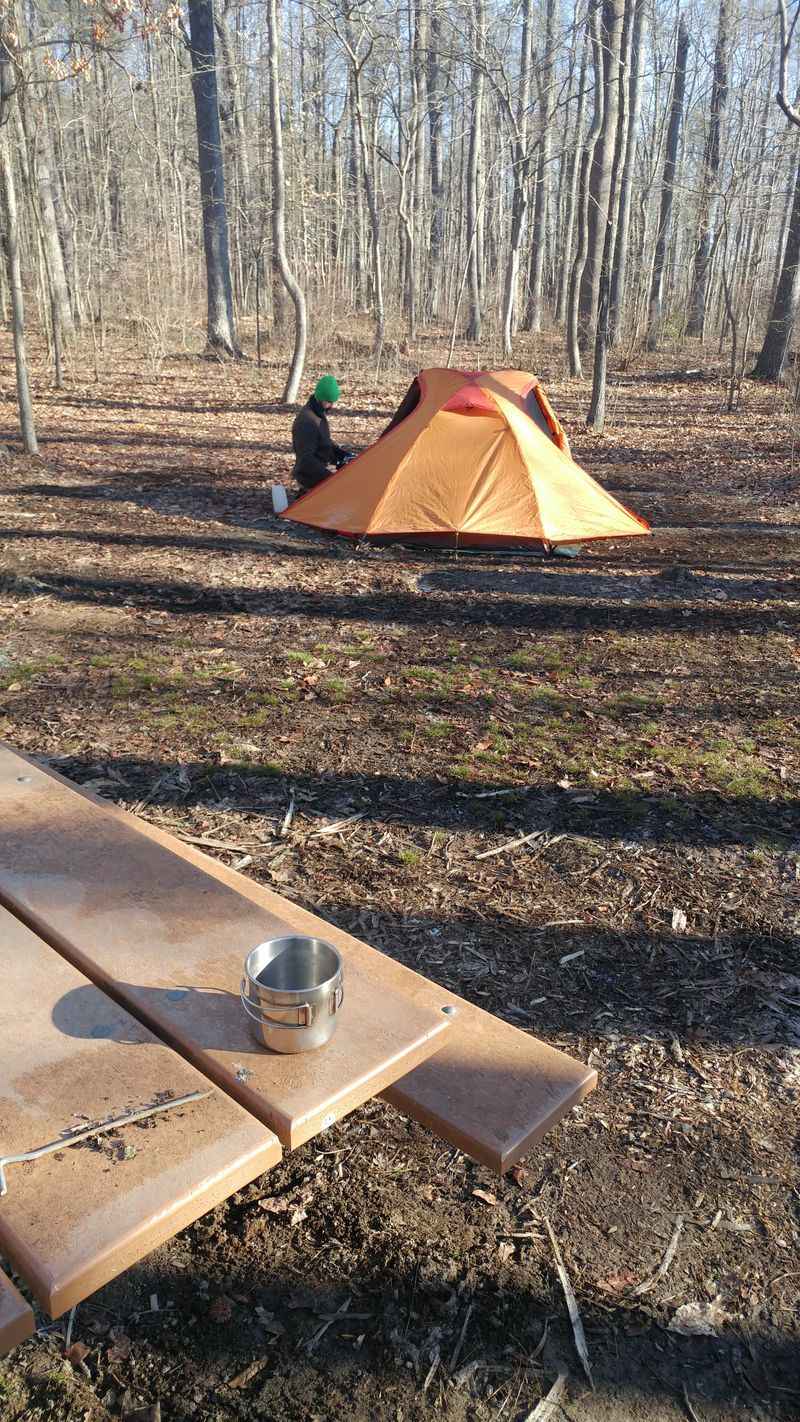
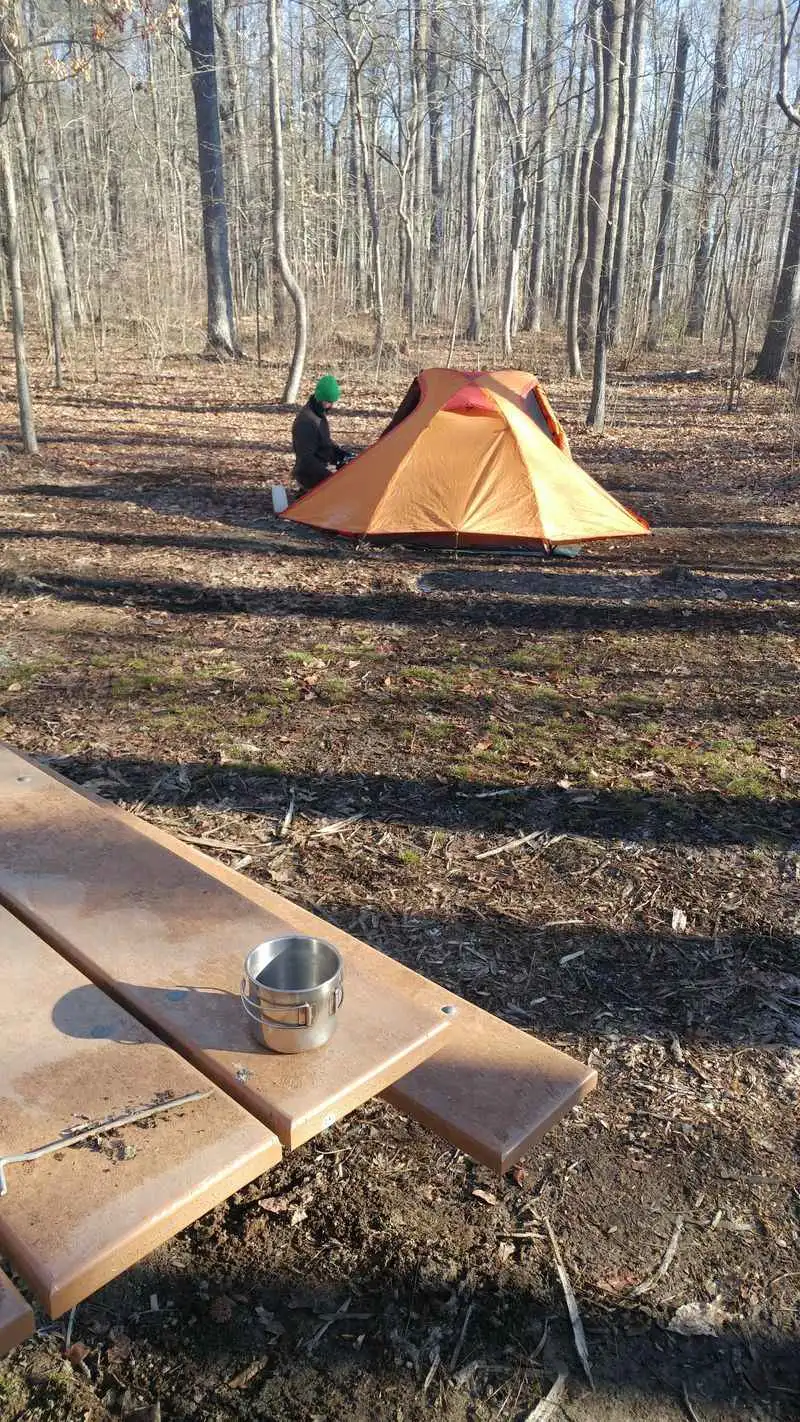
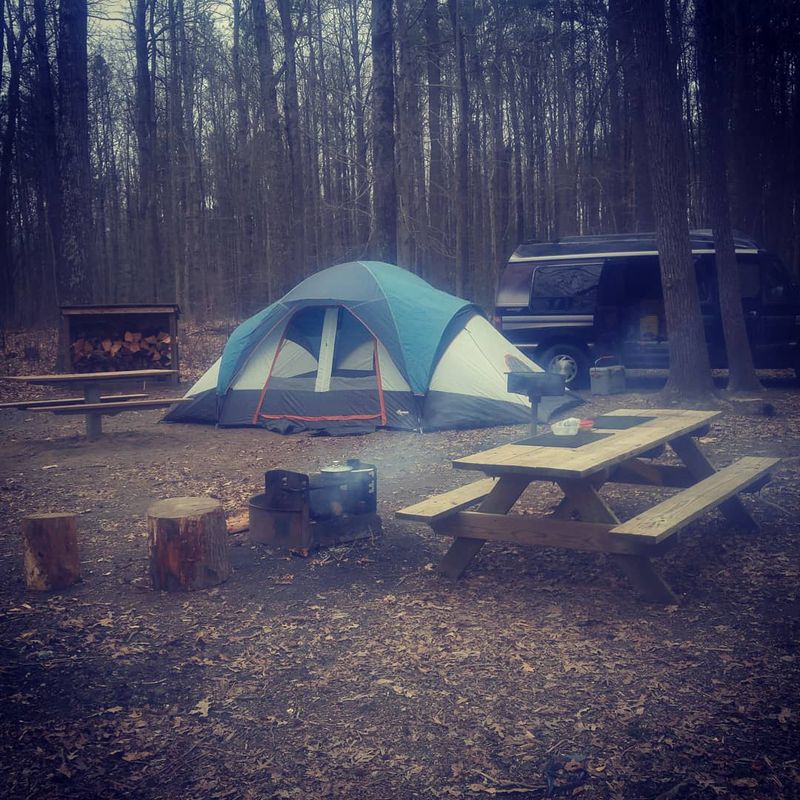
Primitive campsites dot the network, opening the door to simple overnight stays. You can stitch together loops for an evening stroll, cook a quick camp meal, and watch stars through pine silhouettes.
In the morning, drop back to yellow for a brisk wake up lap.
Bring a paper map or saved PDF for clarity at junctions. The options invite creativity, so let time and energy guide your choices.
It is satisfying to craft your own loop and finish at the same quiet lot.
Local tips from hikers: gear, timing, and photos
Wear light trail shoes with decent tread and bring bug spray in warm months. A small daypack with water, a snack, and a layer keeps things easy.
Early morning or late afternoon delivers the best comfort and calm.
Photographers praise the striping of sunlight through pines on late day walks. Use your phone’s exposure slider to save highlights, and brace against a tree for steady shots in low light.
Forest greens often look richer if you tap the screen to meter on mid tones.
For sound, remove earbuds once in a while and let birds lead your pace. Keep your camera handy near boardwalks and marsh edges, where reflections can be lovely.
A relaxed mindset, not heavy gear, is what makes the pictures sing here.
Park rules, reservations, and where to find official updates
Before you go, check the Delaware Forest Service pages for current rules, hunting notices, and seasonal updates. Blackbird State Forest packets include fresh maps, campsite information, and contact details.
Download what you need ahead of time in case service fades.
Some areas may require reservations for camping or special uses, so confirm dates and policies. When you arrive, scan the kiosk for posted alerts about closures or maintenance.
The packets and PDFs keep details tidy, so you can hike with confidence.
If anything seems unclear, call the forest office listed in the materials. Staff are helpful and want you to enjoy the tract responsibly.
A few minutes of prep makes the rest of your visit feel effortless.