Seniors 65 and older here can ride city buses for free with a simple ID card. A weekly grocery shuttle from senior housing costs less than a dollar each way.
That’s the kind of perk that makes a fixed income stretch.
I’ll be honest. This college town is not cheap on paper, and housing costs run well above the national average.
But I believe the real story sits in the details most people skip.
Low-income senior apartments, free museums, and a world-class hospital all share the same zip codes. Michigan also leaves Social Security benefits untouched by state income tax.
I like how those pieces quietly add up.
So can a retiree really make it work on one monthly check? The answer depends on knowing exactly where to look.
The Secret Is Knowing Which Doors To Knock On
Ann Arbor, Michigan, has a reputation for pricey homes and busy college streets. Typical home values sit above half a million dollars, so buying is out of reach for many retirees.
Still, the city holds a smart workaround for people living on Social Security alone. The answer is income-based senior housing, often backed by federal programs.
Programs like Section 202 and the Low-Income Housing Tax Credit help keep certain apartments affordable. They exist specifically for older adults with limited incomes.
That changes the math in a big way. Instead of paying market rent, qualified residents pay based on what they can afford.
The average retired worker now collects a bit over two thousand dollars a month. Half of all retired workers get less than that, so every saved dollar matters.
My advice is simple and a little boring, but it works. Start researching early, because waiting lists for affordable units can stretch out.
Call several communities, ask about income limits, and get your paperwork organized. Think of it like applying to college, minus the essay and the dorm food.
A little effort up front can open the door to a comfortable life here.
Three Senior Apartment Names Worth Writing On A Sticky Note
Sequoia Place, Courthouse Square Senior Apartments, and Cranbrook Tower Apartments all serve low-income seniors in Ann Arbor. Each one offers a path to housing that fits a smaller budget.
Affordable Living at Sequoia Place has 55 units. Every apartment is 540 square feet with one bedroom, a kitchen, a living and dining area, and a bathroom.
That’s a cozy footprint, sure. But less space also means less cleaning, lower utility bills, and fewer places to lose your reading glasses.
Sequoia Place also offers community activities for residents. Having neighbors and events right down the hall can make a big difference in daily life.
Courthouse Square sits in the downtown area, which puts shops and services closer to home. Cranbrook Tower rounds out the list as another income-friendly option for older adults.
Each property sets its own rules, income limits, and application steps. So it pays to ask direct questions before you commit to anything.
Visit if you can, and bring a list of what matters most to you. Ask about wait times, included utilities, and transportation access.
Good housing is the foundation for everything else in retirement. Get that part right, and the rest gets easier.
Your Bus Pass Might Be The Best Deal In Town

Free rides. That’s what GoldRide offers seniors 65 and older on TheRide’s regular fixed routes in Ann Arbor.
All you need is a GoldRide ID card. Show it, take a seat, and keep your money in your pocket.
For retirees who no longer drive, this is a huge relief. Cars bring insurance, gas, repairs, and parking costs that eat into a monthly check fast.
TheRide also runs GoldRide Premium Demand Response Service. It offers on-demand transportation within specific service areas.
Then there’s GroceryRide, which might be the sweetest deal of all. It provides weekly trips from senior housing communities to local grocery stores for less than a dollar each way.
Washtenaw County adds even more help through its Older Persons Millage. County residents 60 and older can get free transportation through three providers.
Put those together, and going car-free starts to sound pretty reasonable. Your budget gets breathing room, and you still get where you need to go.
One tip: apply for your GoldRide card soon after you turn 65. Then plan your weekly errands around the bus routes and shuttles.
Freedom on a budget looks a lot like a bus seat with your name on it.
Michigan Lets Your Social Security Check Stay Whole

Here’s a tax fact that deserves a little happy dance. Michigan fully exempts Social Security benefits from state income tax.
Not every state plays this nicely. Some take a slice of those benefits, which leaves retirees with less every single month.
In Ann Arbor, the full benefit stays with you at the state level. When your income is fixed, that kind of protection really counts.
Of course, federal rules still apply, and everyone’s situation is different. A quick chat with a tax preparer can clear up any confusion.
Many free tax help programs exist for seniors, too. They can be a smart way to file without paying a fee.
Now, let’s be fair about the other side of the ledger. Ann Arbor’s overall cost of living sits a few percent above the national average.
Utilities, though, come in slightly below average. Pair that with the tax break, and the picture looks a lot friendlier.
Small wins like these stack up over a year. Your wallet will notice, even if nobody else does.
Top-Tier Doctors Practically Live Down The Street
Some retirees move hours away just to be near a great hospital. In Ann Arbor, one of the country’s best is already part of the neighborhood.
Michigan Medicine ranks among the top 120 hospitals in U.S. News rankings.
That’s a serious credential for any city, let alone a mid-sized college town.
The system also includes the Rogel Cancer Center, an NCI-designated center. For families facing a tough diagnosis, having that expertise close by brings peace of mind.
Healthcare costs here do run higher than the national average. So it’s wise to review your Medicare plan carefully and know which providers are in network.
Free transportation programs can help with medical trips, too. That saves money and stress on appointment days.
Private services like Visiting Angels and Comfort Keepers also offer rides to medical visits. They provide door-to-door help for those who need extra support.
My practical tip is to build a simple health folder. Keep your medication list, doctor contacts, and insurance cards together.
Bring it to every appointment, and you’ll save time and confusion. With care this strong nearby, staying healthy feels a lot more doable.
Culture Costs Nothing When The Museums Are Free

Over 20,000 works of art sit inside the University of Michigan Museum of Art. Admission costs exactly zero dollars.
That’s a pretty fantastic way to spend a Tuesday afternoon. You can wander, sit, admire, and come back as often as you like.
The Kelsey Museum of Archaeology is free as well. It features world-class exhibits and is wheelchair accessible.
Ancient objects, quiet rooms, and no ticket booth asking for your credit card. For a retiree on a tight budget, that’s a winning combination.
Ann Arbor also has the University of Michigan Museum of Natural History. It’s a great pick when the grandkids come to visit.
The Ann Arbor Hands-On Museum offers kid-friendly interactive exhibits, too. Bring the little ones and let them burn off some energy.
Living in a university town means learning never really stops. Lectures, exhibits, and events pop up all year long.
A smart move is to check museum calendars each month. Then plan a few outings that cost nothing but a bus ride.
Who knew a rich cultural life could fit so neatly into a modest budget? Ann Arbor makes it look easy.
Fresh Air And Flowers Without A Ticket

Michigan winters get cold, with average January lows around 19 degrees. Luckily, Matthaei Botanical Gardens has an indoor conservatory full of green.
Admission is free, which makes it a perfect escape on gray days. You get warmth, plants, and a little mood boost without spending a cent.
When the weather turns nice, the outdoor trails open up more options. Summer highs average around 82 degrees, which is great for gentle walks.
Walking is one of the best habits for staying strong as we age. Having a beautiful place to do it makes the habit easier to keep.
Downtown Ann Arbor and the campus area are also highly walkable. Many daily errands can happen on foot when the weather cooperates.
The Ann Arbor Farmers Market runs year-round, too. It offers fresh produce and artisan items, so a stroll can double as a shopping trip.
Groceries here cost a bit more than the national average. Planning meals around seasonal produce can help you shop smarter.
Pack a water bottle, wear good shoes, and pick a regular walking day. Your body and your budget will both thank you.
Classes, Clubs, And New Friends Are On The Schedule
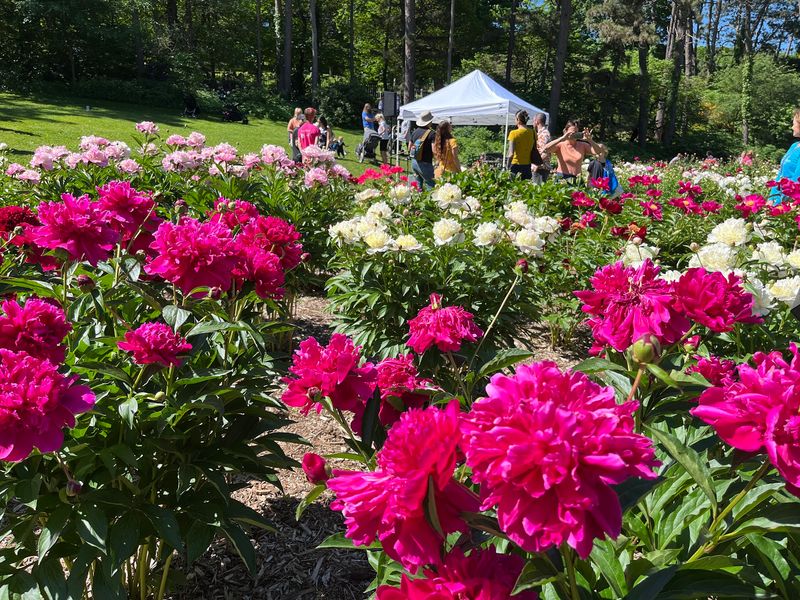
Retirement can feel lonely without a plan. Ann Arbor offers a long list of programs that keep minds sharp and calendars full.
The Ann Arbor Senior Center provides recreational and cultural activities. Its goals include building physical stamina, encouraging social connection, and sparking creativity.
Love learning? Elderwise Learning offers lifelong learning classes with discussions on arts, history, science, and more.
The Osher Lifelong Learning Institute at the University of Michigan serves adults 50 and older. It provides classes and trips that make retirement feel like a fun new semester.
The Turner Senior Resource Center offers outreach and activities as well. Its programs include Silver Club Memory Programs and the Turner Senior Wellness Program.
The Jewish Community Center of Greater Ann Arbor hosts Active Adults programs, too. Options like these give everyone a place to belong.
Staying social is good for your health and your happiness. It can also save money, since group activities often cost less than solo outings.
Try one new program each season and see what sticks. You might find a book club, a walking buddy, or a lifelong friend.
Homework is optional, but laughter seems pretty likely.
A Clear-Eyed Plan Makes This City Work
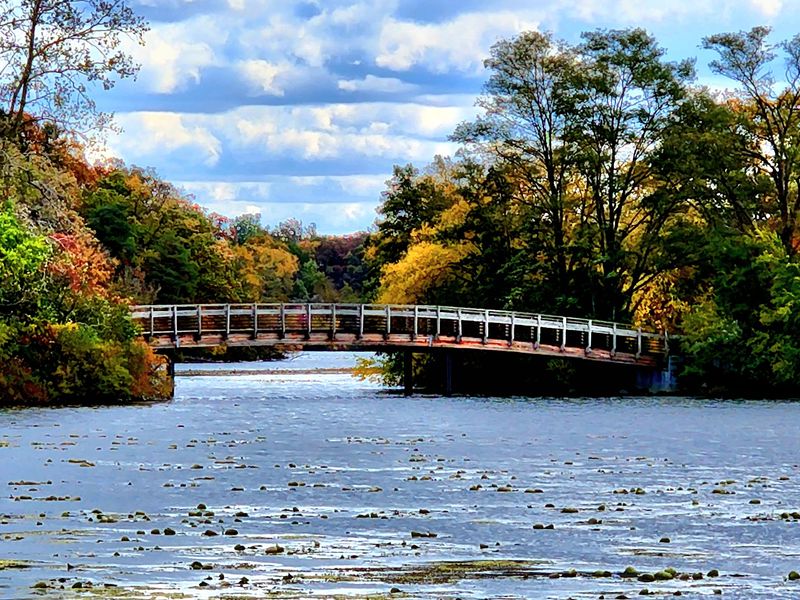
Let’s keep it real for a moment. Ann Arbor is not a bargain city by the usual numbers, especially for market-rate rentals.
But retirees who use the right tools can absolutely make it work. Affordable senior housing, free transit, and free attractions change the whole equation.
Start with housing, since it’s the biggest monthly expense. Apply to several income-based communities and stay on top of waiting lists.
Next, lean on transportation perks like GoldRide and GroceryRide. Skipping car costs can free up a surprising amount of money.
Then fill your days with free museums, gardens, and senior programs. Fun doesn’t need a big price tag here.
Remember that Michigan won’t tax your Social Security benefits. Combine that with careful grocery shopping, and your check goes further.
Winters are chilly, so plan for warm clothes and indoor activities. A good coat costs less than a winter in Florida.
I can’t imagine a better mix of brains, beauty, and support in one Michigan town. With smart planning, Ann Arbor offers retirees a full life without a fat bank account.
Pretty impressive for a place famous for college football Saturdays.