

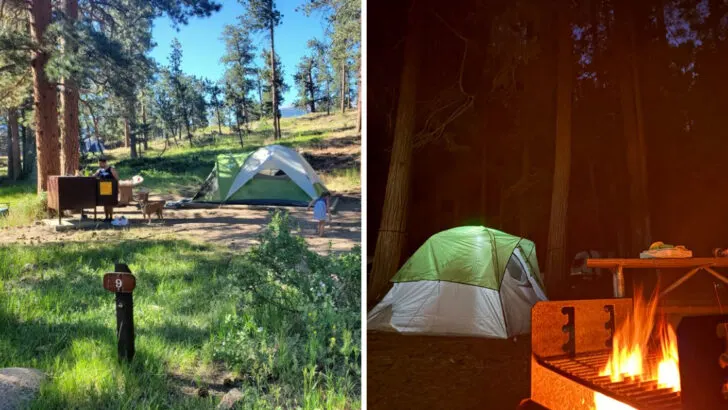
Ready to pitch your tent in the perfect spot all across America? This guide pinpoints the standout campground in every state, from oceanfront sand to high alpine meadows.
You will get practical details, the vibe you can expect, and smart tips to snag the best sites. Lace up, grab your map, and let’s plan your next 50 adventures.
Alabama — Gulf State Park Campground, Gulf Shores
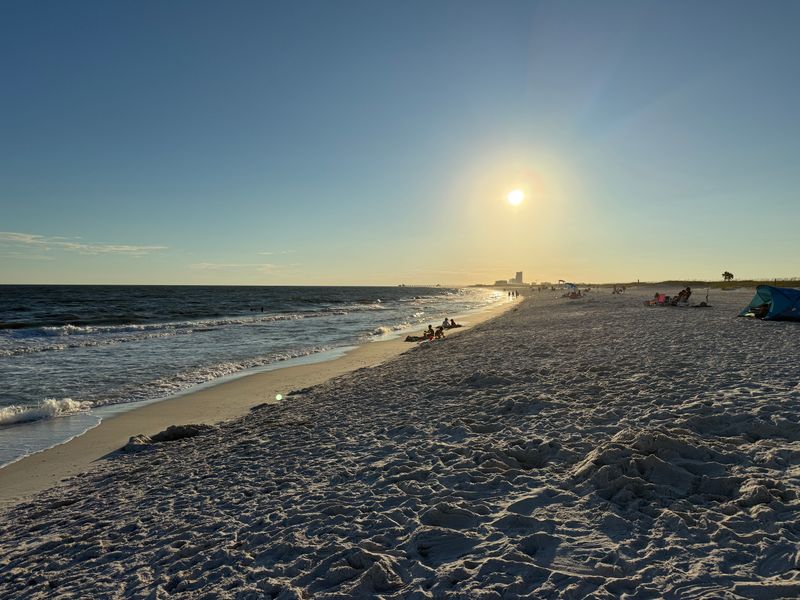
Warm gulf breezes, sugar sand, and easy boardwalk access make Gulf State Park a tent camper’s coastal dream. You can wake to bird calls, then pedal miles of flat, paved trails that connect lakes, dunes, and the beach pavilion.
The campground is well kept, with clean bathhouses, shaded loops, and gators occasionally sunning near the marsh.
Bring sand stakes for your tent and expect quick shifts in weather. Sunsets are pastel and long, perfect for an evening stroll to the pier to watch anglers.
If you want quiet, request a site near the back loops and skip weekends during peak season.
Kayak on Lake Shelby at sunrise for glassy reflections and osprey dives. You can rent bikes on site and ride to the Butterfly Garden, then follow the Rosemary Dunes trail to spot armadillos.
Campfire evenings pair well with gulf shrimp from a local market.
Reservations are essential in spring and fall. Pack a bug net and reef-safe sunscreen since you will split time between lake and sea.
After storms, check swim flags before diving in. You will leave with salt in your hair and plans to return.
Alaska — Bartlett Cove Campground, Glacier Bay National Park
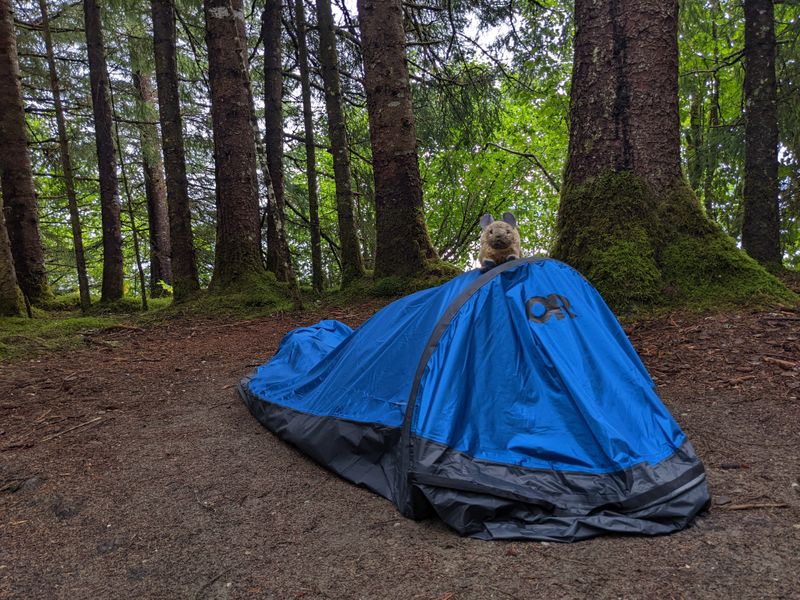
If you dream of wilderness quiet, Bartlett Cove delivers with whales spouting offshore and mossy rainforest underfoot. Sites are walk in, free, and first come, first served, so arrive early via the Gustavus shuttle.
Bear lockers, a warming shelter, and potable water make minimalist camping feel safe and supported.
Reserve the mandatory camper orientation to learn tides, food storage, and backcountry permits. You can paddle the cove at dawn to watch porpoises slice the water and sea otters raft in kelp.
Ravens chatter like locals swapping news.
Weather is cool and damp even in summer. Bring a bomber rainfly, rubber boots, and a synthetic sleeping bag.
Trails like Forest Loop wind through spruce and hemlock dripping with lichen, while twilight lingers late over glassy water.
The Glacier Bay Lodge offers hot drinks and ranger talks with expansive bay views. When the fog lifts, snow streaked peaks feel close enough to touch.
You will fall asleep to breathy whale exhalations and wake to a gull chorus. It is raw Alaska without complex logistics, just respect the bears and pack everything scented diligently.
Arizona — Desert View Campground, Grand Canyon National Park
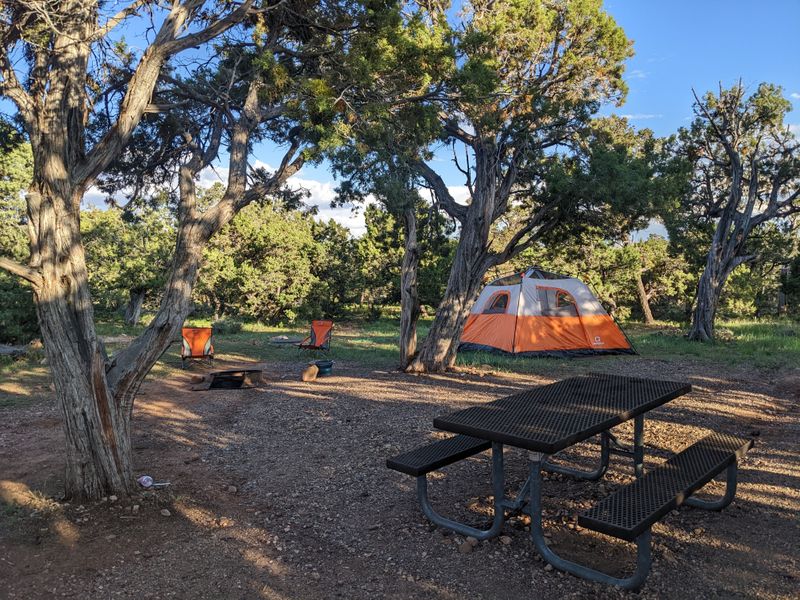
Desert View puts your tent a stroll from the South Rim with fewer crowds than the village. Sunrises paint the canyon in sherbet colors while the Watchtower catches first light.
Sites are simple and shaded by pinyon and juniper, perfect for quiet evenings and star heavy skies.
Water is available seasonally, so check status before you go. Bring sturdy stakes and a groundsheet because desert soil can be rocky.
You will want layers since days are warm and nights drop quickly.
Walk to Desert View Watchtower for the best rim panorama and to refill on inspiration. The Rim Trail rolls gently to overlooks where condors sometimes cruise.
If you are up for it, start a sunrise drive to Lipan Point for sweeping geology in golden light.
Book early in spring and fall. Practice leave no trace in fragile crust areas and store food tight for ravens.
Sunset returns are hushed, with the canyon deepening to purple and the Milky Way blazing. You will feel small in the best way possible.
Arkansas — Petit Jean State Park Campground, Morrilton
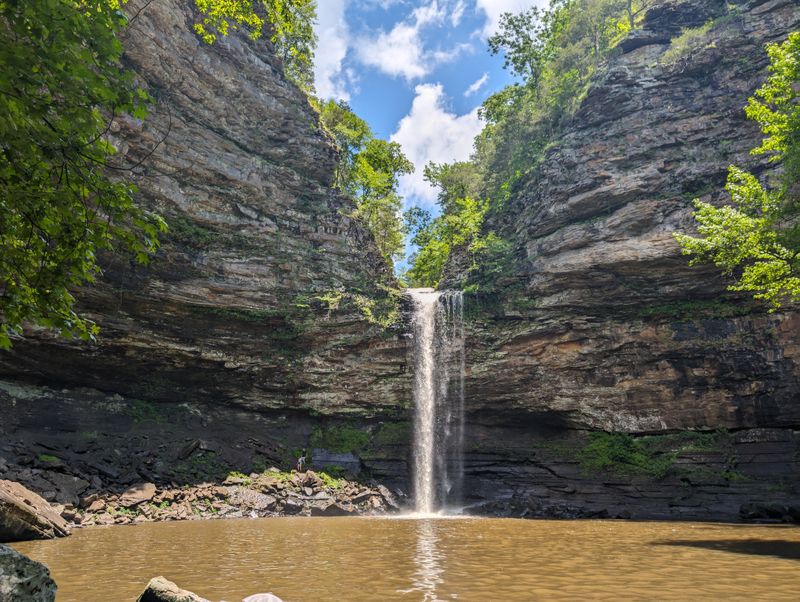
Petit Jean blends wide valley views with shaded sites beneath tall pines and hardwoods. Waterfalls like Cedar Falls thunder after rains, and sandstone bluffs glow at sunset.
The campground has hot showers, level pads, and easy access to classic hikes right from your tent.
Grab the Cedar Falls Trail early to beat crowds and summer heat. The Seven Hollows Trail offers arches, slot like canyons, and pools that hold whispers of past floods.
Expect whip poor wills at night and bright cardinals in the morning.
Bring footwear that handles slick rock and roots. After hiking, head to Mather Lodge for comfort food and a porch view that stretches to forever.
The star show is solid when humidity drops after a front.
Sites book out for spring wildflowers and peak foliage. You will want bug spray, a rain shell, and a camera for golden hour on the Cedar Creek Canyon Overlook.
It is a place where campfire talk runs late and the forest answers with gentle night sounds.
California — Upper Pines Campground, Yosemite National Park
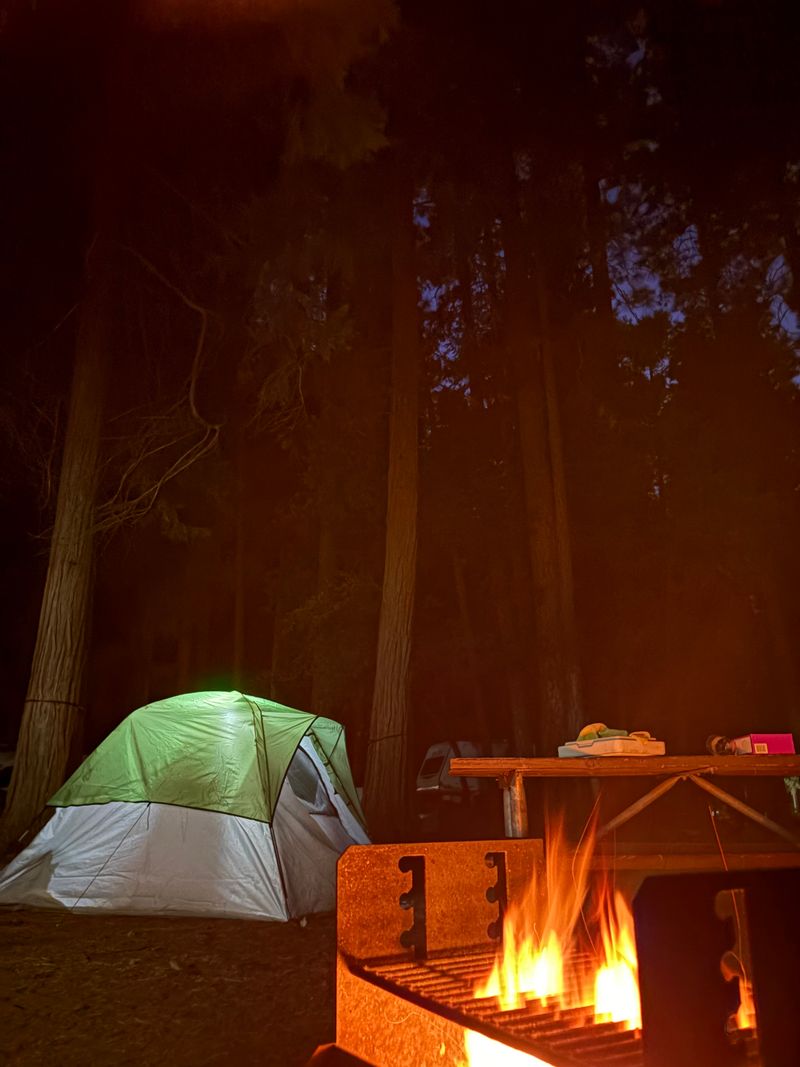
Upper Pines puts you in Yosemite Valley with Half Dome peeking over trees like a neighbor. Wake to granite glowing pink and walk to trailheads without moving your car.
Sites are tight but iconic, with bear lockers, clean restrooms, and river access steps away.
Reservations vanish fast, so set an alarm on opening day. Bring a sturdy tent, because katabatic winds sometimes sweep the valley in the evening.
Store all scented items religiously since bears know this place well.
Sunrise at Cook’s Meadow is a must, then loop Mist Trail to feel Vernal spray on your cheeks. Evenings invite a stroll to Sentinel Bridge for mirror calm reflections of Half Dome.
Bicycles make it effortless to reach pizza and sunsets at Valley View.
Come in shoulder seasons for cooler temps and fewer crowds. Pack earplugs just in case and a warm layer for crisp nights.
You will fall asleep to Merced murmurs and wake to climbing stories drifting on morning air. Yosemite delivers, every single time.
Colorado — Moraine Park Campground, Rocky Mountain National Park
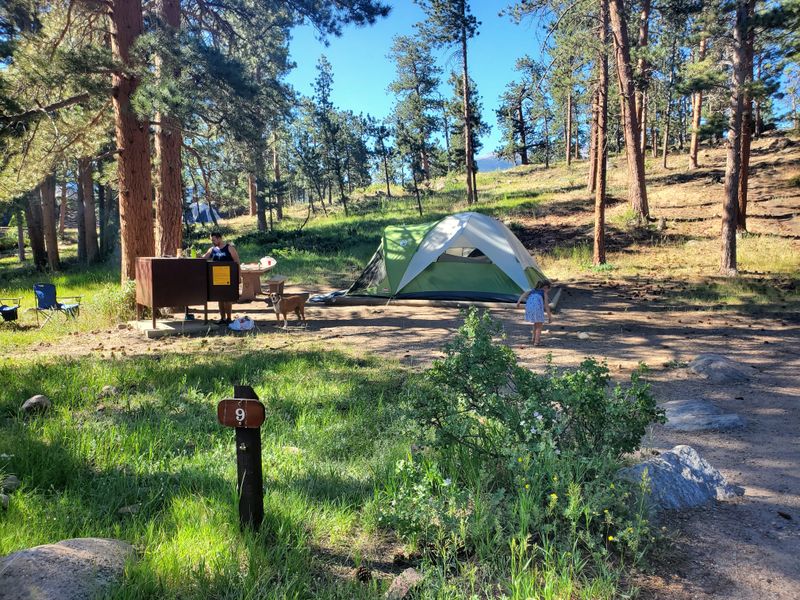
Set in a wide meadow framed by craggy peaks, Moraine Park is elk central at dawn and dusk. Tents nestle among ponderosa and scrub with huge sky overhead.
The shuttle stops nearby, making access to Bear Lake corridor easy without parking stress.
Nights get cold even in July, so bring a solid bag and four season mindset. Afternoon storms crack fast, so pitch tight and guy out.
You will love sipping cocoa while watching clouds rip over Longs Peak.
Hike Cub Lake for lily pads and boulder views, or Fern Lake for cascades and shade. Late September offers bugling symphonies that echo through the valley.
Stargazing is excellent when monsoon haze lifts.
Reserve early and choose a site with wind protection. Be patient with curious elk and give them respectful space.
The scent of sun warmed pine, the sound of Moraine Creek, and cool alpine nights combine into a classic Colorado camp memory you will replay all winter.
Connecticut — Rocky Neck State Park Campground, East Lyme
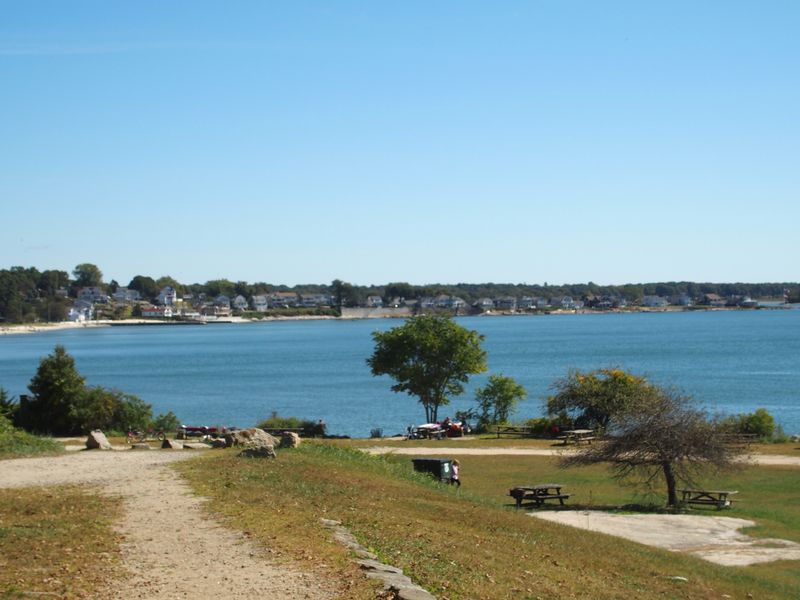
Rocky Neck marries salt air with easy family friendly camping on Long Island Sound. A short walk brings you to a wide beach, tidal marsh boardwalks, and the rustic stone pavilion.
Sites are wooded and quiet on weekdays, with hot showers and straightforward loops.
Pack bug spray for marsh evenings and a beach umbrella for midday sun. Mornings are perfect for coffee on the sand while gulls patrol the shoreline.
You will want a cooler for picnic dinners at golden hour.
Explore the Ellie Mitchell Pavilion’s sweeping views or hike the jetty for sunset photography. Kids can comb for shells and tiny crabs while you breathe in the tide.
Breezes pick up in the afternoon, so stake tents with conviction.
Reservations are required in peak season. Shoulder months deliver milder crowds and migrating birds.
You will leave with salt crusted smiles and a promise to return for another calm, breezy weekend by the Sound.
Delaware — Cape Henlopen State Park Campground, Lewes
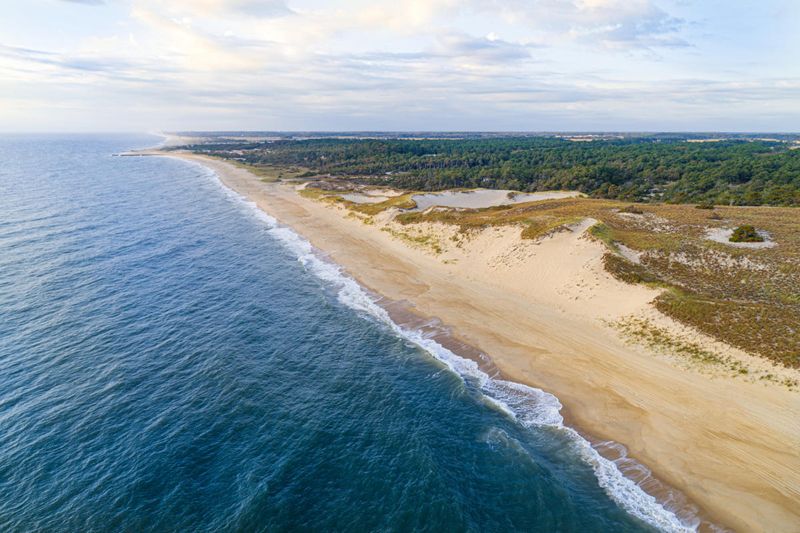
Cape Henlopen gives tent campers dunes, lighthouses, and bike paths laced through coastal forest. You can roll to Herring Point for sunrise surf and dolphins cruising the outer bar.
Camp loops are sandy and shaded, with bathhouses and a mellow, beach town vibe.
Reserve early for summer weekends. Bring long sand stakes and a brush to keep grit out of your tent.
The free borrow a bike program is a fun way to explore the park.
Climb the World War II observation tower for 360 degree views of bay and ocean. Hit Gordon’s Pond Trail at golden hour and watch osprey hunt.
Evenings are soft and salty, ideal for s’mores and stories under string lights.
Quiet hours are respected, making sleep easy even when the park is full. Pack sunscreen, bug wipes, and a light jacket for breezy nights.
You will leave with wind tousled hair, a full camera roll, and sand still clinging to your sandals.
Florida — Bahia Honda State Park Campground, Big Pine Key
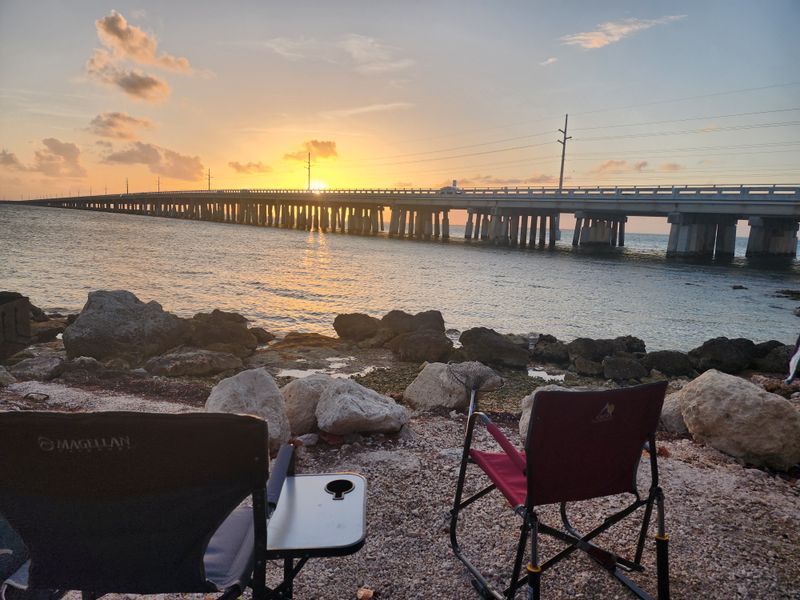
Bahia Honda is that turquoise dream where tents sit steps from warm water and swaying palms. Bridges arc across the horizon while tarpon roll at dusk.
Sites near Sandspur and Bayside feel like postcards, with bathhouses and snorkel ready beaches.
Book months ahead for winter and spring. Bring guylines for trade wind nights and sand friendly stakes.
Afternoon shade matters, so pick carefully and arrive early.
Snorkel the shallows for parrotfish, then paddle kayaks over turtle grass in clear light. The old railroad bridge viewpoint glows at sunset, with pelicans slicing the breeze.
No-see-ums can be fierce, so pack head nets just in case.
After a storm, check beach conditions and currents. Respect the reef by using mineral sunscreen.
You will drift to sleep with waves lapping, wake to roosters crowing, and spend the day barefoot and happy.
Georgia — Cloudland Canyon State Park Campground, Rising Fawn
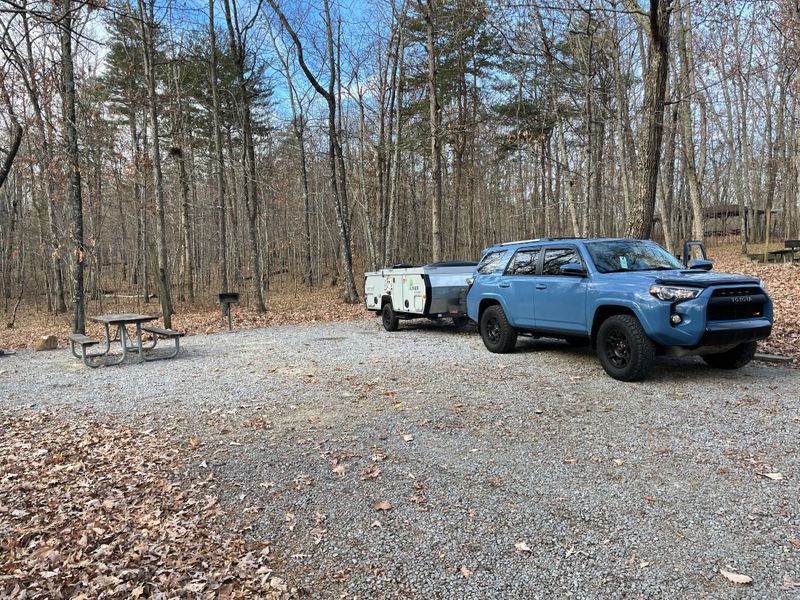
Perched on Lookout Mountain, Cloudland Canyon’s rim hikes deliver jaw dropping sandstone cliffs and waterfall plunges. Tent sites sit in cool hardwood forest with good privacy and hot showers.
The air feels crisp, even in midsummer, and stars punch through between trees.
Staircases into the canyon are steep, so bring trekking poles. After heavy rain, Sitton’s Gulch roars, misting your face as you descend.
You will want trail runners with grip for slick stone.
Sunrise at the West Rim offers layered ridges and drifting fog. Campfire nights are cozy, with whip poor will calls and echoing owls.
For a quieter vibe, aim for shoulder seasons and midweek stays.
Pick a rim adjacent site if you like early photo walks. Pack a warm layer since elevations keep evenings cool.
You will leave with quads pleasantly tired and a head full of canyon views.
Hawaii — Polihale State Park, Kekaha, Kauai
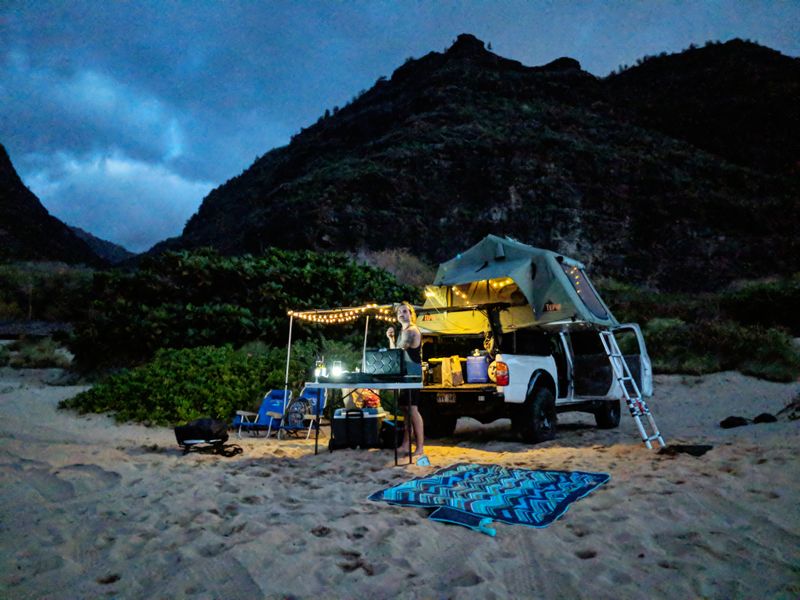
Polihale is raw edge Hawaii where your tent meets endless sand and Na Pali cliffs fade into the horizon. The access road is rough, so high clearance helps, but the payoff is huge.
Sunset paints the sky, surf thunders, and stars feel impossibly close.
Bring plenty of water, shade, and sand stakes because facilities are minimal. Trade winds can whip, so pitch low and guy out smartly.
You will want a groundsheet to keep fine sand from traveling into your sleeping bag.
Morning walks along the shore show monk seal tracks and shell fragments glittering in slant light. The dunes offer some wind breaks if you scout carefully.
Respect currents and avoid swimming when surf is strong.
Permits are required and enforcement is real. Pack out everything and tread lightly on dune vegetation.
You will leave with salt crust and a smile, carrying the memory of surf and stars that hum long after.
Idaho — Glacier View Campground, Sawtooth National Forest
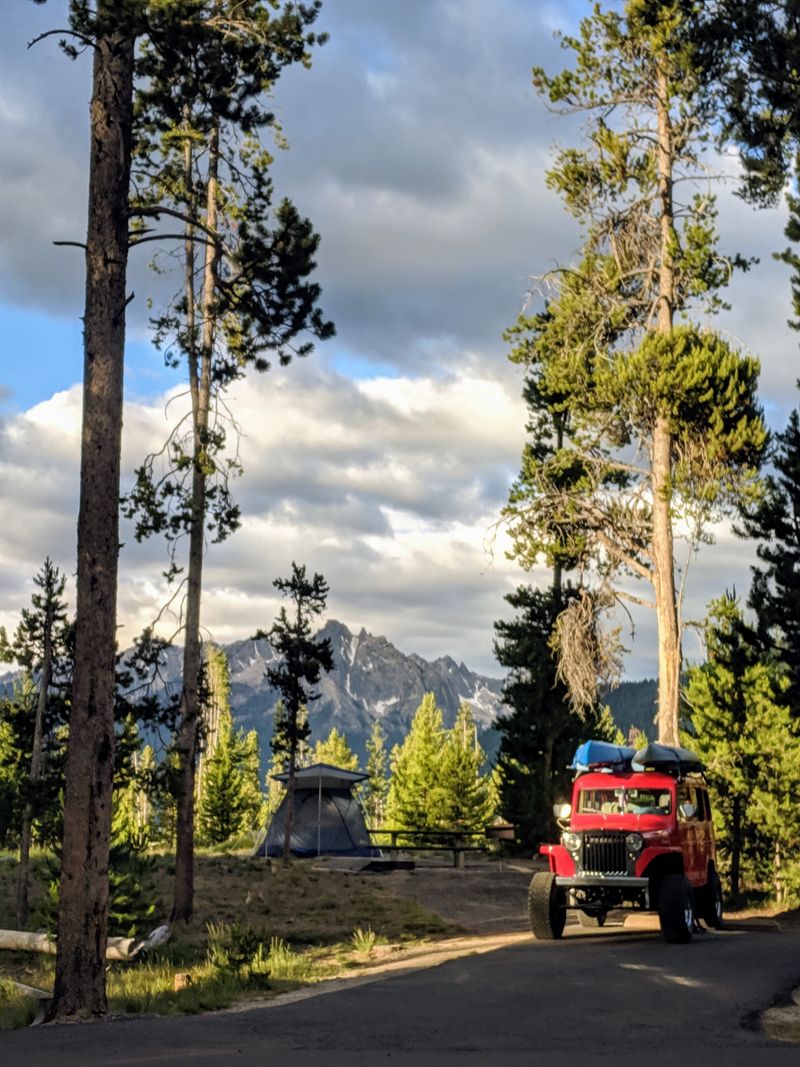
Glacier View sits on Redfish Lake with the Sawtooths rising like teeth straight from the shore. Tent pads are level, water is nearby, and mornings mirror peaks on glass calm water.
The shuttle boat opens quick access to alpine trailheads.
Nights are crisp, so bring a warm bag and a beanie. Afternoon winds can rattle tents, so anchor guylines.
You will want to swim, even if the water is bracing.
Hike to Alpine Lake or Bench Lakes for sapphire bowls under granite walls. Moose sometimes browse willow flats at dawn.
Evenings invite a beach fire glow and headlamp walks under Milky Way arcs.
Reserve as early as possible in summer. Bug pressure varies, but a head net never hurts.
You will fall hard for this combination of clear water, sharp skyline, and pine scented air that lingers in your clothes.
Illinois — Pharaoh Campground, Garden of the Gods, Shawnee National Forest
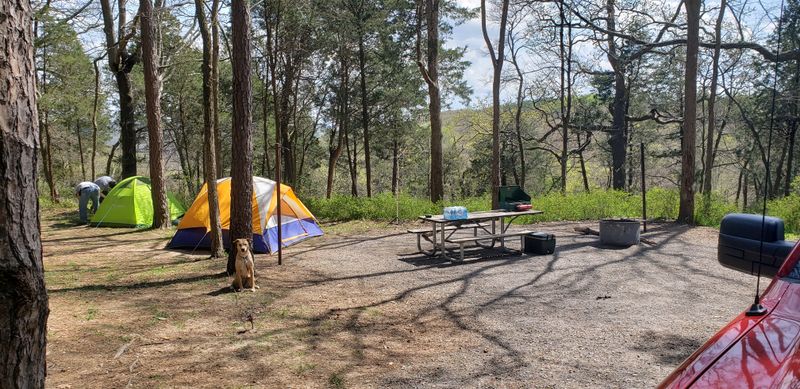
Pharaoh Campground puts you steps from the surreal hoodoos and vistas of Garden of the Gods. Sites are primitive but convenient, with vault toilets and picnic tables tucked beneath hardwoods.
Sunrise on Observation Trail is a short walk and completely worth an early alarm.
Bring water or filtration because amenities are limited. The sandstone can be slick when damp, so tread carefully.
You will love quiet nights punctuated by crickets and owls.
Explore Rim Rock and Pounds Hollow nearby for shaded hikes and a cooling swim. Golden hour turns the rock honey colored while shadows carve depth across the formations.
Star photography is great on clear, dry nights.
Weekdays are calmer, though fall foliage draws crowds. Pack a foam pad to soften rocky ground and a tarp for sudden showers.
You will leave with red dust on your boots and a camera full of otherworldly shapes.
Indiana — Dunewood Campground, Indiana Dunes National Park
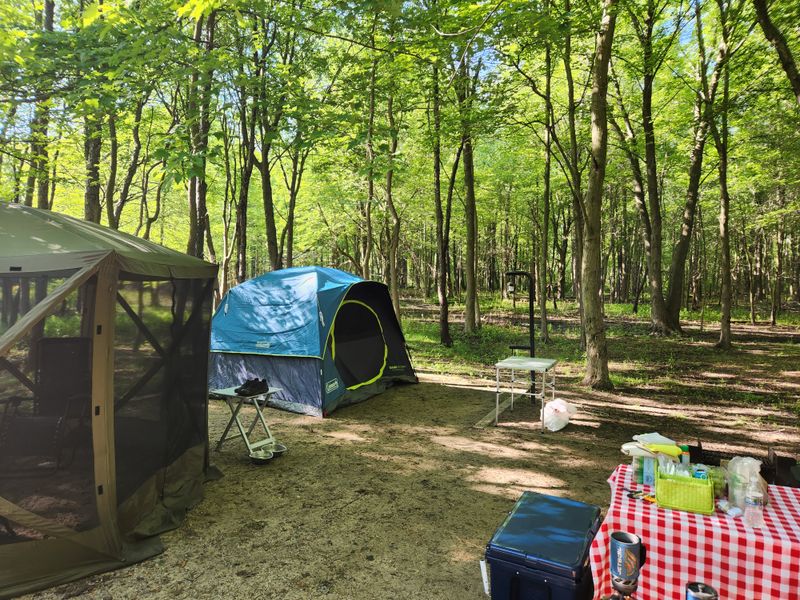
Dunewood blends shady forest camping with quick hops to wave washed Lake Michigan beaches. Sites are spaced for privacy, with modern restrooms and a summer shuttle to key beachheads.
Wind rattles leaves at night and lulls you into deep sleep.
Pack for changeable Midwest weather. Fog can slide in, then burn off to bluebird skies within hours.
You will want a lightweight windbreaker for beach walks.
Climb the dune succession trails to watch prairie give way to oak savanna. Evening golden light along West Beach is magic for photos.
Birders can rack species quickly during migration.
Reserve weekends ahead and explore midweek for serenity. Bring sand stakes and a brush to keep grit at bay.
You will leave with a freshwater beach grin and pockets full of colorful pebbles.
Iowa — Backbone State Park Campground, Dundee
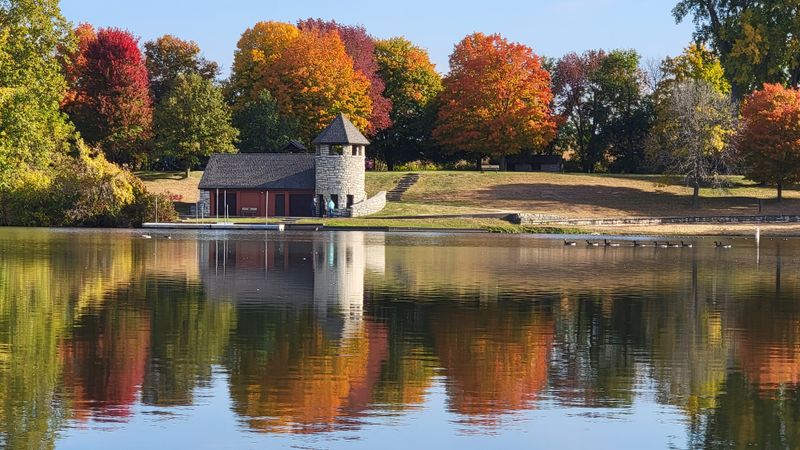
Backbone wraps classic Midwest woods around a narrow dolomite ridge that climbers and hikers adore. Tent loops sit near the lake and creek, with showers and firewood available.
The Civilian Conservation Corps heritage adds rustic charm to stone shelters and bridges.
Hike the Backbone Trail for airy views and rocky steps. Anglers will like trout stocked Richmond Springs on clear mornings.
You will hear barred owls and distant coyotes after dark.
Bring sturdy shoes for limestone slick spots and a rain shell for pop up showers. Paddlers can explore the lake while songbirds weave a constant soundtrack.
Fall color puts on a grand show across oak and maple hills.
Reservations make weekends easy. Choose a site near shade if summer humidity spikes.
You will leave relaxed, with soot scented hoodies and a deeper appreciation for Iowa’s quiet bluffs and waters.
Kansas — Lake Scott State Park Campground, Scott City
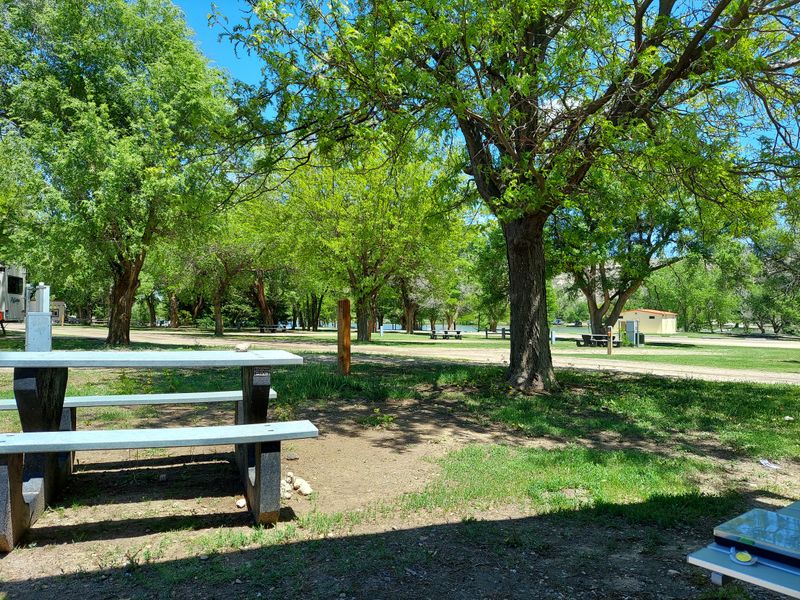
Lake Scott surprises with a spring fed oasis tucked into prairie and badlands. Tent sites nestle under cottonwoods with cliff views and easy lake access.
History runs deep here with El Cuartelejo ruins a short walk away.
Expect calm mornings for paddling and breezy afternoons that keep bugs down. Stake well in sandy soils and bring a shade tarp.
You will like the dark skies once winds ease after sunset.
Hike the bluffs for golden light over chalky formations. Wildlife includes deer, turkeys, and soaring hawks.
The water is inviting in summer, and shoreline angles offer decent fishing.
Reserve ahead for holiday weekends. Shoulder seasons bring mild temps and open sites.
You will leave impressed that Kansas hides such a scenic bowl of water, stone, and stars.
Kentucky — Middle Fork Campground, Natural Bridge State Resort Park
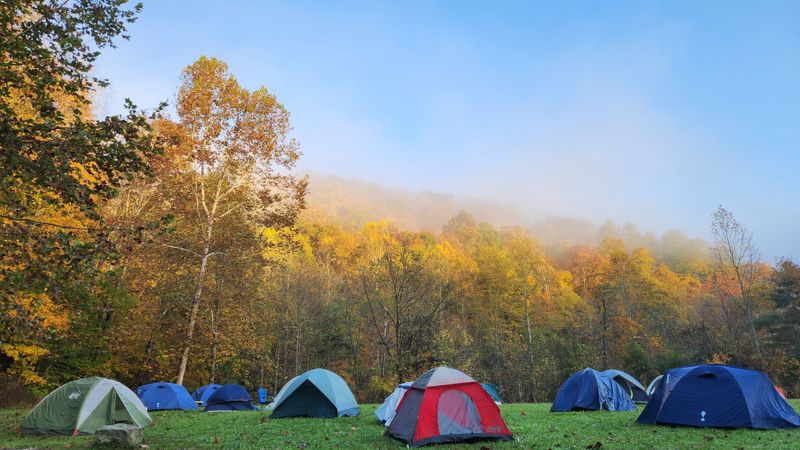
Middle Fork puts you close to arches, ridgelines, and the Red River Gorge without losing the state park comforts. Sites are wooded with hot showers and a laid back feel.
The skylift and Natural Bridge trail start nearby, so sunrise missions are easy.
Rock steps can be slick, so bring traction and a headlamp for early starts. You will hear whip poor wills, tree frogs, and the distant rumble of summer storms.
Campfires glow under tall hemlocks that scent the air.
Hike to Balanced Rock, then catch golden views from Lookout Point. If you want solitude, explore side trails or jump into the Gorge proper.
Climbing culture hums through the region, and the pizza after is legendary.
Reserve weekends in spring and fall. Bear canisters are smart if you wander into the national forest.
You will leave with sandstone dust on your calves and a head full of arch silhouettes.
Louisiana — Chicot State Park Campground, Ville Platte
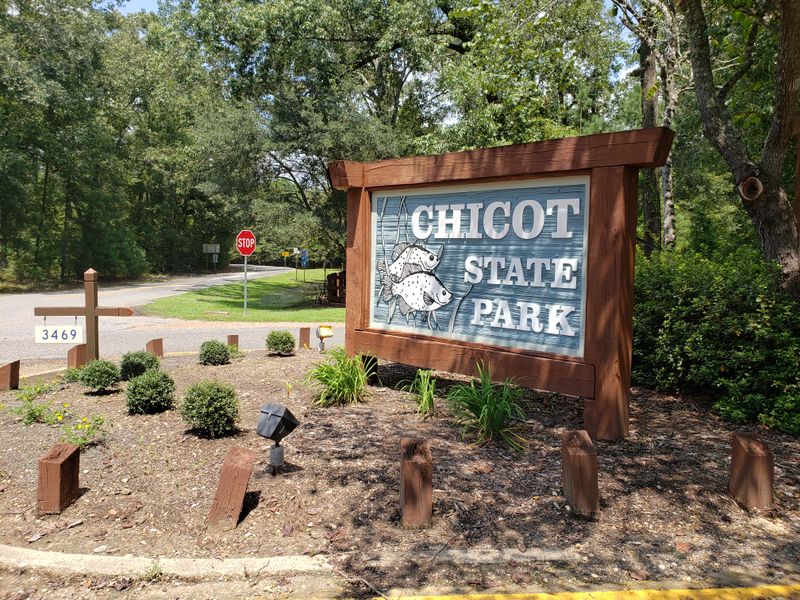
Chicot wraps a cypress studded lake in boardwalks, shaded loops, and southern quiet. Tent sites are roomy with hot showers and breezes slipping through pines and oaks.
The 20 mile hiking trail traces quiet coves and bayous with herons stalking edges.
Humidity is real, so pack a battery fan and quick drying layers. Afternoon storms pop, then sun steams the forest in minutes.
You will want bug control for dusk near the water.
Paddle among cypress knees at sunrise as mist lifts from the lake. Turtles plop, fish swirl, and barred owls trade calls.
Bring a camera for golden shafts of light slanting across tannin stained water.
Weekdays feel extra calm. Sites near the water fill first, so reserve ahead in spring.
You will leave relaxed, smelling like camp smoke and pine, with Spanish moss still hanging in your memories.
Maine — Blackwoods Campground, Acadia National Park
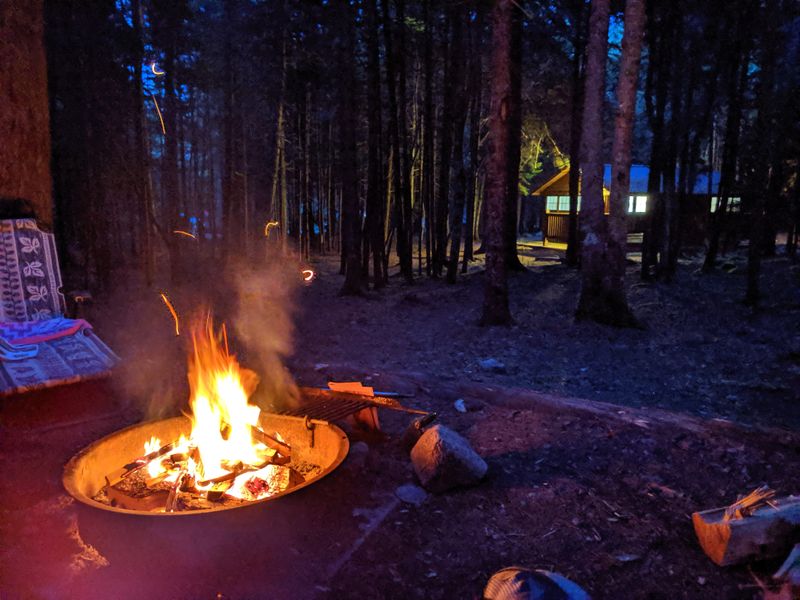
Blackwoods places you between granite shore and spruce forest, minutes from Ocean Path and Sand Beach. Sites feel hushed beneath thick conifers, and the ocean’s hush sneaks into camp at night.
Free Island Explorer buses make car free exploring simple.
Expect cool, damp mornings and pack a bomber rainfly. You will want layers for summit winds on Cadillac Mountain.
Fog can roll in, turning cliffs into moody silhouettes that photograph beautifully.
Walk to the ocean for sunrise swells and gulls. Hike Gorham Mountain, then catch popovers at Jordan Pond House.
Evenings are for fires, star peeks between spruce, and the scent of salt.
Book early for July through October. Keep food locked down, as red squirrels are crafty.
You will leave with sea spray on your jacket and a heart tuned to surf and spruce.
Maryland — Assateague State Park Campground, Berlin
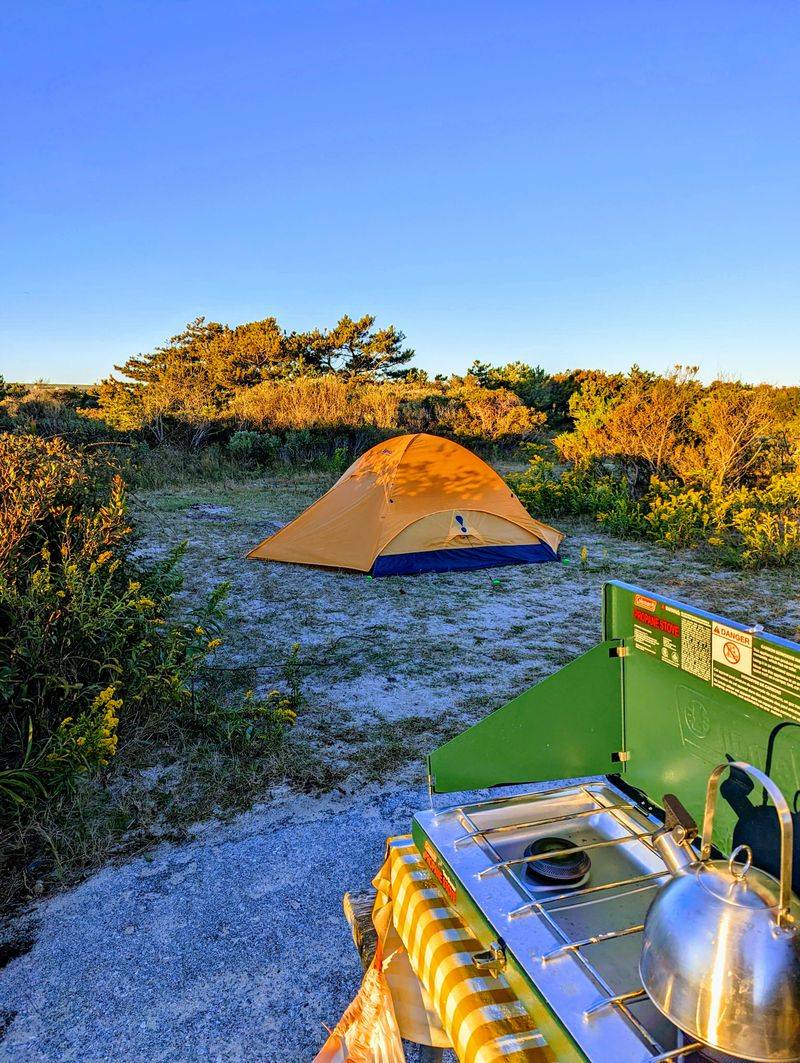
Assateague offers oceanside camping with wild ponies wandering dunes and salt breezes nonstop. Tents sit just behind the berm, so surf’s lullaby carries into sleep.
Facilities are basic but sufficient, with bathhouses and spigots close by.
Wind is a constant companion, so bring sand stakes and low profile tents. Bugs vary with wind direction, but head nets help on calm evenings.
You will love sunrise walks where fox tracks crease the beach.
Bike to the national seashore and watch oystercatchers patrol tide lines. The night sky is broad and bright when humidity dips.
Bonfires crackle while the Atlantic keeps a steady rhythm.
Reserve early for summer, and always secure food from nosy raccoons. Check swim flags and be cautious of rip currents.
You will leave with salty smiles, pony sightings, and sand in every zipper.
Massachusetts — Lovells Island Camping, Boston Harbor Islands
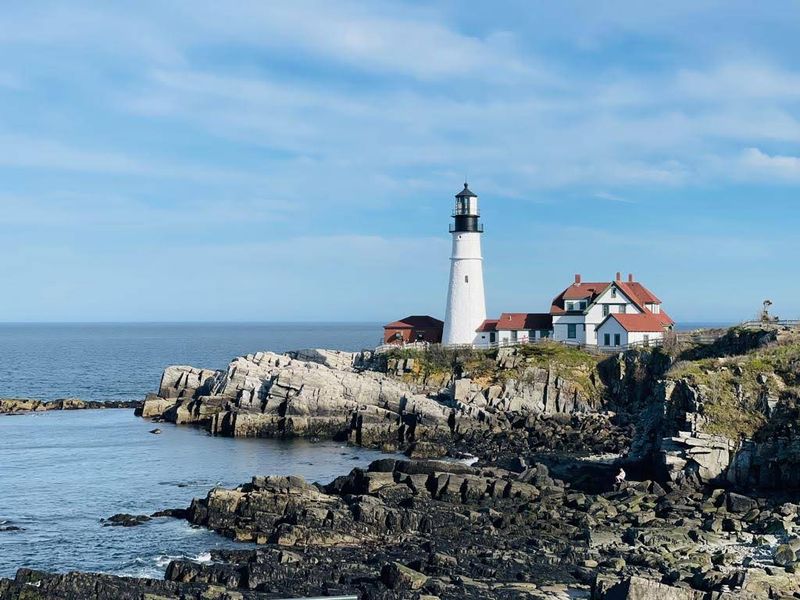
Lovells Island feels remote yet sits in Boston’s watery backyard. You take the ferry, hike past old fort relics, and pitch near shoreline views of skyline and sea.
Sites are primitive with composting toilets, so pack water and leave no trace ethic.
Sea breezes cool warm days, but fog can soak gear quickly. Stake tight and bring extra guylines for gusts.
You will enjoy tidepooling and watching ferries etch white lines across blue water.
Golden hour reveals lighthouse silhouettes and gull acrobatics. Night brings city lights twinkling across the harbor while stars poke through.
The mix of wild and urban feels uniquely New England.
Reserve with the park and confirm ferry schedules. Pack out everything and secure food from clever gulls.
You will head home briny, happy, and grateful such escape sits so close to the city.
Michigan — Twelvemile Beach Campground, Pictured Rocks National Lakeshore
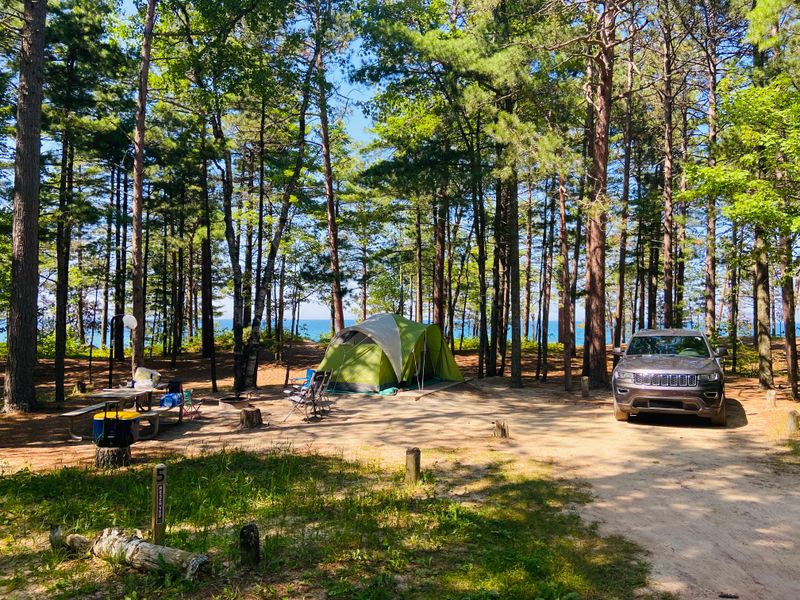
Perched atop dunes, Twelvemile Beach lines tent pads along a bluff with Lake Superior rolling below. The soundtrack is surf and wind, with birch and pine framing long horizons.
Sites are first come and simple, so arrive early.
Fog can sweep in, then clear to brilliant blue. Cold nights are common, so pack a warm bag and beanie.
You will want sturdy stakes for sandy soil and a wind worthy rainfly.
Walk the beach at sunrise to see agates and wave patterns paint the shore. Hike to Au Sable Light Station or shuttle to Chapel for cliff top views.
Stars feel close when the lake’s breath calms after dark.
Black flies appear in early summer, so bring head nets. Fires glow in the wind breaks and laughter carries softly between sites.
You will leave with Superior in your bones and sand still in your shoes.
Minnesota — Woodenfrog Campground, Kabetogama State Forest
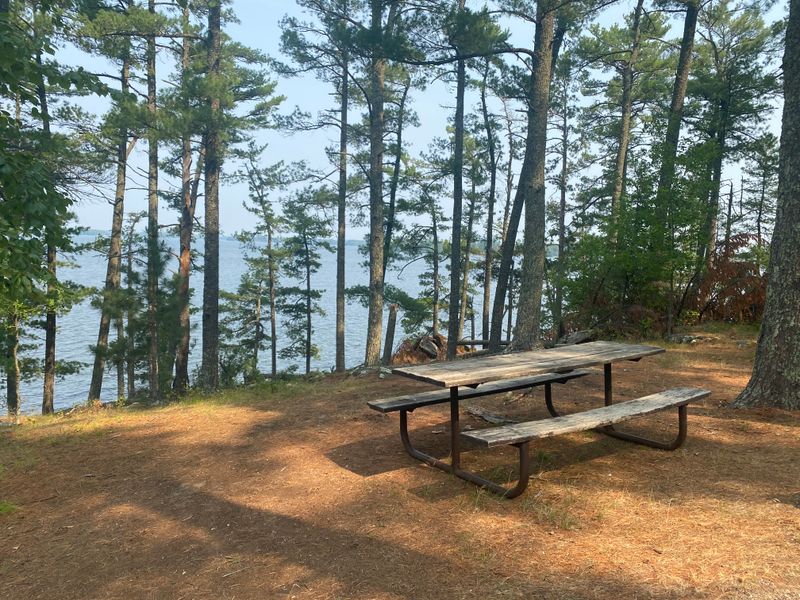
Woodenfrog sits on Kabetogama’s granite shoreline with boreal forest silence and loon calls at dusk. Sites are spaced well under tall pines, with vault toilets and water spigots.
The vibe is classic North Woods, relaxed and deeply peaceful.
Bring layers, because temps swing even in July. Mosquitoes can surge, so a head net and thermacell are smart.
You will love lazy paddles among islands and pink granite points.
Sunsets smear color across smooth water, and stars explode on clear nights. Nearby Voyageurs National Park offers more water trails and ranger programs.
Campsite mornings feature coffee steam and tannin scented breezes.
Arrive early for waterfront sites. Respect quiet hours and let the loons sing lead.
You will leave with lake light in your eyes and a slower heartbeat.
Mississippi — Tishomingo State Park Campground, Tishomingo
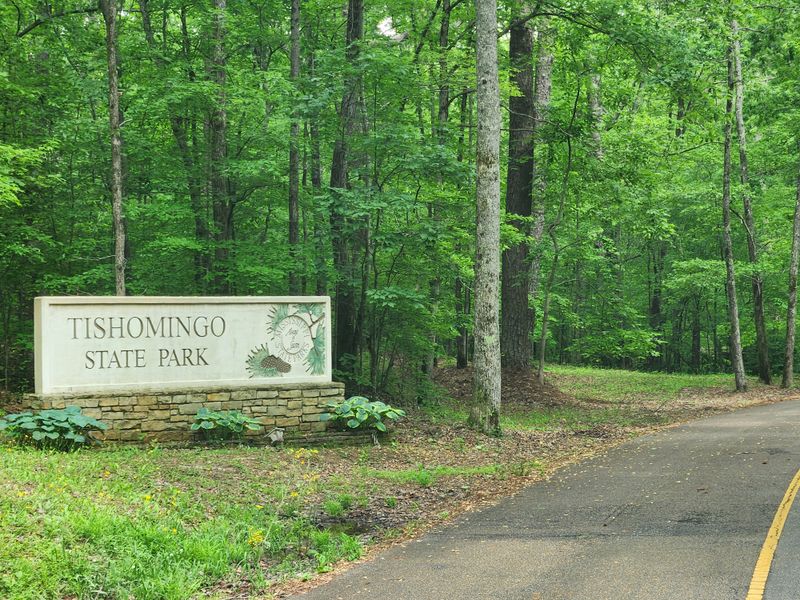
Tishomingo blends rocky bluffs, swinging bridges, and ferny hollows in the state’s hill country. Tent loops are shady with modern bathhouses and easy walking to nature trails.
The Bear Creek canoe float is a gentle, scenic drift through mossy boulders.
Humidity is high, so plan for breathable layers and afternoon swims. Spring wildflowers light up the understory with color.
You will hear katydids and owls after dark, a southern lullaby.
Hike along the rock outcrops and hunt for ancient petroglyphs at the museum. Golden hour warms the stone and makes bridges glow.
Pack sturdy shoes for roots and occasional slick rock.
Reserve ahead for fall weekends. A bug head net helps on still evenings.
You will leave soot scented, content, and surprised by Mississippi’s rugged side.
Missouri — Johnson’s Shut Ins State Park Campground, Middle Brook
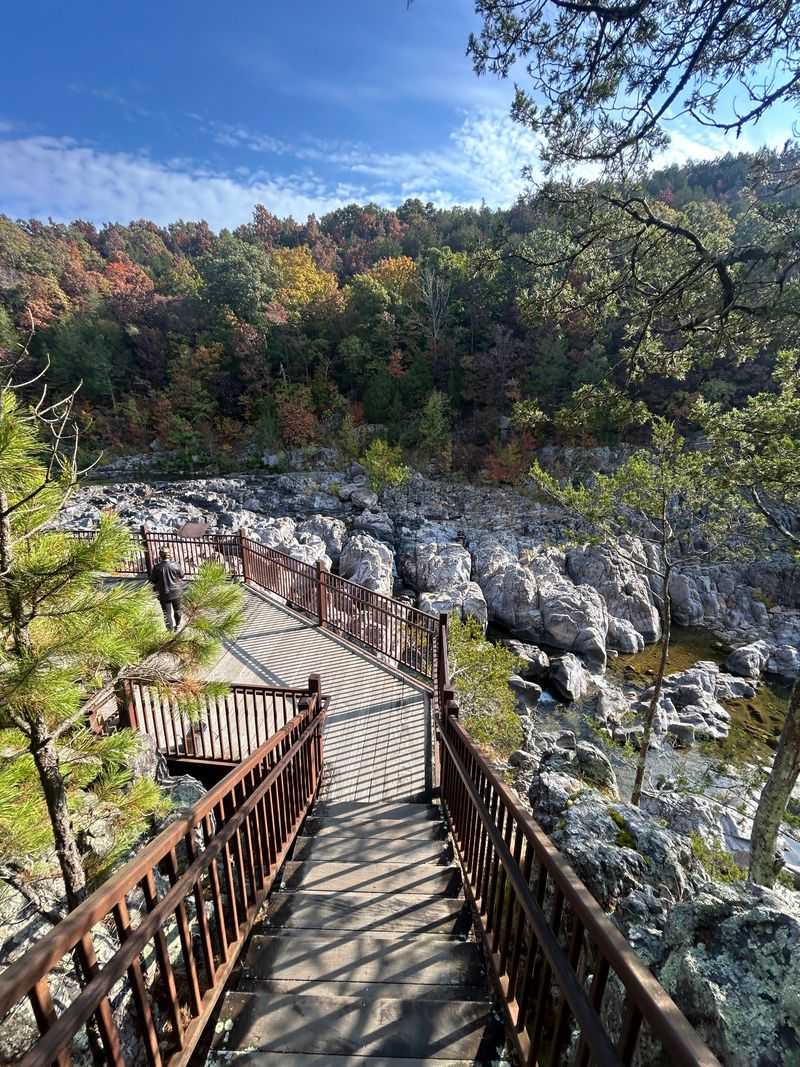
At Johnson’s Shut Ins, the Black River tumbles through sculpted rhyolite creating natural slides and pools. Tent campers enjoy wooded sites with modern facilities and dark night skies.
River sounds drift into camp and cool the air on hot days.
Water shoes are essential since rock is slick. Go early to splash before crowds build.
You will want a dry bag for phones and a camp chair for smooth rock sunning.
Explore the Scour Trail for geologic drama from the 2005 dam breach. Evenings bring cricket choirs and ember glow under oaks.
Stargazing pops when humidity clears.
Reservations help on summer weekends. Respect river levels and posted safety guidance.
You will leave with pruny fingers, a camera full of smiles, and plans to return.
Montana — Many Glacier Campground, Glacier National Park
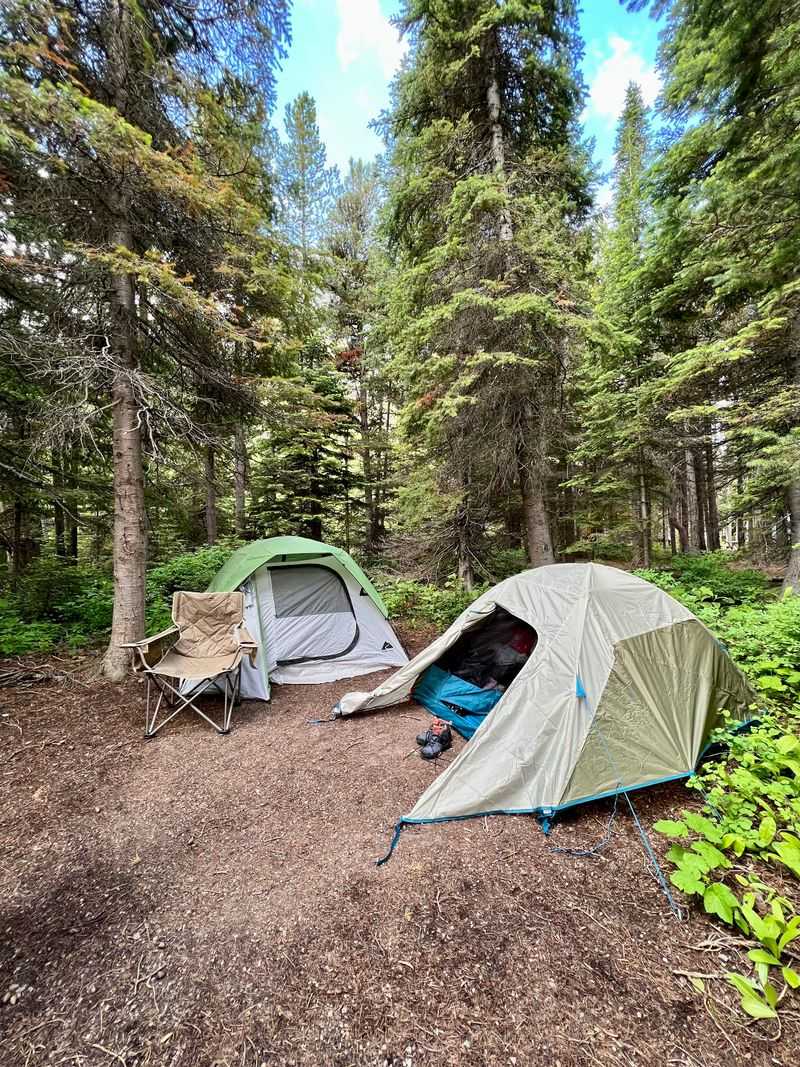
Many Glacier is bear and mountain country, with tent sites ringed by steep, snow streaked walls. Swiftcurrent Lake reflects peaks at dawn while trails shoot to turquoise basins.
Sites fill fast, so arrive early or secure a reservation if offered.
Nights are cold and winds can muscle through, so bring stout stakes and layers. You will hear pika chirps and creek rush merging into a constant alpine soundtrack.
Bear boxes and proper storage are mandatory.
Hike Grinnell Glacier for teal lakes and cliff traverses with waterfall spray. Moose browse willows near Fishercap Lake at dusk.
Golden hour melts across Mount Grinnell like butter.
Expect company, but the scenery dwarfs any bustle. Carry bear spray and practice group noise on brushy trails.
You will leave with legs pleasantly tired, a thousand photos, and a fresh respect for the Northern Rockies.
Nebraska — Smith Falls State Park Campground, Valentine
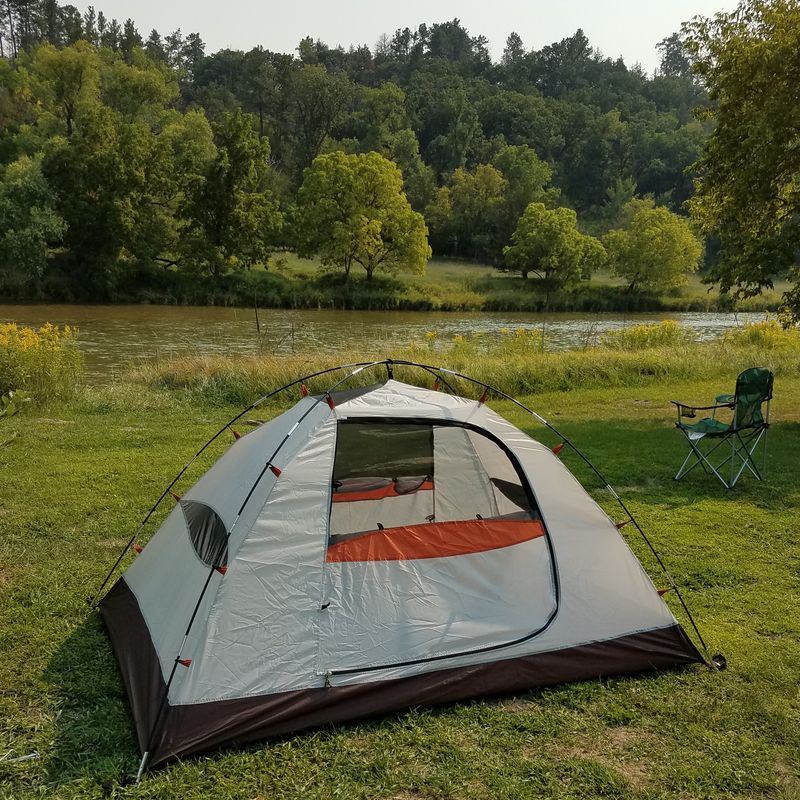
Smith Falls centers Nebraska’s tallest waterfall beside a mellow Niobrara River corridor. Tent sites stretch along cottonwoods with vault toilets and easy trail access.
The boardwalk to the falls keeps fragile banks protected while you cool off in mist.
Paddling the Niobrara is the move on warm days. Shuttle services are abundant, so plan a float and return to camp sandy and smiling.
You will want water shoes for gravel bars and camera protection for splash zones.
Evenings bring whip poor wills and fireflies. The falls glow at golden hour, and the river hushes the campground to sleep.
Shade is generous, though winds can gust across the valley.
Reserve ahead for midsummer weekends. Pack layers for cool nights and sunscreen for daytime floats.
You will leave refreshed, a little damp, and convinced Nebraska holds more water magic than you expected.
Nevada — Upper Lehman Creek Campground, Great Basin National Park
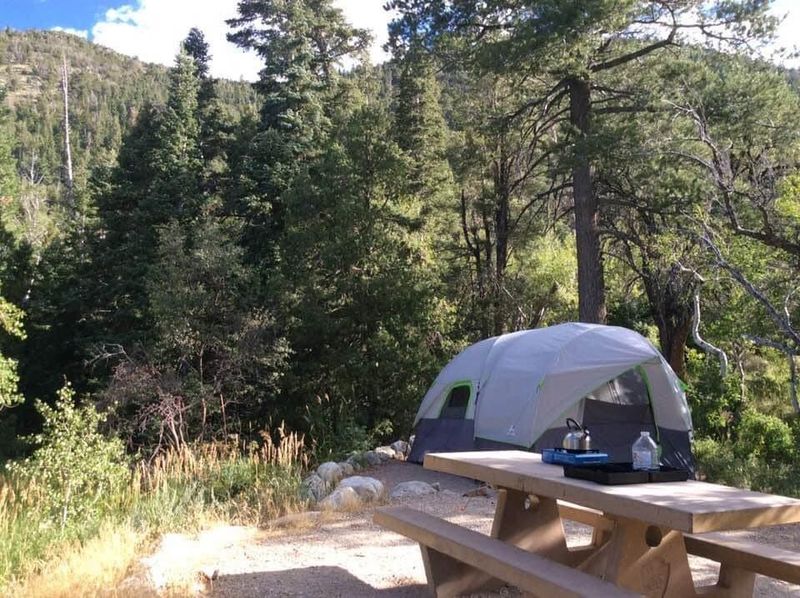
Upper Lehman Creek threads tent sites along a cold, clear stream under fragrant pines. Wheeler Peak towers above, and nights drop cool even in July.
The sound of water is constant and deeply relaxing.
Afternoons can bring gusts, so pitch with extra guylines. You will want layers for the alpine loop and a headlamp for dark sky programs.
This park’s stars are legendary, with the Milky Way slicing clean overhead.
Hike the Bristlecone and Glacier Trail for ancient trees and remnant ice. Mule deer browse meadows at dusk while the creek flashes silver in low light.
Cave tours at Lehman Caves add a cool underground chapter.
First come sites fill on weekends, so arrive early. Pack a warm bag and enjoy the silence.
You will leave rested, dusted with pine scent, and starstruck.
New Hampshire — Lafayette Place Campground, Franconia Notch State Park
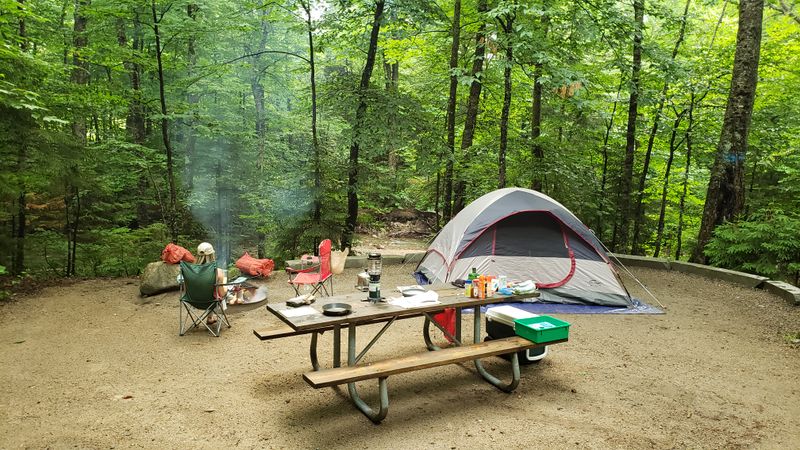
Lafayette Place is a hiker’s hub with Cannon cliffs overhead and trails in every direction. Tent sites are wooded, quiet, and close to the Pemigewasset River’s clear water.
Facilities are solid, and the bike path makes car free wandering easy.
Mornings are crisp even in August. Pack a warm layer and expect quick weather swings on ridgelines.
You will want trekking poles for the Franconia Ridge loop’s steep granite.
Dip your feet at The Basin, then chase sunset on Artist’s Bluff. Autumn here is a carnival of color that sets the forest ablaze.
Evenings hum with stove simmer and trip stories.
Reservations are smart for foliage season. Blackflies fade by midsummer, but bug spray remains handy.
You will leave with quads well used and a heart full of White Mountain air.
New Jersey — Worthington State Forest Campground, Columbia
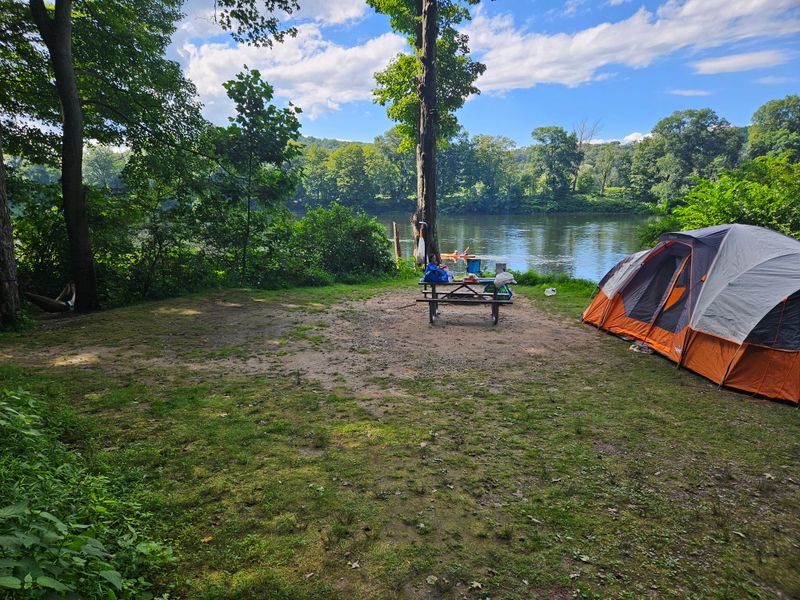
Worthington hugs the Delaware River with tent sites set under towering hardwoods. Trails climb to Mount Tammany for sweeping Water Gap views.
The river’s steady flow is camp music day and night.
Bring sturdy stakes for rocky soil and a tarp for sudden showers. Summer weekends are lively, so aim midweek for quiet.
You will want water shoes for river wades and fishing.
Sunrise from Tammany paints fog in the valley below. Evenings bring fireflies and owls while the river reflects moonlight.
Nearby falls offer cool breaks on hot days.
Reserve riverside sites early. Practice good food storage since raccoons are savvy.
You will leave rested, with fresh river air trapped in your clothes and hair.
New Mexico — Juniper Campground, Bandelier National Monument
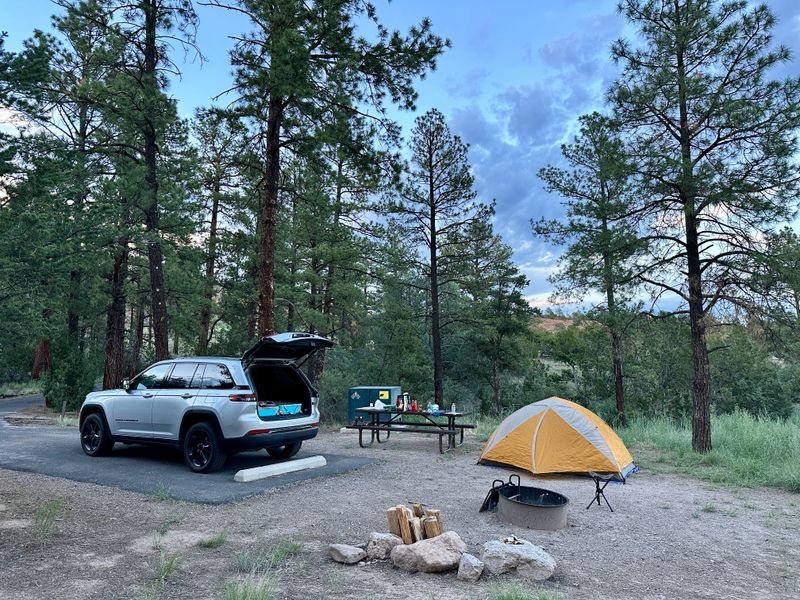
Juniper sits on the mesa with wide sky, piñon scent, and easy access to ancestral Pueblo sites in Frijoles Canyon. Sites are simple and spaced for privacy, with clean restrooms and water.
Sunsets burn orange, then stars flood the desert night.
Days are dry and warm, nights cool quickly. Bring robust stakes for hard soil and a shade tarp.
You will want sturdy shoes for ladders into cavates and dusty trails.
Hike Frey Trail at dawn for canyon views and soft light on tuff cliffs. Elk sometimes browse in the evening near meadow edges.
Nearby Los Alamos offers resupply without fuss.
Reserve high demand dates and check fire restrictions. Pack extra water for longer loops on the mesa.
You will leave centered by silence and humbled by deep time etched in stone.
New York — Heart Lake Campground, Adirondacks
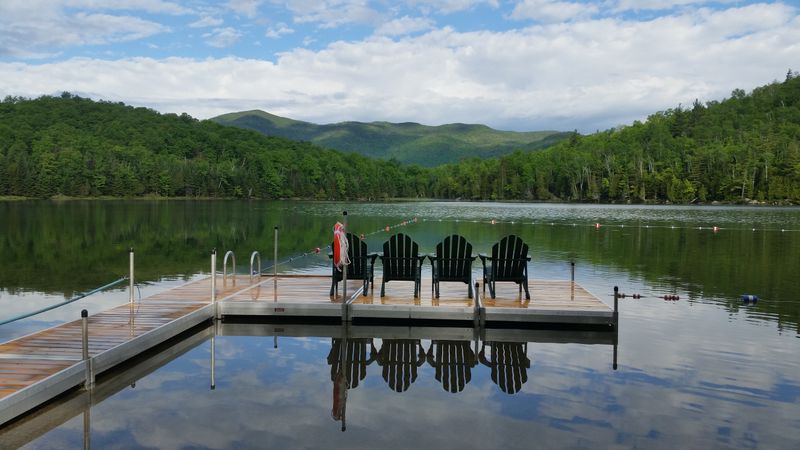
Heart Lake is an Adirondack classic, tucked beneath High Peaks with a cozy, communal vibe. Tent sites and lean tos mix under balsam and birch, with the lake a few steps away.
The Adirondack Mountain Club lodge nearby adds maps, meals, and trail beta.
Nights are cool, and mud season is real, so pack gaiters. Bear canisters are required in the High Peaks, so plan food storage.
You will love morning reflections of Mount Jo on still water.
Hike Mount Jo for sweeping views, then tackle longer routes toward Marcy or Algonquin. Evening paddles are calm, with loons calling across the lake.
Stars sparkle when clouds pull back.
Reserve ahead, as this spot is beloved. Respect trailhead parking rules and start early on big days.
You will leave with pine resin on your hands and tired, happy legs.
North Carolina — Mount Pisgah Campground, Blue Ridge Parkway
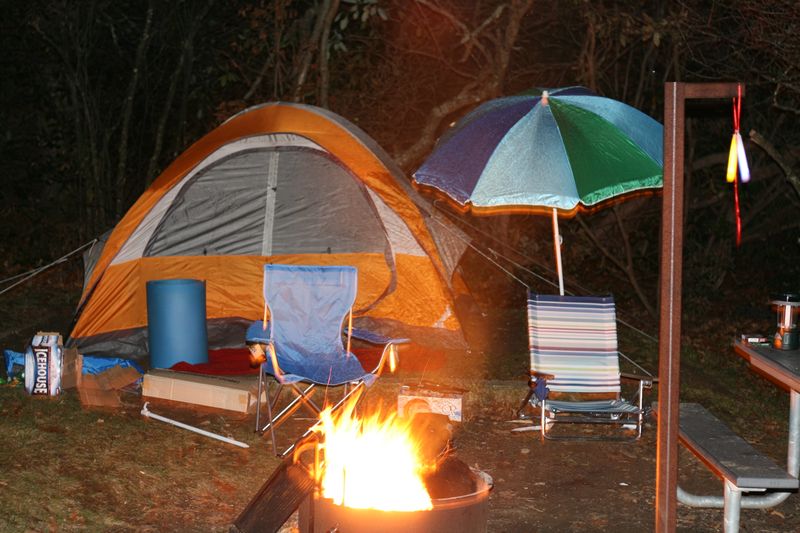
Mount Pisgah rides a cool ridge where rhododendron tunnels and long views define every walk. Tent sites feel airy, with breezes that keep summer heat at bay.
Facilities include hot showers, a camp store, and trailheads right from camp.
Nights can be chilly, so bring a warm layer even in July. Afternoon storms roll quick along the Parkway.
You will want rain gear and sturdy stakes for wind.
Hike to Pisgah’s summit for sunset layers of blue ridges. The Buck Spring Trail winds through moss and fern, quiet and green.
Stars pop on clear nights between drifting clouds.
Reserve weekends and arrive early for choice sites. Black bears live here, so store food properly.
You will leave rested, with mountain air in your lungs and a slower pace in your step.
North Dakota — Cottonwood Campground, Theodore Roosevelt National Park
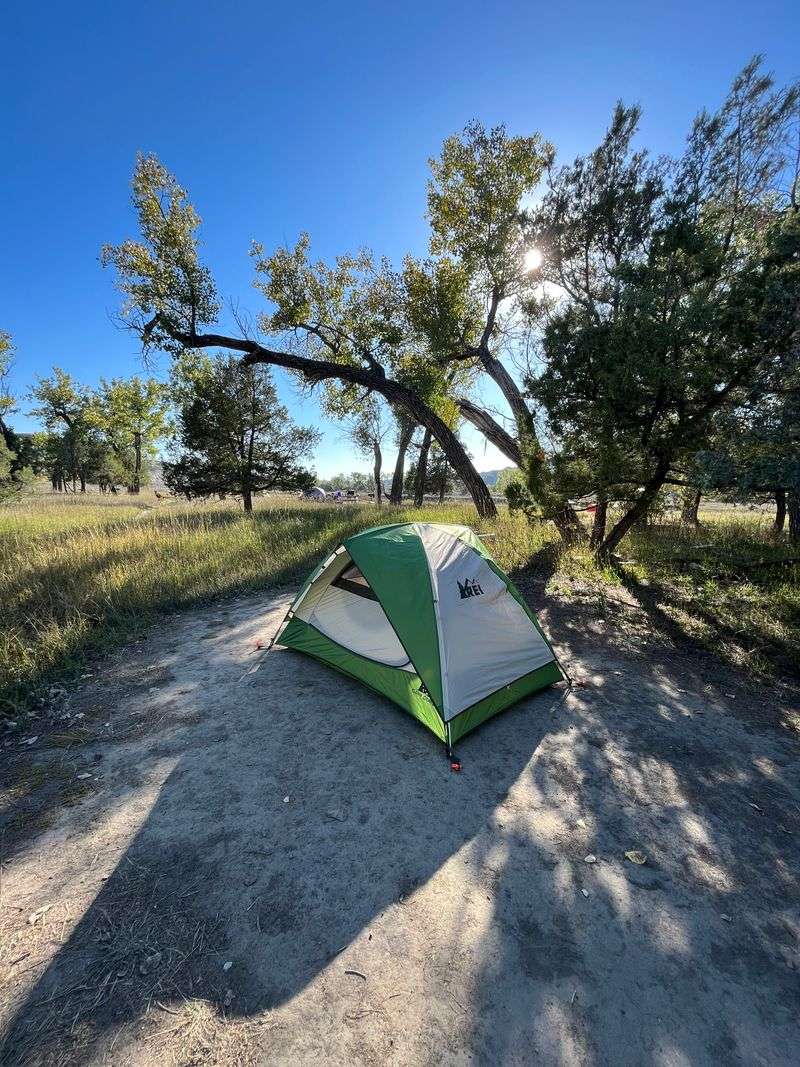
Cottonwood sets tents beneath big shade along the Little Missouri River, with badland buttes all around. Bison wander nearby, and wild horses sometimes appear on distant ridges.
Facilities are basic but tidy, with water seasonally available.
Wind can be fierce, so anchor your tent with extra stakes. Summer heat demands early hikes and long siestas.
You will want a sun hat and plenty of water for the ridges.
Hike the Caprock Coulee Trail for layered geology and wide views. Evening light turns the buttes to bronze and brings animals to the river.
Stars are outrageous once the wind calms.
First come sites reward early arrivals. Give wildlife space and keep a clean camp.
You will leave dusted in prairie gold and in love with big sky.
Ohio — Hocking Hills State Park Campground, Logan
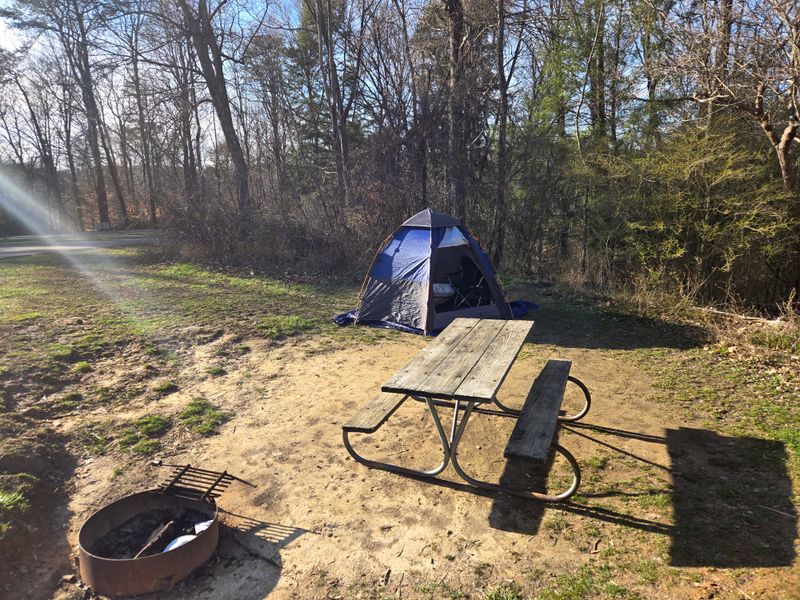
Hocking Hills wraps your tent in hemlocks and sandstone, with gorges that feel ancient and cool. The campground has showers, a pool in season, and quick access to Old Man’s Cave, Cedar Falls, and Ash Cave.
Mist often lingers in the ravines.
Trails can be slick, so bring grippy shoes. Start early to beat crowds and catch shafts of light filtering through.
You will want a headlamp for predawn starts to quiet overlooks.
Photography is irresistible at Upper Falls and along gorge bridges. Owls call at night while campfires crackle.
Summer fireflies add sparkle to dusky trails.
Reserve weekends months ahead. Pack layers and a rain shell, since storms echo in the canyons.
You will leave soot kissed and smiling, with sandstone dust on your calves.
Oklahoma — Robbers Cave State Park Campground, Wilburton
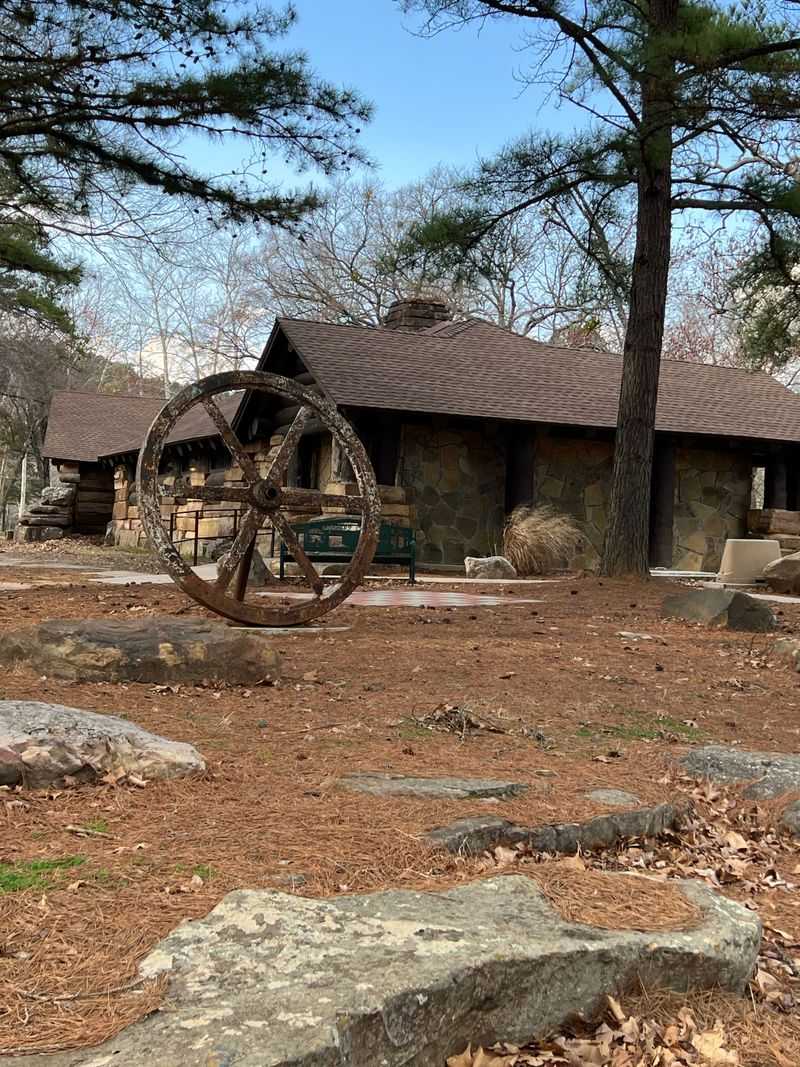
Robbers Cave pairs rugged sandstone outcrops with quiet pine forest loops. Tent sites are spread out, bathrooms are solid, and lakes nearby promise paddles between hikes.
The namesake cave is a fun scramble with old outlaw lore.
Expect warm days and cool, breezy nights. Bring shoes that grip for rock hopping and a headlamp for the cave’s dark corners.
You will enjoy wide views from the bluffs at golden hour.
Trails weave through oak and pine, with deer browsing edges. Summer brings swim breaks, while fall colors make every ridgeline pop.
Evenings carry woodsmoke and cricket chorus.
Reserve close to the bluffs if you like sunrise walks. Practice leave no trace around fragile lichen coated rock.
You will leave relaxed, a little dusty, and eager for one more lap around the lake.
Oregon — Cape Lookout State Park Campground, Tillamook
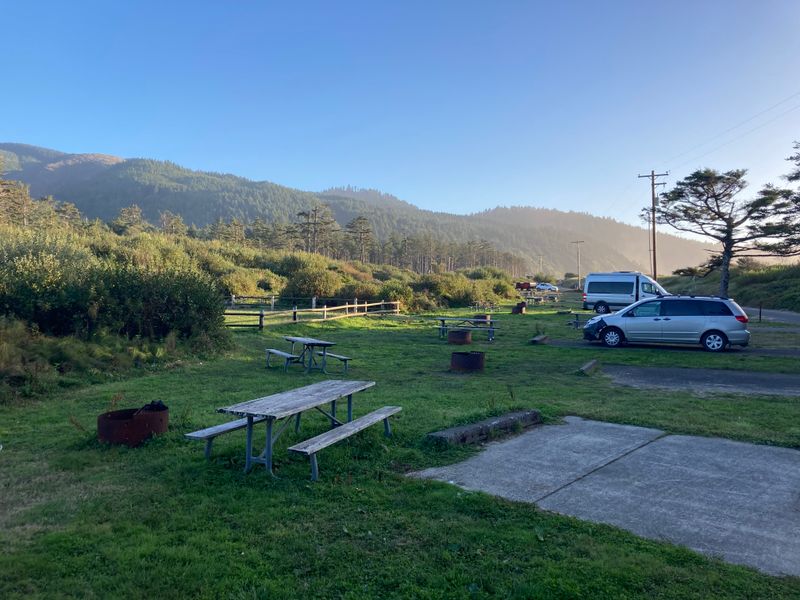
Set between lush forest and a wide beach, Cape Lookout is classic Oregon coast camping. Tents tuck under Sitka spruce while waves roll a steady rhythm.
Fog drifts in and out, painting mornings silver.
Bring a bomber rainfly and sand stakes for breezy days. Fires warm damp evenings and make cocoa taste perfect.
You will love the short walk to tidepools and long shoreline rambles.
Hike the Cape Lookout trail for cliff edge views and pelicans cruising the wind. Gray whales pass seasonally, so watch the horizon.
Dunes and driftwood create cozy windbreaks around camp.
Reserve well ahead for summer weekends. Pack layers and waterproof shoes.
You will leave ocean soothed, with hair salty and gear happily damp from coastal life.
Pennsylvania — Ricketts Glen State Park Campground, Benton
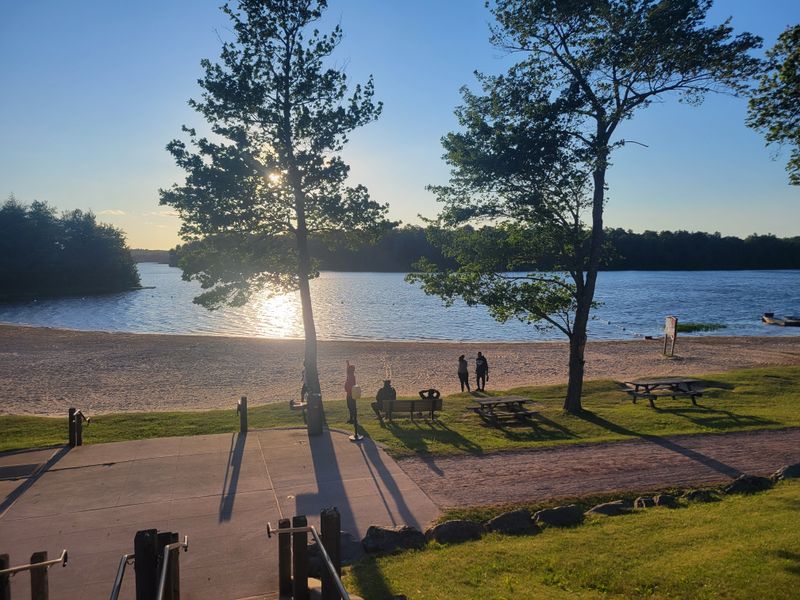
Ricketts Glen is waterfall central, with the Falls Trail stitching together more than twenty cascades. Tent sites are wooded and calm, with showers and a good camp store.
Lake Jean nearby offers swims and sunset paddles.
Start the Falls Trail early and go clockwise with solid footwear. Rocks can be slick, and mist chills even on warm days.
You will carry a camera and use it constantly.
Autumn turns the gorge into a cathedral of color. Evenings bring loon calls from the lake and ember glow under hemlocks.
Night skies are surprisingly dark for the region.
Reserve months ahead for peak foliage. Pack layers, trekking poles, and a thermos of something hot.
You will leave with tired calves, a happy heart, and a memory card full of water magic.
Rhode Island — Burlingame State Park Campground, Charlestown
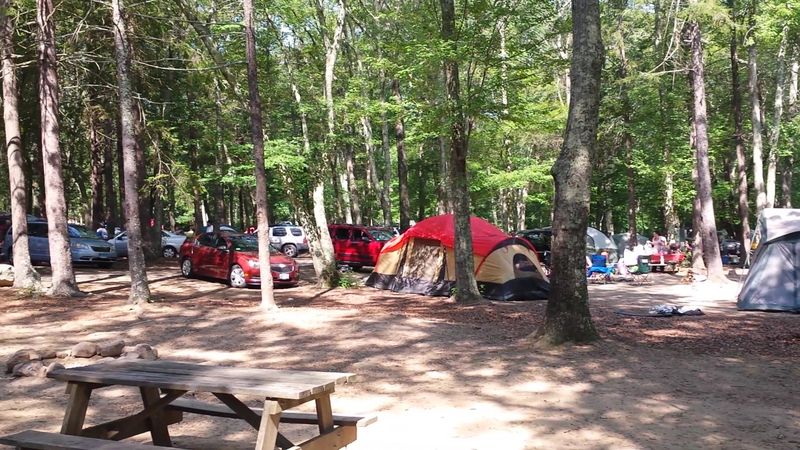
Burlingame wraps Watchaug Pond with sandy beaches, piney loops, and easygoing vibes. Tent sites range from quiet nooks to family friendly zones near the water.
Facilities are extensive, and breezes off the pond ease summer heat.
Bring bikes for loops and swims between meals. Mosquitoes can rise at dusk, so pack a head net.
You will enjoy paddling among lily pads while herons stalk the shallows.
Ocean beaches are a short drive away for surf days. Evenings around the fire stretch long under pine silhouettes.
Stars pop when humidity dips after a front.
Reserve prime weekends early. Choose a quieter loop if you want dark, early nights.
You will leave sandy, relaxed, and sun kissed from pond and sea.
South Carolina — Devils Fork State Park Campground, Salem
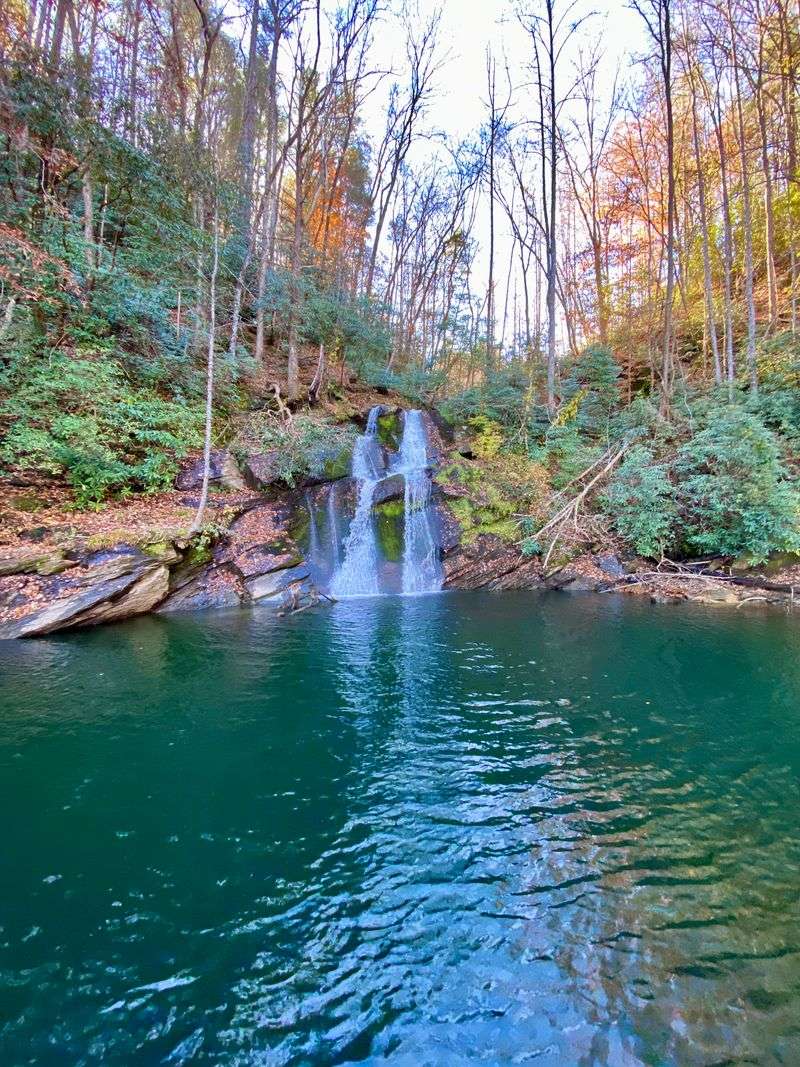
Devils Fork is your gateway to Lake Jocassee’s clear, jade water backed by Blue Ridge foothills. Tent sites hug shaded coves with modern bathhouses and quick boat ramp access.
Waterfalls tumble into hidden coves reachable by kayak.
Bring polarized sunglasses to see the lake’s clarity and a dry bag for gear. Summer afternoons sparkle, but mornings are glass calm.
You will want water shoes for rocky beaches.
Paddle to Wright Creek Falls or hike within the park for ferny hollows. Evenings glow with fireflies and distant owl calls.
Stars reflect on calm water like scattered gems.
Reservations are essential in warm months. Choose shaded sites to stay cool and plan for afternoon swims.
You will leave refreshed, with lake memories shimmering behind closed eyes.
South Dakota — Sylvan Lake Campground, Custer State Park
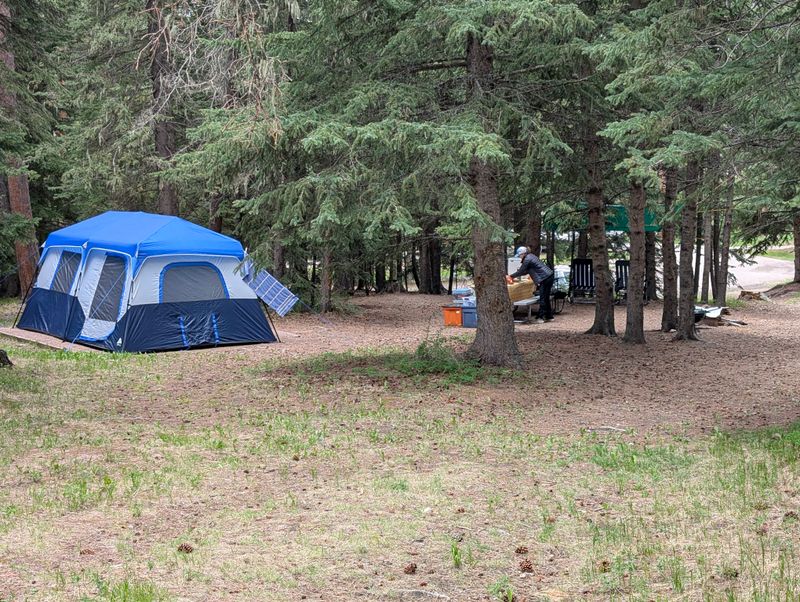
Sylvan Lake is a granite jewel where domes rise straight from mirror water. Tent sites are small but scenic, with cool nights and clean facilities.
You can walk to the Needles trailheads without moving the car.
Bring layers, because evenings dip even in July. Mornings around the lake are calm for photos and paddles.
You will want grippy shoes for granite steps and tunnels.
Hike Sunday Gulch for boulder holds and playful scrambling. Drive Needles Highway at sunset for amber lit spires.
Bighorn sheep sometimes stroll the shoulders.
Reserve early, as this area is beloved. Respect afternoon storms and watch for hail.
You will leave with granite dust on your calves and a grin that sticks.
Tennessee — Cades Cove Campground, Great Smoky Mountains National Park
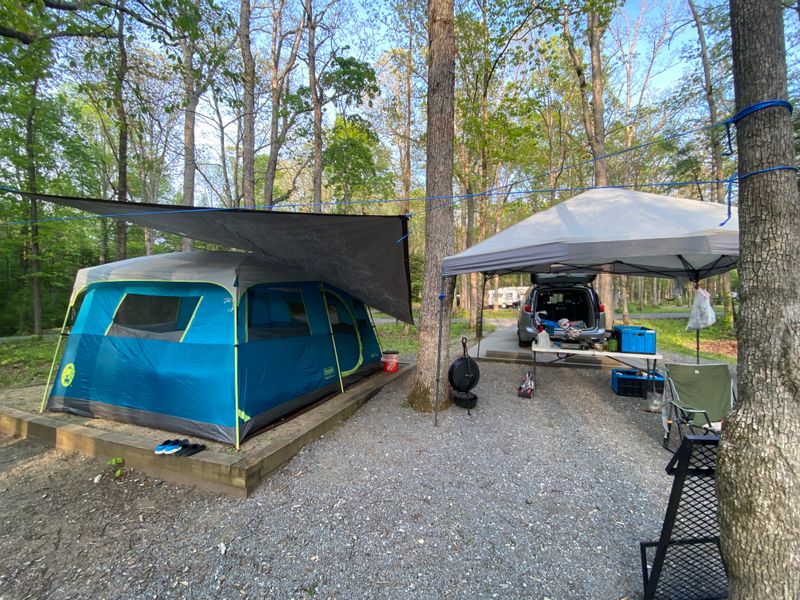
Cades Cove blends broad meadows, historic cabins, and mountain rims into a timeless loop. Tent sites are plentiful with good facilities and camp store access.
Dawn fog drifts through fields as deer and turkeys browse quietly.
Cycle the loop on vehicle free mornings for calm wildlife watching. Black bears are common, so store food perfectly and keep distance.
You will hear creek murmur and soft barn owl calls at night.
Hike Abrams Falls early to beat crowds and midday heat. Evening golden hour turns hayfields honey colored and frames cabins beautifully.
Fireflies sometimes sparkle in synchrony nearby in early summer.
Reservations are smart for peak seasons. Bring rain gear, as showers are frequent.
You will leave soot scented, content, and a little in love with Smokies history.
Texas — Chisos Basin Campground, Big Bend National Park
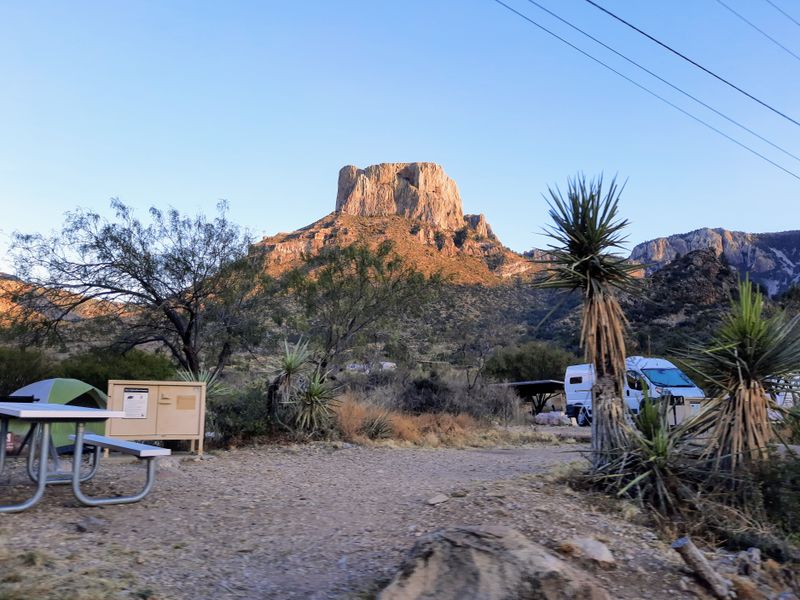
Chisos Basin cradles tents in a volcanic bowl with window views and sky that feels enormous. Trails launch from camp toward Emory Peak, Lost Mine, and the Window.
Nights are cool and stars are fierce in this desert mountain pocket.
Sites are small, so compact gear helps. Winds can funnel, so stake strong and park strategically.
You will want layers for temperature swings and a wide brim hat for sun.
Sunset at the Window pours golden light through the notch. Mornings bring javelina sightings and canyon wrens singing scales.
The lodge store nearby offers quick resupply.
Reserve early from fall through spring. Carry water and respect altitude.
You will leave dust happy, stargazed, and already plotting a return to the Basin.
Utah — Watchman Campground, Zion National Park
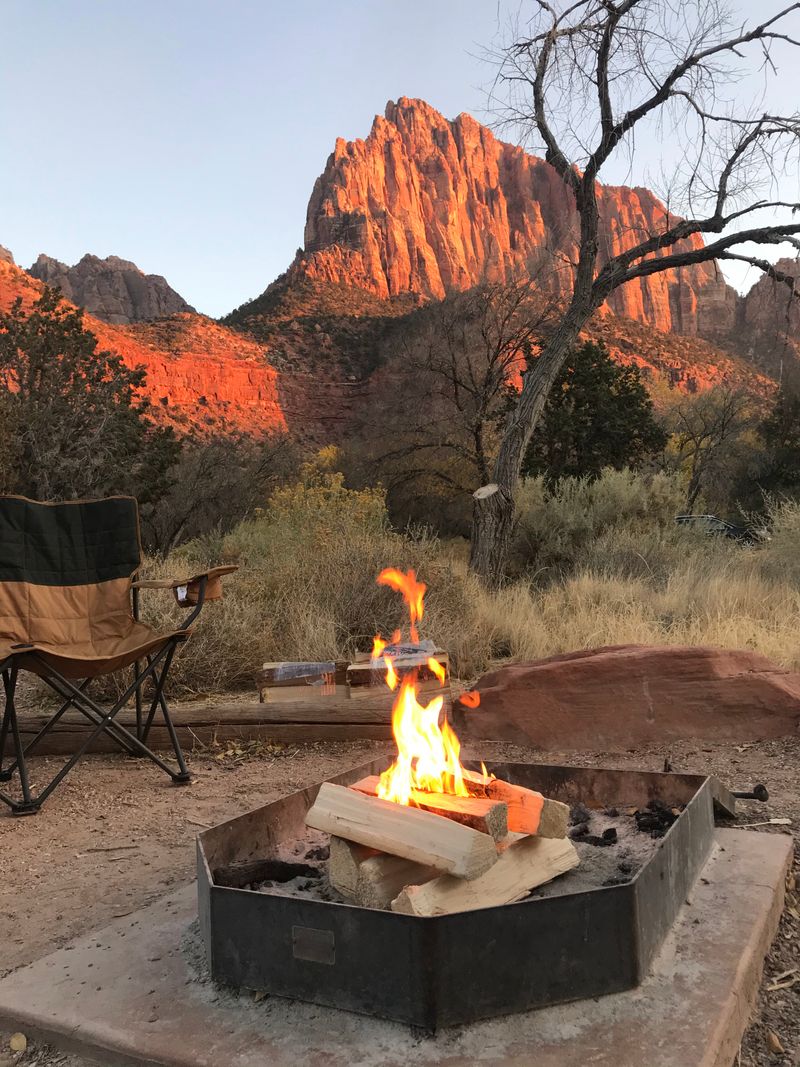
Watchman places your tent amid red cliffs with the Virgin River whispering nearby. Sites are reservable, flat, and tidy, with solar warmed evenings that glow off sandstone.
The shuttle stop is steps away for car free canyon days.
Bring shade and sturdy stakes for desert soil. Summer heat is real, so start early and nap midday.
You will want river shoes for the Narrows and a hat for relentless sun.
Sunrise lights Towers of the Virgin while cottonwoods flicker green. Evenings are for cliff watching and star peeking.
Coyotes sometimes yip from the benchlands.
Book months ahead for spring and fall. Respect cryptobiotic crust and stay on trail.
You will leave dusty, grinning, and full of canyon light.
Vermont — Smugglers’ Notch State Park Campground, Stowe
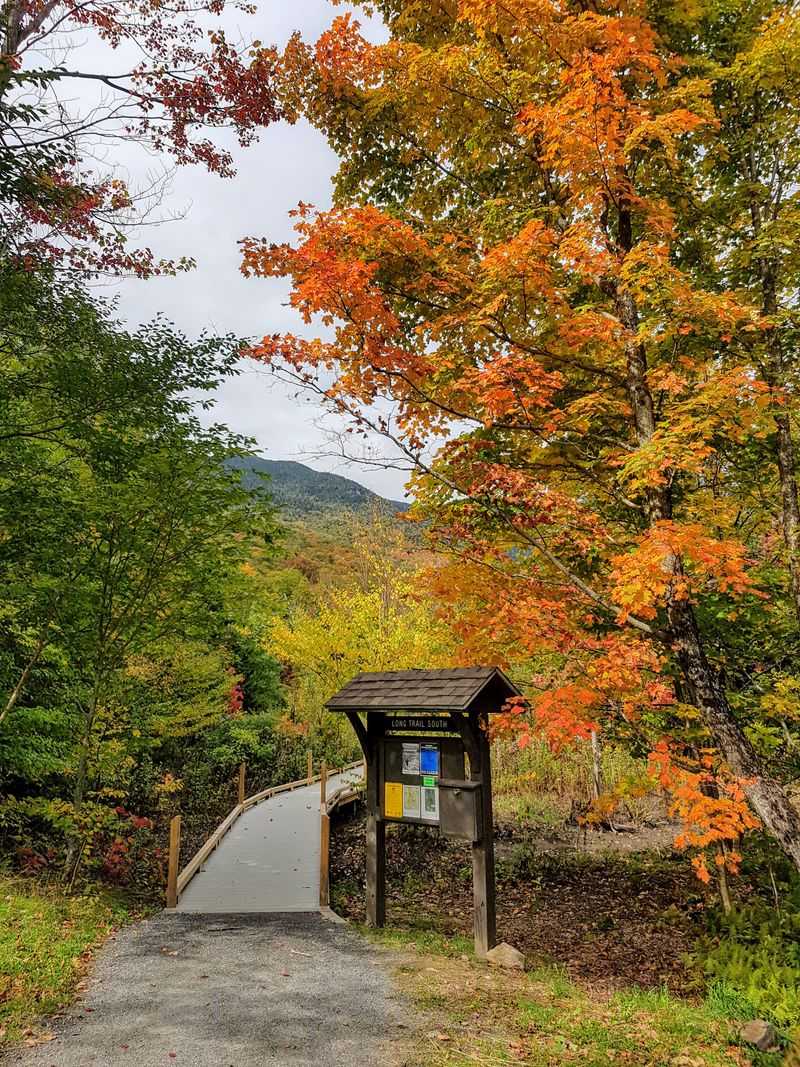
Smugglers’ Notch threads a dramatic pass beneath towering cliffs and cool, mossy woods. Tent sites are secluded with lean tos available and clean bathhouses.
The Notch Road’s tight turns deliver instant alpine vibes.
Even in summer, nights run cool, so pack a warm bag. Mornings bring fog wisping through maples and firs.
You will want sticky rubber shoes for boulder fields and wet roots.
Hike Sterling Pond or scramble across the Notch boulders for fun movement. Nearby Stowe adds good food and an easy resupply.
Stars peek between trees on crisp nights.
Reserve weekends, especially in foliage season. Blackflies fade by midsummer but bring spray.
You will leave smelling like balsam and already missing the Notch’s hush.
Virginia — Big Meadows Campground, Shenandoah National Park
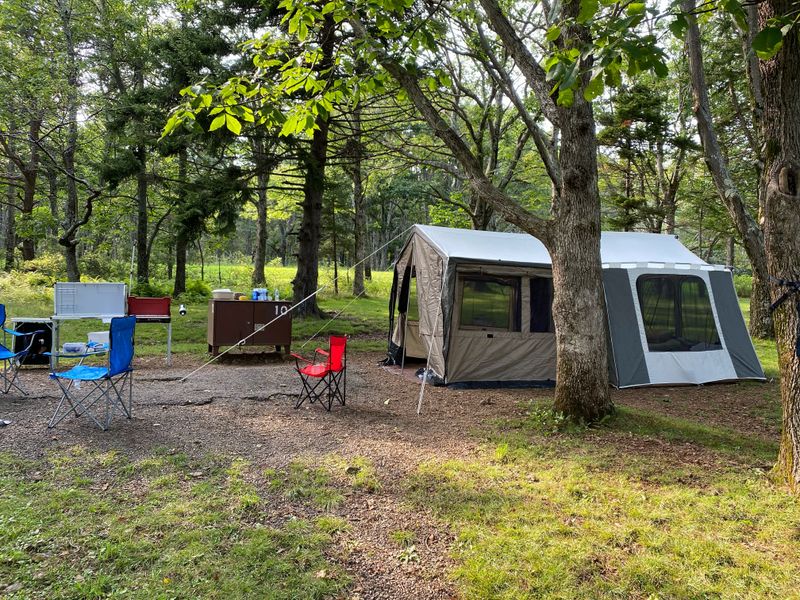
Big Meadows offers open sky stargazing, nearby waterfalls, and easy Skyline Drive access. Tent loops weave through trees around a broad meadow that glows at sunset.
Facilities are excellent, with a wayside, lodge, and trails all close.
Nights get cool, so bring layers. Deer and black bear frequent the meadow edges, so give space and store food properly.
You will enjoy the night sky after ranger programs.
Hike Dark Hollow Falls early for quiet and cool air. Hawks ride thermals along the ridge, and summer wildflowers crowd the meadows.
Evenings are for fire circles and sky watching.
Reserve for peak weekends. Fog can be thick, so drive carefully.
You will leave refreshed by mountain breezes and the parkway’s rolling views.
Washington — Kalaloch Campground, Olympic National Park
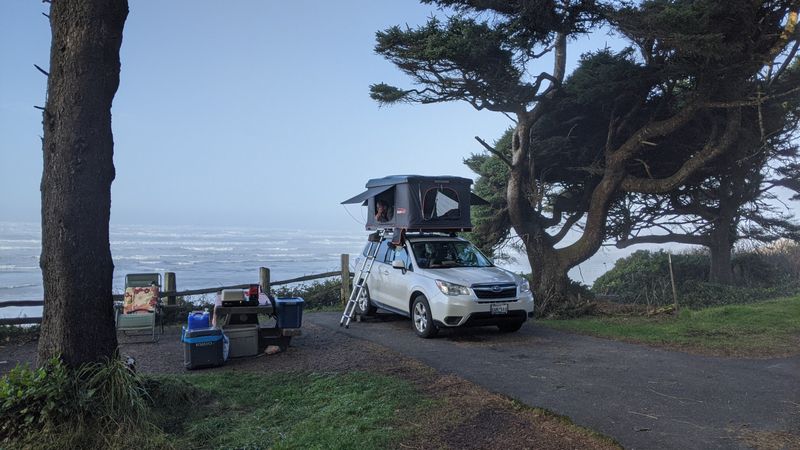
Kalaloch strings tent sites along a bluff above wild Pacific surf. Driftwood beaches stretch for miles and sea stacks punctuate the horizon.
The ocean’s roar is constant, soothing you to sleep.
Fog and drizzle are common, so pitch with a solid rainfly and groundsheet. Wind can gust hard, so guy out carefully.
You will want waterproof layers and warm socks.
Walk to the Tree of Life and explore tidepools at low tide. Sunsets set the sky on fire when the marine layer lifts.
Campfires glow while waves pulse below.
Reserve oceanfront loops early. Store food well, as raccoons are crafty.
You will leave salt aired and satisfied by the Olympic coast’s relentless beauty.
West Virginia — Spruce Knob Lake Campground, Monongahela National Forest
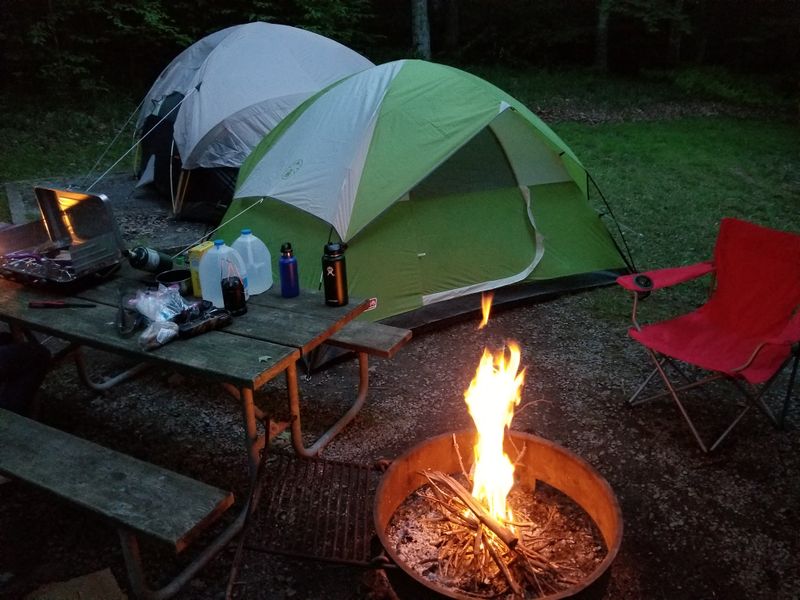
At nearly 4,000 feet, Spruce Knob Lake delivers cool nights, spruce scent, and glassy paddles. Tent sites are quiet and tucked in evergreens, with vault toilets and hand pumps.
The lake is small, perfect for dawn laps and trout daydreams.
Weather swings fast, so layers matter. Fog drifts through hollows, then sun snaps everything bright.
You will want a warm bag even in midsummer.
Drive to Spruce Knob for long views and stunted, wind whipped spruce. Hike Huckleberry Trail for blueberries and solitude.
Stars blaze on clear nights with little light pollution.
Arrive early on weekends and keep food bear smart. Choose a site near the lake if morning paddles call your name.
You will leave rested, cheeks rosy, and lungs full of evergreen air.
Wisconsin — Peninsula State Park Campground, Fish Creek
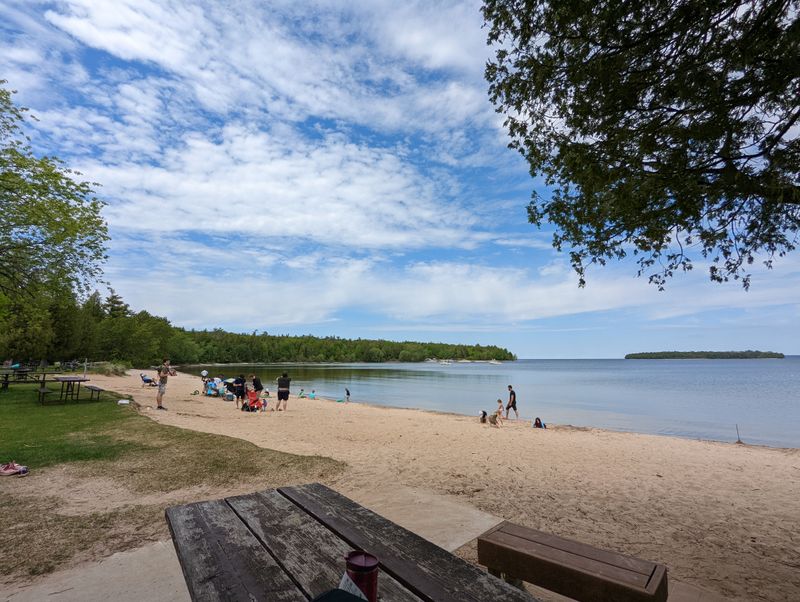
Peninsula drapes Door County charm across bluffs, beaches, and bike paths. Tent loops sit among cedars and maples with showers and a lively, friendly feel.
Sunset over Green Bay turns sailboats into silhouettes.
Bring bikes for the Sunset Trail and swimsuits for Nicolet Beach. Summer brings cherries and ice cream runs into town.
You will hear waves and laughter blending into camp’s evening soundtrack.
Eagle Tower offers sweeping views, and Eagle Bluff Lighthouse adds history on a stroll. Kayak calm mornings and picnic on rocky shores.
Stars twinkle when the lake lies still.
Reserve months ahead for summer. Choose a bluff adjacent site if you love sunset walks.
You will leave content, pockets sticky with cherry juice, and eyes full of gold water.
Wyoming — Jenny Lake Campground, Grand Teton National Park
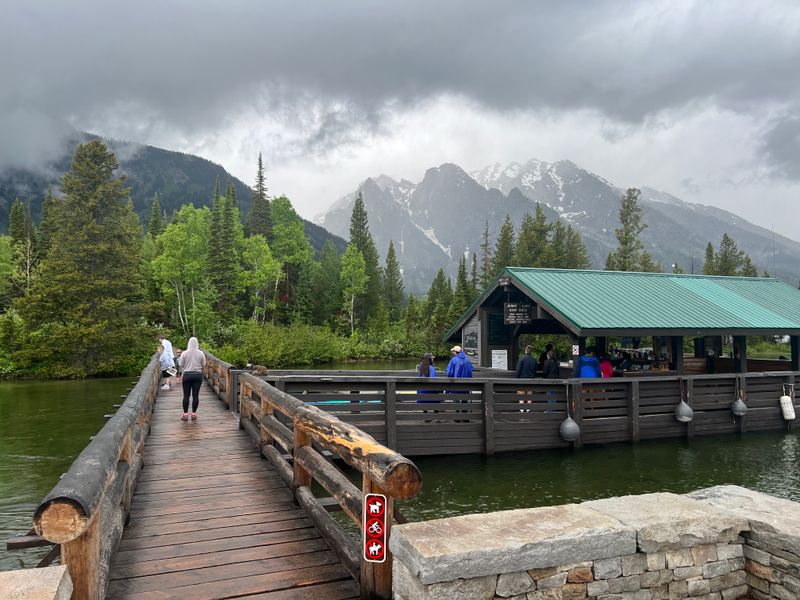
Jenny Lake is Teton perfection, with tent only sites tucked beneath firs and peaks exploding overhead. Mornings reflect the range in mirror calm water, and trailheads start at your doorstep.
The campground is small, quiet, and feels like a privilege.
Nights run cold, so bring a warm bag and hat. Bears are active, so store food flawlessly.
You will want a sunrise paddle or quick hike to Inspiration Point before crowds.
Wildflowers paint meadows in early summer, and moose browse willow flats at dawn. Evenings turn the Grand into pink granite and teal shadows.
Stars crowd the sky once the last light fades.
Sites book quickly via reservation. Respect closures and carry bear spray on every hike.
You will leave awestruck, lungs buzzing with thin air and heart full of jagged skyline.