
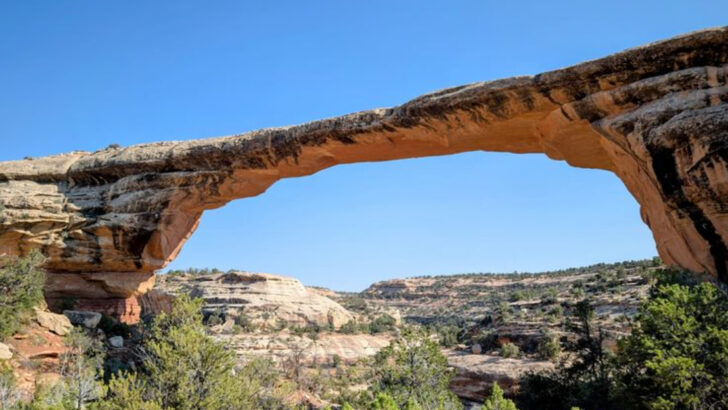
Utah rewards anyone willing to chase early alarms, dusty boots, and big horizons. From hair-raising chains to velvet night skies, these moments will stick with you long after the red dust washes off.
Permits, timing, and a few smart hacks can turn bucket-list chaos into smooth, memorable days. Ready to plan weekends that actually happen in 2026?
Hike Angels Landing at Zion National Park
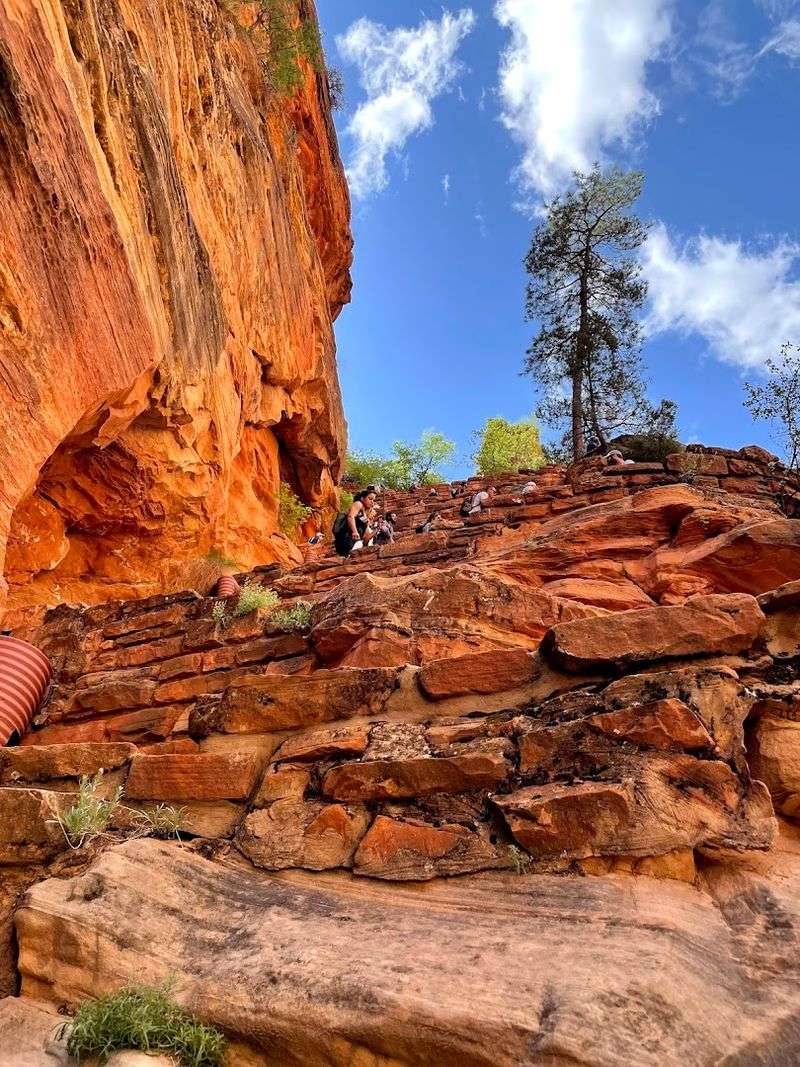
Those chains get all the attention, but the day starts long before the cliff edge. Grab a shuttle before sunrise, pack grippy shoes, and carry at least two liters of water.
The West Rim trail to Scout Lookout is steep, shaded in spots, and a perfect pace check.
At the cables, keep three points of contact and treat passing like a polite puzzle. Wait for safe shoulders, communicate clearly, and tuck phones and bottles to avoid fumbles.
Gusts can surprise you on Knife Edge sections, so watch the weather and give yourself permission to turn around.
Views of Zion Canyon widen with every ledge, and the summit feels earned, not given. Aim for spring or late fall for cooler temps, and secure a permit well in advance because the lottery fills quickly.
If nerves spike, stop for a breath, hug the sandstone, and remember that photos can wait for safer footing.
Descending often feels trickier than going up, so budget time for careful footwork back to Scout Lookout. Bring a light pair of gloves for grip, stash a compact first aid kit, and plan salty snacks to fight cramping.
Back in Springdale, celebrate with tacos and refill water before your next hike.
Catch Sunset at Delicate Arch, Arches National Park
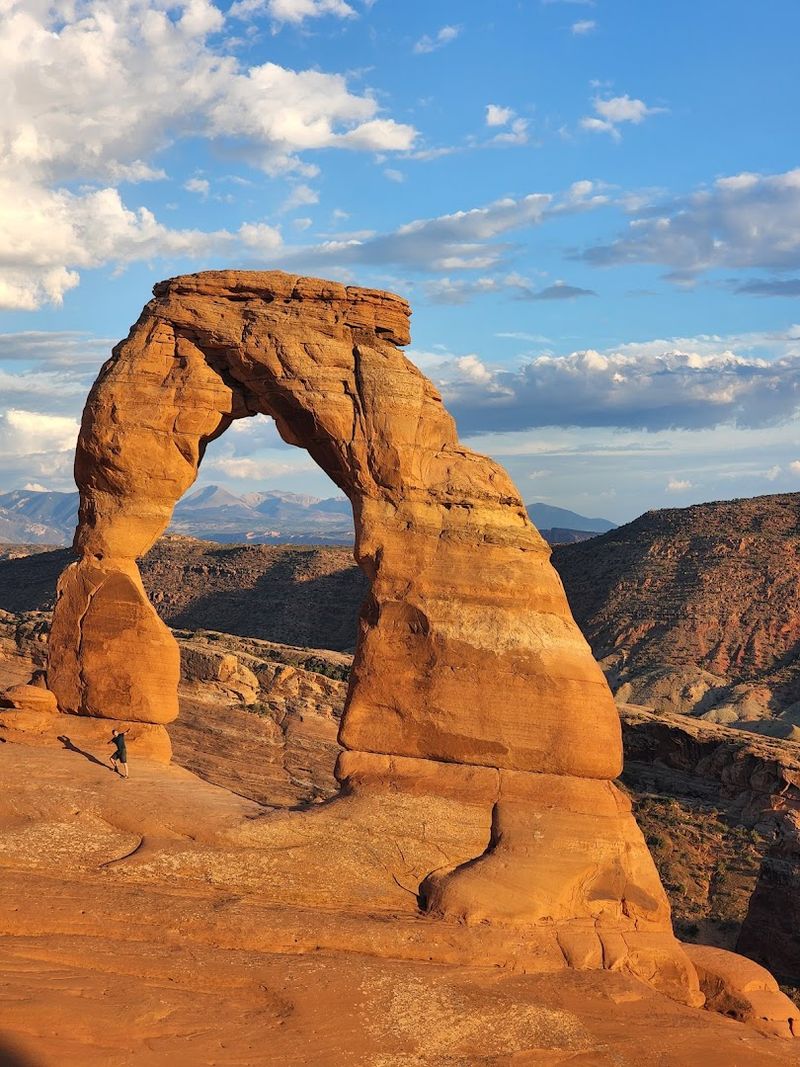
Icon status is deserved, but the approach feels surprisingly intimate once you leave the crowds at the trailhead. The slickrock climb reveals cairns and pockets of cryptobiotic soil, so stay on durable surfaces to protect the desert.
Start two hours before sunset to secure a safe return by headlamp.
Wind funnels through the sandstone bowl near the end, and that dramatic window appears like a stage. Keep a respectful buffer from cliff edges, and set camera settings in advance to avoid fumbling in low light.
Tripods fit best on the rim, but handheld images work if you brace and exhale slowly.
Bring a warm layer even in July, plus water and a red beam to protect night vision. If clouds cooperate, wait ten minutes past sunset for alpenglow on the arch and La Sal Mountains.
On the hike back, follow reflective markers and keep your group together until the parking lot.
Morning missions feel quieter, but sunset carries that electric hush everyone remembers. Check Arches timed entry rules for 2026, and book early if needed to avoid gate delays.
Back in Moab, reward tired legs with burgers or a milkshake, then upload shots once you are on reliable Wi Fi.
See Sunrise at Mesa Arch, Canyonlands
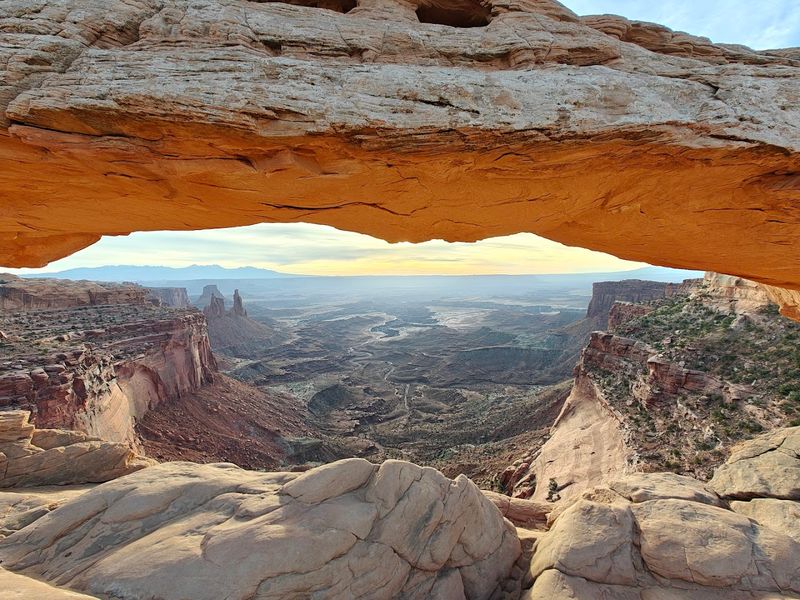
Short mileage, huge payoff, and a wake up time that tests dedication. The path is simple, yet pre dawn darkness hides junctions, so carry a headlamp and avoid trampling fragile soil.
Arrive at least an hour before sunrise to claim a respectful spot along the rim.
Photographers love that fiery glow when the arch catches first light. Compose wide to include the canyon beyond, but leave space for neighbors and keep tripods within your footprint.
If snow lines the ledges, watch for black ice, and use microspikes rather than risk a slip.
Clouds change everything, so stay a bit after sunrise for soft pastels and layered shadows. Patience usually beats hopping spots, and quiet courtesy keeps the scene magical for everyone.
Hand warmer packets help fingers manage tiny buttons before the chill wears off. A thin sit pad makes kneeling comfortable while framing compositions at ground level on cold rock.
Before leaving, step aside for a quick phone shot crowd, then walk the loop to alternate overlooks. The rest of Island in the Sky holds easy gems like Grand View Point, so bring a full breakfast picnic.
Make it a two stop morning with coffee in Moab after traffic thins.
Raft Cataract Canyon on the Colorado River
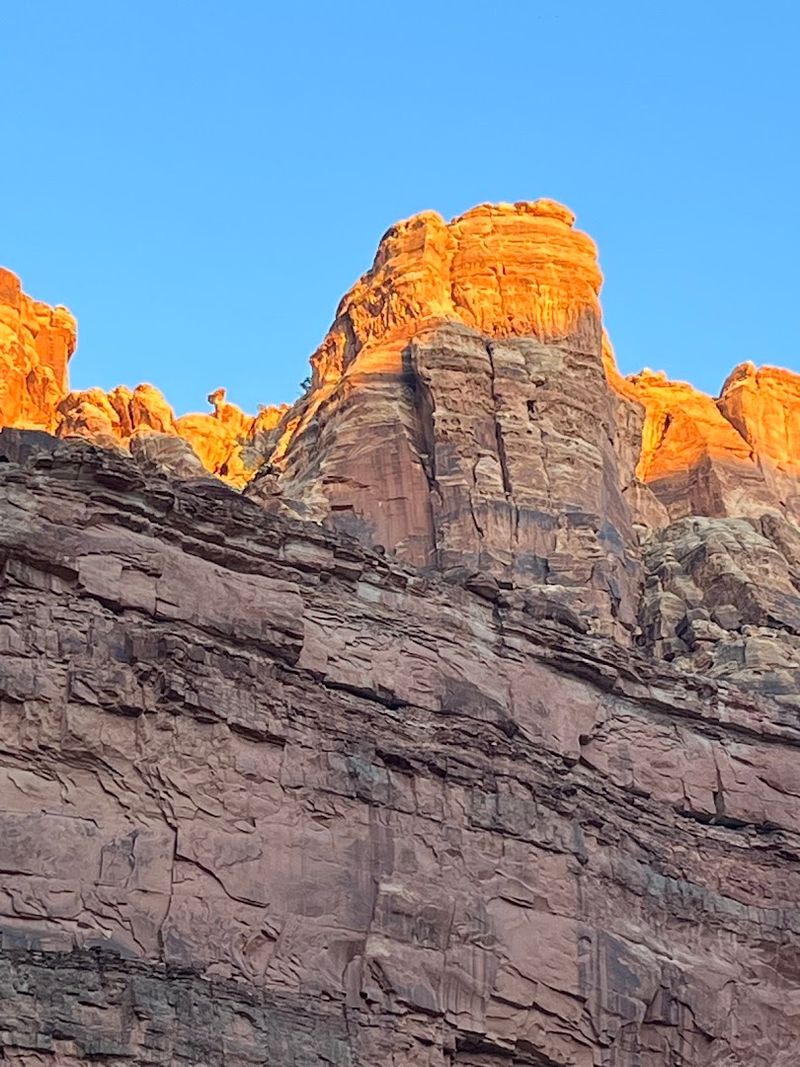
Flatwater serenity finally meets big water chaos down in Cataract Canyon. A guided trip removes complex logistics, though confident boaters can self support with permits, satellite comms, and a detailed flow forecast.
Spring snowmelt delivers rowdy levels, while late summer favors friendlier waves and starry camps.
Pack dry layers in a secure bag, plus sunscreen that laughs at spray. Helmet and PFD stay on at all times in the rapids, and oar crews appreciate paddlers who listen for crisp commands.
Keep a bow line tidy to avoid entrapment and photograph safely from stable positions.
Side hikes break up the miles with fossils, alcoves, and jaw dropping panoramas. Remember that the sun moves fast along those walls, so charge cameras at lunch and shoot early.
Evening fire circles turn strangers into river family faster than anywhere else. Bring a groover system if private, and practice kitchen hygiene to keep the crew healthy through hot dusty days.
Shuttle timing back from Lake Powell can be quirky, so keep itineraries flexible. Inspect gear after the trip, rinse grit out of zippers, and log what worked while memories are fresh.
Back in Moab, order extra fries because the post river appetite never plays small.
Backpack Buckskin Gulch and Paria Canyon
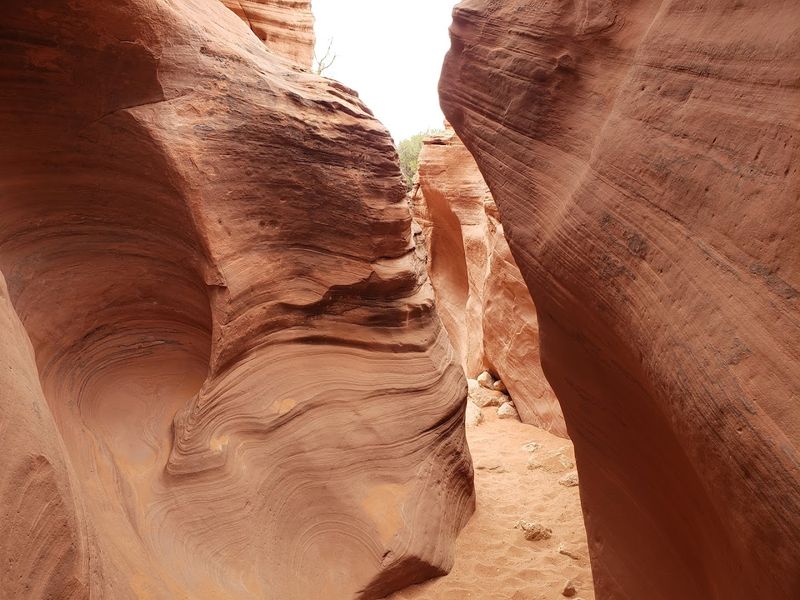
Longest slot dreams come true in Buckskin Gulch, but preparation decides comfort. Check flash flood forecasts, secure permits, and pack a drysuit or neoprene if snowmelt lingers.
A sturdy hiking pole tests depth in murky pools while you protect ankles on cobbles. A helmet helps under low ceilings, and knee pads make crawling sections faster, warmer, and safer.
Carry a small throw rope for buddies at awkward drops in deep pools.
Backpacks ride low under chokestones, so waterproof liners earn their keep. Expect cold swims in the Black Hole sections, and store phone plus beacon in a chest pocket.
Lightweight shoes that drain quickly beat heavy boots once you accept constant water.
Camps on benches require Leave No Trace discipline and extra patience with scarce dry ground. Hang socks on the pack to air while walking, then rotate pairs at lunch to prevent blisters.
Filter from side trickles rather than silty potholes when possible.
The exit up Wire Pass feels triumphant, sun suddenly returning after sculpted darkness. If forecasts turn ugly, bail early using known escape routes rather than gambling with weather.
Back in Kanab, grab pizza, wash sand from every zipper, and sleep like sandstone after a long storm.
Ski Backcountry Lines in Little Cottonwood Canyon
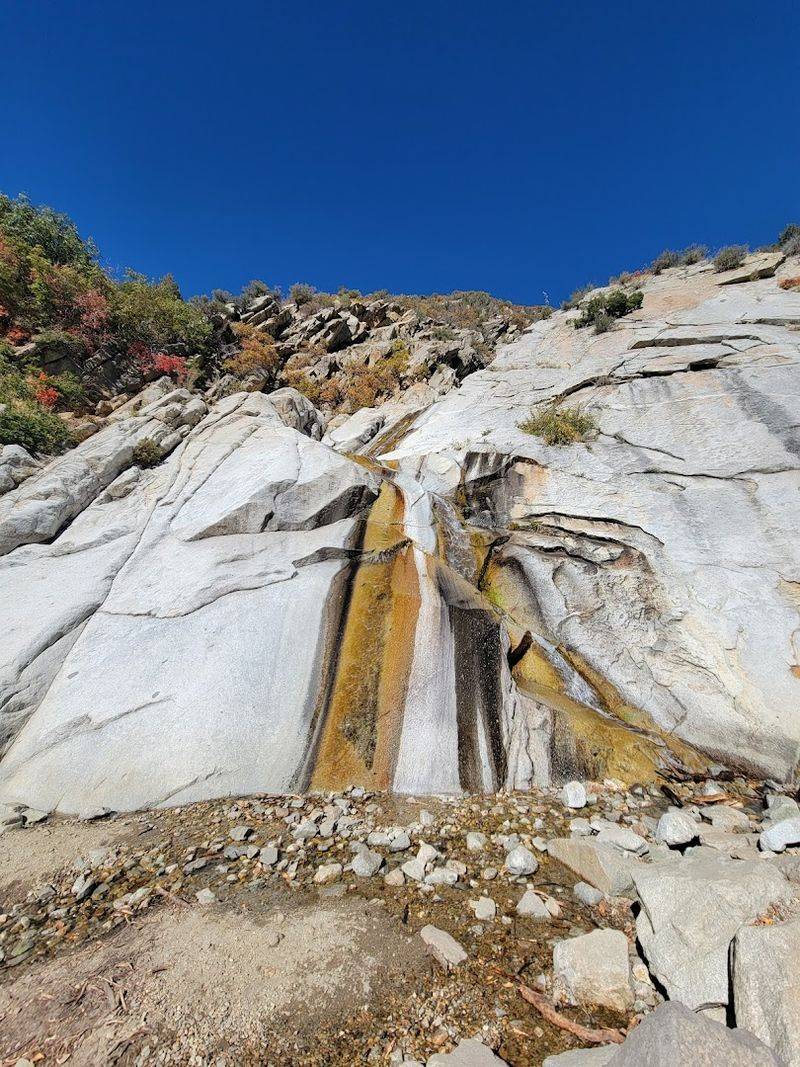
Utah powder is legendary for a reason, and Little Cottonwood delivers steep bowls within reach. Start with an avalanche course, then check the daily forecast and carry beacon, shovel, and probe on every lap.
Skins that glide well save energy for extra 1000 foot climbs.
Choose mellow trees on storm days and bigger lines when the snowpack stabilizes. Perform quick hand pits, watch for cracking, and keep honest conversations about no go feelings.
Radios streamline communication between partners and reduce waiting near hazards. Carry a repair kit with scraper, spare screws, Voile straps, and a compact skin tip fix.
Goggles with low light lenses keep visibility sharp during Utah storm cycles.
Routes like Cardiff Pass, Flagstaff, and Grizzly Gulch offer approachable first tours with jaw dropping views. Park legally, respect residents, and ride UTA ski buses when lots fill early.
Transition fast at ridgelines to stay warm as the canyon wind picks up.
Finish days with hot cocoa in Alta or pizza in Cottonwood Heights while tracking refills for tomorrow. Tune edges for variable snow, dry skins by a vent, and rotate gloves so the second pair is always warm.
Remember that turning back is a skill, not a failure.
Road Trip Scenic Byway 12 and the Burr Trail
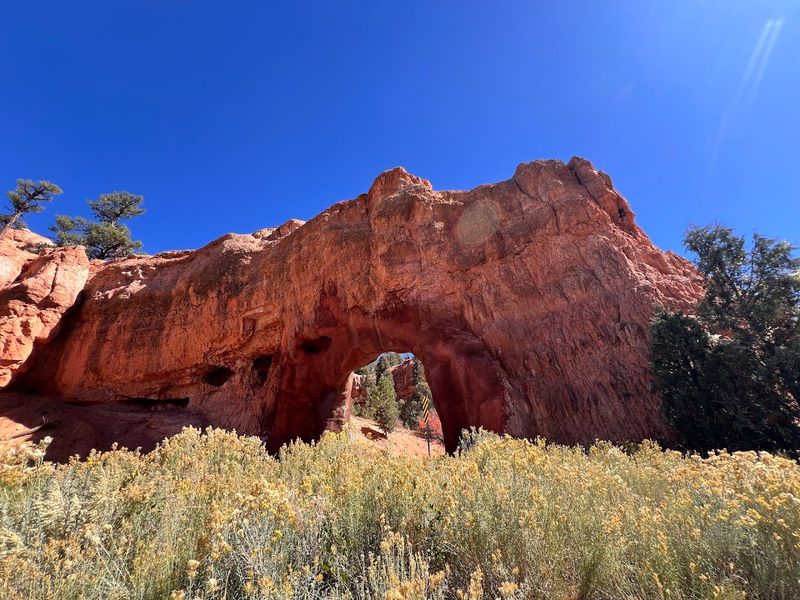
One ribbon of pavement connects red rock amphitheaters, alpine forests, and quiet towns that still feel personal. Gas up early in Panguitch or Torrey, download offline maps, and give yourself buffer time for roadside photo binges.
The hogback stretch rewards slow speeds and clear weather.
Pull off for Calf Creek Falls, packing microspikes in shoulder seasons for icy shaded patches. Burr Trail switchbacks add drama and solitude, with gravel sections that ask for careful driving after storms.
Local cafes serve green chili cheeseburgers that taste best with dusty boots under the table.
Scenery shifts quickly, so layer clothing and keep sunglasses within reach. Sunrise over Powell Point washes everything in honey, while sunset near Capitol Reef paints domes like copper.
Lodging ranges from campgrounds to cozy cabins, but reservations help during school breaks. Download the geology map to match rock layers with names, making the vistas even more fun for kids and adults alike.
Give the brakes a rest at overlooks, stretch, hydrate, and log mileage notes for future weekends. If a storm threatens, avoid clay roads that turn to slick paste and wait a day.
You will finish the drive feeling like Utah compressed into a single satisfying reel.
Stargaze at Natural Bridges National Monument
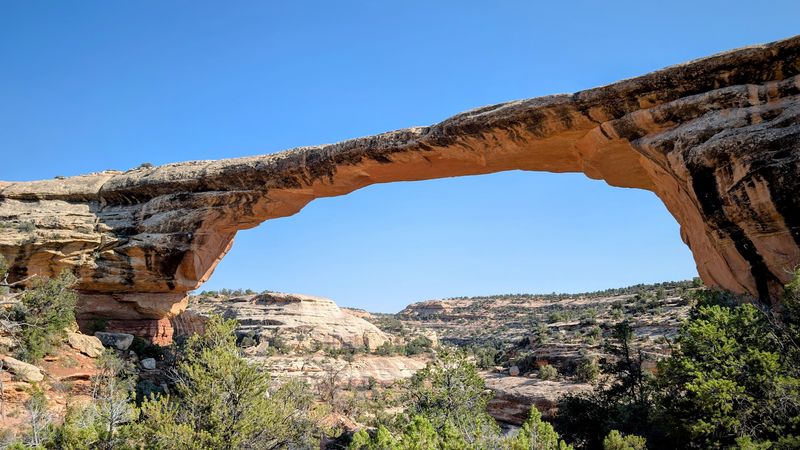
Darkness here feels velvet soft, and the Milky Way slices the sky from horizon to horizon. Arrive before sunset to learn the layout, then walk carefully after nightfall using red lights only.
Rangers often host programs, so check schedules and bring layers for desert chill.
Astrophotography thrives with a sturdy tripod, interval timer, and a lens around 14 to 24 millimeters. Set manual focus on a bright star, shoot wide open, and keep exposures short to prevent star trails.
If wind rattles gear, hang a small bag from the center column.
Light discipline matters, so coach friends to avoid white beams and phone checks. A thermos of cocoa earns hero status around midnight, and a reclining camp chair saves necks during long meteor watches.
Use a star app offline to confirm constellations. Bring hand warmers for batteries, since cold nights can sap power faster than expected.
Carry duplicates to keep timelapses running smoothly all night.
Camping at the monument is limited, so nearby Blanding or Bluff make reliable bases. Keep critter safe food storage and pack out micro trash that glints in headlights.
If clouds win, set an alarm for pre dawn clarity and salvage a quiet moment before breakfast.
Canyoneer the Medieval Chamber to Morning Glory Arch
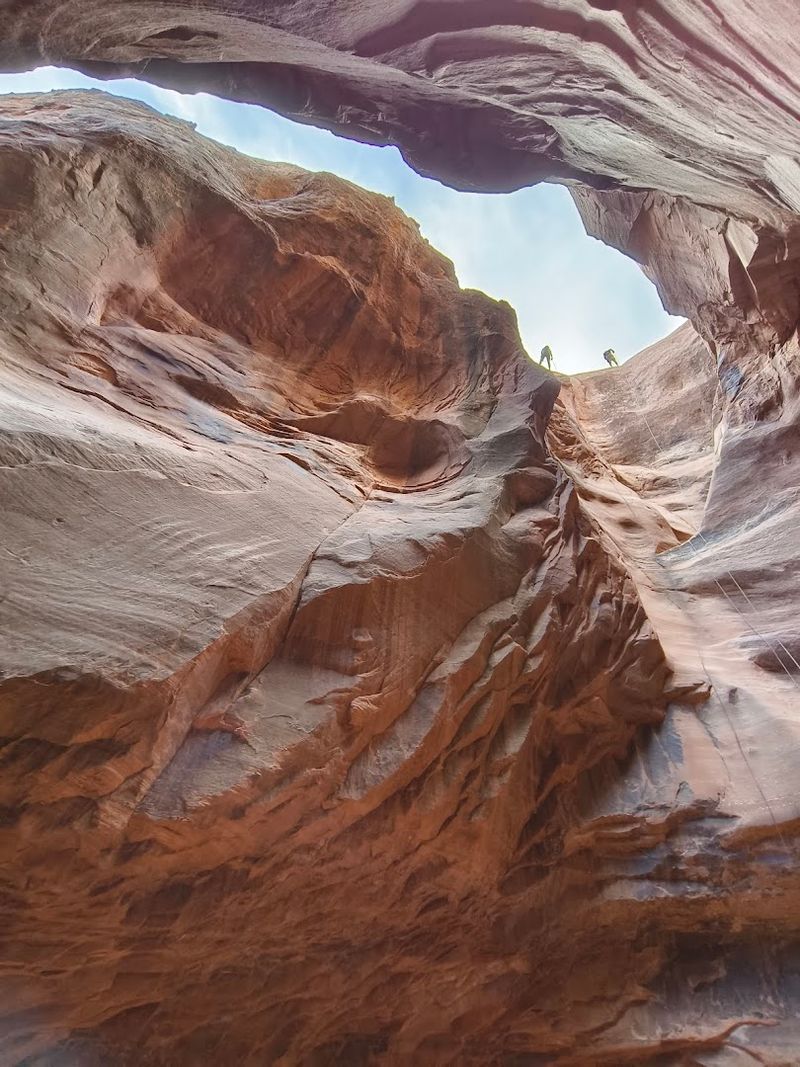
Two classic rappels, sculpted walls, and a finale that hangs beside Morning Glory Arch. Hire a guide if new to rappelling, or practice on a safe cliff before committing to anchors.
Helmets, sturdy shoes, and a well bowed rope bag keep things tidy in the slots. Check recent reports for rope grooves and length needs, since pulls can be finicky after storms.
Carry a pull cord to manage awkward angles cleanly in descents.
Anchor evaluation is the real test, so inspect webbing, check bolts, and back up questionable systems. Communication saves confusion at edges, with clear commands before anyone weights the line.
Use rope protectors on sharp lips and keep strands organized away from shrub snags.
Water levels vary, yet most seasons leave you wading instead of swimming. Pack a friction device you know well, plus gloves for long lowers on textured sandstone.
A lightweight pulley and prusik make mechanical advantage simple if someone needs a gentle haul.
The exit trail runs through a cool canyon oasis, so yield to hikers and keep voices low. Bring sandals for the creek crossing, then celebrate with tacos back in town.
Log anchor conditions online to help the next party make safer choices.
Spot Wildlife at Antelope Island State Park
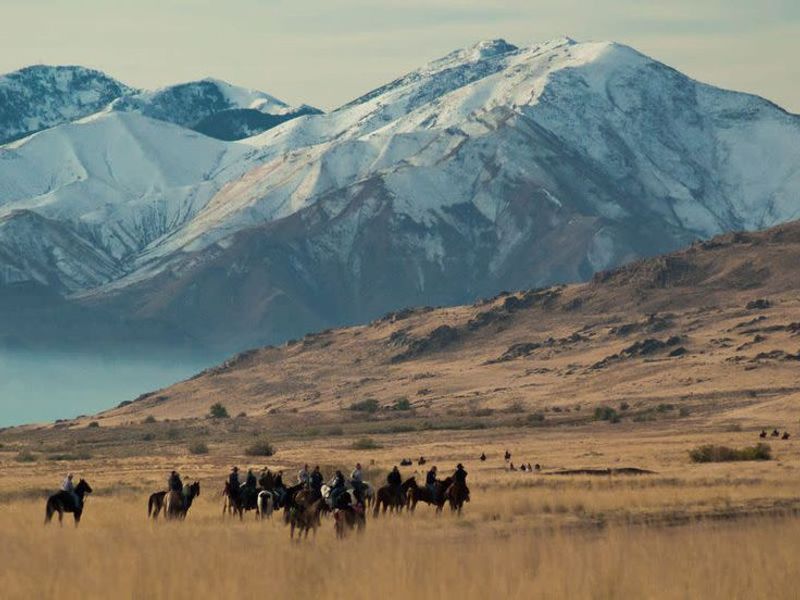
A short causeway leads to big horizons, bison encounters, and sunsets that tint the lake silver. Bring binoculars for pronghorn and owls, and keep a long lens ready for respectful distances.
Bug spray matters in late spring when brine flies host gull feasts. Give bison at least 100 yards, keep kids close, and stay in the car if animals approach.
Turn off engines to reduce stress during roadside viewing for herds.
Hike Frary Peak for grand views, starting early to avoid heat and limited shade. Quiet pacing keeps wildlife comfortable, and rangers will thank you for pulling over only in designated areas.
Winter transforms trails into crunchy solitude with fox tracks threading the snow.
Great Salt Lake conditions change, so check current water levels and microbe blooms that influence color and smell. A swim feels more like floating on pillows, yet rinsing afterward keeps skin happy.
Sun hats, electrolytes, and a cooler lunch make midday picnics actually enjoyable.
Stay for golden hour at Lady Finger, where silhouettes frame the mountains and birds whistle. If rain threatens, remember clay turns to slick paste, so wait it out with cocoa.
You will leave with salt on your shoes and a calmer outlook.