

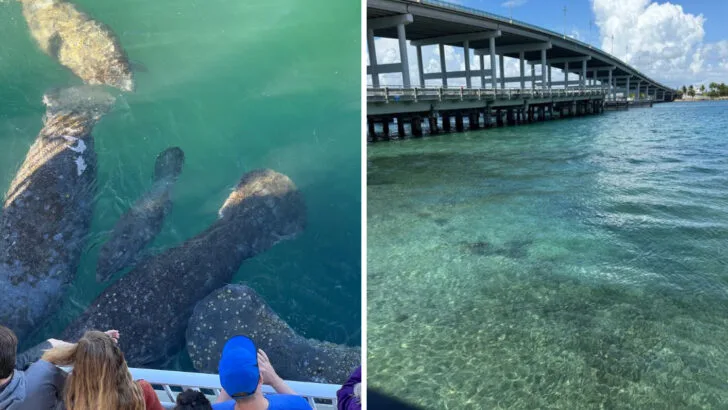
Looking for gentle giants without the shoulder-to-shoulder crowds at the big-name springs?
Florida hides quieter coves, power plant warm-water outflows, and glassy rivers where manatees glide by like friendly submarines.
You will get close, learn a ton, and still feel like you discovered something secret.
Bring patience, a soft voice, and a camera with a slow hand.
Ellie Schiller Homosassa Springs Wildlife State Park
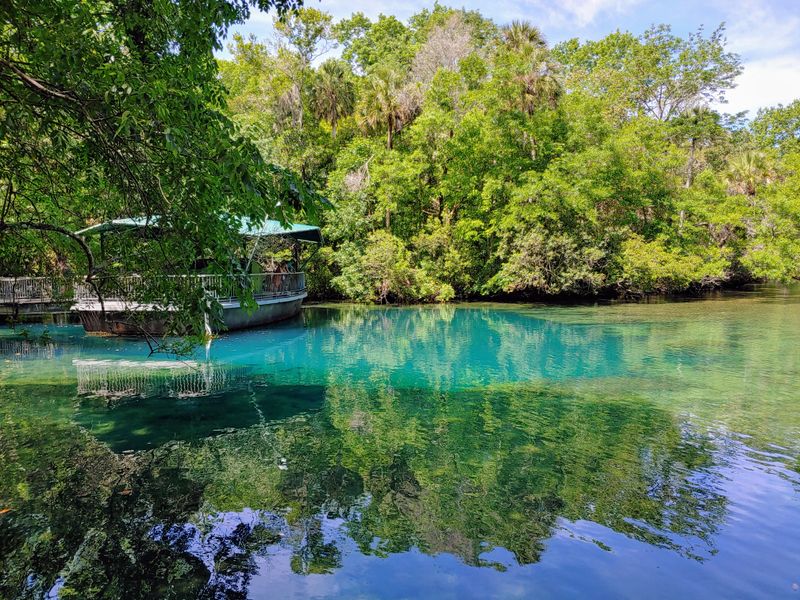
Homosassa Springs feels like a calmer cousin to the bustling Crystal River scene, especially in winter when the natural spring turns into a gentle manatee magnet. You can watch from roomy observation platforms without jostling for position, which makes it easy to settle in and notice slow breaths and whiskery faces. Boats cruise by with guided narration, but the vibe stays relaxed, more nature documentary than theme park.
Expect clear water and plenty of educational signs that line up what you are seeing with why it matters. Rangers often share updates on water temps, migration patterns, and how rescues unfold when a cold snap hits. If you time a visit for early morning, the scene is soft and quiet, and you might catch your first exhale plume before the sun warms the spring run.
Photography is forgiving here because you can frame shots from stable overlooks, not a bobbing kayak. Bring a circular polarizer to cut glare and capture the subtle scar patterns that tell each animal’s story. If you rent a small boat or join a tour, captains typically keep respectful distances, explaining slow-speed zones and no-touch rules that keep the manatees stress-free.
Pack snacks and take it slow, because the rhythm of the spring rewards patience. You will notice how manatees drift to the warmest pockets, then lazily roll to graze or socialize. When the Gulf chills, numbers swell, and you can sometimes count dozens without moving your feet.
Nearby trails and the underwater observatory add variety, especially for families or first-timers. You will leave with practical conservation tips, like how to spot prop scars and report entangled animals. Above all, Homosassa shows that quiet can be the best lens for wild encounters.
Apollo Beach Viewing Area (Hillsborough County)
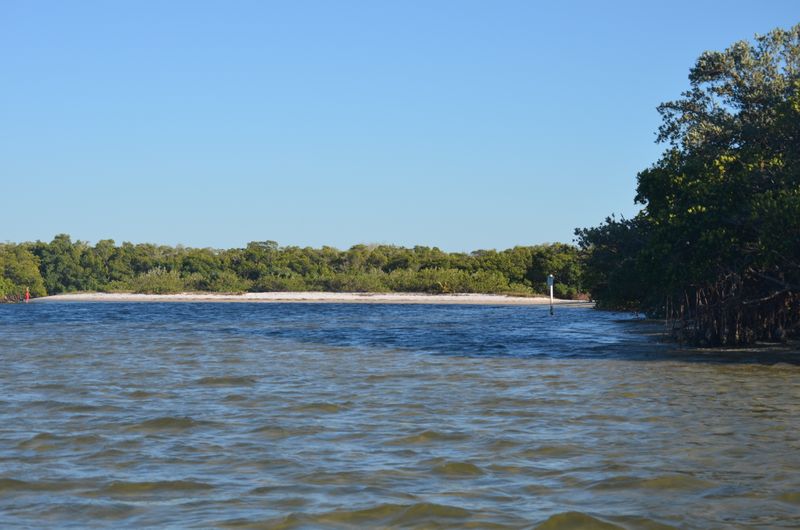
Apollo Beach slips under the radar, but its warm-water outflow draws manatees like a low-key spa day. Cooler mornings are prime, when the discharge canal becomes a gentle highway of gray backs and lazy tail swishes. You can post up on the boardwalks, sip coffee, and watch the surface trace their slow pattern like living commas.
The setting is industrial-meets-nature, which sounds odd until you see how well the viewing platforms work for simple, respectful encounters. Rangers and volunteers often point out calves shadowing their moms and explain how winter cold fronts change daily counts. It becomes a quick lesson in urban ecology, the way power generation accidentally supports wildlife refuge moments.
Bring binoculars, because manatees surface in relaxed intervals and you will catch details when you are not glued to your phone screen. A polarizing filter helps a lot here too, especially midday when glare jumps. Photographers like the angles along the railings, where you can pre-focus and wait for a nose to break the surface.
The area is peaceful compared to headline springs, and parking is usually straightforward if you arrive early on cold days. You will find educational displays that connect manatee biology to boat speed zones, seagrass health, and the risks of sudden temperature drops. Kids tend to love spotting the first whiskered snout and then scanning for flipper scars like a nature scavenger hunt.
Check the forecast, because the best shows often follow a sharp dip in temps. If the air feels chilly on your cheeks, the canal probably looks like a slow parade beneath the steam. Stay patient, keep voices low, and you will walk away with a handful of quiet, close-in sightings and a deeper appreciation for these gentle mammals.
Merritt Island National Wildlife Refuge
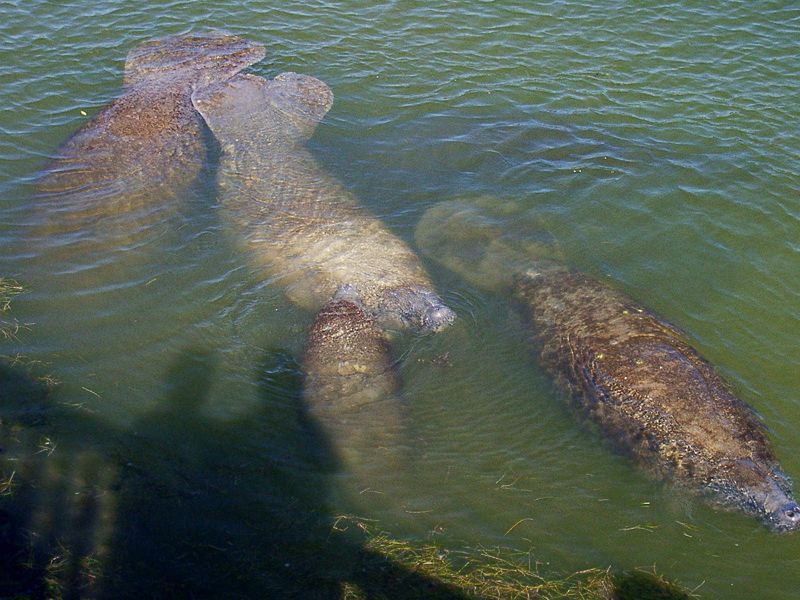
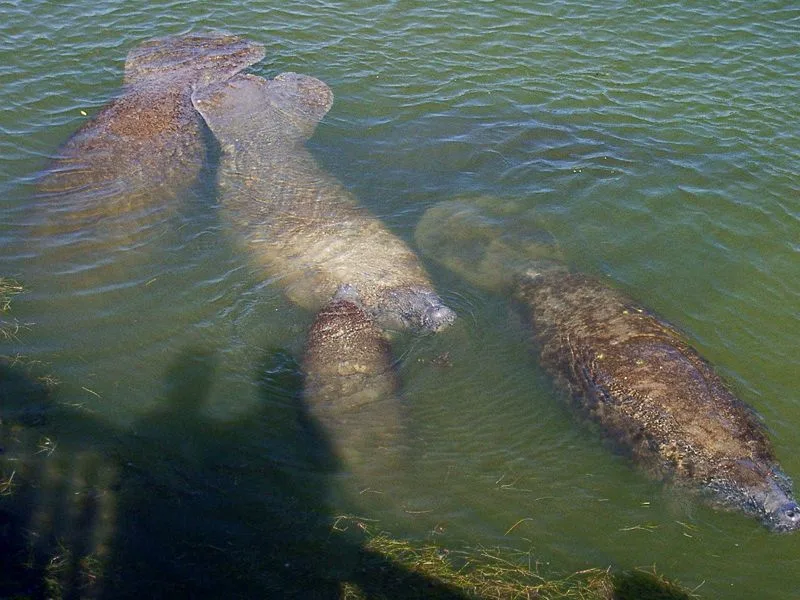
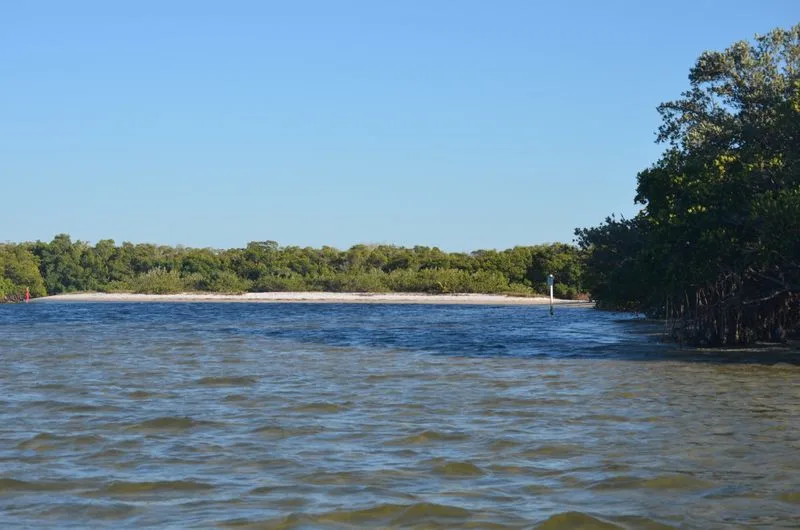
Merritt Island NWR hums with life, and the manatees here feel like part of a bigger symphony. Paddle a canoe or kayak at first light and the water turns mirror-smooth, perfect for reading gentle boils that hint a manatee is cruising below. You will see mangroves framing the channel, ospreys fishing, and the occasional space-age silhouette on the horizon.
Winter brings more consistent sightings, but patient paddlers can connect year-round around warm pockets and sheltered coves. Outfitters nearby rent gear and share tide notes that matter more than most realize. Slack tides mean subtle surface signs stand out and you can glide instead of fight currents.
Bring a dry bag, a whistle, and a slow mindset. Give manatees the right of way, keep strokes soft, and angle your bow away if one appears close so it can choose the interaction. The reward is a natural, unscripted encounter, often eye-to-eye when a curious animal surfaces beside your hull.
Photography is all about anticipation here, not chase. Set your camera to a modest shutter speed to capture ripples and breaths, and use continuous focus to nail the moment a nose breaks. Leave drones at home, respect roped areas, and treat every swirl like a privilege, not a guarantee.
After paddling, drive the refuge roads for birds and pullouts with manatee signage. You will add spoonbills, dolphins, or even sea turtles to your checklist, depending on season. Merritt Island invites you to slow down, breathe with the tide, and let the lagoon choose the pace.
Blue Heron Bridge (West Palm Beach)
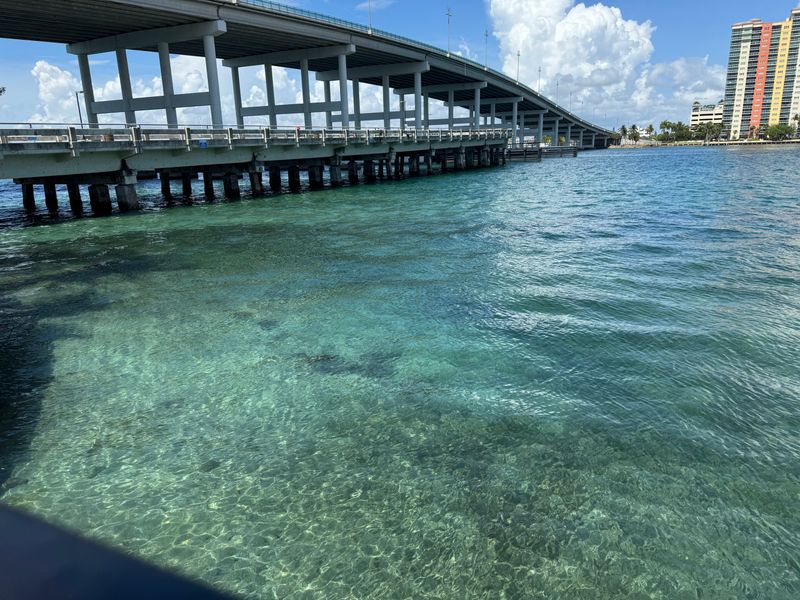
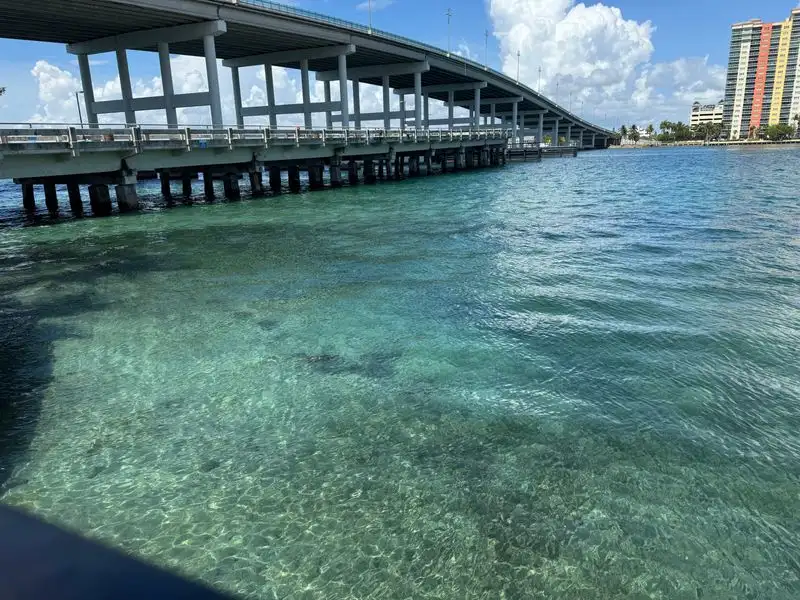
Blue Heron Bridge is famous to divers for macro treasure hunts, but it also gifts surprise manatee cameos. Slack high tide makes the water clearest, letting you snorkel or paddleboard over seagrass patches where manatees drift like slow blimps. You will share the scene with schools of tropical fish, which makes every encounter feel like a postcard.
Local dive shops post tide charts and share etiquette, like keeping hands tucked and giving wide berth. If you are snorkeling, stay calm and horizontal so splashes do not spook wildlife. Kayakers and SUP paddlers can quietly shadow a respectful distance, letting the animal decide how long the moment lasts.
Under the bridge, light beams cut through the water and turn exhaled bubbles into glitter. Photographers should bring a red filter or adjust white balance for the green-blue cast. Surface shooters can hug the shoreline and look for soft rings spreading outward, a classic manatee tell.
This is an urban-edges spot, so be aware of boat channels, dive flags, and currents when tides switch. You will hear stories of manatees nosing along the pylons, then vanishing as quickly as they appeared. That unpredictability keeps repeat visits exciting and rewards a flexible schedule.
Between sightings, hunt for seahorses, octopus dens, and juvenile snappers among the rubble. The bridge is a living classroom that stitches together reef etiquette, tide timing, and real-time conservation. If you crave variety, few places blend manatees with such bright biodiversity and easy shore access.
Manatee Lagoon (West Palm Beach)
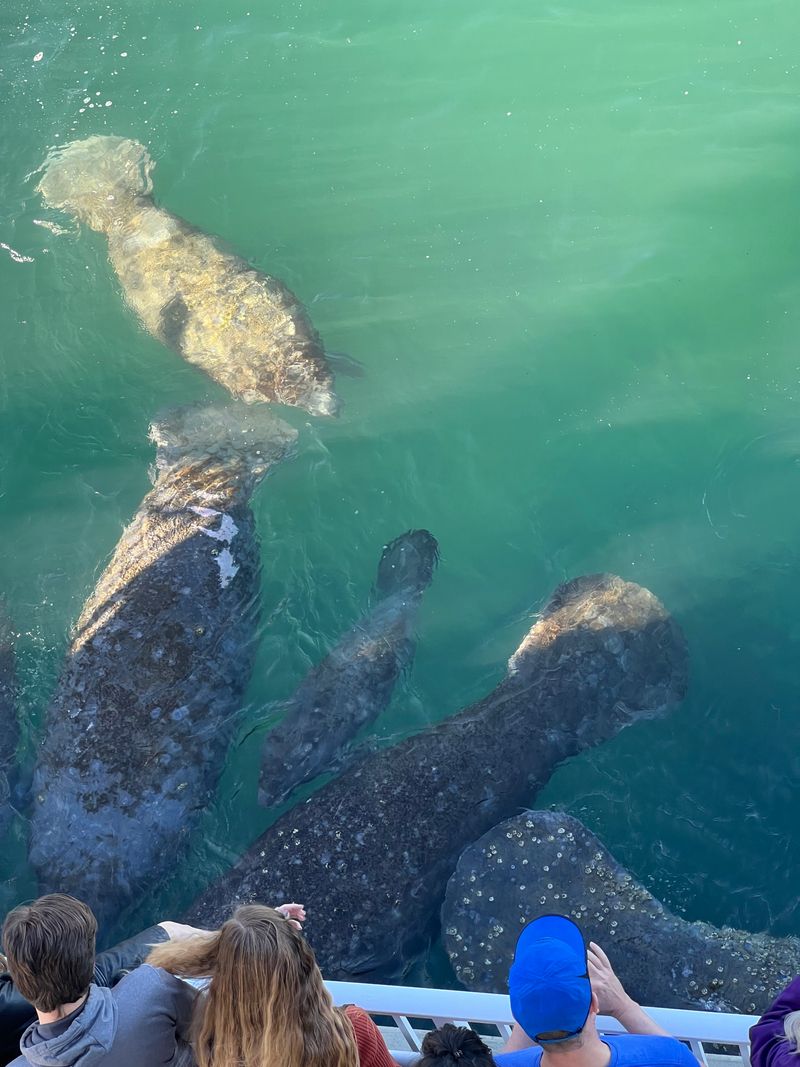
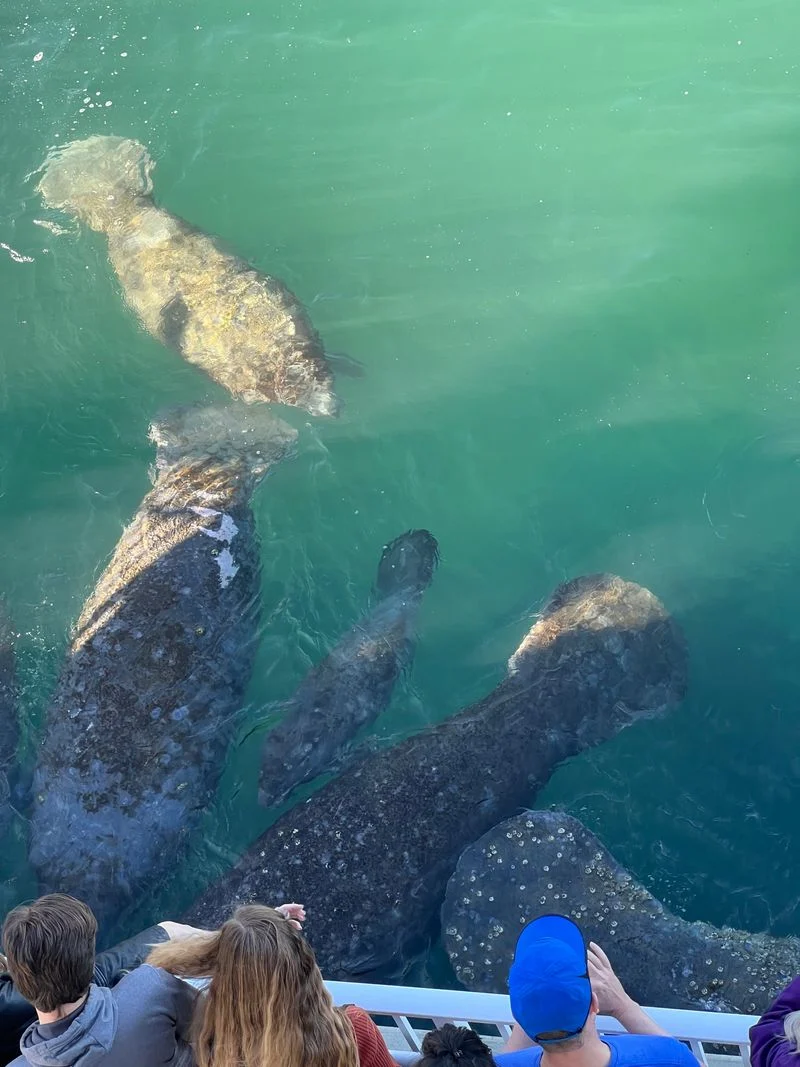
Manatee Lagoon blends science, comfort, and legit sightings when winter cools the Atlantic. The nearby power plant’s warm discharge turns the canal into a seasonal hangout, and the facility’s big decks make viewing easy for all ages. You can move from rail to rail, tracking flippers and tails without squeezing through shoulder-to-shoulder crowds.
Inside, interactive exhibits break down manatee anatomy, threats, and rescue work in plain language. Staff and volunteers are chatty and helpful, often pointing out calves or explaining scar patterns that tell each animal’s history. You will leave with tips on reporting injured wildlife and making boat days safer for slow-moving neighbors.
Photography is friendly here, thanks to elevated sightlines and stable platforms. Bring a polarizer for glare and aim for cool mornings after a cold front, when manatee numbers jump. If you want a peaceful rhythm, arrive at opening and enjoy the hush before school groups roll in.
The center’s design keeps you close to the action while maintaining protective boundaries. That means you get the magic without the stress, and manatees get space to breathe, rest, and socialize. It is a win-win that still feels personal when a whiskered nose breaks the surface right below.
Check the live cams and daily updates before you go, because warm spells can thin the crowd. Even then, the educational experience is strong enough to justify the stop. You will step away with fresh respect for seagrass restoration and the quiet power of warm-water refuge.
Tampa Electric’s Big Bend Power Station
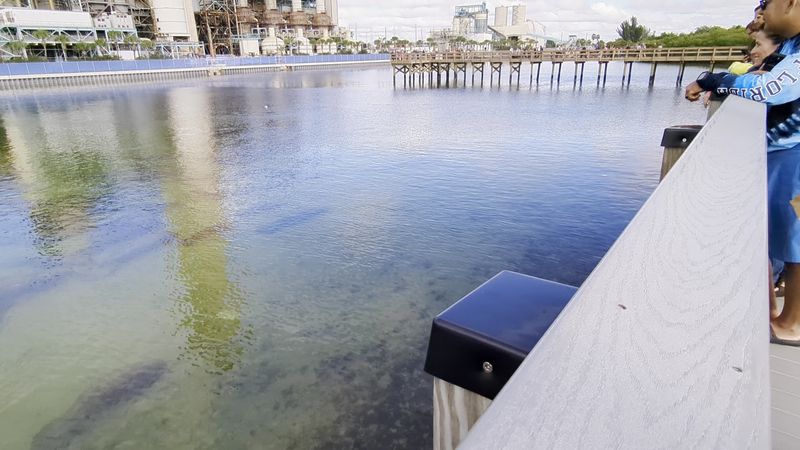
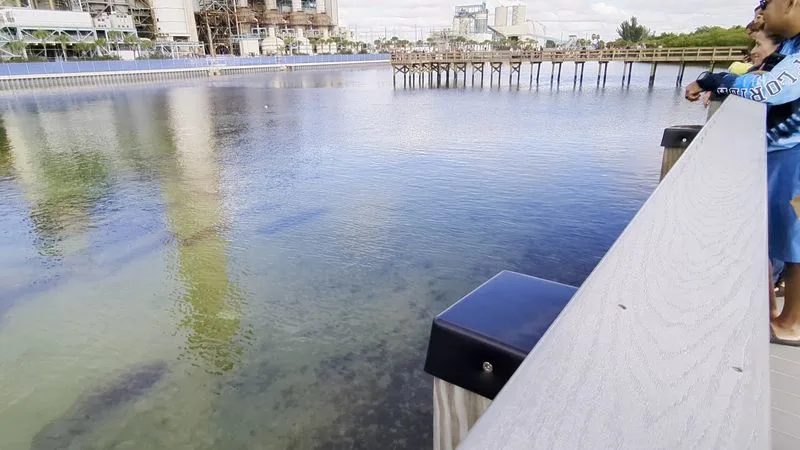
Big Bend’s manatee viewing area proves industrial edges can host surprisingly tender wildlife moments. When a cold snap hits, the warm canal becomes a rolling lineup of gray backs and soft exhales, easy to watch from broad boardwalks. You will find patient locals, telephoto lenses, and a friendly hush that suits the scene.
Interpretive signs unpack the migration puzzle and explain how temperature dictates daily numbers. Volunteers often point out calves, identify returning individuals by scars, and share updates on rescues after hard freezes. It feels like a community watch for sea cows, stitched together by curiosity and care.
Bring layers, because chilly air means better viewing, and plan mid-morning light for smoother surface detail. A polarizer earns its keep, and a small stool helps if you like eye-level angles over the railing. Stay a while and you will witness patterns: surfacing in pairs, tail flicks, and occasional barrel rolls.
The vibe is mellow, more neighborhood gathering than tourist crush. You can park easily, wander the displays, and return to the same vantage point without losing your spot. That consistency lets you build a slow, thoughtful photo sequence or simply relax and count breaths.
On busy weekends, step back and try alternate overlooks for cleaner sightlines. You will still hear the soft chorus of exhale plumes, even when manatees rest deeper. Big Bend rewards patience, respect, and a warm thermos as much as fancy gear.
Fort Myers and Sanibel Canals
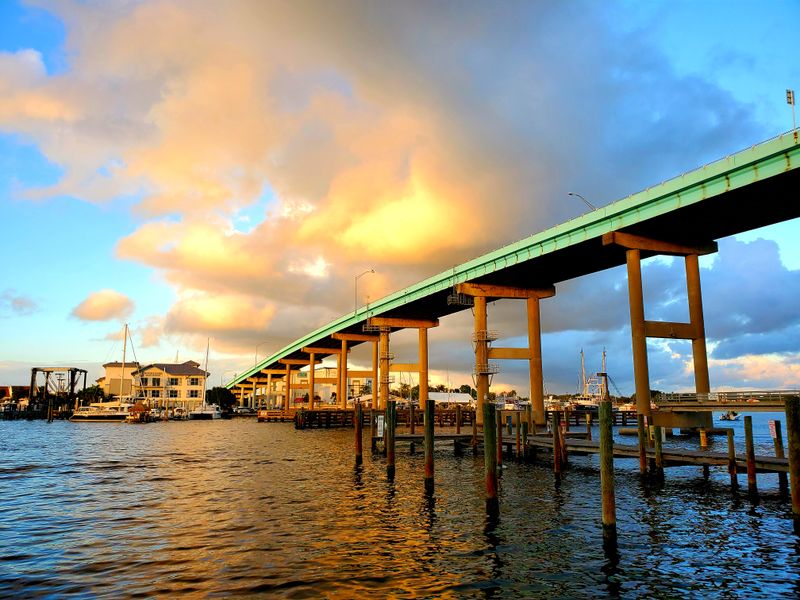
Fort Myers and Sanibel offer a maze of canals and estuaries where manatees wander in winter. Launch a kayak at first light and the water turns silky, perfect for following gentle swirls that mark a slow passage. You will float past mangroves and tucked-away docks, with pelicans gliding overhead like guides.
Local outfitters run small-group tours that emphasize etiquette and quiet approaches. Guides will coach you to pause your paddle when a manatee nears and let the animal set the distance. That simple shift makes encounters longer, calmer, and far more memorable than any rushed chase.
Water clarity swings with tides and wind, but patience and polarized sunglasses sharpen your view. Photographers can sit low in the kayak for stable framing and aim for side light to reveal texture on a rising back. Keep gear minimal: dry bag, small telephoto or wide prime, and a microfiber cloth for salt spray.
Between sightings, savor the estuary’s slow soundtrack. You will hear fish pops, wingbeats, and the hush of a rising tide against roots. In colder spells, manatees gather thicker in sheltered canals, turning short paddles into steady, respectful viewing sessions.
Remember local rules: idle speeds, no chasing, and strict no-touch ethics. These canals are homes as much as habitats, so exchange waves with residents and keep voices low. If you want intimate Florida without the crowds, this area delivers in quiet, sunlit increments.
Weeki Wachee River
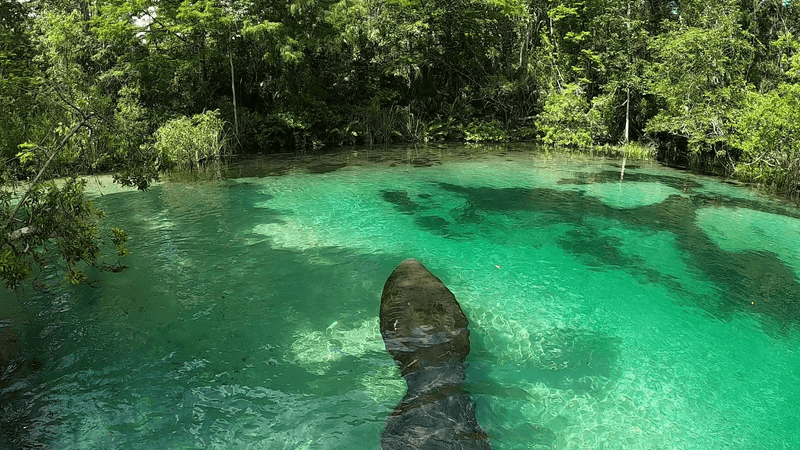
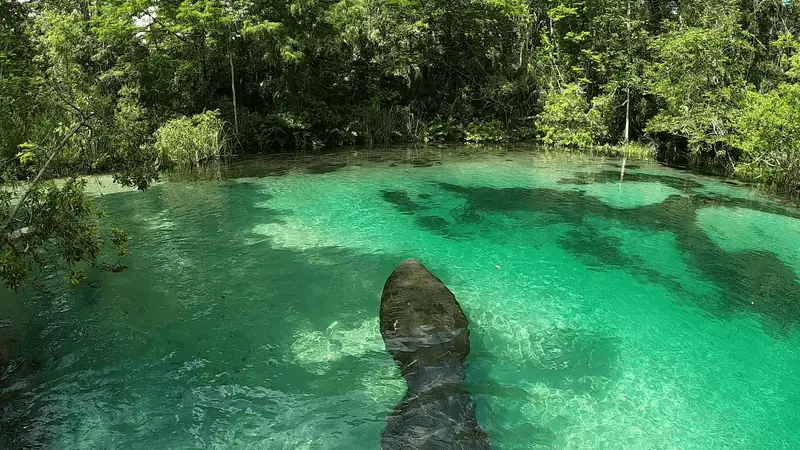
Weeki Wachee is famous for mermaids, but the real magic glides just below the teal surface. The river’s cool clarity turns every paddle stroke into a window, and winter brings manatees nosing through eelgrass beds. You will drift past cypress knees and palm shadows that sketch a tranquil lane.
Launch early to avoid midday congestion and let the river’s slow current carry you. Paddleboards shine here, keeping your shadow soft and your vantage high enough to spot rounded backs. If a manatee approaches, pause and angle your board away so it can choose the encounter.
Bring reef-safe sunscreen, a polarized lens, and a dry case for your phone. Photographers should shoot wide to capture the river’s luminous glow and the gentle arcs of tail strokes. The best images feel unhurried, framed by dappled light and the hush of upstream birdsong.
Guided tours help with etiquette and reading the water for subtle signs. You will learn to spot grazing paths, bubble trails, and the way eelgrass bends before a gentle pass. Even on cooler days, the river’s clarity adds drama to every slow surfacing breath.
Respect roped sanctuaries and let resting manatees be. The river can get crowded, so choose weekdays or shoulder seasons for more space and softer water. Weeki Wachee rewards quiet paddlers with postcard moments that feel personal and pure.