North Carolina makes wildlife watching surprisingly easy when the road itself becomes the viewing platform. From misty mountain byways to coastal refuge loops, you can spot elk, bears, swans, and wild horses without stepping outside.
If you want beautiful scenery, practical pull offs, and better odds of memorable sightings, these drives deserve a spot on your list. This outline gives you the best places to go and what makes each one worth the mileage.
Blue Ridge Parkway Scenic Point
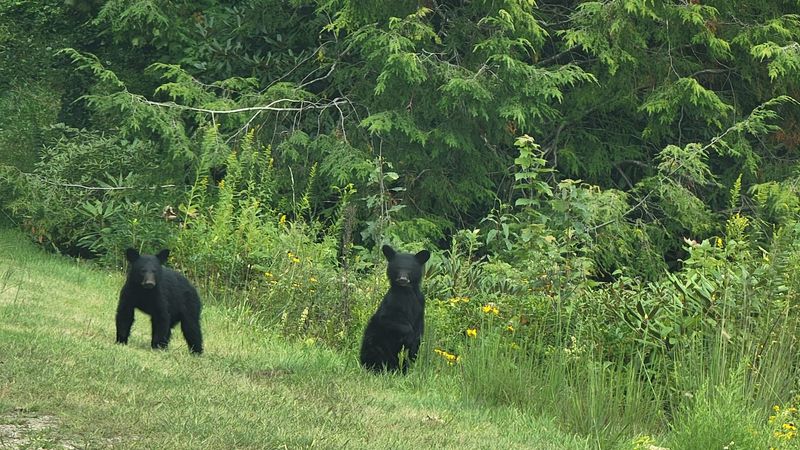
Blue Ridge Parkway near Deep Gap is the classic North Carolina drive for anyone who wants wildlife and mountain views in one easy outing. From the car, you can often spot deer browsing at the forest edge, wild turkeys crossing open patches, and hawks circling above the ridges.
The pace here feels unhurried, which makes scanning the shoulders and overlooks much easier.
I like this route most in early morning, when the light is soft and animals are still active near grassy openings. Late evening can also be productive, especially in quieter stretches where traffic thins and the landscape settles down.
Frequent pull offs let you pause safely without needing to leave your seat.
The scenery keeps the drive rewarding even on slower wildlife days. Rolling peaks, tunnels of hardwood forest, and long range vistas make every mile feel cinematic.
It is an ideal choice if you want dependable beauty with real chances of roadside sightings.
Bring patience, keep binoculars handy, and drive slowly.
Cataloochee Valley
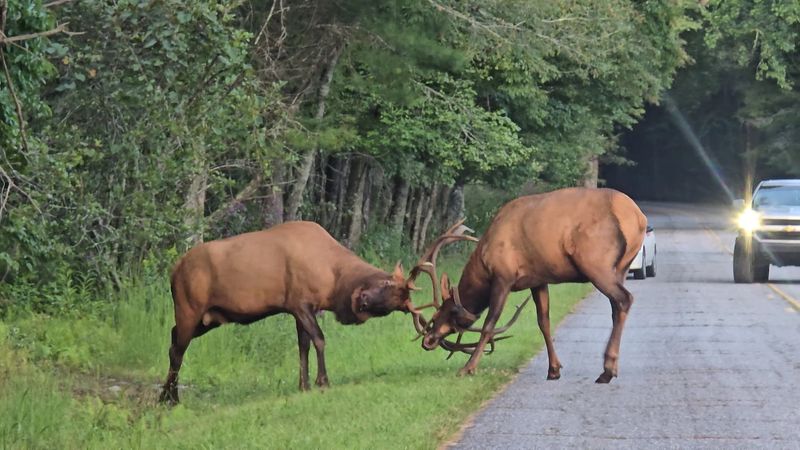
Cataloochee Valley is one of the most reliable places in North Carolina to see elk without leaving your car. The valley road passes open meadows, historic structures, and broad grassy areas where elk often feed in early morning and near dusk.
That combination of habitat and visibility makes this drive especially rewarding for patient wildlife watchers.
The road can be narrow and winding on the approach, but once you reach the valley, the pace naturally slows. I would arrive as close to sunrise as possible, because cooler hours often bring the best activity.
Evening works well too, especially during fall when elk become more vocal and visible.
Even beyond elk, the setting feels unforgettable. Deer, turkeys, and occasional black bears add variety, while the mountain walls create a dramatic frame around the whole valley.
It is one of those drives where every bend feels full of possibility.
Drive gently, stay alert, and enjoy the quiet.
Pocosin Lakes National Wildlife Refuge
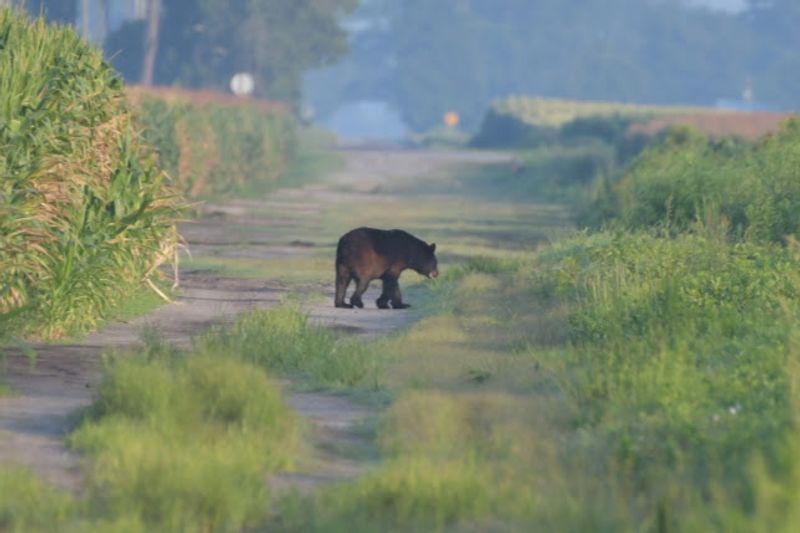
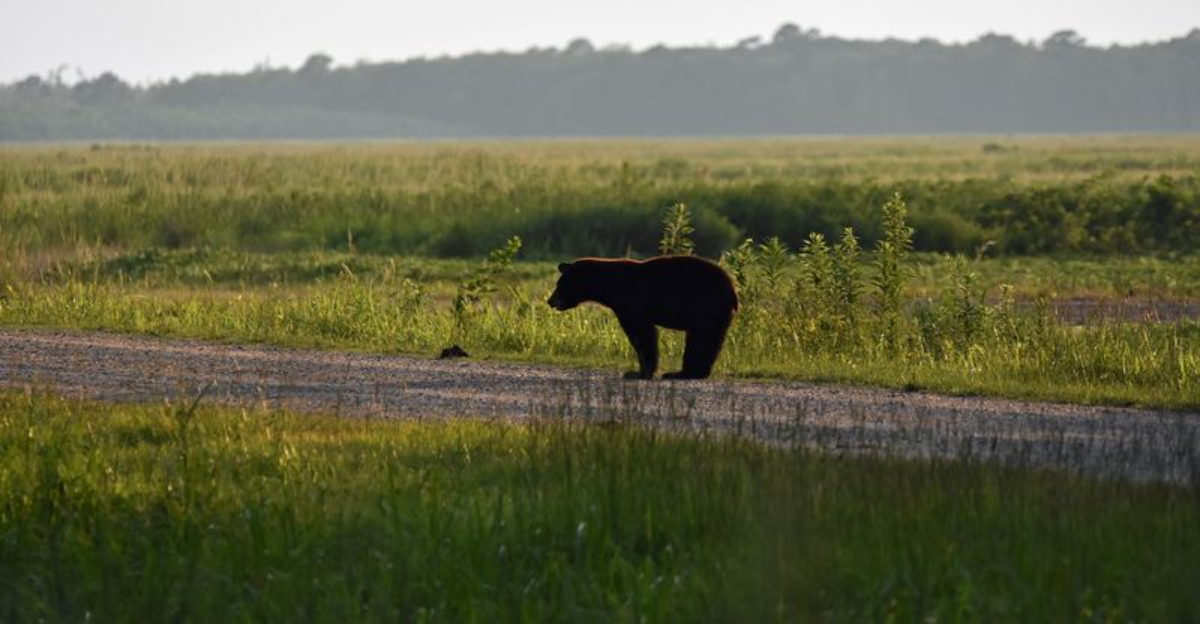
Pocosin Lakes National Wildlife Refuge is a completely different kind of scenic drive, trading mountain curves for wide wetlands and big sky. From refuge roads, you can watch black bears, migratory birds, and in winter, impressive concentrations of tundra swans and waterfowl without leaving the car.
The openness makes distant movement easier to catch, which is part of the fun here.
This is the kind of place where seasonal timing matters. Winter is especially dramatic, when fields and water bodies fill with white swans, geese, and ducks that turn the landscape into a living spectacle.
Early morning and late afternoon bring beautiful light and often better wildlife activity across the refuge.
I would recommend this drive to anyone who loves birdlife and quieter eastern North Carolina scenery. The roads feel peaceful, the habitats are varied, and every scan across the marsh can reveal something new.
It is less about dramatic elevation and more about abundance, motion, and surprising stillness.
Bring binoculars and expect excellent long range views.
Alligator River National Wildlife Refuge
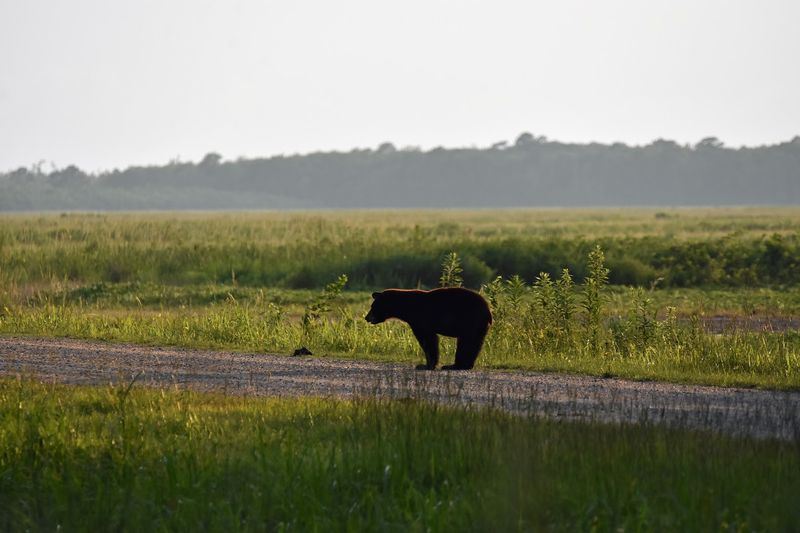
Alligator River National Wildlife Refuge is one of the best drives in coastal North Carolina if you want a true wildlife focused outing. The refuge roads pass through marshes, pocosins, and canals where black bears, alligators, otters, and a huge variety of birds can all appear from the comfort of your seat.
It feels wild in a way that is very different from the mountains.
Because the terrain is open in many sections, you can scan water edges and vegetation lines as you move slowly through the refuge. I would aim for morning or the last few hours of daylight, when wildlife is often more active and the light is softer for viewing.
The quieter the road, the better the experience tends to be.
What makes this drive memorable is the constant sense that something could emerge around the next bend. One canal may hold an alligator, while the next field edge draws in a bear or hunting hawk.
If you enjoy suspense and variety, this refuge is hard to beat.
Patience pays off here more than speed ever will.
Shackleford Banks
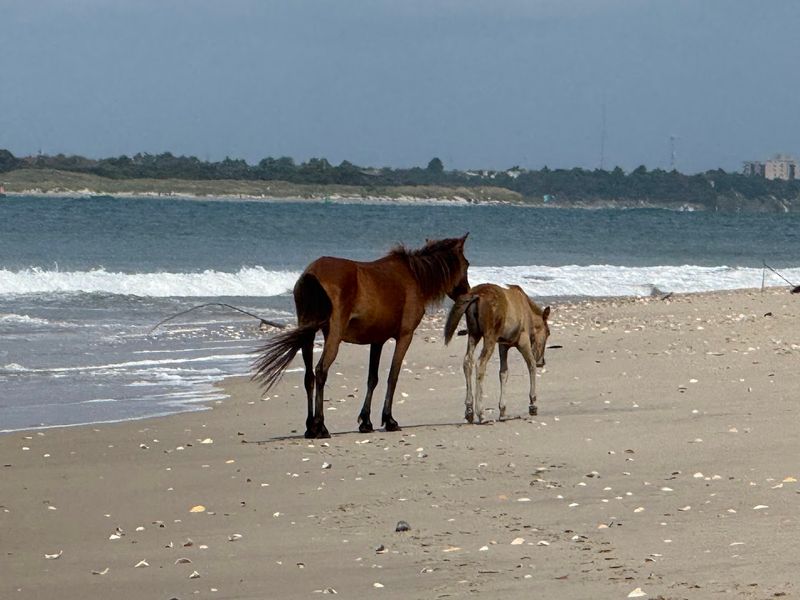
Shackleford Banks is best known for its wild horses, and nearby shoreline approaches make it a memorable addition to a wildlife focused road trip. While the island itself is ferry accessed, the surrounding routes and staging areas near Beaufort and Harkers Island can still frame excellent views and set up one of the state’s most iconic animal sightings.
The coastal setting adds marsh birds and water views to the experience.
I think of this stop less as a classic long drive and more as a scenic approach with a strong payoff. Timing and conditions matter, since horse visibility depends on where the herd is moving and how far they are from obvious viewing zones.
Still, the anticipation is part of what makes this place fun.
The real draw is simple: wild horses against dunes and sea grass feel unmistakably special. Few North Carolina wildlife moments look more timeless or more photogenic, even from a distance.
If you want a coastal outing with a sense of rarity and romance, Shackleford Banks earns its place.
Check conditions ahead, and keep expectations flexible.
Mackay Island National Wildlife Refuge
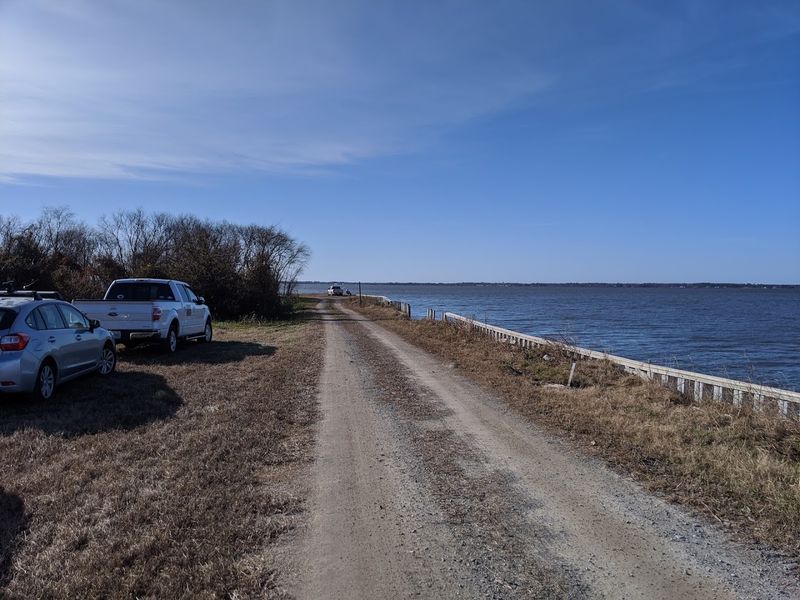
Mackay Island National Wildlife Refuge gives you a coastal drive that feels wonderfully low key compared with busier beach routes. Roads near the refuge and Currituck soundside marshes can reveal swans, ducks, osprey, egrets, and sometimes river otters without asking you to leave the car.
In winter, the bird activity becomes especially impressive, and even a short drive can turn into a rolling wildlife show.
I like this area for travelers who want easy viewing and broad marsh scenery at the same time. The flat landscape makes it simpler to scan water channels and grassy edges as you move along slowly.
Time your visit for sunrise or late afternoon, and you will give yourself the best chance of spotting movement.
Heintooga Ridge Road
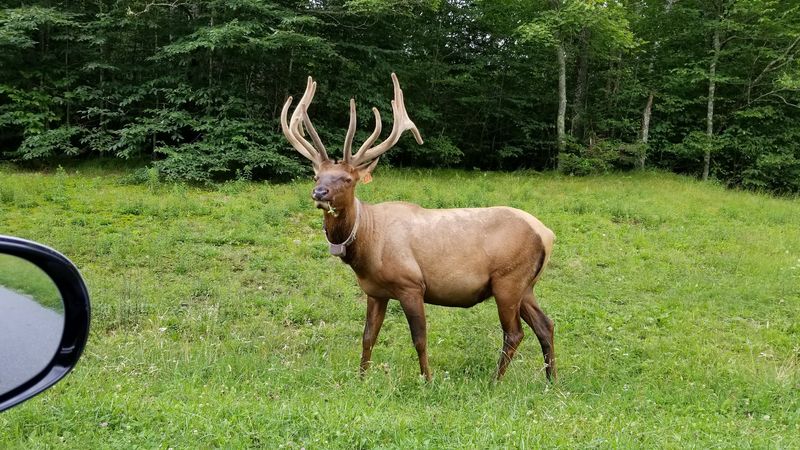
Heintooga Ridge Road feels a little wilder and quieter than the better known mountain drives, and that is part of its charm. The narrow road passes through dense forest and occasional openings where deer, wild turkeys, and black bears sometimes appear without much warning.
Because traffic stays lighter, you can move slowly, keep your eyes on the edges, and never feel rushed.
This is the kind of drive where patience really rewards you. Morning fog, soft evening light, and the hush of the high country make every bend feel promising.
If you want a scenic route that still feels untamed from the driver’s seat, this one absolutely belongs on your list.
Newfound Gap Road
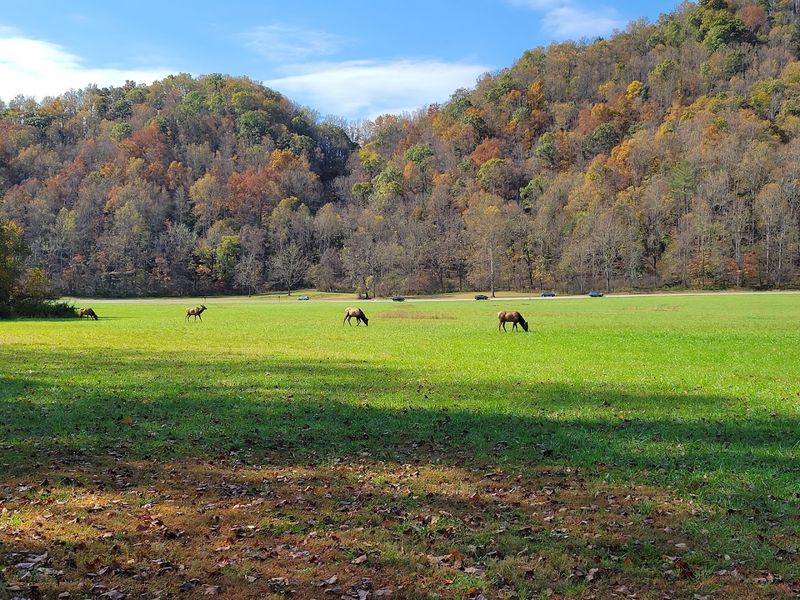
Newfound Gap Road is one of those mountain drives where the view changes around every curve, and the wildlife can appear just as quickly. From the North Carolina side near Oconaluftee, you have a real chance of spotting elk in open fields, especially early or late in the day.
Wild turkeys and deer also show up often along the quieter edges.
What makes this route so easy is how many pullouts and overlooks let you pause without breaking the flow of the drive. You stay comfortable in the car while scanning meadows, riverbanks, and forest openings.
On misty mornings, the whole road feels especially alive.
Cedar Island National Wildlife Refuge
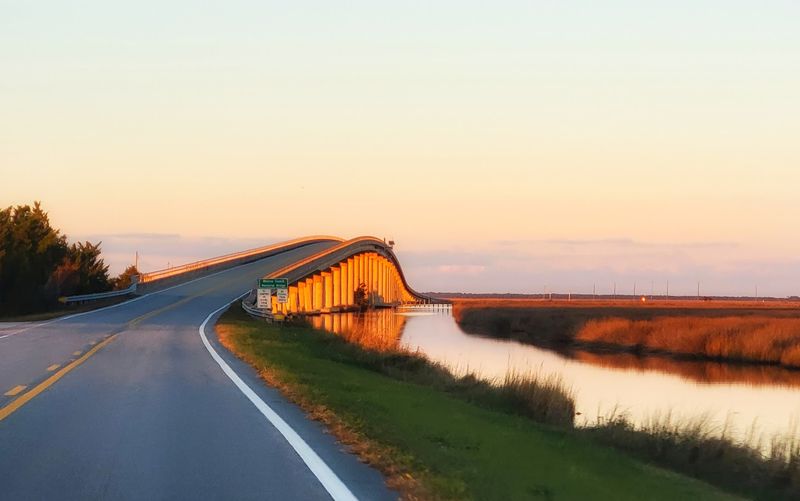
Cedar Island National Wildlife Refuge offers the kind of low, open coastal scenery where you can watch for movement without ever stepping outside. As you drive the refuge roads and nearby stretches toward the ferry area, deer, herons, egrets, and wintering waterfowl are often easy to pick out.
The flat landscape gives you long sightlines, which makes wildlife spotting feel wonderfully relaxed.
I especially like this area near sunrise or late afternoon, when the marsh seems to wake up all at once. Birds lift from the grasses, and the light turns the whole shoreline golden.
If you want a quieter alternative to busier coastal routes, this one delivers.
Balsam Mountain Road
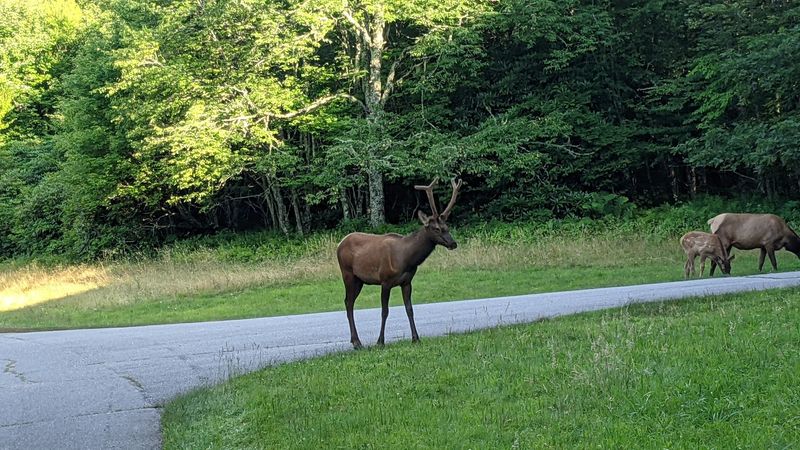
Balsam Mountain Road feels like a quieter Smokies detour, with long forested stretches where patience usually beats speed. From your seat, you might catch wild turkeys, white-tailed deer, or a black bear moving through openings.
The higher elevation also brings sweeping overlooks, so the drive never feels like wildlife waiting in a tunnel of trees. Early morning and dusk are usually your best windows.
I like this route because traffic stays lighter than the park’s headline roads. That makes it easier for you to pull over safely, scan meadows, and keep binoculars handy.
Bring a full tank, roll slowly, and let the mountain come to you.