
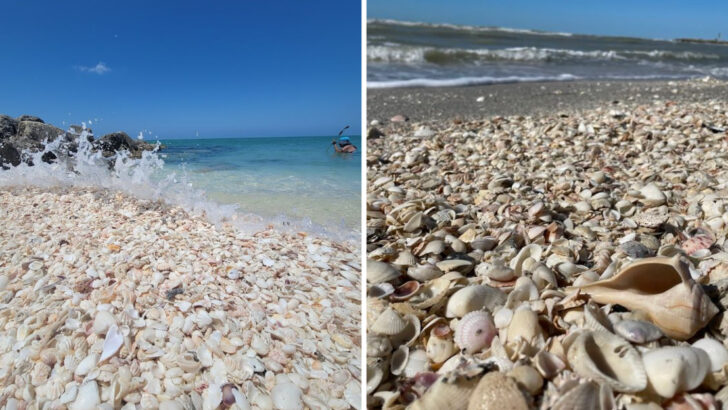
Hunting for seashells in Florida is more than a beach day, it is a treasure hunt that rewards patience and timing. With the right tide, a simple mesh bag, and an eye for texture, you can turn a coastal stroll into pocketfuls of color and history.
This guide spotlights the state’s most reliable shelling beaches, plus on the sand tips for snagging standout finds. Ready to plan tides, check wind direction, and come home grinning with a curated haul?
Bowman’s Beach, Sanibel Island
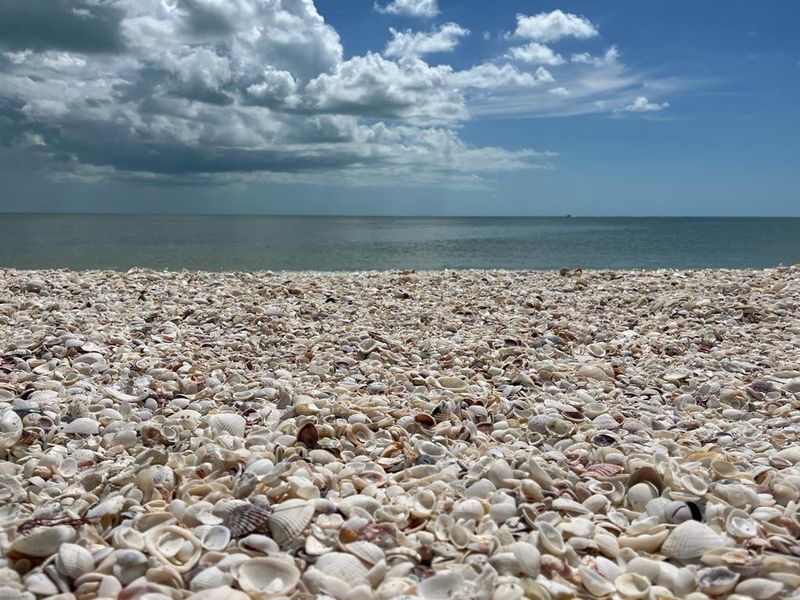
Arrive early and you will hear the gentle clink of shells tumbling with each wave. Long, undeveloped shoreline means currents have free rein to sort treasures into neat windrows.
Scan the wrack line for color changes, then kneel and sift by hand for cones, olives, tulips, and tiny coquinas riding the edges.
Low tide is your best friend here, especially on a negative tide after a cold front. Work parallel to the water, pausing at slight dips where shells settle like confetti.
When crowds cluster, skirt past them and target fresh patches shaped by side wash, keeping a mesh bag ready so sand drains fast.
After storms, the berm sprouts with thick shell piles that reward slow sorting. Pick up likely candidates and rub with seawater to reveal gloss before committing space in your bag.
Shuffle your feet in the shallows for safety, and rinse finds at the outdoor stations before heading to the parking lot.
Blind Pass Beach, Sanibel Captiva
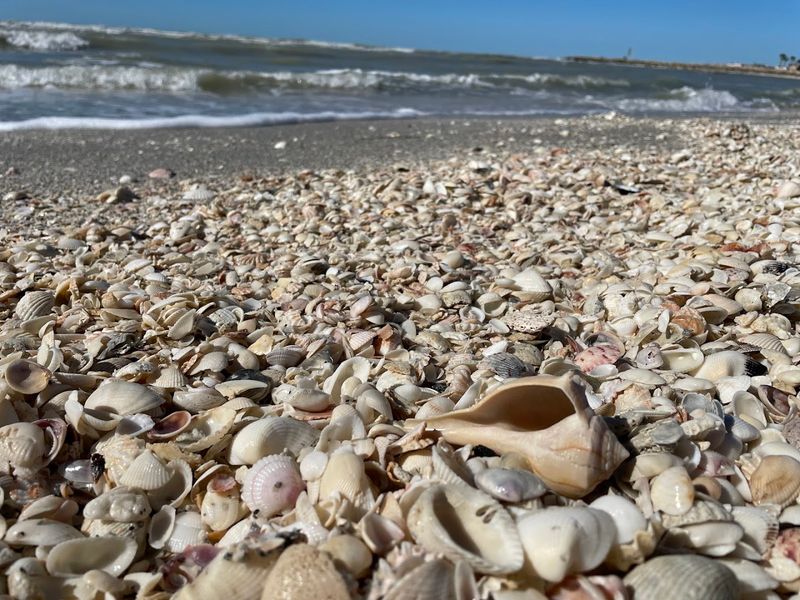
Powerful currents sweep through this pass, stacking heavier shells where water slows. That means lightning whelks, horse conchs, and sturdy scallops often gather in knee deep edges and freshly formed piles.
Start on the Sanibel side for larger quantities, then cross to the Captiva side to cherry pick standout shapes.
Time your visit for mid to low tide, but keep an eye on shifting sandbars. The pass changes personality fast, so move methodically and sample several micro zones.
A small scoop helps dislodge sand packed clusters, and polarized sunglasses reveal shell shine beneath thin ripples.
After a windy night, look for elongated ridges running at an angle to shore. These lines trap bigger specimens that casual walkers miss.
Wade safely, watch for rapid drop offs, and shuffle to avoid stingrays. If the main pile gets picked over, walk 200 yards down current and you will often find untouched benches.
Lighthouse Beach Park, Sanibel Island
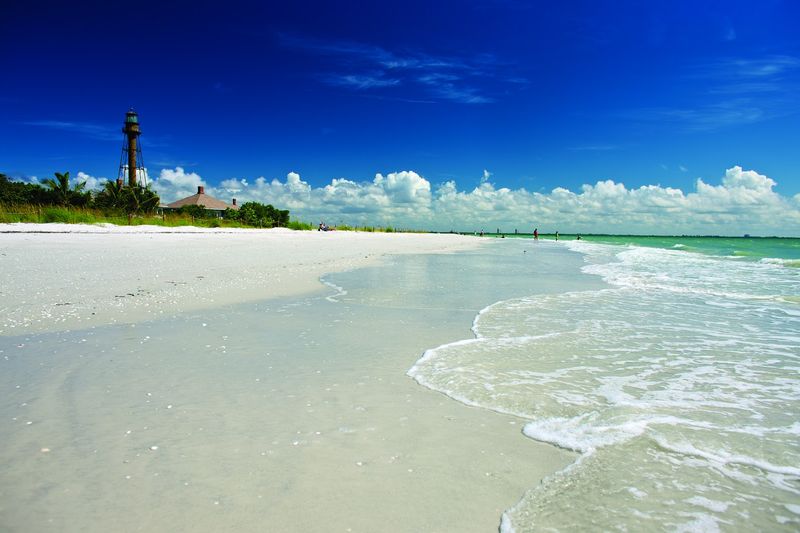
Historic charm meets steady shell action near the iconic lighthouse. Currents wrap the point and sort small to medium shells into tidy seams.
Look along the inner curve for coquinas, augers, and lettered olives, then circle the tip after a north wind pushes fresh material onto the flats.
Tide pools here act like tiny museums. Kneel beside clear pockets and scan corners where sand meets small rubble.
Delicate wentletraps show best against dark fragments, so slow down and let your eyes adjust. A pocket magnifier helps separate barnacled shards from keepers without wasting time.
Parking fills quickly, so sunrise arrivals win both space and first pick. Follow the angle of the last big swell and you will see faint V shapes that point to denser patches.
Rinse valuables gently in the bay side for calmer water. Cap your session with a lighthouse photo, then secure fragile finds in a padded pouch.
Turner Beach, Captiva Island
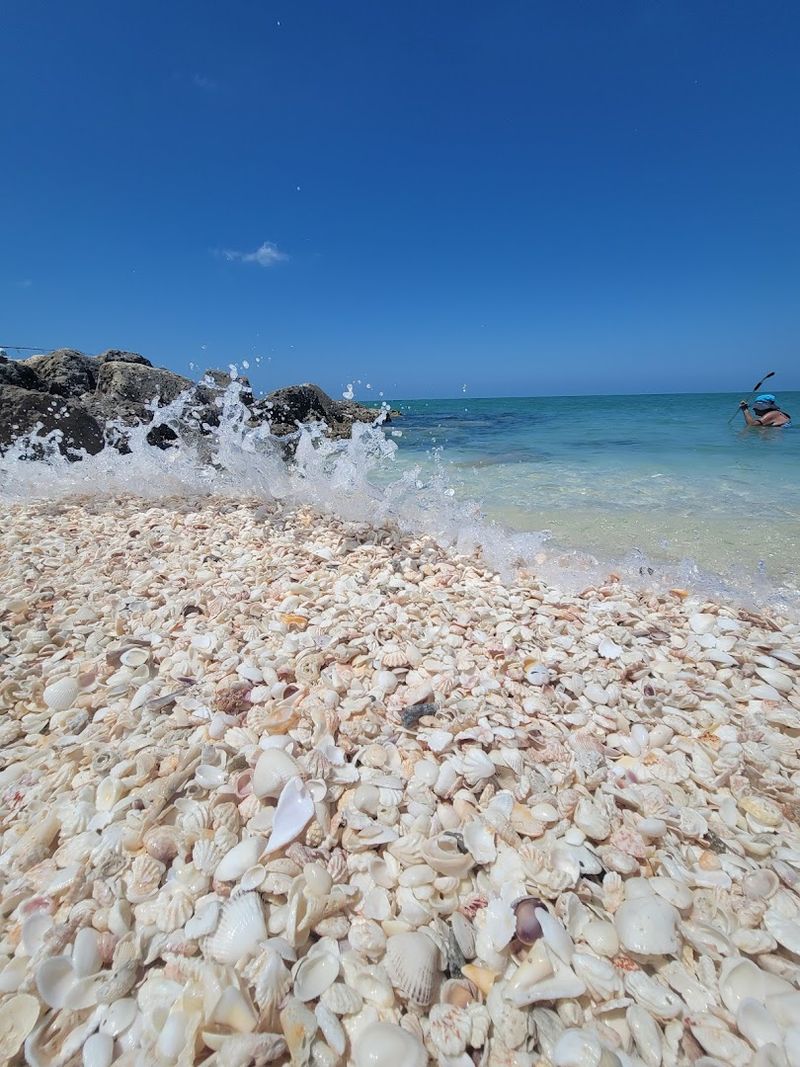
Shellers who like quick wins appreciate this compact stretch by the jetty. Wave energy concentrates material right where stairs meet sand, producing dense piles after brisk Gulf breezes.
Start at the obvious mound, but do not stop there. Fan outward to satellite patches where larger, less obvious pieces settle.
The sweet spot often shifts with tidal swings. Check both sides of the jetty for subtle lee zones that cradle heavier shells.
Use a shallow pan or hand scoop, swishing to float off sand and expose shapes. Tulips and olives hide under chunky scallops, so clear the top layer to reveal depth.
Late afternoon sessions shine when crowds thin and wind patterns shift. Keep a microfiber towel handy to dry hands and remove grit for better grip.
If the beach looks picked over, revisit the first pile after 20 minutes and you may find a fresh drift. Treat live shells kindly and return them promptly.
Tigertail Beach, Marco Island
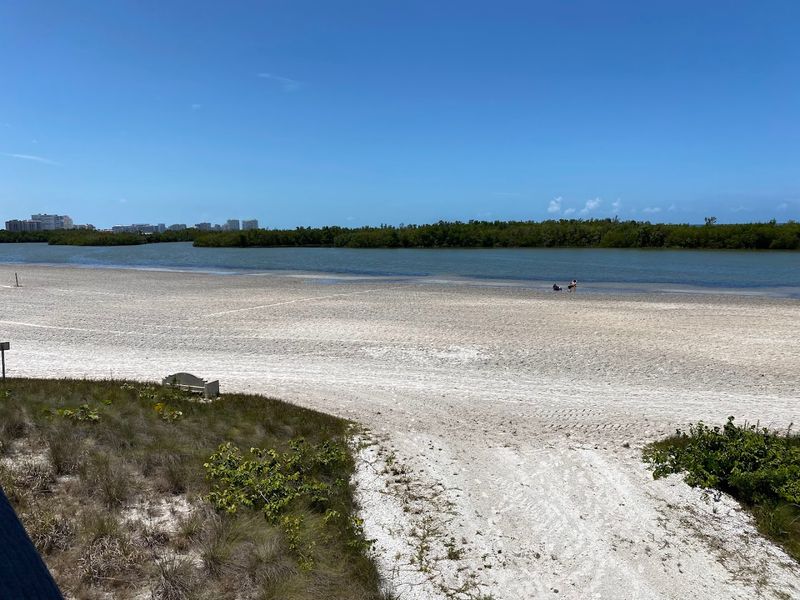
A shallow lagoon and a long sand spit turn this spot into a natural shell conveyor. Wade across at low tide to reach the outer Gulf side, where fresh lines form with every change in wind.
Sand dollars appear here, so handle gently and return live ones to the water.
Work the high and mid lines separately. The upper band traps lighter pieces like scallops and cockles, while the mid band hides meatier olives and tulips.
Carry a breathable bag and a small brush to whisk off sticky sand. Polarized lenses cut surface glare so you can read subtle color shifts.
Local timing matters. A stiff northwest breeze the day before often primes the spit with new deposits.
Walk farther than most beachgoers, then turn back slowly to scan from a different angle. If the lagoon crossing feels deep, take the long route around and treat it like bonus scouting time.
Keewaydin Island, Naples Marco
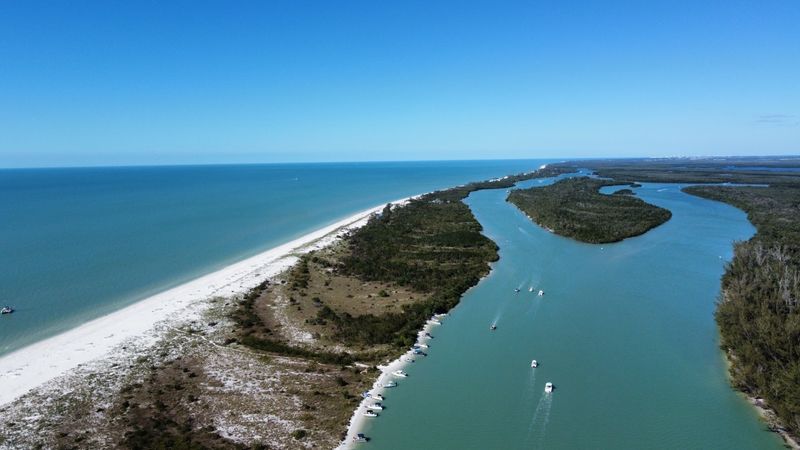
Boat access keeps this barrier island feeling wild, and the shells often show it. Arrange a water taxi or ride with friends, then target stretches away from drop off points.
The farther you walk, the bigger your odds of stumbling on oversized whelks and chunky conchs tucked behind dune toes.
Pack like a pro because services are limited. Bring extra water, reef safe sunscreen, and a collapsible bucket to protect fragile finds.
Work the slope at a slight angle, pausing where foam lingers longer than expected. Those micro stalls hint at subtle sand contours that collect weighty pieces.
Afternoons can be productive after boat wakes stir the nearshore. Scan for half buried spirals casting small shadows, and use fingers to gently tease them free.
Mark standout zones with driftwood so you can recheck after a fresh set rolls through. Leave no trace and savor the quiet that makes this shelling feel special.
Lovers Key State Park, Fort Myers Beach
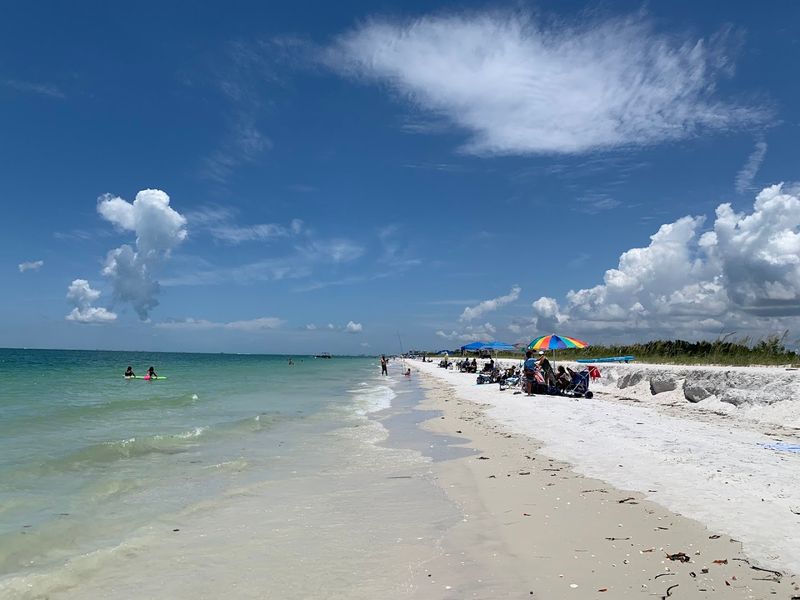
Protected parkland means fewer high rise shadows and more natural shell patterns. Tidal pools form around low tide and act like magnets for tiny jewels, from worm shells to augers.
Walk the back beach first for overlooked pieces, then return along the waterline to harvest recent arrivals.
Pay attention to sound as much as sight. That faint crunch underfoot signals a pocket worth a patient sort.
Use your non dominant hand to swirl water while the other plucks candidates, keeping movement gentle so fragile spirals do not fracture. A slim pouch at your hip speeds up stashing.
Wind direction drives your route choice. On a north breeze, start closer to the pass.
On a south breeze, push down the island and look for small points that create wind eddies. If you see ospreys fishing, you likely have the timing right for calm surface water and clearer shell reading.
Venice Beach, Venice
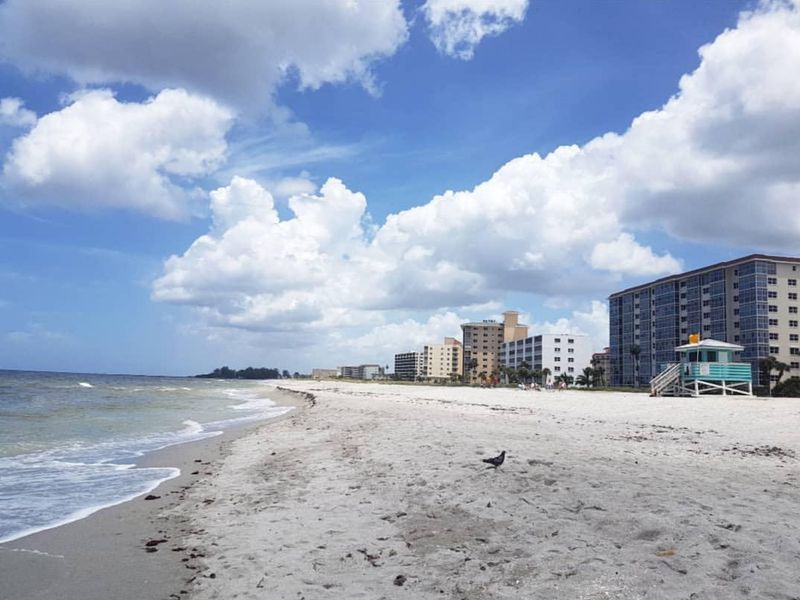
Fossil hunters flock here for shark teeth mixed into shell grit. Look for peppery black specks where waves tumble over coquina fragments.
A simple sand scoop or small sieve speeds the process, but you can also fan with your hands and let the heavier pieces settle into your palm.
Set up near the pier to start, then follow the darker ribbons of coarse material down the beach. Kneel at ankle depth and let each wave reset your sample.
Teeth range from tiny triangles to larger notched specimens, and the best color contrast happens when the sky is bright and water is clear.
Storms and dredging can shuffle supply, so be flexible. If one zone turns quiet, shift 50 yards and test again.
Store your finds in a hard case, not a soft pocket where edges can chip. Bonus tip for shellers, late season cold fronts often deliver scallops and olives alongside the fossils.
Caladesi Island State Park, Dunedin
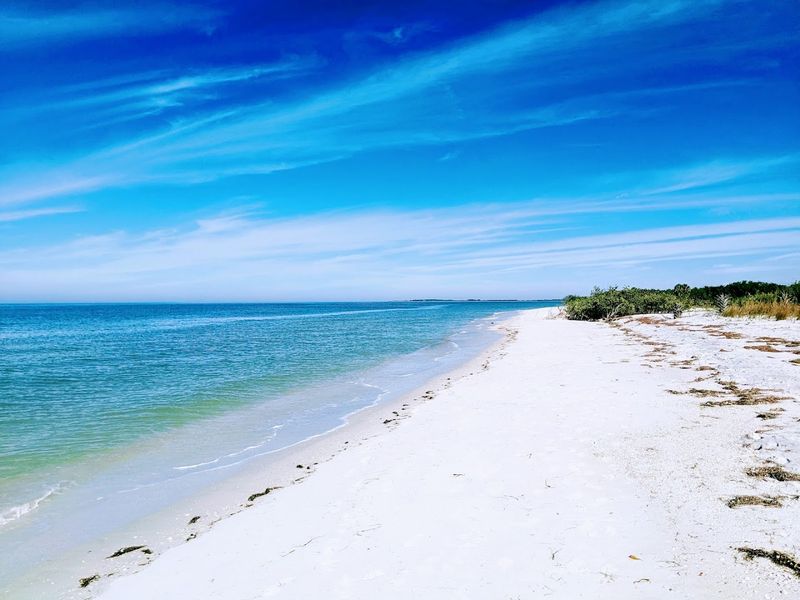
Ferry or kayak access keeps foot traffic light, which means more undisturbed shell lines. The north end often stacks with intact angel wings and olives tucked in pale ridges.
Walk slow, then stop completely for thirty seconds to reset your eyes. Details pop once your brain stops scanning too fast.
Use a small brush to clear sugar sand and spot hairline fractures before packing. Angel wings are delicate, so store them in a container padded with dry sea grass or a microfiber cloth.
Tides carve micro terraces here, and the second step down tends to hide the prime keepers after a breezy night.
Pack snacks and time your ferry back to allow a second pass. Afternoon light throws helpful shadows across subtle ripples, revealing shapes you missed at noon.
If you kayak, beach well past crowds and work back toward the pier for the freshest finds. Leave live shells and keep this gem thriving.
Honeymoon Island State Park, Dunedin
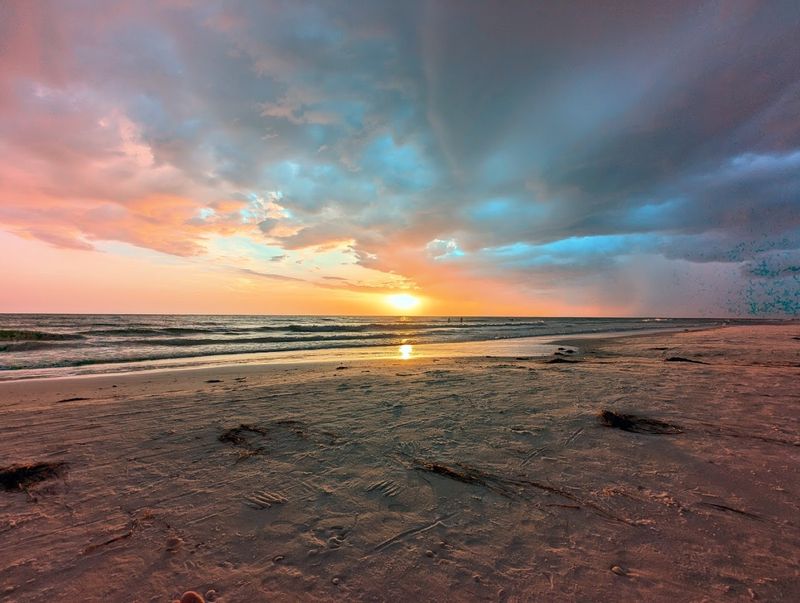
Rugged stretches make this park a magnet for mixed shell gravel. That texture is exactly where the good stuff hides.
Focus on pockets that look slightly darker than surrounding sand, then sift by hand and let seawater rinse away silt. Worm shells, scallops, and olives surface once the glare softens.
Walk a bit farther than most visitors and you gain quiet plus better deposits. The north beach is a dependable bet after a breezy northwest wind.
Work the backside edges of drift piles where heavier pieces stall. Keep a small first aid strip in your bag for surprise nicks from sharp coral bits.
Timing is forgiving, but low to mid tides expose more structure to read. Circle back over your starting zone before leaving because new sets refresh lines here steadily.
Secure fragile finds in a hard case and give your shoulders a break with a crossbody bag. You will leave satisfied and salty.
Fort De Soto Park, Pinellas County
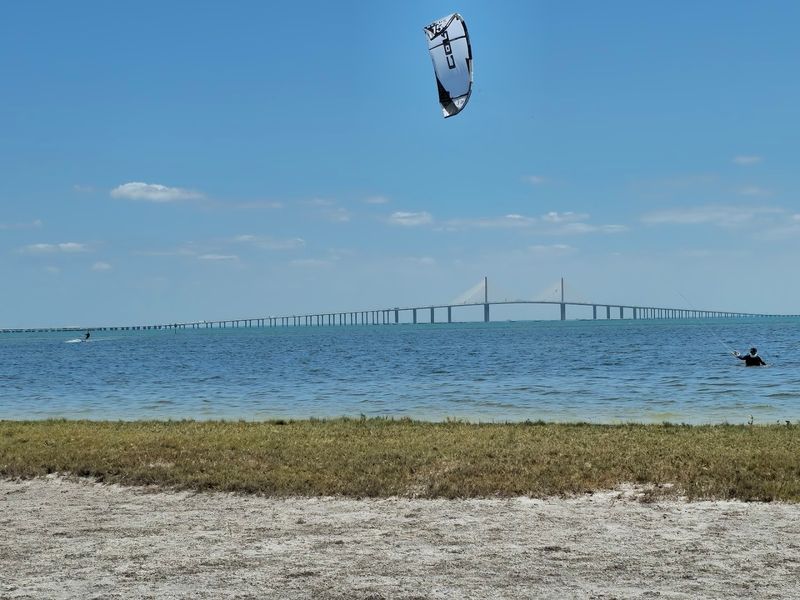
Expansive flats unfold at low tide, creating wide canvases where shells settle in zigzag seams. Start near the North Beach lagoon and pace slowly toward the pass.
Every few yards, kneel and skim a hand through the top inch of sand. The best pieces often sit just beneath that thin crust.
Watch for V shaped drifts pointing down current. Those arrows mark productive lanes, especially after a breezy day.
Sand dollars and olives are regulars, with occasional whelks after fronts. A lightweight scoop speeds sorting, and a clip on towel keeps hands dry for better feel and control.
When the tide turns, revisit earlier patches for second chances. Fresh wavelets shuffle and reveal items you missed on the first pass.
Keep wildlife in mind, since this is prime bird habitat. Pack out everything, including snack wrappers, and you will leave the park exactly as inviting as you found it.