

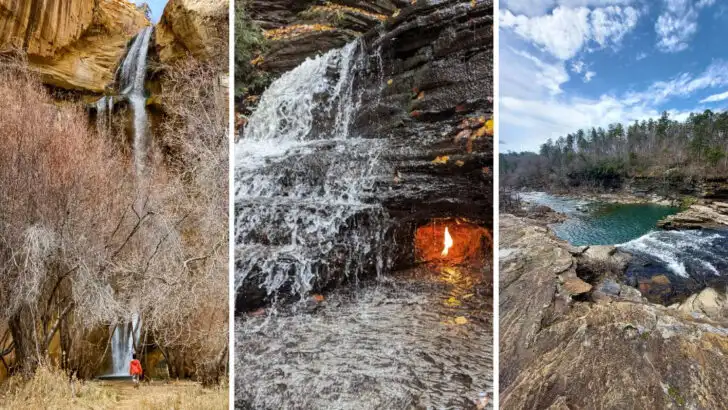
There is something magnetic about a trail that ends in thunder and mist. From coastal cascades to canyon plunges, every state hides at least one waterfall worth lacing up for.
This guide gives you the best hike-to waterfall in each state, with approachable details that help you time the light, find the viewpoint, and stay safe. Grab water, a map, and a sense of adventure, because these falls will make you want to keep hiking long after the spray dries.
Little River Falls — Fort Payne, Alabama
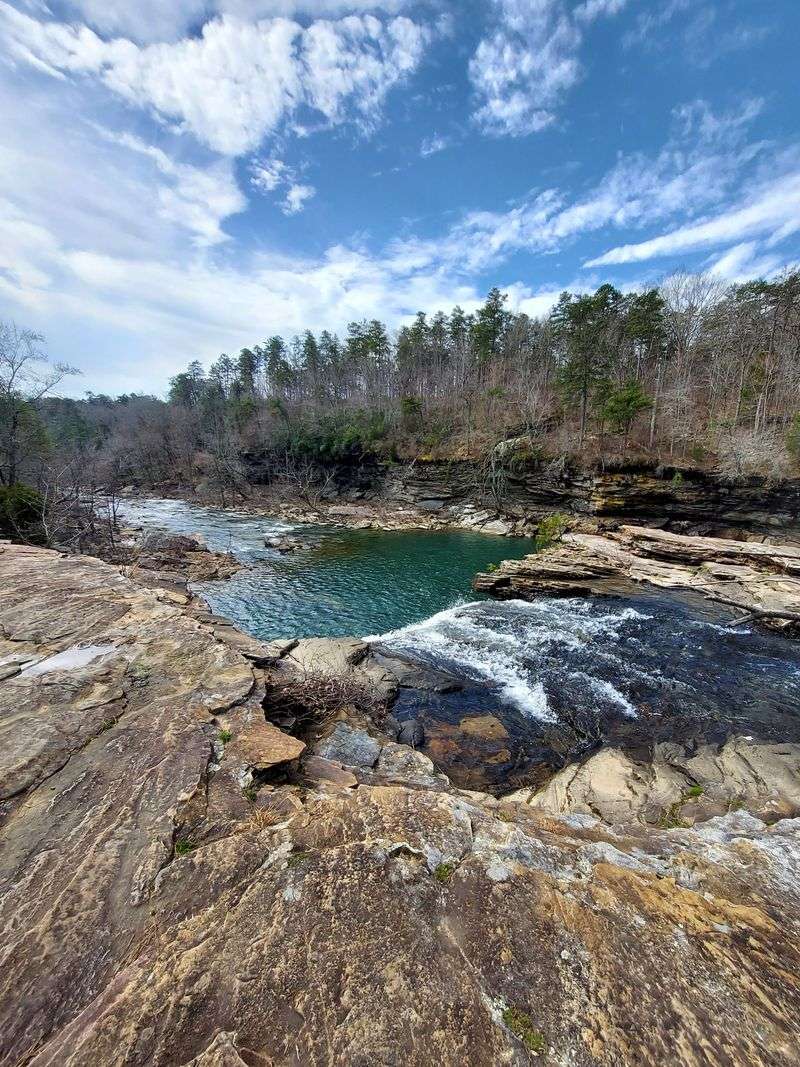
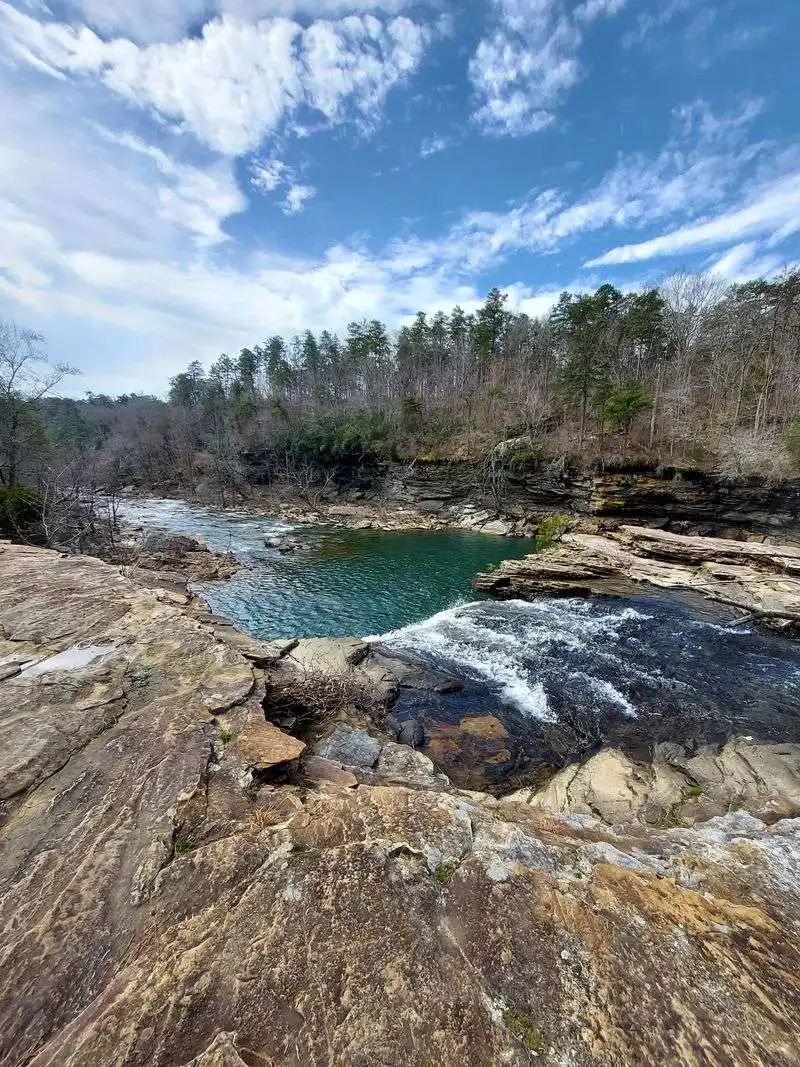
Little River Falls sits at the mouth of Little River Canyon, where the river slices across sandstone and drops into a sculpted basin. You can reach the main overlook via a short, family-friendly path with railings, making it one of Alabama’s most accessible big-water spectacles.
Visit after steady rain for the full-throated roar, or in late summer for transparent curtains over honey-colored rock.
Arrive early for parking and soft side light on the falls. The boardwalk guides you to a safe vantage, but you can also explore adjacent trails that reveal downstream rapids and canyon views.
Wear grippy shoes, because spray makes the stone slick, and keep a respectful distance from fast water.
Photographers love the leading lines of bedrock and the river’s S-curve as it funnels to the brink. Neutral density filters help blur the flow, while a polarizer cuts glare on the pool.
If you prefer snapshots, handheld shots work great near golden hour when contrast is gentle.
Pair your visit with a drive along the canyon rim to catch side overlooks and seasonal wildflowers. In winter, icy fringes add delicate lacework to the ledge.
You leave with ringing ears, damp sleeves, and a big grin that lingers for miles.
Horsetail Falls (Keystone Canyon) — Valdez, Alaska
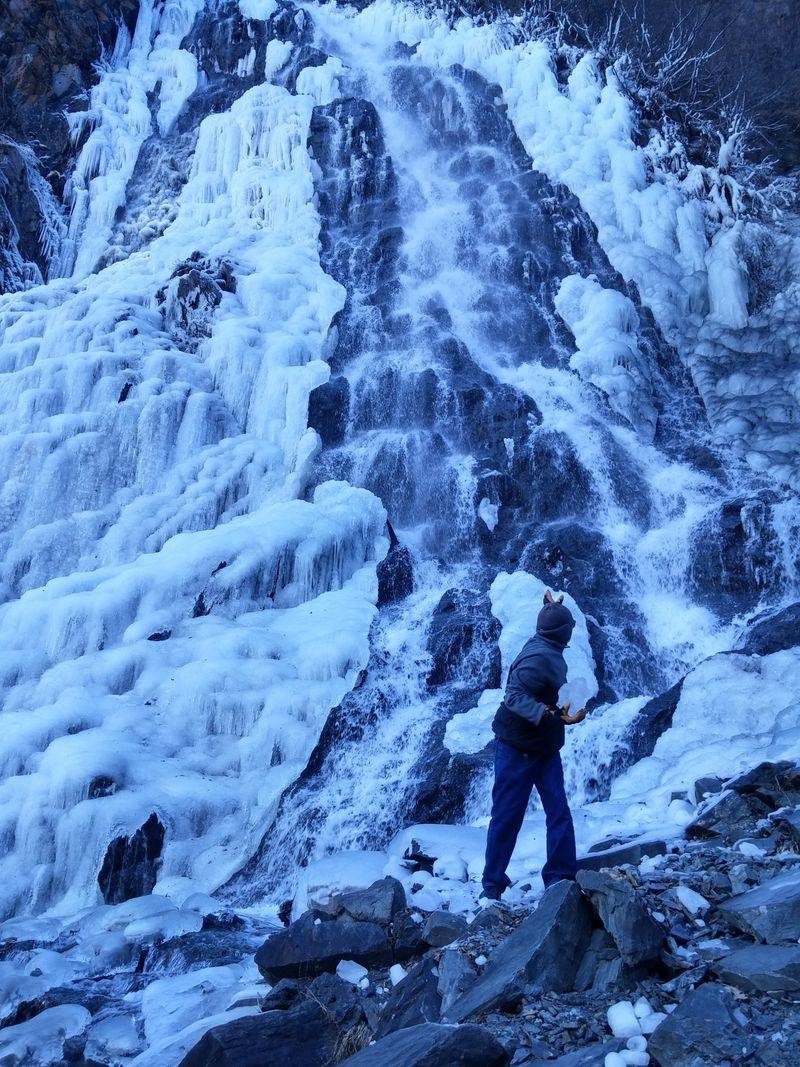
Keystone Canyon squeezes mountains and mist into a narrow corridor, and Horsetail Falls pours from its cliffs like silver threads. You will not hike far here, but short paths from roadside pullouts give better angles and a safe buffer from spray.
Spring snowmelt turns the chute into a living thunderhead, while autumn frames it with yellow cottonwoods.
Layer up even in summer, because Valdez weather flips quickly and canyon winds chill damp clothing. Non-slip shoes are helpful on wet gravel, and you will appreciate a rain shell to protect camera gear.
The roar and echo can make conversation tricky, so hand signals help near the brink-facing viewpoints.
For photos, try a mid-telephoto to compress cliff textures and a wide-angle to include the canyon’s ramparts. A polarizer tames glare off dark rock and intensifies green moss.
Sunrise sometimes paints the upper walls, but overcast days deliver silky exposures with even light.
Combine Horsetail with nearby Bridal Veil Falls for a two-for-one canyon tour. If energy allows, explore the Mineral Creek trails closer to town for more cascades and alpine views.
You leave Keystone Canyon humbled, damp, and convinced that Alaska turns water and stone into theater.
Havasu Falls — Supai, Arizona
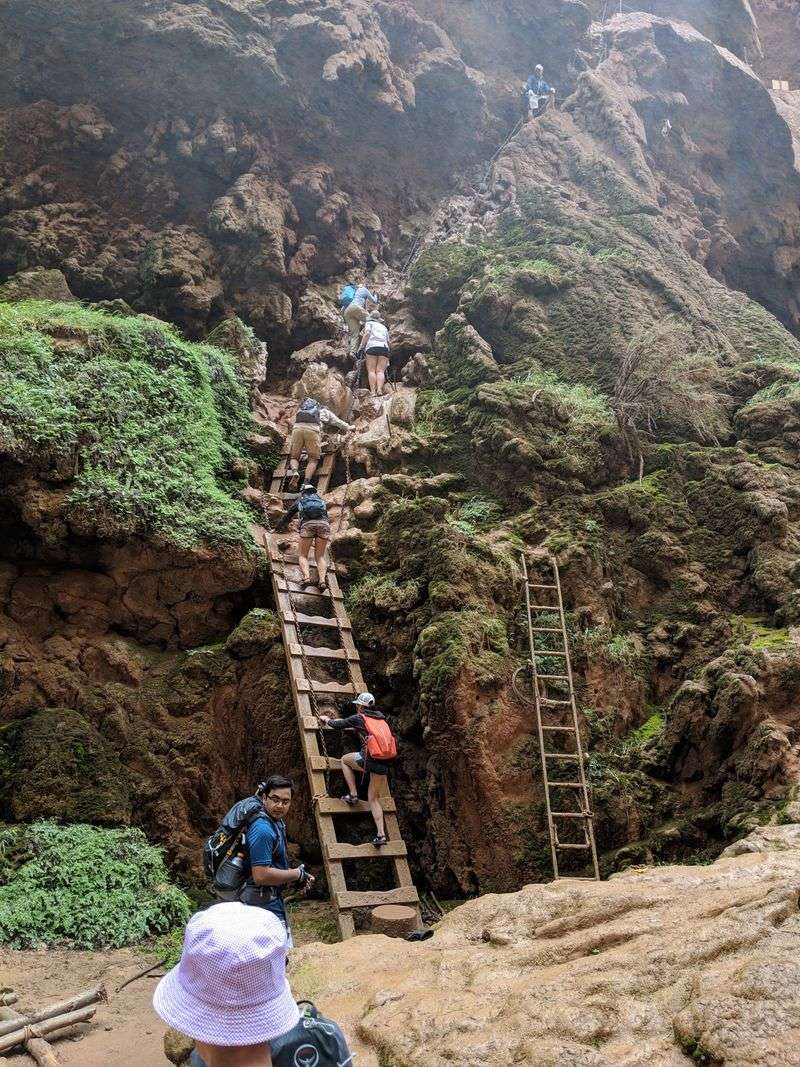
Havasu Falls is the desert dream, where Caribbean-blue water spills over rust-colored travertine into travertine pools. The trek requires advance permits through the Havasupai Tribe, plus a strenuous hike into the canyon.
Start early, travel light, and respect local regulations and sacred spaces throughout the journey.
Heat defines the experience, so plan cool-season trips or begin at dawn in warmer months. Electrolytes and sun protection are non-negotiable, and closed-toe shoes help on gravel and creek crossings.
The final approach reveals the falls through cottonwoods, and the turquoise water immediately steals your attention.
Photography thrives on contrast here: teal water against red walls is unbeatable. A polarizer deepens hues and lets you see travertine textures beneath the surface.
Golden hour sets the cliffs aglow, but bright overcast is excellent for silky water without harsh shadows.
Swim only where allowed and pack out every wrapper, because desert canyons are fragile. Consider adding Mooney and Beaver Falls if your itinerary permits, spacing visits to avoid crowds.
You leave tired, dusted with red grit, and grinning at the memory of cool spray in a sunlit canyon amphitheater.
Hemmed-In Hollow Falls — Ponca, Arkansas

Hemmed-In Hollow drops from an amphitheater of cream and rust sandstone, reputedly the tallest waterfall between the Rockies and Appalachians. The hike is steep and rugged, especially on the climb out, so pace yourself and bring plenty of water.
After rains, the fall transforms from a whisper into a resonant column that atomizes into cool mist.
Trailheads near Compton or the Ponca area lead you through classic Ozark forest, with dogwoods and redbuds in spring. Roots and leaves make footing slick, and creek crossings vary with recent weather.
Trekking poles lighten the strain on knees and add balance on the descent.
Photographers should bring a wide lens to capture the full 200-plus-foot drop and the cavernous overhang. A polarizer reveals rock tones and damp moss, while a microfiber cloth saves lenses from spray.
Midday overcast works beautifully because the bowl acts as a natural diffuser.
Consider combining your day with an elk-viewing detour in Boxley Valley at dawn or dusk. When water is low, the fall becomes a delicate veil that rewards patient composition.
You hike out tired but satisfied, with the sound of falling water echoing in memory long after the trailhead reappears.
Yosemite Falls — Yosemite Valley, California
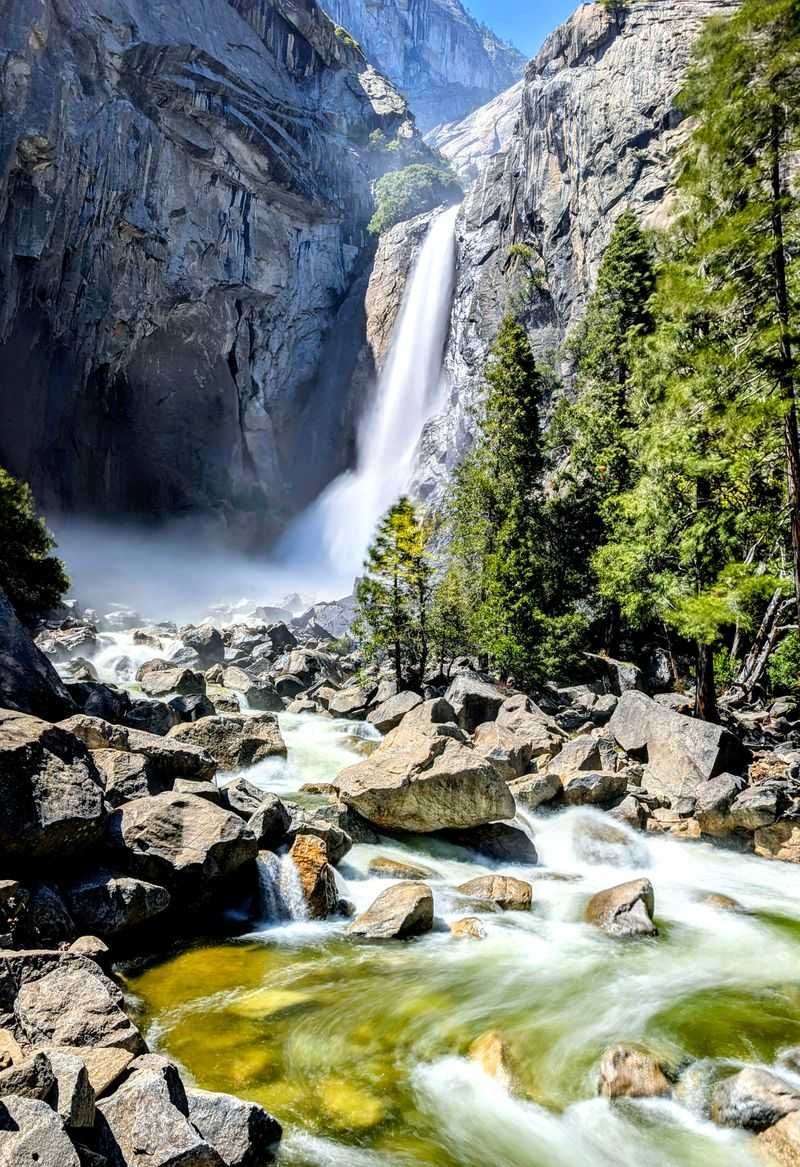
Yosemite Falls is a three-tier giant that commands the valley with thunder and drifting plumes. The Lower Yosemite Fall trail is a short, accessible loop to fantastic viewpoints, perfect when you want big payoff with minimal effort.
Late spring snowmelt brings deafening flow, while winter creates frosty halos and a frazil ice cone.
Start early for parking and soft light on the cliffs. If you want a challenge, the longer Yosemite Falls Trail climbs relentlessly to the rim, delivering balcony views you will never forget.
Carry layers because wind shifts spray unpredictably, and granite steps can be slick.
Photographers should bring both wide and telephoto lenses: wide for the amphitheater, tele for ribboning segments and rainbows. A polarizer helps with glare off wet rock, and a lens cloth is essential in the mist zone.
Overcast days produce even exposures and creamy water textures.
Pair your visit with adjacent valley icons like El Capitan Meadow or the Swinging Bridge for reflections. In evening, golden light kisses the upper lip while shadows cool the lower plunge.
You will leave with damp shoulders, tired calves, and a memory that keeps tugging you back to the Valley.
Bridal Veil Falls — Telluride, Colorado
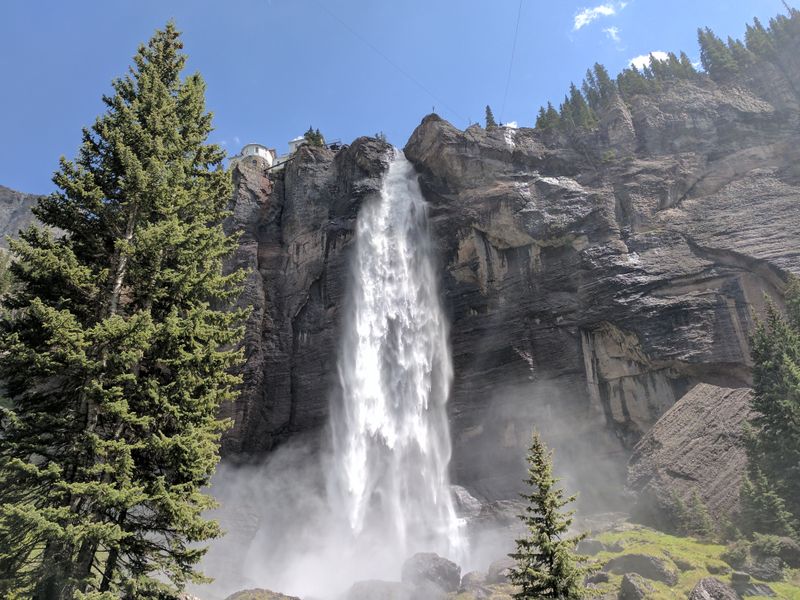
Telluride’s Bridal Veil Falls pours from a rugged box canyon beneath high peaks, adding drama to a town already wrapped in scenery. You will hike a moderate road-trail combo with steady gain, rewarded by spray and a view back toward Telluride.
Early summer brings snowmelt power; late summer reveals filigree streams and wildflower meadows.
Start from the lower gate and follow the gravel road or steeper singletrack shortcuts. Altitude makes breathing feel stout, so pace yourself and sip often.
Afternoon storms build quickly, and the cliff funnels wind, so a light shell is smart.
Photographically, a mid-tele compresses the fall and the historic generator building perched by the brink. A wide lens captures switchbacks, the canyon, and alpine walls.
Overcast softens contrast, while late-day light warms the cliff bands with copper tones.
If roads open, you can combine the falls with a loop into Bridal Veil Basin for lakes and lingering snowfields. Respect closures and signage near the powerhouse and cliff edges.
You leave with dust on your calves, a camera full of misty frames, and a fresh appreciation for San Juan grandeur.
Kent Falls — Kent, Connecticut
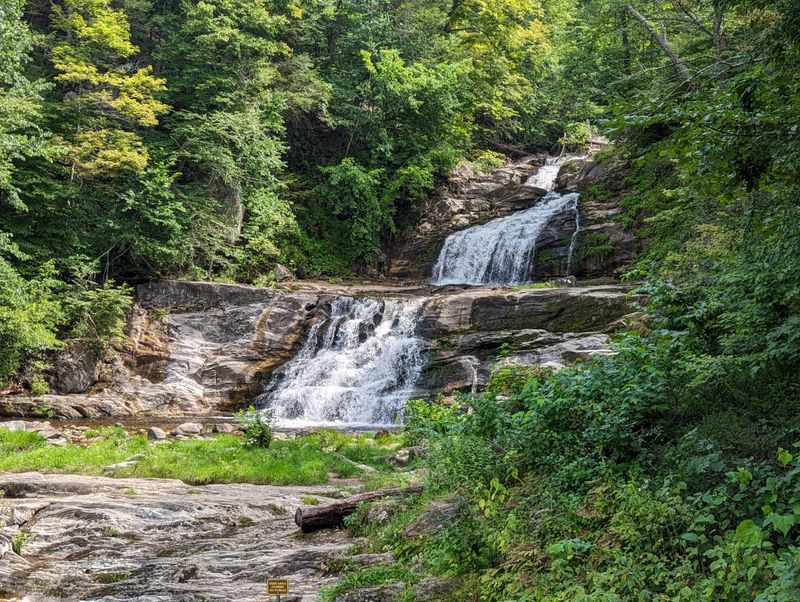
Kent Falls tumbles through stair-stepped ledges in a postcard New England setting. A short, steep path and wooden platforms trace the brook, letting you stop at multiple overlooks without committing to a long hike.
Spring snowmelt and post-rain surges give the cascades their most photogenic flow.
Arrive early on weekends to enjoy quiet bridges and easy parking. Shoes with traction help on damp timbers, and the hillside path gains more elevation than it first appears.
Picnic tables near the base invite a relaxed lunch, with the sound of water always in earshot.
For photos, bring a polarizer to tame glare on wet rock and enhance maple colors. A mid-morning visit often balances light across the ravine, while overcast creates soft water and saturated greens.
Compose from the footbridges or find side angles where the brook zigzags between boulders.
Pair the falls with antique browsing in the town of Kent or a longer hike on the Appalachian Trail nearby. In autumn, crimson and gold leaves drift in eddies for slow-shutter magic.
You leave refreshed, with a camera roll full of classic Connecticut textures and an easy smile that lasts all day.
Fall Brook at Brandywine Creek — Wilmington, Delaware
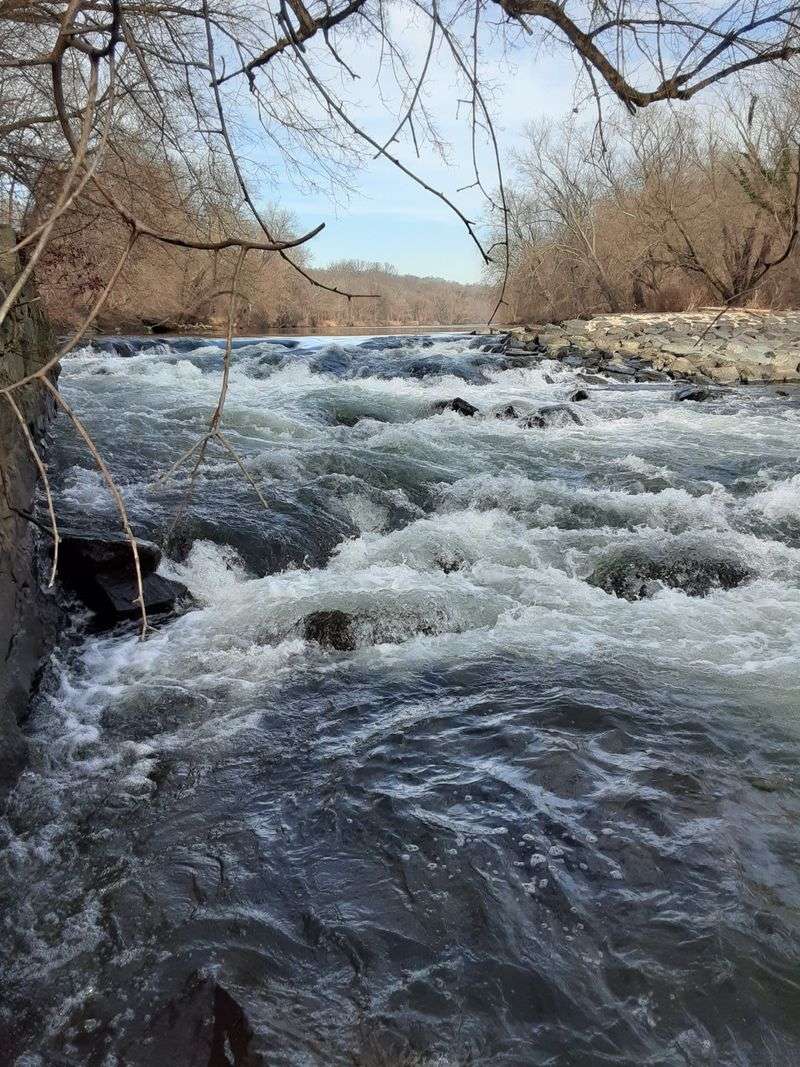
Delaware’s waterfall scene is subtle, and Fall Brook’s cascades in Brandywine Creek State Park deliver quiet charm instead of thunder. You reach them on gentle woodland trails that weave through rolling piedmont hills.
After rain, the brook chatters over mossy steps, creating perfect white-noise for an unhurried stroll.
Trail intersections are well marked, so bring a simple park map and wander loops that suit your time. Wear shoes with decent traction, because wet leaves turn the steeper bits slick.
The falls are modest in height, but pools and riffles invite close looks and low-angle compositions.
Photographers should pack a polarizer to deepen greens and cut glare on stream surfaces. Overcast or foggy mornings are ideal for silky water shots without blown highlights.
A lightweight tripod makes slower shutters easy, and a microfiber cloth keeps spray off your lens.
Combine your visit with the park’s meadows and stone walls for classic Mid-Atlantic scenes. Spring brings wildflowers and bright leaf-out, while fall adds copper and garnet foliage.
You leave without soaked boots or sore quads, just the grounded feeling that comes from water, woods, and an easy-going trail.
Falling Waters Falls — Chipley, Florida
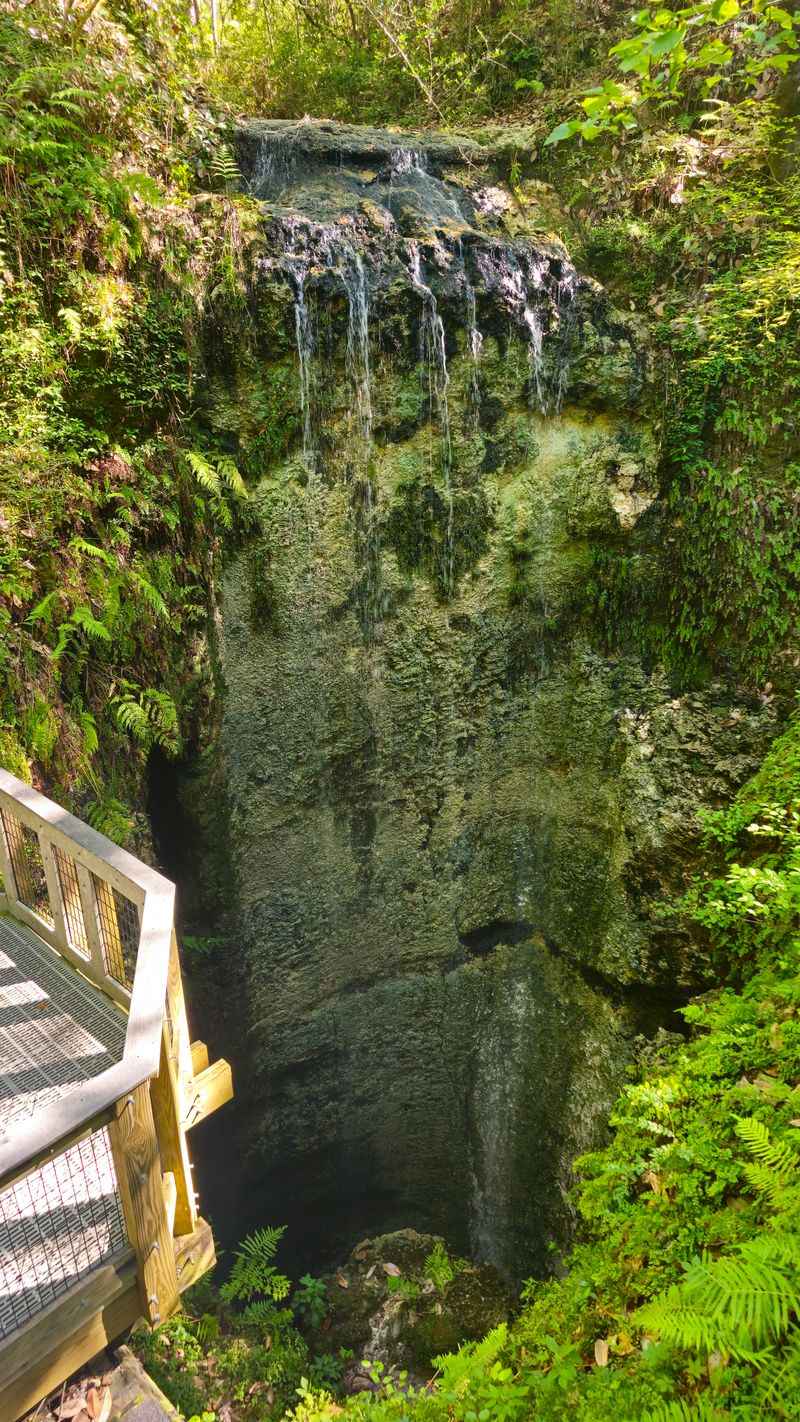
Falling Waters Falls plunges into a cylindrical sink, disappearing into Florida’s limestone beneath a canopy of longleaf pines. Boardwalks and a short trail guide you around the sink’s rim to safe platforms with dramatic downward views.
Flow depends heavily on rain, so aim for wetter months for the most satisfying plunge.
The loop is family-friendly, with interpretive signs about karst topography and the park’s unique geology. Wear breathable layers for humid conditions and bring bug spray when the air feels still.
The sink’s walls are lush with ferns and moss, making the scene feel almost tropical after storms.
For photos, a wide lens captures the cylindrical geometry and the waterfall’s vanishing point. Overcast reduces glare on wet limestone, while a polarizer helps with reflections on the pool far below.
A short shutter freezes individual strands, but slower speeds reveal a white ribbon spiraling into darkness.
Make time for the park’s additional sinkholes and the small lake for a picnic. Early or late visits sidestep heat and crowds, turning the boardwalk into a quiet perch.
You head out intrigued, having watched water disappear where the ground swallows sound and sight alike.
Amicalola Falls — Dawsonville, Georgia
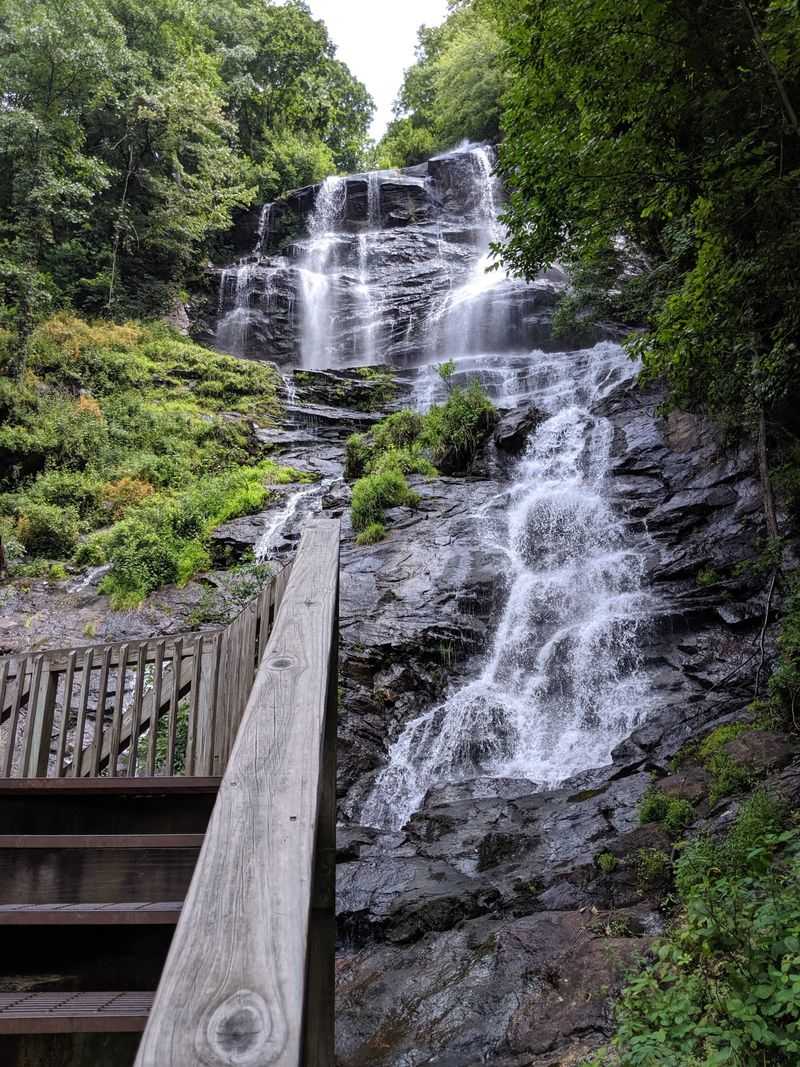
Amicalola Falls is a 729-foot cascade that steps down a mountainside through rhododendron and hardwoods. A network of trails and staircases lets you experience the falls from base to brink, choosing how much effort feels right.
The roar grows as you climb, and spray beads on railings and smiles alike.
Arrive early for parking and cooler air, especially on weekends. The stairs are sturdy but steep, so pace yourself and sip water often.
If you time it right, you can also catch Appalachian Trail hikers beginning their journeys nearby.
Photographers get variety here: tight compositions of chutes between boulders, or sweeping views from platforms. Overcast or golden hour brings the best color and detail, while a polarizer cuts glare on wet rock.
Expect to wipe your lens in mist zones and guard phones with a simple waterproof sleeve.
Round out the day with lodge overlooks and forest loops that quiet the mind after the climb. Spring blooms and fall color both shine against the whitewater.
You leave proud of the steps you climbed, with a pleasant burn in your calves and a reel of cascading images in your head.
ʻAkaka Falls — Honomū, Hawaii
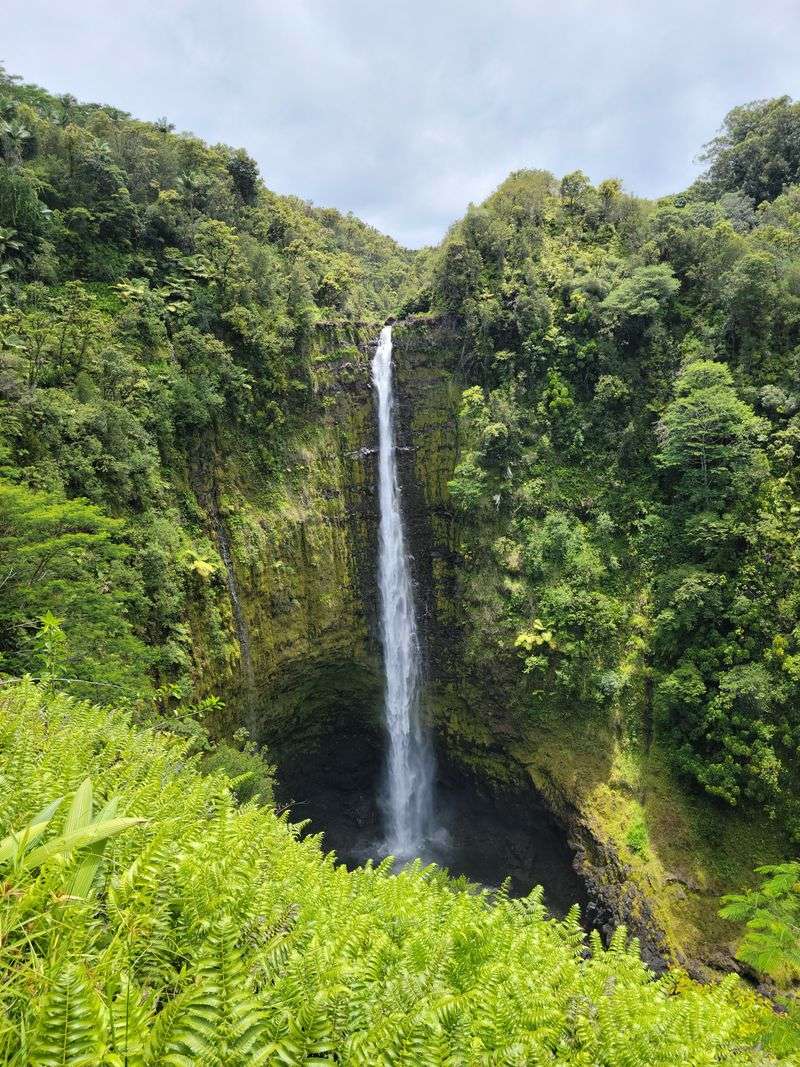
ʻAkaka Falls dives into a deep, fern-draped gorge on the windward side of the Big Island. A paved loop trail with railings makes the visit easy, though humidity and periodic showers are part of the experience.
The surrounding rainforest hums with birds and the scent of ginger, amplifying the waterfall’s voice.
Arrive early to beat the tour buses and find mellow light filtering through the canopy. Non-slip shoes help on damp concrete, and a light rain jacket earns its keep.
You will glimpse smaller Kahuna Falls along the loop, a bonus cascade framed by bamboo and heliconia.
Photographers should bring a wide lens to capture the full drop and amphitheater of green. Overcast is your friend here, giving rich color and manageable contrast.
A polarizer deepens foliage and controls reflections on the plunge pool far below.
Pair your stop with nearby Honomū treats and the scenic drive along the Hamakua Coast. After rain, the falls thunder; during drier spells, you get a graceful ribbon with delicate spray.
You leave refreshed, hair a little damp, ears ringing softly, and a grin that pops every time you hear running water.
Shoshone Falls — Twin Falls, Idaho
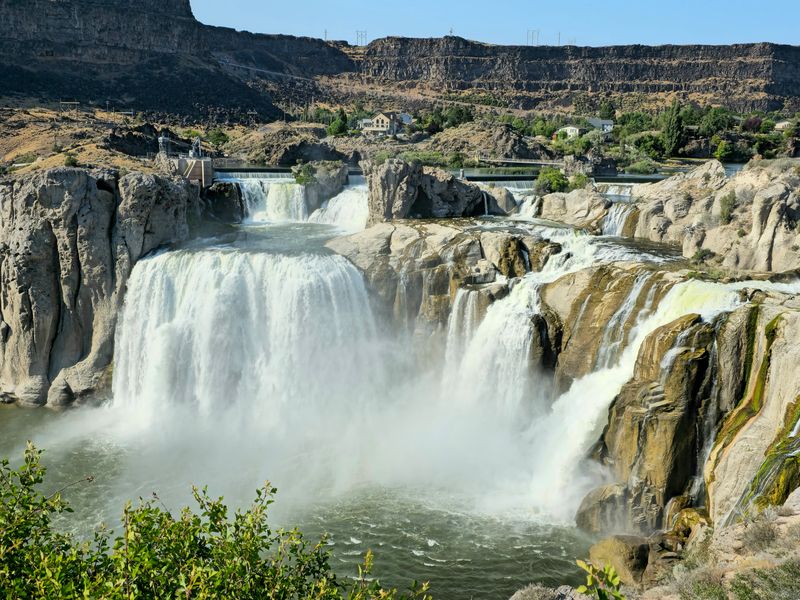
Shoshone Falls, sometimes called the Niagara of the West, pours over a broad basalt rim into the Snake River canyon. You reach excellent viewpoints by short walks from park lots, making it a big-water reward without a long hike.
Spring snowmelt creates the most dramatic curtains and frequent rainbows.
Expect spray and shifting winds at the overlooks, so bring a light shell and lens cloth. Crowds build quickly on weekends, and parking fills during peak flow, so aim for morning.
The roar is impressive enough to feel in your chest when conditions line up.
For photos, polarizers help manage glare and deepen sky tones over the canyon. Try a telephoto to isolate individual chutes and a wide angle for the amphitheater effect.
Late afternoon can backlight the mist into prismatic arcs worth waiting for.
Combine your stop with the nearby Perrine Bridge for base-jump watching and sweeping river views. Interpretive signs explain hydropower and seasonal flow patterns that shape the experience.
You leave with a memory of sunlight, mist on your cheeks, and the sense that rivers can reinvent themselves in a single drop.
LaSalle Canyon Falls — Utica, Illinois
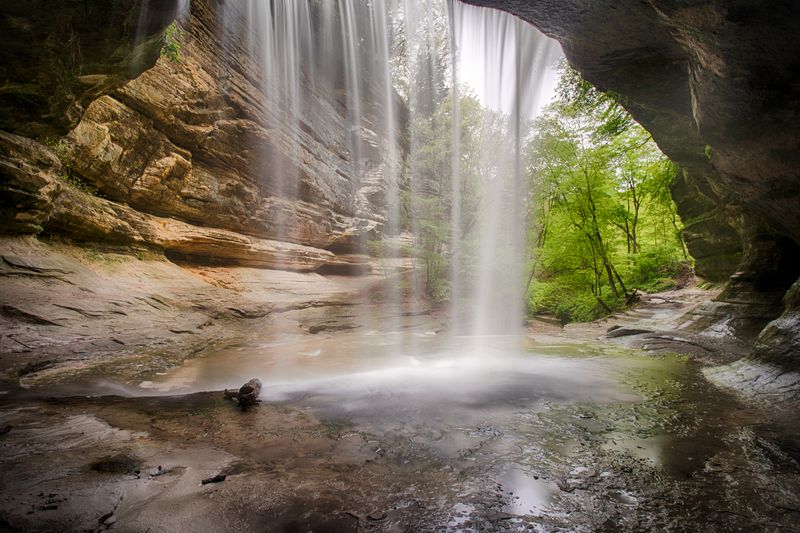
LaSalle Canyon hides behind a sandstone overhang where a thin veil drops into a shaded bowl. The hike from the visitor center winds through classic Starved Rock terrain with bluffs, steps, and bridges.
After rain or snowmelt, the falls shimmer; in winter, ice curtains create a cathedral-like hush.
Trails get muddy and slick, so wear sturdy shoes and watch edges near the canyon rim. Weekdays offer breathing room, while weekends can feel lively with fellow waterfall seekers.
Dogs are welcome on leash, and kids love the echo beneath the overhang.
Photographers should bring a wide lens for the rock shelter and a tripod for longer exposures. Overcast produces ideal tones on the sandstone’s subtle stripes, and a polarizer tames reflections on wet ledges.
Compose low with foreground stones for depth, or step back to frame the entire alcove.
Extend your day to nearby canyons like St. Louis, Tonti, or Wildcat for a greatest-hits loop. Spring wildflowers pop along the trail, and autumn paints the canopy gold.
You drive away a little muddy, pockets full of snack wrappers, and a set of images that feel carved by water and time.
Turkey Run Canyon Falls — Marshall, Indiana
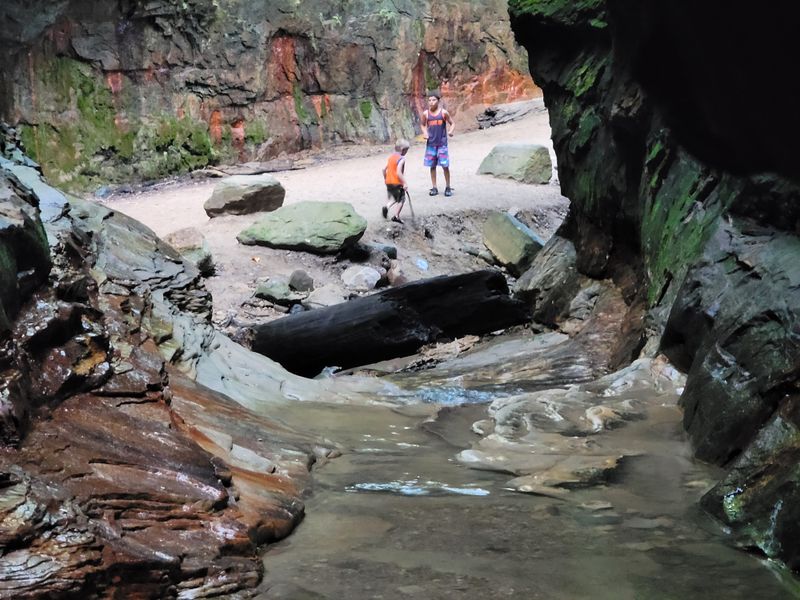
Turkey Run’s canyons funnel creeks into playful falls and slides, with ladder climbs and narrow corridors that feel adventurous without technical gear. Canyon 3 often hosts a photogenic cascade after rains, framed by sculpted sandstone.
The loop hikes mix creek-walking, bridges, and stairs, so expect wet feet and big smiles.
Choose routes according to water levels, and bring shoes that handle slick rock. Trekking poles help balance in chutes and on muddy inclines.
Summer brings crowds, while leaf-off seasons unveil more rock textures and long views through the ravines.
For photos, overcast or light rain can be perfect, saturating greens and removing harsh shadows. A polarizer controls reflections on water-slicked stone, and a small tripod fits on ledges.
Compose with leading lines of the stream and the canyon walls sweeping inward.
After your hike, explore suspension bridges and high trails for alternate angles on the park’s maze-like geology. Pack extra socks and a towel in the car, because inevitably you will step deeper than planned.
You leave with a kid-like sense of play, carrying a memory of laughter bouncing between canyon walls.
Dunning’s Spring Falls — Decorah, Iowa
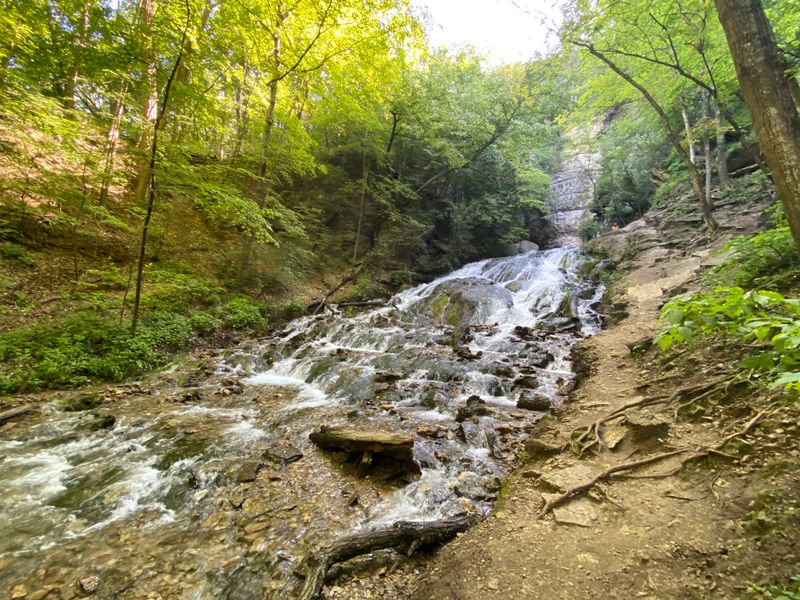
Dunning’s Spring bubbles from limestone and tumbles through a lush pocket park just minutes from downtown Decorah. A short trail and wooden stairs lead you alongside the cascades to shaded viewing spots.
In spring and after rain, the flow grows lively, threading over moss and tufa.
Because access is easy, it is perfect for a quick nature break or a family stroll. Non-slip shoes help on damp timbers, and a light jacket is handy near the cool spring air.
Combine with nearby Ice Cave Road for a double-feature of local geology.
Photographers will enjoy low perspectives by the brook with a wide lens, plus close-ups of mossy textures. Overcast days give gentle light, while morning adds sparkle through leaves.
A polarizer deepens greens and reduces glare on the clear water.
Wrap your visit with coffee in town or a ride on the Trout Run Trail if you brought a bike. The soundtrack of water and birdsong resets your mood in under an hour.
You leave refreshed, slightly misted, and surprised such a photogenic waterfall hides so close to Main Street.
Geary Lake Falls — Milford, Kansas
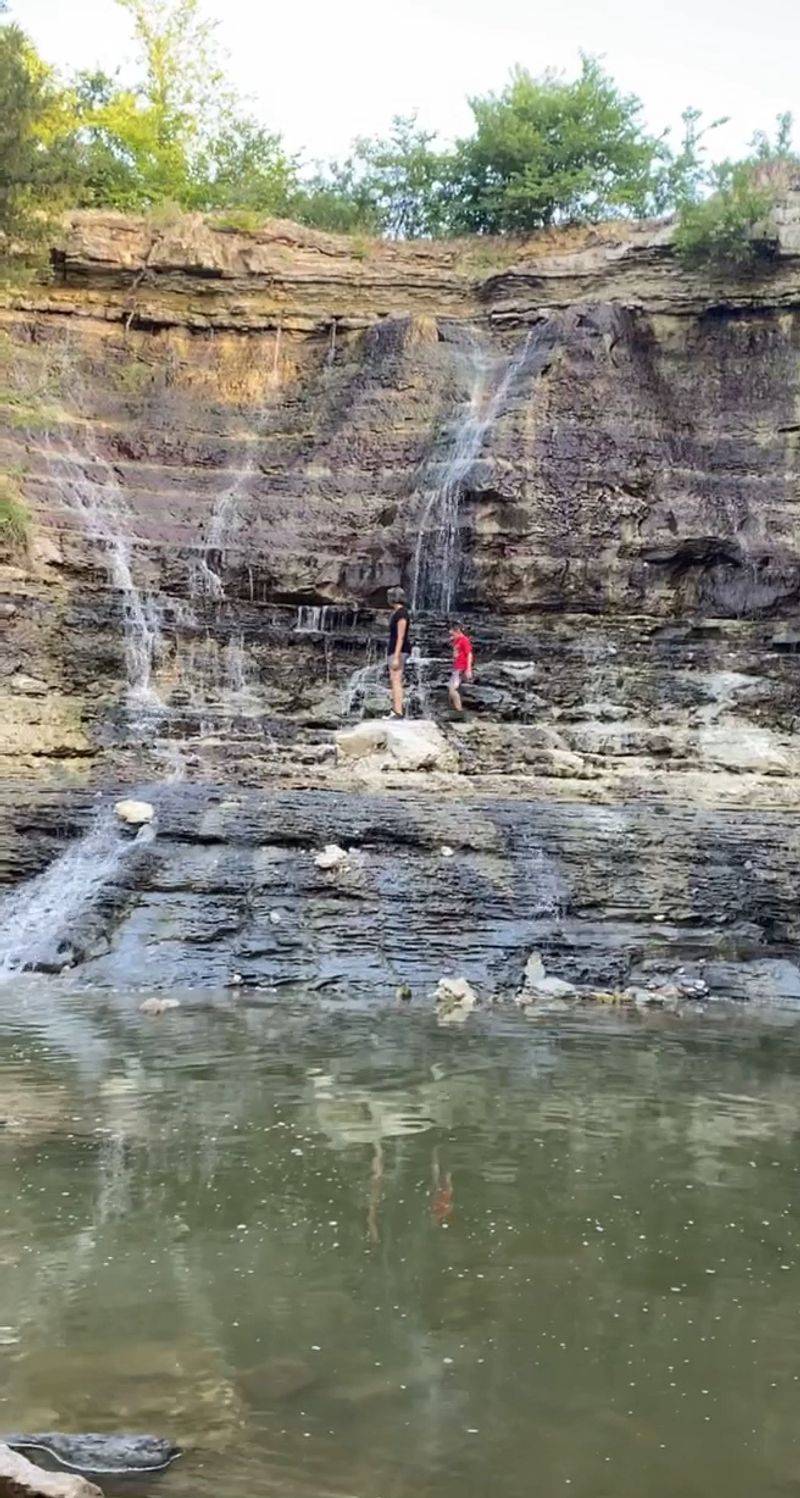
Geary Lake Falls appears seasonally when spillway releases or rains push water over a clean limestone lip. The approach is short and mostly flat, making it an easy Kansas waterfall outing with a big visual payoff when running.
In dry spells, you may find only a trickle, so timing matters.
Check recent rainfall and local reports before you go, and bring sturdy shoes for uneven rock near the pool. Wind can whip through the open terrain, so a light shell and hat help.
The prairie setting gives huge skies that change the mood by the minute.
For photos, aim for late afternoon to warm the cliff and produce reflections on calm water. A polarizer helps control glare and show limestone textures beneath the surface.
Long exposures turn the fall into a silky ribbon that contrasts nicely with angular rock layers.
Pair your visit with Milford State Park for wildlife watching and lake views. Keep an eye out for mud near the spillway and avoid slick edges.
You leave satisfied, having coaxed a dramatic scene from the right day and the right water level on the prairie.
Cumberland Falls — Corbin, Kentucky
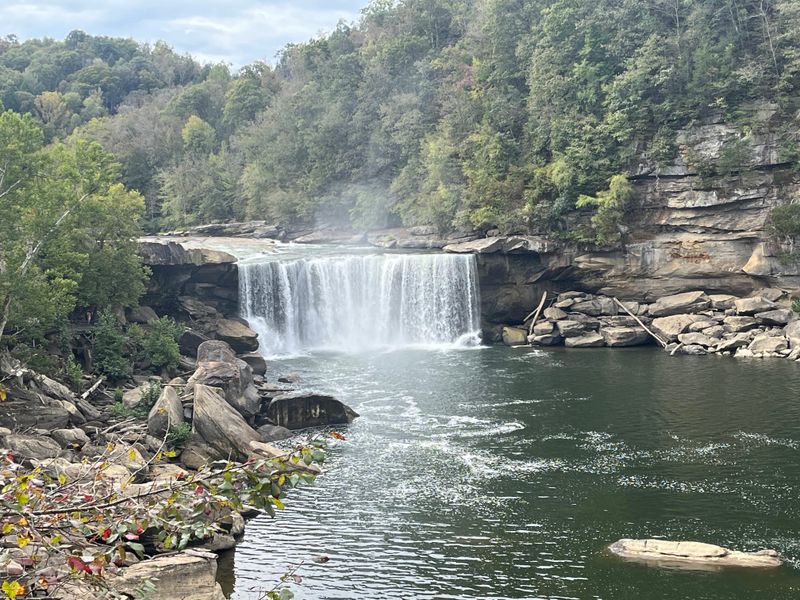
Cumberland Falls sprawls across the Cumberland River, famous for rainbows by day and moonbows on certain full-moon nights. Short paths lead to multiple overlooks, giving you plenty of ways to experience the power without a long hike.
The roar, the spray, and the gorge’s echo turn a simple walk into a full-sensory stop.
Check the park’s moonbow calendar if that spectacle is on your list. Non-slip shoes and a light rain shell are handy, especially when wind shifts spray toward the platforms.
Crowds gather at prime times, so arrive early or linger late for space.
Photographers should bring both wide and telephoto lenses, plus a polarizer to cut glare on dark water. For moonbows, mount a tripod, set a higher ISO, and compose where mist drifts through moonlight.
Daylight hours reward with saturated forest hues and textured curtains of white.
Extend your visit with trails along the gorge, or rent a cabin for slow mornings near the river. Seasonal flows change the mood from hushed to thunderous.
You drive away still feeling vibration in your ribs and plotting a return when the moon and mist align.
Kisatchie Bayou Cascades — Kisatchie National Forest, Louisiana
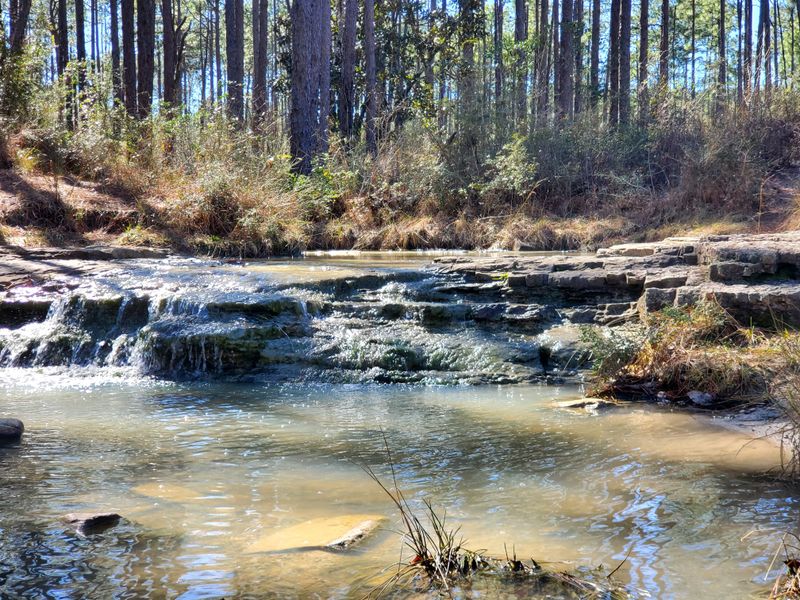
Louisiana’s best hike-to water features are low, musical cascades, and Kisatchie Bayou delivers with sandstone shelves and tea-colored flow. Trails along the bayou meander through longleaf pine and wiregrass, giving you views of riffles and mini-falls.
The sound is a steady hush rather than a roar, perfect for an unhurried afternoon.
Expect sandy footing and occasional roots, so wear shoes that handle mixed terrain. Summer heat demands water and a hat, while shoulder seasons feel wonderfully mild.
After storms, the bayou livens up, sliding over ledges in caramel swirls.
For photos, a polarizer pulls detail from the tannin-stained water and deepens evergreen hues. A small tripod makes slow-shutter shots easy, turning the stream into silky ribbons across golden rock.
Side light near sunrise or sunset adds texture to the stone shelves.
Combine your visit with nearby vistas on the Longleaf Vista Trail for big-sky views. You leave without ringing ears, but with shoulders dropped and a calmer pace.
This is the kind of place where you sit on warm stone, watch bubbles drift, and forget the clock entirely.
Moxie Falls — The Forks, Maine
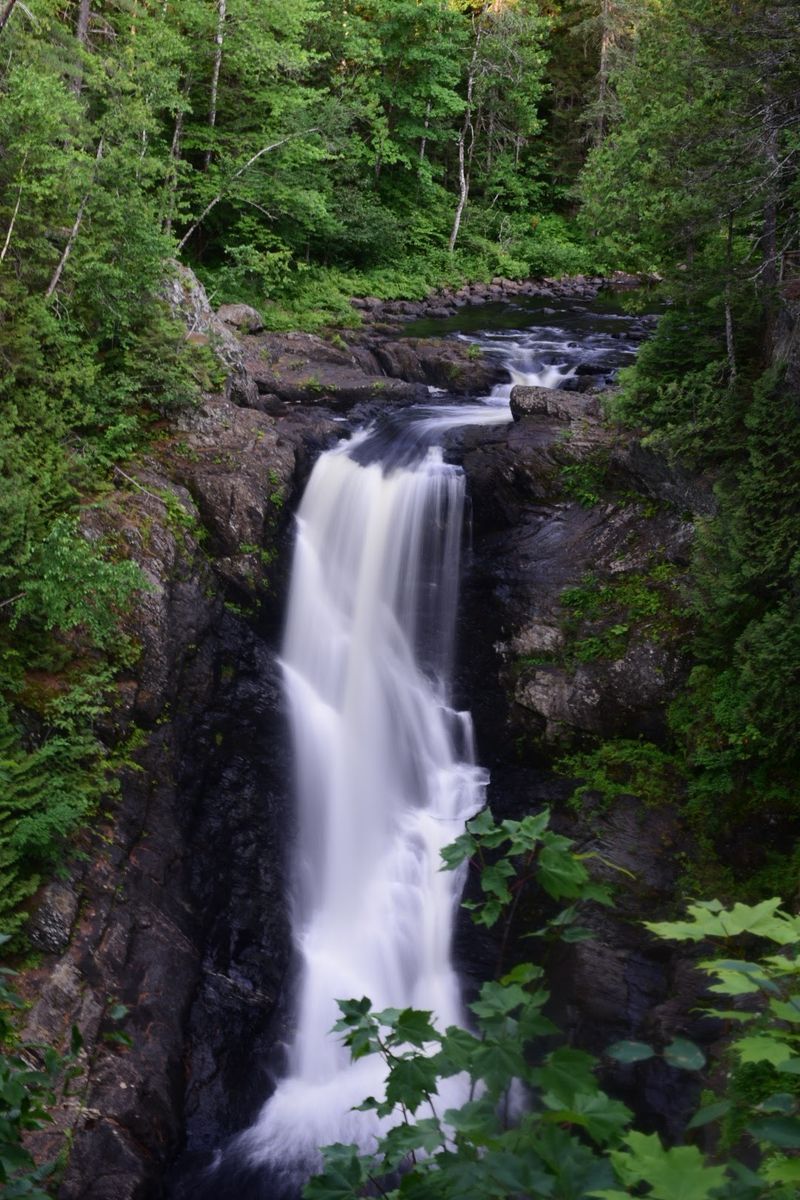
Moxie Falls drops boldly into a dark, inviting pool, one of Maine’s tallest accessible falls. The hike is moderate and well marked, with boardwalks and platforms that keep you off muddy stretches.
Cool air pools in the gorge, delivering a refreshing shock on humid summer days.
Start early for parking and solitary views, or arrive late to catch slanting light under the canopy. Black flies can be fierce in spring, so bring repellent and consider a head net.
The platforms offer multiple angles, and side paths (stay on trail) frame the plunge between spruces.
Photographers should pack a polarizer to manage glare and enrich greens. A mid-telephoto isolates the main chute, while a wide lens captures the amphitheater and downstream boulders.
Overcast or fog lends mood and softens dynamic range for silky exposures.
Round out your trip with rafting on the Kennebec or Dead River if you crave more water energy. In fall, the forest ignites, and the waterfall becomes a white brushstroke through color.
You leave with chilled fingers, a memory card full of mist, and a new favorite Maine trail.
Muddy Creek Falls — Oakland, Maryland
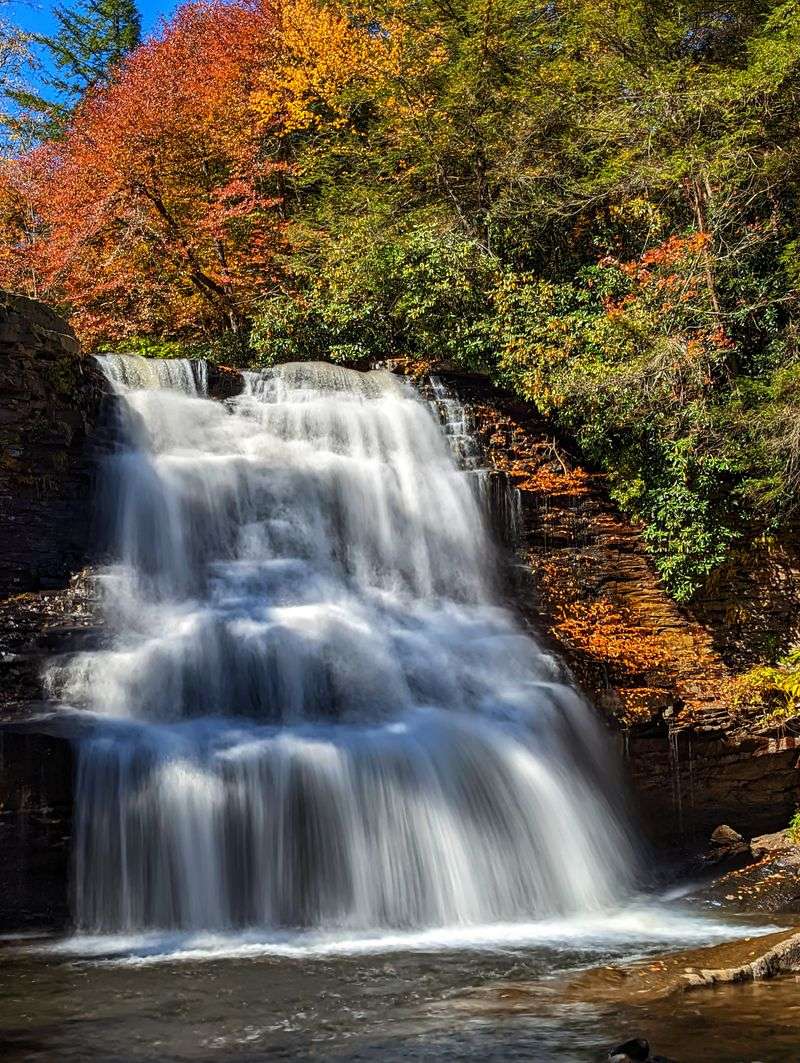
Muddy Creek Falls thunders through a hemlock cathedral at Swallow Falls State Park. Short, well-maintained trails and boardwalks make the viewpoints accessible, with extra loops to smaller cascades along the Youghiogheny.
After rain or spring melt, the main drop flexes with muscular flow and cold spray.
Arrive early, especially on summer weekends, to secure parking and quiet. Non-slip footwear is smart on damp decking and rock.
The gorge stays cool, so pack an extra layer even when the forecast looks warm.
Photographers benefit from a polarizer to cut glare and deepen forest tones. Try both wide shots to include hemlocks and tighter frames to emphasize texture in the water’s plunge.
Overcast is perfect, giving rich color and manageable contrast between white water and dark rock.
Extend your walk to Tolliver Falls and the river’s boulder-strewn banks for variety. In winter, icy fringes lace the ledges into delicate patterns that reward careful footing.
You leave with cheeks pink from mist and the sense that Maryland’s mountains hide more power than you expected.
Bash Bish Falls — Mount Washington, Massachusetts
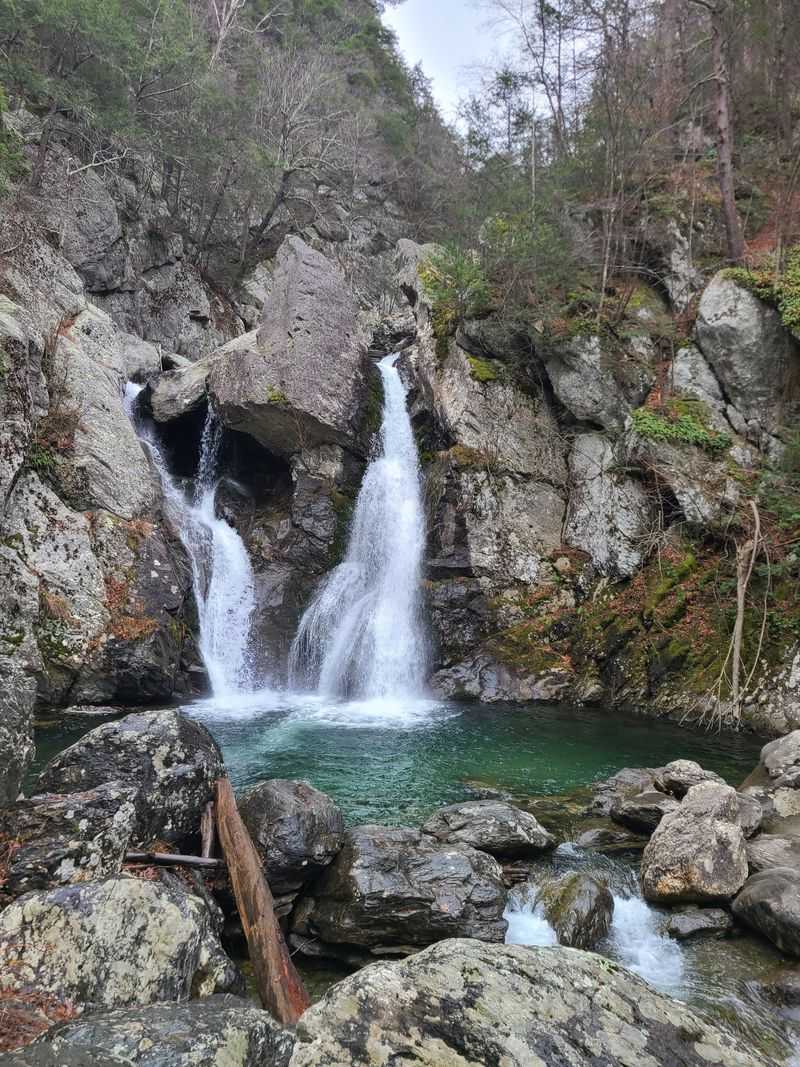
Bash Bish Falls is a dramatic twin cascade plunging into a dark pool within a rocky gorge. Trails from Massachusetts and New York converge near the base, giving you options for approach and parking.
The final stretch is steep with stairs and boulders, so wear shoes with bite.
Swimming is prohibited for safety, and rangers enforce rules to protect visitors and the fragile site. Arrive early to avoid crowds and give yourself space to linger at overlooks.
Spring and after heavy rain bring the most satisfying flow, while fall adds fiery leaves to the scene.
Photographers will love low perspectives with boulders leading toward the falls. A polarizer cuts glare on the pool and reveals blue-green tones beneath the surface.
Overcast makes exposure easier, preserving detail in both white water and shadowy rock.
Combine your hike with Taconic vistas nearby for a full day of mountain air. Pack layers, snacks, and patience, because the gorge invites time to absorb.
You leave with calf muscles pleasantly used and a mental snapshot of white water stitched into granite.
Tahquamenon Falls — Paradise, Michigan
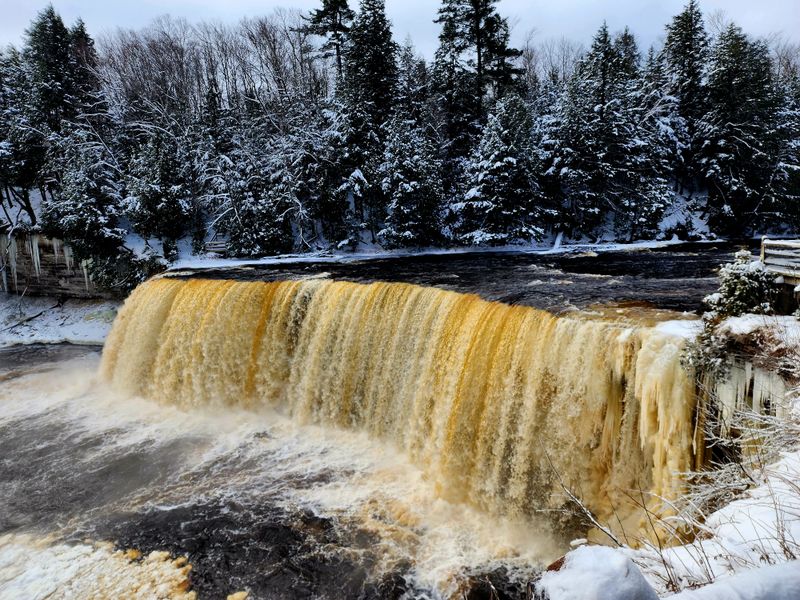
Tahquamenon Falls carries tea-colored water over a broad lip, staining the river warm amber from cedar swamps upstream. Boardwalks and trails lead to multiple viewpoints at the Upper and Lower Falls, giving you a choose-your-own-adventure day.
The roar, the mist, and the forest’s resin-scented air make every step worth it.
Arrive early or in shoulder seasons to avoid peak crowds, especially during fall color. Non-slip shoes handle damp stairs and platforms, and a light layer helps near the spray.
Winter visits reveal ice formations sculpted by wind and cold, transforming the scene entirely.
Photographers should bring a polarizer to control glare and deepen sky and foliage tones. Try wide shots at the Upper Falls for power and telephoto at the Lower Falls to isolate channels and islands.
Overcast gives ideal softness, while golden hour warms the tannin-rich flow beautifully.
Cap your day with a bowl of chili from the nearby brewery or a quiet walk along the river between the falls. The Upper Peninsula rewards lingerers, not rushers.
You leave with cheeks flushed, memory cards full, and the smell of pine clinging to your jacket.
Minneopa Falls — Mankato, Minnesota
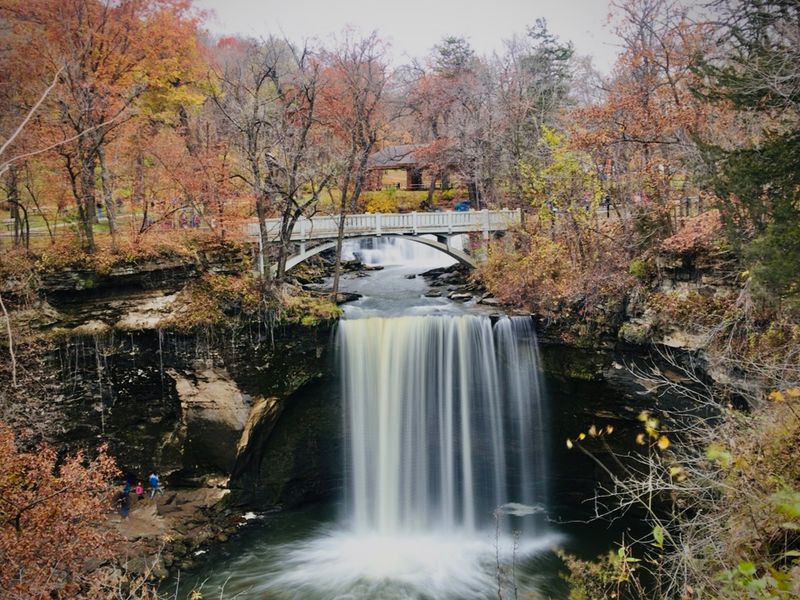
Minneopa Falls splits into an upper and lower drop, linked by paths and a picturesque stone bridge. The approach is short, making it an easy add to any Mankato itinerary.
After rain, the lower falls becomes a strong curtain, while drier spells reveal delicate veils against limestone.
Start at the main lot and follow signs to overlooks and the gorge path. Stairs can be damp, and spray drifts unpredictably, so mind your footing.
The park’s bison range nearby is a fun detour, adding prairie grandeur to your waterfall day.
Photographers should pack a polarizer to tame reflections and deepen greens. Compose from the bridge for symmetry, then drop lower to frame rock layers and the plunge.
Overcast conditions are ideal for long exposures without blown highlights.
Round out the visit with a picnic and time on prairie trails that catch wide skies. Spring wildflowers and fall color both elevate the scene, each changing the mood of the gorge.
You leave content, with a gentle roar in your ears and a camera roll that feels wonderfully Minnesotan.
Clark Creek Cascades — Woodville, Mississippi
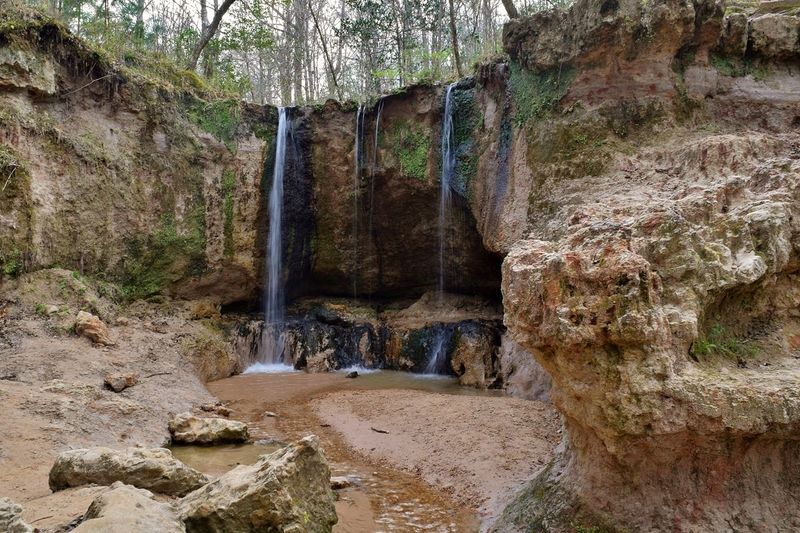
Clark Creek’s natural area hides dozens of small waterfalls and slides, a Southern surprise of cool ravines and steady burble. Trails are hilly and sometimes rooty, with wooden stairs that make the steeps manageable.
After rain, clay banks glow red and the stream quickens into lively curtains and chutes.
Bring extra water and accept that humidity is part of the experience. Grippy shoes help on slippery clay and wet logs, and trekking poles add confidence on descents.
Trail maps at the kiosk guide you among signed cascades tucked into side ravines.
For photos, a polarizer deepens greens and reveals color in the clay and sandstone. Overcast is ideal, and a small tripod helps smooth the water into silky ribbons.
Compose with ferns, mossy logs, and staircases to show scale in the steep hollows.
Give yourself time to linger at multiple falls rather than chasing a single showstopper. The joy here is accumulation: echoing water, cool air, and shadowed turns.
You leave muddy and happy, a little lighter for having traded heat and noise for shade and moving water.
Johnson’s Shut-Ins — Middle Brook, Missouri
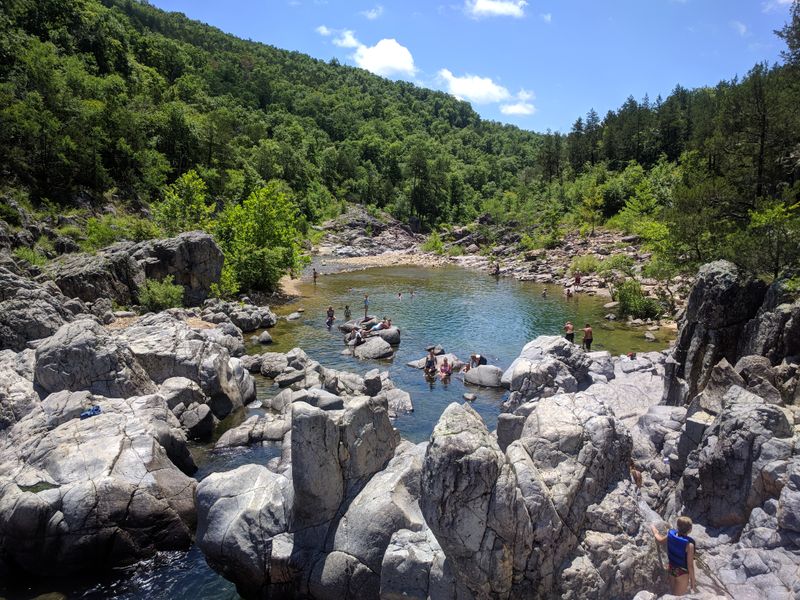
The Black River squeezes through volcanic rhyolite at Johnson’s Shut-Ins, creating slides, chutes, and playful falls. Boardwalks and short trails deliver safe overlooks, while designated areas allow seasonal swimming when conditions permit.
The geology steals the show, with purple and gray rock sculpted into channels and potholes.
Arrive early in summer to beat heat and crowds. Water shoes with grip are smart if you plan to wade, and a dry bag keeps phones safe.
Water levels and closures vary, so check park updates before jumping in.
For photos, a polarizer cuts surface glare and reveals green-blue tones in calm pockets. Early or late light rakes across the rock, adding texture to channels and ledges.
Long exposures turn the chutes into silky ribbons weaving among angular stone.
Pair the shut-ins with a hike to the scenic overlook for a big-picture view of the river corridor. Respect posted signs and keep an eye on kids near strong currents.
You leave sun-warmed and grinning, convinced rivers can be both sculptor and playground.
Kootenai Falls — Libby, Montana
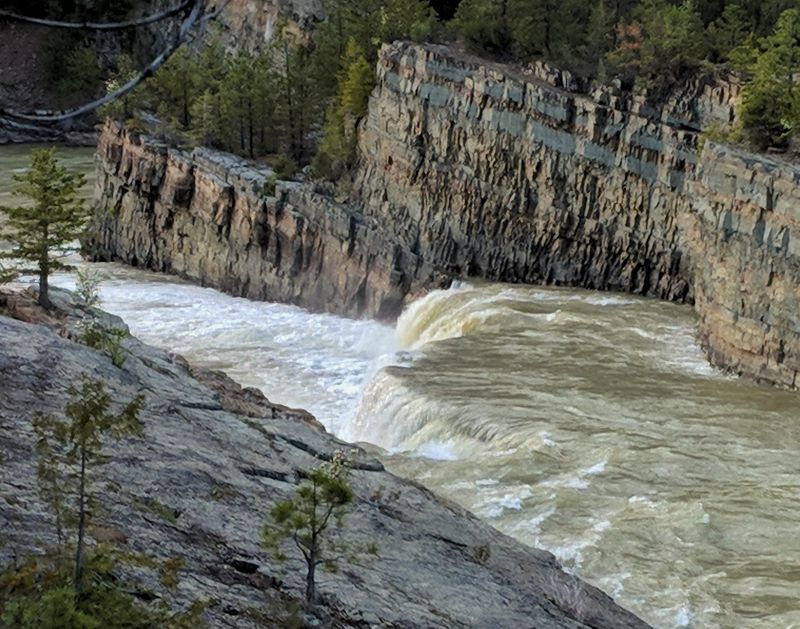
Kootenai Falls spreads into wide, stair-stepped cascades on a turquoise river, with a swinging bridge offering thrilling views. Short trails lead from the parking area through pines to multiple overlooks on bedrock ledges.
In spring and early summer, the river flexes with power and spray.
Wear sturdy shoes for uneven rock and stay back from wet edges, which can be slick. The swinging bridge sways gently, adding a dash of adrenaline to your panorama.
Bring water and a hat, because sun reflects hard off the stone.
Photographers should carry a polarizer to deepen water color and reduce glare. A wide lens captures the expanse, while a telephoto isolates channels and pillows in the flow.
Midday can work surprisingly well here with a polarizer, though morning and evening add warmth.
Combine your visit with Libby Dam viewpoints or local trails for a fuller Kootenai River day. Interpretive signs share the falls’ cultural history and power.
You leave with wind in your hair from the bridge and the steady hush of the river in your ears.
Smith Falls — Valentine, Nebraska
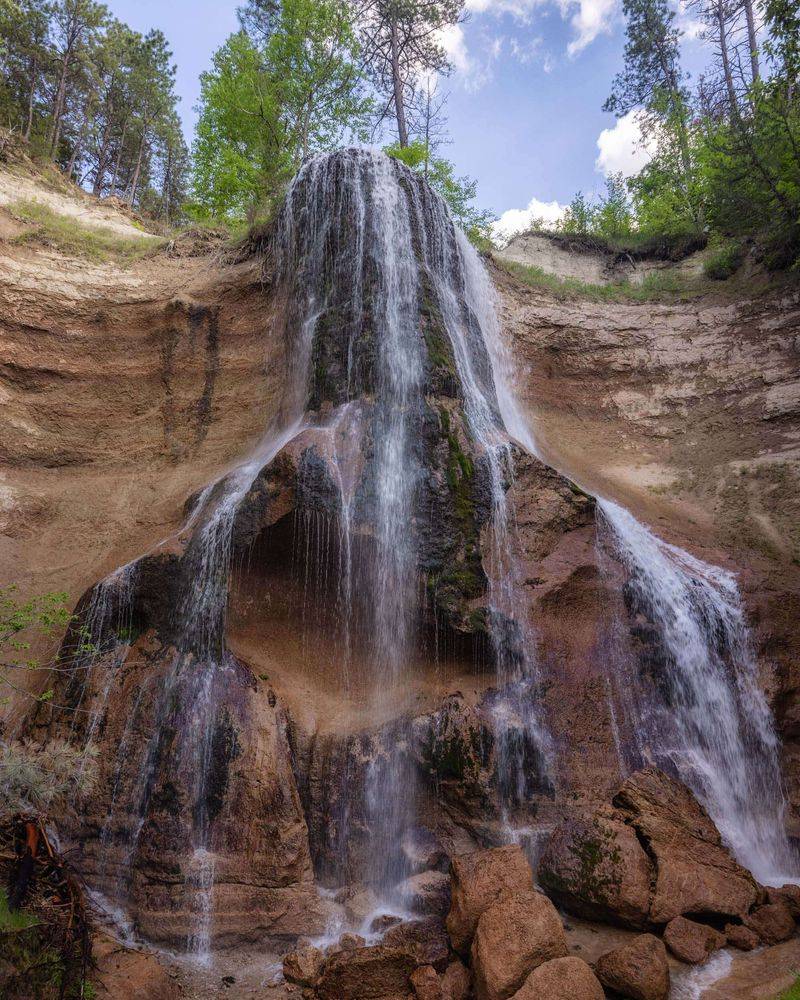
Smith Falls is Nebraska’s tallest waterfall, a graceful veil tucked off the Niobrara River. Boardwalks carry you over wetlands to a shaded platform near the base, making access straightforward and family-friendly.
In summer, paddlers often pair a float with a quick hike to cool off in the mist.
Expect cooler air in the grove around the falls, and wear sandals or shoes that can handle damp boards. Mosquitoes can be active, so bring repellent.
Spring and early summer give the liveliest flow, while autumn brings golden cottonwoods.
Photographers should bring a wide lens to include the delicate chute and surrounding greenery. Overcast yields even tones, and a polarizer helps reveal rock and submerged logs.
Long exposures turn the drop into a silky ribbon contrasting with textured bark and moss.
Make time for the Niobrara National Scenic River, whether by canoe, tube, or riverside walk. Interpretive signs along the boardwalk share local ecology and geology.
You leave cooled and content, surprised at how lush a Nebraska river corridor can feel on a hot day.
Galena Falls — Mount Rose, Nevada
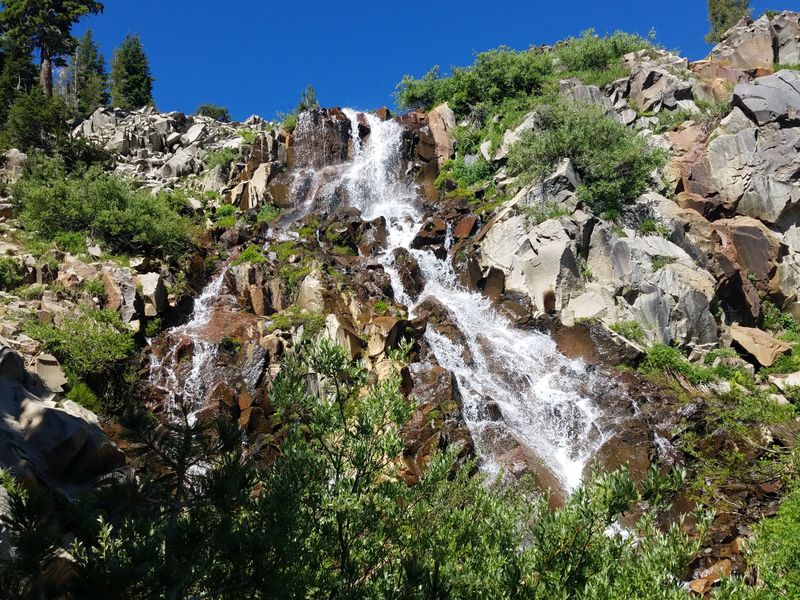
Galena Falls ribbons through an alpine meadow below Mount Rose, a seasonal cascade that shines during snowmelt. The hike gains steady elevation on a well-traveled trail, with views toward Lake Tahoe and granite peaks.
Wildflowers and cool breezes make midsummer mornings feel like a reward for the climb.
Altitude makes the grade feel punchier, so hydrate and pace yourself. Afternoon storms can spark quickly, so start early and carry a light shell.
The falls spread across ledges rather than plunging, rewarding a slower look at textures and side channels.
For photos, a polarizer deepens sky and meadow greens while controlling glare on wet rock. A wide lens frames the cascade with peaks, and a mid-tele isolates colorful flower pockets against the water.
Overcast or late light softens contrast and enriches granite tones.
Extend your outing to Mount Rose summit if conditions and energy allow. Otherwise, linger by the meadow and listen to water braid through grass and stone.
You leave wind-cooled, cheeks sun-kissed, and grateful for alpine water at the edge of the Great Basin.
Glen Ellis Falls — Jackson, New Hampshire
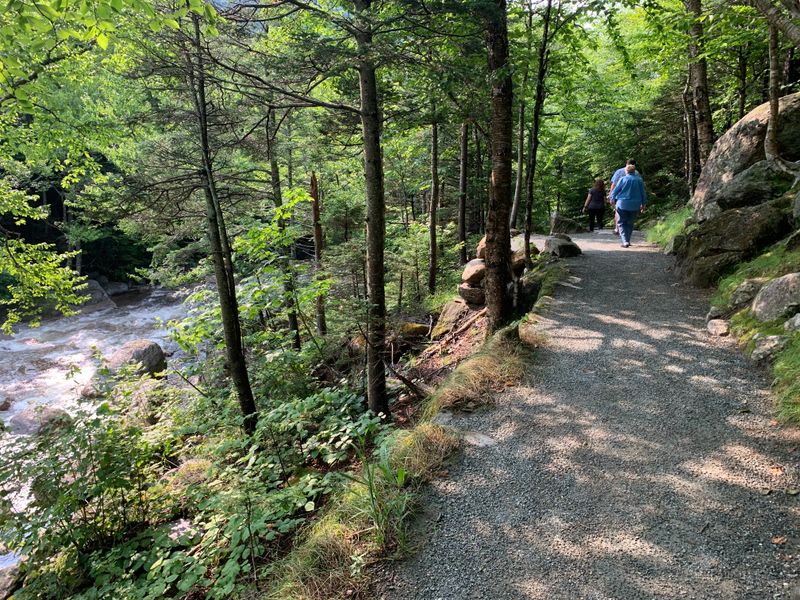
Glen Ellis Falls is a classic White Mountains punch, a muscular plunge into a pool the color of bottle glass. A short trail with stone steps and railings delivers you to a tight, dramatic viewpoint near the base.
The roar fills the gorge, and spray drifts into the stairway on breezy mornings.
Arrive early for parking and room to linger on the platform. Wear shoes with good traction; rocks and steps are often wet and slick.
Spring and after heavy rain show the falls at their brawniest, while late summer reveals emerald clarity.
Photographers should bring a wide lens and a polarizer to manage glare on the pool. Overcast gives beautiful tones, and a lens cloth is essential in the mist zone.
Compose with the stone stairway as a leading line into the churning cauldron.
Pair the stop with Pinkham Notch hikes for a full day outdoors. Respect railings and keep kids close at the overlook, where footing narrows.
You leave with buzzing ears, damp sleeves, and a White Mountains memory that sticks like pine scent in your jacket.
Buttermilk Falls — Walpack, New Jersey

Buttermilk Falls is New Jersey’s tallest, a slender column sliding down a forested cliff. A staircase climbs alongside, offering changing perspectives from base to near the top.
The approach is short, but the steps add effort, especially on humid summer days.
Arrive early for quiet platforms and easier parking on the narrow road. Non-slip footwear helps on damp steps, and a light rain jacket is handy for spray.
In leaf-off seasons, you get wider views through the ravine, while summer feels lush and intimate.
For photos, overcast is ideal to preserve detail in the bright water. A polarizer reduces glare on wet rock and enhances mossy greens.
Compose from landings where the falls occupies two-thirds of the frame, with staircase rails leading the eye.
Extend your visit with nearby Walpack views, riverside trails, or additional waterfalls in the Delaware Water Gap corridor. Respect closures and stay on the staircase to protect fragile slopes.
You leave with pleasantly tired calves and a sense of having climbed alongside a ribbon of moving light.
Jemez Falls — Sandoval County, New Mexico

Jemez Falls is a scenic waterfall nestled in the Jemez Mountains within the Santa Fe National Forest of Sandoval County, New Mexico. It sits on the East Fork of the Jemez River, where the water plunges approximately 70 feet (about 21 m) over rocky cliffs, making it the tallest waterfall in the Jemez Mountains.
Visitors can reach Jemez Falls by following a short trail that begins at the Jemez Falls Campground and day‑use area, which is perched at about 7,880 feet above sea level. The trail winds gently through shaded woods and leads to an overlook with clear views of the cascading water.
The waterfall’s flow varies seasonally, with spring and early summer typically offering the most vigorous water due to snowmelt from higher elevations. Even in warmer months, the shaded forest and cool river breezes make the area a refreshing escape from the heat.
In addition to the falls themselves, the surrounding Jemez region is rich with recreation and natural beauty, including picnic areas, hiking trails, and nearby hot springs. Thanks to its accessibility and picturesque quality, Jemez Falls is often regarded as one of New Mexico’s most satisfying waterfall destinations for both day visitors and campers alike
Eternal Flame Falls — Orchard Park, New York
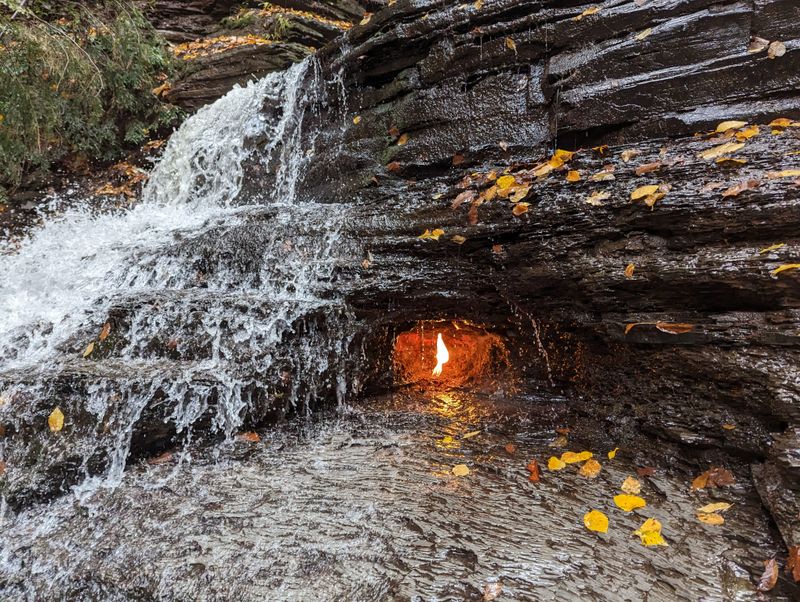
Eternal Flame Falls is a small cascade with a flicker of natural gas burning in a niche behind the water. The hike down a shale creek bed can be slick, so choose shoes with traction and be ready for muddy ankles.
After rain, the falls look fuller, but water can obscure the flame entirely.
Arrive with a headlamp if you want to emphasize the flame in low light, and pack a lighter only if the flame is out and local rules permit relighting. Respect signage and avoid crowding the niche, which is fragile.
Expect to navigate roots, rocks, and stream crossings.
For photos, shoot from angles that shield the flame from spray and wind. A fast shutter freezes the flame’s shape, while a wider scene shows context in the shale amphitheater.
Overcast is best for color and avoiding blown highlights on wet rock.
Round out your visit with park trails and picnic spots above the gorge. It is a quirky, memorable stop that blends geology and spectacle.
You leave with damp cuffs, a whiff of propane-like scent, and the thrill of seeing fire and water share the same stage.
Dry Falls — Highlands, North Carolina

Dry Falls lets you walk behind a roaring curtain without getting drenched, at least on calmer days. A short path with stairs and railings descends to the walkway, where mist swirls and voices echo.
The gorge is lush with rhododendron, and the air feels cool even in July.
Arrive early to secure parking on busy weekends, and wear non-slip shoes for wet steps. A light rain shell helps when wind flips spray under the overhang.
Winter visits reveal elegant icicles, though the path can be icy, so tread carefully.
Photographers can capture the behind-the-falls perspective with a wide lens and a cloth to wipe spray. Overcast conditions keep tones rich and manageable, while sunbeams add sparkle in late afternoon.
Compose with the walkway as a leading curve and the white curtain dominating the frame.
Pair Dry Falls with Bridal Veil Falls and Cullasaja Falls along the gorge for a waterfall trifecta. Keep kids close near edges and respect posted barriers.
You leave exhilarated, hair damp, and grateful for a trail that puts you inside the waterfall’s breath.
Mineral Springs Waterfall — Fort Ransom, North Dakota
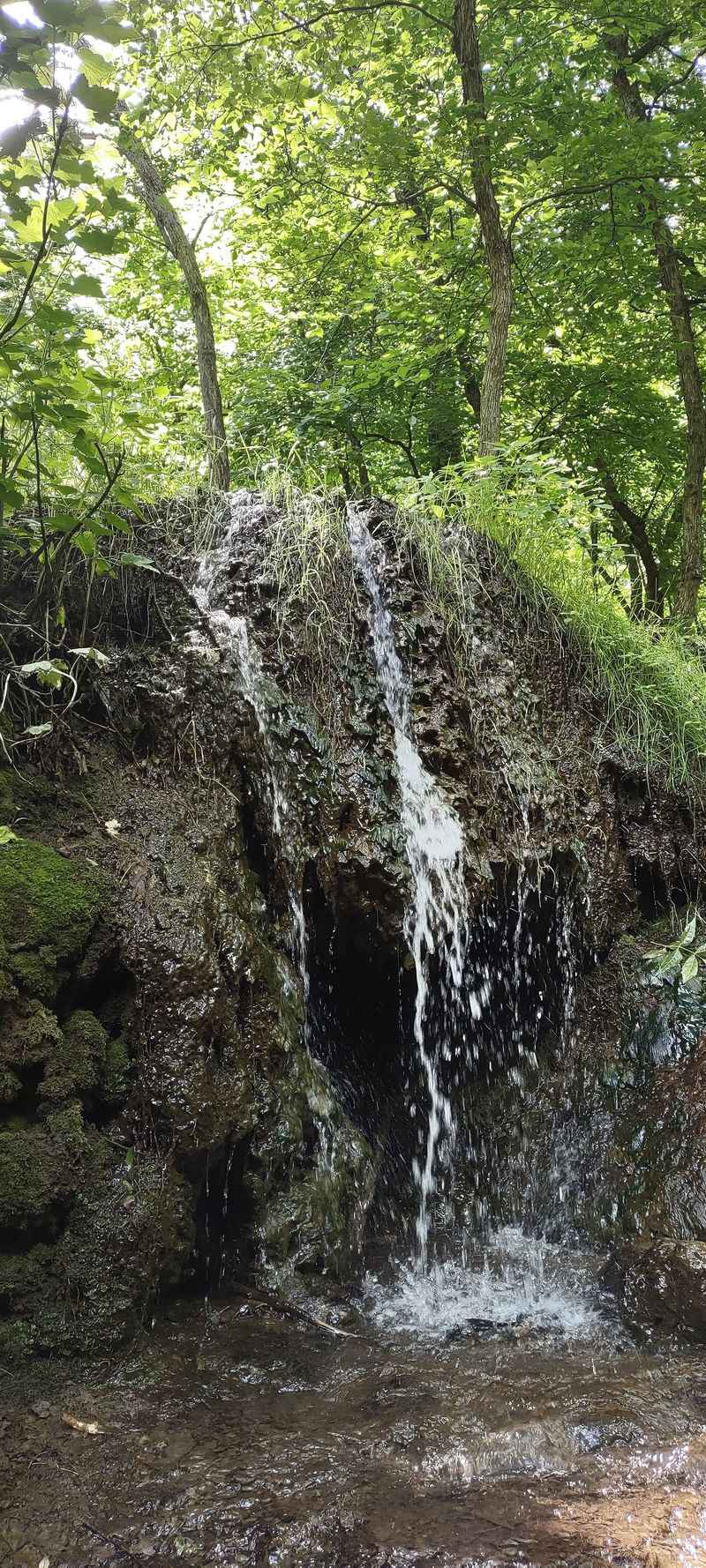
North Dakota’s waterfall scene is modest, and Mineral Springs offers a gentle cascade tucked in prairie-woodland folds near Fort Ransom. The short path reaches a shaded nook where water slips over rock into a small pool.
After rains, the trickle becomes a satisfying little sheet, accompanied by birdsong.
Wear sturdy shoes, since clay and leaves can get slick. Mosquitoes appear in warm months, so bring repellent and consider long sleeves.
The quiet setting feels miles from anywhere, though the approach is easy and family-friendly.
For photos, a polarizer deepens greens and reveals subtle tones in the water-stained rock. Overcast is ideal, and slower shutters transform the cascade into a silky ribbon.
Compose with grasses and a low angle to add a sense of place at the prairie edge.
Combine with Sheyenne River State Forest trails for rolling views and solitude. This is not a towering plunge, but it is the kind of spot that resets your pace.
You leave calm, with mud on your boots and a pocketful of small, satisfying frames.
Brandywine Falls — Peninsula, Ohio
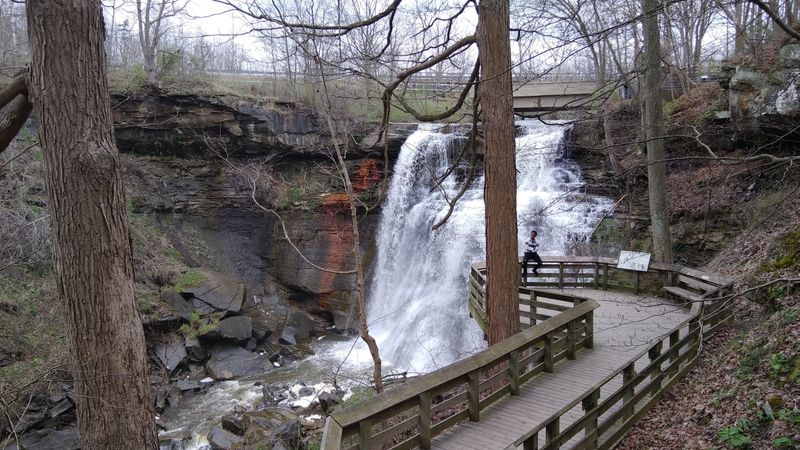
Brandywine Falls fans over layered shale like a bridal veil, easily reached by a short boardwalk in Cuyahoga Valley National Park. Multiple platforms provide varied angles, and connecting trails let you stretch the outing if time allows.
After rain, the curtain thickens and the gorge hums with a steady rush.
Arrive early or late to avoid peak crowds and to find parking. Non-slip shoes help on damp boards, and a light layer takes the edge off spray-cooled air.
Seasonal closures may affect certain viewpoints, so heed posted signs.
Photographers should bring a polarizer for glare and saturation, and a mid-tele to isolate textures. Overcast gives the best dynamic range, while golden hour warms the shale’s subtle stripes.
Compose with the boardwalk rail as a leading line or step back for the full amphitheater.
Round out the visit with nearby trails, canal history stops, and local coffee in Peninsula. This is an easy win waterfall that never feels phoned-in.
You leave with a relaxed stride, a camera roll of graceful curtains, and plans to return in another season.
Turner Falls — Davis, Oklahoma

Turner Falls drops over travertine ledges into a blue-green pool within rugged Arbuckle limestone. Short trails and park roads bring you to overlooks and pool access, with seasonal swimming when conditions allow.
The water’s color pops on sunny days, turning the scene into a summer postcard.
Arrive early in peak season to avoid traffic and find shade. Water shoes help on slick travertine, and a dry bag protects phones near the pool.
Park rules change with flow and weather, so check updates before wading in.
For photos, polarizers deepen color and reveal travertine textures under the surface. Side light near morning or late afternoon adds relief to the ledges.
Long exposures blur the flow into creamy ribbons against honey-toned rock.
Explore side trails to small caves and the stone “castle” structure for added character. Bring plenty of water and patience, because crowds rise with the mercury.
You leave sun-tired, a little chlorinated by nature, and ready to cool off under the car’s AC.
Multnomah Falls — Troutdale, Oregon
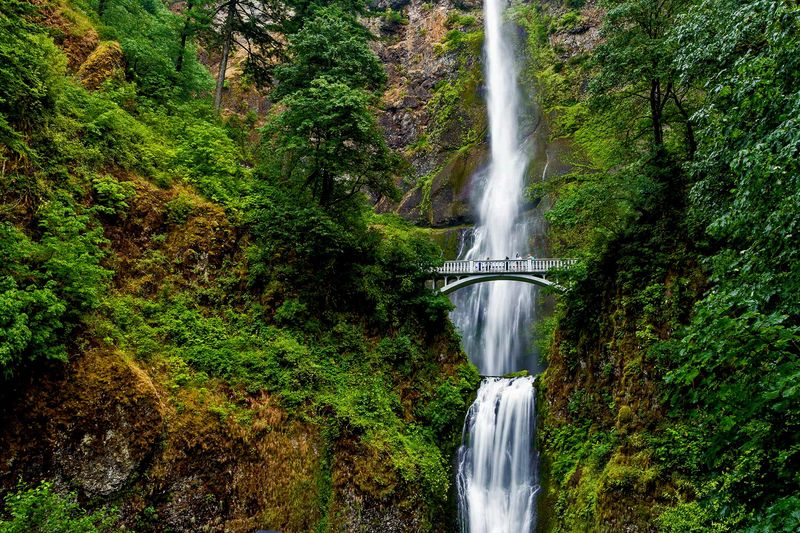
Multnomah Falls is the Columbia River Gorge icon, a two-tier marvel crossed by the delicate Benson Bridge. A paved path leads to bridge views, and a steeper trail climbs to the top for more cardio and a different perspective.
Mist drifts through firs and maples, and the basalt walls wear a permanent coat of green.
Parking fills fast, and permits or timed entries may be in effect, so check before driving. Wear layers for variable wind and spray, and grippy shoes for slick pavement.
In winter, icy sections require caution and sometimes microspikes.
Photographers should bring a wide lens for the full scene and a polarizer to manage glare. Overcast is ideal here, and even drizzle can be your friend for saturated color.
Compose from the plaza, bridge, and switchbacks to show scale and the waterfall’s split tiers.
Pair Multnomah with nearby Latourell, Wahkeena, and Bridal Veil for a gorge sampler. Respect closures related to rockfall and trail recovery.
You leave damp-haired and satisfied, with classic Pacific Northwest frames and a craving for hot coffee.
Ganoga Falls — Benton, Pennsylvania
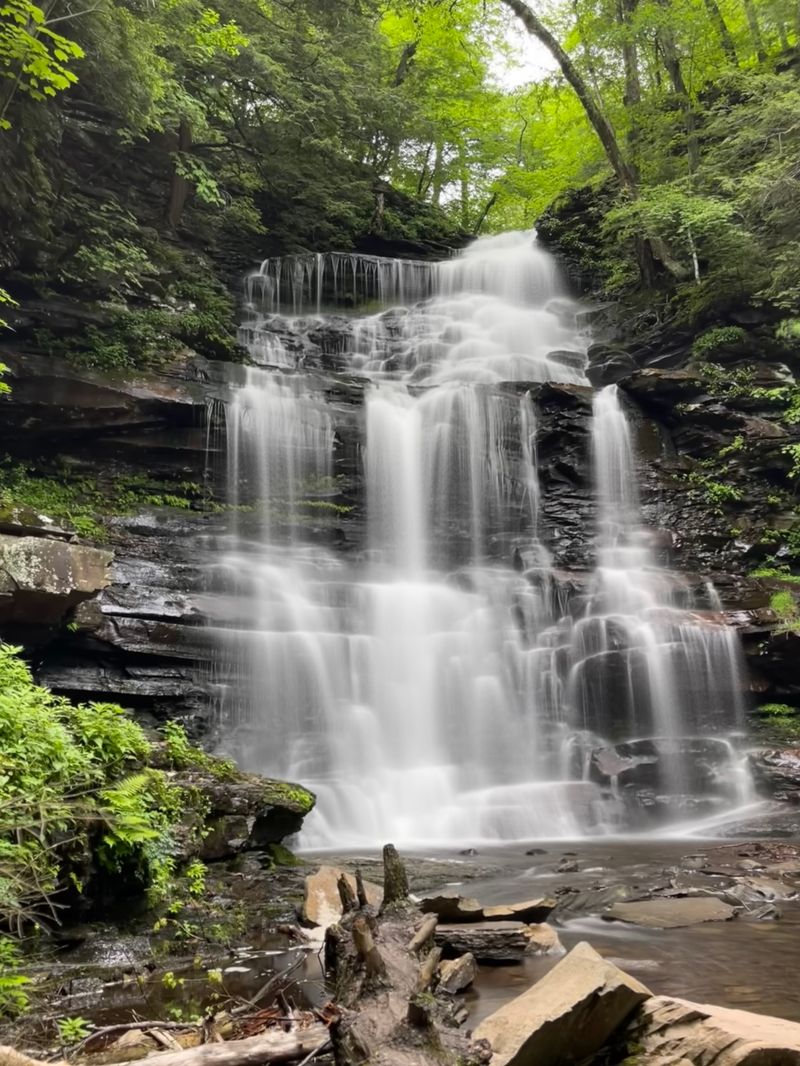
Ganoga Falls headlines Ricketts Glen’s famed Falls Trail, dropping in a spectacular sheet amid hemlocks and moss. The loop strings together more than a dozen cascades, but Ganoga’s height and symmetry steal the show.
Expect rock steps, roots, and slick ledges that demand careful footing.
Start early, bring traction shoes, and carry a small first-aid kit and plenty of water. The gorge stays cool, and after rain, spray coats everything, including your camera.
Seasonal closures happen in icy conditions, so check advisories before driving out.
For photos, a polarizer deepens greens and reveals striations in the dark rock. Overcast is perfect for long exposures, and a travel tripod fits on narrow landings.
Compose with foreground stones or ferns for depth, then step back to frame the full curtain.
Let yourself linger at smaller falls on the loop; each has personality and music. The trail rewards patience and steady steps far more than speed.
You finish with tired legs, a full memory card, and the sense that Pennsylvania packs a waterfall punch well beyond expectations.
Pawtucket Falls — Pawtucket, Rhode Island
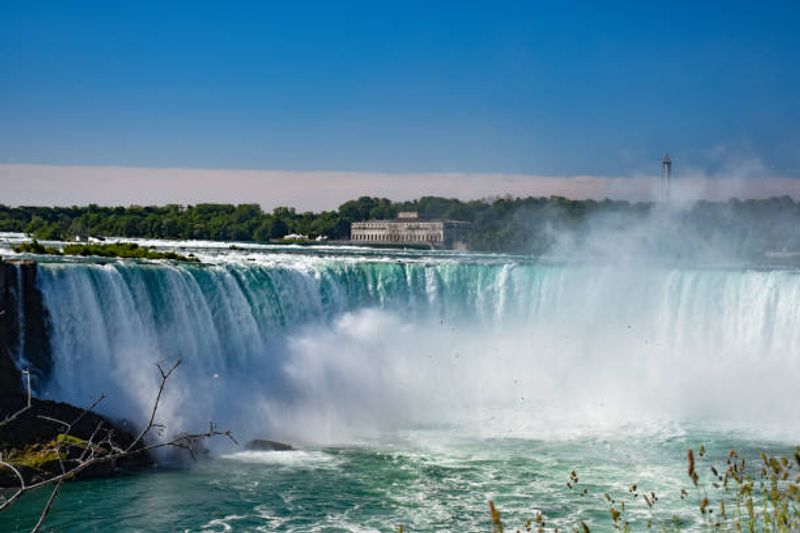
Pawtucket Falls blends natural drop and historic mill works along the Blackstone River, best appreciated via riverwalk paths. This is an urban waterfall experience, where industry shaped the channel and interpretive signs tie water to history.
Short strolls yield multiple angles, especially around golden hour when brick glows.
Wear comfortable walking shoes and expect occasional spray depending on wind and flow. The sound is part rush, part city, a layered soundtrack that suits the setting.
Look for murals, bridges, and reflections to add texture to your visit.
Photographers can go wide to include mills and the river, or tight to isolate churning water over the dam. A polarizer reduces glare and helps with reflections at sunset.
Long exposures smooth the flow and mirror the sky in calmer eddies.
Round out your stop with local cafes and Blackstone Valley heritage sites. This is not a wilderness plunge, but it tells a bigger story about water powering communities.
You leave with a few gritty-beautiful frames and a new appreciation for rivers at work.
Yellow Branch Falls — Walhalla, South Carolina
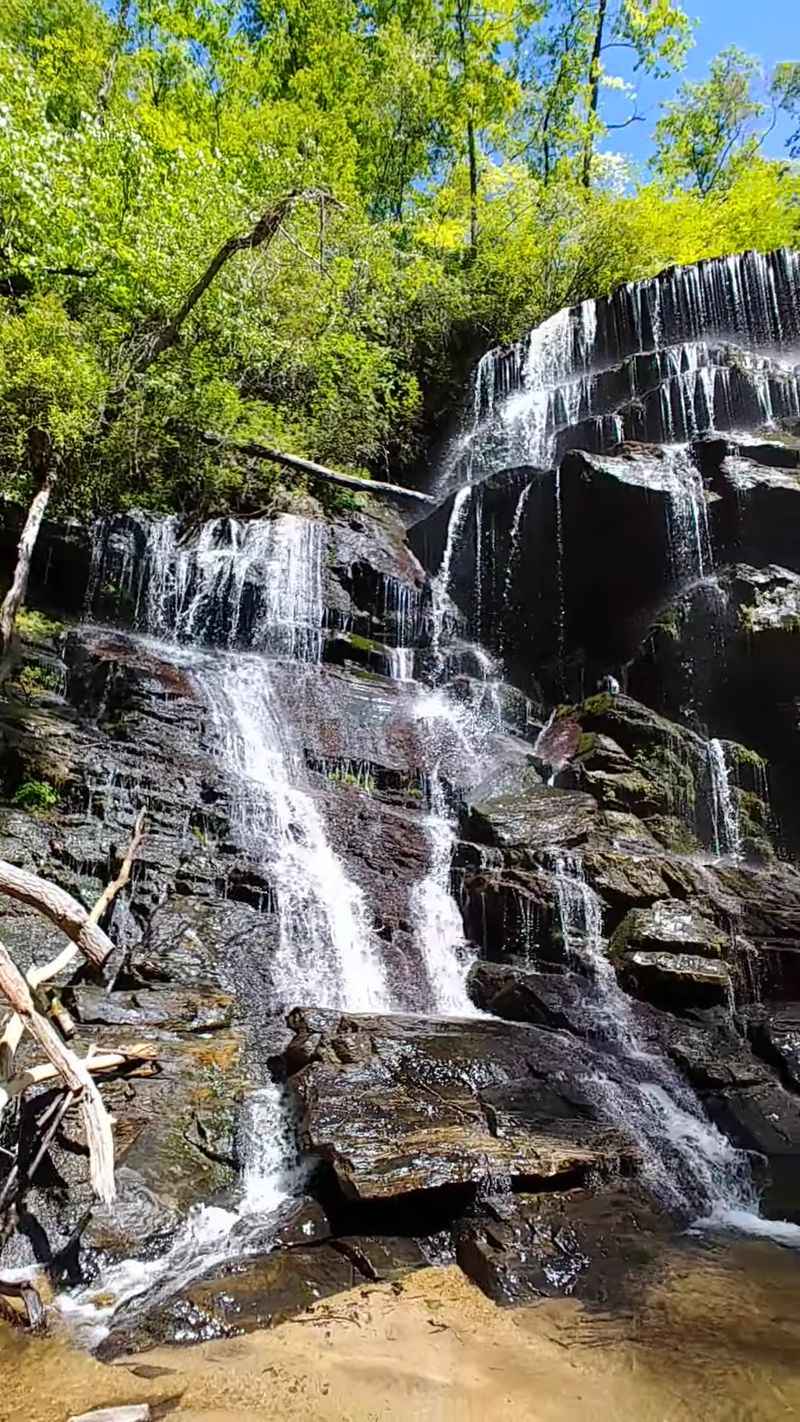
Yellow Branch Falls spreads into a lacy fan over stair-stepped rock, a low-country treasure with a moderate forest hike. The trail rolls over roots and small creeks before the final reveal in a shady amphitheater.
After rain, the fan thickens into countless threads that reward unhurried gazing.
Wear grippy shoes and expect muddy sections, especially after storms. Summer heat calls for extra water, while shoulder seasons feel just right.
The base area is roomy, but slick, so keep a respectful distance from the main slickrock.
Photographers should bring a tripod and polarizer for slow-shutter magic and saturated greens. Overcast is perfect, turning the falls into a delicate veil with rich tones.
Compose with foreground stones or ferns, and step back to capture the full fan.
Pair this hike with nearby Stumphouse Tunnel history and Issaqueena Falls for a full day. The forest soundtrack and cool air under the canopy make time feel slower.
You leave with calm shoulders, damp shoes, and a phone full of peaceful, layered water.
Roughlock Falls — Spearfish, South Dakota
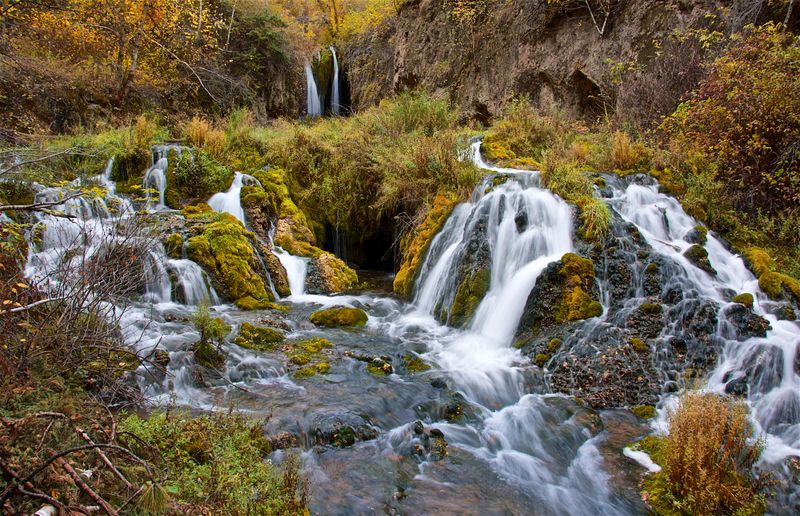
Roughlock Falls terraces through limestone and travertine-like deposits, creating turquoise pools and delicate curtains. Boardwalks and short trails bring you to multiple viewpoints in Spearfish Canyon’s dramatic limestone walls.
Spring and early summer showcase lively flow, while autumn drapes the scene in gold.
Wear comfortable shoes for boardwalks and short dirt paths. The canyon can funnel cool air, so a light layer helps even on warm days.
Interpretive signs tell stories of geology and local wildlife that thrives in the riparian corridor.
Photographers benefit from a polarizer to cut glare and reveal underwater detail in the pale pools. Overcast or light drizzle can be perfect for silky exposures and saturated greens.
Compose from platforms for scale or step to side angles that reveal terraces.
Pair your visit with Spearfish Falls and Bridal Veil Falls nearby for a canyon trifecta. Respect railings and stay on paths to protect fragile formations.
You leave with relaxed shoulders, a clearer head, and images that feel like watercolor brought to life.
Cummins Falls — Cookeville, Tennessee
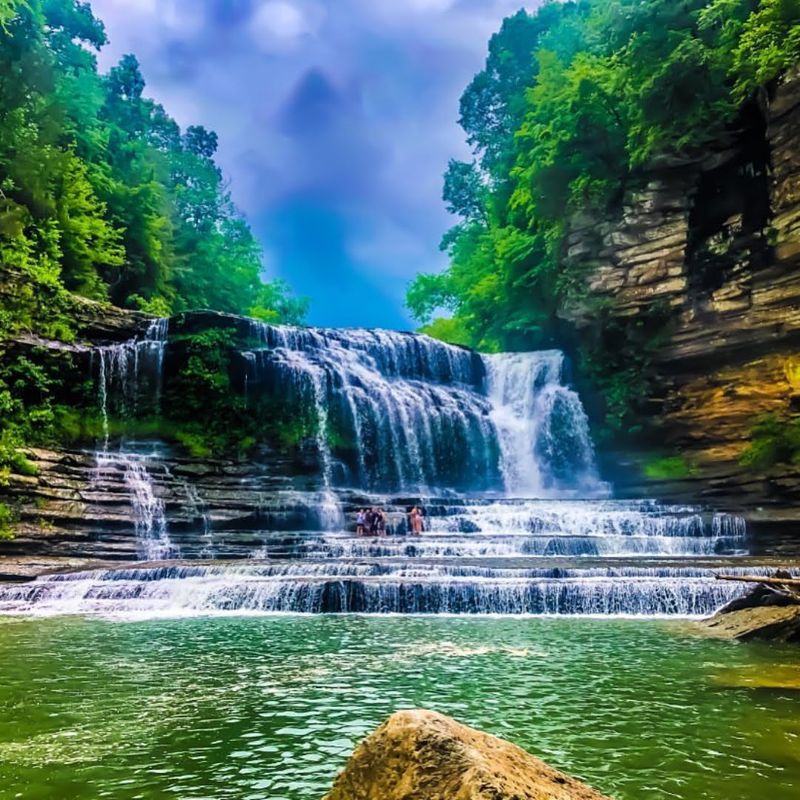
Cummins Falls tumbles into a large swimming hole, but reaching the base involves a rugged gorge route and seasonal permits. Expect boulder-hopping, slick rock, and wading depending on water levels.
For many, the payoff is a summer classic: cool spray, layered ledges, and sunlit water.
Check park advisories for access status, required permits, and flow-related closures. Wear sturdy water shoes, carry a dry bag, and leave hands free for balance.
This is not a casual stroll, so be honest about comfort with slippery terrain and currents.
For photos, a polarizer reveals green-blue tones and reduces glare on wet stone. Overcast helps long exposures, while late light warms the amphitheater.
Compose with human scale to convey the ledges’ breadth and the pool’s size.
Consider viewing-only overlooks if conditions are unsafe or you prefer a drier visit. Respect rangers and posted guidance, and keep an eye on weather that can change gorge dynamics fast.
You leave exhilarated and a little wrung out, already replaying the approach and the first mist on your face.
Gorman Falls — Bend, Texas
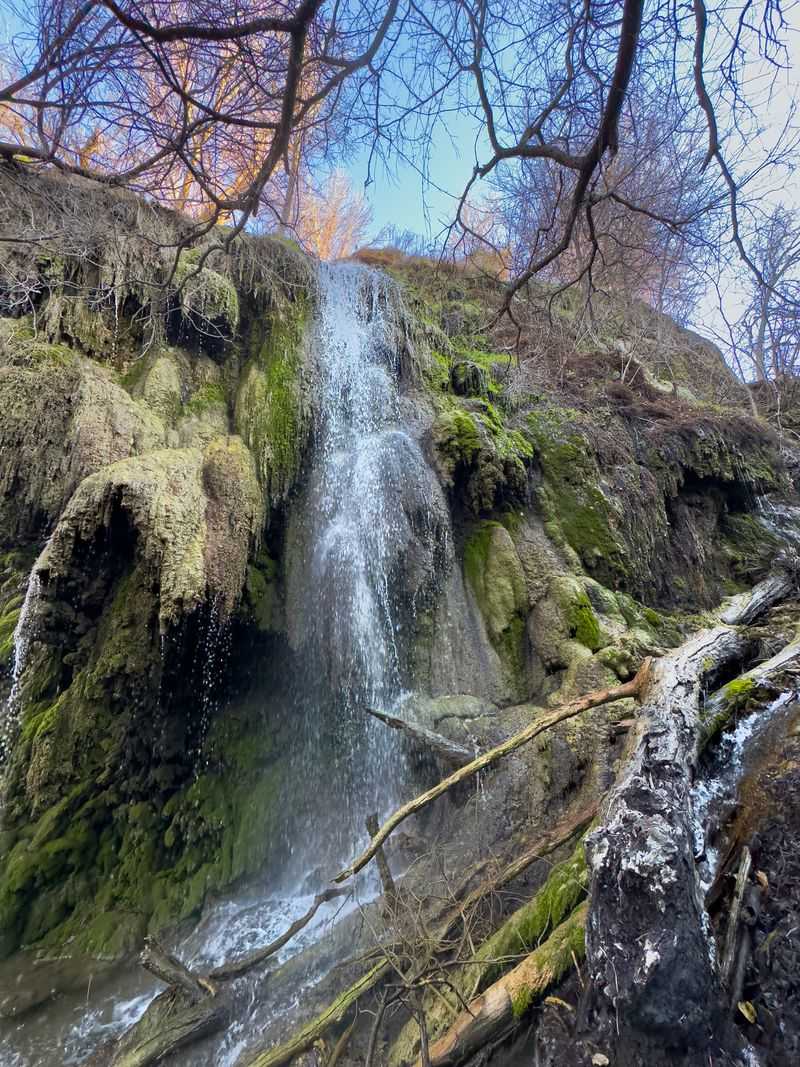
Gorman Falls descends in mossy drapery over travertine, an oasis surprise in scrubby Central Texas. The hike crosses rocky, sun-exposed terrain before dropping into a cool, shaded grotto near the Colorado River.
Base access is controlled to protect fragile formations, so follow posted rules and ranger guidance.
Start early with extra water and sun protection, because the approach bakes on hot days. Wear sticky-soled shoes for the final steep section with cables that assist footing.
The temperature shift at the falls feels dramatic, like stepping into natural air conditioning.
Photographers should bring a polarizer to reveal green textures and cut glare on wet calcite. Overcast or filtered light through trees makes the drapery glow.
A tripod enables silky exposures that highlight the falls’ vertical lacework.
Extend your day with Spicewood Springs or the river overlook for diverse scenes. Respect barriers and stay off delicate moss to preserve this rare Texas gem.
You leave dusty, cooled by mist, and a little stunned that such lush water threads through cactus country.
Lower Calf Creek Falls — Escalante, Utah
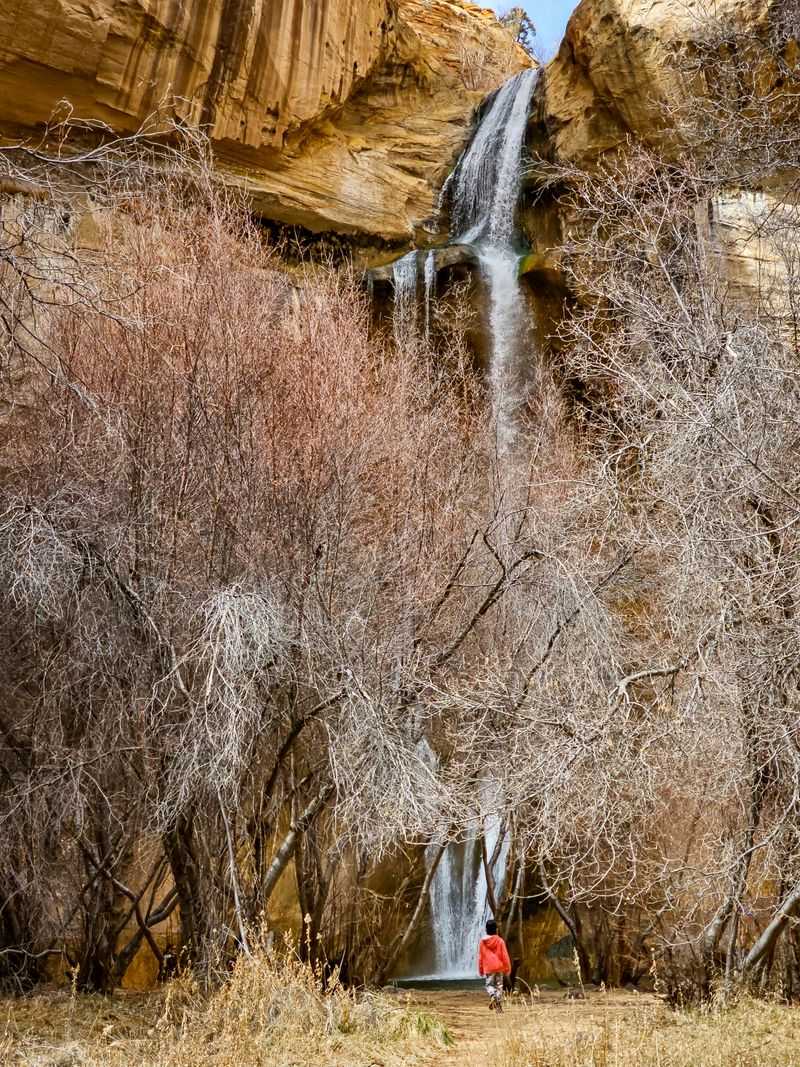
Lower Calf Creek Falls is a classic desert oasis, a 126-foot ribbon plunging into an emerald pool beneath varnished sandstone. The six-mile round trip is sandy and mostly gentle, with interpretive stops and petroglyph views en route.
Start early to beat heat and secure limited parking at the trailhead.
Bring ample water, sun protection, and shoes that handle sand. Cottonwoods provide shade near the pool, and the canyon’s reflected light paints the walls bronze.
Respect cryptobiotic soil and stay on established tread to protect fragile desert life.
Photographers should carry a polarizer to reveal submerged stone and saturate wall tones. Midday reflected light can be beautiful here, though golden hour adds drama to the amphitheater.
A wide lens captures the full fall, while a mid-tele isolates hanging gardens and desert varnish streaks.
Cool off your feet at the pool edge, then linger for shifting light on the walls. The walk out feels easier with a breeze and snacks.
You leave sand-dusted, sun-warmed, and convinced that water writes poetry in the desert.
Bingham Falls — Stowe, Vermont
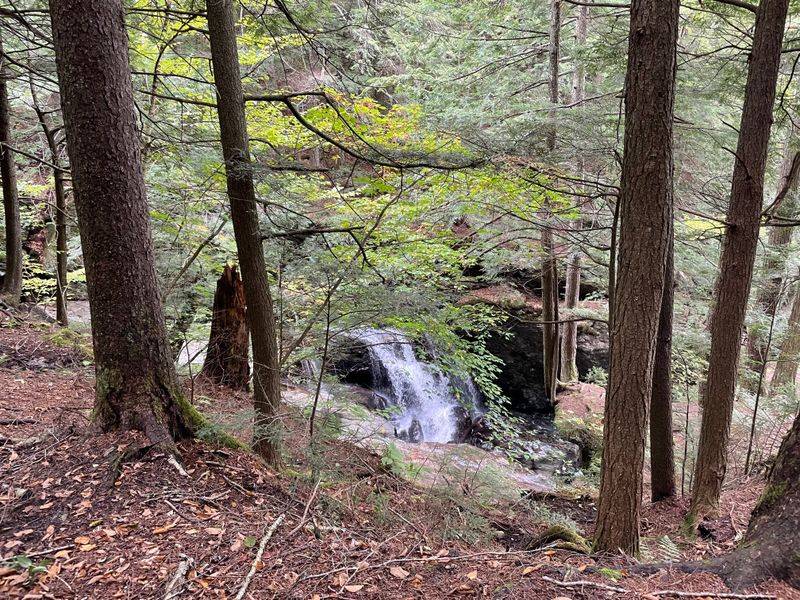
Bingham Falls squeezes through a tight gorge into an emerald pool, a favorite quick hike near Stowe. The path drops via stone steps and roots to several ledges and pool viewpoints.
After rain, the chute roars; in summer, the pool invites a refreshing pause where allowed.
Wear shoes with traction and mind wet rock, which can be unforgiving. Morning visits offer calm water and open parking along Mountain Road pull-offs.
In winter, ice transforms the gorge into a crystalline cave, demanding microspikes and care.
Photographers should bring a polarizer for glare control and saturated greens. Compose from higher ledges for context, then go low for silky water curling into the pool.
Overcast keeps tones in check and avoids blown highlights on foam.
Pair Bingham with Moss Glen Falls nearby for a two-stop Stowe sampler. Keep packs light and hands free for scrambling moves.
You leave refreshed, with a little mountain chill in your sleeves and a handful of images that feel like Vermont distilled.
Cascade Falls — Pembroke, Virginia
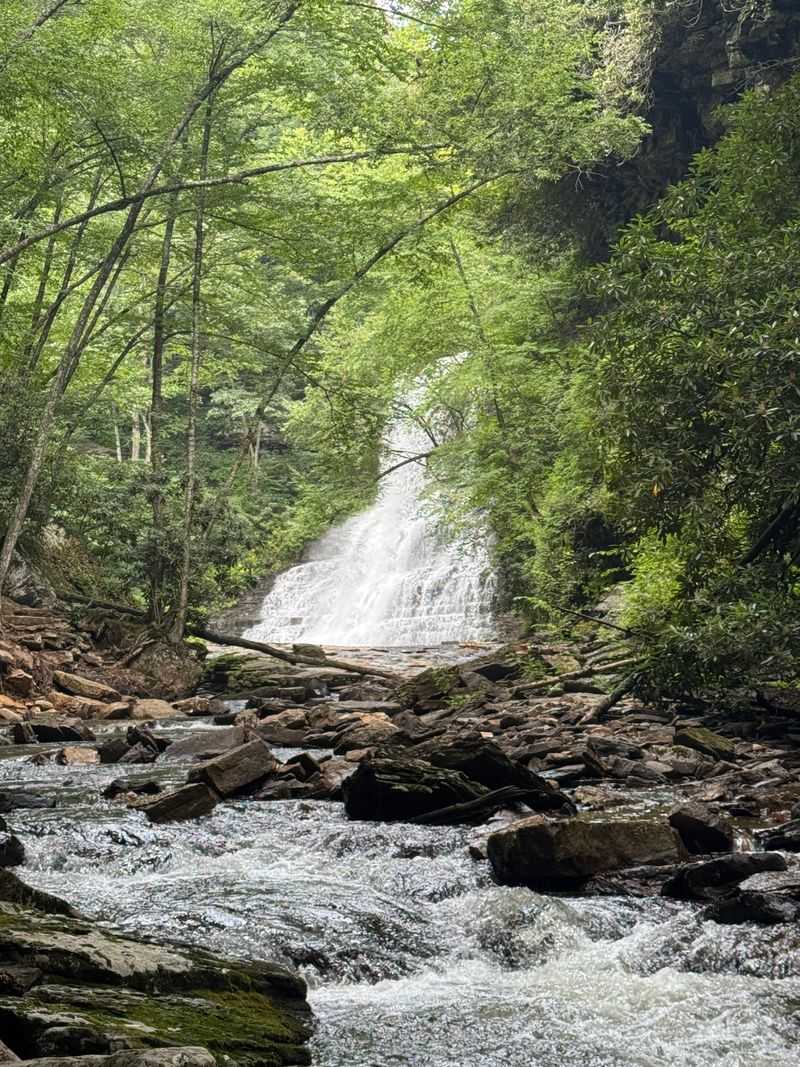
Cascade Falls drops into a broad pool within a rock amphitheater, reached by a scenic creekside trail with bridges and stonework. The path is moderate and scenic for its entire length, making the destination feel earned without being punishing.
After rain, the plume grows muscular and sends fine mist across the viewing rocks.
Arrive early on weekends to lock down parking and enjoy quieter bridges. Wear grippy shoes and carry a light layer, because creek air runs cool.
The loop lets you return on a higher trail for different angles and sunlight.
Photographers should bring a polarizer to tame reflections and showcase water clarity. Overcast gives lush greens and silky long exposures, while late light adds glow to the amphitheater.
Compose with the stream as a leading line toward the falls.
Stop in nearby Pembroke for snacks or combine with the Appalachian Trail for more miles. Respect rock edges near the pool and keep kids close.
You leave with steady legs, damp cuffs, and the kind of grin only a good creek trail can produce.
Palouse Falls — LaCrosse, Washington
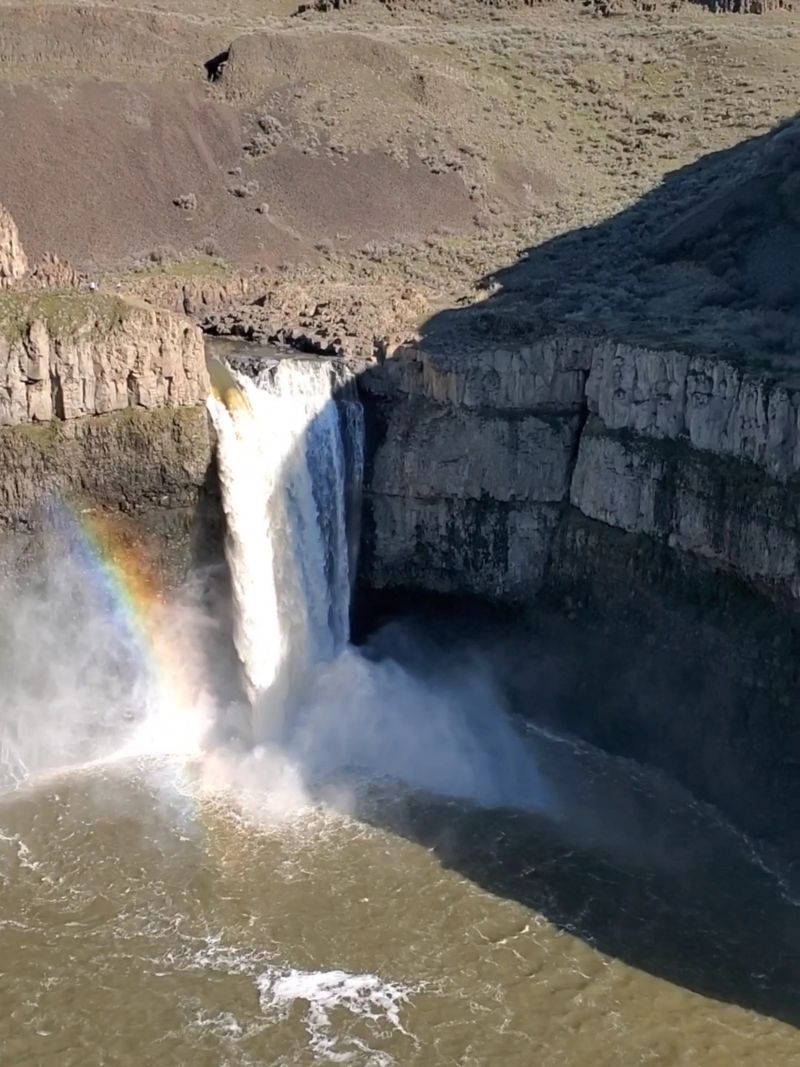
Palouse Falls plunges into a horseshoe basalt amphitheater carved from ancient floods, a desert cathedral with thunder inside. Short walks from the parking area reach fenced viewpoints that keep you safe near sheer cliffs.
Sunset paints the canyon gold and pink, and wind often whips mist into streamers.
Stay behind railings and be cautious near edges; the basalt rim is unforgiving. Bring layers for gusty evenings and plenty of water in summer heat.
Spring offers the strongest flow, while late season reveals sculpted textures on the amphitheater walls.
Photographers should use a wide lens for the bowl and a telephoto to isolate the plunge and river kink. A graduated filter or bracketing helps balance sky and shadowed canyon.
Long exposures create silky water threads against columnar basalt geometry.
Extend your day with drives across the wheat hills for big-sky vistas. The juxtaposition of farm country and raw canyon feels uniquely Washington.
You leave with dust on your boots, hair full of wind, and a mind ringing with water on stone.
Blackwater Falls — Davis, West Virginia
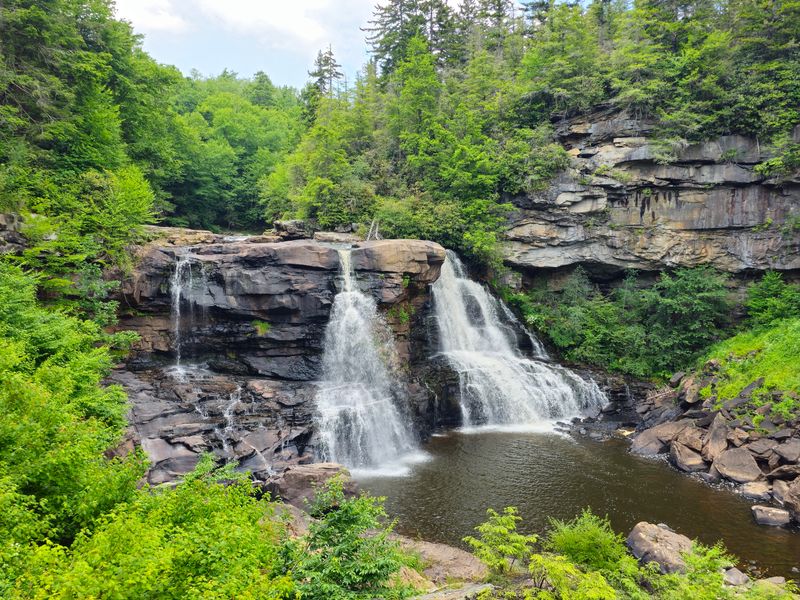
Blackwater Falls carries tannin-stained water over dark ledges into a tight gorge, a hallmark scene of West Virginia. Boardwalks and platforms make access easy from multiple angles, with additional trails for broader Blackwater Canyon views.
The air is cool and resin-scented, and the falls’ hum anchors the entire park.
Arrive early or in shoulder seasons to enjoy quieter overlooks. Non-slip shoes help on damp boards, especially during rain or snowmelt.
Winter brings dramatic ice, while autumn wraps the gorge in flame-colored leaves.
Photographers should bring a polarizer to deepen color and cut glare on wet rock. Overcast rewards with balanced exposures, and a mid-tele isolates textures in the amber flow.
Compose from the lower platform for spray drama and from the upper for context.
Extend your visit to Lindy Point for canyon panoramas and Pendleton Falls for a bonus cascade. Pack a thermos and linger; this park shines when you slow down.
You leave with warm hands around your mug and images that smell like spruce and rain.
Big Manitou Falls — Superior, Wisconsin

Big Manitou Falls is Wisconsin’s tallest, a brooding plunge that echoes through a basalt-lined gorge. Short paths and overlooks make views straightforward, with longer trails exploring the park’s lakes and smaller Little Manitou Falls.
After rain, the river’s chocolate flow turns muscular and loud.
Wear comfortable shoes for mixed pavement and dirt, and bring a layer for cool gorge air. Spring and fall feel ideal, though winter can deliver magical ice formations on the walls.
The overlooks are safe and well placed, but keep a respectful distance from railings with kids.
For photos, a polarizer helps manage glare and enrich sky and foliage. Overcast or fog adds mood and softens contrast, perfect for slow-shutter textures.
Compose from multiple platforms to show scale against trees and cliffs.
Make time for the short drive to Little Manitou for different angles and quieter moments. Bring snacks and linger at the lake between hikes.
You leave with a pleasantly hushed mind and a camera full of Northwoods character.
Lower Falls of the Yellowstone — Yellowstone National Park, Wyoming
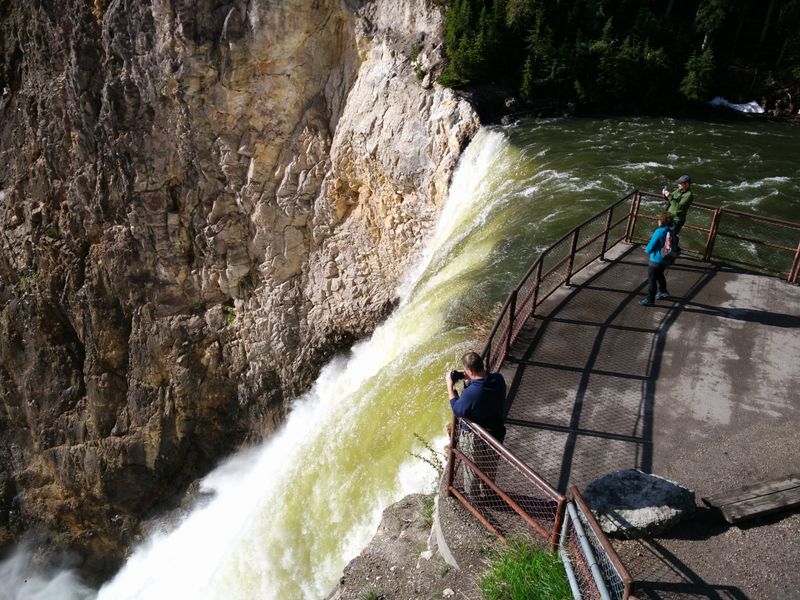
Lower Falls of the Yellowstone drops into a canyon painted in sulfur yellows, reds, and whites, a centerpiece of the national park. Short walks lead to classic viewpoints like Artist Point and Lookout Point, while Uncle Tom’s Trail remains intermittently accessible.
The thunder and rainbow-laced mist feel operatic on sunny mornings.
Arrive early for parking and calmer overlooks, especially in peak season. Bring layers for wind on canyon rims and patience for bison traffic jams on the drive.
Spring snowmelt powers the falls, while autumn light sculpts the canyon with long shadows.
Photographers should bring wide and telephoto lenses for canyon context and plume details. A polarizer tames glare but use sparingly to avoid weird skies at high elevation.
Bracket exposures or use a grad filter to handle bright sky over shadowed walls.
Pair viewpoints with a walk along the South Rim or a picnic near the river. Respect barriers and keep kids close on exposed edges.
You leave with ringing ears, wind-chapped cheeks, and an image that feels like the park’s heartbeat.