Tucked into the rolling hills of central Massachusetts, this spot has a story worth savoring.
Rows of vines catch the afternoon light while the scent of oak barrels drifts through the air.
Visitors gather here to sip carefully crafted wines made just steps from where the grapes were grown.
Weekend visitors often bring a blanket and settle in among the vines for an afternoon picnic.
Friendly staff share the story behind every bottle, from harvest to glass.
It’s the kind of quiet countryside stop that turns a simple drive into a memorable outing.
A Historic Main Street Setting Adds Meaning To The First Look
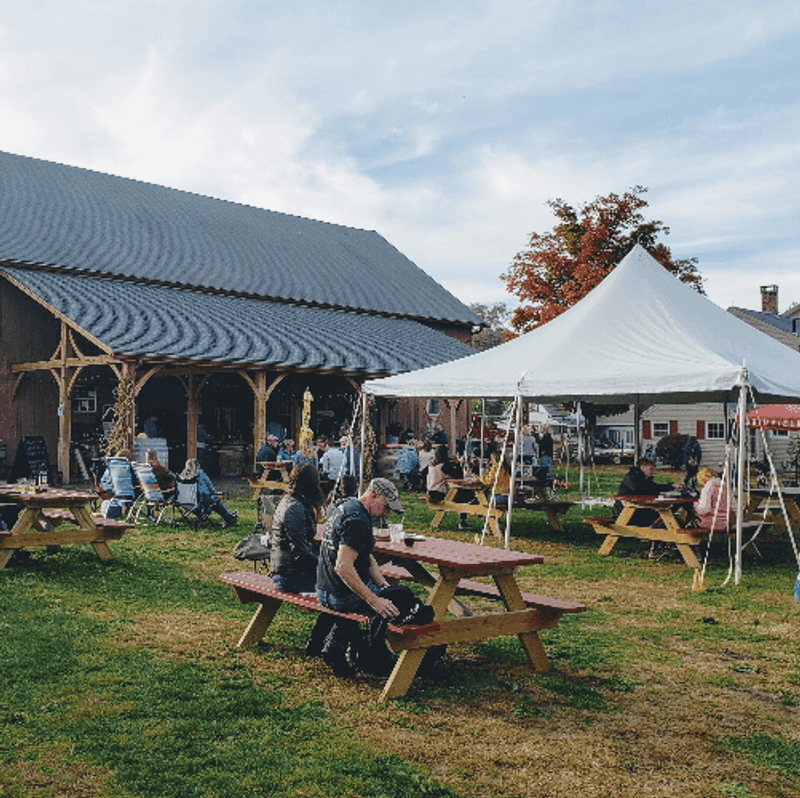
A quiet Main Street can tell a story before anyone reads a sign. Old New England towns often grew around meeting places, shops, taverns, and general stores, so a visit feels richer when you picture neighbors trading news, buying supplies, and planning their week.
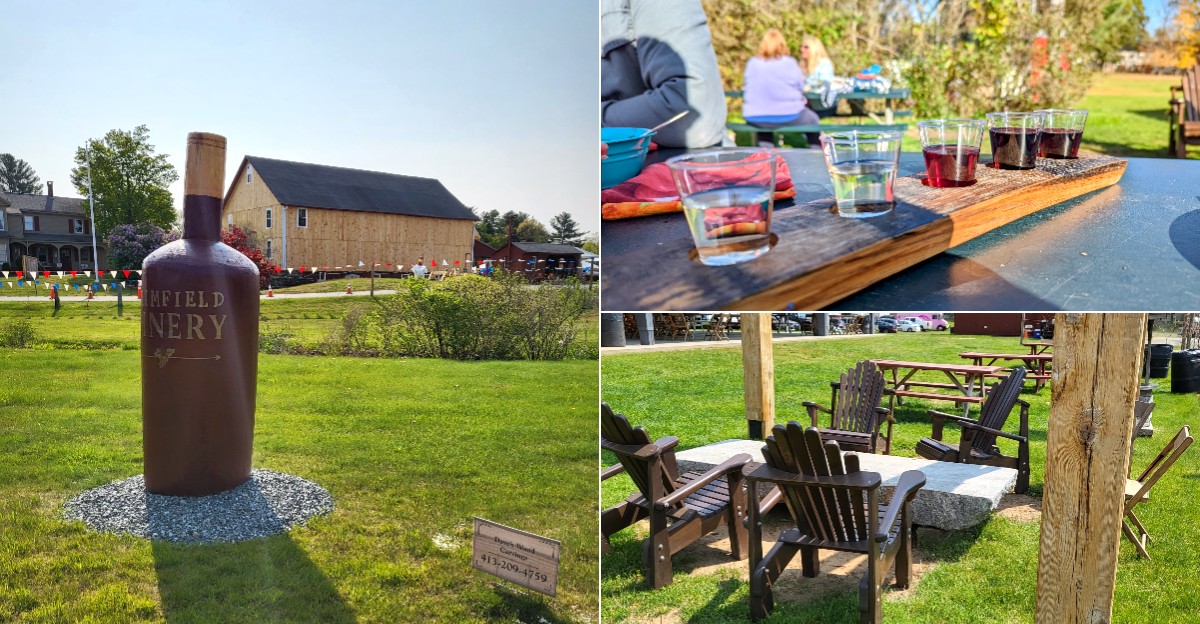
Brimfield Winery, at 35 Main St, Brimfield, MA 01010, United States, fits naturally into that kind of setting. Guests come for wine, cider, slushies, music, and fresh air, but the location also invites them to slow down and notice the town around them.
For a blog post about Massachusetts’ oldest general store history, this section should explain why place matters. Readers should understand that historic streets are not just pretty backdrops, because they show how daily life once worked.
Practical advice helps too. Suggest arriving early, walking a little, and looking at building shapes, signs, porches, and nearby antique activity. A simple visit can become more memorable when people connect their drink, their seat, and the street itself to a longer local story.
General Store Roots Make The Wine Experience Feel More Personal
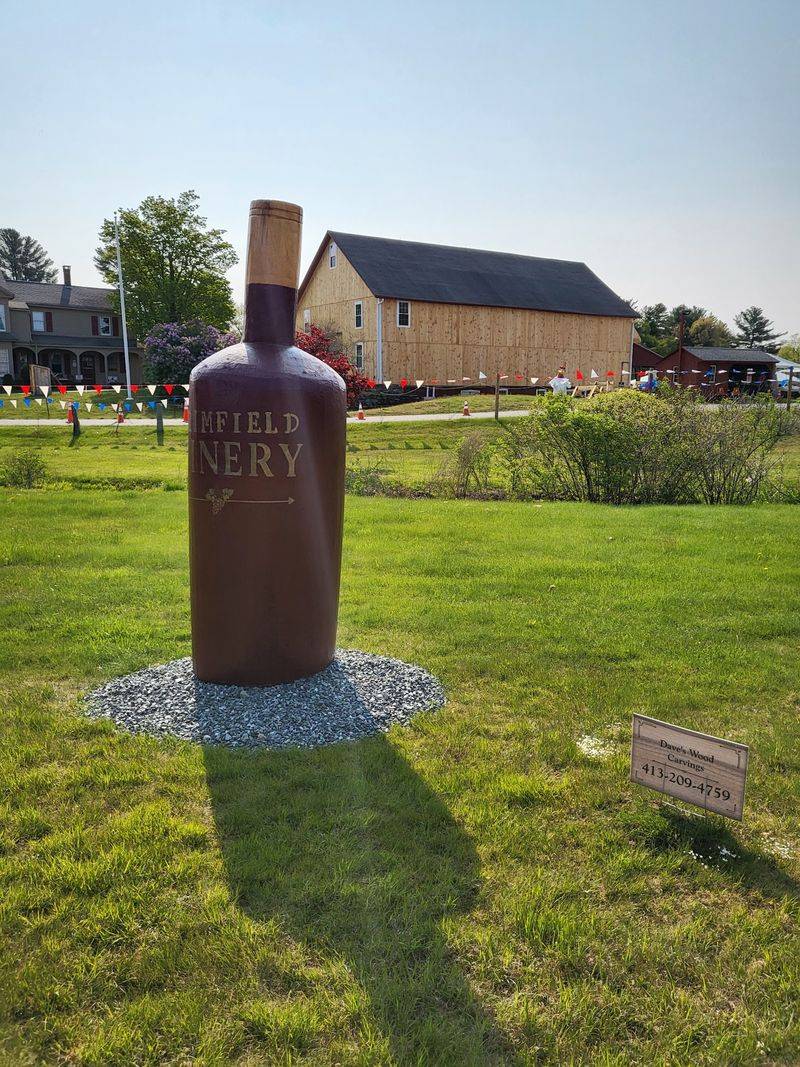
There is something friendly about a place that feels useful, social, and unhurried. That is the charm readers expect when they hear about an old general store, and it is also part of what many guests notice at the winery today.
A strong article section can explain how general stores once served many needs at once. People bought food, tools, fabric, mail supplies, and local news in one stop. Modern visitors may not be shopping for flour or lamp oil, but they still gather, talk, taste, and linger.
Use this point to connect past and present without making claims that cannot be checked. The documented history behind an old store should guide the story, while the current winery experience shows how community habits can survive in new forms.
Readers will appreciate practical details. Mention that guests can choose wine by the glass or bottle, try ciders, and look for seasonal favorites like wine slushies. The lesson is simple: history feels less distant when a building, street, or gathering place still brings people together today.
Antique Market Energy Gives The Story Extra Color
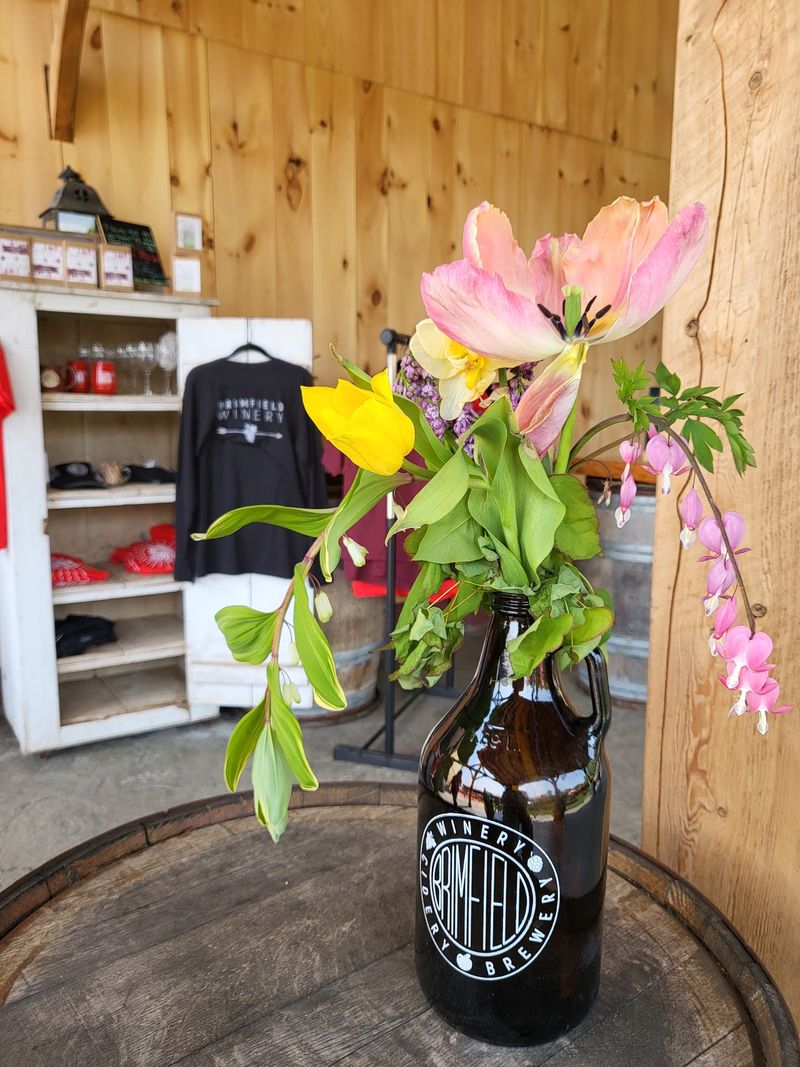
During antique season, the whole town can feel like one giant treasure hunt. Tents appear, shoppers wander, and old objects seem to bring their own stories into the present.
That energy matters for a blog post about documented history. Brimfield is widely known for its antique market culture, and visitors often connect the winery with that same love of old things, local memory, and weekend exploring.
This section can show readers how to make the most of the timing. If they enjoy antiques, they should check event dates before visiting, plan for crowds, and leave extra time for parking or walking. If they prefer a quieter trip, a non-market weekend may feel calmer.
The antique setting also helps explain why a former general-store story would interest modern travelers. An old receipt, tool, bottle, or sign can make history feel touchable. After browsing, sitting with a drink outdoors gives people a chance to talk about what they found. That mix of searching, sipping, and storytelling makes the stop feel layered instead of ordinary.
Outdoor Seating Turns Local History Into A Relaxed Afternoon
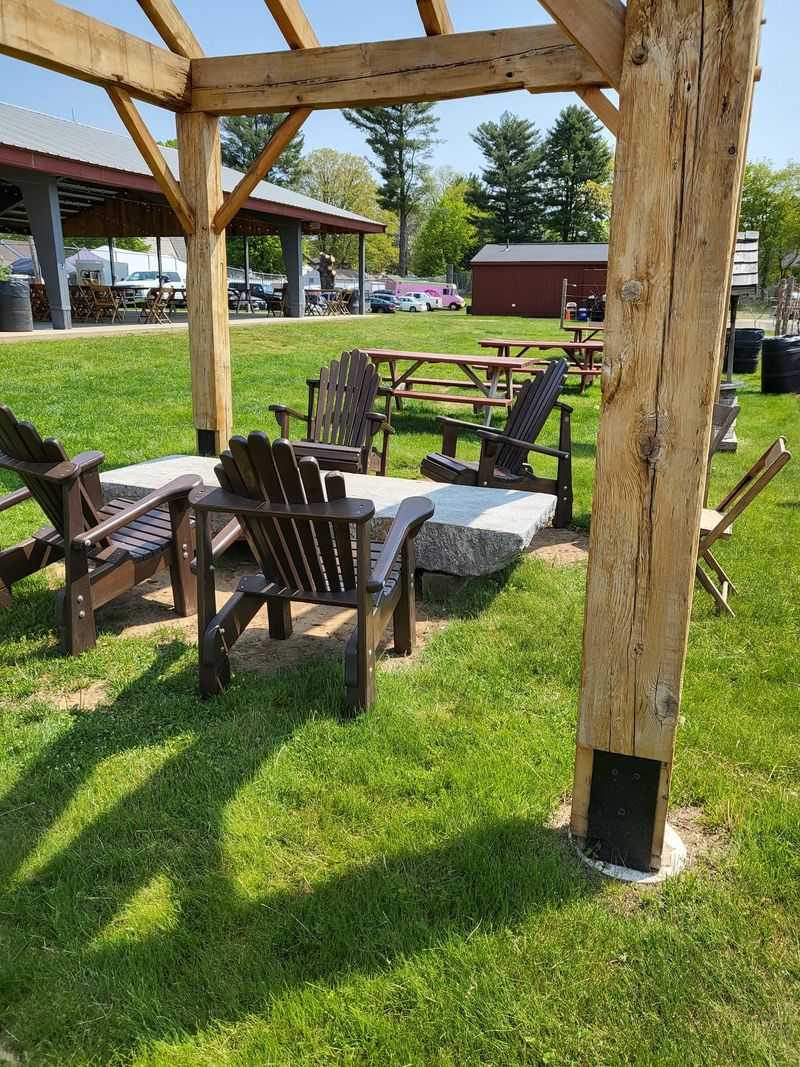
History does not always need a museum voice. Sometimes it works best when people are comfortable, sitting outside, sharing snacks, and noticing the place around them.
The winery is often praised for its outdoor space, covered seating, large pavilion, and easygoing patio feel. Those features matter because they let visitors stay awhile instead of rushing through a quick tasting.
For the article, use this section to recommend a slower visit. Readers can bring simple food when allowed, pack a blanket on chilly days, and choose seats that match the weather. Covered areas are helpful when the sun is bright or clouds move in.
A relaxed setting also supports the history theme. General stores were places where people paused, talked, and learned what was happening nearby. Outdoor tables and picnic-style seating create a modern version of that social pause. Guests may arrive for wine, but they often remember the conversation, the music, the breeze, and the feeling of being part of a small-town scene.
Live Music And Line Dancing Keep The Gathering Tradition Alive
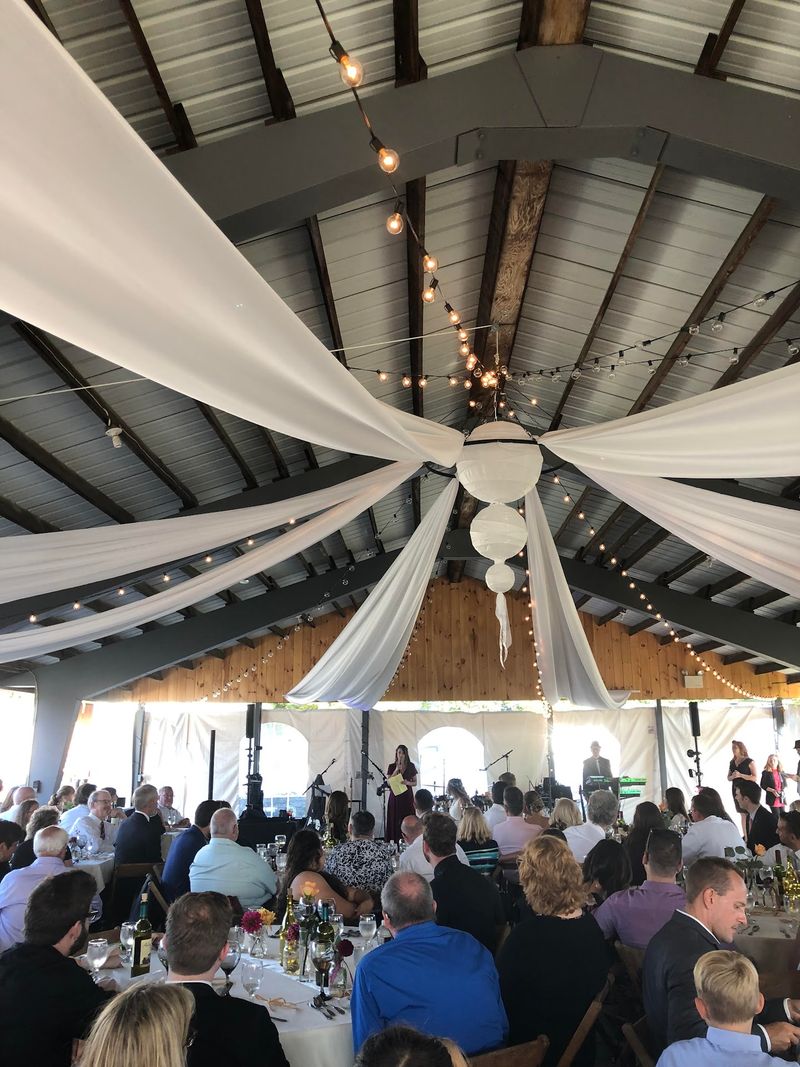
A fiddle tune, a country beat, or a classic rock song can change the whole mood of a visit. Music makes people stay longer, smile faster, and talk to strangers more easily.
Guests often mention live music at the winery, and some reviews point to Thursday line dancing as a favorite event. That detail gives the blog post a lively way to connect history with present-day fun.
Old general stores were not only shopping places. They were message centers, meeting spots, and informal stages for local life. Today, a band under a pavilion or a dance lesson outside can carry that same spirit forward.
Helpful advice belongs here. Encourage readers to check the winery schedule before going, especially if they want music, dancing, or a special event. Comfortable shoes make sense for dancers, while quieter visitors may prefer seating farther from the speakers. A section like this shows that history is not frozen. It can move, clap, laugh, and keep time with a crowd on a warm evening.
Wine Slushies, Ciders, And Local Beer Make The Stop Welcoming
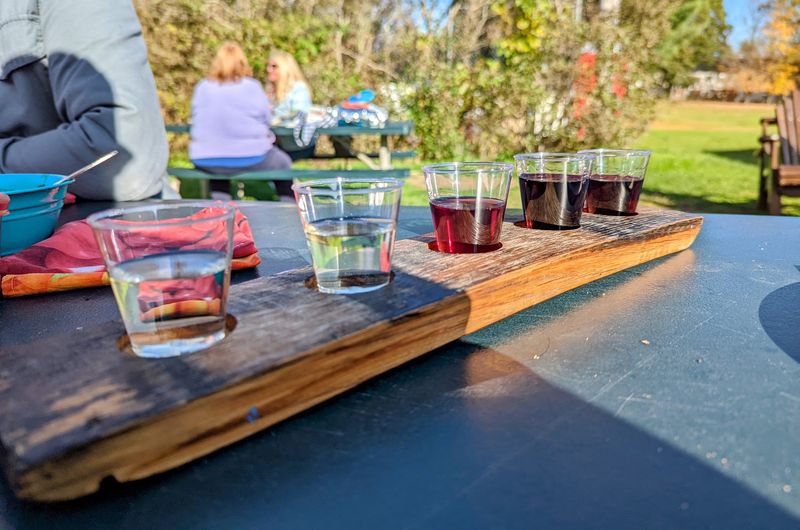
A cold wine slushie on a warm day is not exactly old-fashioned, and that is part of the fun. Historic places stay interesting when they welcome new tastes without losing their local feeling.
Reviews often mention wine slushies, ciders, wine by the glass, bottles to take home, and some beer options. That variety helps different visitors enjoy the same outing, even if they do not all like the same drink.
This section should guide readers in a practical way. Suggest starting with a tasting or asking staff what is popular that day. Dry red fans, white wine fans, cider drinkers, and people who prefer beer can each find a path through the menu.
The connection to general-store history is easy to understand. A general store worked because it offered many useful choices for many kinds of people. The winery does something similar in a modern hospitality setting. Instead of one narrow experience, guests can choose their pace, their drink, and their reason to return, from a casual date to a group afternoon.
Food Trucks And Bring-Your-Own Snacks Create An Easy Plan
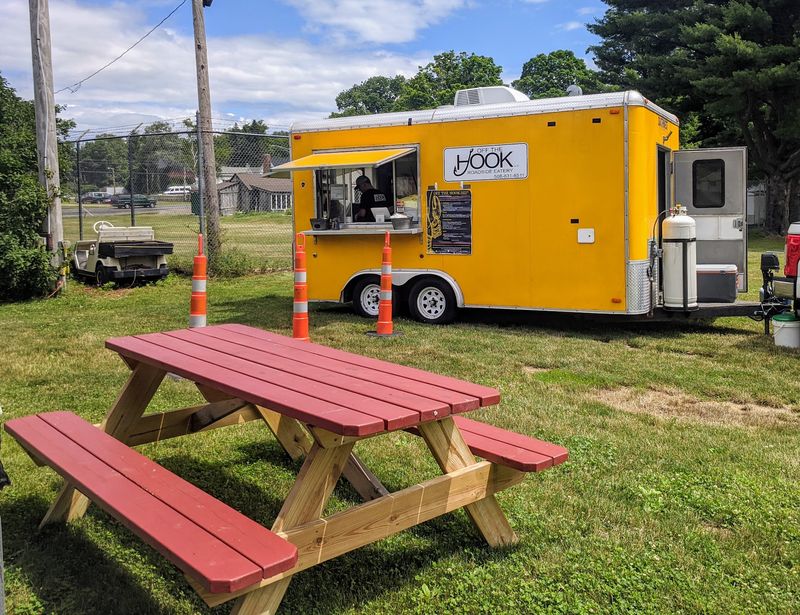
Good plans are easier when nobody has to be too fancy. That is one reason food trucks and bring-your-own snacks can make a winery visit feel simple and friendly.
Guests have noted food trucks at events, while others liked being able to bring their own food. For families, couples, and groups, that flexibility can turn a short stop into a full afternoon.
A useful blog section should help readers prepare. Tell them to check current food truck listings, bring water, pack easy snacks, and follow any posted rules. Cheese, crackers, fruit, sandwiches, and picnic blankets can make outdoor seating more comfortable.
This point also supports the article title. General stores were built around practical needs, and food was always part of daily life. A place where people can gather, eat, drink, and trade stories carries that everyday tradition forward. The mood is casual rather than stiff. Visitors do not need to know rare wine terms or dress up. They can enjoy the setting, support local vendors, and make history feel like something shared around a table.
Friendly Owners And Community Events Give The Visit Staying Power
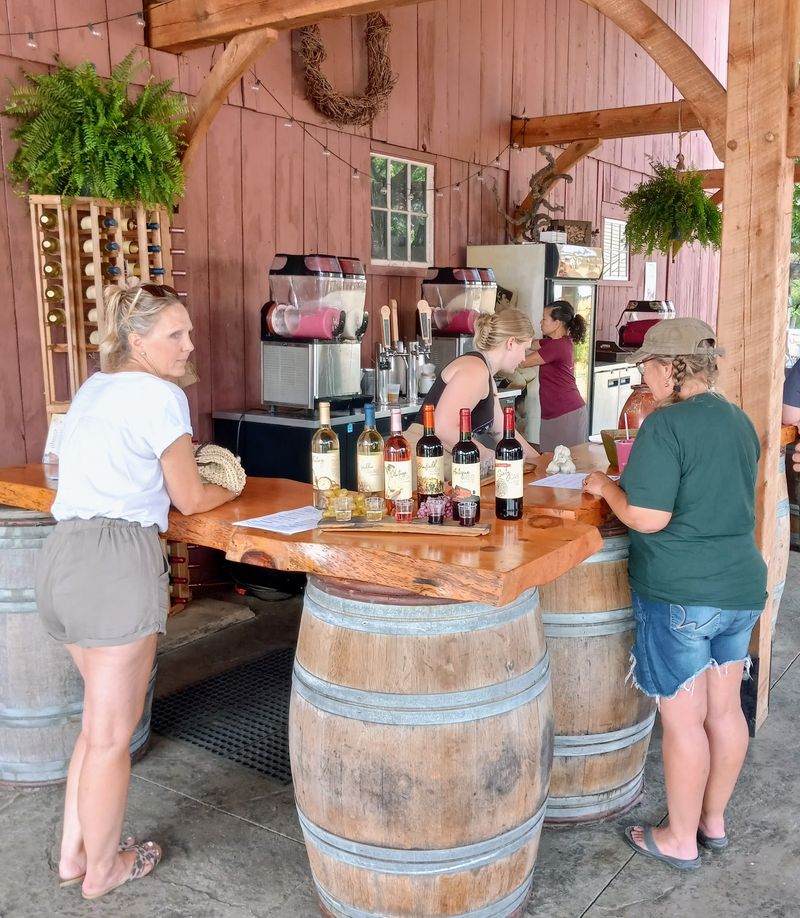
People remember kindness long after they forget the exact weather. Many visitor comments praise the welcoming owners, helpful staff, relaxed crowd, clean setting, and community feel.
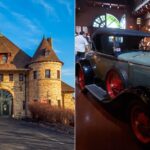
That human side is important for a history-focused article. Buildings may hold the past, but people decide whether a place still feels alive. Events like car shows, music nights, vendor gatherings, and seasonal activities help turn a visit into a local memory.
Readers can use this section as a planning checklist. They should look at the website or social pages for hours, seasonal openings, and event calendars before making the trip. The listed schedule shows limited open days, so checking ahead prevents disappointment.
Community events also match the spirit of an old general store. Neighbors once met there by chance, shared news, and learned what was happening next. Today, visitors may come for a glass, hear a band, see classic cars, or meet other guests under the pavilion. That is why the documented history behind the setting can make the modern winery feel more meaningful and more worth remembering.