
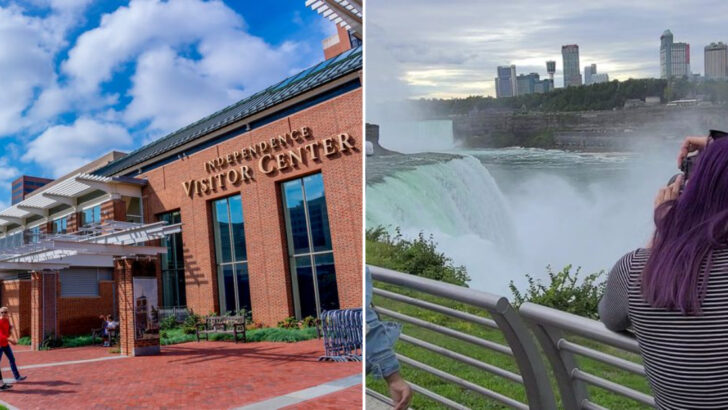
Some road trips feel ordinary. This one feels like a discovery.
The drive from Philadelphia to Niagara Falls is the kind of journey that makes you want to slow down, roll the windows down, and keep the camera within arm’s reach. Forested hills, charming towns, and surprising stops unfold mile after mile.
What starts as a simple highway trip quickly turns into a route packed with beauty and unexpected moments.
Soon the city fades behind you and the road stretches into the rolling countryside of Pennsylvania and western New York. Historic villages, quiet lakes, and dramatic gorges pop up along the way, each one begging for a quick detour.
Some travelers rush straight to the falls and miss half the magic waiting along the route.
Then the grand finale appears.
Mist rises. The thunder of water grows louder.
And suddenly you’re standing beside one of the most powerful waterfalls on Earth, wondering why more people don’t take this unforgettable drive.
Philadelphia – Starting Point
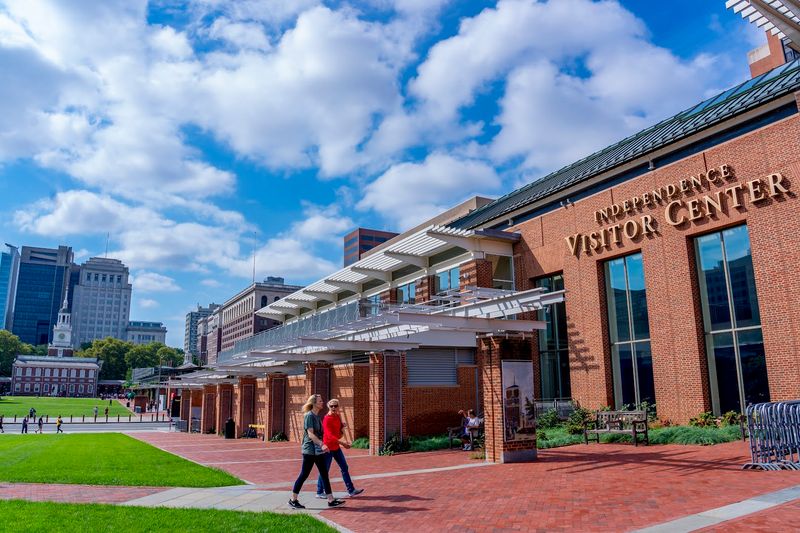
Philadelphia is the kind of starting point that instantly gives this drive a sense of purpose. Before heading north, you can walk through the Independence Visitor Center area, see the Liberty Bell, and stand near Independence Hall where so much American history took shape.
It makes the whole road trip feel bigger than just a long drive.
I love beginning here because the city mixes energy with meaning. Old brick facades, cobblestone streets, and landmark-filled blocks create a memorable first chapter, especially if you grab coffee and take a short morning walk before getting on the road.
If you have extra time, Old City rewards slow wandering. Museums, riverfront views, and classic food stops give you one last urban adventure before the route shifts toward countryside and smaller towns.
Starting in Philadelphia means your road trip opens with iconic sights, strong atmosphere, and a clear reminder that great American journeys often begin in historic places.
Valley Forge National Historical Park
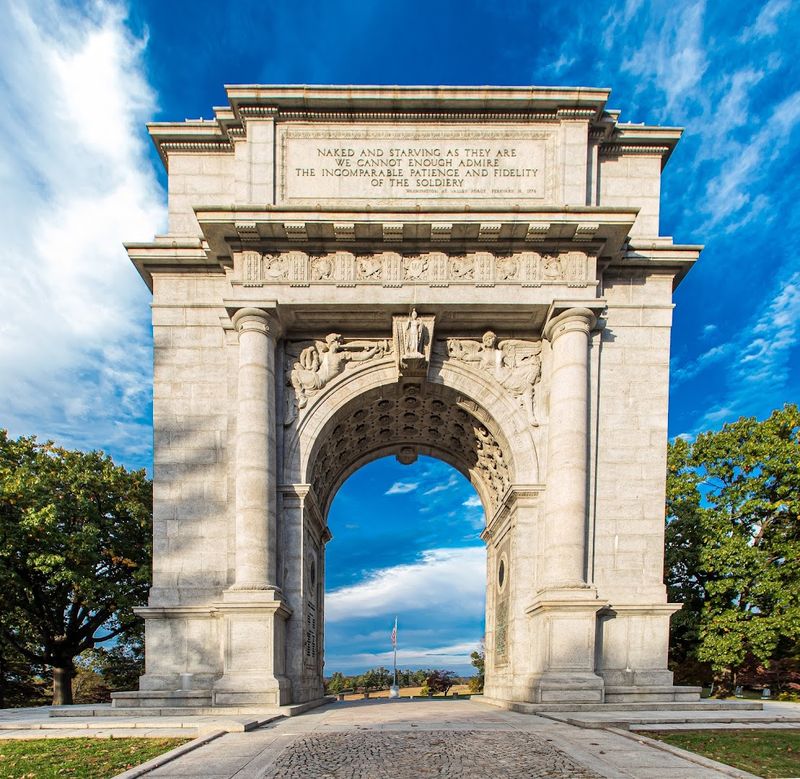
Valley Forge is an easy and meaningful first stop after leaving Philadelphia, and it sets a reflective tone for the drive. The park’s rolling fields, reconstructed encampments, monuments, and winding roads invite you to slow down and imagine the endurance of Washington’s army during the winter of 1777 to 1778.
What makes this stop special is how scenic it feels without losing its historical weight. You can drive through broad landscapes, pull over at overlooks and memorials, and stretch your legs without derailing the day.
It is also a smart road trip stop because the park is easy to navigate. Even a short visit gives you beautiful views, quiet space, and a deeper sense of Pennsylvania’s place in the national story.
If you want your route to feel more thoughtful than rushed, Valley Forge delivers. It offers history, greenery, and a calm transition from city streets to open-road scenery.
Longwood Gardens
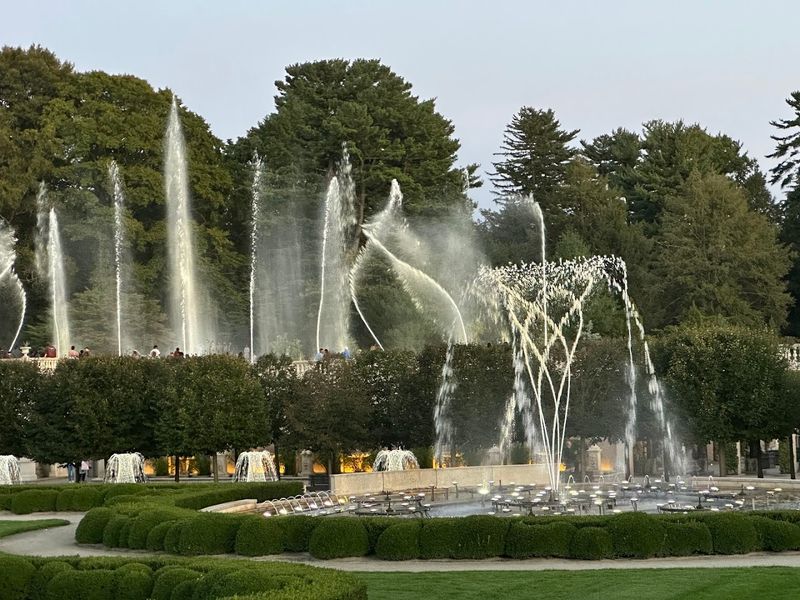
Longwood Gardens adds a surprising splash of elegance to this road trip, and it is one of the most visually rewarding detours you can make. Seasonal flower displays, formal gardens, fountains, woodlands, and the huge conservatory create an experience that feels both polished and deeply relaxing.
If you stop here, you are not just breaking up the drive, you are stepping into one of America’s premier public gardens. Every path seems designed for lingering, and even a quick visit can leave you feeling refreshed before the longer stretches ahead.
I especially think Longwood works well because it balances the route’s more rugged nature stops. It gives you color, symmetry, and calm, with enough variety that every season feels a little different.
For travelers who like beauty with structure, this is an ideal early highlight. It proves that the Philadelphia to Niagara Falls drive is not only scenic, but unexpectedly refined and diverse too.
Steamtown National Historic Site
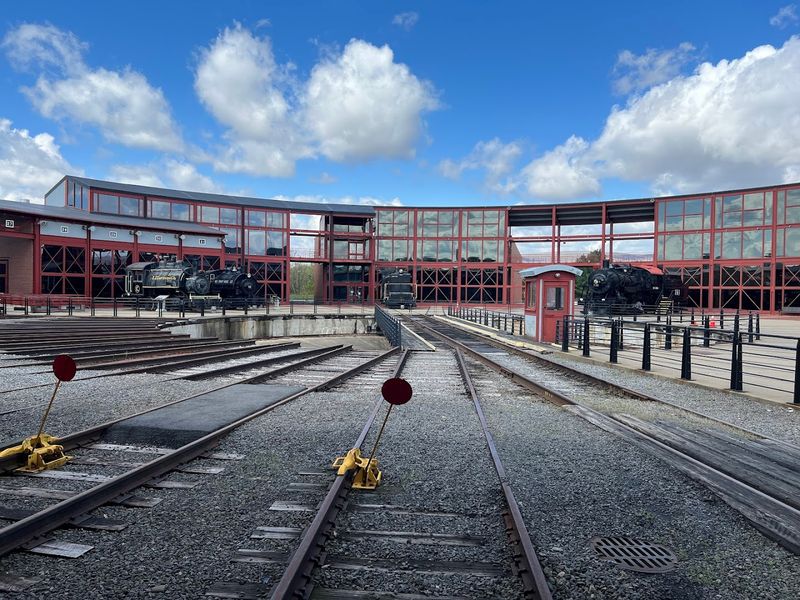
Steamtown National Historic Site in Scranton brings a completely different kind of beauty to the route. Instead of gardens or overlooks, you get towering locomotives, a working rail yard atmosphere, and an immersive look at the steam era that helped shape travel, industry, and the American landscape.
This stop works because it feels hands-on and memorable. Walking among the engines gives you a real sense of scale, and the exhibits help explain why railroads mattered so much to places across Pennsylvania and New York.
Even if you are not a train person, Steamtown is surprisingly engaging. The machinery, preserved buildings, and industrial textures make for fantastic photos and a road trip break that feels educational without being dry.
I like this stop because it adds variety right when the drive needs it. After history-heavy and nature-forward places, Steamtown delivers mechanical drama and regional character, making the journey feel broader and more distinctly American.
Ricketts Glen State Park
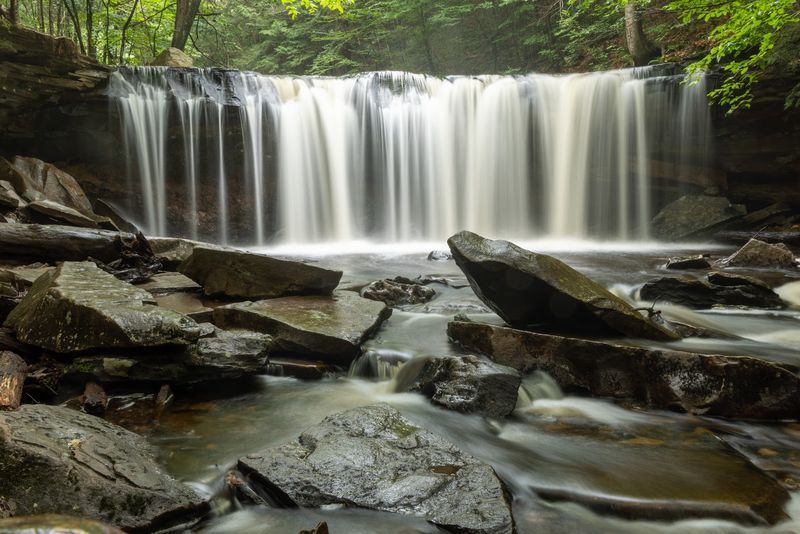
Ricketts Glen State Park is one of the route’s true natural showstoppers, especially if you are willing to lace up your shoes. The park is famous for its 22 named waterfalls, and the Falls Trail leads you through a rugged, green gorge that feels far wilder than many first-time visitors expect.
This is the kind of stop that can reset your entire mood. The sound of rushing water, stone steps, and cool forest air make the trip feel adventurous, even if you only tackle part of the trail instead of the full loop.
Because the terrain can be challenging, it helps to plan ahead and wear proper footwear. Still, even shorter viewpoints and roadside scenery make Ricketts Glen worth including in any well-built outline of this drive.
If you want proof that Pennsylvania hides extraordinary landscapes beyond its cities, this is it. Ricketts Glen brings drama, movement, and genuine wow-factor to the middle of the journey.
Pennsylvania Grand Canyon – Leonard Harrison State Park
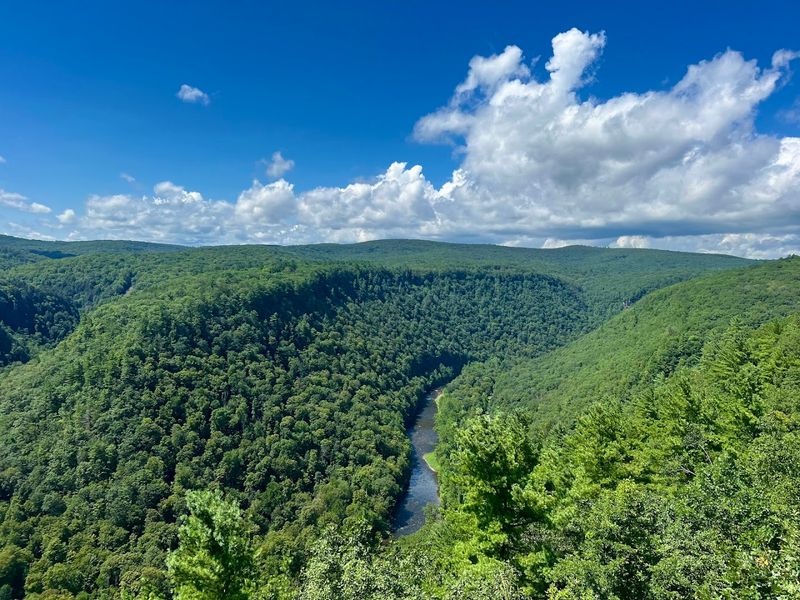
Leonard Harrison State Park gives you one of the most dramatic overlooks anywhere on this trip. From the rim of Pine Creek Gorge, often called the Pennsylvania Grand Canyon, you can take in sweeping forested cliffs, deep valleys, and a sense of scale that feels completely unexpected in the Northeast.
This stop is especially rewarding if you want a big scenic payoff without committing to a long hike. The main overlooks are accessible, the views are expansive, and sunrise or fall color can make the landscape look almost unreal.
I think this park earns its place because it changes your idea of Pennsylvania. Instead of rolling hills alone, you get a gorge landscape with depth, texture, and long-range views that make the road trip feel truly cinematic.
If you are building a route around memorable scenery, this overlook belongs near the top of the list. It is peaceful, photogenic, and one of the strongest arguments for taking the slower road north.
Corning Museum of Glass
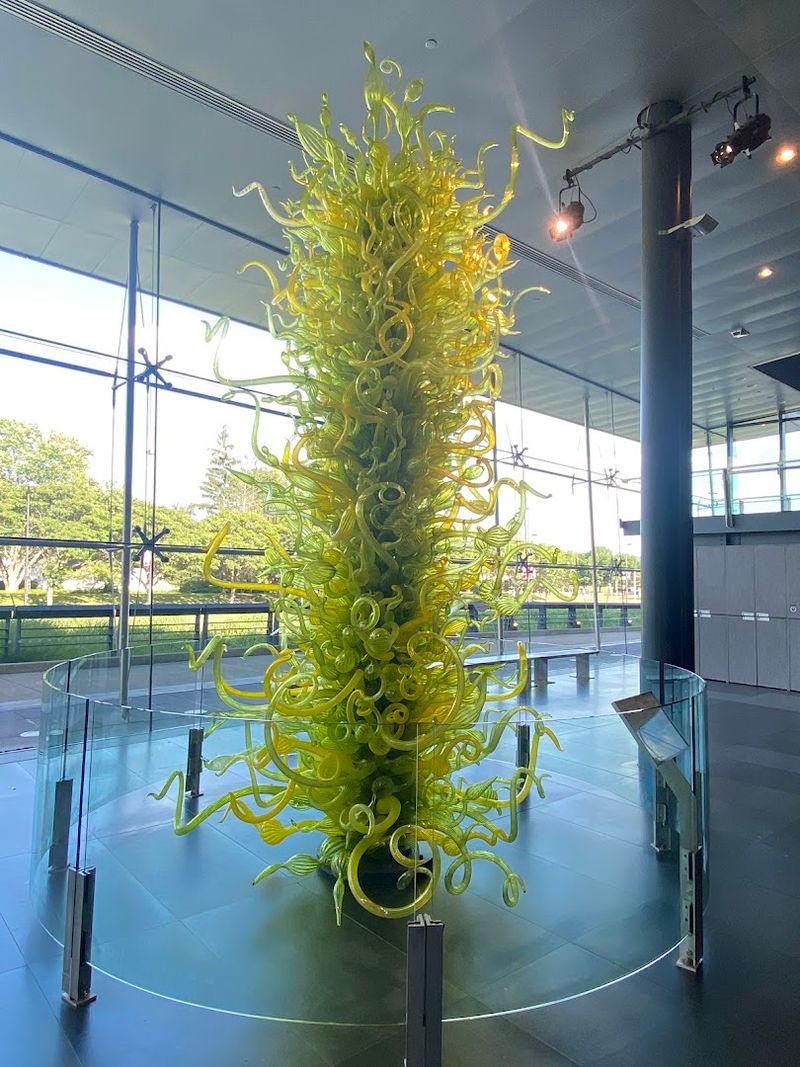
The Corning Museum of Glass brings art, science, and craftsmanship into the middle of a drive that already feels surprisingly varied. Its collections range from ancient glass objects to contemporary installations, and the live demonstrations add the kind of energy that keeps a museum stop from feeling passive.
What I like most is that Corning feels both creative and accessible. You can watch glassblowers work with intense heat and precision, then wander galleries that show how this material has shaped design, technology, and daily life for centuries.
It is also a smart road trip pause because the town itself is pleasant and easy to navigate. If you need lunch, a coffee, or a slower stretch between outdoor stops, Corning fits naturally into the flow.
This museum proves the route is not only about landscapes. It adds imagination, hands-on interest, and one of New York’s most distinctive cultural attractions before you continue deeper into the Finger Lakes.
Watkins Glen State Park
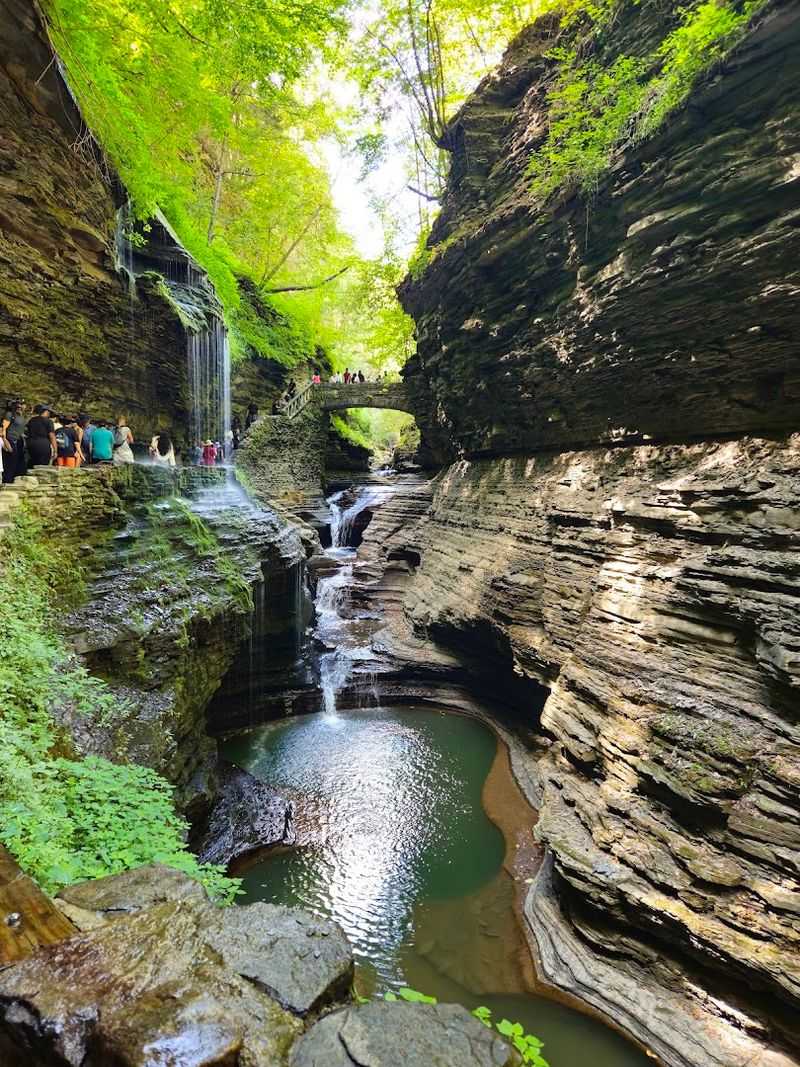
Watkins Glen State Park is one of those places that instantly justifies the entire drive. Its famous gorge trail threads past 19 waterfalls in just two miles, with stone staircases, arched bridges, and narrow rock walls creating a setting that feels almost storybook-like.
If you only know the Finger Lakes from winery photos, Watkins Glen will completely widen your perspective. The park is dramatic, cool, and immersive, with each turn revealing another cascade or beautifully carved section of gorge.
I would rank this as one of the route’s essential stops because it delivers maximum visual impact in a relatively compact area. You do need to be ready for stairs and seasonal conditions, but the payoff is enormous.
For travelers who want a place that feels both iconic and intimate, this is it. Watkins Glen combines accessibility, natural drama, and unforgettable scenery in a way very few road trip stops can match.
Seneca Lake
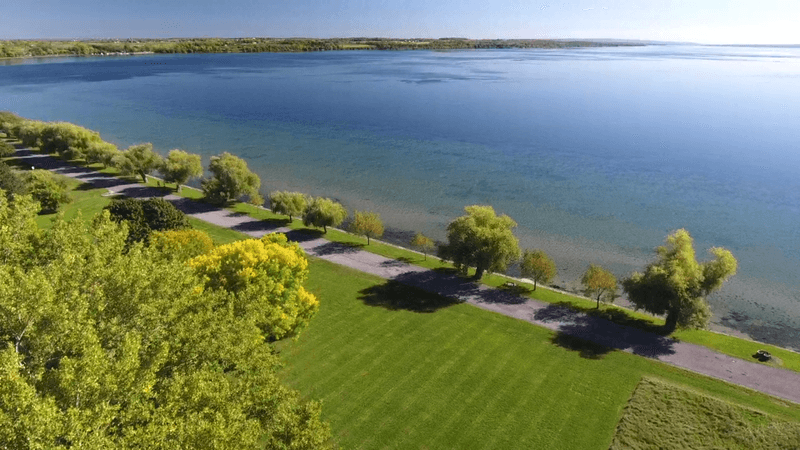
Seneca Lake gives this road trip a quieter kind of beauty, one built around water, vineyards, and charming shoreline towns. As the largest Finger Lake, it offers broad views, peaceful lakefronts, and a chance to trade gorge hiking for a slower, more relaxed stretch of the journey.
This stop works especially well if you want to balance major attractions with simple scenic pleasure. You can walk along the waterfront in Geneva, drive past wineries, or settle in for a meal with lake views and let the trip breathe a little.
I think Seneca Lake matters because it changes the rhythm. After dramatic parks and museum stops, the area invites you to linger, taste, and enjoy the landscape at a gentler pace.
If you are planning an outline that feels complete, not rushed, this lake belongs in it. Seneca brings calm, regional flavor, and the kind of scenery that makes even the drive between stops part of the highlight.
Taughannock Falls State Park
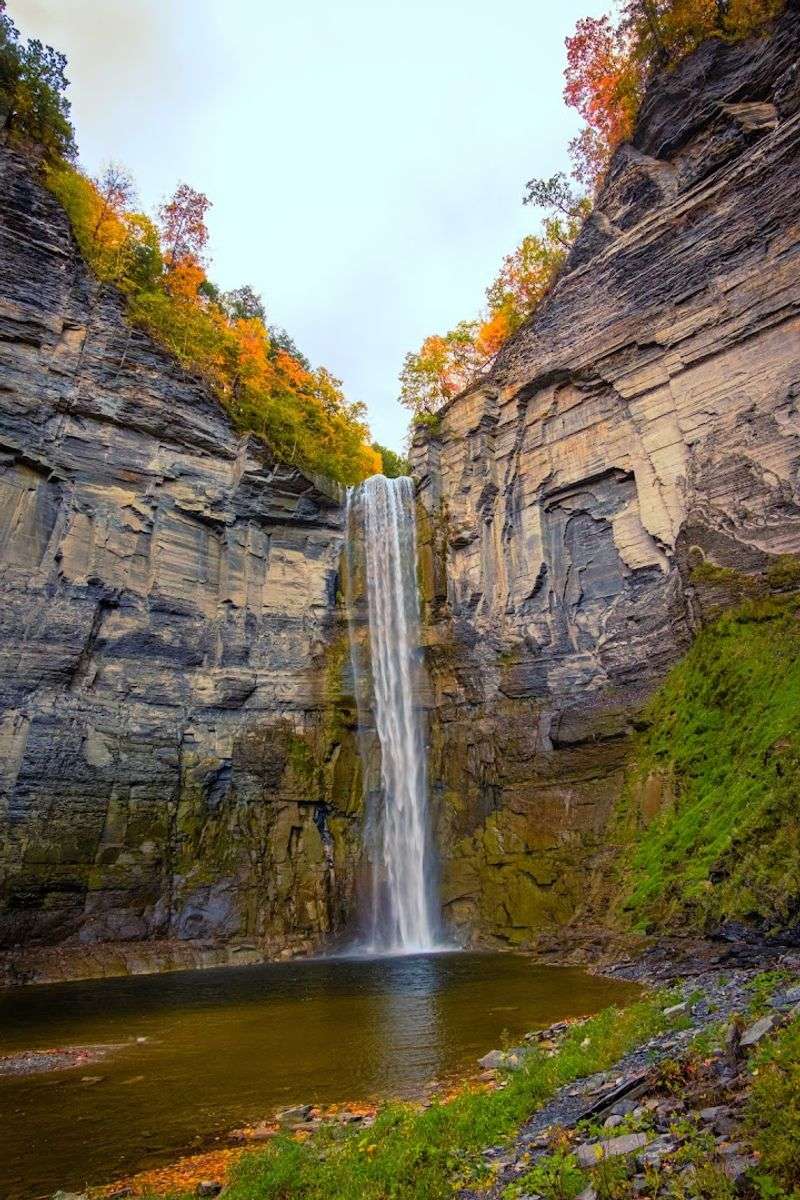
Taughannock Falls State Park delivers one of the most impressive single-drop waterfalls in the eastern United States, and it is the kind of stop that feels instantly memorable. The main waterfall plunges 215 feet, creating a huge vertical statement that is dramatic from both the overlook and the gorge trail.
What makes this park so effective on a road trip is its flexibility. You can stop briefly for the overlook and still get a major scenic reward, or you can spend more time on the trail and enjoy the changing perspectives as you approach the falls.
I like how this stop pairs scale with simplicity. You do not need a complicated plan to appreciate it, and the surrounding Finger Lakes scenery keeps the whole area feeling fresh and expansive.
For anyone building the best possible route north, Taughannock is a worthy addition. It is bold, easy to appreciate, and another reminder that this drive is overflowing with natural highlights.
Letchworth State Park
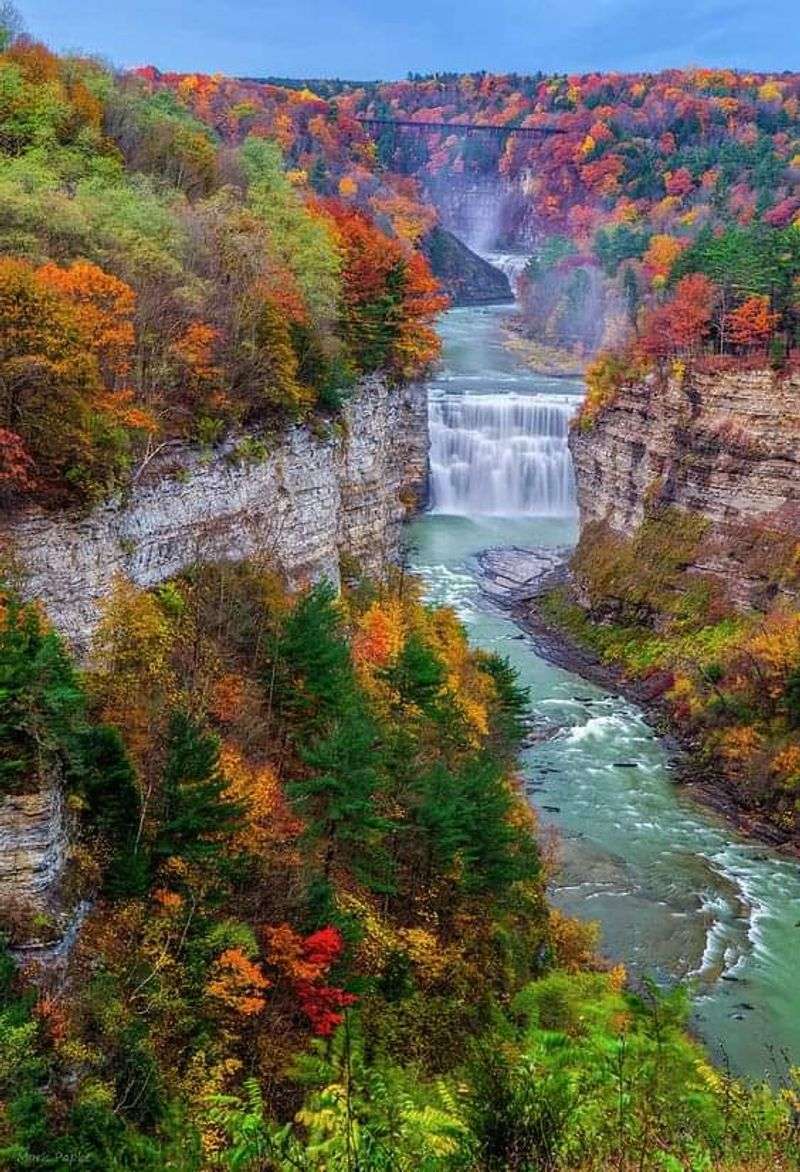
Letchworth State Park is often called the Grand Canyon of the East, and once you see it, the nickname makes sense. The Genesee River cuts through a deep gorge lined with cliffs, forest, and three major waterfalls, creating one of the most spectacular landscapes anywhere between Philadelphia and Niagara Falls.
This is a stop that deserves time if you can give it. Scenic overlooks, picnic areas, trails, and dramatic river views make it feel like a destination in its own right rather than just a place to stretch your legs.
I would call Letchworth one of the route’s defining highlights because it combines easy-access viewpoints with truly grand scenery. Whether you arrive in summer green or peak fall color, the park feels huge, layered, and deeply photogenic.
If you are wondering where the drive becomes unforgettable, Letchworth is one answer. It offers scale, beauty, and a sense of discovery that raises the entire road trip to another level.
Buffalo Waterfront

The Buffalo Waterfront gives the trip a lively urban pause before the grand finale at Niagara Falls. Around Canalside and the harbor area, you get restored industrial history, public spaces by the water, museums, and the kind of city energy that feels especially welcome after long stretches of parks and scenic roads.
This stop is not just practical, it is genuinely fun. You can walk the waterfront, catch views of Lake Erie, explore nearby attractions, and of course make time for Buffalo’s famous food scene if you want a satisfying break.
I like Buffalo here because it broadens the story of the route. The drive is not only waterfalls and overlooks, it is also about canal history, Great Lakes culture, and cities reinventing themselves around their waterfronts.
If you need one last substantial stop before Niagara, Buffalo fits beautifully. It is accessible, interesting, and gives the journey a dose of momentum before the natural spectacle ahead.
Niagara Falls State Park
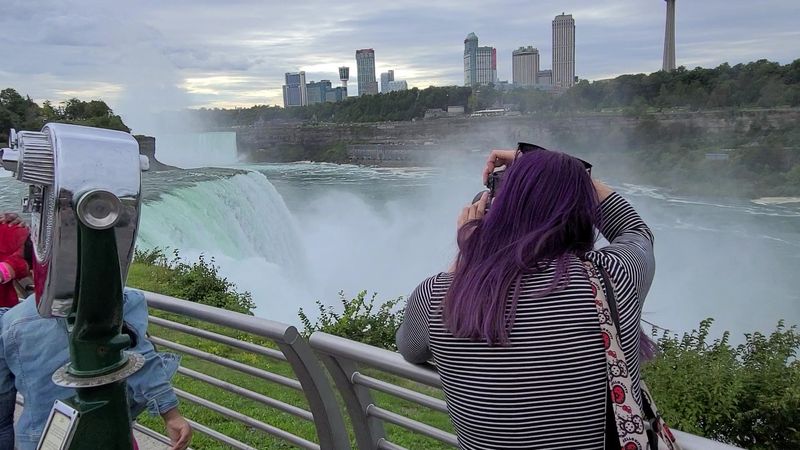
Niagara Falls State Park is the payoff, and it absolutely delivers. As the oldest state park in the United States, it frames one of the world’s most famous natural wonders with pathways, overlooks, and access points that let you experience the falls from multiple angles rather than just checking off a single viewpoint.
Arriving here after a scenic drive makes the moment feel earned. The rising mist, roar of the water, and constant movement create a level of sensory impact that photos never fully prepare you for.
What I appreciate most is that the park is more than a famous backdrop. It has enough space, greenery, and walking routes that you can keep exploring and find different moods depending on light, weather, and crowds.
If your road trip ends here, it ends strongly. Niagara Falls State Park gives the journey a world-class finale and proves that the route’s beauty was building toward something genuinely monumental all along.
Goat Island
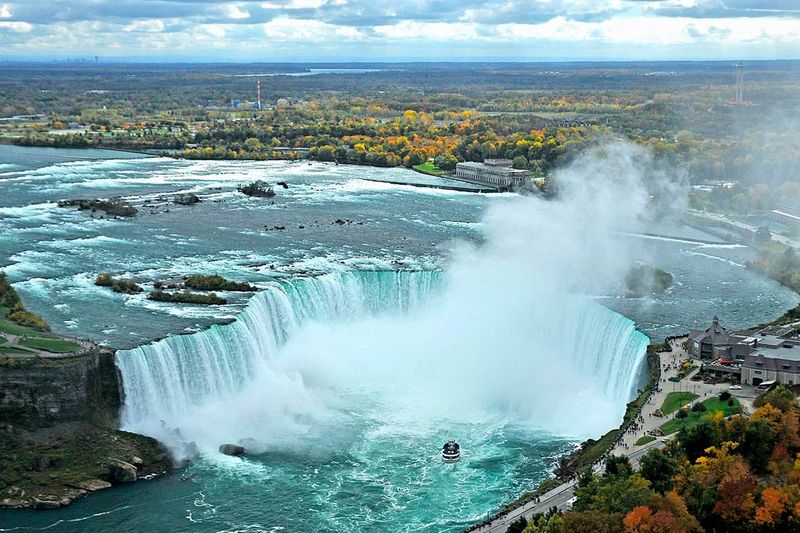
Goat Island is where Niagara starts to feel personal rather than distant. Sitting between the American and Horseshoe Falls, it puts you in the middle of the action, with walking paths and viewing areas that bring you close enough to feel the power of the river all around you.
This is one of the best places to slow down after the initial wow moment. Instead of simply looking at the falls from afar, you can wander, pause, and notice how different each angle feels as the water changes speed, sound, and scale.
I think Goat Island is essential because it offers some of the richest perspectives in the entire park. You are not just seeing Niagara, you are moving through it, with rapids, mist, and dramatic drop-offs constantly reshaping the view.
For a road trip finale, Goat Island adds immersion. It turns the destination into an experience you can walk through, not just photograph and leave behind.
Cave of the Winds
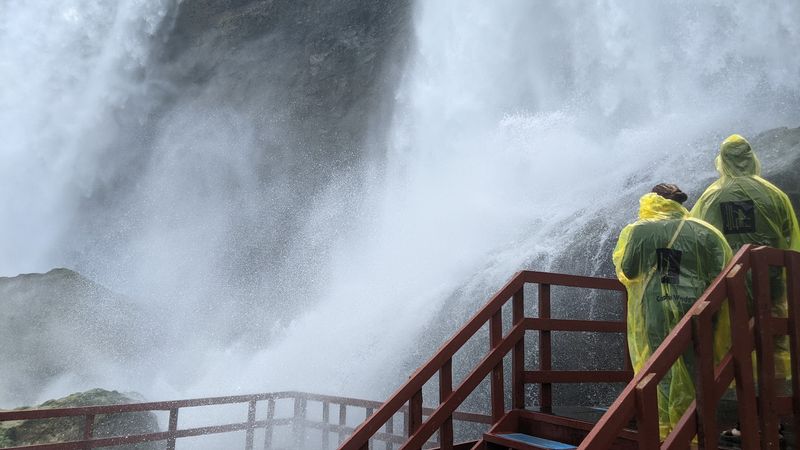
Cave of the Winds is the most exhilarating stop at Niagara if you want to feel the falls instead of just admire them. The wooden walkways near Bridal Veil Falls bring you astonishingly close to the pounding water, and the experience is loud, wet, windy, and unforgettable in the best way.
This attraction works so well at the end of the drive because it adds a burst of adrenaline. After days of scenic overlooks, historic sites, and measured exploration, you get a finale that is physical, immediate, and a little wild.
I would absolutely include it in any outline of the route because it captures the raw force of Niagara better than almost anything else. A photo cannot convey the vibration underfoot or the rush of standing in the spray.
If the goal is ending the trip with a real sense of awe, Cave of the Winds does it. It is immersive, iconic, and impossible to forget once you have been there.
Niagara Scenic Parkway
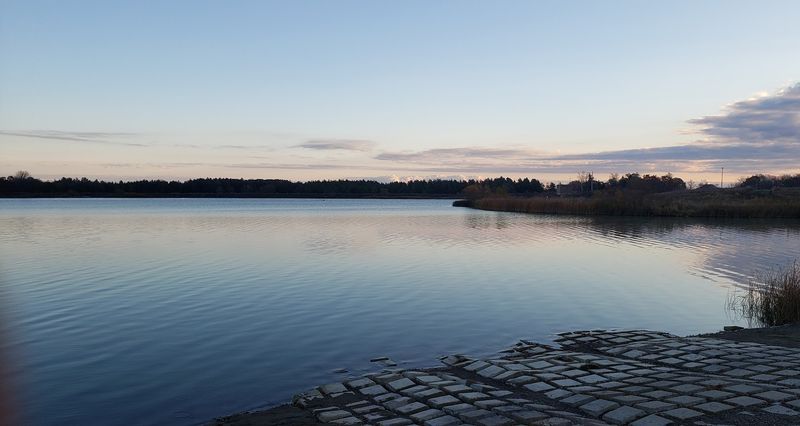
The Niagara Scenic Parkway is one of those final approach roads that deserves more appreciation than it gets. Running along the Niagara River, it gives you a graceful, scenic lead-in to the falls, with water views, green spaces, and a sense that the destination is gradually gathering power beside you.
What makes it valuable in this itinerary is how it extends the pleasure of the drive right up to the end. Instead of arriving through pure traffic and urban clutter, you get a route that still feels connected to landscape and motion.
I think scenic parkways matter because they shape your memory of arrival. Here, the river becomes a companion, and the anticipation builds with every stretch of road, overlook, and glimpse of rapids.
If you are crafting a beautiful Philadelphia to Niagara Falls drive, this belongs in the outline. It is not just transportation, it is part of the experience, and a fitting final ribbon of scenery before the main event.