Coney Island gets all the attention, but New York’s amusement park history stretches far beyond Brooklyn’s famous boardwalk.
From the Bronx to the Finger Lakes, the state once had dozens of parks that defined summer for generations of families.
Many of them closed quietly, leaving behind rusted rides, faded ticket booths, and stories that locals still pass down.
What remains today ranges from carefully documented ruins to sites so thoroughly redeveloped that almost no trace survives.
But if you know where to look, fragments of these forgotten places still exist, in old photographs, in local archives, and in the memories of people who were there.
This list brings together eleven of the most compelling chapters in New York’s lost amusement park story.
1. Steeplechase Park, Brooklyn, Kings County
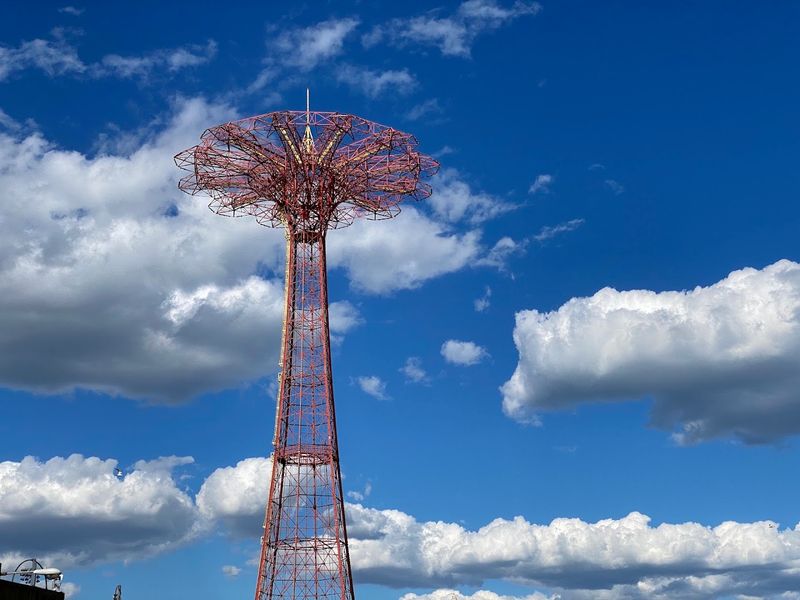
Salt air, carnival barkers, and the clatter of wooden attractions once made this stretch of Coney Island feel like the center of summer itself.Visitors came for noise, novelty, and a little mischief, entering a place designed to turn ordinary afternoons into theatrical chaos.
That place was Steeplechase Park, the famous Brooklyn playground that opened in 1897 and helped define New York amusement culture.
Its signature atmosphere mixed humor with physical comedy, especially through the Pavilion of Fun, where spinning barrels, sliding surfaces, and sudden surprises made spectators laugh as much as riders.George C.
Tilyou built the park to be democratic entertainment, and for decades it worked, drawing millions who wanted affordable thrills by the sea.Fire damaged the grounds more than once, yet Steeplechase kept returning, proving how deeply the park mattered to the city.
By the mid twentieth century, though, tastes changed, competition intensified, and maintaining vast amusements grew harder.The original park closed in 1964, and much of it was demolished despite public affection and preservation pleas.
Today its story feels bigger than one lost attraction, because Steeplechase represents the rise, reinvention, and fragility of mass leisure in New York.
2. Luna Park (1903 original), Brooklyn, Kings County
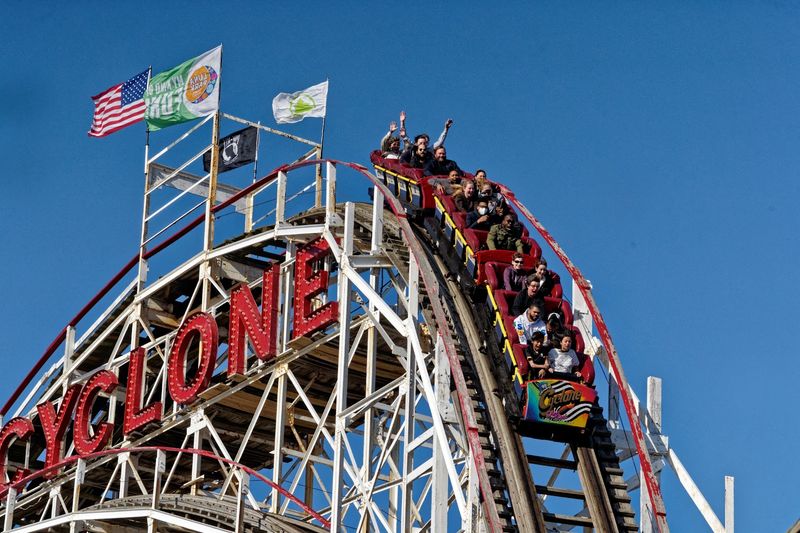
At night, the skyline once shimmered with towers, domes, and thousands of bulbs that made the seaside look almost otherworldly.
People arrived expecting not just rides, but a fantasy metropolis where architecture itself seemed to move and sparkle.
That extraordinary vision was the original Luna Park, opened in 1903 at Coney Island by Frederic Thompson and Elmer Dundy.
Unlike a simple fairground, Luna Park wrapped visitors inside a total experience, combining spectacular design, mechanical thrills, and immersive attractions into one unforgettable environment.
Its famous entrance, elaborate facades, and dazzling lighting helped shape what many people still imagine when they hear the phrase amusement park.
The place became a major cultural landmark, proving that leisure could be cinematic long before movies became the dominant visual language.
Still, innovation is expensive, and Coney Island entertainment was always exposed to weather, fire risk, shifting crowds, and changing economics.
After decades of popularity, the original park struggled through the twentieth century and finally closed in 1944, later suffering catastrophic fire damage that erased much of the site.
Luna Park’s story continues to matter because it transformed amusement design and showed how electricity, fantasy, and urban ambition could briefly create a world you felt lucky to enter.
3. Nunley’s Amusement Park, Baldwin, Nassau County
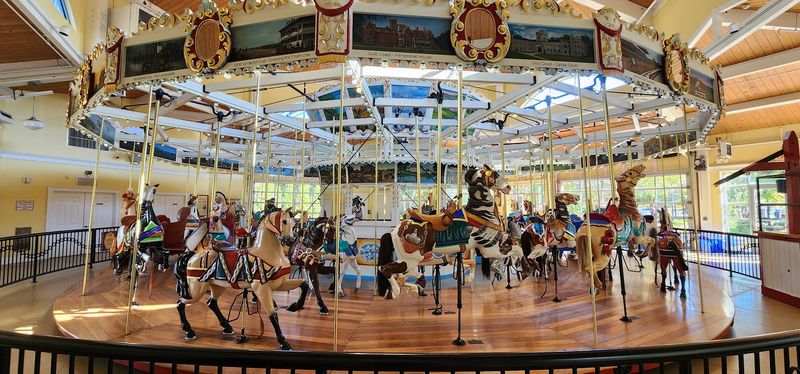
For many Long Island families, the magic was never about sheer scale but about repetition, familiarity, and the comfort of returning every summer.Bright lights, manageable thrills, and a beloved carousel created the kind of place that stitched itself into local memory without needing national fame.
That was the appeal of Nunley’s Amusement Park in Baldwin, a modest but cherished Nassau County destination rooted in neighborhood tradition.
Opened in the early twentieth century and later associated with the famous Stein and Goldstein carousel, Nunley’s offered rides and amusements that felt especially welcoming to children and multigenerational groups.It was the sort of park where parents could revisit their own childhood while introducing you to the same music, painted horses, and midway rhythms.
Because of that intimacy, its eventual decline felt less like the loss of an attraction and more like the fading of a family ritual.
As larger entertainment options expanded and land values shifted, small regional parks faced harder odds.Nunley’s closed in the 1990s, and while parts of its legacy survived through carousel preservation, the park itself disappeared from everyday life.
Its forgotten story matters because places like this rarely dominate history books, yet they reveal how amusement culture truly lived in New York, not only through grand Coney Island spectacles, but through local institutions where memory rode in circles and everyone seemed to know the tune.
4. Freedomland U.S.A., Bronx, Bronx County
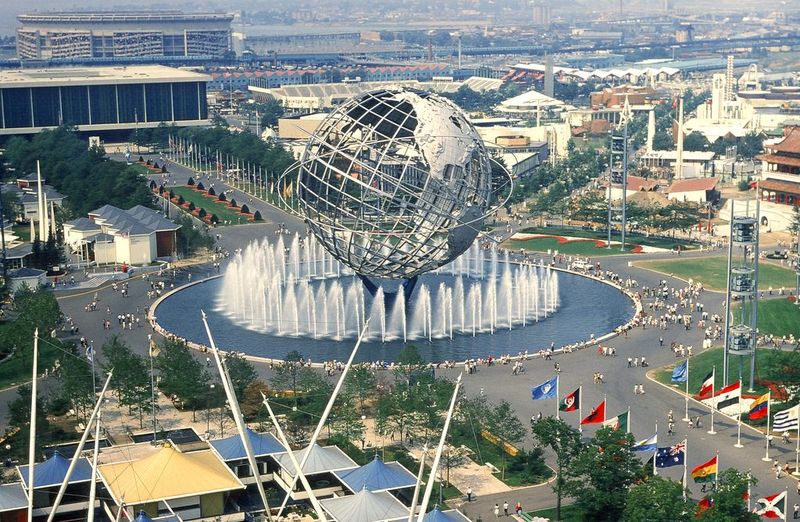
Patriotic music, themed streets, and tidy historical recreations once invited families into a version of America designed for a single afternoon.Instead of escaping reality entirely, guests were encouraged to travel through it, moving from frontier scenes to cityscapes and national myths.
That ambitious concept defined Freedomland U.S.A., the Bronx theme park that opened in 1960 on marshy land in what is now Co-op City.
Often described as a New York answer to Disneyland, the park divided its attractions into themed areas representing episodes and regions from American history.Visitors could board rides, watch pageantry, and step into sanitized versions of the past, all within a massive urban entertainment complex.
Its size and imagination made it memorable, but the project was burdened by heavy costs, problematic land conditions, and financial instability from the start.
Attendance never consistently matched expectations, and the company behind Freedomland soon faced serious money troubles.By 1964, only a few seasons after opening, the park closed, and redevelopment quickly overtook the site, leaving surprisingly little physical trace of its existence.
What lingers is the strange poignancy of a place that tried to package national memory as family fun, only to become a vanished chapter itself, hidden beneath apartments and roads where the midway once promised a bright, durable future.
5. Rockaway’s Playland, Far Rockaway, Queens County
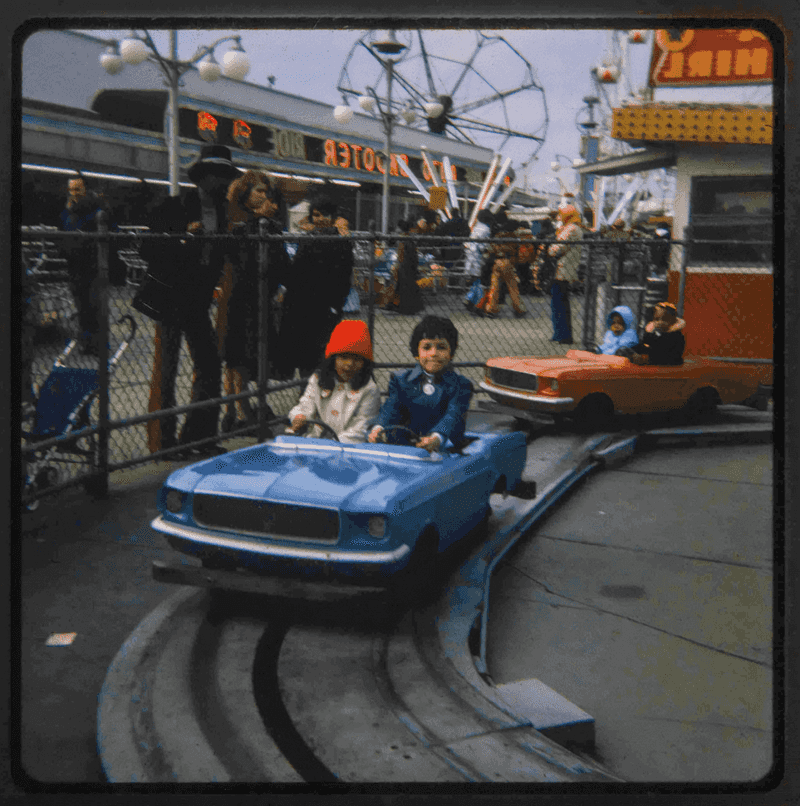
Beach wind, transit crowds, and the easy promise of a summer detour once made this corner of Queens feel made for amusement.
Families heading toward the shore could stop for rides, games, and bright midway energy before the day slipped into evening.
That lively mix centered on Rockaway’s Playland in Far Rockaway, a beloved amusement park that served generations of New Yorkers.
Opening in the early twentieth century, the park offered the classic ingredients people wanted near the ocean, including rides, arcades, concessions, and a social atmosphere that blurred beach outing and carnival excursion.
Its location mattered as much as any single attraction, because Playland benefited from the Rockaways’ role as a major seasonal destination.
When the beaches were full and transit lines were humming, the park felt woven into the rhythm of city summer life.
But neighborhood change, competition, and the long economic struggles that affected the peninsula gradually altered that rhythm.
The park closed in the 1980s, and redevelopment erased most obvious signs of the place where so many local memories had formed.
Rockaway’s Playland was not a novelty meant for one brief era, but a dependable companion to the shore, proving that amusement history often survives longest in the minds of people who simply thought it would always be there.
6. Clason Point Amusement Park, Bronx, Bronx County
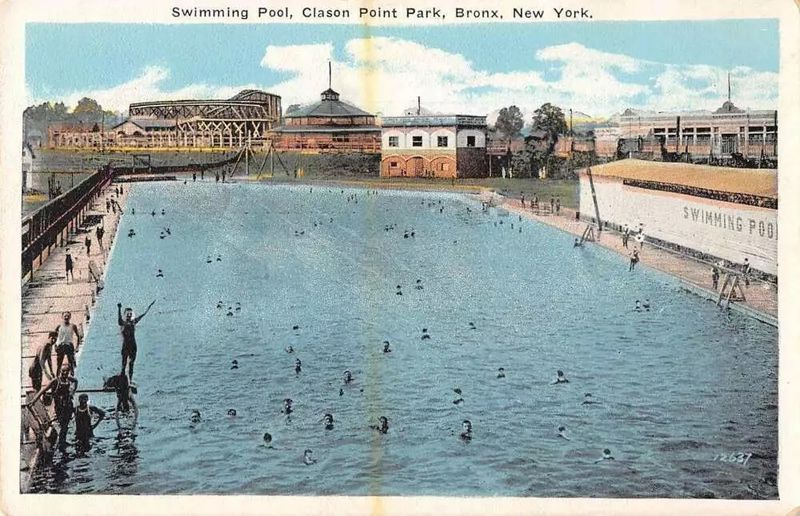
Long before the Bronx waterfront was imagined in its current form, music, rides, and river breezes drew crowds to a lively leisure district.People came not only for amusement devices but for dancing, socializing, and the feeling that a city shoreline could briefly become a resort.
That spirit found a home at Clason Point Amusement Park, an important but often overlooked entertainment site along the East River in the Bronx.
In the late nineteenth and early twentieth centuries, Clason Point developed as a pleasure destination with picnic grounds, attractions, and nearby venues that supported a broader excursion culture.The area reflected a time when urban residents used ferries and streetcars to reach waterside escapes that felt just far enough from ordinary routine.
Its amusement identity was shaped by this larger social landscape, making the park part of a network of recreation rather than an isolated thrill machine.
As transportation patterns changed and newer forms of entertainment spread, older waterfront parks lost some of their hold on the public imagination.Clason Point’s amusement era eventually faded, leaving behind a fragmentary legacy compared with better documented New York parks.
That relative obscurity is exactly why its story deserves attention, because it shows you how deeply recreation once depended on access to water, transit, and communal gathering, and how easily a place can disappear from popular memory when its attractions were woven into everyday urban life instead of packaged as a singular spectacle.
7. Catskill Game Farm, Catskill, Greene County
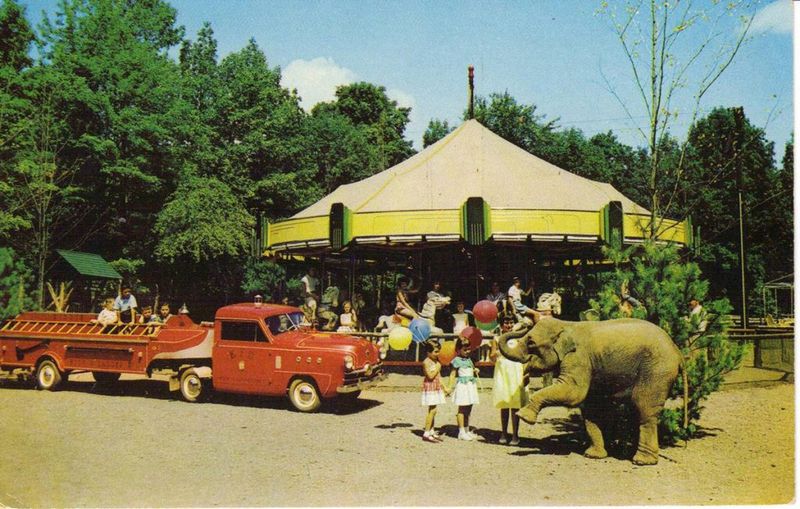
Not every forgotten attraction was built around roller coasters and midway games.Some places traded shrieks for wide-eyed wonder, offering children the rare thrill of standing close to animals they had only seen in books.
That was the enduring charm of the Catskill Game Farm in Catskill, a Greene County institution that blurred the line between roadside attraction, zoo, and family amusement destination.
Founded in 1933, the park became famous for its hands-on encounters, nursery animals, and generations of school trips and summer visits.For many families, feeding deer or seeing exotic species up close felt every bit as exciting as any mechanical ride, especially in a region tied to vacation culture.
Its longevity made it seem permanent, a fixture of upstate memory as dependable as mountain postcards and old resort towns.
But operating large animal facilities grew increasingly expensive, and evolving standards, attendance pressures, and broader tourism shifts made survival harder.The Catskill Game Farm closed in 2006, ending a run long enough to have shaped multiple childhoods across New York and beyond.
Its story belongs in this list because amusement is not only about rides, but about the curated worlds adults build for children, and the Game Farm’s quiet disappearance reminds you how quickly beloved family traditions can become ghostly landmarks, remembered through snapshots, feed pellets, and the strange feeling that a place once full of life can suddenly fall silent.
8. Gaslight Village, Lake George, Warren County
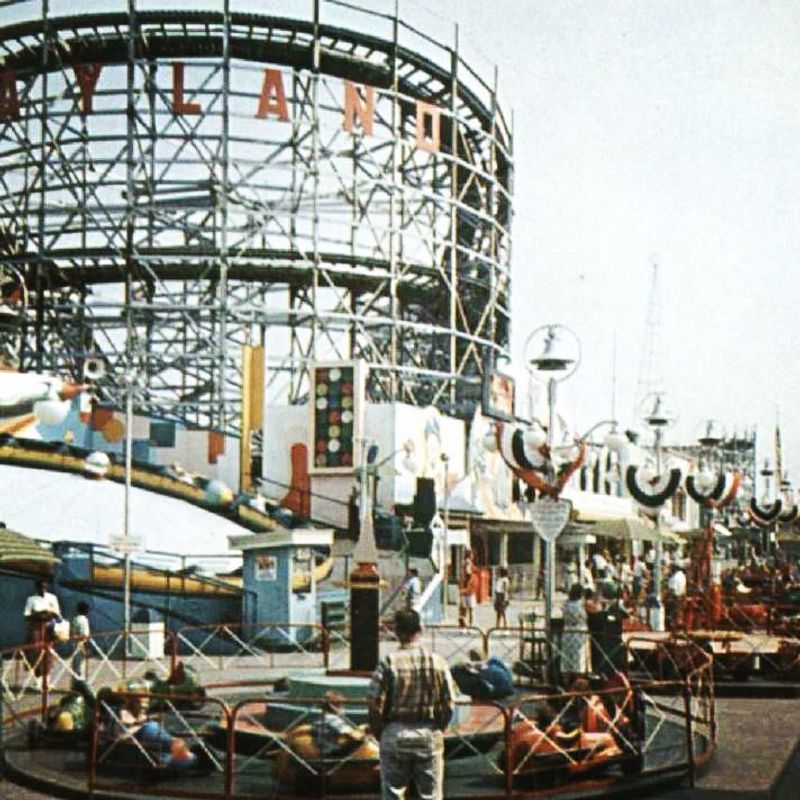
In the Adirondacks, family entertainment once arrived wrapped in stagecraft, costume, and a polished version of the past.Visitors could step from lake vacation routines into a theatrical streetscape where old-time atmosphere mattered as much as the rides themselves.
That blend of kitsch and charm defined Gaslight Village in Lake George, a Warren County attraction remembered with unusual affection.
Originally developing from Storytown U.S.A. roots before evolving into Gaslight Village, the park mixed Victorian styling, live entertainment, and classic family amusements in a resort region already rich with seasonal nostalgia.Its setting helped enormously, since tourists were primed for memory-making and happily embraced places that offered gentle fantasy rather than intense thrills.
For many people, the park became part of the ritual of visiting Lake George, right alongside steamboats, motels, and souvenir shops.
Yet tourism habits changed, competition intensified, and maintaining a themed regional park became increasingly difficult.Gaslight Village closed in 1989, and although some elements survived in memory and redevelopment, the original atmosphere faded with surprising speed.
Its forgotten story stands out because it reveals how amusement can depend on emotional tone as much as machinery, and how a place built around family ritual, vacation mood, and carefully staged old-fashioned delight can disappear almost completely once the economic conditions supporting that seasonal magic are gone.
9. Sherman’s Amusement Park, Caroga Lake, Fulton County
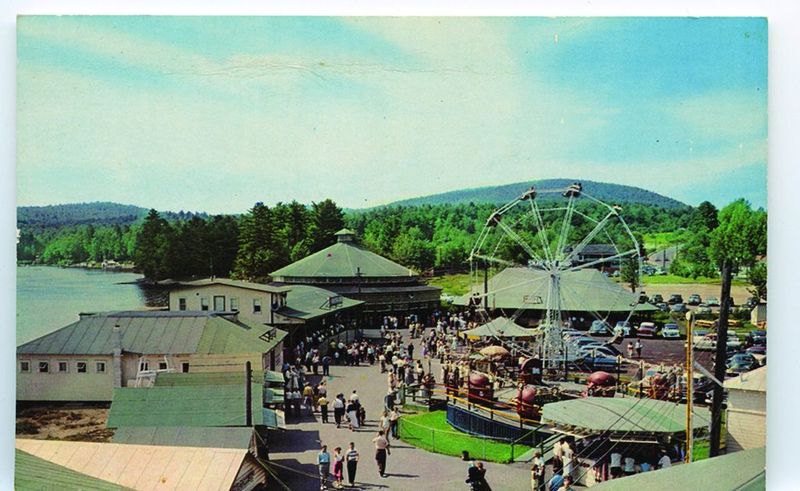
Lakeside leisure once came with brass bands, picnic excursions, and the sense that a short trip could deliver a complete escape.
Before highways reshaped vacation habits, parks tied to rail and trolley culture thrived by turning transportation into entertainment.
That history lives on in the memory of Sherman’s Amusement Park at Caroga Lake, a Fulton County destination woven into the old summer life of the southern Adirondacks.
Developed in the late nineteenth century, the park served visitors who came for rides, social events, boating, dancing, and the broader resort atmosphere of the lake.
Like many classic trolley and excursion parks, it was not just about individual attractions, but about creating a full day where scenery, music, and motion all worked together.
As automobiles changed how people vacationed and as newer forms of entertainment gained attention, many such parks struggled to remain central.
Sherman’s amusement era gradually receded, leaving the place better remembered by historians and local families than by the wider public.
That makes its story especially valuable, because it helps you see how amusement history in New York was never only urban or coastal, but also deeply connected to lakes, transit lines, and resort customs, where an afternoon at a park could feel like the social center of an entire season and then quietly slip away.
10. Lake Ronkonkoma Amusement Park, Lake Ronkonkoma, Suffolk County
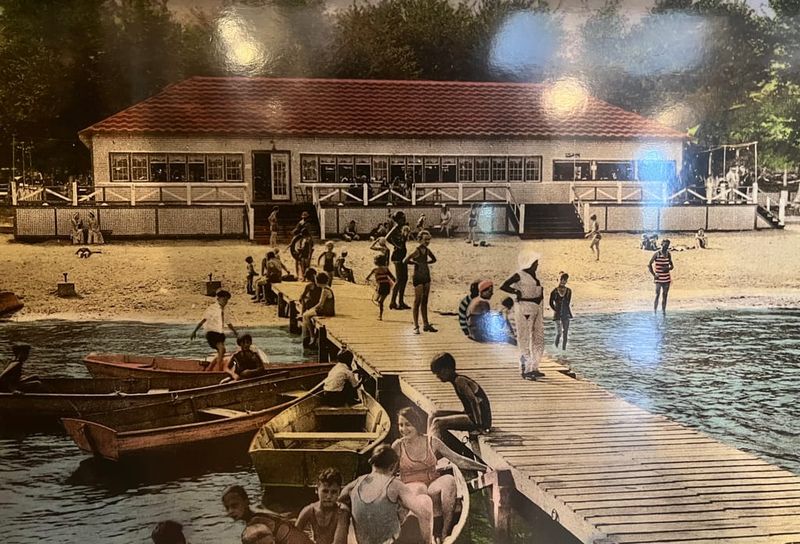
On Long Island, a lake could become a complete summer world when paired with music, bathing beaches, and a few well-placed amusements.
Crowds did not always need giant coasters to feel entertained, only water, shade, and enough attractions to stretch a warm day into night.
That spirit once animated Lake Ronkonkoma Amusement Park in Lake Ronkonkoma, a Suffolk County recreation spot tied to the area’s resort past.
The park belonged to a broader era when lakeside destinations offered mixed-use leisure, combining swimming, picnicking, dancing, concessions, and modest rides into one accessible outing.
Its popularity reflected the appeal of local escape, especially for people seeking relief from city heat without traveling far from home.
In that sense, the amusements were part of a larger experience shaped by landscape and social habit rather than by headline attractions alone.
Over time, changing travel patterns, suburban development, and shifting entertainment expectations reduced the importance of such regional lake parks.
Lake Ronkonkoma’s amusement identity faded, leaving behind more memory than material evidence for later generations to discover.
This reminds you that New York’s amusement history also thrived in quieter settings, where recreation grew out of geography itself, and where the loss of a park meant more than vanished rides, it meant the disappearance of a whole way of spending summer close to the water.