Most trails in Georgia lead to a waterfall or a nice overlook. This one leads to a city that people built by hand, one basket of earth at a time, about a thousand years ago.
Just outside Cartersville, a short walk takes you past giant flat-topped mounds, an old defensive ditch, and a quiet river with a stone fish trap still resting in the water.
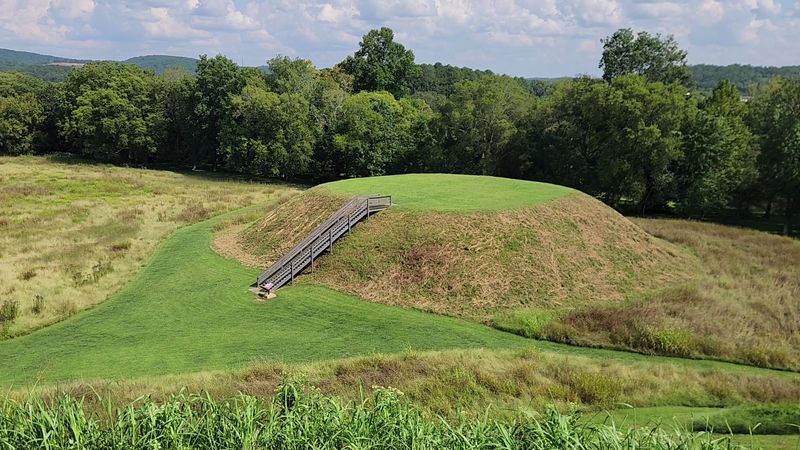
You can climb stairs to the top of the tallest mound and see the same valley that powerful leaders once looked over.
The whole loop is easy enough for kids, but the history packed into it is anything but small.
Keep reading to learn what makes this spot so special, what to see first, and the simple tips that will make your visit better.
A Mystery Hiding in Plain Sight
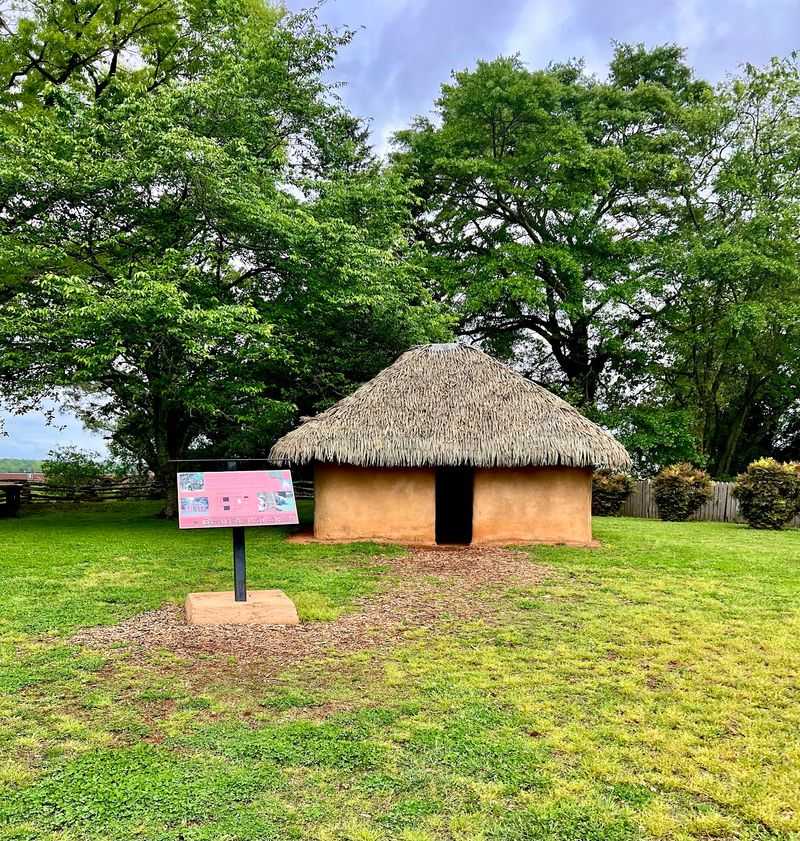
The secret trail sits at Etowah Indian Mounds State Historic Site, 813 Indian Mounds Rd, Cartersville, GA 30120, in the state of Georgia, United States. It is a small state park, but it holds one of the most important Native American sites in the Southeast.
Between about 1000 and 1550 AD, the Mississippian people lived here. They built a busy town with leaders, ceremonies, trade, and art.
The mounds you see today were raised by hand, using baskets filled with soil.
That fact alone changes how a simple walk feels. Every step lands on ground that once held homes, plazas, and gatherings.
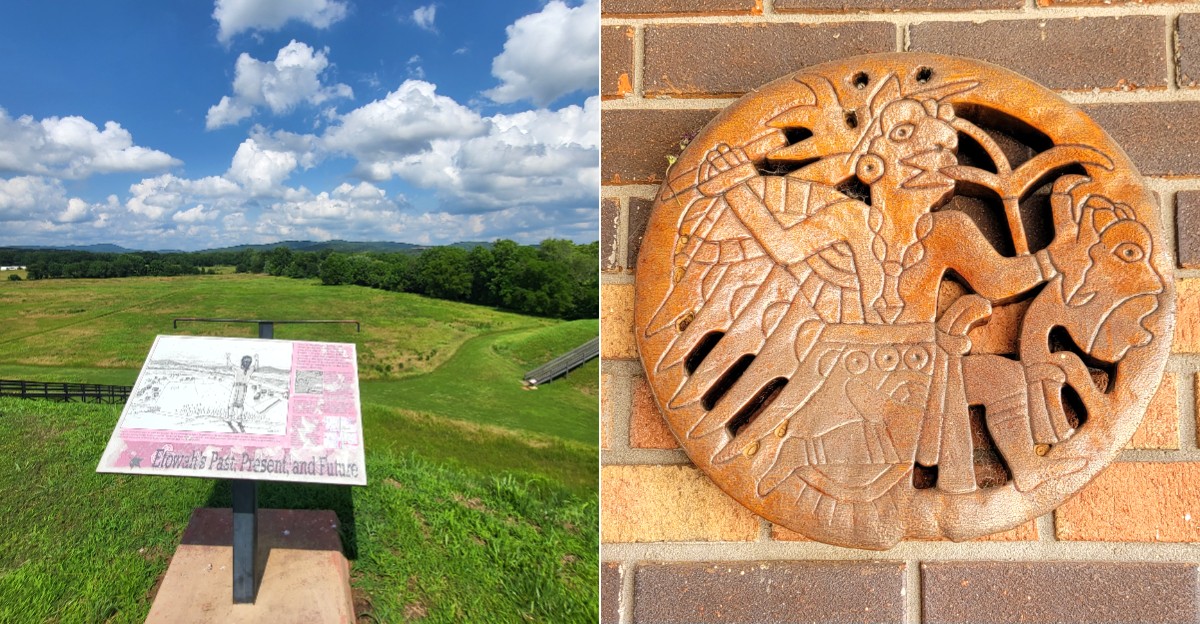
The site covers 54 acres along the Etowah River. Six earthen mounds stand on the land, along with a plaza and the remains of a defensive ditch.
You do not need special gear or a full day to see it all. A few hours is plenty for most families.
Still, the questions it raises tend to stick around long after the drive home, and that is half the fun.
Start Inside, Not Outside
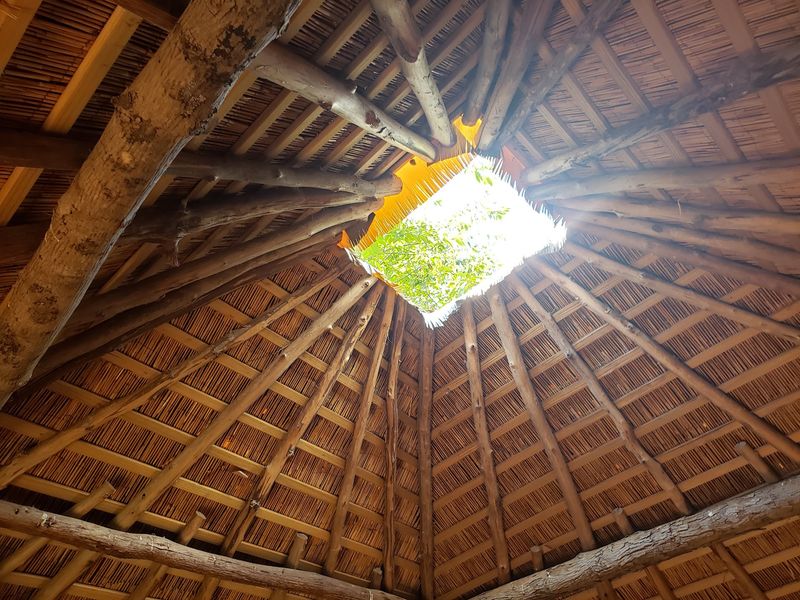
Here is a smart move many people skip. Before heading out to the mounds, spend some time in the visitor center and museum.
Entry to the park goes right through this building. Inside, you will find excavated artifacts, displays about daily life, and a detailed model showing how the ancient town may have looked.
The short film is the real winner. It explains who built the mounds and why they mattered, and it gives the trail outside a lot more meaning.
The museum is not huge, so do not expect giant halls. Think of it as a helpful warm-up that takes maybe twenty or thirty minutes.
Staff and rangers here are known for being friendly and full of facts. Ask them a question, and you will likely walk away with a story you never heard in school.
The admission fee is about $6 per person, which is easy on the wallet. There is also a small gift shop near the front desk.
Grab a magnet on the way out, and your fridge gets a history lesson too.
Climbing a Mountain Made by Hands
Why build a giant hill when real mountains sit on the horizon? People have asked that question for years, and the answer is all about power and meaning.
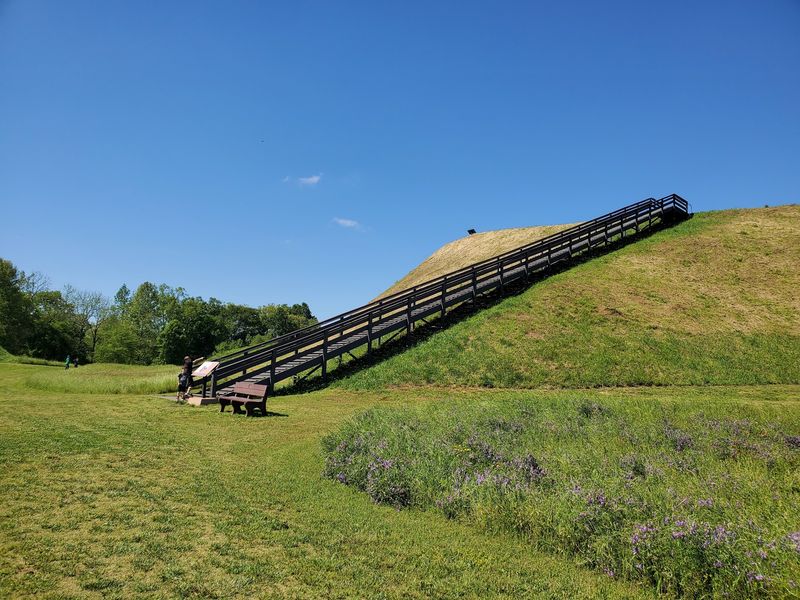
The largest structure, called Mound A, rises about 63 feet high. Experts believe the town’s leaders likely lived or held ceremonies on top of it.
Today, a set of wooden stairs runs up the side. The climb is steep enough to feel like a small workout, but the steps are short and manageable for most people.
Take your time and stop to rest if needed. There is no prize for racing to the top.
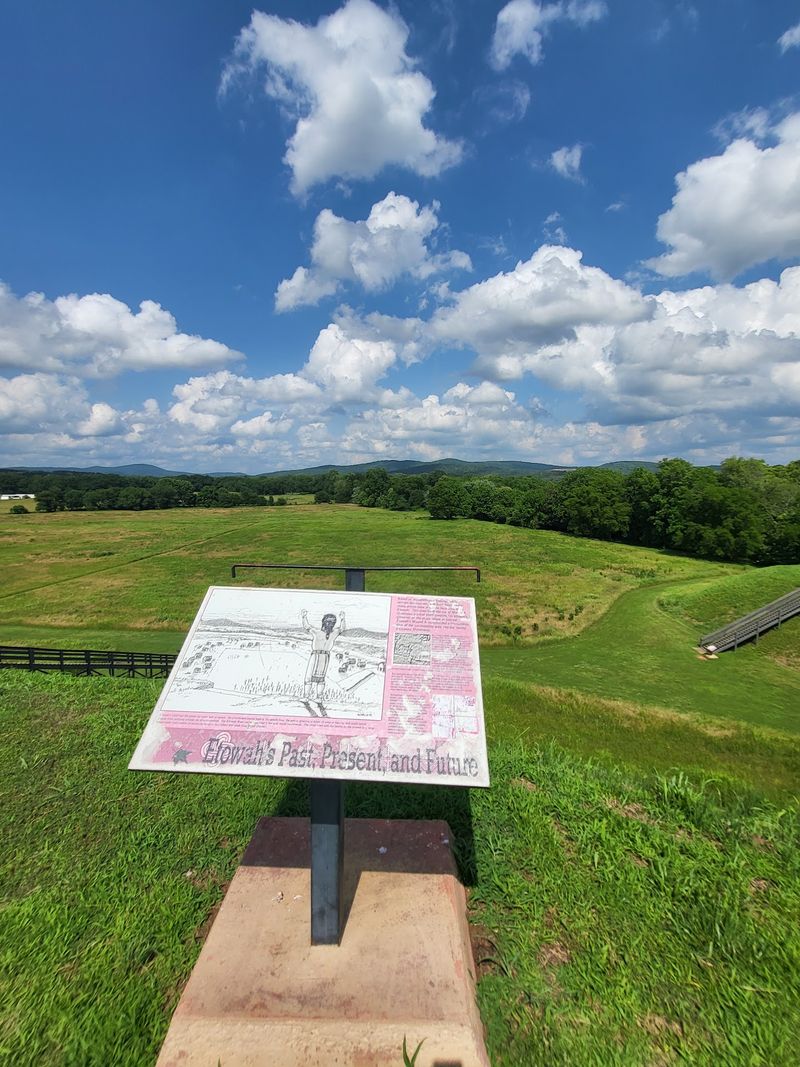
Once you arrive, the view stretches over the river, the valley, and distant hills. You are standing where important leaders once looked down at their people.
Fair warning, modern things like a power plant and farm fields also show up in the view. It is a fun reminder of how much has changed.
Bring your camera, because that summit photo will be hard to beat.
Two More Mounds Worth the Detour
Plenty of people climb the big mound, snap a picture, and head home. That is a mistake, because the smaller mounds have their own stories.
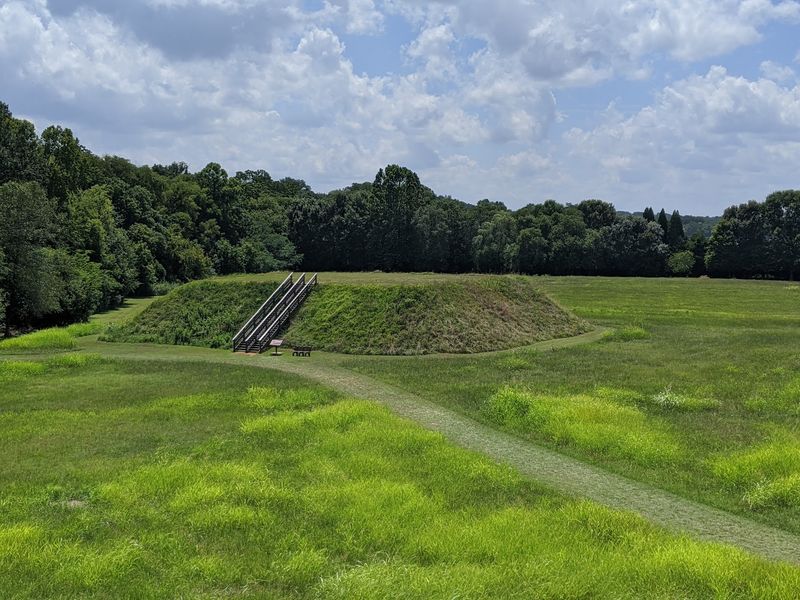
Mound B sits close to the giant and also has stairs to its top. From there, you can spot meadows below, and in late spring they often fill with purple wildflowers.
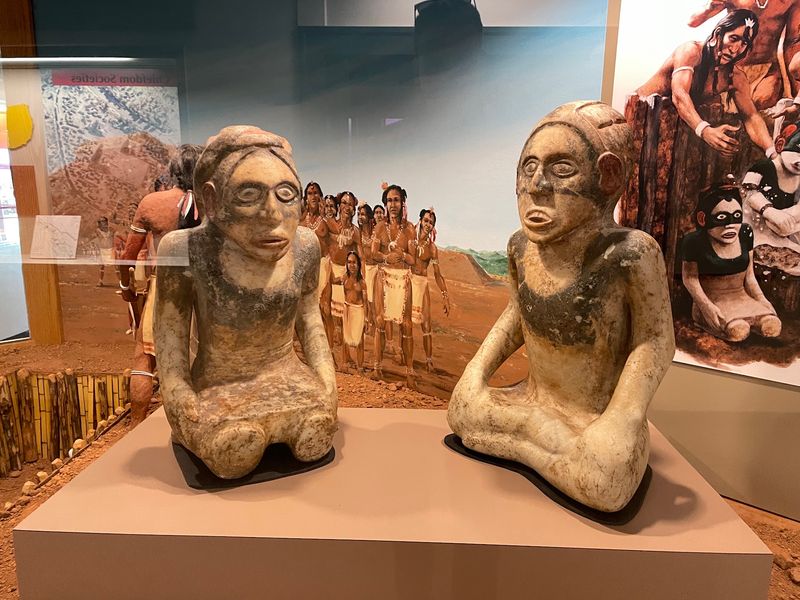
Mound C is a different kind of special. Archaeologists found many burials and important objects here, including copper pieces and carved stone figures.
Some of the most famous finds from this site are two marble statues, often called the Etowah effigies. They are among the best-known artifacts from the Mississippian world.
Walking between the mounds also helps you understand the town’s layout. The open space between them was a plaza, likely used for gatherings and games.
Read the signs along the way, though a few may be faded from the weather. The museum info helps fill in any gaps.
Little hills, big history, and that combo makes the extra steps well spent.
The Ancient Fish Trap in the River
Did you know there is a clever piece of ancient engineering sitting right in the water here? It is called a fish weir, and it is shaped like a giant V.
People built it with rocks to guide fish into a narrow spot. That made catching dinner much easier for the families living nearby.
The weir sits in the Etowah River, just past the mounds. When the water is low and clear, the stone lines are easier to spot.
Follow the path past the smaller mounds to reach the river walk. It is a short and easy stroll.
Benches line part of the riverbank, so you can sit and rest. Many people say this spot is the calmest part of the whole park.
Kids usually love hunting for the V shape in the water. Turn it into a little game and see who finds it first.
A river, a rock puzzle, and a thousand years of history make this stop a real catch.
Nature Trail and Ancient Defenses
Beyond the big mounds, a quieter side of the park is waiting. A nature trail loops through the woods and fields near the river.
Along the way, you can learn about the defensive ditch that once wrapped around the town. Long ago, a wooden wall called a palisade also helped protect the people inside.
Knowing that detail changes the picture of daily life. This was a real community that had to keep itself safe.
The trail is easy and mostly flat. It works well for families, older walkers, and anyone who wants a slower pace.
Birds and butterflies are common sights, especially in warmer months. Tall grasses sometimes grow higher than an adult’s head when the fields are not mowed.
Leashed dogs have been welcome on the grounds, but check park rules before you go. Rules can change, so it is better to be sure.
A calm loop with a side of history beats a plain walk around the block any day.
Classes, Events, and Hands-On Fun
Some days, the park feels less like a museum and more like a classroom with no walls. Rangers sometimes run programs that let people try old skills for themselves.
Pottery classes have been offered here, with rangers explaining what kinds of pots people made and why they were useful. It is a fun way to connect with the past using your own hands.
Archery lessons are another program that pops up. Special events and seasonal programs also appear on the calendar.
School field trips visit often, and guides are known for being patient with curious kids. Teachers love the mix of outdoor space and real history.
Schedules change, so check the Georgia State Parks website before your trip. That way, you will not miss a class you were hoping to join.
Artists sometimes set up to paint the mounds too. The open landscape makes a great subject.
Learning by doing tends to stick better, and this park makes that easy.
Smart Tips Before You Go
A little planning goes a long way at this park. The site is open daily from 9 AM to 5 PM, so arrive early to have more time.
Morning visits tend to be quieter, and some people practically get the place to themselves. Early hours also help you skip the hottest part of the day.
Bring plenty of water. Most of the grounds are open fields with very little shade, and Georgia summers can get hot fast.
Wear comfortable shoes for the stairs and trails. A hat and sunscreen are also good ideas.
Shaded picnic tables sit near the parking lot, which makes them a nice spot for a break. Restrooms are clean and easy to find.
Spring is a lovely time to go, especially when the meadows bloom. Some people even visit on the solstice to see long shadows across the mounds.
Pair the trip with other Cartersville attractions for a full day. Once you leave, ordinary trails may never feel quite the same again.