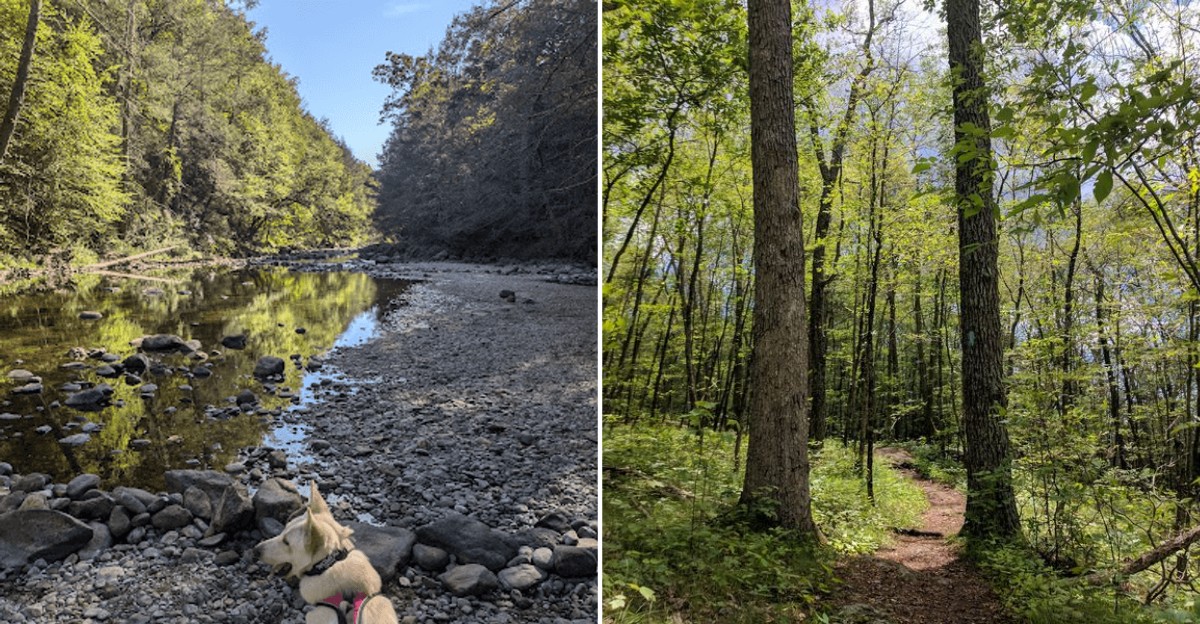
The first thing you may notice at Salmon River State Forest is not the trail beneath your feet, but how quickly the noise of everyday life seems to disappear. In Colchester, Connecticut, this wooded retreat offers a chance to hike beneath tall trees, follow quiet paths near the Salmon River, and discover scenery that feels wonderfully removed from the ordinary.
Old stone walls emerge between the trees, the river adds a soft soundtrack to the woods, and the historic Comstock Covered Bridge brings an unmistakable sense of place to the landscape. At Route 16, Salmon River State Forest rewards hikers who are willing to trade crowded attractions for a slower morning outdoors.
There is something satisfying about turning down a forest trail without knowing exactly what you’ll find around the next bend. From peaceful stretches of woodland to river views and historic details, the morning has plenty of reasons to keep walking.
Whispers of the Wild: Finding Your Sanctuary in the Woods
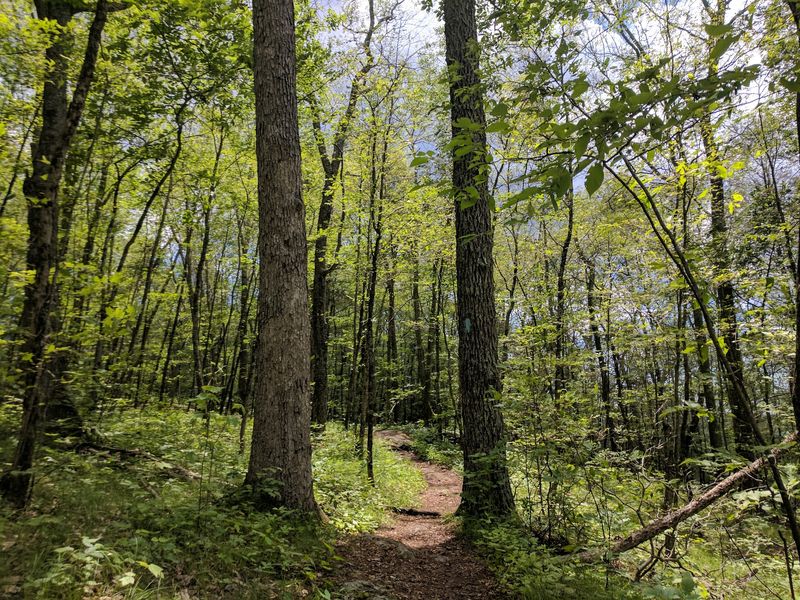
The first few minutes feel almost strange, because the world gets quiet so fast. One turn off Route 16, and the noise of errands, traffic, and phone alerts seems to fall behind the trees.
Salmon River State Forest spreads across nearly 7,000 acres in this part of eastern Connecticut, including land around Colchester. Its size is part of the magic, since the woods give hikers room to wander without feeling crowded or rushed.
Morning is the best time to feel that hush. Leaves stir overhead, small streams slip through low places, and tall pines mix with oak, maple, and beech along the trail.
Bring water, a map, sturdy shoes, and a light snack, then let yourself move slowly.
People come here for hiking, fishing, and field sports, but the deeper reason is simpler. A few hours in these woods can make your shoulders drop, your breathing settle, and your day feel wider.
A Bridge Through Time: The Comstock Covered Bridge
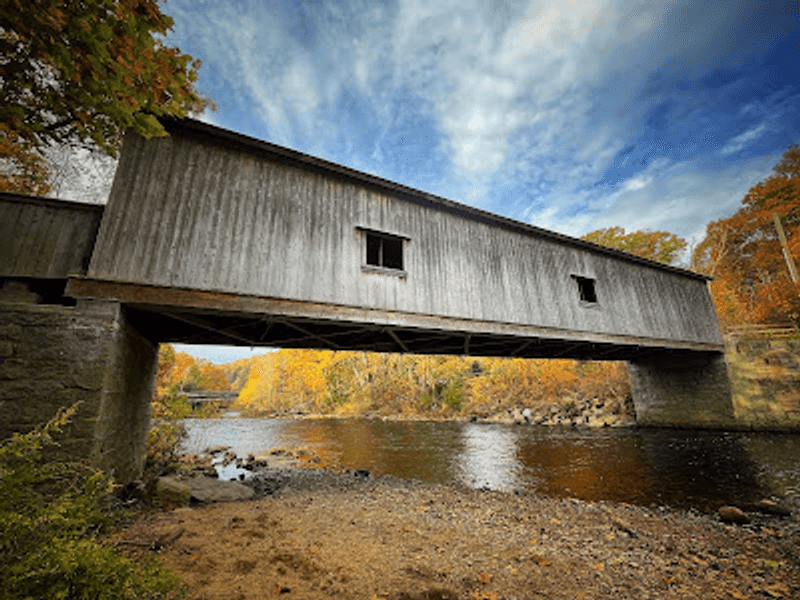
A covered bridge has a way of making people lower their voices. Maybe it is the dark wooden beams, the soft river below, or the feeling that you have stepped into an old photograph.
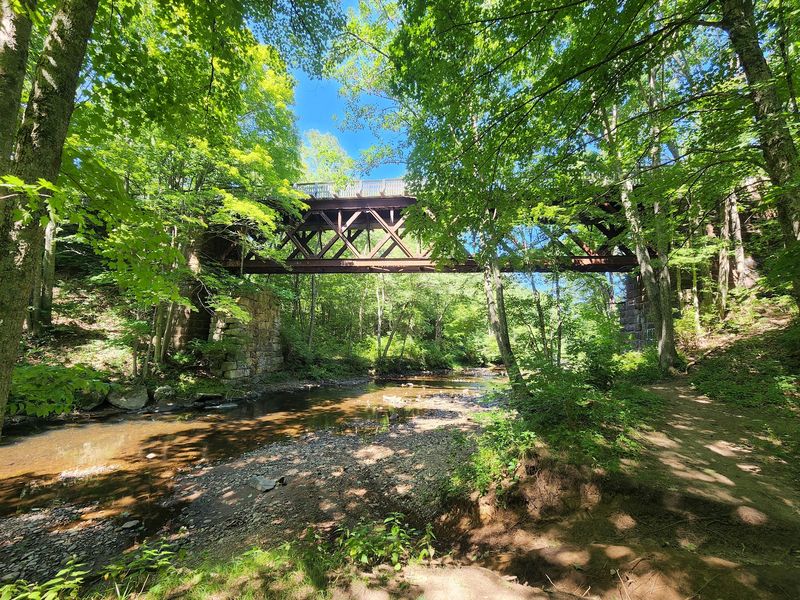
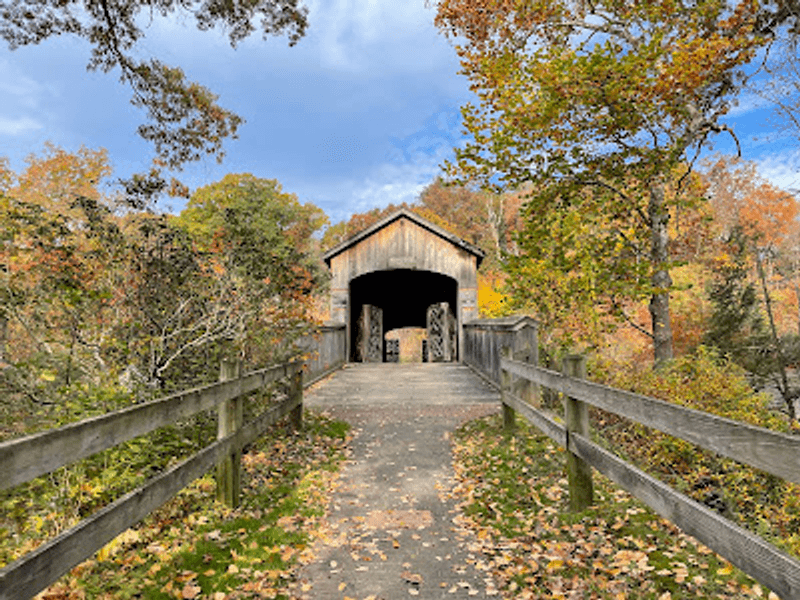
Near Salmon River State Forest, the Comstock Covered Bridge sits close to Route 16 and gives many visits their most memorable first stop. Built in 1840, it is known as the only remaining covered bridge in eastern Connecticut, and it later received careful work from the Civilian Conservation Corps in the 1930s.
Today, visitors cross it on foot, which makes the moment feel unhurried. Pause inside and look through the open sides at the water, then step back for a picture framed by trees.
In fall, the red bridge and bright leaves are especially striking.
The bridge is listed on the National Register of Historic Places, but it never feels like a stiff museum piece. It feels lived-in, weathered, and perfectly placed before a quiet walk in the forest.
The River’s Calm: Fishing, Listening, and Letting Time Slow Down
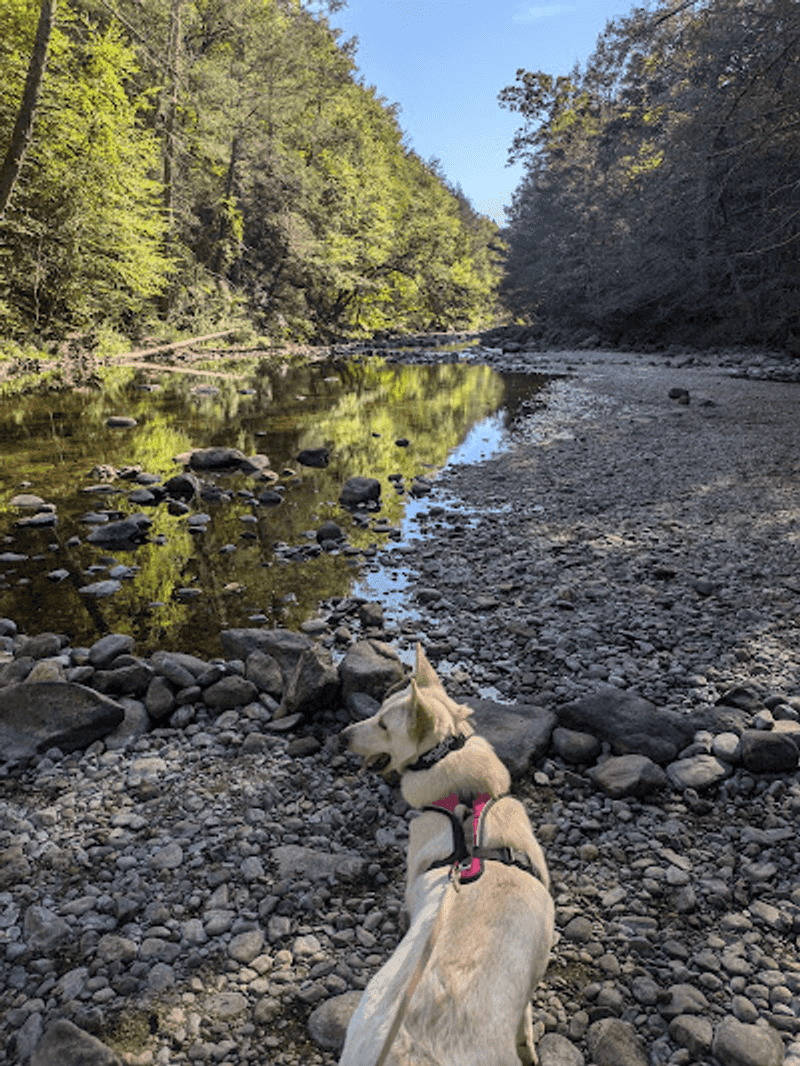
Water changes the mood of a forest. Along the Salmon River, even people who never cast a line often stop and listen, because the steady sound makes everything feel easier.
The river is the heart of Salmon River State Forest, and it has long been valued for cold, clear water. Anglers know it as a strong trout stream, with areas managed for fly fishing and habitat tied to Atlantic salmon restoration efforts.
Depending on the season and rules, visitors may find chances for trout, salmon, or simply a quiet place to practice patience.
Arrive early if fishing is your goal. Birds are louder then, the banks feel open, and the surface of the water catches soft light before the day gets busy.
Check current Connecticut fishing regulations before bringing gear.
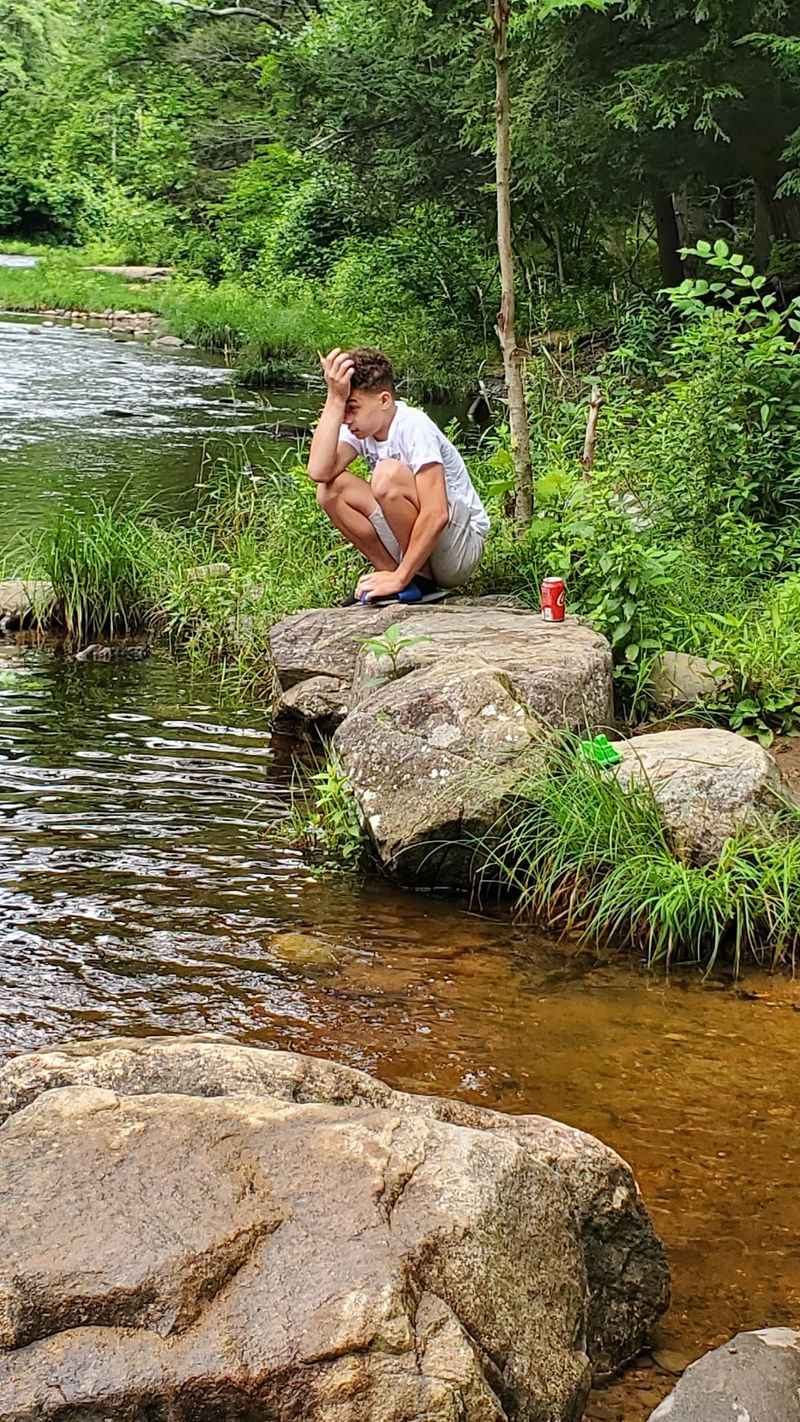
Non-anglers can enjoy the same river from rocky pull-offs and shaded edges. Sit with a sandwich, watch the current slide around stones, and you will understand why locals return.
Stone Walls and Forest Secrets Hidden in Plain Sight
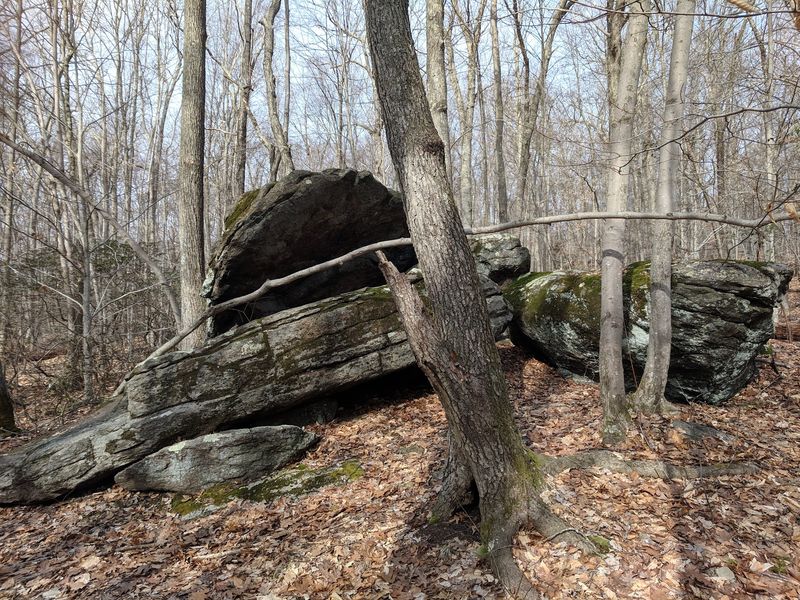
Every now and then, the woods give away a secret. A line of stones appears between the trees, too straight to be random, and suddenly the forest feels full of old stories.
Salmon River State Forest is more than pretty land around Route 16. Long before it became a place for hikers, parts of this area held farms, mills, roads, and family histories.
Look for old stone walls crossing the woods, reminders of past fields that have slowly turned back into forest.
Water once powered gristmills, sawmills, and other small industries along the river and nearby streams. The Civilian Conservation Corps also worked in the forest from 1935 to 1940, leaving another layer of history behind.
Some accounts even mention a solitary soldier’s grave within the forest landscape.
Walking here becomes more interesting when you slow down and notice details. A mossy wall, a worn path, or an old foundation can turn a simple hike into a quiet history hunt.
Hidden Pathways for Hikers Who Like a Little Mystery
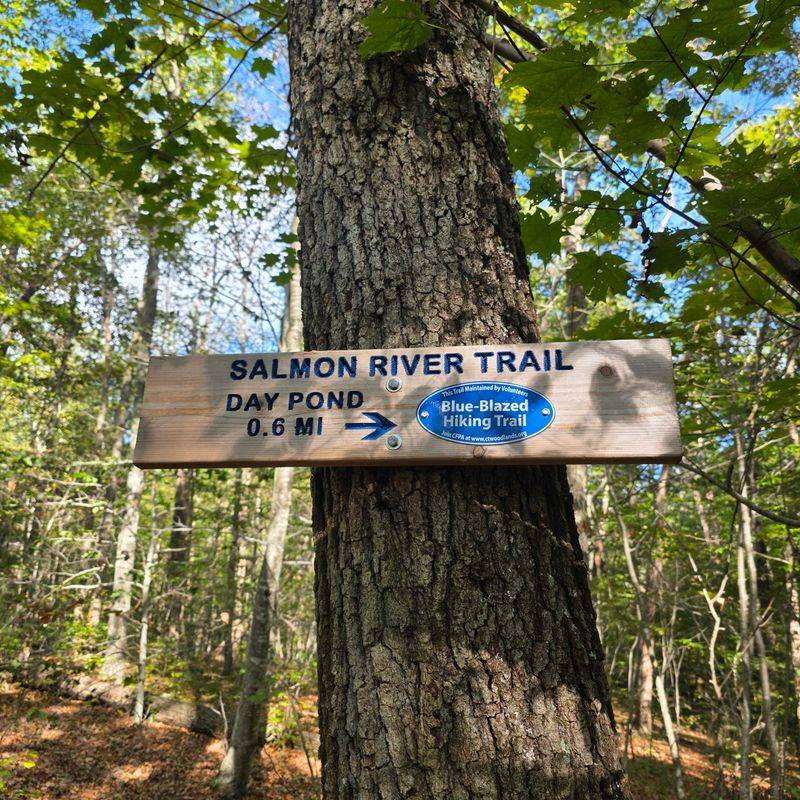
There is a small thrill in choosing a trail that does not feel overused. The path narrows, the trees close in, and each bend seems to ask if you want to keep going.
Salmon River State Forest offers that feeling through several routes, from easy wandering to longer hikes. The blue-blazed Salmon River Trail runs about 6.7 miles and brings hikers near riverbanks, ledges, and forest views.
It is a good pick for people who want a fuller morning outside.
Families or newer hikers may prefer Dickinson Creek Trail, often described as a shorter route of about 1.7 miles. It passes creekside plants, mossy logs, and places where kids can notice small natural details without facing a huge climb.
For a bigger challenge, the Greyville Falls Loop reaches about 8.4 miles and includes creeks, footbridges, and small waterfall moments.
Trail conditions can change, so carry a map or offline app. The reward is a hike that feels personal, not packaged.
Birdsong, Tracks, and Wild Neighbors in the Trees
A twig snaps, and your whole walk changes. Suddenly you are not just passing through the forest, you are sharing it with animals that were there long before you arrived.
Salmon River State Forest supports many kinds of wildlife because its woods, streams, wetlands, and river edges create different homes. Wild turkeys may step through the leaves, deer often move quietly near openings, and songbirds fill the canopy in warmer months.
If you are lucky, you may spot fox, coyote tracks, or signs of river otters near the water.
Birdwatchers should bring binoculars, especially in winter, when bald eagles are sometimes seen near open water in the broader Salmon River area. Raptors may circle above, while smaller birds flicker through shrubs and branches.
Near damp places, watch for turtles, frogs, and salamanders.
The best wildlife tip is simple: be quiet and patient. Walk softly, keep dogs leashed, and give every animal plenty of space.
The forest feels richer when you notice who lives there.
A Forest That Changes Its Outfit Every Season
The same trail can feel like four different places depending on the month. That is the quiet trick Salmon River State Forest plays on repeat visitors.
Spring brings soft green leaves, damp earth, and wildflowers along places like Dickinson Creek. Small streams run lively after rain, and the woods smell fresh in a way that makes even a short walk feel new.
Summer turns the forest thick and shaded, with river spots that draw people looking to cool their feet or rest on warm rocks.
Autumn may be the showiest season, when maples, oaks, and beeches color the hillsides with gold, orange, and deep red. Trails near the Salmon River feel especially pretty when bright leaves float past dark stones.
Winter strips the scene down to quiet lines, snow, and animal tracks.
When conditions allow, old roads and logging paths can be used for snowshoeing or cross-country skiing. Each season gives visitors a fresh reason to return.
Picnic Tables, River Rocks, and the Joy of Doing Very Little
After a long walk, a peanut butter sandwich beside a river can taste better than lunch in a fancy cafe. Fresh air has a way of making simple food feel earned.
Salmon River State Forest has places where visitors can pause near the water, including picnic tables in some areas and rocky river edges where people often rest. Pack something easy, like sandwiches, apples, trail mix, or a thermos of coffee on a cool morning.
The river provides the soundtrack.
Families may enjoy a slower afternoon here after exploring the covered bridge or nearby trails. Some visitors like to sit, talk, and let kids watch shallow water move around stones.
Others bring a book and stretch the break into an hour of quiet.
The one rule that matters most is to leave the area better than you found it. Carry out wrappers, food scraps, and bottles.
A clean riverbank keeps this peaceful forest welcoming for the next person seeking a quiet pause.
The Quiet Promise That Brings People Back
Some trips do not end when you drive away. They stay with you in small ways, like the sound of water in your mind or the smell of leaves on your jacket.
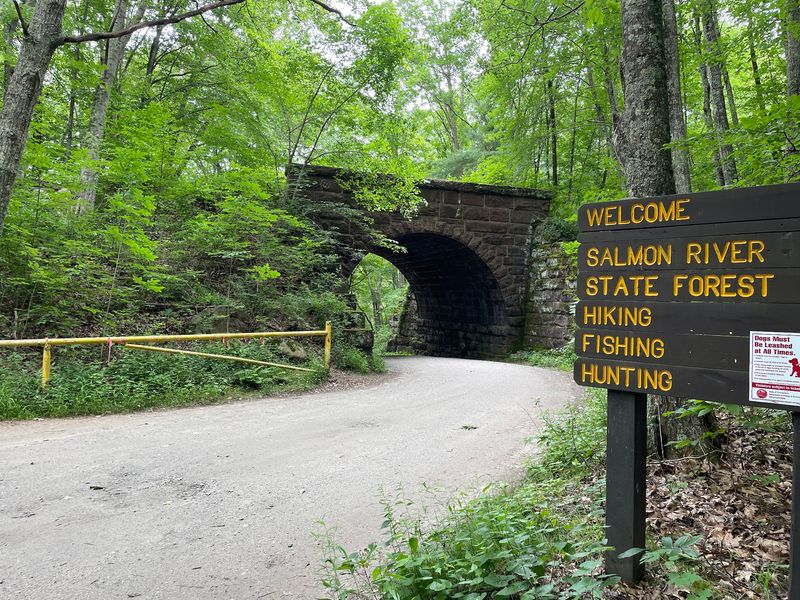
That is the lasting pull of Salmon River State Forest on Route 16 in Colchester. It offers a rare mix of quiet hiking, river access, historic charm, wildlife, and open space without feeling overbuilt.
You can start with the Comstock Covered Bridge, follow a trail into deep woods, watch for birds, and finish beside the Salmon River with muddy shoes and a calmer mood.
Before visiting, check current hours and rules through Connecticut DEEP, since posted schedules and seasonal access can change. Parking is generally free, and leashed pets are allowed, but responsible use matters here.
Bring water, carry out trash, and respect anglers, hikers, and wildlife.
The forest’s greatest gift is room to breathe. On the right morning, you really can walk for hours and feel wonderfully alone.