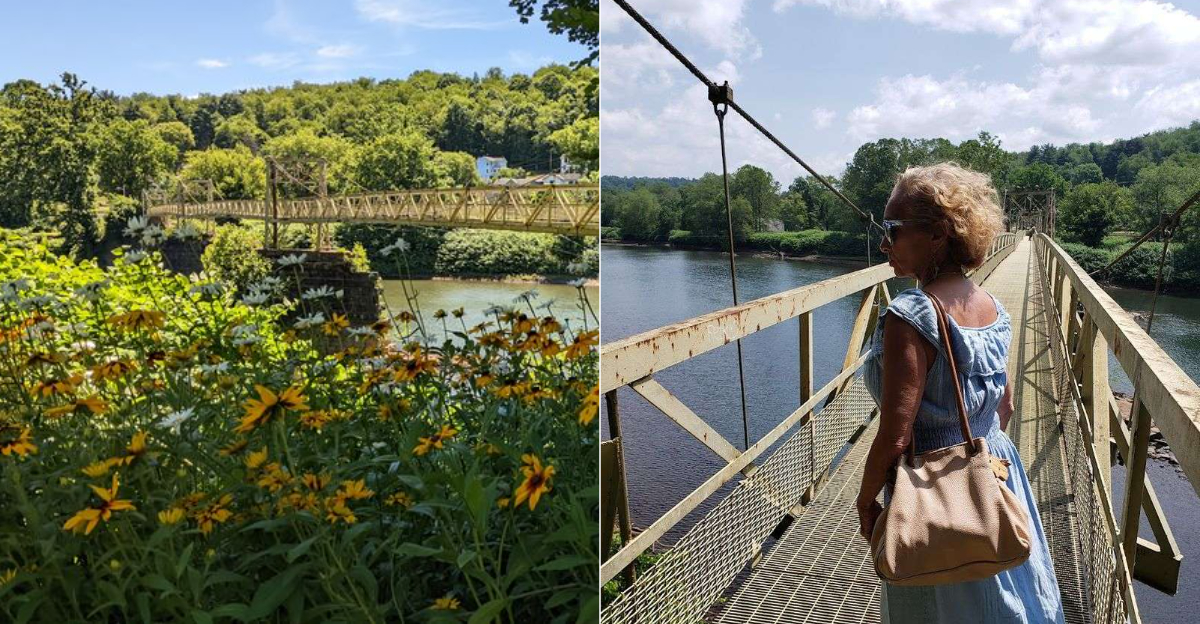
Tucked away in western Pennsylvania, the Hyde Park Foot Bridge offers visitors a chance to experience nature in a completely unique way. This pedestrian-only crossing spans a beautiful waterway and provides stunning views that most people drive right past without ever knowing what they’re missing.
Unlike crowded tourist attractions, this bridge remains a peaceful spot where you can hear birds singing, watch the water flow below your feet, and feel like you’ve discovered something truly special. Whether you’re a local looking for a quick nature break or a visitor seeking off-the-beaten-path adventures, this hidden gem delivers an unforgettable experience.
A Bridge Built for Nature Lovers, Not Cars
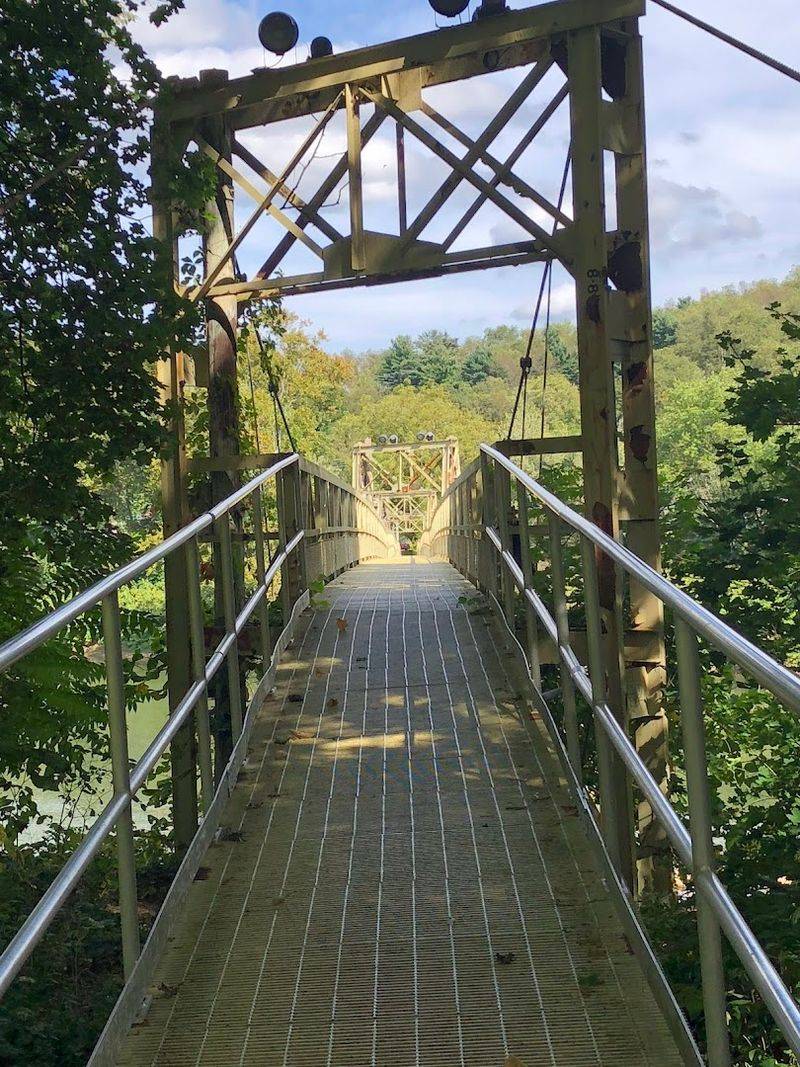
Most bridges are designed to move traffic quickly from point A to point B. Hyde Park Foot Bridge takes a completely different approach by creating a space where slowing down is the whole point.
Built exclusively for people on foot, this structure lets you stop in the middle, lean against the railing, and simply breathe in the scenery without worrying about vehicles rushing past.
The bridge’s design encourages exploration at your own pace. Young kids can safely walk across while parents snap photos.
Older visitors appreciate the flat, even surface that makes crossing easy for everyone.
What makes this bridge special is how it connects you directly to nature. Standing on the walkway, you’re surrounded by forest sounds and fresh air.
The absence of car noise creates a peaceful atmosphere that feels miles away from civilization, even though you’re still relatively close to nearby communities.
Local residents often describe finding this bridge as discovering a secret hideaway. First-time visitors frequently express surprise that such a peaceful spot exists so close to more populated areas, making it perfect for quick nature escapes during lunch breaks or evening walks.
Crystal Clear Waters Dance Beneath Your Feet
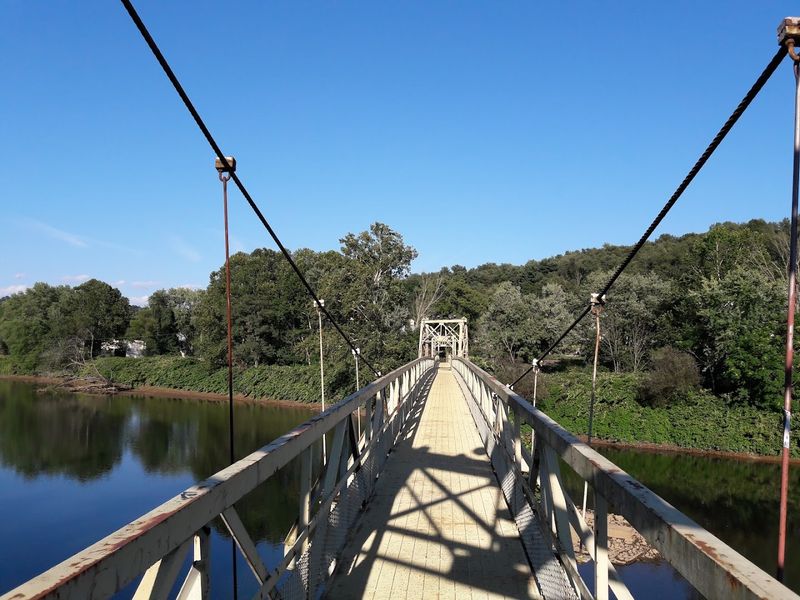
Looking down through the bridge’s gaps or over the side reveals a constantly changing water show below. The creek moves at different speeds depending on recent rainfall, sometimes rushing energetically over rocks and other times flowing with gentle, mesmerizing ripples.
Watching the water’s movement creates a hypnotic effect that can hold your attention for surprisingly long periods.
On sunny days, the water sparkles like scattered diamonds as sunlight bounces off the surface. You might spot small fish darting between rocks or notice how the current creates swirling patterns around obstacles.
These details become conversation starters for families crossing together.
The water’s clarity often surprises first-time visitors who expect typical muddy creek conditions. Instead, you can see straight through to the rocky bottom in many spots, revealing interesting stones, fallen branches, and aquatic plants swaying with the current.
Different seasons bring dramatic changes to the water below. Spring runoff creates stronger flows and higher water levels.
Summer brings calmer conditions perfect for spotting wildlife coming to drink. Fall adds colorful leaves floating downstream, while winter might showcase ice formations along the banks.
Forest Canopy Creates Natural Cathedral Effect
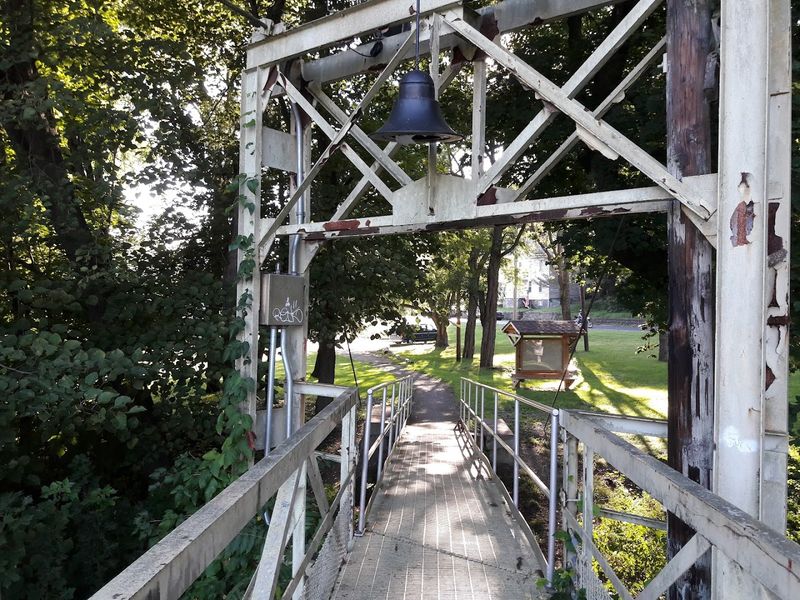
Trees on both sides of the bridge reach upward and inward, forming a natural roof overhead. This canopy effect creates shade during hot summer days while allowing filtered sunlight to create beautiful patterns on the bridge deck.
The changing angles of light throughout the day transform the crossing experience from morning to evening.
Bird activity in the surrounding trees adds a constant soundtrack to your walk. You’ll hear different species calling to each other, building nests, or searching for food in the branches.
Patient observers often spot woodpeckers, songbirds, and occasionally hawks soaring above the canopy.
The forest’s vertical layers become visible from the bridge’s vantage point. Tall oaks and maples form the upper story, while smaller understory trees fill the middle level, and ferns carpet the forest floor.
This layered ecosystem supports diverse wildlife and creates year-round visual interest.
During leaf-out season in spring, you can watch the canopy transform from bare branches to full green coverage over just a few weeks. This gradual change makes repeat visits rewarding as the forest reveals different personalities throughout the growing season, keeping the experience fresh and engaging.
Sunrise Photographers Claim This Secret Spot
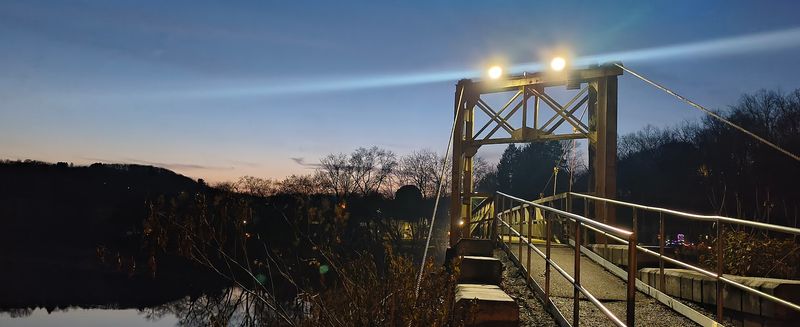
Serious photographers have discovered that Hyde Park Foot Bridge offers unique lighting conditions during the golden hour after sunrise. The bridge’s position and orientation create opportunities for capturing stunning reflections in the water below while the surrounding forest gradually emerges from shadow.
Mist rising from the water on cool mornings adds an ethereal quality to photographs.
What makes this location particularly special for photography is the combination of multiple elements in one frame. You can capture the bridge structure itself, the flowing water, forest backdrop, and sky all together without needing to move between locations or change lenses constantly.
The bridge provides a stable platform for tripod setups, which landscape photographers appreciate. Unlike slippery riverbanks or unstable viewing points, the solid deck lets you take long exposures without worry.
This stability proves essential for capturing flowing water effects or low-light scenes.
Social media has slowly spread word among photography enthusiasts, but the location remains relatively uncrowded even during prime shooting hours. Most mornings, you’ll have the bridge entirely to yourself for uninterrupted shooting.
Weekday visits especially guarantee solitude for perfecting your compositions and experimenting with different angles.
Wildlife Viewing Platform in Disguise
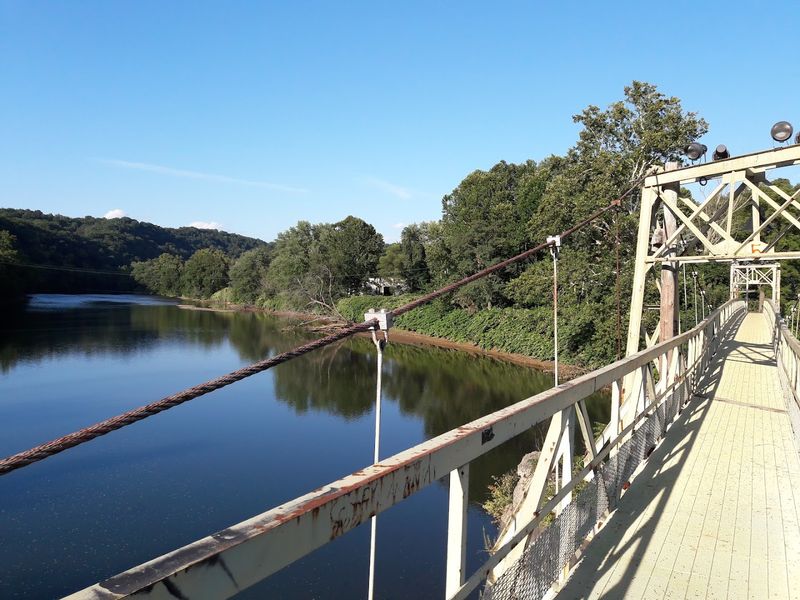
Animals treat the area around Hyde Park Foot Bridge as their neighborhood, not realizing humans occasionally pass through. Standing quietly on the bridge increases your chances of spotting deer approaching the water for a drink, especially during early morning or evening hours.
Their cautious movements and alert ears make fascinating subjects for observation.
The bridge’s elevation provides advantages over ground-level wildlife watching. Your elevated position means animals below don’t immediately notice human presence, allowing more natural behavior observations.
Binoculars become valuable tools for spotting creatures in the surrounding forest without disturbing them.
Aquatic life thrives in the creek below the bridge. Patient observers might see turtles sunning on logs, frogs hopping along the bank, or salamanders hiding under rocks in shallow areas.
These smaller creatures often go unnoticed by rushing visitors but reward those who take time to really look.
Seasonal migrations bring different species through the area throughout the year. Spring welcomes returning songbirds building nests.
Summer showcases butterflies and dragonflies patrolling the waterway. Fall brings migrating birds stopping to rest and refuel, while winter concentrates hardy species around the unfrozen water sections.
Autumn Transforms Everything Into Living Art
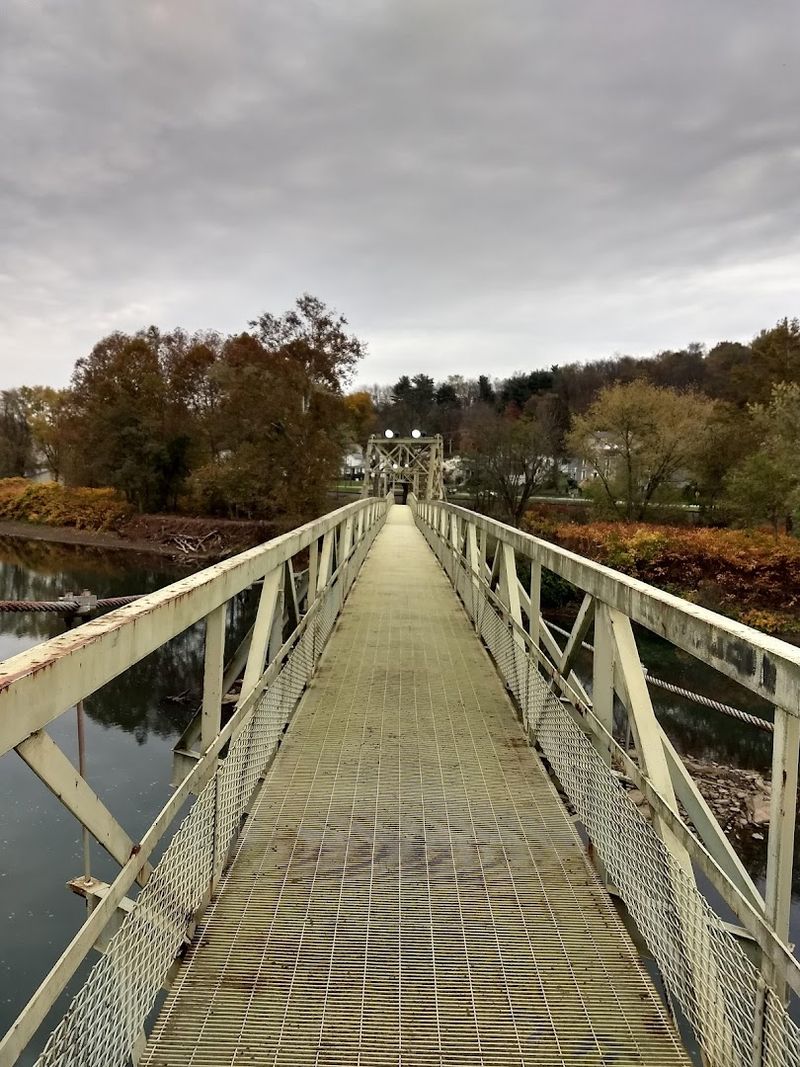
Few experiences match crossing Hyde Park Foot Bridge during peak autumn foliage season. The surrounding forest explodes into brilliant reds, oranges, yellows, and purples that seem almost impossibly vivid.
These colors reflect in the water below, doubling the visual impact and creating photo opportunities around every corner of the crossing.
Each tree species contributes its signature color to the overall display. Maples blaze bright red and orange.
Oaks shift to deep russets and browns. Hickories add golden yellows to the mix.
This variety ensures the color show lasts several weeks rather than peaking and fading quickly.
Walking across the bridge, you’ll hear the satisfying crunch of fallen leaves underfoot. The bridge deck often collects a carpet of colorful leaves that swirl in gentle breezes.
These leaf piles add texture and seasonal character to the crossing experience.
Timing your visit becomes part of the autumn adventure. Conditions change almost daily as more leaves turn and fall.
Local nature enthusiasts often check the bridge multiple times during October to catch different stages of the transformation. Early October brings initial color pops, while late October typically offers the most dramatic full-foliage displays.
Ten Minutes From City Stress to Nature Therapy
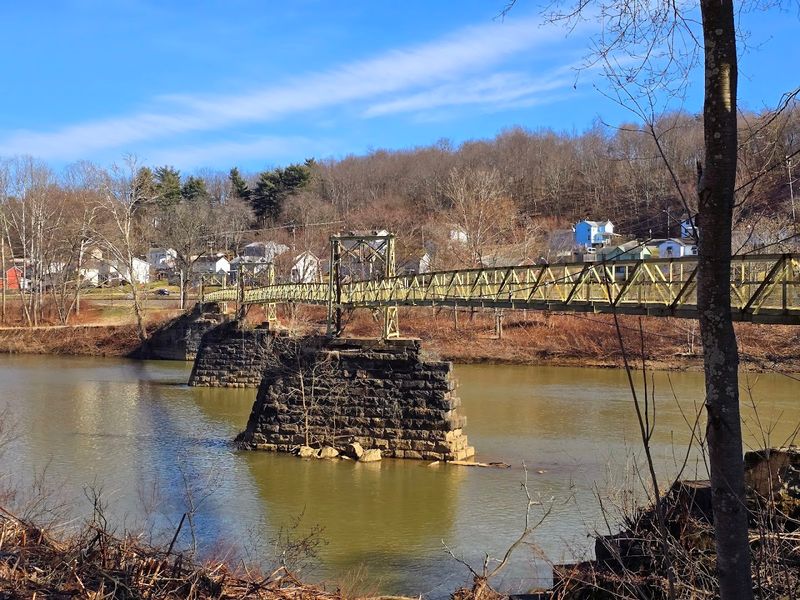
Urban and suburban residents often struggle finding nearby natural spaces for quick mental health breaks. Hyde Park Foot Bridge solves this problem by offering genuine wilderness feelings despite being relatively accessible from populated areas.
You can leave work stressed and arrive at the bridge feeling the tension start melting away within minutes.
The bridge’s location makes impromptu visits realistic for busy schedules. Rather than planning elaborate day trips, you can stop by after work, during lunch breaks, or before morning appointments.
This convenience means more frequent nature exposure, which research shows provides cumulative mental health benefits.
Something about standing above flowing water creates immediate calming effects. Scientists suggest moving water produces negative ions that boost mood and reduce stress hormones.
Whether or not you understand the science, you’ll definitely notice how quickly your shoulders relax and breathing deepens.
Regular bridge visitors develop personal rituals around their visits. Some people stop by every Friday evening to officially transition into weekend mode.
Others use morning walks across
Sound of Silence Breaks City Life Patterns
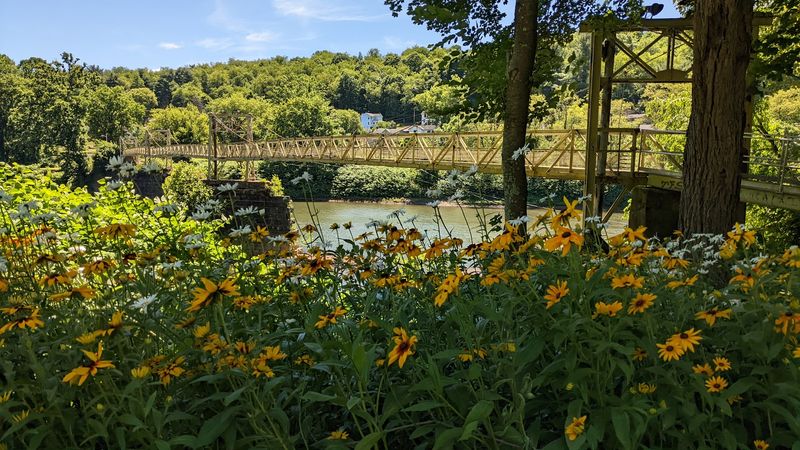
City noise follows you everywhere these days, making true quiet feel impossible to find. Hyde Park Foot Bridge creates an acoustic bubble where traffic sounds fade and natural rhythms take over.
Your footsteps on wooden planks create a gentle rhythm that blends with water flowing below. Bird calls echo through the trees without competition from honking horns or sirens.
The simple act of standing still in the middle becomes a meditation without trying. Your breathing slows down naturally when surrounded by sounds that have existed for thousands of years instead of mechanical noise.
Local Whispers Keep This Pedestrian Paradise Secret
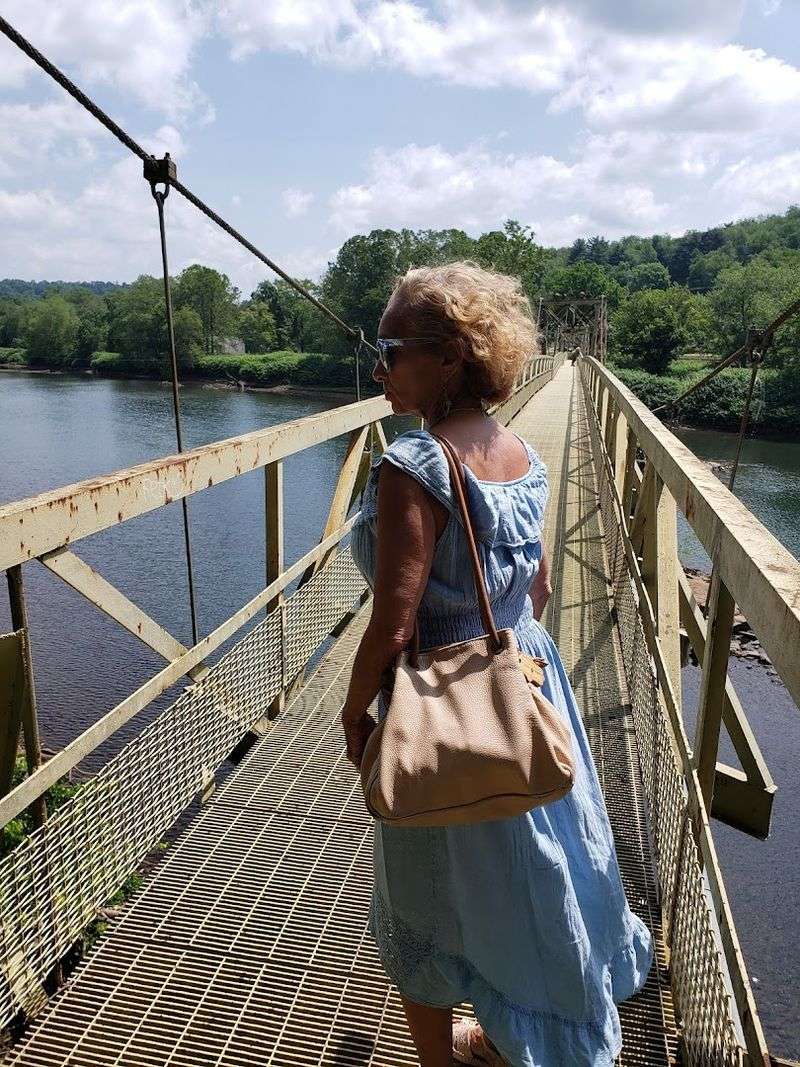
You won’t find Hyde Park Foot Bridge featured in glossy travel magazines or tourist brochures. The people who know about this spot learned through friendly conversations and passed-along recommendations rather than internet searches.
Neighbors mention it casually when discussing favorite walking spots, creating an invisible network of people who protect its peaceful character. The lack of signs or official markers means visitors arrive because someone they trust told them about it.
This word-of-mouth approach keeps crowds away naturally without making anyone feel unwelcome. The bridge rewards those curious enough to follow local advice with an experience that feels personally discovered.