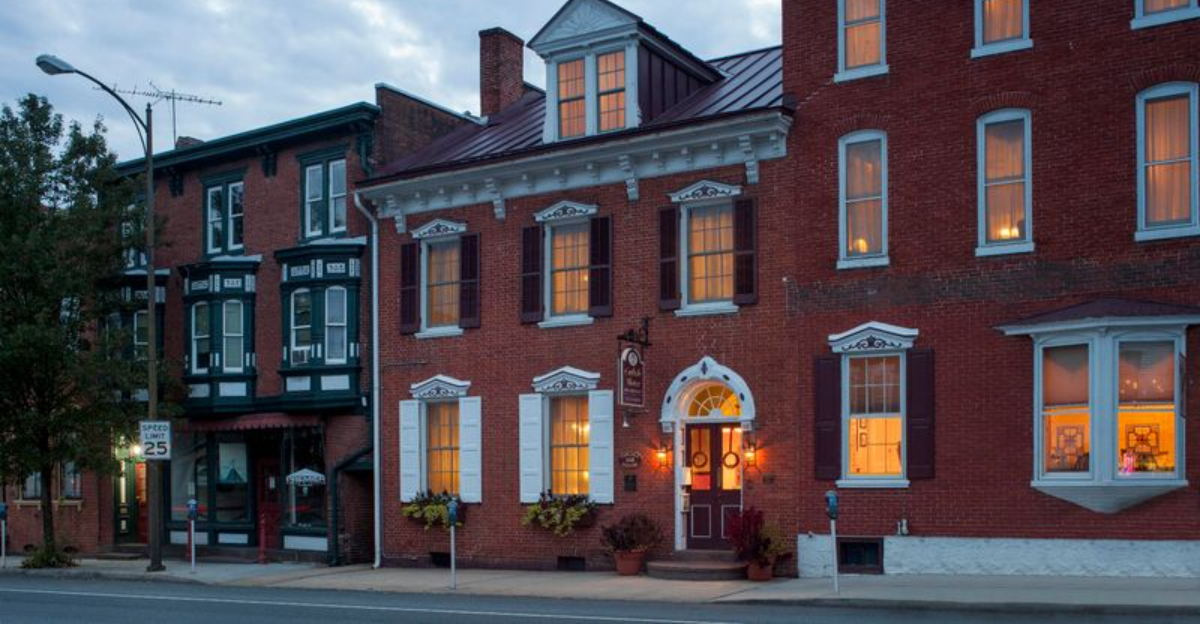
The most memorable history lessons sometimes begin with a stroll down Main Street instead of a visit to a museum. Across Pennsylvania, historic downtowns invite you to slow your pace, admire beautifully preserved architecture, and discover communities where the past still shapes everyday life.
From courthouse squares lined with centuries-old brick buildings to former railroad towns filled with locally owned cafés, bookstores, and antique shops, these Pennsylvania downtowns offer a genuine sense of place. Weathered storefronts, church steeples, and streets that have welcomed generations of residents create an atmosphere that’s both inviting and deeply rooted in history.
It’s the kind of setting where every corner seems to hold another story waiting to be noticed.
If you enjoy destinations with timeless character and authentic local charm, these 12 historic downtowns in Pennsylvania highlight the places that made me appreciate just how alive small-town history can still feel.
Jim Thorpe
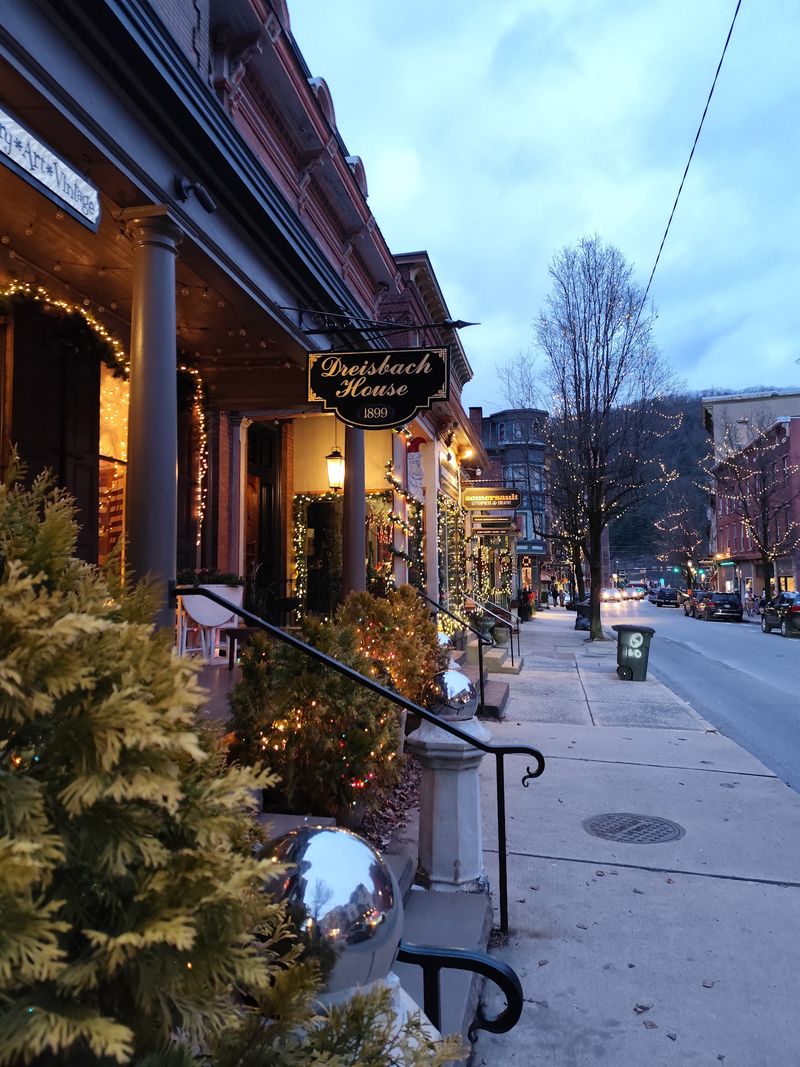
Mountain light bounced off the old buildings and made the whole street look like a painted theater set. There was something dramatic about the steep hills, the narrow roads, and the sudden views that opened between rooftops.
I slowed down without meaning to, just to take it all in.
Later, wandering through Historic Downtown Jim Thorpe, I saw why people remember it so vividly. Broadway is lined with tall Victorian blocks, cozy restaurants, and little stores that feel tucked into the landscape.
The Asa Packer Mansion and the nearby train station add another layer, making the town seem both elegant and rugged.
What I appreciated most was the contrast between beauty and grit. You can hear a train whistle, eat a warm pastry, and then glance up at those dark green mountains pressing close.
Jim Thorpe showed me that small town history can feel bold, cinematic, and surprisingly personal all at once.
Lititz
A sweet smell in the air reached me before the history did. Fresh chocolate, warm bread, and the sound of casual conversation gave the street an easy welcome.
Some downtowns impress you right away, but this one gently pulls you in until you realize you do not want to leave.
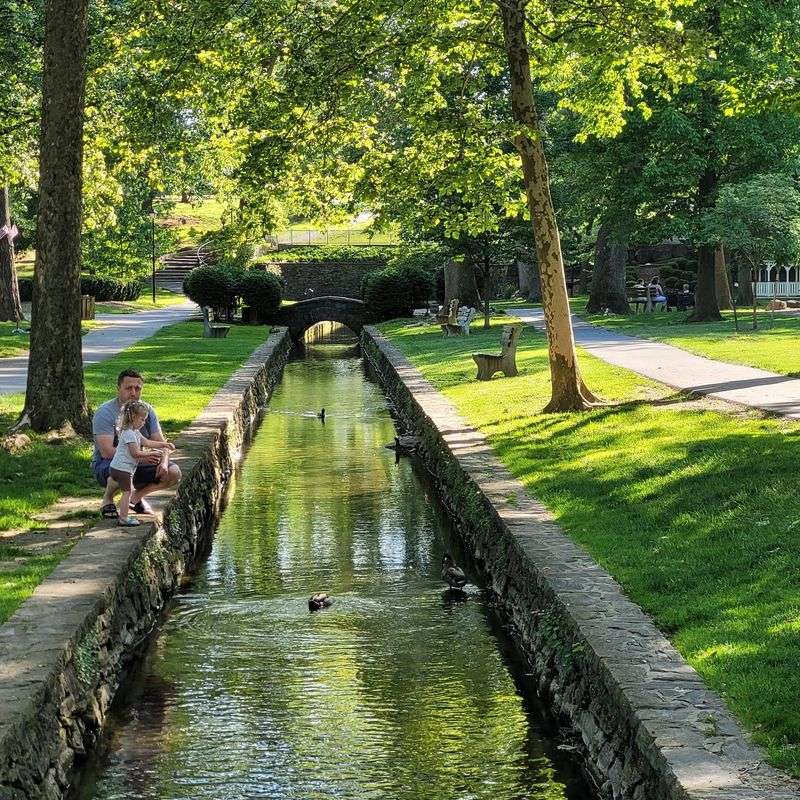
That calm charm defines Historic Downtown Lititz. Along Broad Street, old brick buildings sit beside bakeries, boutiques, and cafes, while the town’s Moravian roots quietly shape the atmosphere.
I liked walking near Lititz Springs Park, then stopping for something sweet from a local shop and watching the afternoon unfold at a slower pace.
Lititz helped me see how history can feel soft rather than grand. Nothing begged for attention, yet everything seemed cared for, from the facades to the public spaces.
The downtown works because it still feels useful to the people who live there, and that makes its past easier to appreciate.
Lewisburg
There was a lively hum here that felt a little younger than in some other old towns, but the history still held its ground. Bikes rolled by, storefront doors opened and closed, and people carried coffee past buildings that have seen generations come and go.
The mix felt natural, not forced.
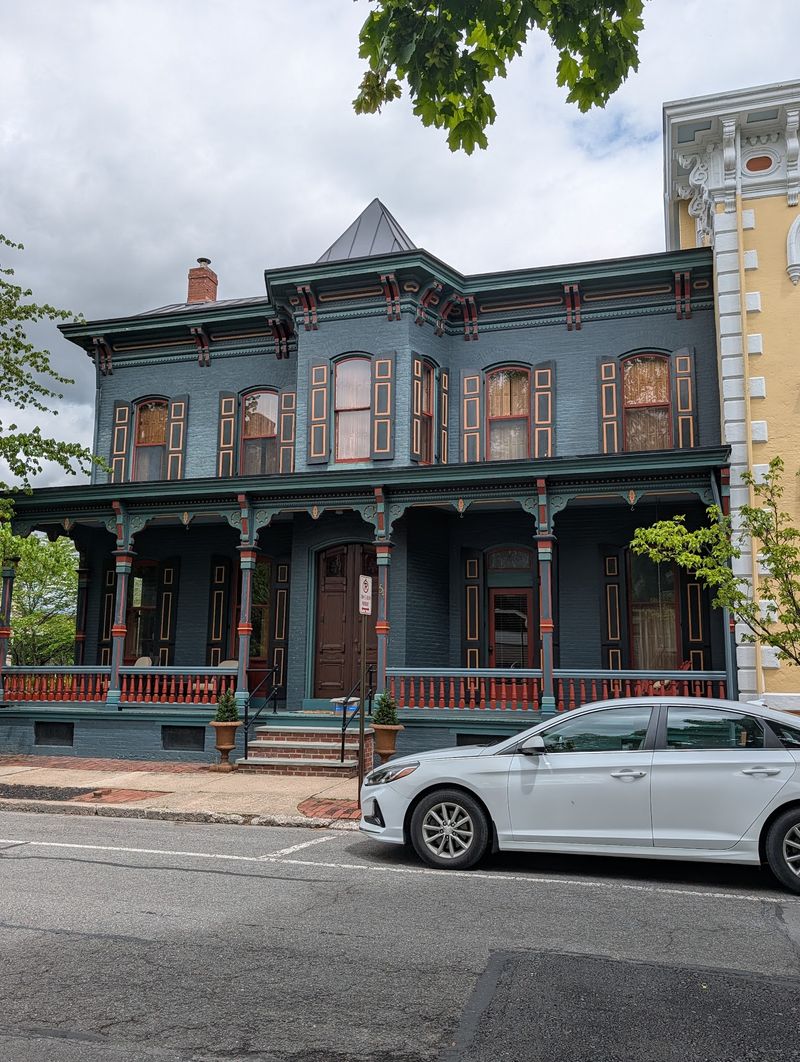
In Historic Downtown Lewisburg, Market Street brings together handsome architecture and an active daily rhythm. The connection to Bucknell University adds energy, while the older facades, independent bookstores, and long-running restaurants keep the town rooted.
I liked how easily one afternoon could include browsing shops, finding a quiet corner, and noticing fine details above the street level.
Lewisburg made me appreciate the way history can stay alive by adapting. It does not feel frozen in one era, and that is part of its charm.
The downtown invites you to look closely, stay longer than planned, and notice how a small place can be both smart, warm, and deeply connected to its past.
Honesdale
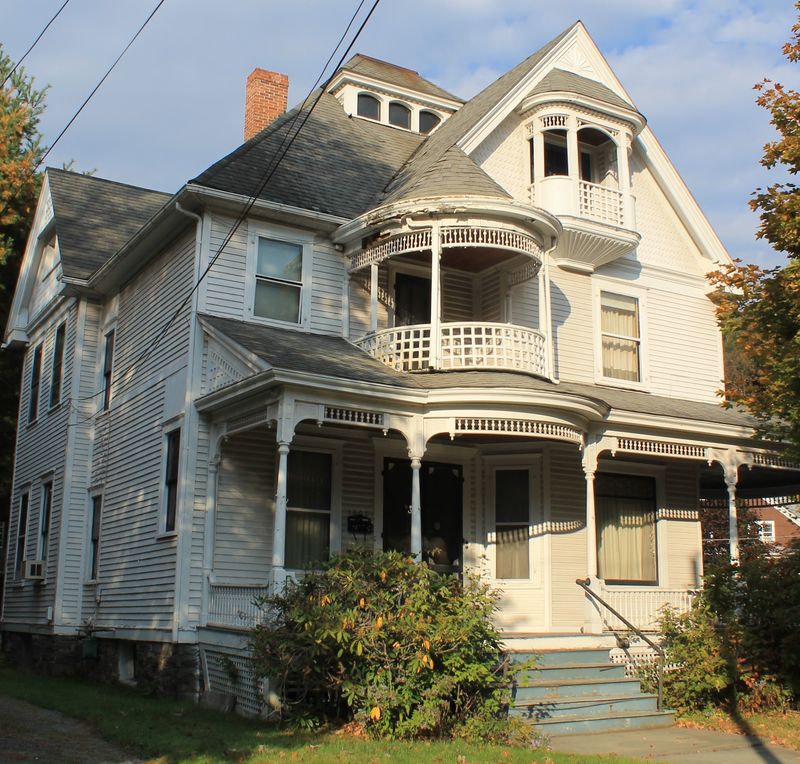
A slightly rugged edge gave this town its personality right away. The streets did not feel polished for show, which made the place more interesting to me.
Old buildings stood with the kind of honesty that comes from weather, work, and years of being part of everyday life.
Historic Downtown Honesdale carries its railroad past with quiet pride. Walking along Main Street, I noticed solid historic facades, local businesses, and reminders that this town once played an important role in transportation history.
There is also a comforting small scale here, where you can stop for lunch, look in shop windows, and feel connected to the local pace.
What stayed with me was the sense that Honesdale had earned its character. It was not trying to look charming, yet charm kept showing up in the details.
That authenticity matters when you travel. Honesdale reminded me that small town history is often strongest in places that still feel practical, resilient, and true to themselves.
Ephrata
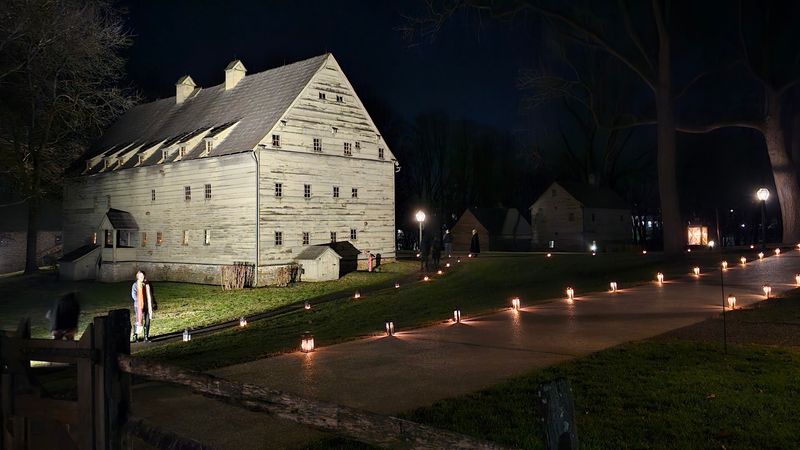
The rhythm here felt gentle, almost musical, like a town that had learned how to keep moving without rushing. Cars passed, friends greeted each other, and old buildings caught the afternoon light in a way that made them seem softer.
I found myself paying attention to simple things, which felt like a gift.
Historic Downtown Ephrata has an everyday warmth that sneaks up on you. Along Main Street, you will find older storefronts, local restaurants, and easy spots to pause for coffee while taking in the town’s long story.
The nearby history of the Ephrata Cloister adds meaning, showing how deep the area’s roots really go.
Ephrata made me think about how history shapes mood as much as architecture. Nothing felt stiff or formal.
Instead, the downtown seemed woven into normal life, from errands to meals to evening walks. That lived-in quality helped me appreciate small town history in a more human way, one block and one quiet detail at a time.
Easton
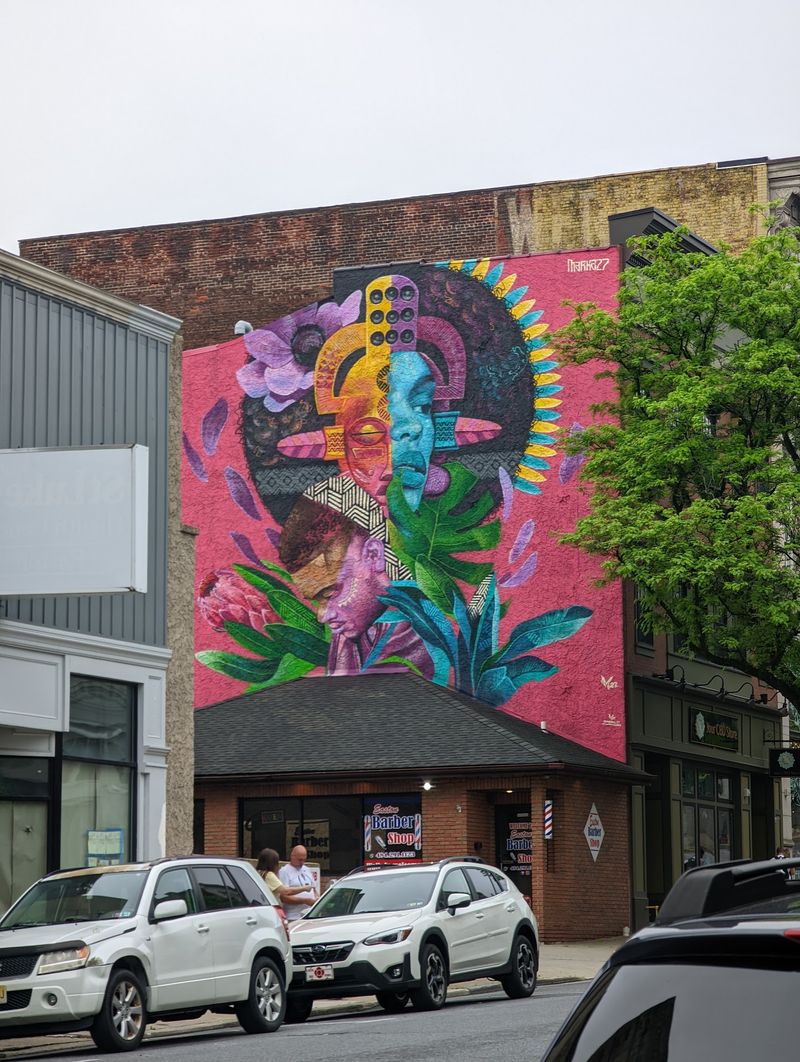
Noise can sometimes hide history, but here it seemed to sharpen it. The streets had movement, color, and a busy energy that made the older buildings feel even more impressive.
I liked how the downtown carried itself with confidence, as if it knew it had many stories and no need to explain them all at once.
Historic Downtown Easton centers around Centre Square, where classic architecture, restaurants, and independent businesses create a fuller city feel inside a walkable core. The farmers market adds life, and the nearby rivers give the town a sense of purpose beyond tourism.
I enjoyed how one block could offer a historic church, lunch at a lively spot, and a glimpse of civic history.
Easton showed me that small town history does not always arrive quietly. Sometimes it comes with conversation, traffic, and the smell of food from a busy corner.
That mix of age and motion made the place memorable and reminded me that historic downtowns can be dynamic without losing their identity.
Carlisle
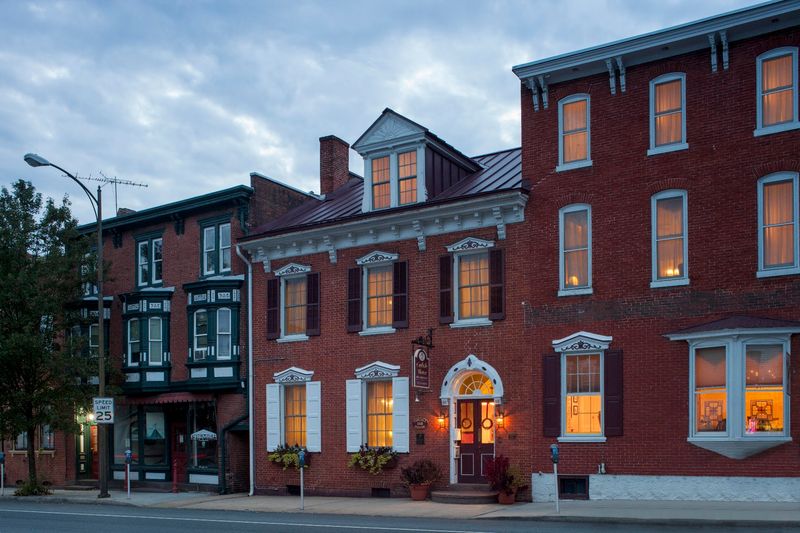
Broad streets and old brick gave this place a steady, open feeling from the start. It felt organized but never stiff, with enough activity to stay interesting and enough quiet corners to invite a slower walk.
Some downtowns ask you to admire them, while this one simply lets you settle in.
Historic Downtown Carlisle blends several identities in a way that works beautifully. Around Hanover Street and the square, you can feel the influence of its long past, the nearby college presence, and the region’s military ties.
I liked ducking into local shops, spotting historic details overhead, and then taking a break at a cafe where the pace still felt relaxed.
Carlisle made me appreciate how layers of history can share one main street without competing. It feels useful, readable, and comfortable, which helps the past feel less distant.
A visit here is not about one dramatic landmark. It is about how the whole downtown quietly holds together, year after year, block after block.
New Hope
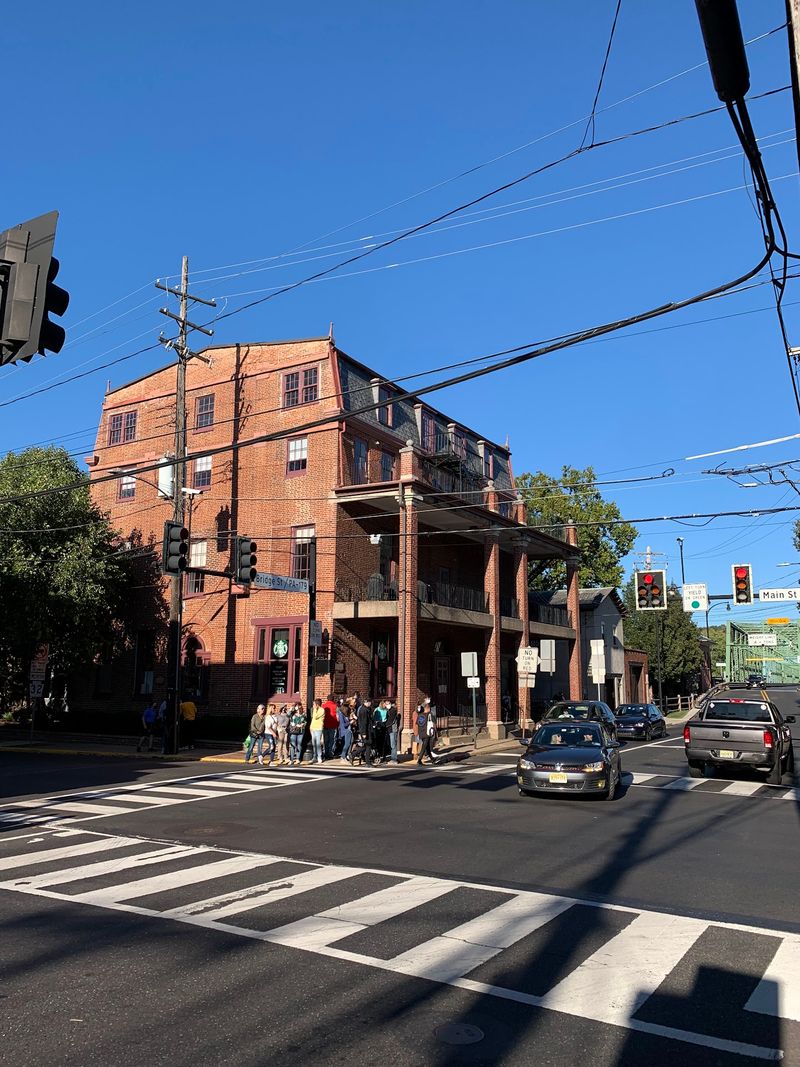
Water always changes the mood of a town, and here it added a kind of sparkle. The light near the river, the mix of voices, and the colorful storefronts gave the streets a playful confidence.
It felt historic, yes, but also creative, like the past had loosened its collar a little.
Historic Downtown New Hope wraps its story around the Delaware River and the busy stretch near Bridge Street. Old buildings house galleries, restaurants, and shops with personality, and the walk toward the river brings lovely views and a sense of movement.
I remember the pleasure of crossing a block, hearing live music nearby, and finding dinner in a place full of old beams and warm light.
What impressed me was how comfortably New Hope mixes heritage with individuality. It never felt trapped by its history.
Instead, the downtown uses its age as a backdrop for art, food, and everyday gathering. That made its historic character feel current, which is one reason the place stayed in my mind.
Milford
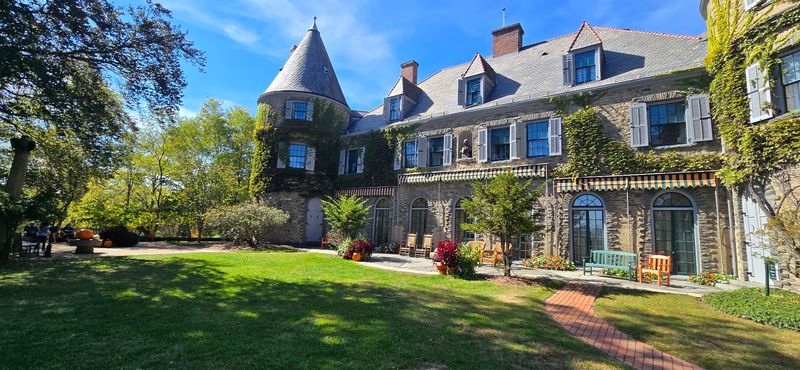
There was a polished quiet here that made me straighten my posture without even noticing. Tall trees, handsome buildings, and carefully kept storefronts gave the downtown a graceful look.
Instead of feeling formal, though, it felt composed, like a town that knew exactly what kind of beauty it wanted to protect.
Historic Downtown Milford, centered on Broad Street, is full of architectural charm and a calm mountain-town mood. Walking there, I noticed inviting cafes, small galleries, and the strong historic character that connects to the area’s older homes and civic buildings.
A simple afternoon of browsing, eating, and looking up at the facades felt more rewarding than I expected.
Milford taught me that small town history can feel elegant without becoming distant. The downtown is easy to enjoy, but it also asks you to pay attention to details, from window trim to street layout.
That combination of ease and refinement made the place memorable and helped me appreciate how preservation shapes daily life.
Strasburg
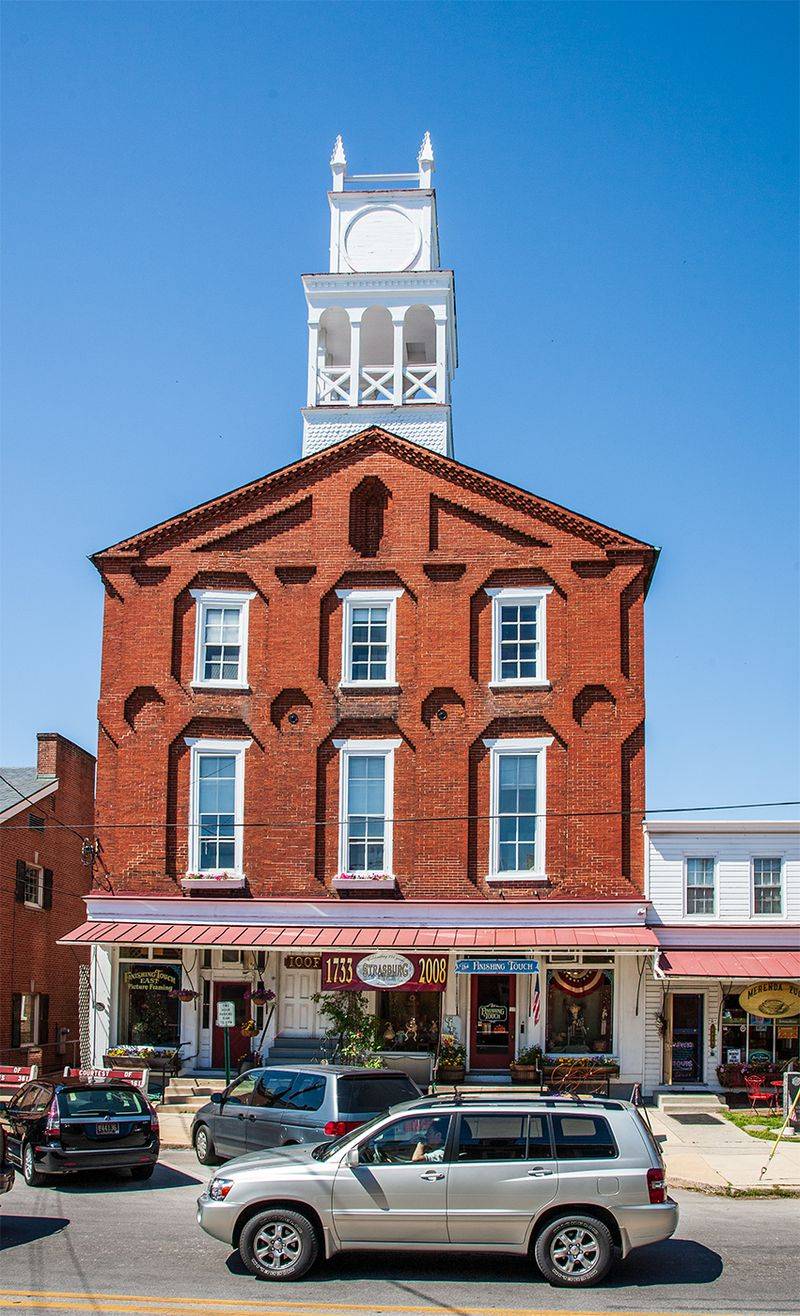
Few places make the past feel so close to the surface. Even the air seemed slower, carrying the sound of traffic, distant wheels, and conversations that never rushed.
I had the odd but pleasant feeling that modern life had agreed to share space here instead of taking over completely.
Historic Downtown Strasburg sits in the heart of Lancaster County, and its charm comes from both its buildings and its setting. The town’s railroad heritage is a big part of the experience, and nearby attractions add context without overwhelming the center itself.
I liked wandering the historic streets, noticing the older homes and inns, then stopping for a hearty meal that felt rooted in the region.
Strasburg made me think about continuity. Nothing about it felt accidental.
The downtown, the surrounding farmland culture, and the preserved sense of place all work together to tell a story that is easy to feel. Visiting here reminded me that history becomes more meaningful when a whole town still seems to live beside it.
Somerset
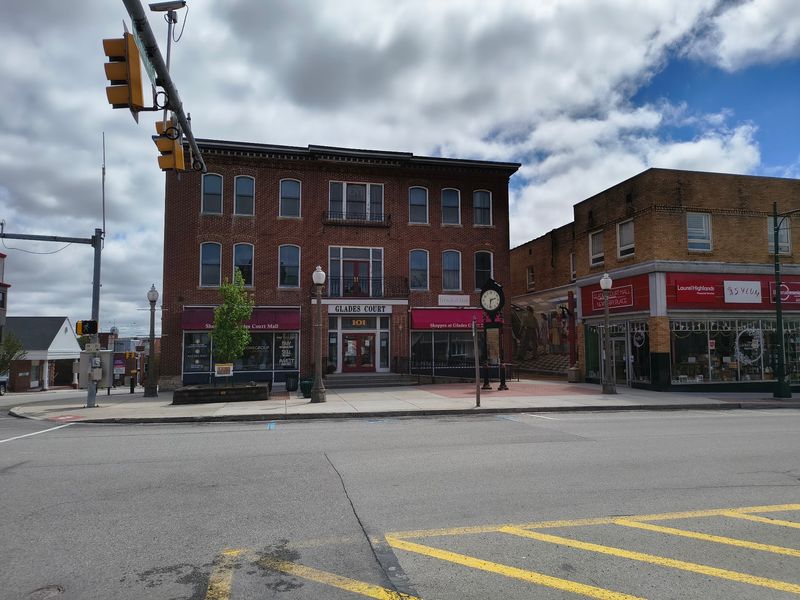
A plainspoken kind of beauty met me here, and I liked that immediately. Nothing seemed overly decorated or eager to impress.
Instead, the downtown offered solid buildings, familiar storefronts, and the feeling that people still depend on this place in a real, everyday way.
In Uptown Somerset Historic District, the streetscape tells a steady story of western Pennsylvania life. Main Street holds historic architecture, civic buildings, and local businesses that keep the town center active.
I enjoyed the simple pleasure of walking a few blocks, grabbing lunch at a diner, and noticing how the older structures still shape the mood of the town.
Somerset reminded me that history does not have to be dramatic to matter. Sometimes its value comes from continuity, from the fact that a downtown still works as a gathering place after many years.
That honesty gave the place weight. It made me appreciate the towns that preserve their identity by staying useful, familiar, and open to the people around them.
Ligonier
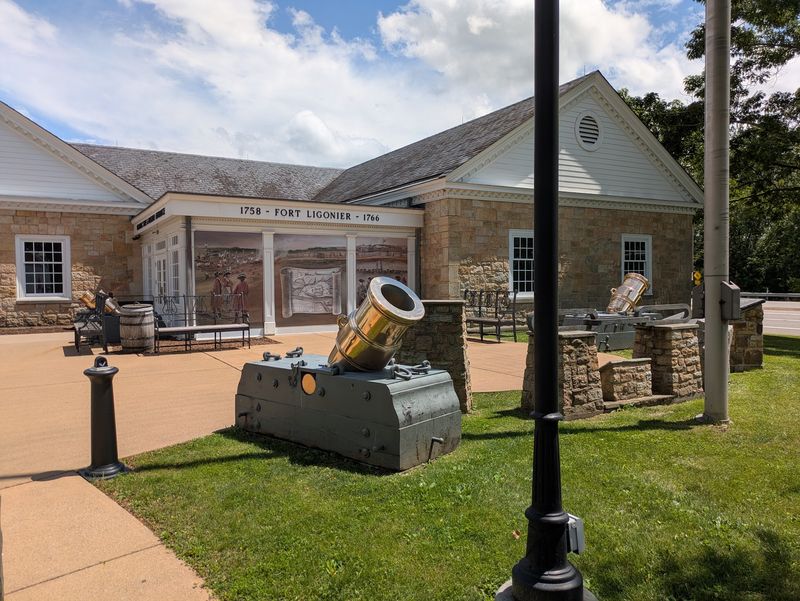
It is hard not to smile when a town square still feels like the center of community life. Green space, benches, and surrounding historic buildings created a scene that was both cheerful and grounded.
I arrived expecting a pretty stop, but the place had more depth than its postcard look first suggested.
Historic Downtown Ligonier revolves around The Diamond, and that open central space gives the town a distinct personality. Around it, old storefronts, cafes, and specialty shops create an easy walk, while nearby Fort Ligonier adds a strong historical anchor.
I liked hearing casual conversation near the square, then turning a corner and finding reminders of the town’s colonial-era roots.
Ligonier made me appreciate how design shapes memory. Because the downtown is built around a shared center, it feels social and connected in a way many places do not.
The result is not just attractive. It helps the town’s history stay visible in everyday life, which made my visit feel relaxed, meaningful, and surprisingly lasting.