You can stand inside a centuries-old fort in North Carolina and still hear the same rivers, surf, and wind that shaped its story. Brick walls, grassy earthworks, and weathered grounds reveal how closely the state’s history was tied to the water and the people who lived along it.
The historic forts in North Carolina offer more than a glimpse into battles. Some overlook the Atlantic, others sit beside rivers or beneath quiet trees, giving you room to explore at your own pace while imagining the soldiers, settlers, and communities who once stood there.
Their settings make the history feel tangible, from coastal defenses to inland strongholds surrounded by peaceful scenery.
For travelers who enjoy meaningful places without giving up beautiful surroundings, these forts make memorable stops. Here are 10 historic forts in North Carolina worth adding to your travels.
Fort Macon
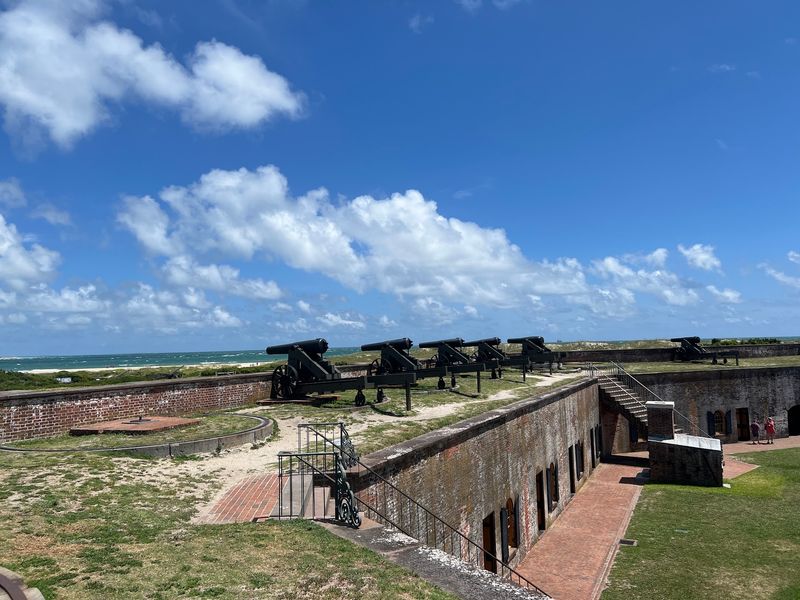
Salt hangs in the air here, and the steady sound of waves makes the old brick walls feel even more dramatic. A walk around Fort Macon brings together two pleasures at once: real Civil War history and some of the prettiest shoreline in coastal North Carolina.
Inside, you can look into vaulted rooms, see cannon displays, and imagine what soldiers faced while guarding Beaufort Inlet. Outside, the setting is just as memorable, with beach paths, wind-shaped dunes, and broad views across Bogue Sound and the Atlantic.
Families often like pairing the fort with a simple beach day, since the sand is close enough for an easy change of pace. Bring water, comfortable shoes, and a little extra time, because Fort Macon is the kind of place where one quick stop often turns into a slower, more thoughtful afternoon by the sea.
Fort Fisher State Historic Site
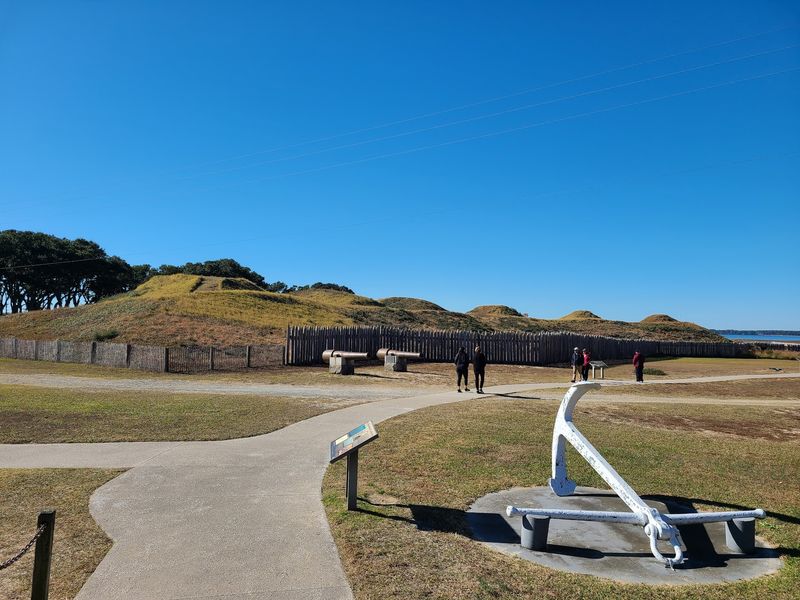
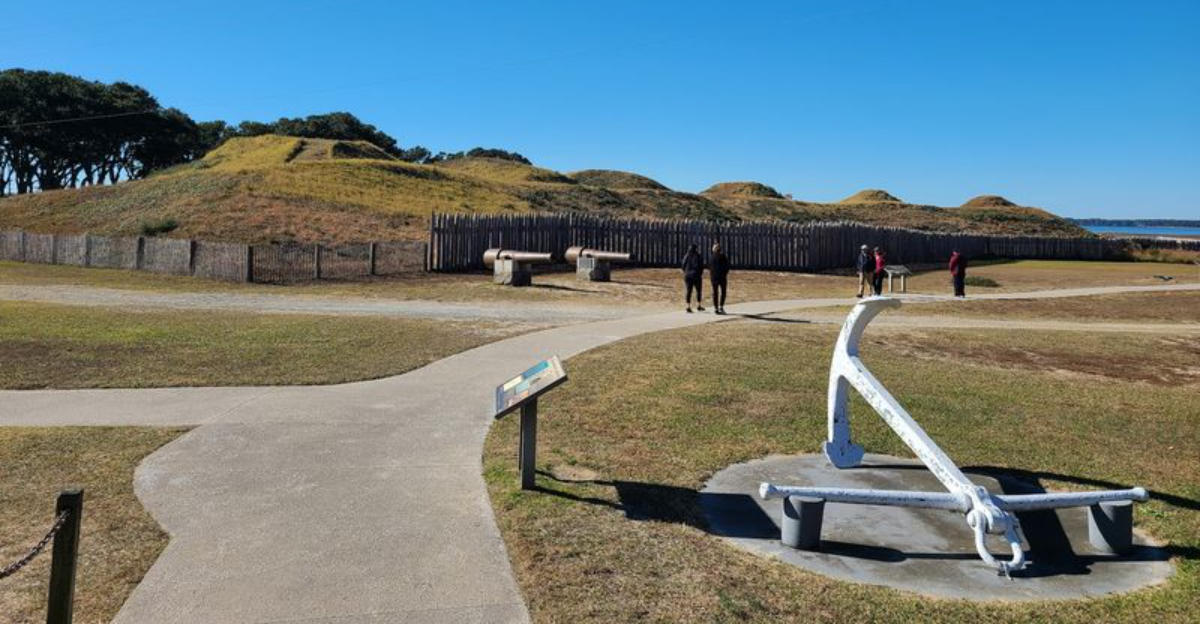
Wind moves across the grass in long ripples, and the low earthworks seem almost quiet until you remember how much history they hold. Fort Fisher carries the weight of one of the Civil War’s biggest coastal battles, yet the setting near Kure Beach feels open and calm.
Instead of tall stone walls, you will see strong earthen defenses that once protected Wilmington, an important port for the Confederacy. The museum helps make sense of the battlefield, and outside you can notice how the fort’s shape worked with the land, water, and sea breeze.
A visit here is easy to mix with local seafood or a walk by the shoreline, which keeps the day from feeling too heavy. Fort Fisher works especially well for readers who enjoy places where natural beauty softens hard history without hiding it, leaving room to reflect, learn, and keep looking.
Fort Dobbs State Historic Site
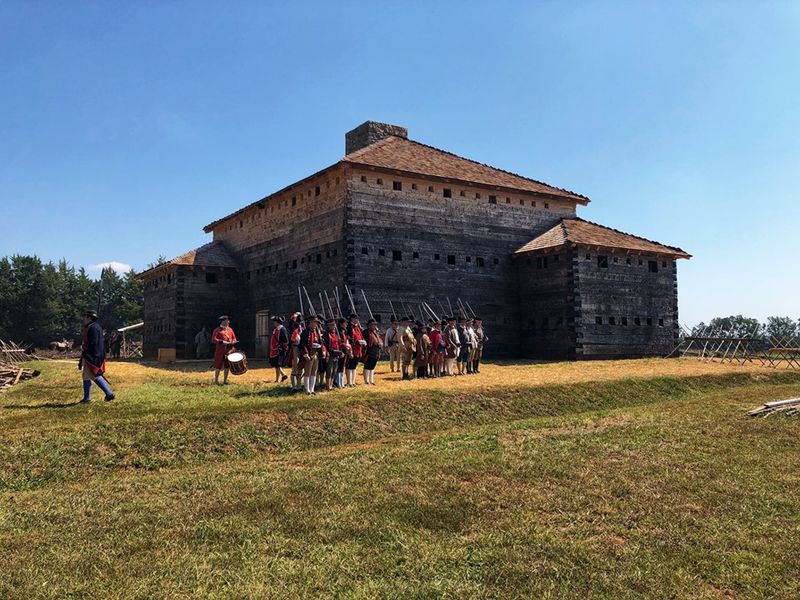
Birdsong and tall trees give this hilltop a peaceful feeling, which makes the frontier story even more striking. Fort Dobbs offers a different side of North Carolina history, taking visitors back to the French and Indian War instead of the better-known Civil War coast.
The reconstructed fort in Statesville was based on careful research, so it feels more grounded than theatrical. Inside, rooms are arranged to show how soldiers and settlers lived, and the site often explains tools, defense, and daily hardship in ways younger visitors can follow without trouble.
Because the setting is wooded and inland, the mood here is quieter than at the beach forts, and that contrast is part of the appeal. Wear shoes you do not mind getting dusty, take time with the exhibits, and imagine how isolated this outpost once felt at the edge of a growing colony.
Fort Raleigh National Historic Site
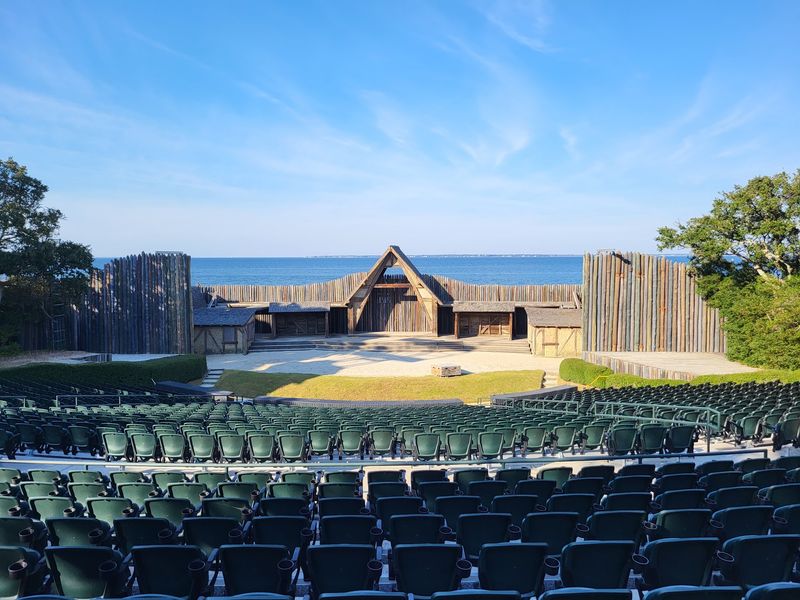
Mystery lingers in the air on Roanoke Island, where history feels unfinished in the most fascinating way. Fort Raleigh is tied to the early English attempts to settle this coast, and that age alone gives the place a rare sense of importance.
You will not find a towering fortress here, but the earthen fort area and surrounding grounds still spark the imagination. Walking the site, it is easy to think about ships, uncertainty, and the fragile hopes of people trying to build a foothold in an unfamiliar land centuries ago.
The beauty comes from the island itself, with shady paths, coastal light, and a quiet landscape that encourages slower looking. After exploring Fort Raleigh, many visitors enjoy nearby Manteo for a meal or waterside stroll, which rounds out the day nicely.
It is a thoughtful stop for anyone drawn to layered stories, unanswered questions, and scenery that feels gentle but full of memory.
Brunswick Town/Fort Anderson State Historic Site
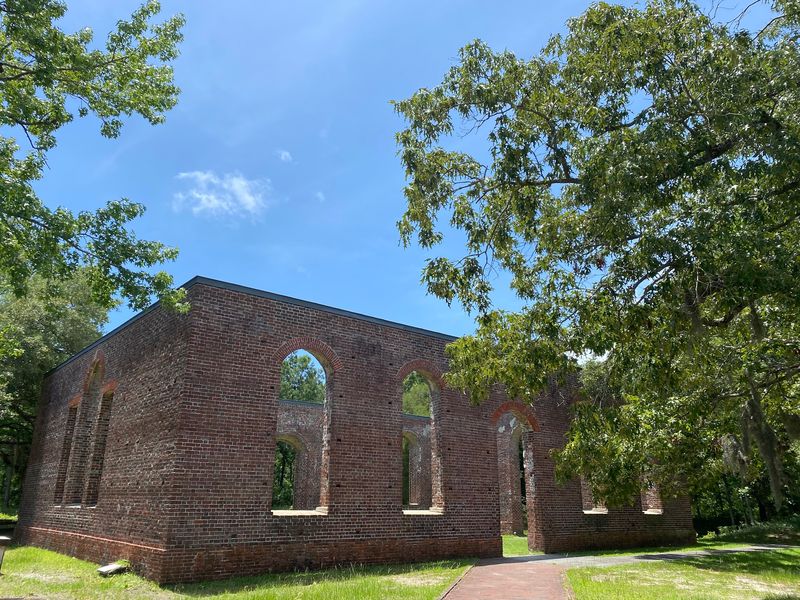
Broken brick walls, tall trees, and a broad river view make this place feel almost like two eras sharing the same ground. Brunswick Town and Fort Anderson give you colonial ruins and Civil War defenses in one visit, which is part of what makes the site so memorable.
As you walk the paths, you can see old foundations from the once-busy town and then shift into the later story of Confederate earthworks built to defend the Cape Fear River. That layered history helps the landscape feel richer, not just older.
The setting near Winnabow is calm, with enough open space to wander without feeling rushed. A picnic can work well here if the weather is mild, especially since the river scenery invites a longer pause.
Few sites in North Carolina blend military history, colonial life, and natural quiet in such an easy, thoughtful way for curious travelers today.
Fort Nooherooka
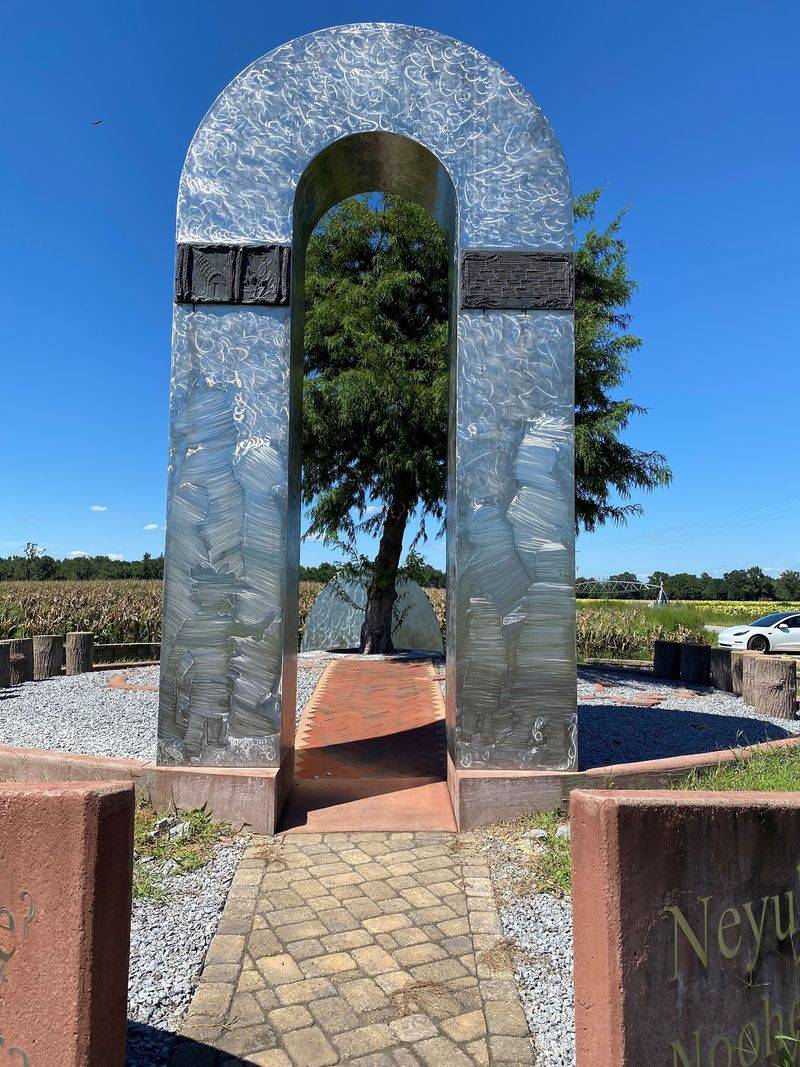
Some places ask for silence first, and this is one of them. Fort Nooherooka tells a painful and important story from the Tuscarora War, opening a door to Native history that many travelers in North Carolina have never been taught very well.
The fort was once a fortified Tuscarora settlement, and the present site near Snow Hill helps visitors connect with that earlier world. You may not see massive walls today, but the meaning of the ground remains powerful, especially when you stop long enough to picture the community that once stood here.
This is not the kind of visit built around spectacle, and that is exactly why it matters. Bring patience, read carefully, and approach the site with respect for the people linked to it.
Fort Nooherooka offers a deeper understanding of the state beyond familiar beach stories, showing how conflict and resilience shaped North Carolina long before later wars arrived.
Fort Branch Confederate Earthen Fort Civil War Site
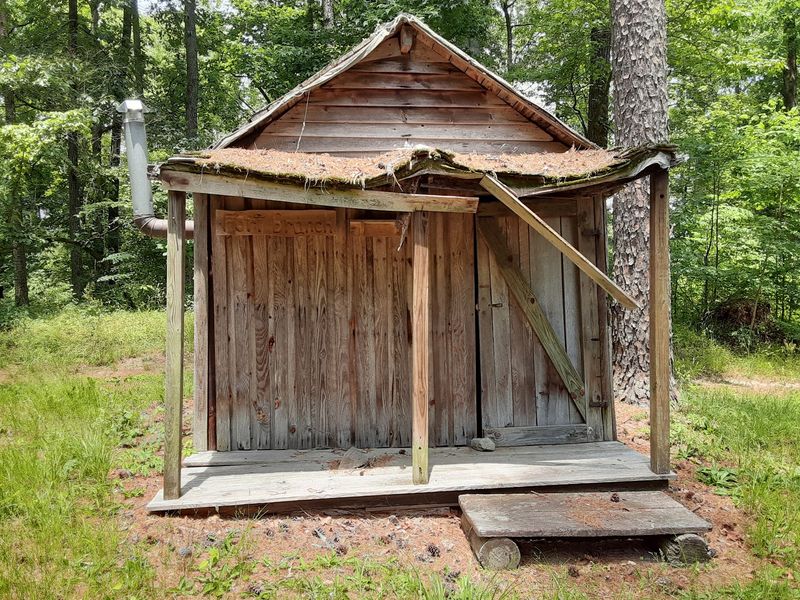
High above the Roanoke River, the land suddenly feels strategic, almost as if the bluff is still watching for trouble. Fort Branch is one of those lesser-known places that surprises people, not because it is flashy, but because the setting explains the history so clearly.
Built as a Confederate earthwork, the fort used elevation and river views to guard an important route. Today, the restored lines help visitors picture where defenses stood, and the overlook gives you one of the strongest scenery moments on this list.
Because it is not as famous as larger sites, a visit can feel personal and unhurried, almost like discovering a chapter others skipped. Check public access details before going, then allow yourself time to stand still and look outward.
Fort Branch works best for readers who enjoy hidden corners, river landscapes, and the chance to learn something meaningful without crowds shaping every step of the experience.
Palisade Fort
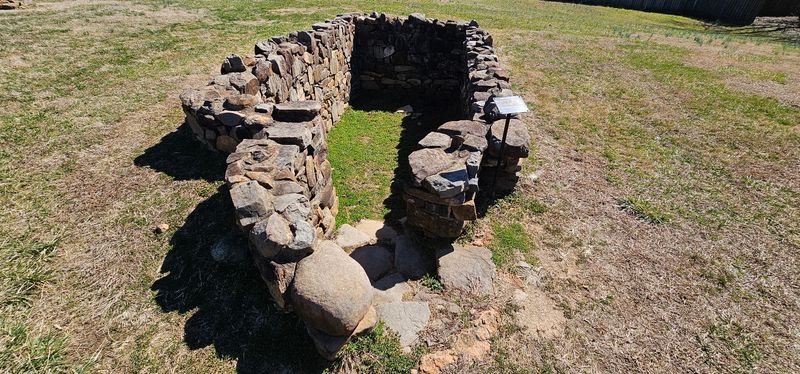
Wooden walls rising beside quiet paths give this site a storybook look at first, but the past behind it was serious. Palisade Fort at Historic Bethabara shows how Moravian settlers protected their community during uncertain colonial years in North Carolina.
The reconstruction helps visitors understand what a defensive settlement looked like before brick coastal forts became the image many people expect. Surrounded by trees and historic grounds, the fort feels tied to everyday life, not only military action, which gives the visit a more human scale.
One of the nicest things here is how easily history blends with a peaceful walk through Bethabara’s landscape. You can slow down, notice birds and old pathways, and then step back into the fort area to imagine what safety meant on the eighteenth-century frontier.
Palisade Fort suits travelers who like quieter sites where the mood is reflective, local, and gently different from the state’s battlefield-heavy stops.
Fort York Historic Site
Fort York Historic Site
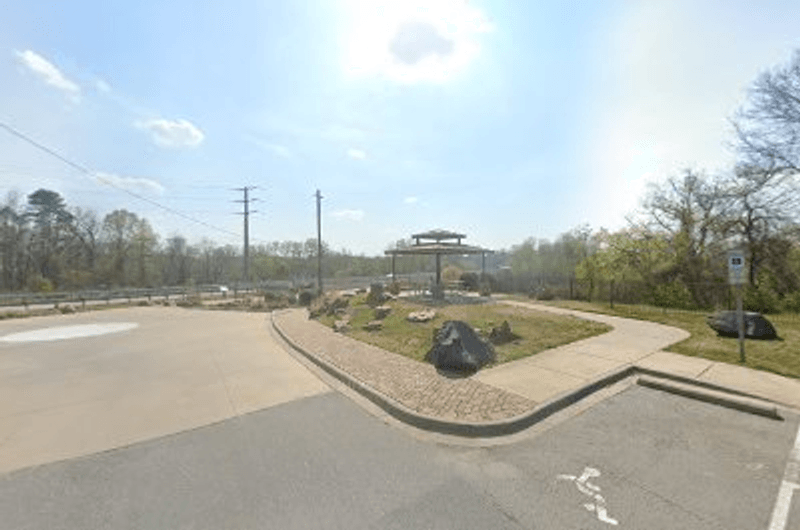
There is something striking about a fort that sits above a river with so much open sky around it. Fort York Historic Site in Linwood turns a Civil War stop into a landscape experience, with surviving earthworks connected to the Yadkin River’s quiet beauty.
The defenses were built to watch and protect this corridor, and standing there makes the geography easy to understand. You can walk the preserved area, study the shape of the works, and then let your eyes drift toward the water, where the peaceful view contrasts with the fear of wartime planning.
Because the site is linked with Yadkin River Park, it works well for people who enjoy combining history with an easy outdoor outing. Pack a camera if the light is good, especially late in the day when the river can look especially calm.
Fort York leaves a gentle impression, proving that small, less-publicized places can still stay with you.
Old Fort Caswell
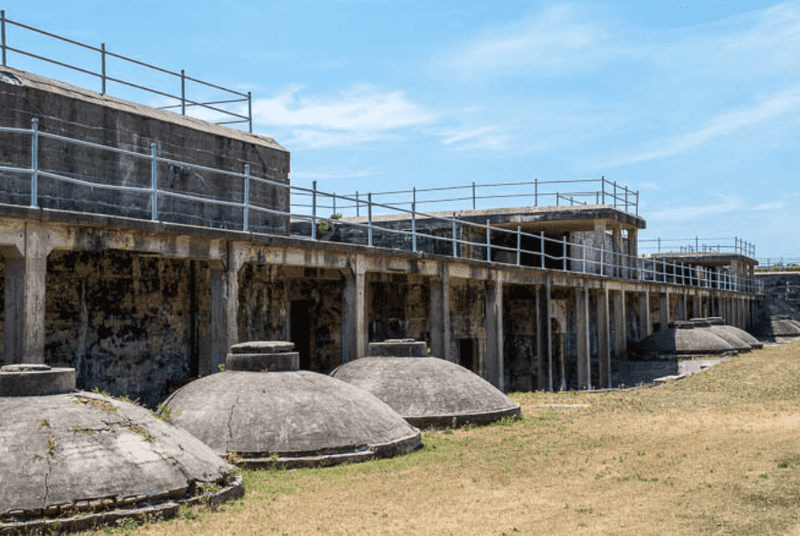
Ocean light gives everything here a sharper edge, from the old masonry to the grass moving under the wind. Old Fort Caswell has one of the strongest visual settings in the state, placing a historic coastal defense beside the waters near Oak Island.
The fort dates to the nineteenth century, and its size helps you feel how seriously this shoreline was guarded. Because access can be more limited than at public state sites, planning ahead matters, but that extra effort can make the visit feel even more deliberate and rewarding.
When conditions are right, the surrounding views become part of the history lesson, with sea, sky, and fortifications all working together. If you go, pair the stop with time at Caswell Beach or a simple seafood meal nearby.
Old Fort Caswell is especially appealing for travelers who enjoy places where architecture and scenery speak with equal force, creating a memorable sense of North Carolina’s coastal past.