You might not expect one of America’s most ambitious Western art museums to be waiting in Cartersville, Georgia, but Booth Western Art Museum makes an immediate case for the detour. Spanning 120,000 square feet, it offers the scale of a major city institution with the welcoming feel of a place that genuinely wants you to stay awhile.
If you think Western art begins and ends with cowboy scenes, this museum quickly proves how much broader, richer, and more surprising the story can be. From monumental galleries to presidential history and family-friendly features, there is a lot here worth planning around.
Why the museum’s size changes the experience
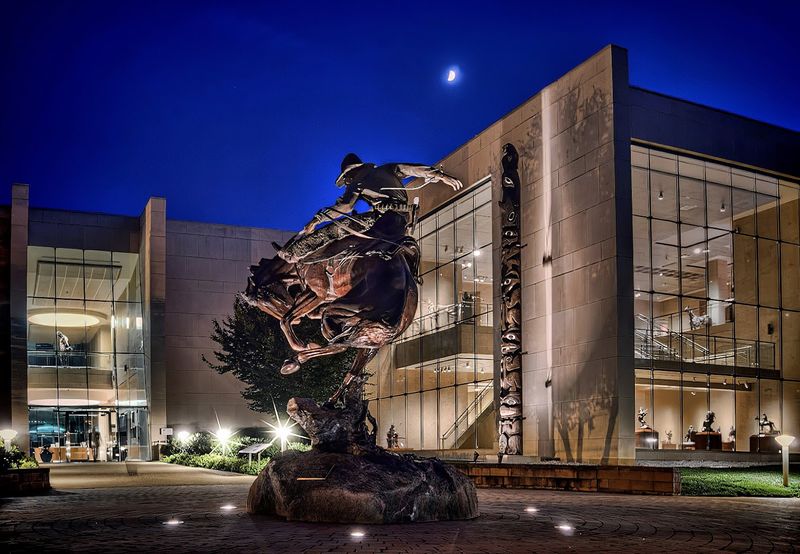
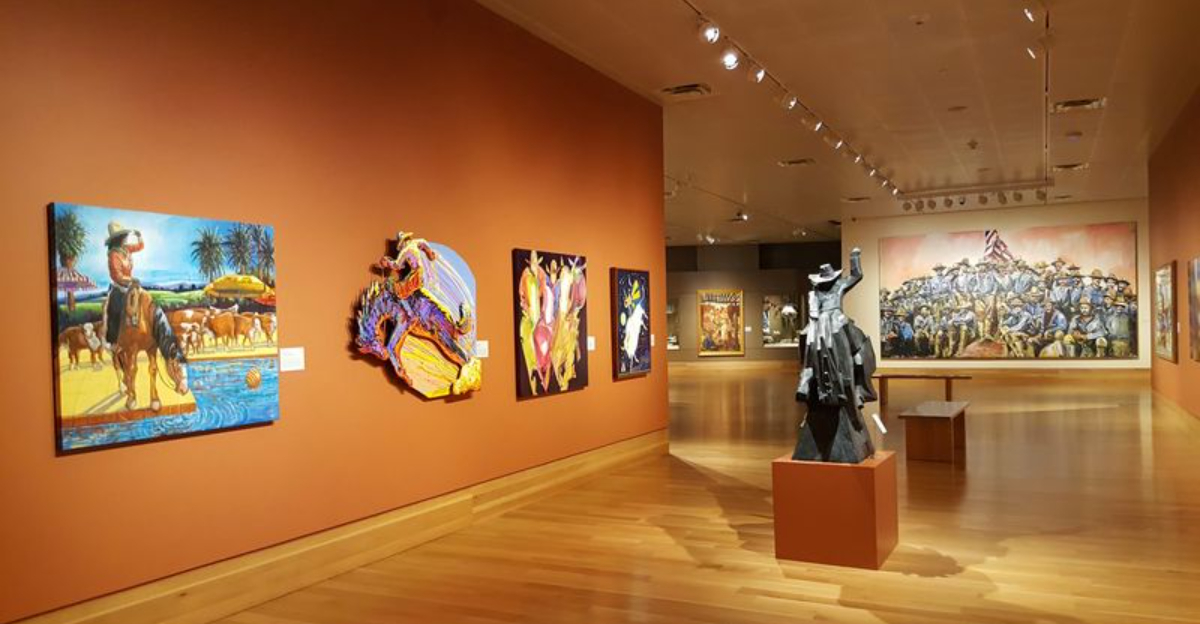
Walking into Booth Western Art Museum, you feel the difference that 120,000 square feet makes almost immediately. The scale gives the art room to breathe, so paintings, sculpture, and historical objects never feel crammed together or visually noisy.
Instead of rushing from wall to wall, you can pause, step back, and actually notice how much care went into the layout.
That extra space also changes your energy as a visitor. In smaller museums, I often feel pressured to keep moving, but here the galleries support a slower rhythm that lets you absorb details without fatigue setting in too fast.
Reviews regularly mention spending two hours or more and still wishing for extra time, which feels believable once you see how extensive the collection is.
For you, that means planning a real visit rather than a quick stop between errands. Comfortable shoes, a flexible schedule, and a willingness to linger will make the experience better, especially if you want to see both permanent displays and temporary exhibitions.
The museum’s size is not just a bragging point – it is a practical reason the visit feels immersive, generous, and far more memorable than many first-timers expect.
What you’ll actually see beyond cowboy imagery
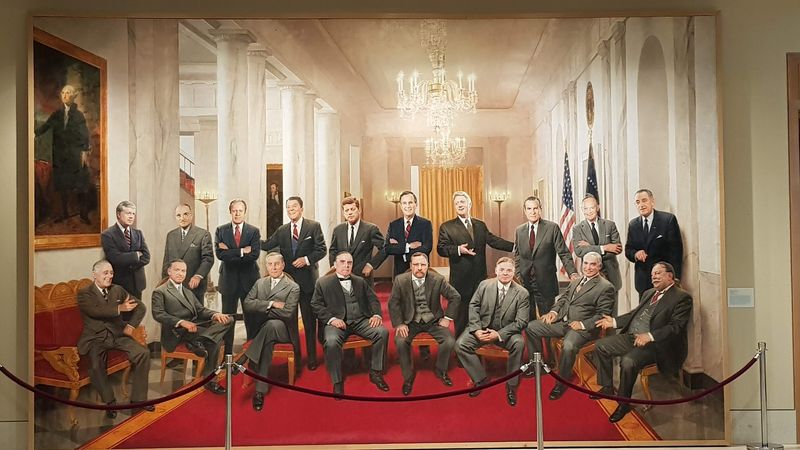
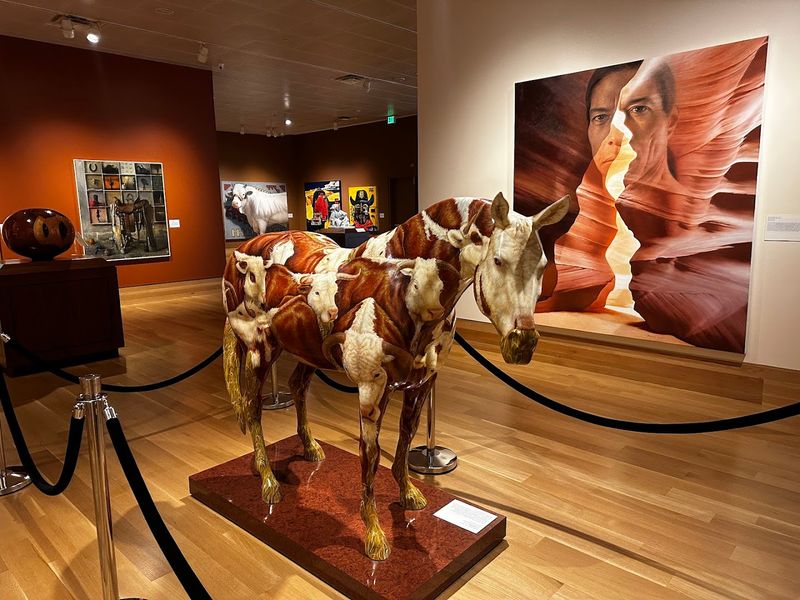
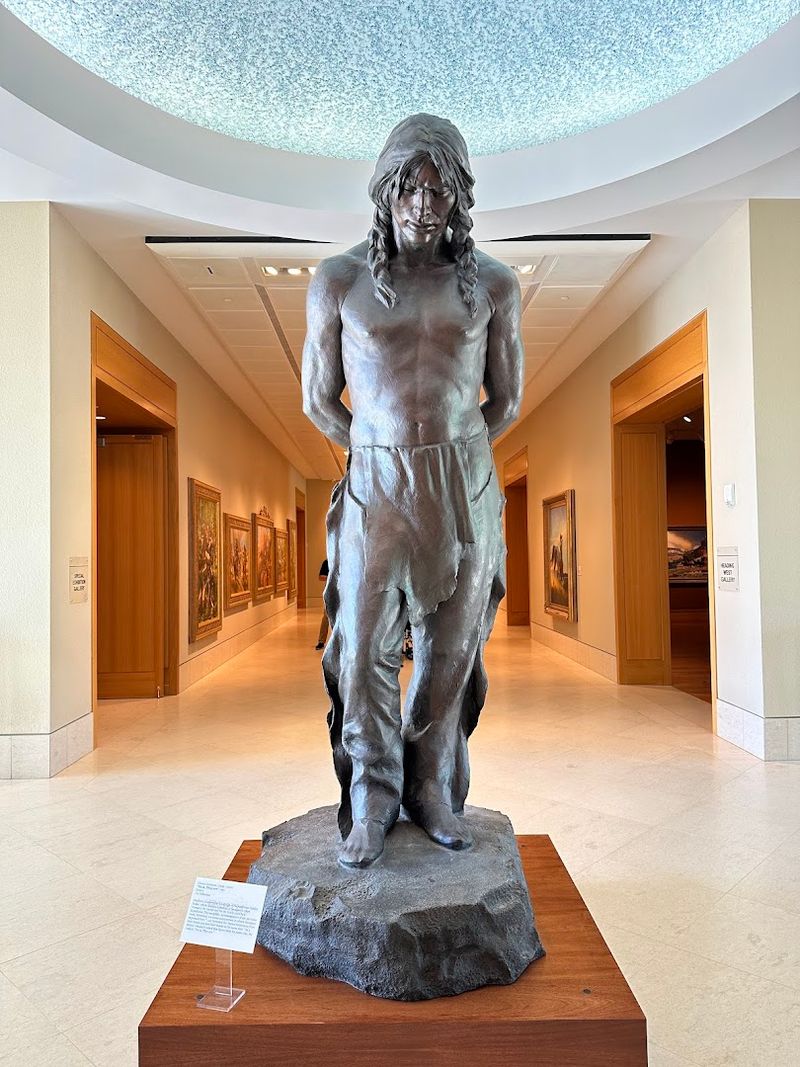
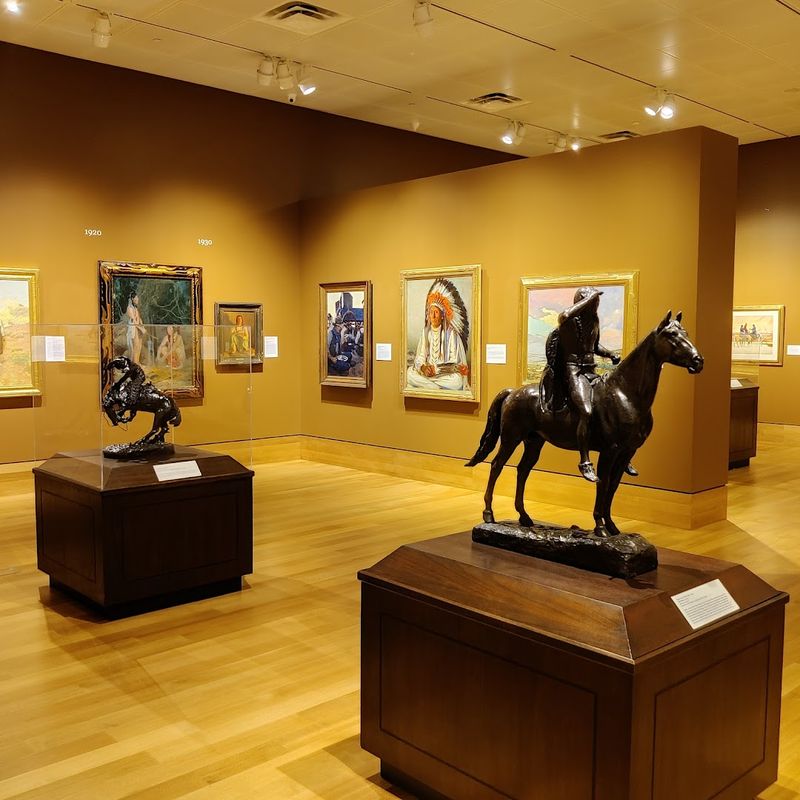
If you are expecting only cowboy paintings and frontier nostalgia, Booth Western Art Museum broadens that picture fast. Yes, you will see classic Western themes, but the collection reaches into sculpture, photography, Native American material culture, historical artifacts, presidential memorabilia, and changing special exhibitions that keep repeat visits interesting.
Several visitors even point out that the museum surprised them most when it moved past stereotypes and showed how layered Western identity really is.
One room might hold dramatic landscapes and bronzes, while another shifts your attention to textiles, film-related objects, or photographs that capture everyday American life. That variety matters because it keeps the museum from becoming visually repetitive, especially for visitors who are not already devoted Western art fans.
It also helps families and mixed-interest groups, since different people tend to latch onto different sections for completely different reasons.
I would especially recommend keeping an open mind if Western art is not usually your thing. The appeal here is not just subject matter, but craftsmanship, storytelling, and the way the curators connect art to history without making the galleries feel academic or stiff.
You are likely to leave with a much wider definition of what this museum, and this genre, can hold.
The value of taking a docent-led tour
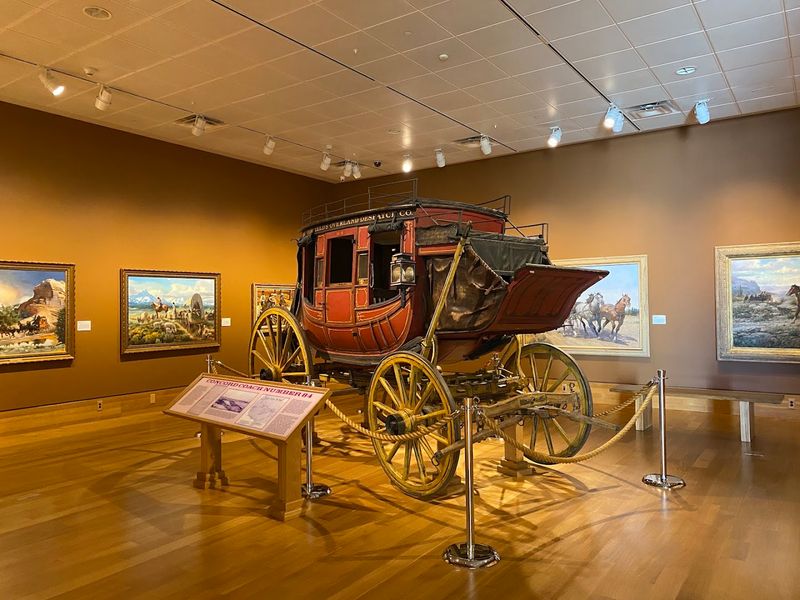
Many museums offer tours, but at Booth Western Art Museum, the docent-led option sounds especially worth your time. Review after review praises the guides for adding artist background, historical context, symbolism, and stories that you would never pull from a quick label read.
That kind of interpretation is helpful in a museum this large because it gives structure to a visit that could otherwise feel overwhelming.
A good guide can turn a striking painting into a richer conversation about place, myth, politics, or technique. Visitors mention learning about specific artists, the locations shown in landscapes, and the deeper meaning behind familiar Western imagery, which is exactly what makes art stick in your memory after you leave.
Instead of simply saying something looked beautiful, you end up understanding why it was made and why it still matters.
If your schedule allows, I would build the tour into the first part of the visit. Starting with a docent creates a framework, and then you can circle back to favorite sections at your own pace with more confidence and curiosity.
For first-timers, that approach feels smart, especially when so many returning guests say the guided experience turned a good museum visit into a standout one.
How to plan your visit for the best day
Getting the most out of Booth Western Art Museum starts with treating it like a half-day outing, not a quick pop-in. The museum is located at 501 N Museum Dr in Cartersville, with free parking across the street, and it generally operates Tuesday through Saturday from 10 AM to 5 PM and Sunday from 1 PM to 5 PM.
Since it is closed on Mondays, checking your timing before driving over is an easy way to avoid frustration.
I would arrive earlier in the day if you want a relaxed pace, especially if you hope to join a tour, browse the shop, and still have time for lunch at the bistro. Several visitors mention needing more time than expected, which makes sense once you factor in the sculpture garden, temporary exhibitions, and the temptation to revisit favorite galleries.
Comfortable pacing matters more here than trying to cover everything at record speed.
If you are planning around weekends, expect a pleasant but active atmosphere rather than a silent gallery experience. Families, retirees, day-trippers, and travelers all seem to find the museum accessible, and the staff gets consistent praise for being helpful and kind.
For a smoother visit, I would leave extra time, wear good shoes, and keep your afternoon flexible.
Why it works for families, repeat visitors, and casual art fans
Not every art museum can satisfy a serious art lover, a history buff, and a three-year-old in the same visit, but Booth Western Art Museum comes unusually close. Reviews come from couples on date trips, parents with young children, retirees, solo travelers, and people who return year after year, which says a lot about its range.
The museum seems to understand that a strong visitor experience is about more than objects on display.
Part of that success comes from variety, and part comes from atmosphere. Guests consistently describe the building as clean, welcoming, and easy to navigate, with friendly staff positioned throughout the museum and enough visual change from room to room to keep attention from fading.
There are also family events and kid-friendly features mentioned by repeat visitors, so the museum does not feel like a place where children merely have to be tolerated quietly.
For casual art fans, that accessibility matters just as much as the collection itself. You do not need expert knowledge of the American West to enjoy striking sculpture, dramatic landscapes, film-related objects, or a memorable photo tradition by a favorite display.
If you want a museum that feels substantial without feeling exclusive, this one makes a strong case for itself.
What makes Booth worth a detour in North Georgia
Some museums are pleasant if they happen to be nearby, but Booth Western Art Museum sounds like the kind of place people deliberately route trips around. That distinction shows up repeatedly in visitor reactions, especially from travelers who stumbled across it and ended up calling it world class.
When a museum in a smaller Georgia city creates that level of surprise, it usually means the experience exceeds the regional label people might initially place on it.
Location helps, too, because the museum sits in Cartersville with dining and shopping close enough to turn your visit into a full day. Several reviews mention the bistro inside as a useful break point, while others appreciate being able to walk back into downtown afterward without feeling stranded at a remote attraction.
That convenience makes the museum easier to recommend to friends who want a cultural stop that does not require complicated logistics.
If you are driving through North Georgia or building a weekend around nearby sites, this is the place I would move higher on the list. The collection has depth, the building has presence, and the visitor feedback is remarkably consistent across different kinds of travelers.
For anyone who enjoys art, history, or well-curated spaces, Booth Western Art Museum feels like a stop you will talk about long after the drive home.
How the museum ties art to Western history
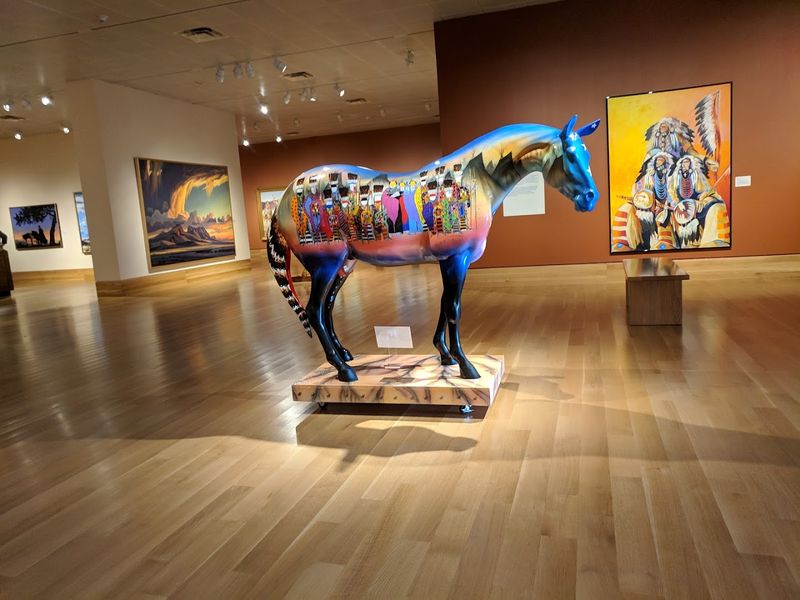
One of the smartest things Booth Western Art Museum does is connect big, dramatic artwork to the real history behind it. You are not just looking at heroic scenes of riders, plains, and frontier towns in isolation.
Letters, artifacts, and interpretive displays give those images weight, helping you understand who shaped the West and who was left out of the old mythology.
That context makes the visit feel richer and more honest. Instead of reducing Western art to nostalgia, the museum opens space for complexity, contradiction, and change.
By the time you leave, the paintings tend to stay with you longer.
Why its North Georgia location makes it even more memorable
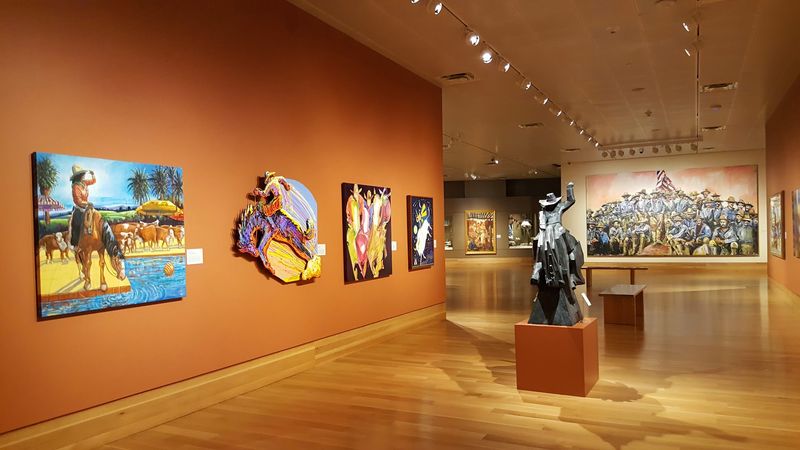
There is also something genuinely fun about finding a museum of this scale in Cartersville, a place many travelers do not expect to deliver a major Western art experience. That contrast is part of the appeal.
You arrive in North Georgia and suddenly step into expansive galleries that feel ambitious, polished, and surprisingly transportive.
If you are building a road trip or weekend around memorable stops, this one earns its place easily. The museum feels destination-worthy without feeling intimidating, which is a hard balance to strike.
It gives you the pleasure of discovery twice, once when you hear about it and again when you walk in.