A grandmother once sold clam chowder off her back porch during the Great Depression. Nearly a century later, her family is still ladling it out by the shore.
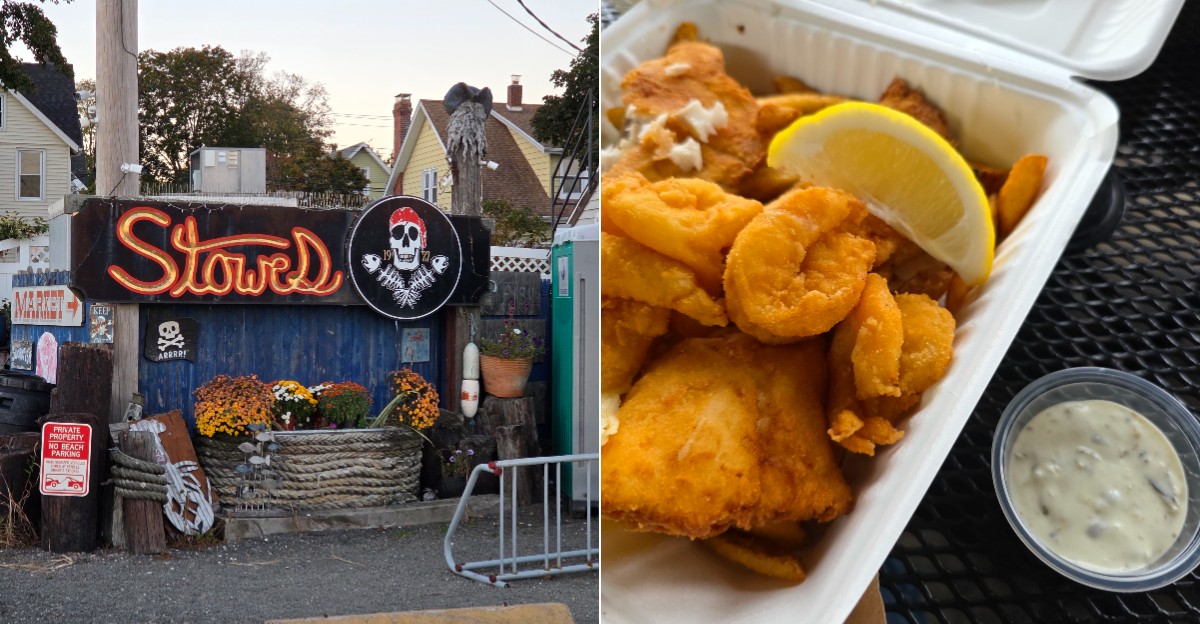
That chowder stand grew into a market, then a beloved restaurant, then a fish shack with a pirate skull logo. The soup on the menu today is listed simply as Hot Chowder.
I like how that name skips the fancy talk and just tells you what matters.
The shack sits right across the street from the beach and Long Island Sound. Fishing nets hang from the ceiling inside, and the fryers stay busy all year.
Connecticut winters can be rough, but a creamy cup by the water feels like a smart answer.
So how does a porch-side chowder recipe become a shoreline legend? The story is as warm as the bowl.
The Chowder That Started On A Back Porch Still Runs The Show
Some family recipes live in a drawer. At Stowe’s Seafood, the family recipe built an entire business.
Back in the Great Depression, co-owner Wayne Capone’s grandmother started selling clam chowder from the back porch of the family home on Bay View Place in West Haven. Wayne’s grandfather, Cedric Stowe, and his wife are credited with starting the business around 1927.
Today, the creamy New England style chowder ranks as a best seller. The menu calls it Hot Chowder, which is honest advertising on a freezing January afternoon.
Expect tender clams and potatoes in a hearty, comforting bowl.
I believe the best foods carry a little history in every spoonful. This one carries almost a hundred years of it.
That’s a lot of practice getting the recipe right.
Order a cup as a starter or make it the main event. Either choice works, and nobody will judge you for going back for more.
On a gray day by the water, a hot bowl simply makes sense.
Want a fun conversation starter at the picnic table? Ask your friends to guess how old the chowder recipe really is.
Three Chowder Styles Means Nobody Has To Argue
New Englanders can get oddly passionate about chowder. Creamy, clear, or tomato red, everyone seems to have a favorite team.
Good news for peacekeepers. Stowe’s Seafood Market offers Rhode Island Clam Chowder and Manhattan Clam Chowder alongside the creamy New England classic.
Rhode Island style uses a clear broth, so it feels lighter while still packing clam flavor. Manhattan style brings a tomato base, which gives it a bright, zippy personality.
The New England version stays rich and creamy, the comfort-food champion of the bunch.
Here’s a practical idea for a group outing. Grab one of each and pass them around like a tasting flight.
You’ll settle the family debate fast, or at least start a fun new one.
Kids who think they hate chowder might change their minds after trying all three. Different textures can win over picky eaters.
It’s a cheap and tasty experiment.
I can’t imagine a better place to hold a chowder showdown than a shack across from Long Island Sound. The salty air practically counts as a seasoning.
Just remember that the winner might change depending on the weather outside.
Your Soup Spoon Has More Options Than You Expected
Chowder may be the headliner, but the soup lineup has a strong supporting cast. Picking just one feels a little unfair.
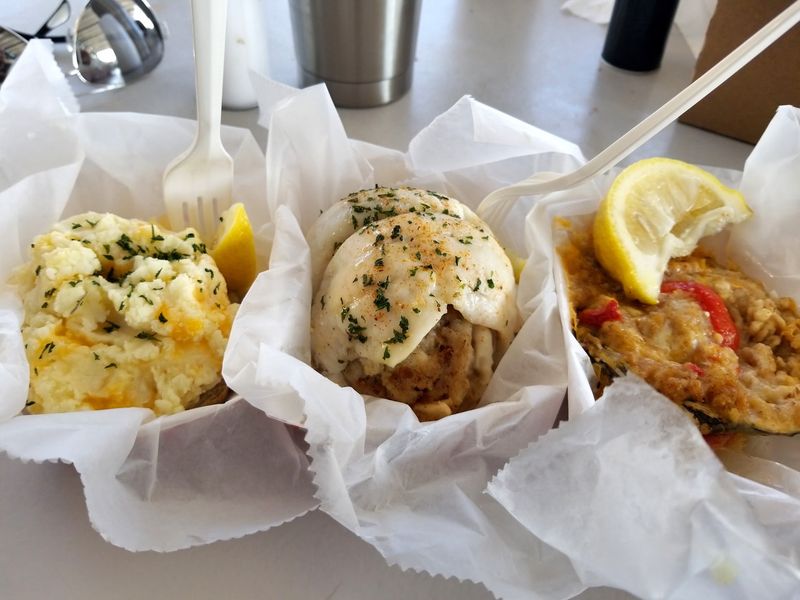
Lobster Bisque sits on the menu for anyone craving something smooth and luxurious. Then there’s the Seafood Chowder, a creamy blend of shrimp, haddock, clams, and crab meat.
That’s basically a whole fishing trip in a cup.
Feeling adventurous? Seafood Chili mixes ocean flavors with chili comfort.
T.T. Gumbo rounds out the list for folks who like a little extra character in their bowl.
Cold Connecticut days call for strategy. Try pairing a small cup of bisque with a cup of chowder so you can compare.
Splitting soups with a friend lets you sample more without overdoing it.
Soup also travels well from the counter to the outdoor tables. Wrap your hands around a hot cup and watch the water across the street.
It beats checking your phone every time.
My advice is simple. Pick the soup you know you love, then add one you’ve never tried.
Worst case, you’ve got a story. Best case, you’ve got a new favorite.
A Lobster Roll Built The Connecticut Way
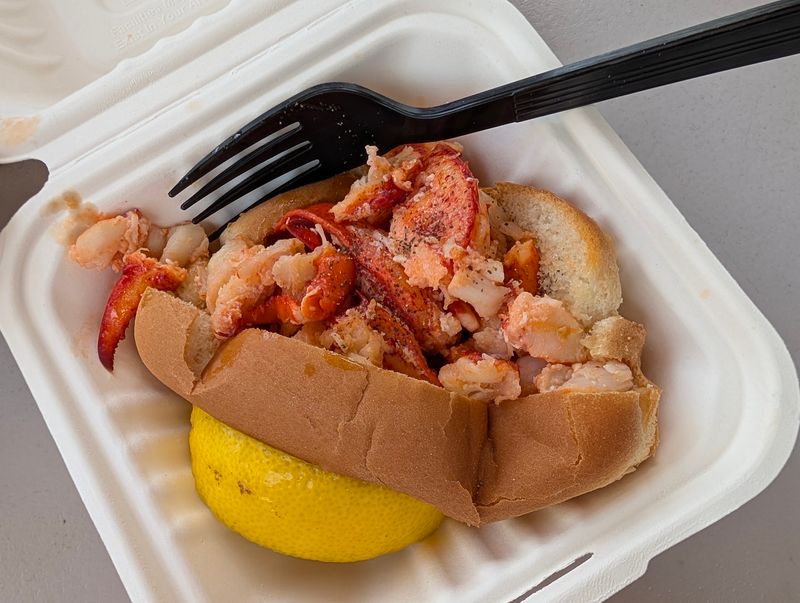
Butter. Lobster.
Soft roll. That’s the whole equation, and it works beautifully.
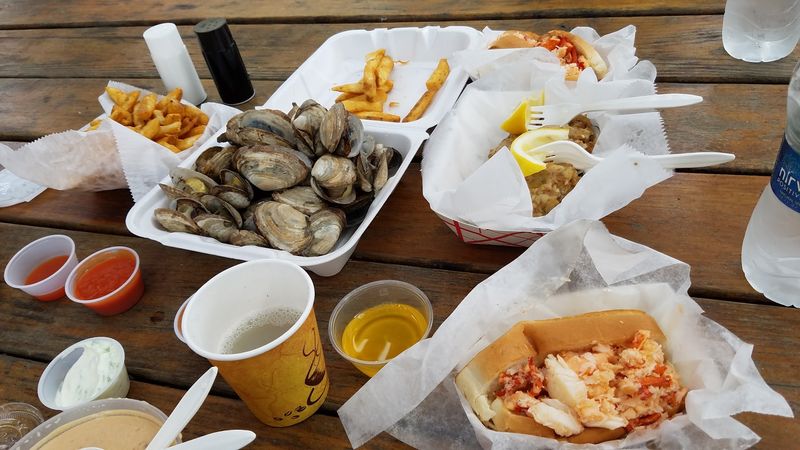
The Connecticut-style Lobster Saute Roll at Stowe’s Seafood features a quarter pound of lobster meat sauteed in butter. It’s served on a New England-style hot dog roll, the kind with flat sides made for holding fillings.
Connecticut folks proudly serve their lobster rolls warm and buttery. Maine-style rolls usually go cold with mayo.
Neither side will ever fully back down, which keeps lunch interesting.
Not sure you’re on Team Butter? The menu also includes lobster salad rolls for the cold crowd.
Then there’s a fried lobster roll, which sounds like a dare and tastes like a reward.
Here’s a pro move for chowder fans. Pair a cup of hot chowder with a lobster roll for the ultimate shoreline combo.
It’s warm, filling, and very New England.
Napkins are your friend here, so grab a few extra. Warm butter has a habit of traveling down your wrist.
Consider it part of the experience and keep eating.
Paper Boats Full Of Fried Goodness Keep Things Classic
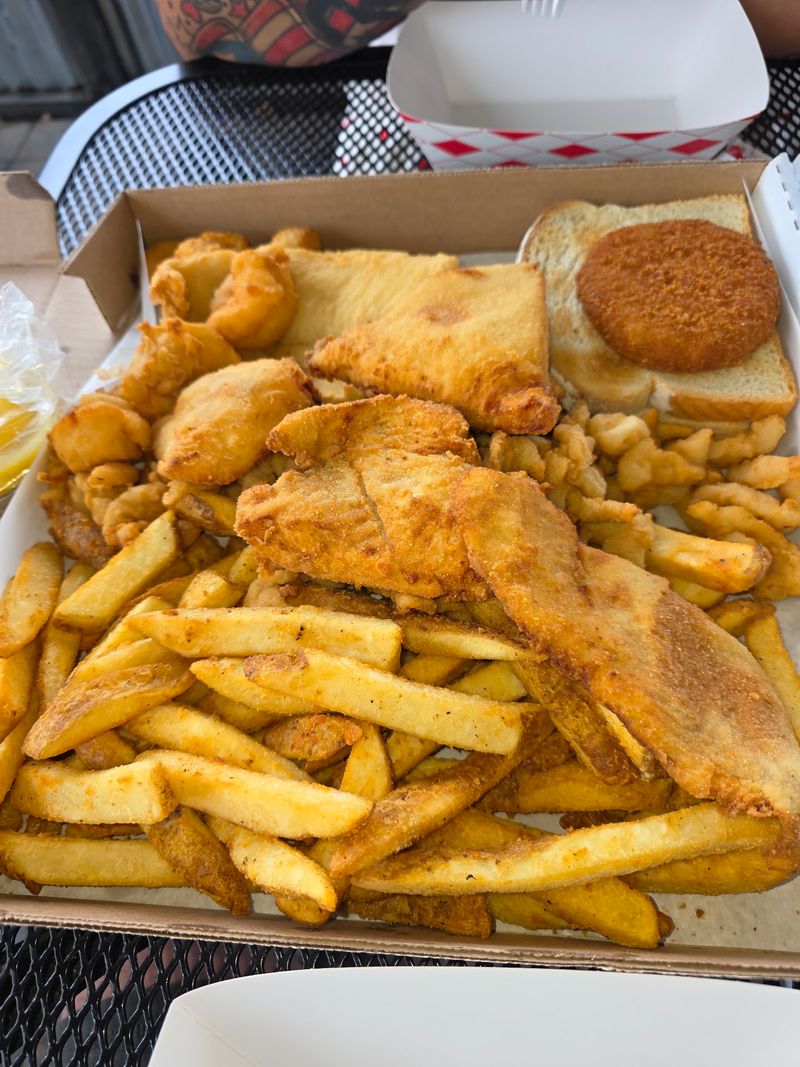
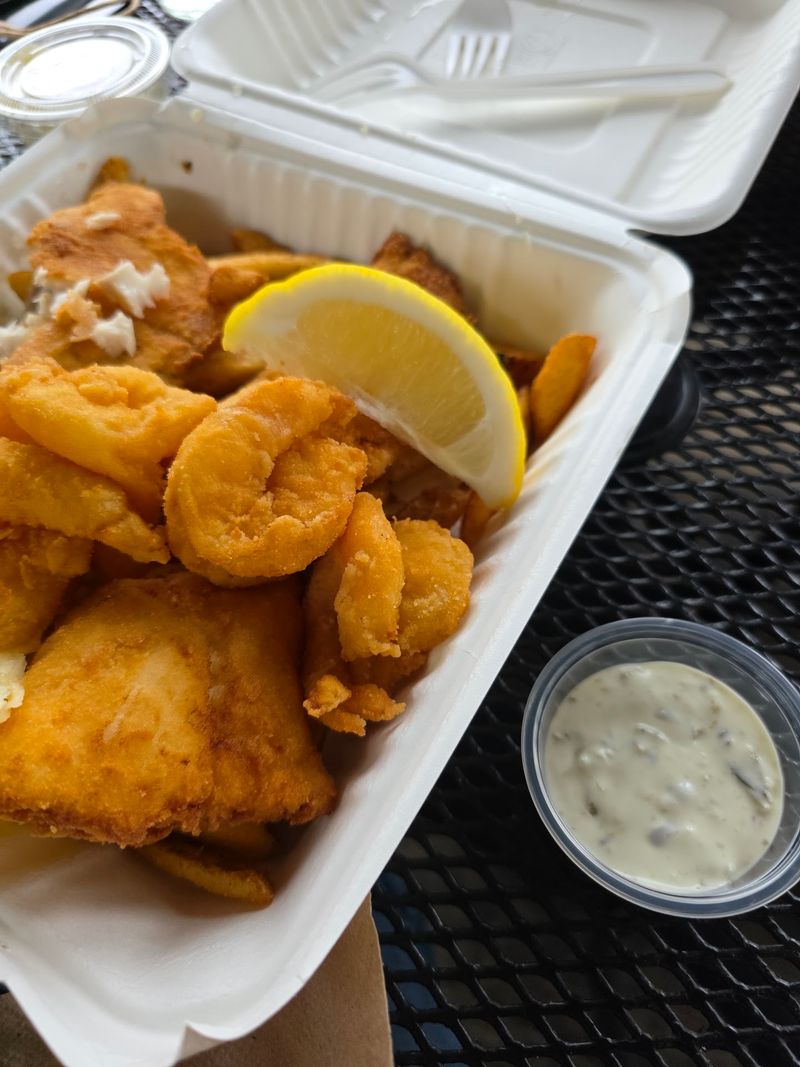
Golden, crispy, and served in a paper boat. Some traditions are worth keeping exactly as they are.
The Boat is a best seller for good reason. You choose one type of seafood, and it comes with French fries, coleslaw, lemon, and tartar or cocktail sauce.
Simple, satisfying, and very beach-shack.
Choices on the fried side include scallops, haddock, whole belly clams, and more. Whole belly clams are a true New England treat with big, briny flavor.
Haddock gives you a flaky, mild option for less adventurous eaters.
Bringing a crowd? The Treasure Chest is a platter loaded with a variety of seafood.
With a pirate-themed shack, that name fits like a captain’s hat.
Sides deserve attention too. Seasoned seashore-style skin-on fries, hand-cut breaded onion rings, and sweet potato fries all make the list.
Mozzarella sticks and mac and cheese bites help keep younger diners happy.
Fried food tastes best fresh, so try eating at the tables instead of driving home. Those crispy edges don’t love car rides.
Your taste buds will thank you for staying put.
Fishing Nets Overhead Make Lunch Feel Like A Pirate Adventure
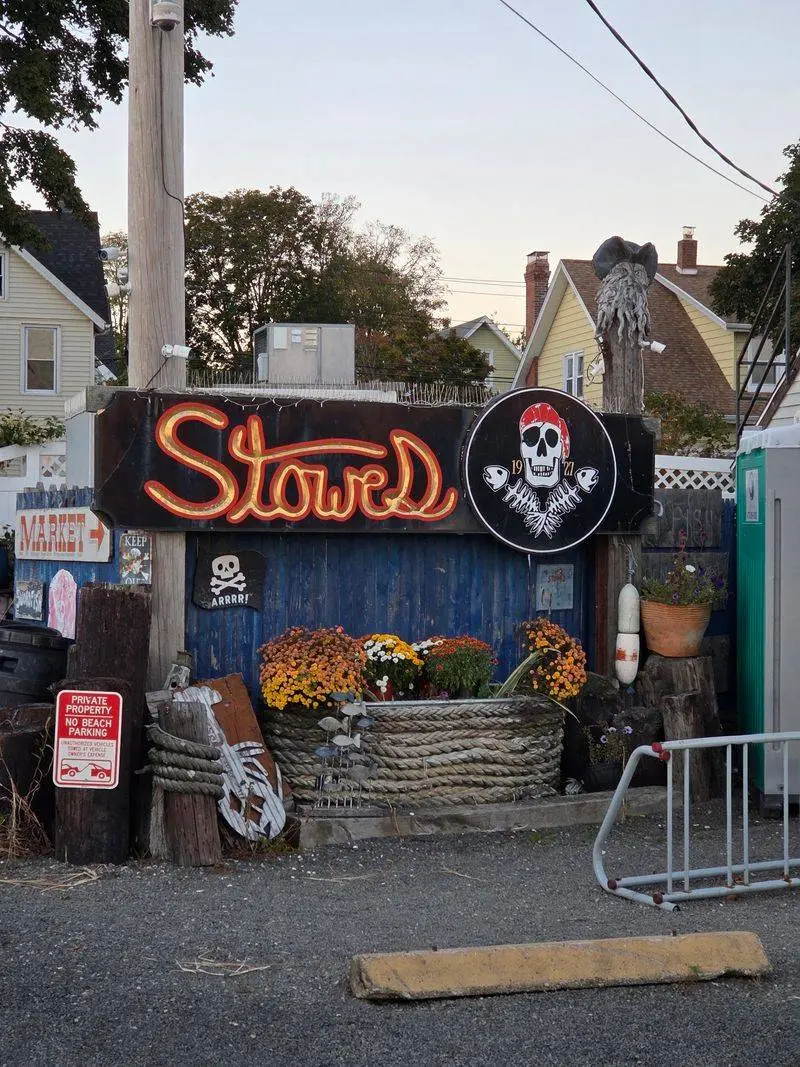
Look up before you order. Fishing nets drape across the ceiling, and vintage signs fill the walls.
Stowe’s Seafood is packed with maritime memorabilia, giving it the feel of a pirate’s paradise. The outside matches the mood with weathered wood, nautical decorations, and that famous pirate skull logo.
After Hurricane Sandy, the interior was renovated and upgraded. The family kept the pirate theme, which was a smart call.
Removing it would be like taking the clams out of the chowder.
Kids usually love spotting the nautical details while waiting for food. Turn it into a quick game of finding anchors, nets, or old signs.
It keeps little ones busy and curious.
The vibe stays laid-back and no-frills. You won’t find white tablecloths or fancy menus here.
That’s a big part of the charm.
I like how the decor tells you exactly what kind of place this is before you read the menu. It’s a seafood shack and proud of it.
Grab your food, enjoy the quirky surroundings, and maybe say ahoy once or twice.
The Beach Is Literally Right Across The Street
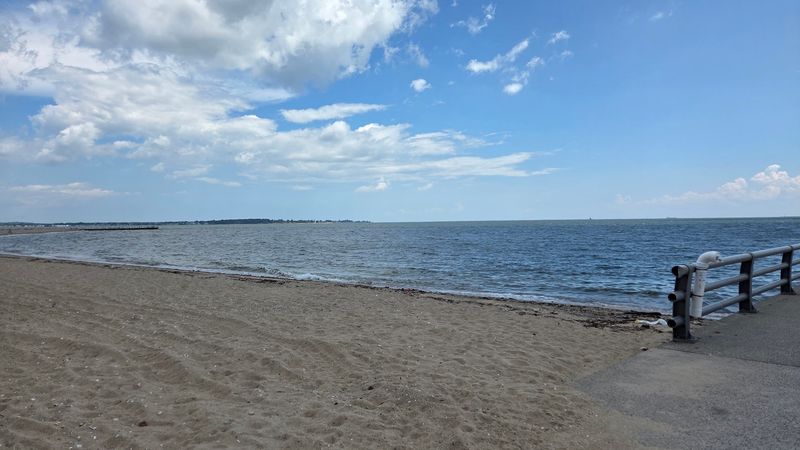
Location matters, and this one nails it. The water is just steps away.
You’ll find Stowe’s Seafood at 347 Beach Street in West Haven, Connecticut. It sits directly across from West Haven beaches and Long Island Sound.
Few lunch spots come with a view like that.
Outdoor seating includes a patio and picnic tables. Dogs are welcome in the outdoor area, so your four-legged buddy can tag along.
Just maybe keep them away from your lobster roll.
Winter visits bring their own magic. The beach gets quieter, and the Sound takes on cool gray and blue tones.
A hot cup of chowder in your hands makes the chilly breeze feel downright refreshing.
Summer turns the shoreline into a beach-day destination. Many families stop by after swimming for fried seafood and fries.
Either season works, depending on whether you prefer sunshine or sweaters.
Try taking a short stroll along the shore after eating. It helps settle that big meal and gives you fresh air.
Plus, you’ll get great photos of the water to make your friends jealous.
Bring Cash And You’ll Thank Yourself Later
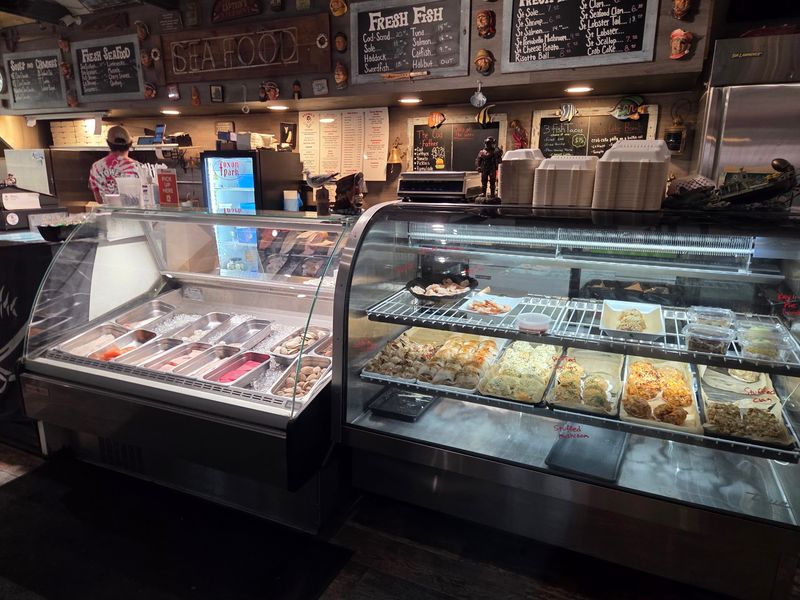
Cards stay in the wallet here. Stowe’s Seafood is a cash-only spot.
Forgot to stop at the bank? Relax, because an ATM is available on the premises.
Still, showing up with cash saves you time and a small fee.
Timing matters too. The market opens at 10 AM every day, and cooking starts at 11 AM.
Orders stop at 6:45 PM, so late-night chowder dreams will need a backup plan.
The best part for cold-weather fans is that it’s open year-round, seven days a week. You don’t have to wait for summer to get your seafood fix.
Winter chowder runs are fully on the table.
Don’t forget the market side of things either. You can pick up fresh seafood to cook at home along with ready-made meals.
That’s handy if you want to try your own chowder recipe.
A little planning goes a long way. Cash in hand, an eye on the clock, and a hungry stomach make the perfect trio.
After that, all that’s left is deciding between cup or bowl.
Nearly A Century Of Family Pride Fills Every Cup
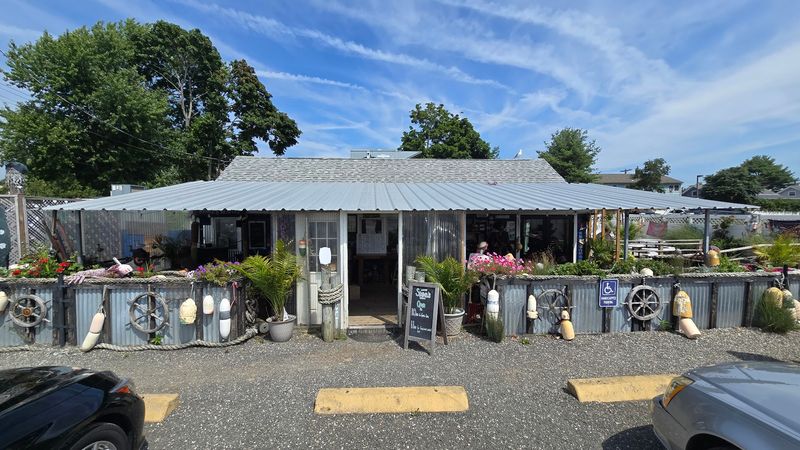
From porch to Pilot House to Beach Street, the journey reads like a true Connecticut family saga.
That original chowder stand grew into a market and then a full restaurant called Stowe’s Pilot House. It stayed a regional favorite until the 1970s.
Cedric Stowe passed in 1970, and the family sold the Pilot House in 1972.
The story didn’t end there. Wayne Capone and his wife Karen brought Stowe’s Seafood back to Beach Street in the early 1980s.
For its first ten years, it operated only as a fish market.
Eventually, it expanded into the full-service seafood shack people know today. That slow and steady growth feels very New England.
No rushing, just doing things right.
Wayne passed away in February 2024. His family remains dedicated to carrying the nearly 100-year legacy forward.
Every cup of chowder now honors generations of hard work.
I believe that kind of history makes food taste better somehow. You’re not just eating soup.
You’re tasting a recipe that survived the Great Depression, a hurricane, and decades of change, and it still warms people up on cold days.