

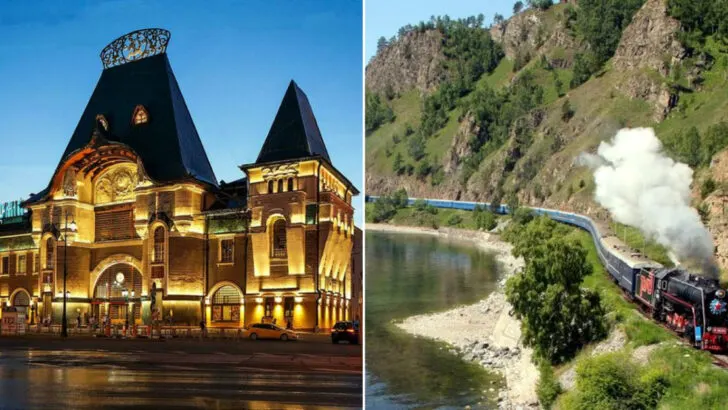
You think you are boarding a train, but you are actually stepping into a movable world with its own clocks, rituals, and windows that never stop telling stories. Hour by hour, the landscape stretches and your sense of distance changes shape. You share tea, trade snacks, trade glances at stations, and start to feel the line pulling you east like a slow tide. By the time the sea appears, the trip has quietly rearranged how you measure time and place.
Departing Moscow — Yaroslavsky Station and the first day of motion
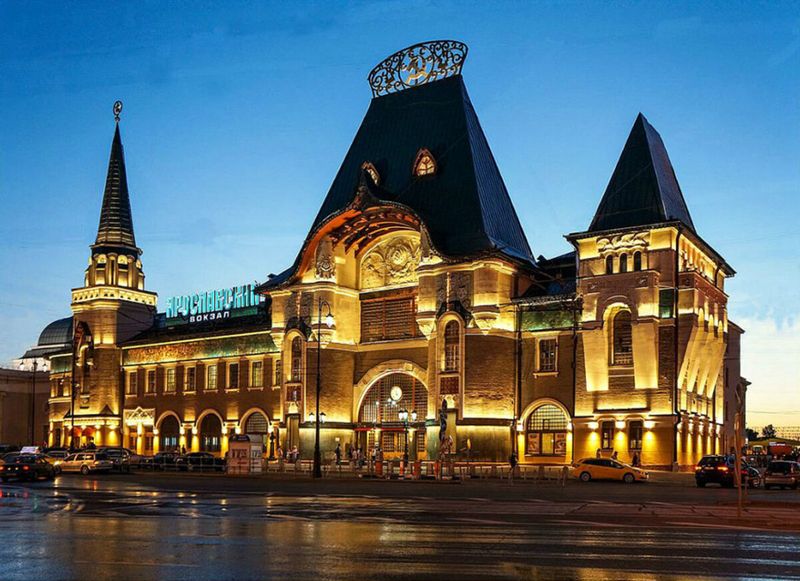
Boarding at Yaroslavsky Vokzal feels like joining a procession. Porters weave through steam and chatter while conductors check tickets with brisk nods. You grab tea bags and sunflower seeds from last minute kiosks, then step up into your carriage, heart knocking with the thunk of the door.
Moscow slides away in stacked apartments and neon crossings, then thins to allotments and birch edges. You settle into the compartment, arrange a book and a mug, and learn the timbre of this train. Within hours the city density loosens, replaced by long yards and widening fields.
The Urals — When Europe becomes Asia
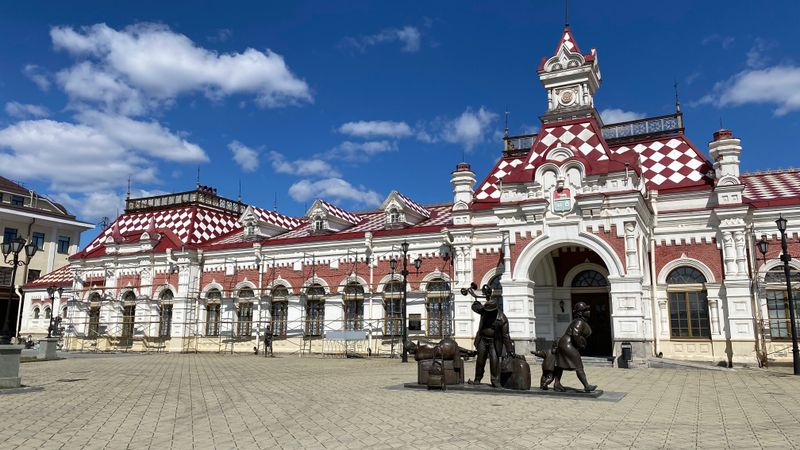
The Ural Mountains rise not as walls but as a steady spine, towns tucked in folds where smokestacks mark the divide. You watch the kilometer posts tick past, and somewhere near Yekaterinburg a quiet line is crossed.
Light changes character, sharper and paler, as forests give way to broader plains. The trip exhales here, its first true change of pace. Europe softens behind, Asia opens ahead.
Rivers and plains — Omsk and Novosibirsk: wide skies, working towns
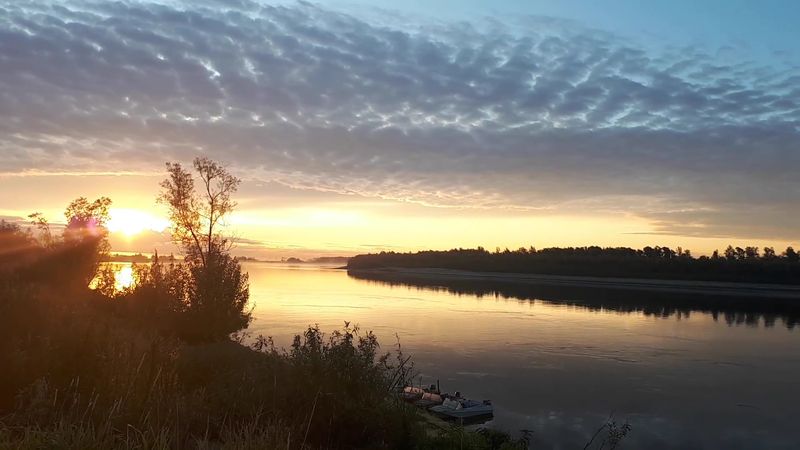
The rails shadow the Irtysh and the Ob, big rivers that make the sky feel even wider. Stations at Omsk and Novosibirsk hum with freight, vendors, and families rendezvousing beneath clock boards. You step down for ten minutes and find warm pirozhki, tea in plastic cups, and news from the platform.
These stops feel purposeful, like a pulse the train follows. Locals move with knowing efficiency while travelers drift, gathering snacks and impressions. The industrial skyline keeps you grounded in the work that binds this route together.
Krasnoyarsk & the Yenisei — a long river’s company
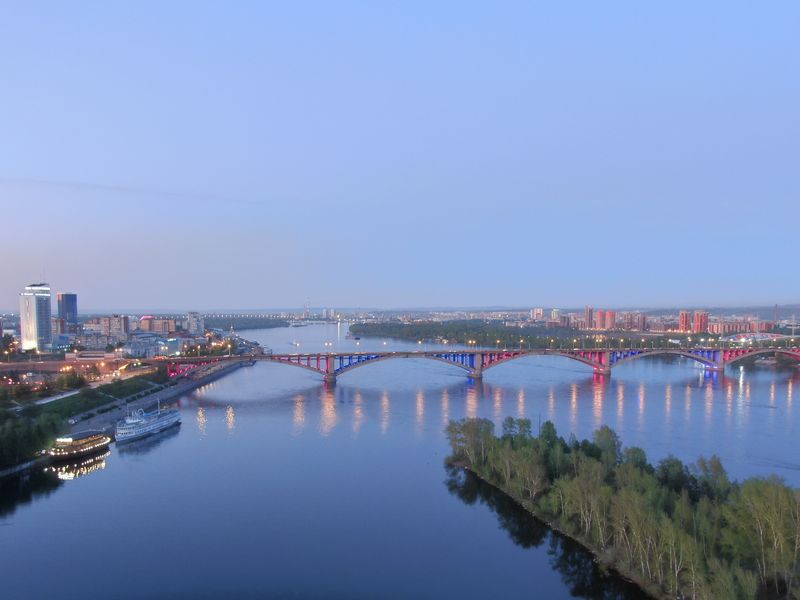
The Yenisei arrives broad and deliberate, steel bridge ribs gleaming over a current that seems to carry half the continent. From the window the river keeps pace, a companion that steadies the view. Small platform towns offer a stretch and a nod to locals wrapped against wind.
Scale becomes the message here. The river is a horizon, not a feature, and roads feel like afterthoughts. You sit back and let the long water set your breathing.
Irkutsk & Lake Baikal — rails that hug the shore
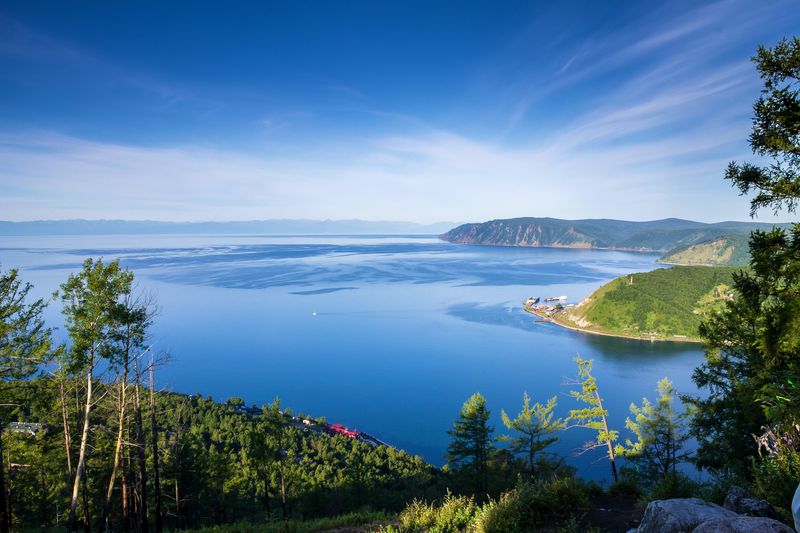
Baikal steals the frame, a sheet of hard blue with steep shorelines that press the track to the edge. The carriage windows turn into moving portholes, and conversations fall quiet as the water fills every angle. In Irkutsk you can step into streets of wooden houses, carved window frames catching the light.
People call this one of the most scenic stretches for good reason. The lake feels older than everything around it. You return to the train with cold cheeks and a camera full of blue.
Ulan-Ude and Buryatia — a different cultural tone
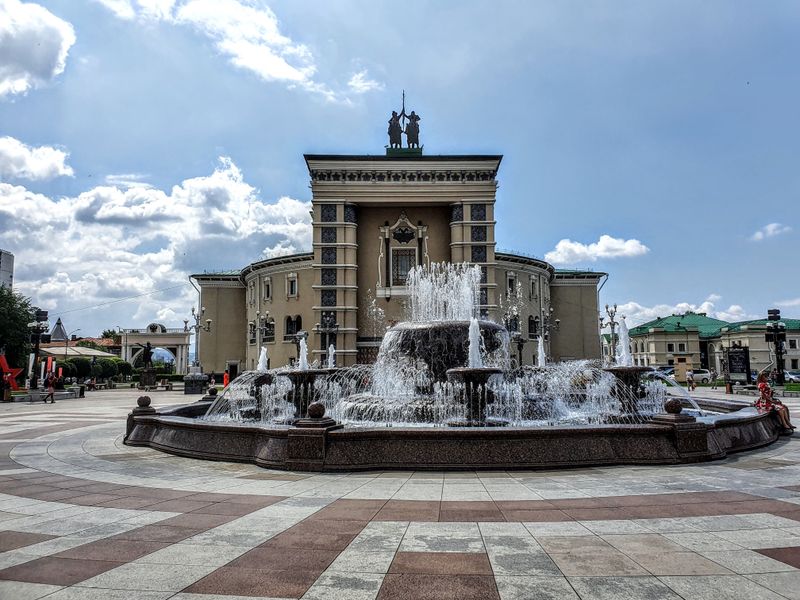
Ulan Ude opens with a broad square and the unmistakable presence of Buryat and Buddhist culture. Signs, food stalls, and faces tell you the line is crossing cultural borders as surely as kilometers.
Markets sell buuzy and dried herbs alongside wool and prayer beads. Language shifts at the edges, and station announcements carry new rhythms. The train gathers it all and rolls on.
The long middle — slow days, small routines
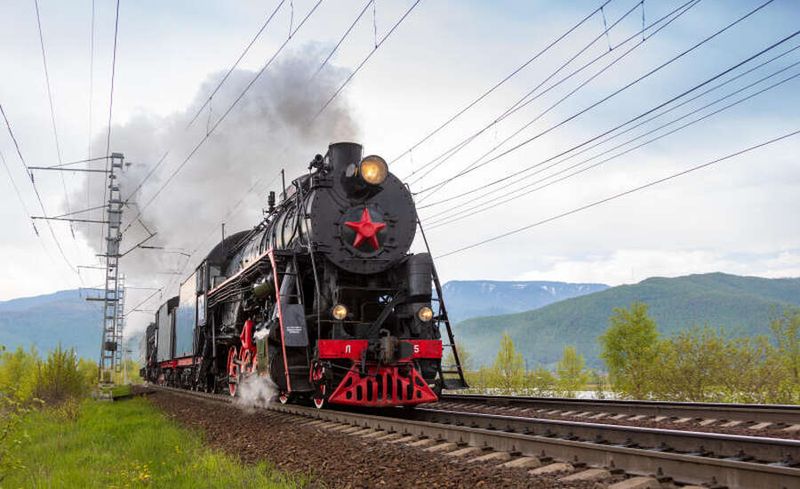
Life aboard settles into rituals you can measure by the clack of wheels. Sheets get folded, tea glasses fog, and the samovar becomes a hearth everyone orbits. Corridor conversations bloom and fade with station stops.
These slow days feel like living inside a short story. You learn the conductor’s stride and the way night sounds different after midnight. Repetition turns into comfort, and the window writes the same sentence in new words.
Chita to Khabarovsk — the eastern approach
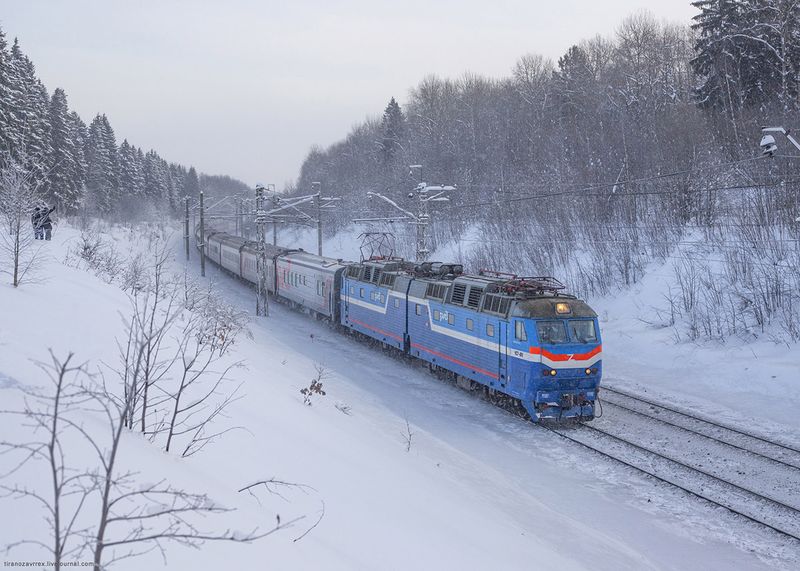
East of Chita the gaps between towns lengthen, and stations feel like waypoints set against a sea of taiga. The flora thins then gathers again, larches leaning with wind, light turning silver near dusk.
You sense the Pacific somewhere ahead, an idea before a smell. The train works patiently, ticking off kilometers with a steady heart. Each stop is brief, more signal than destination.
Vladivostok — final stop, sea and rail meet
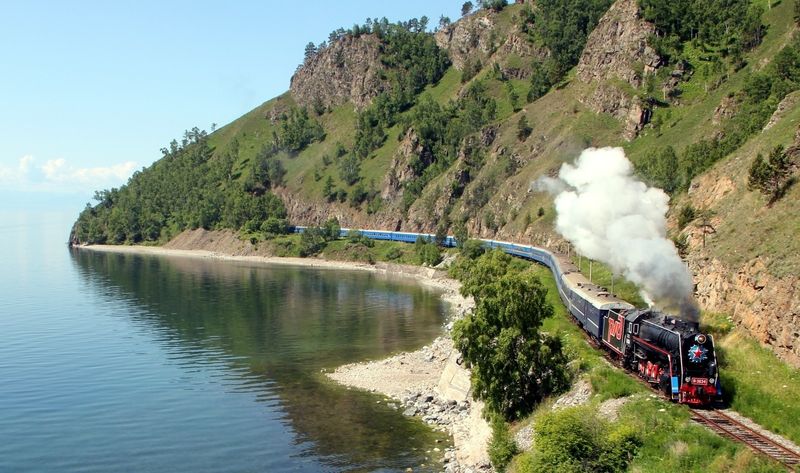
Stepping down in Vladivostok brings the first breath of sea air, sharp and salty. Ships sit like punctuation in the bays, cranes sketching the skyline.
The long flat motion ends at a different horizon, a vertical harbor with gulls and rigging. It feels both like arrival and release. You watch the locomotive rest and realize you are still moving inside.
Practical details — how long, tickets, seasons, and what to pack
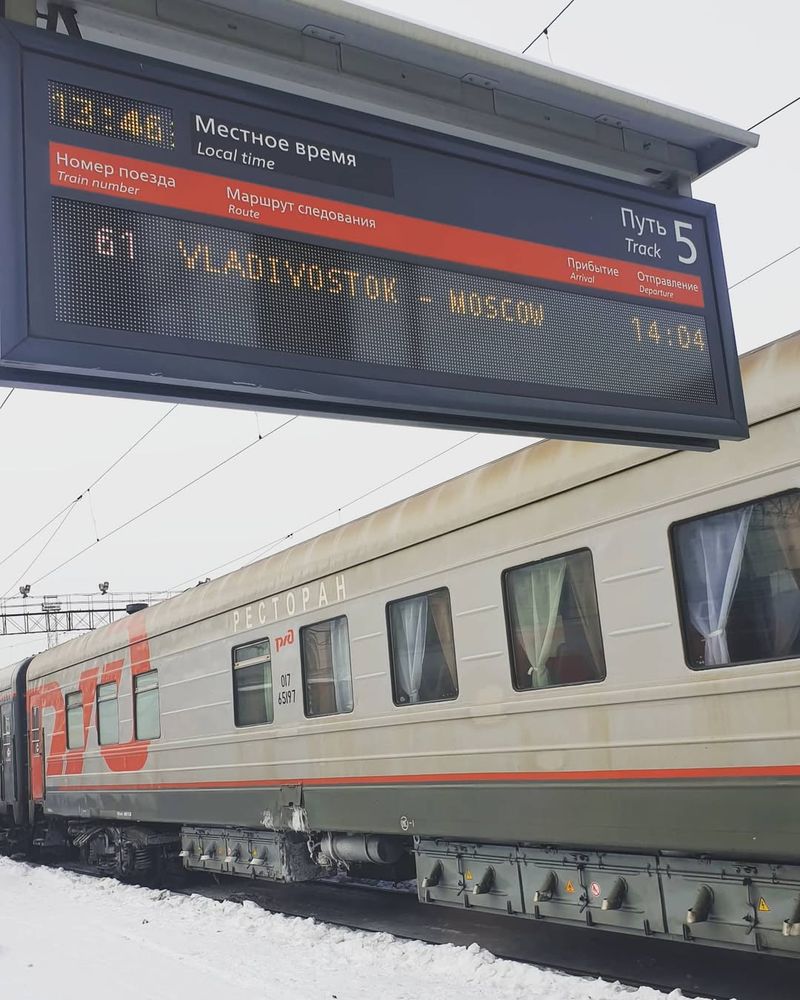
Expect six to eight days end to end depending on service and stops, with timetables listed by operators and travel sites. Classes range from platzkart open berths to 4 berth coupe and 1st class, each shifting privacy and comfort. Visas, transit rules, and possible overnight station stays deserve early planning.
Pack layers, a mug, tea, snacks to trade, a small lock, earplugs, wipes, and a notebook. Winter brings stable schedules and deep cold, summer brings long light and busier cars. Check details and routes at russianrail.com before you book.
Scenes to savor — small things that become memories
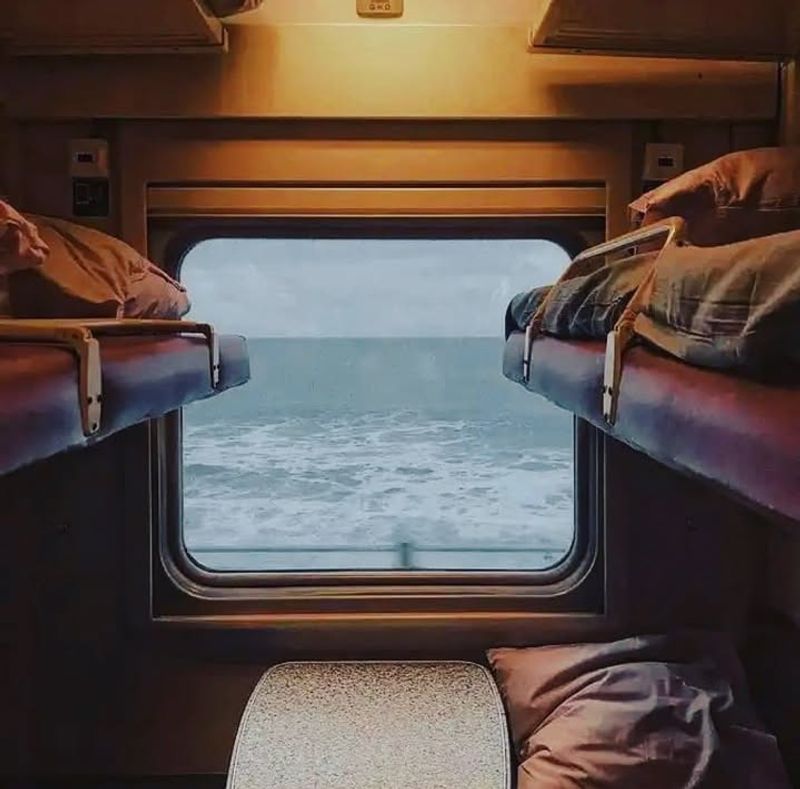
Watch for late afternoon light striking birch trunks until they glow. Notice a vendor passing hot pies through a carriage door, or the hush after a long night when everyone wakes at once. Keep a short daily notebook and a quick photo of the compartment table before it is cluttered again.
Save phrases from small conversations, written verbatim. Tuck a ticket stub into a book and let it mark the miles you crossed. These quiet keepsakes will hold the journey long after the rails end.