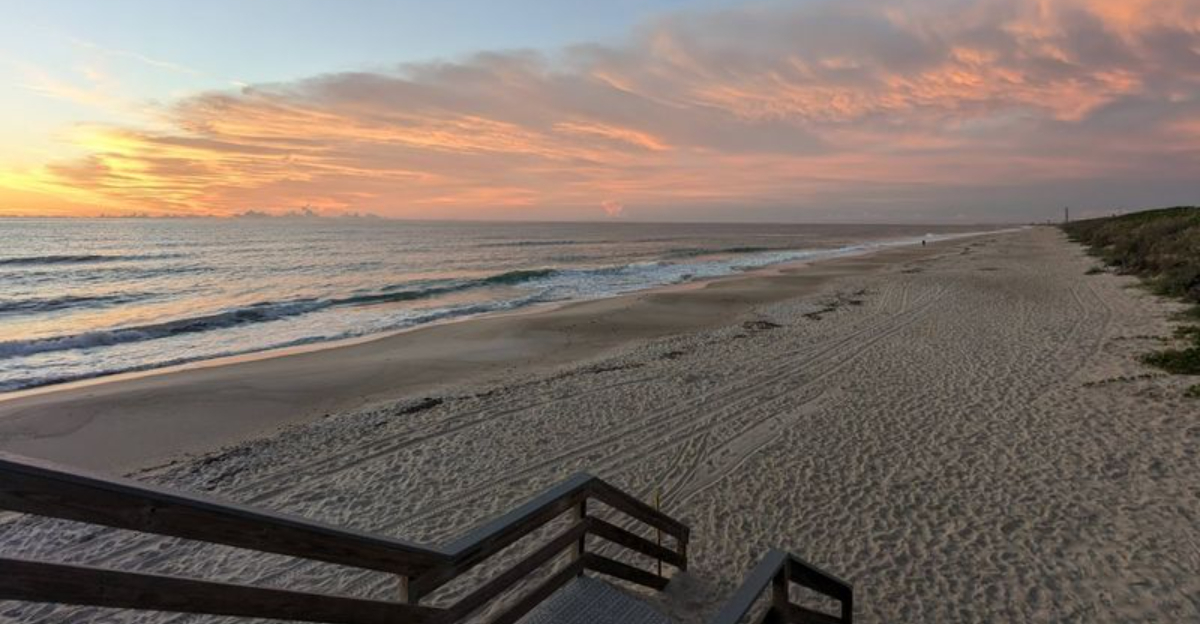
Imagine walking along a pristine beach for miles and miles without seeing a single hotel, condo, or beach shop blocking your view of the Atlantic Ocean. That is exactly what you get at Canaveral National Seashore, located near New Smyrna Beach, Florida.
Stretching an incredible 24 miles, this federally protected coastline is the longest undeveloped beach on Florida’s entire Atlantic coast, making it a rare treasure in a state known for its busy resort towns. Whether you love wildlife, history, peaceful walks, or simply want to feel like you have the ocean all to yourself, this place delivers something truly unforgettable.
24 Miles of Pristine, Undeveloped Coastline
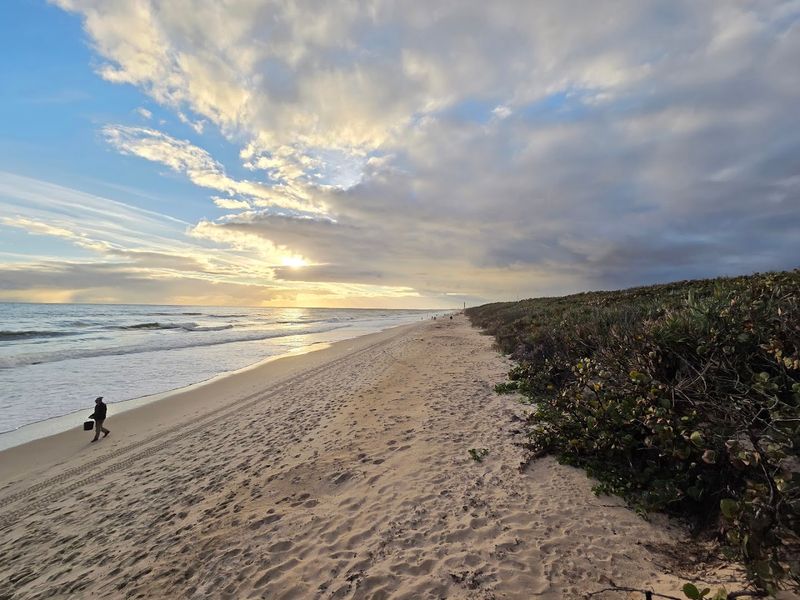
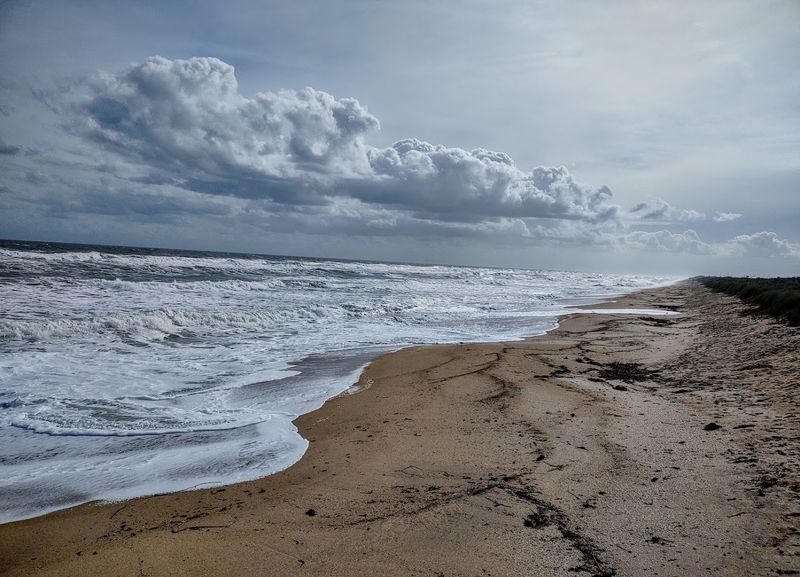
Picture standing on a beach where you can look left, look right, and see absolutely nothing man-made on the horizon. That is the everyday reality at Canaveral National Seashore, which protects 24 uninterrupted miles of Florida’s Atlantic coastline from development.
No condos, no hotels, no resorts, no beach bars — just rolling dunes, sea oats swaying in the breeze, and the open ocean stretching as far as the eye can see.
This remarkable stretch exists because the federal government stepped in to protect it. Established in 1975, the seashore sits between New Smyrna Beach to the north and Kennedy Space Center to the south, creating a natural buffer zone that has kept commercial development completely out.
Visitors often describe it as stepping back in time to what Florida looked like before the tourism boom.
Thirteen numbered parking areas, called boardwalks, give visitors easy access to different sections of the beach. Each spot feels equally wild and peaceful.
Even on busy weekends, the sheer length of the shoreline means crowds spread out quickly. If you crave solitude, wide open skies, and the sound of waves without background noise from a resort pool, these 24 miles are genuinely hard to beat anywhere in Florida.
Sea Turtle Nesting Season — A Natural Wonder You Can Witness
Every summer, something magical happens along the dark, quiet shoreline of Canaveral National Seashore. Thousands of sea turtles — mostly loggerheads, but also green turtles and leatherbacks — crawl ashore at night to lay their eggs in the warm sand.
Canaveral is one of the most important sea turtle nesting beaches in the entire United States, with some sections recording hundreds of nests per mile during peak season.
The park takes nesting very seriously. From May through October, certain sections of the beach close at night to protect nesting females and their hatchlings.
Visitors lucky enough to spot a turtle during daylight hours often describe it as one of the most moving wildlife experiences of their lives. One visitor wrote that seeing a sea turtle come out of the water felt completely magical.
If you want the best chance of seeing turtle activity, visit early in the morning when you might spot fresh tracks or even a late-returning female. Ranger-led turtle walks are sometimes offered during the season.
Avoid using flashlights or phone screens on the beach at night, as artificial light disorients nesting turtles. Respecting these animals helps ensure they keep returning to these shores for generations to come.
Wildlife Watching That Will Genuinely Surprise You
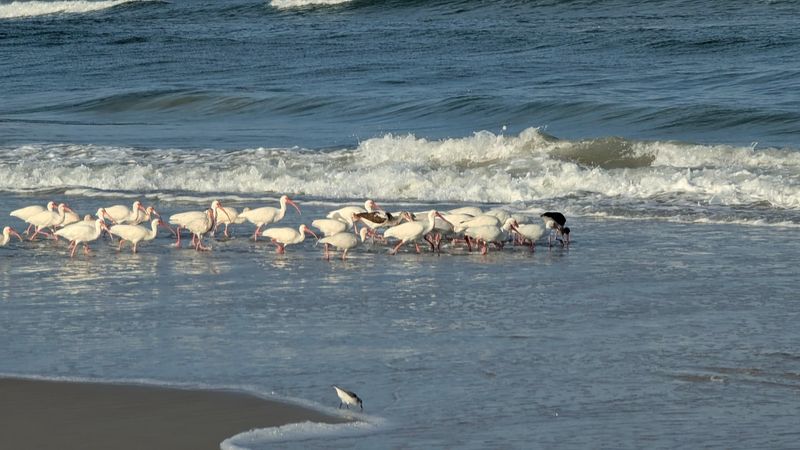
Most people come to Canaveral National Seashore for the beach, but the wildlife ends up stealing the show. The park sits at a crossroads of ecosystems — Atlantic Ocean on one side, Mosquito Lagoon on the other — and that diversity of habitat means an extraordinary variety of animals call this place home.
Visitors have spotted bald eagles, alligators, armadillos, flamingos, dolphins, stingrays, cormorants, ospreys, and even the occasional manatee.
Gopher tortoises are practically celebrities here. You can spot them munching grass along the roadsides without a care in the world, completely unbothered by passing cars.
Snakes occasionally make appearances on the trails, too, so staying alert and giving wildlife space is always smart. The lagoon side of the park is especially rich with wading birds and waterfowl that congregate in the shallow, nutrient-rich waters.
One visitor summed it up perfectly, listing off an alligator, two armadillos, a flamingo, a tern, a tortoise, a cormorant, and a seven-inch crab — all spotted in a single visit. Bringing binoculars dramatically improves your experience.
Early mornings and late afternoons tend to be the most active times for animals. The park truly rewards patient, observant visitors with encounters that feel completely wild and unscripted.
Turtle Mound — An Ancient Native American Shell Midden With Panoramic Views
Long before tourists discovered Florida’s coastline, the Timucua people were already living along these shores for thousands of years. Their presence left behind one of the most fascinating landmarks in the park — Turtle Mound, a massive shell midden built entirely from discarded oyster shells.
Standing about 35 feet tall, it was once used as a navigational landmark by Spanish explorers sailing along the coast in the 1500s.
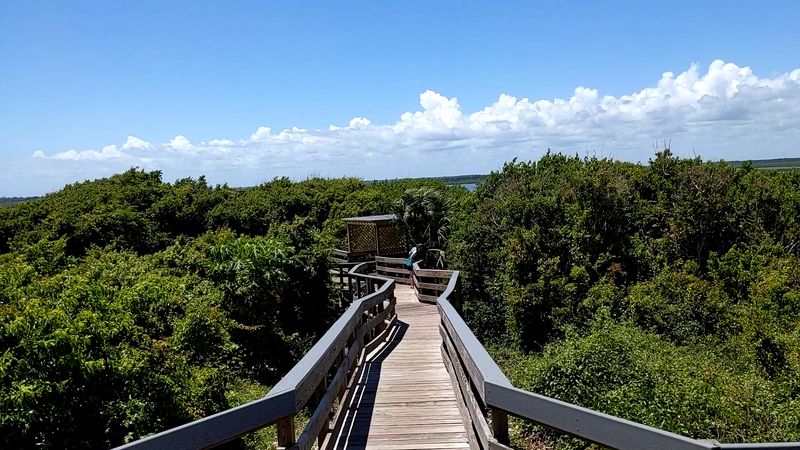
Today, a well-maintained elevated boardwalk winds up to the top of the mound, rewarding visitors with jaw-dropping 360-degree views. On one side, you see the sparkling expanse of Mosquito Lagoon.
On the other, the Atlantic Ocean stretches to the horizon. Sunrises from this vantage point are genuinely breathtaking, and photographers absolutely love the golden-hour light that spills across both water bodies simultaneously.
The interpretive signs along the trail explain the history of the Timucua and how the mound was created over many centuries of shellfish harvesting. It is a short but meaningful hike that connects visitors to a much deeper timeline than the beach itself suggests.
Families with kids especially enjoy the climb because the payoff view feels like a real discovery. Allow about 30 to 45 minutes to walk the full trail and soak in the scenery at the top.
The Mosquito Lagoon — A World-Class Fishing and Paddling Destination
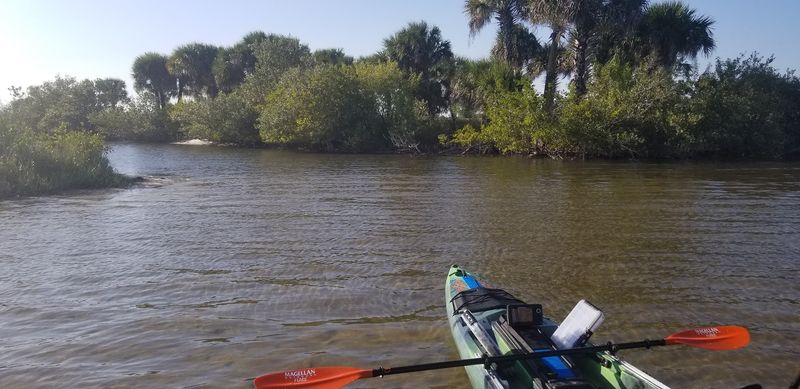
The name might make you reach for bug spray, but Mosquito Lagoon is actually one of the most spectacular water bodies in all of Florida. Stretching along the western edge of the park, this shallow estuary is part of the Indian River Lagoon system — considered one of the most biodiverse estuaries in North America.
Anglers from around the world come specifically to fish its flats for redfish, snook, spotted sea trout, and the legendary Indian River black drum.
Kayaking and canoeing are incredibly popular ways to explore the lagoon. The calm, clear water lets you glide over sea grass beds and watch marine life below without disturbing it.
Manatees are frequently spotted resting in the warmer shallows, especially during cooler months when they seek out warm-water refuges. Dolphins occasionally venture in from the ocean side to hunt fish in the lagoon’s productive waters.
The park has a dedicated boat and kayak launch area with parking and restroom facilities, making it easy to get on the water. Fishing licenses are required for anyone 16 and older, and catch-and-release is strongly encouraged for most species.
Whether you are an experienced angler or a first-time paddler, Mosquito Lagoon offers a quieter, more intimate side of Canaveral that many beach visitors never even know exists.
Historic Eldora Statehouse — Florida’s Forgotten River Town
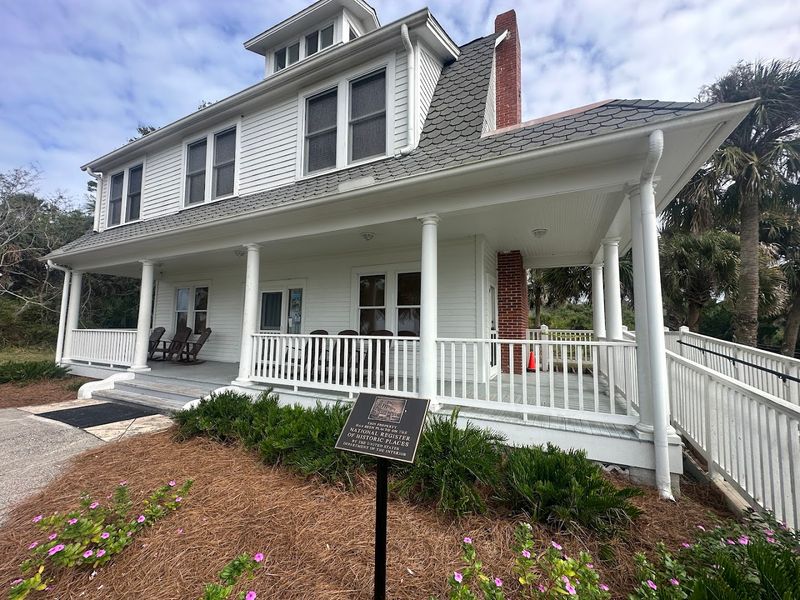
Hidden within the park’s interior is one of Florida’s most charming and overlooked historic sites — the Eldora Statehouse. Built in the late 1800s, this beautifully restored home is all that remains of Eldora, a small river town that once thrived along the shores of Mosquito Lagoon.
At its peak, Eldora had a hotel, a post office, a school, and a small fishing and farming community that relied entirely on the lagoon’s resources.
The community eventually faded away as the area became more remote and development shifted elsewhere. When the national seashore was established, the remaining structures were preserved rather than demolished.
Volunteer guides bring the history to life with engaging tours that paint a vivid picture of what daily life looked like in this isolated Florida outpost more than a century ago.
Visitors who take the tour often say it is one of the most unexpectedly rewarding parts of their visit. The surrounding oak hammock is also beautiful, draped in Spanish moss and filled with birdsong.
The statehouse is typically open on weekends, and the park recommends checking the schedule in advance. Combining a visit here with a walk along the lagoon trail gives you a genuinely rich cultural and natural experience that goes far beyond a day at the beach.
Swimming, Surfing, and Rip Current Awareness at the Seashore
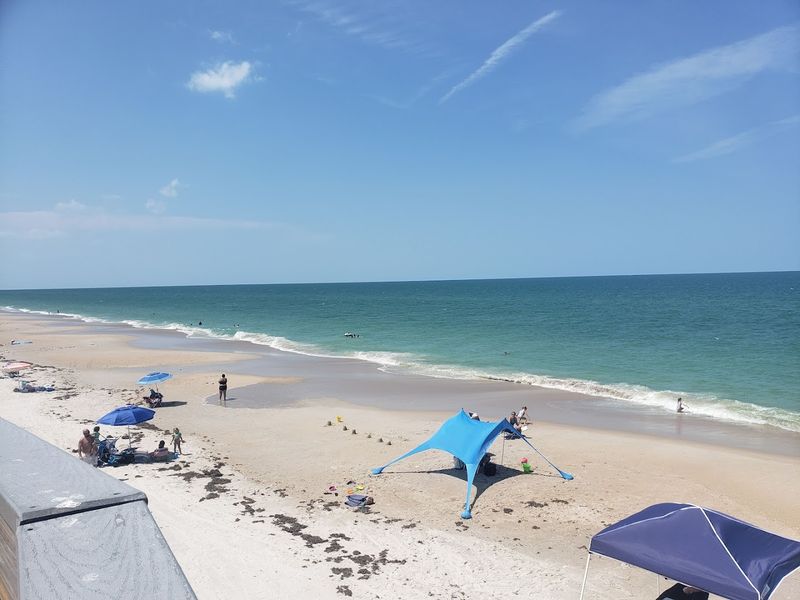
The Atlantic waves at Canaveral National Seashore hit differently than at most Florida beaches. Without jetties, piers, or offshore sandbars shaped by development, the natural wave action here can be surprisingly powerful.
Surfers love the seashore for exactly that reason — the breaks are clean, uncrowded, and feel genuinely wild. On good swell days, you can find dedicated surfers spread across multiple boardwalk access points enjoying the unobstructed Atlantic energy.
Swimmers need to be aware, however, that there are no lifeguards anywhere in the park. Rip currents are a real and serious hazard, particularly near the boardwalk access points where water channels between sandbars.
Before entering the water, check the conditions carefully and look for any posted warning flags at the parking areas. Swimming with a buddy is always a smart move here.
The beach itself is steep in many sections, which means waves break close to shore with extra force. Kids and less confident swimmers should stay in the shallowest zones and keep a close eye on changing conditions.
That said, on calm days the water is clear, warm, and absolutely gorgeous for a swim. The complete absence of crowds compared to nearby developed beaches makes even a cautious dip in the ocean feel like a private luxury that money simply cannot buy.
Entry Fees, Hours, and Planning Your Perfect Visit
Getting the logistics right before you visit Canaveral National Seashore makes the whole experience much smoother. The park charges a $25 entry fee per vehicle, and the good news is that pass is valid for a full week — so you can come back multiple days without paying again.
If you visit national parks regularly, the America the Beautiful annual pass covers entry here and at over 2,000 other federal sites, making it an outstanding deal for frequent park-goers.
The park is open daily from 6 AM to 6 PM, so plan your arrival accordingly. The gates close promptly, and rangers do enforce closing times.
One important caveat: the southern section of the park (Playalinda Beach) closes during Kennedy Space Center rocket launches due to its proximity to the launch pads. Checking the launch schedule before you go can save you a long, disappointing drive.
Thirteen numbered parking lots line the beach, each with portable restroom facilities. Facilities are basic — do not expect showers or changing rooms at most spots.
Packing your own fresh water for rinsing off is a smart move. Weekday mornings are noticeably less crowded than weekend afternoons.
Arriving right at 6 AM on a weekday almost guarantees you will have a significant stretch of beach entirely to yourself for at least the first hour of your visit.
Hiking and Nature Trails Through Florida’s Wild Interior
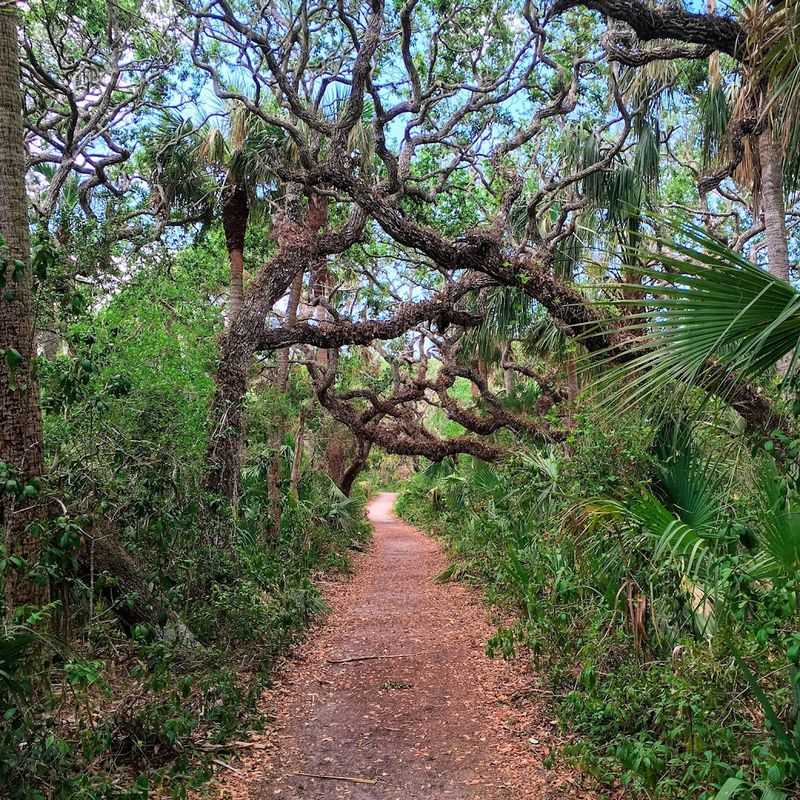
Most visitors head straight for the beach, but the park’s interior trails offer a completely different kind of adventure. Several well-marked paths wind through Florida scrub, maritime hammock, and lagoon-edge habitats that are rarely seen by casual beachgoers.
The Castle Windy Trail and the Eldora Hammock Trail are two of the most rewarding options, passing through ancient oak groves and along the quiet shores of Mosquito Lagoon with minimal elevation but maximum natural beauty.
Birdwatchers find the trail system particularly rewarding. Scrub jays, painted buntings, ospreys, and dozens of migratory species use the park’s varied habitats as stopover points during spring and fall migrations.
The scrub ecosystem itself is one of Florida’s most endangered habitats, making the park an important refuge for species that have disappeared from most of the state’s developed coastline.
Wearing closed-toe shoes on the trails is strongly recommended because the sandy paths hide both sharp vegetation and the occasional snake. Bug spray is non-negotiable from late spring through early fall — the no-see-ums and mosquitoes near the lagoon can be relentless, as more than a few visitors have discovered the hard way.
Early morning hikes before the heat builds are the most comfortable. Bring water, a trail map from the visitor center, and give yourself at least two hours to properly enjoy the experience.
Stargazing and Sunrise Moments That Stay With You Forever
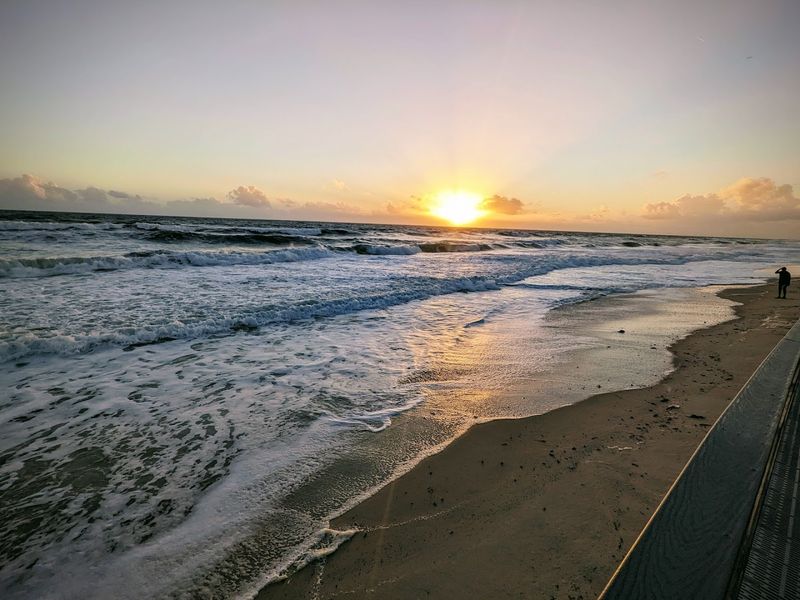
There is a reason visitors keep coming back to Canaveral National Seashore year after year, and it is not just the wildlife or the history. It is the light.
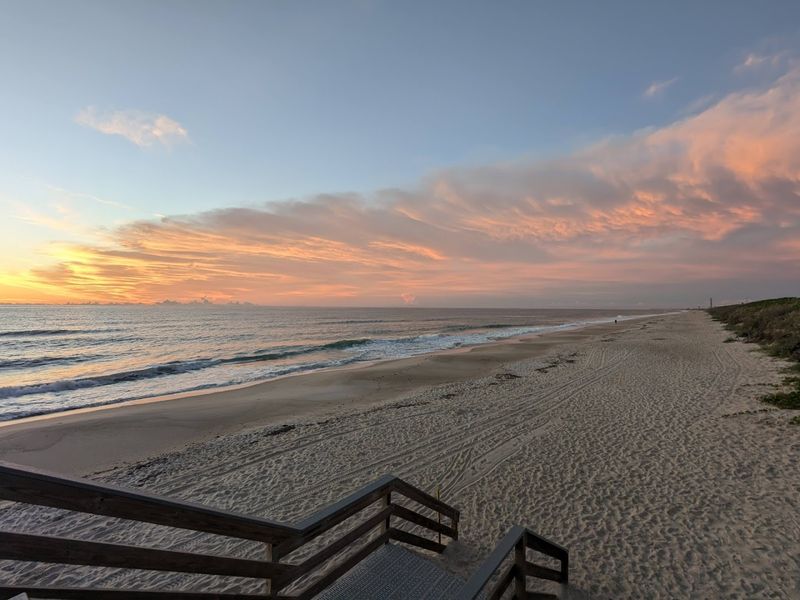
Sunrises here are genuinely extraordinary — the complete absence of light pollution from buildings means the horizon glows with unobstructed color that stretches from one end of the beach to the other. One couple liked it so much they got engaged here at sunrise, and honestly, it is hard to imagine a more breathtaking backdrop for a life-changing moment.
After dark, the sky above the seashore transforms into something most Florida visitors never get to see. Far from city lights, the Milky Way becomes visible on clear nights, and the sheer number of stars overhead can feel disorienting in the best possible way.
The park closes at 6 PM, so organized nighttime stargazing is not an official activity, but the pre-dawn hours before opening offer similarly spectacular skies for early risers.
Sunset from the Turtle Mound lookout is another experience worth planning specifically around. The warm golden light reflects off both the lagoon and the ocean simultaneously, creating a double-horizon glow that photographers chase from miles away.
Bringing a blanket, arriving early, and simply sitting quietly with the sounds of the natural world around you is the kind of simple, free joy that reminds you why wild places matter so much.