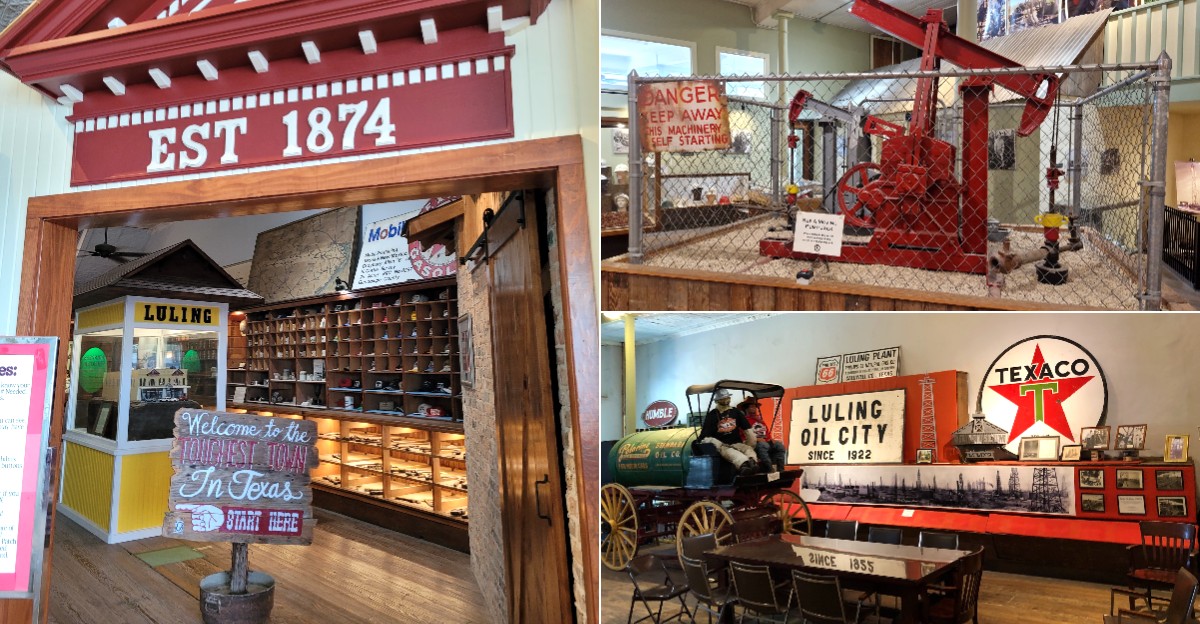
Colorful pump jacks nod along the roadsides, hinting at the story that turned this quiet farm town into a boomtown almost overnight.
The Luling Oil Museum sits on East Davis Street in downtown Luling, Texas, in Caldwell County between Austin and San Antonio.
In 1922, wildcatter Edgar B. Davis struck oil here after years of trying, and the town’s fortunes changed forever.
Inside the museum, exhibits, photos, and old equipment bring the roaring days of the 1920s oil boom to life.
Afterward, stroll downtown to spot the playful painted pump jacks and grab a bite of famous Luling barbecue.
Plan a relaxed stop on your next Hill Country road trip and discover how black gold shaped this charming Texas town.
A Modest Entrance Opens Onto a Bigger Story
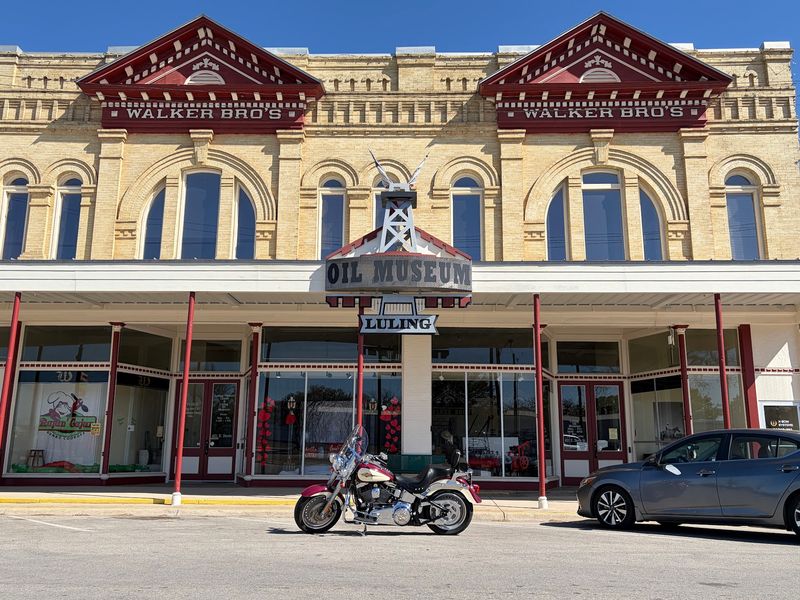
A small storefront can hold a surprisingly large chapter of Texas history. Visitors often say the outside gives little hint of how much there is to explore inside. That contrast makes arriving feel like finding a story tucked between familiar downtown buildings.
The Luling Oil Museum stands at 421 E Davis St, Luling, TX 78648, United States. Its exhibits focus on the local oil industry and the changes that followed the discoveries of the 1920s. Rather than presenting oil as just a valuable resource, the museum connects it with people, work, and community growth.
Begin by getting your bearings before moving through the displays. Look for introductory information, and ask which exhibits offer the clearest starting point for a first visit. A quick overview makes older equipment and photographs much easier to understand later.
Several reviewers describe the museum as small but more impressive than expected. That makes it sensible to arrive with curiosity instead of judging the experience by the building’s size.
Give yourself room to pause, read, and notice details. The reward is not a grand entrance or a flashy attraction, but a closer view of a period that reshaped an entire community and still influences how its history is remembered by visitors today.
The 1920s Boom Comes Into Focus
Imagine looking across a landscape crowded with tall drilling structures instead of open fields. Historical photographs help visitors picture how quickly an oil discovery could change familiar surroundings. One reviewer specifically noted the striking number of wells shown in pictures from the 1920s.
The museum’s focus on this period gives the oil boom a scale that dates alone cannot explain. A photograph can show crowded work areas, equipment, and the close spacing of early operations. Those details turn a broad historical event into something visitors can actually study.
Spend a few moments examining one image rather than rushing past an entire wall. Look for workers, transportation, buildings, and the relationship between wells and nearby activity. Each feature offers a clue about how oil production affected daily routines.
Keep the time period in mind when comparing these scenes with modern operations. Equipment, safety practices, and environmental rules have changed, so an old photograph needs historical context rather than a quick judgment.
For younger visitors, try a simple observation game: identify three things that look different from today. Then read the nearby explanation together. That small exercise encourages careful looking and gives families an easy way to discuss how industrial growth can bring opportunity, pressure, and lasting changes to communities.
Edgar B. Davis Gives the History a Human Face
Behind the machinery stands a story about ambition, risk, and responsibility. Edgar B. Davis is a central figure in the museum’s account of local oil development. Visitors have highlighted exhibits and films explaining his role in the industry and community.
Following one person’s story makes a complicated subject easier to understand. Instead of treating the boom as something that simply happened, the displays invite visitors to consider decisions, investments, and the people affected by them. That approach adds a human connection to the technical history.
A detailed visitor account describes material about bonuses Davis gave his workers. Read any related documents carefully if they are on display during your visit. Original records can reveal priorities and relationships that a short summary might miss.
Try separating what an exhibit directly documents from what you might assume about its subject. A successful businessman’s story can include generosity, financial risk, and wider consequences without fitting into a simple hero tale.
Ask staff which resources explain Davis most clearly, especially if you are unfamiliar with the period. Connecting his actions with the photographs and equipment elsewhere in the museum helps build a fuller picture. The result is history shaped by choices and people, rather than only production figures or dates on labels.
Old Tools Reveal the Work Behind the Wealth
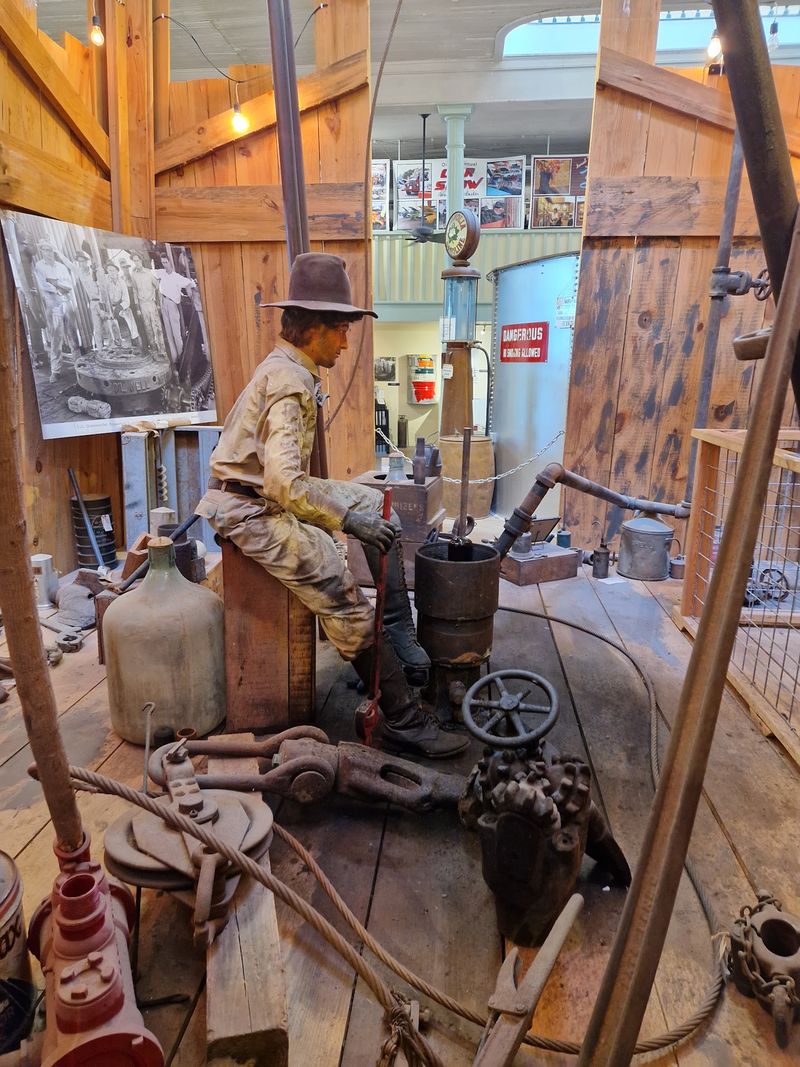
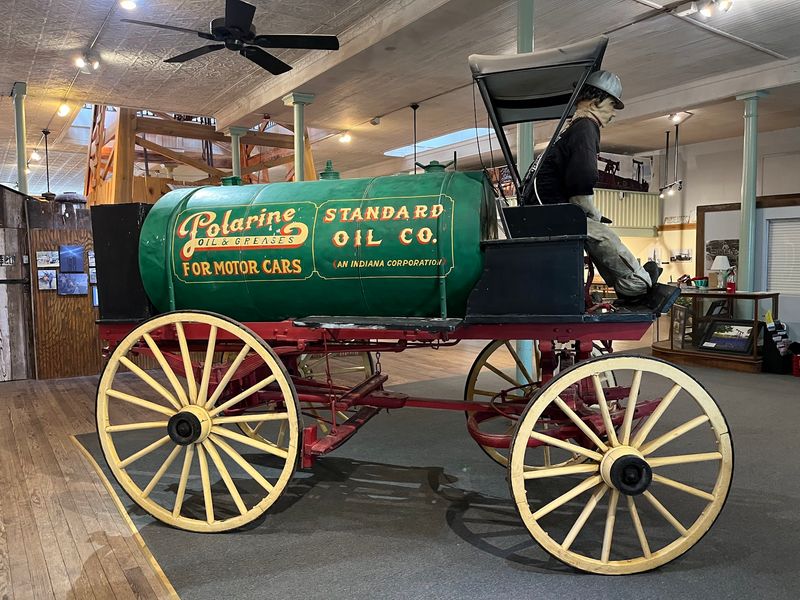
Heavy metal tools tell a different story from headlines about sudden wealth. They remind visitors that oil production depended on physical work, practical skill, and equipment built for demanding conditions. Reviewers regularly mention vintage machinery, supplies, and older oil related objects among the museum’s highlights.
Start with an object that looks unfamiliar. Before reading its label, consider its shape, size, and moving parts. Then compare your guess with the explanation provided, keeping clear of anything visitors are not allowed to touch.
This simple approach turns a display into a small investigation. It also helps children understand that tools are designed to solve specific problems, not merely to look impressive. A handle, pipe, or metal fitting can become the beginning of a useful conversation.
Oil equipment may seem complicated at first, especially without an engineering background. Look for explanations that connect each object to a basic task, such as drilling, moving fluids, or maintaining machinery. Ask staff for help when a label leaves you unsure.
Remember that older equipment also reflects the limits of its time. Materials and methods have developed since the boom years. By studying the objects closely, visitors gain respect for the effort behind the industry while seeing why later improvements mattered to workers and their everyday jobs.
Models Make Complicated Machinery Easier to Grasp
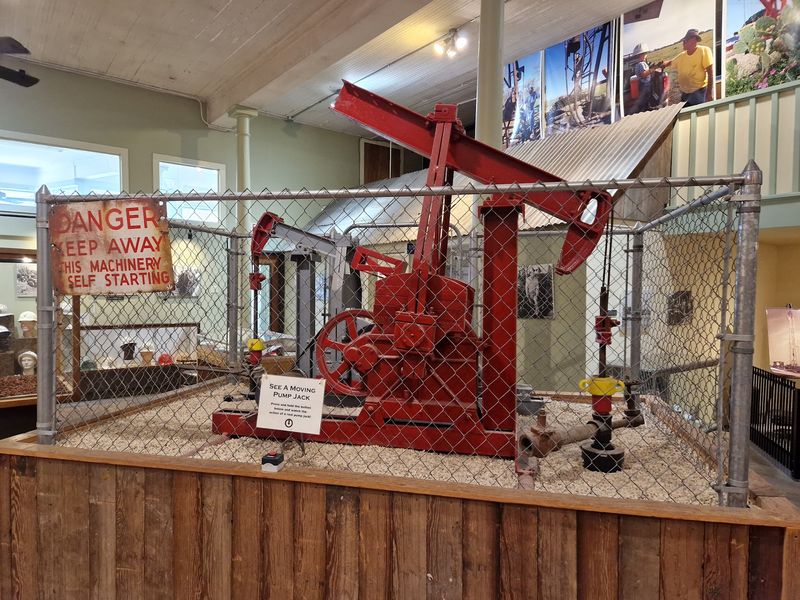
A miniature machine can explain what a full sized piece of equipment makes hard to see. Visitor reports mention models, dioramas, and displays that demonstrate working machinery. These features offer a welcome change of pace after reading historical panels.
Look first at the overall arrangement rather than every tiny part. Notice where movement begins, which pieces connect, and what the model is meant to represent. A clear sequence often makes more sense than trying to memorize unfamiliar equipment names.
Some reviewers describe interactive elements, but the available features may change. Follow posted directions and ask before operating anything that is not clearly intended for visitor use. A display model and a hands on activity are not always the same thing.
Families can make this section playful without turning it into a race. Invite a child to explain what seems to happen first, then check the exhibit information together. Adults may discover that describing a process in plain language improves their own understanding too.
Models also connect the museum’s photographs with its larger tools. An object that seemed mysterious earlier may suddenly have a clear purpose. Use that connection as a reason to revisit a nearby display, because a second look often reveals details missed during the first pass through the exhibits.
Films and Audio Add Another Way to Learn
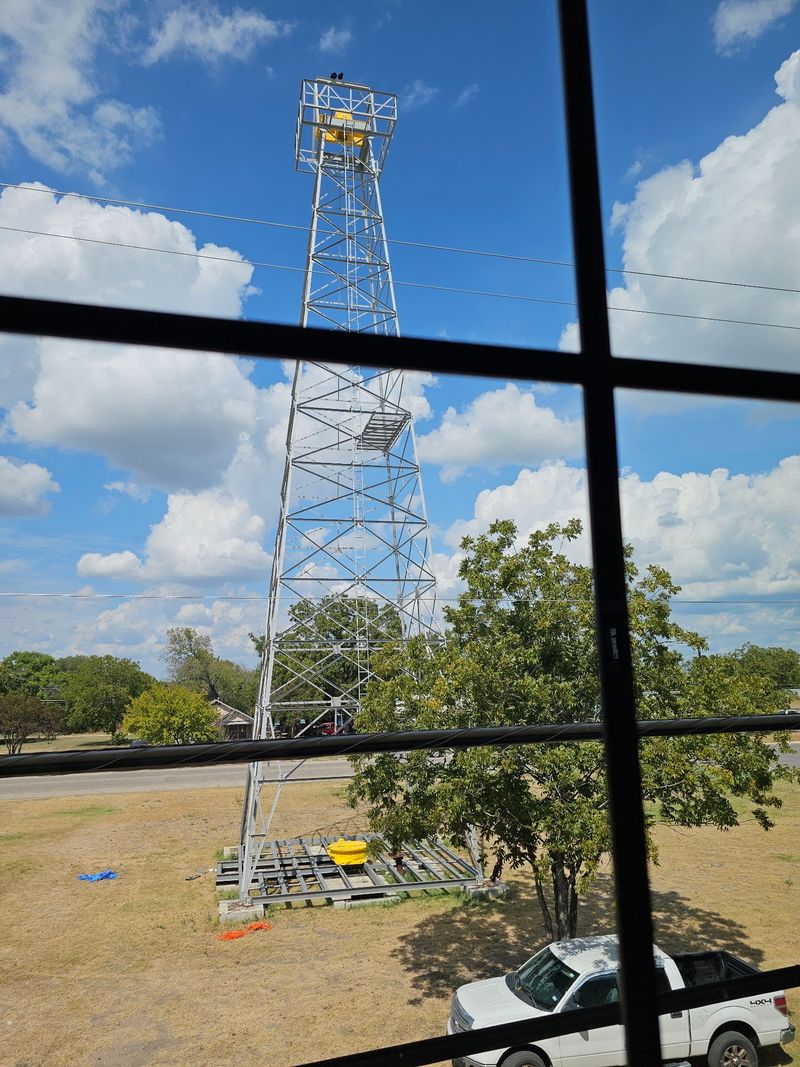
Reading every label is not the only way to follow the story. Several visitors mention short films, while a more recent review describes a self guided audio tour with headphones. Those options can help people absorb information at a more comfortable pace.
Ask at the entrance which media features are currently available. Equipment, access, and presentation schedules can change, so older reviews should be treated as useful clues rather than guarantees. Staff can explain how to begin and whether there are any special instructions.
A film can provide an overview before you examine individual objects. Alternatively, watching after exploring may help connect details you have already noticed. Choose the order that works best for your attention span and interests.
If audio equipment is offered, check the volume before starting. Parents should help younger children use headphones comfortably and confirm that everyone understands the controls. Visitors with hearing or vision needs can ask what other ways of accessing the information are available.
Allow extra time rather than squeezing a presentation into your final few minutes. One reviewer reported enjoying two relatively short movies, but did not establish their current running times. A relaxed schedule lets you watch, listen, and return to an exhibit that suddenly makes more sense after hearing its story.
Everyday Life Shows the Boom’s Wider Impact
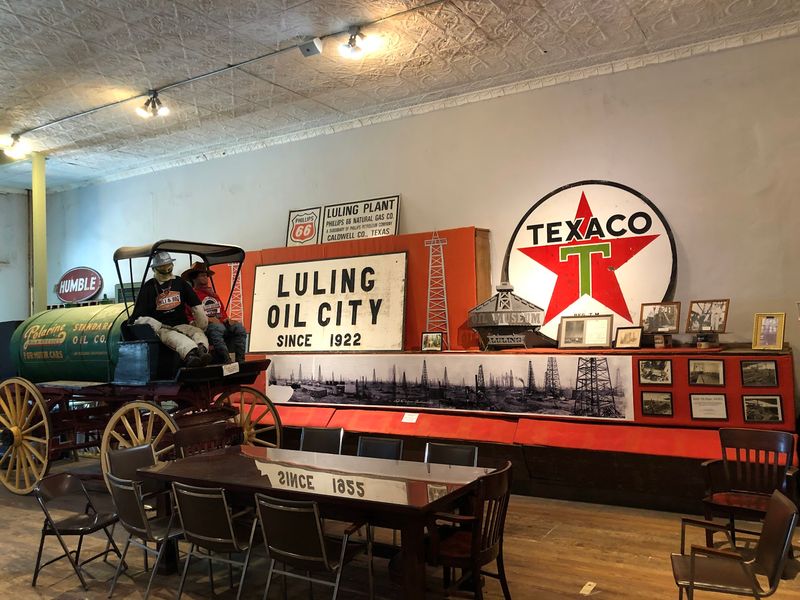
Oil history reaches beyond the drilling site. A growing industry also changes where people work, what businesses sell, and how a community sees its future. The museum’s broader local history helps visitors connect those changes with ordinary life.
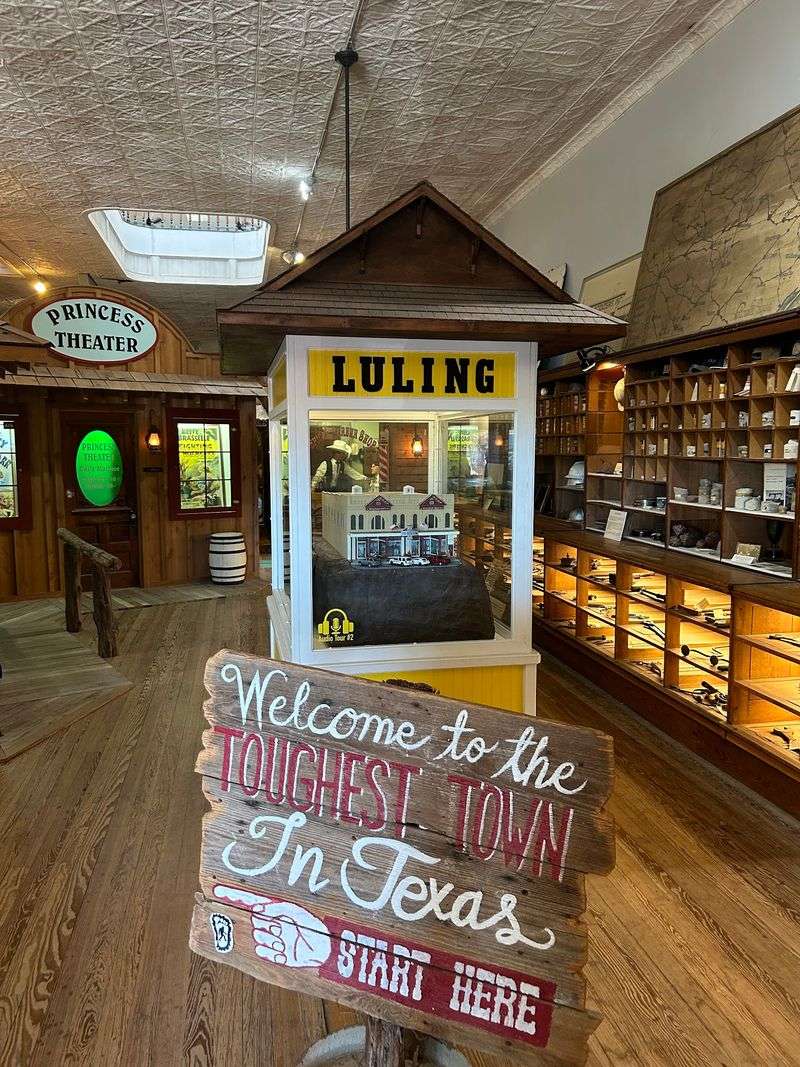
One reviewer especially enjoyed a recreated walkway showing entrances to former downtown businesses. Other accounts mention photographs and documents that add detail to the story of community development. Together, such displays can shift attention from industrial equipment to the people living around it.
Think about the services a busy workforce would need. Food, lodging, supplies, and places to shop all belong in the larger story, even when an exhibit focuses mainly on oil. Use the museum’s actual labels to learn which connections are documented.
Families can compare the historical business displays with their own daily routines. Ask which needs have stayed familiar and which details belong clearly to another era. That comparison makes social history easier to discuss than a list of dates.
Take care not to assume that growth affected everyone in the same way. A boom can create opportunities while also bringing uncertainty and rapid change. Looking for individual experiences gives the visit more depth and reminds us that community history includes many lives, not just its most famous industrial figures.
A Little Planning Makes the Visit More Rewarding
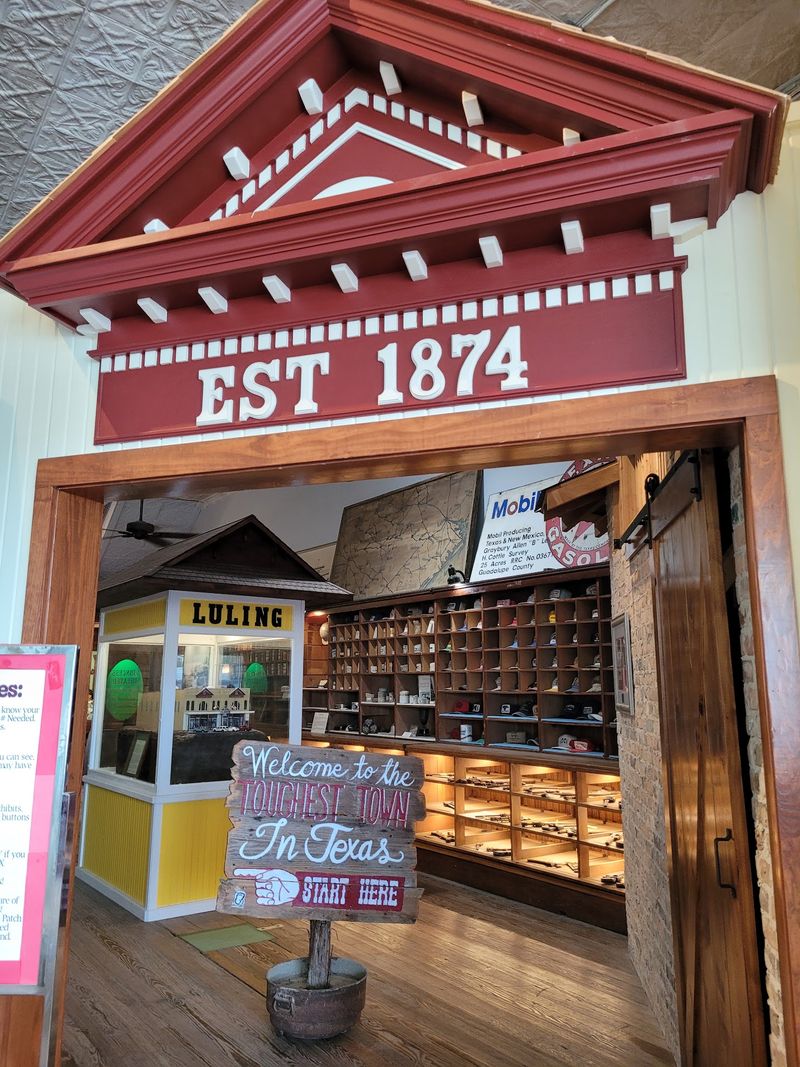
A good museum visit starts before you open the door. The supplied business listing shows weekday hours from 9 AM to 4 PM, with Saturday and Sunday closed. Confirm those details before traveling, especially around holidays or if you need a specific arrival time.
Call +1 830-875-1922 or check www.lulingoilmuseum.org for current visitor information. Ask about admission, available presentations, and any access needs your group may have. Older reviews mention inexpensive entry, including a two dollar fee, but they do not establish today’s price.
Reported visit lengths vary from about thirty minutes to roughly ninety minutes. Your pace will depend on how much you read and whether you use films or audio features. Allowing an hour or more gives you flexibility without requiring a lengthy commitment.
Many reviewers praise welcoming, knowledgeable staff. Prepare one or two questions about the oil boom or an unfamiliar tool rather than feeling you must understand everything alone. A useful explanation can make the next display much more meaningful.
Before leaving, think about which photograph, object, or personal story stayed with you. That final pause turns a collection of exhibits into a connected experience. You leave with a clearer sense of how a major industry grew through human effort and changed a community over time.