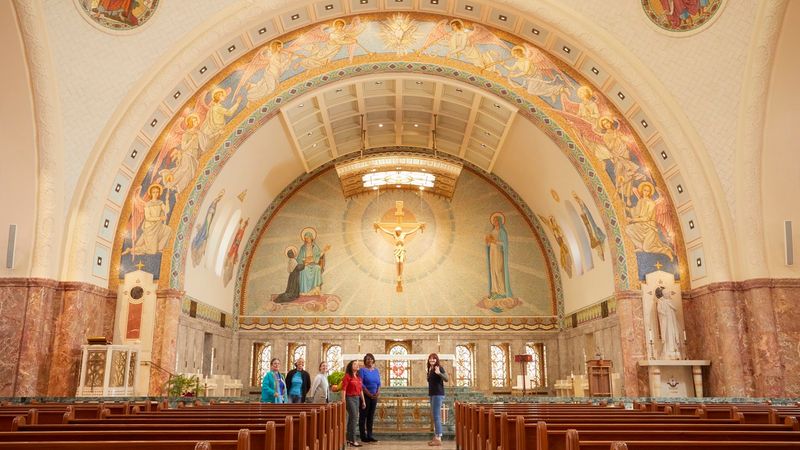
A saint is buried inside a church in a small Maryland mountain town, and her relic rests right on top of her tomb. Two pieces of her actual clothing survive too.
You can see them in the museum down the hall.
That saint was the first American-born person ever canonized. She was also a convert, a mother, and a pioneer of Catholic schools for children.
I like how her story feels practical and human, not distant or dusty.
The grounds add even more. There are historic homes where she once lived, a quiet cemetery, and a gleaming basilica.
The museum even includes a recreated 1970s living room playing coverage of her canonization on a loop.
I can’t imagine a better weekend stop for families who love history with a little wonder mixed in. So where exactly is this place?
A Basilica Hiding In The Catoctin Foothills
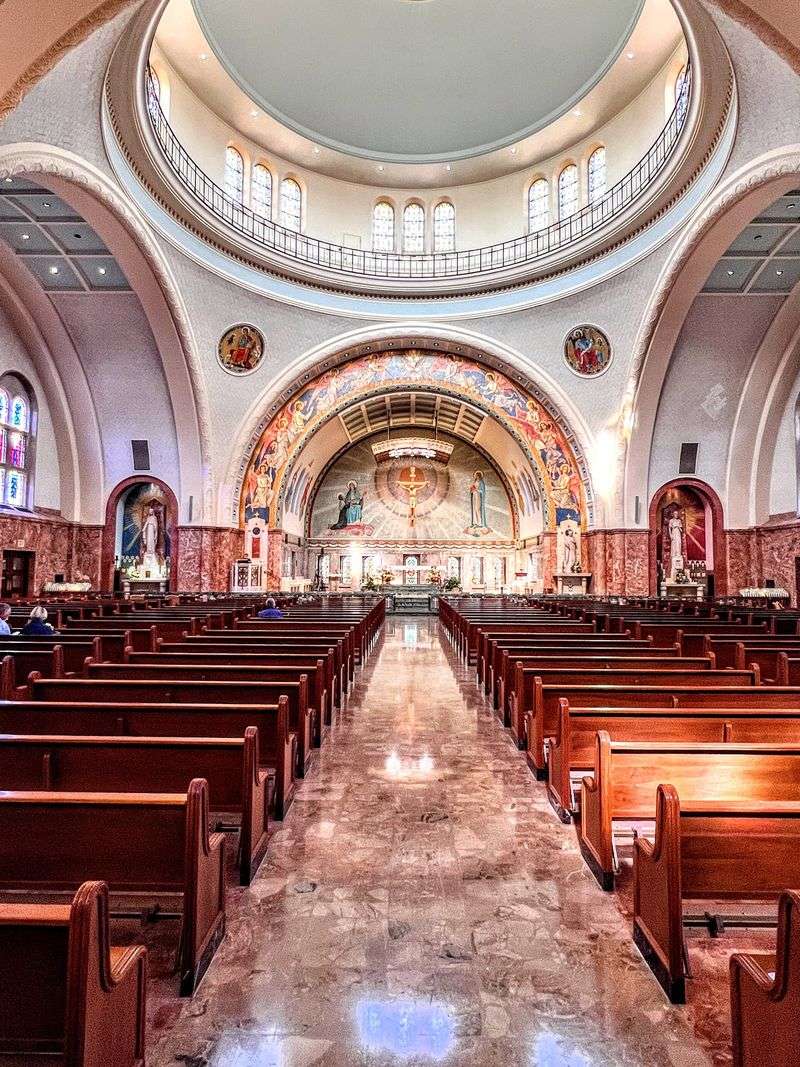
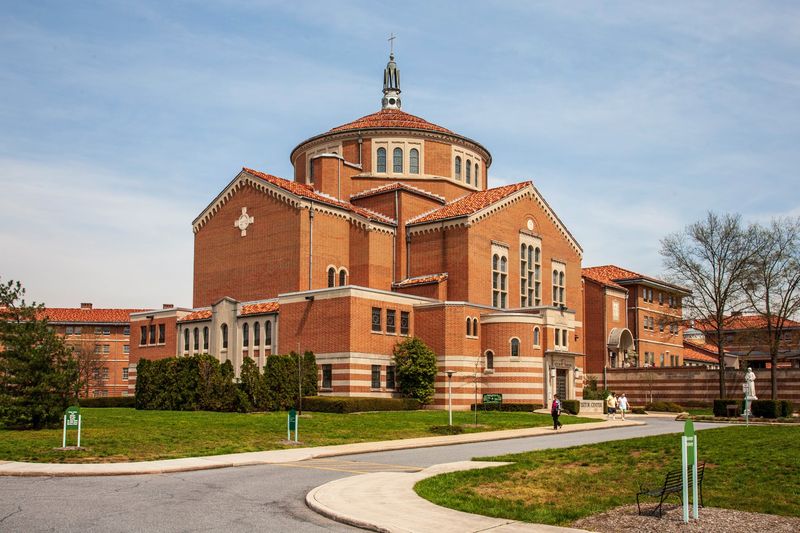
Emmitsburg sits near the Pennsylvania line, and it holds one of the most meaningful religious sites in the country. The National Shrine of Saint Elizabeth Ann Seton honors the first saint born in what became the United States.
The shrine is a minor basilica, a title the Catholic Church gives to churches of special importance. It also includes a museum, historic homes, a cemetery, and wide, carefully kept grounds.
Families from all over Maryland can reach it on an easy weekend drive. Frederick County backroads make the trip feel scenic before you even park.
You don’t need to be Catholic to feel welcome here. Sisters on site have guided non-Catholic visitors through the history with real warmth.
The shrine holds a 4.9-star rating across nearly 300 Google reviews, which is a remarkable showing. Visitors keep describing the basilica as awe-inspiring and the grounds as peaceful.
So what makes it so special? Much of the answer lives in the remarkable woman it honors.
Her story starts far from these hills, but it ends right here in western Maryland.
Each part of the property reveals another piece of her life. Taken together, it feels like walking through a biography you can actually touch.
The Remarkable Woman Behind The Whole Place
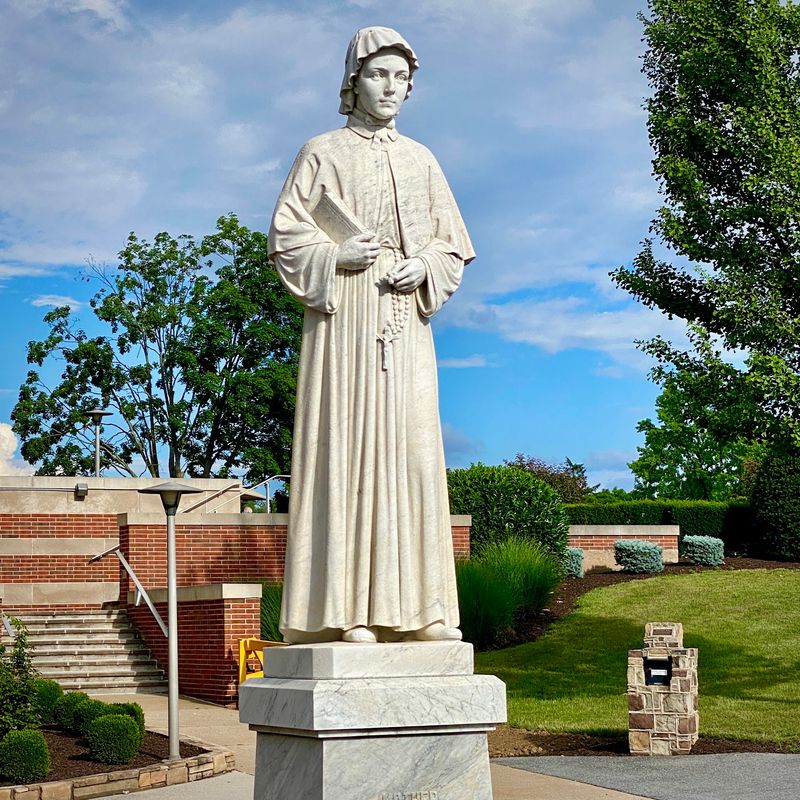
Elizabeth Ann Seton lived several lives in one lifetime. She was a wife, a mother, a widow, a convert, and eventually a founder of a religious community.
She was raised Protestant in New York before converting to Catholicism. That choice set her on a path that would eventually lead her to Emmitsburg.
Education sat at the center of her mission. She’s widely remembered as a founder of Catholic schools, and teaching children was one of her strongest callings.
Families with kids in Catholic schools often find this connection especially moving. Parents, teachers, and principals can see where a big piece of that tradition began.
The Catholic Church canonized her in 1975, making her the first American-born saint. The 50th anniversary of that canonization drew pilgrims to the shrine to celebrate.
Her story also feels very relatable. She faced grief, money worries, and a houseful of kids while building something lasting from scratch.
That mix of faith and grit is why her legacy still resonates. Kids can grasp a teacher who started schools, and adults can appreciate the courage behind it.
Knowing her background makes every room here hit harder. Keep her face in mind as you explore the rest of the grounds.
Light Pouring Through A Basilica You Won’t Forget
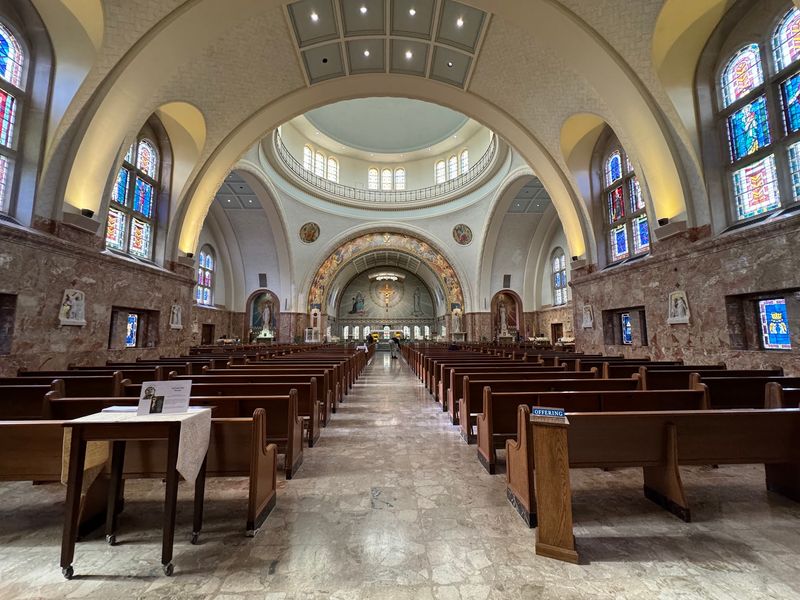
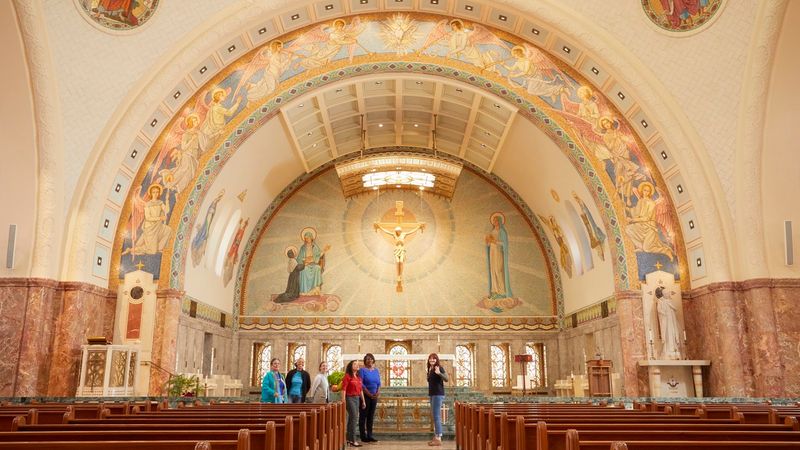
Walk into the basilica and the light is the first thing that grabs you. Sunshine streams through the windows and fills the space in a way many churches never manage.
Visitors regularly call it breathtaking, and the art and decorations explain why. One even said the chapel is a work of art all by itself.
Docents can explain the shrine’s architecture if you’d like more context. One family spent part of a two-hour stop learning those details before touring the museum.
Tastes vary, of course, and a few traditionalists find the style less to their liking. Still, the craftsmanship and care are obvious from the moment you step through the doors.
Here’s a bonus for budget-minded families. Visiting the church itself has been free, while the guided historical tour carries a fee, so check current details before you go.
Kids tend to notice the scale and color first. Adults usually linger over the artwork and the quiet that settles across the room.
Bring patience for a slow wander rather than a quick peek. The basilica rewards anyone who takes time to look up, look around, and simply breathe.
Standing Beside The Tomb Of America’s First Saint
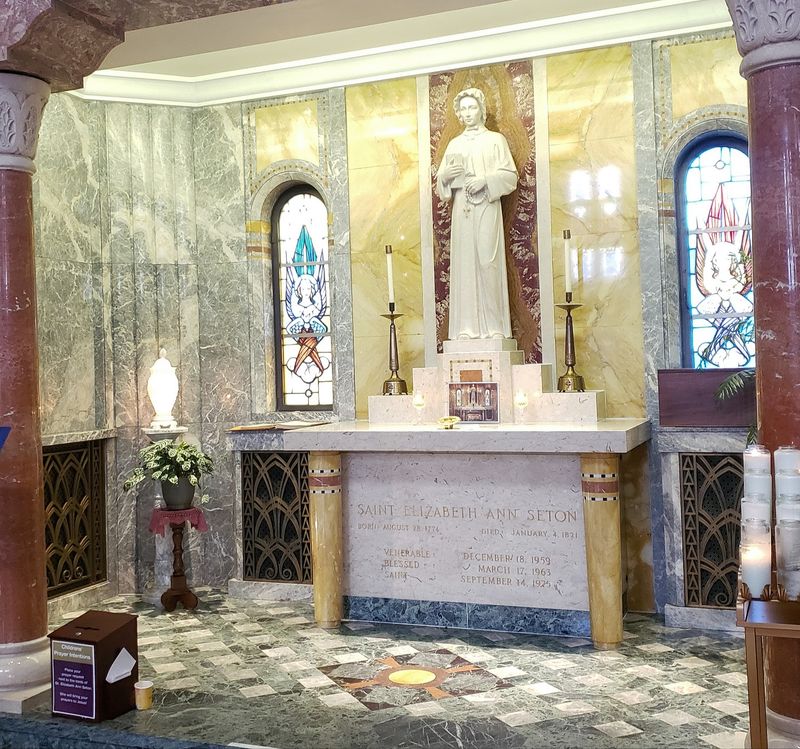
Few places in the country let you stand this close to a saint. Elizabeth Ann Seton is buried inside the basilica itself, and her relic is displayed atop her tomb.
For many pilgrims, it’s their very first visit to a saint’s burial place. One visitor described the feeling of standing so near her as unforgettable.
The tomb draws people for prayer, reflection, and quiet gratitude. Some couples visit every few months because the experience brings them such inner peace.
Kids may have questions, and that’s a lovely opportunity. Explaining who she was and why people honor her can turn a short stop into a real conversation.
You’ll want to keep voices low here out of respect. The space is designed for prayer, and visitors value the chance to reflect without interruption.
Non-Catholic visitors are welcome to take it all in too. Many find the atmosphere moving, even if they come mostly for history and architecture.
Plan a few extra minutes near the tomb before moving on. It’s the emotional heart of the entire shrine, and rushing past would feel like skipping the main event.
Museum Halls Packed With Surprises
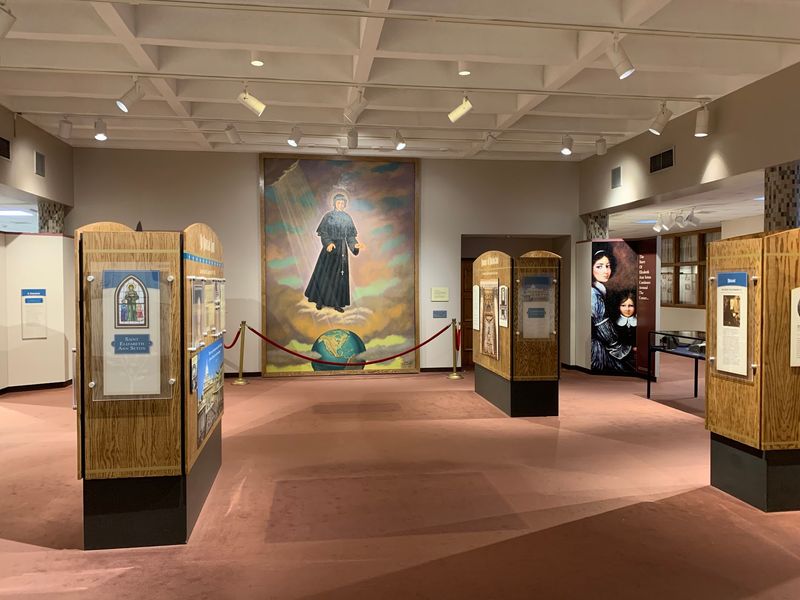
Between the reception area and the church runs a long hallway lined with museum displays. You literally walk through her story on your way to the basilica.
The exhibits trace Elizabeth Ann Seton’s life from New York to Maryland. Visitors call the museum fantastic and informative, and several wished they had more time to read everything.
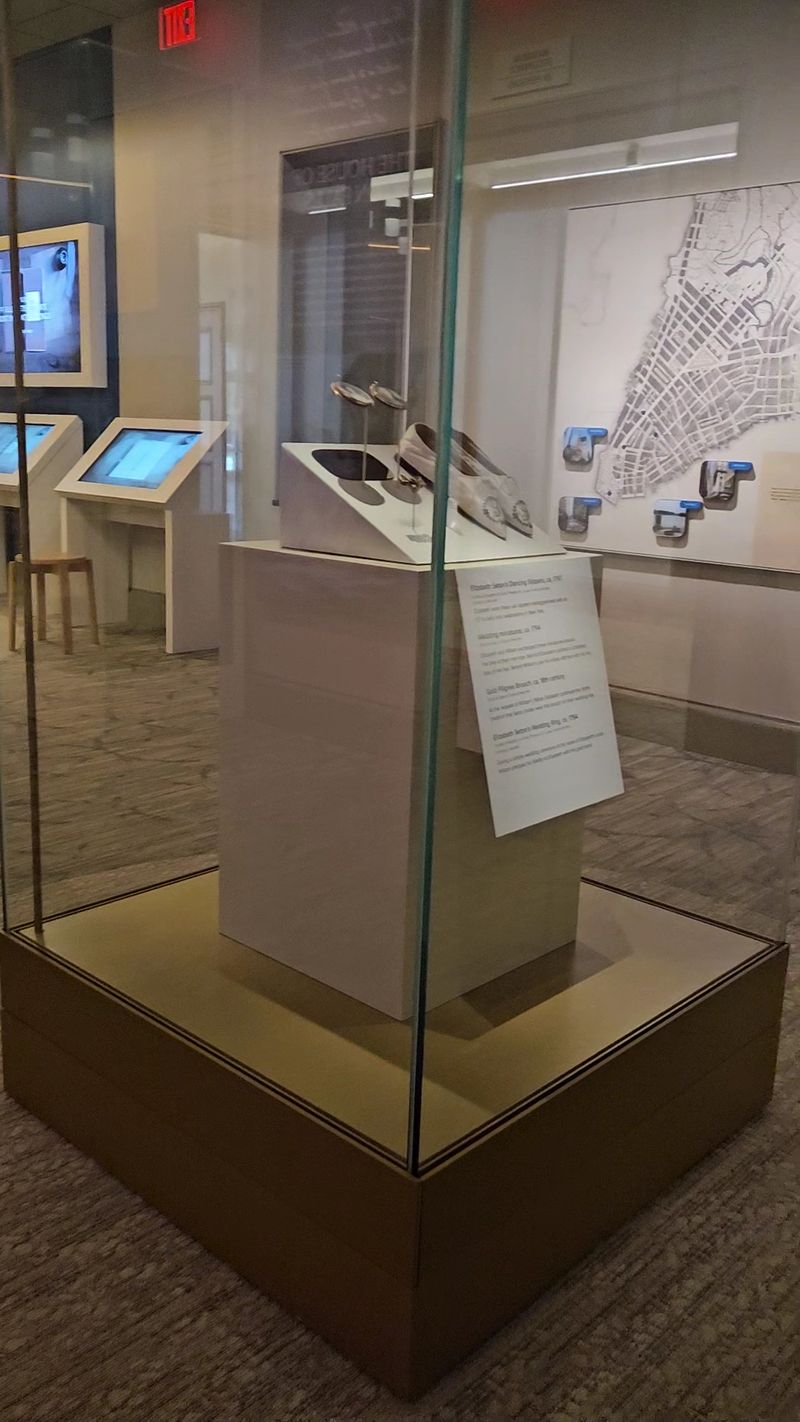
The star artifacts might surprise you. Two pieces of her surviving clothing are on display, which makes her feel startlingly real.
A newer exhibit tells her life story, and returning visitors describe it as worth every minute. The shrine was also recently renovated, so the spaces feel fresh and well cared for.
Kids who usually zoom past museum cases may actually slow down here. Real clothing from two centuries ago tends to spark curiosity faster than any textbook.
Benches along the way offer welcome rest stops. That’s handy for grandparents, little ones, or anyone who reads every placard.
Give yourself more time than you think you’ll need. The museum is easy to underestimate, and plenty of people leave wishing they’d budgeted another half hour.
A Groovy 1970s Living Room Nobody Expects
Shag-era nostalgia is probably the last thing you’d expect at a saint’s shrine. Yet the museum includes a recreated 1970s living room.
The vintage TV plays coverage of her 1975 canonization on a continuous loop. It’s a clever way to show how big that moment felt for American families watching at home.
Grandparents may recognize the look instantly. Kids, meanwhile, will probably have questions about the furniture and that boxy television.
That generational back-and-forth is half the fun. It turns a historical milestone into something families can chat about together.
The exhibit also captures why her canonization mattered so much. For the first time, Americans saw someone born in their own country declared a saint.
Visitors have specifically called out this room as a highlight. It adds a playful touch without losing the meaning behind the moment.
Snap a mental picture before you move along. It’s one of those details people tend to mention to friends after the trip, usually with a grin.
Not many museums manage to blend reverence and retro charm this smoothly. This one pulls it off nicely.
Old Stone Homes Where Her Story Unfolded
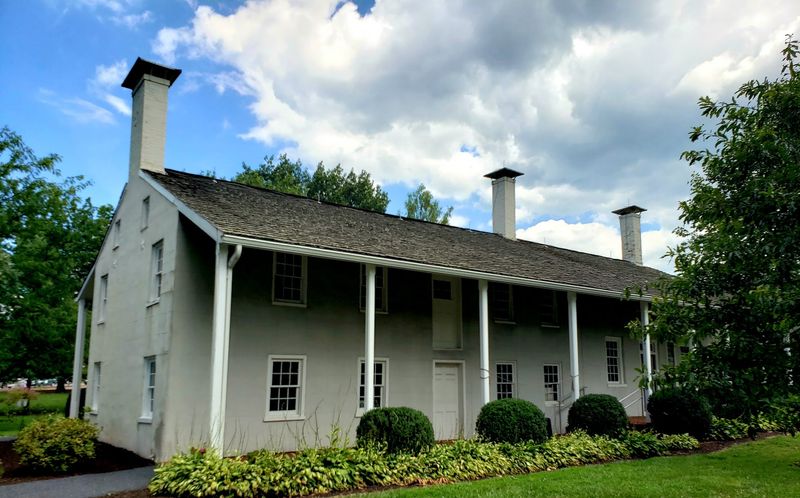
Two centuries of history wait inside the historic homes on the property. These are the places where Elizabeth Ann Seton actually lived and worked.
Guided tours walk you through the homes and explain how her community took shape. Visitors describe the guides as interesting and informative, with plenty of stories about her life.
Seeing her living spaces makes the history feel personal. It’s one thing to read about a saint and another to stand in rooms she knew.
Tour availability and fees can change, so check with the shrine before your visit. The historical component has been part of a paid tour, while the church remains free.
Older kids who enjoy colonial or early American history will love this part. It connects nicely with what they learn in school about the 1800s.
The homes also show just how humble her beginnings in Maryland were. Big dreams started in modest surroundings, which is a great lesson for any young visitor.
Wear comfortable shoes for moving between buildings. Pair the homes with the museum and you’ll leave with a full picture of how one determined woman built something remarkable.
A Peaceful Cemetery With Simple Stones
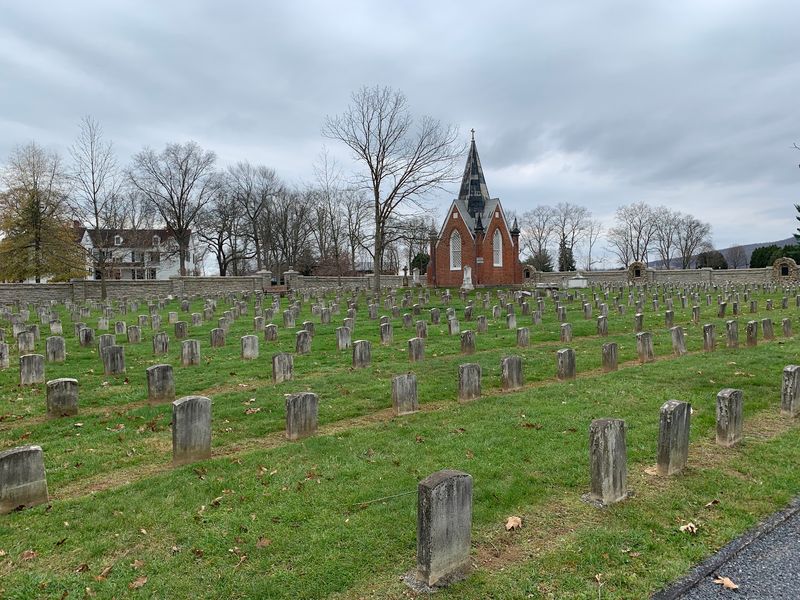
Rows of simple, beautiful headstones fill the cemetery on the grounds. Nearly all of them mark the graves of sisters from her religious community.
The oldest stone dates to 1821. That single date tells you how long this community has called Emmitsburg home.
Visitors describe the cemetery as beautiful in a quiet, understated way. There’s no grand monument competing for attention, just rows of uniform markers.
That simplicity speaks volumes about the sisters’ values. Humility and service shaped their lives, and their resting place reflects it.
Families can treat this as a gentle history lesson. Reading the dates together shows kids how generations kept her mission going.
Keep the visit respectful and calm, of course. It’s a reflective space rather than a play area, so set expectations before little ones hop out of the car.
Many people find the cemetery one of the most peaceful corners of the shrine. Take a slow stroll, read a few names, and appreciate the long line of women who carried her work forward.
It’s a quiet counterpoint to the basilica’s brightness, and both are worth seeing.
Room To Roam Across Grounds Kept Just Right
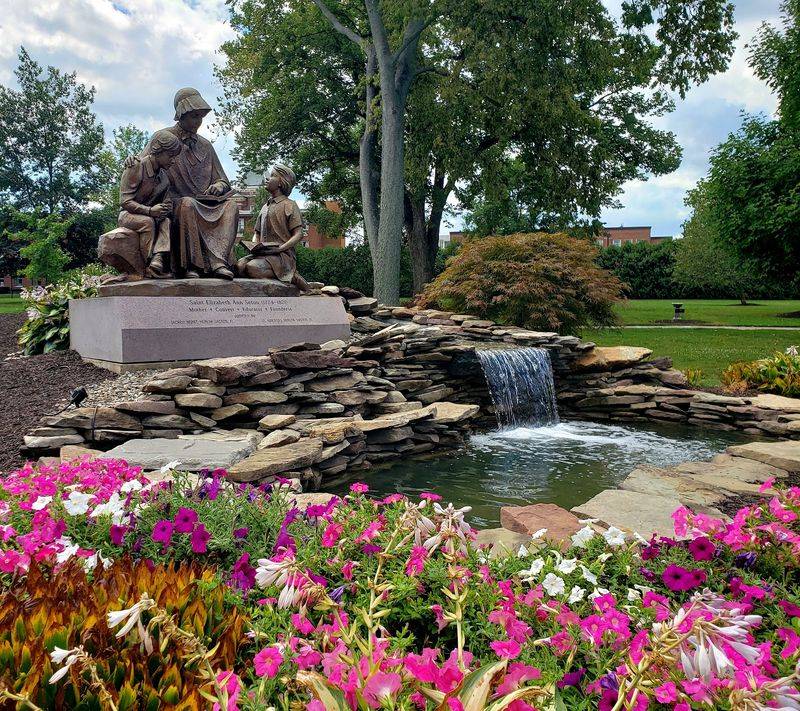
Bring the picnic basket, because the shrine has a large covered picnic pavilion. That makes it easy to stretch a visit into a relaxed half-day outing.
The grounds are carefully manicured, and visitors repeatedly call them immaculate. Shrines and grottos around the property look well maintained too.
One family described their trip as an amazing outdoor experience. Open space and fresh air make it a natural fit for kids who need to move between indoor stops.
Parking is plentiful, and there’s even room for an RV. Clean restrooms sit near the gift shop, which every parent will appreciate.
The building is air-conditioned and handicap accessible. Benches along the way help anyone who needs a breather.
One visitor using a walker did find parking a bit tricky. If mobility is a concern, consider calling ahead for tips on the closest spots.
Spring and fall bring especially comfortable weather for strolling Maryland’s countryside. Pack sandwiches, grab a table under the pavilion, and let the afternoon unfold at its own pace.
It’s the kind of setting that makes slowing down feel easy.
Warm Welcomes And A Gift Shop Worth Browsing
Friendly faces show up again and again in visitor stories here. Front desk and gift shop staff earn steady praise for being helpful and kind.
Sisters on site often greet guests personally. Some visitors have shared that a brief conversation with a sister offered exactly the encouragement they needed.
The gift shop carries sacramentals, books, and other religious items. It’s on the smaller side, but visitors describe the selection as wonderful.
Kids might enjoy picking out a small keepsake to remember the day. A medal or holy card makes a meaningful souvenir that won’t clutter the house.
Daily Mass is offered for anyone who’d like to attend. Experiences vary by service, so check the schedule and arrive early if Mass is your priority.
Plenty of families combine Mass, the museum, and shopping into one visit. One group spent about two hours doing all three and called it completely worth the stop.
That blend of hospitality and reflection gives the place its welcoming feel. Even quiet visitors notice how friendly everyone seems, whether or not words are exchanged.
Hours, Address, And Easy Weekend Planning
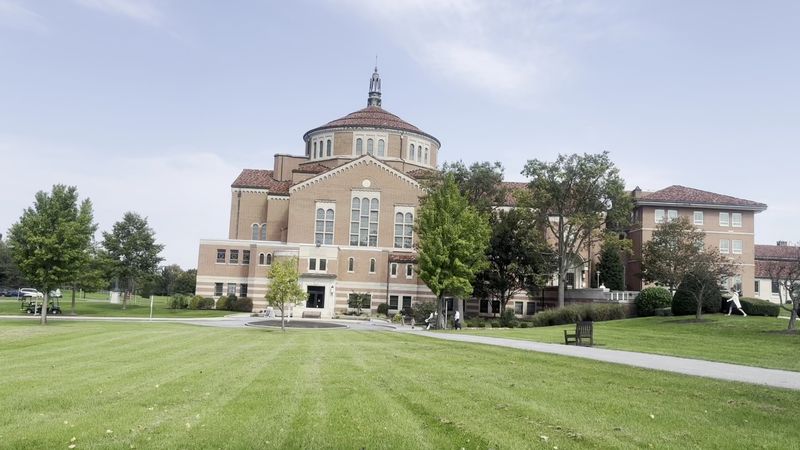
Good news for weekend planners: the shrine opens daily from 10 AM to 5 PM. That includes Saturday and Sunday, so family schedules stay flexible.
Hours can shift for holidays or special events. A quick check before leaving home saves any surprises.
You’ll find The National Shrine of Saint Elizabeth Ann Seton at 339 S Seton Ave, Emmitsburg, MD 21727. Visitors say it’s easy to find, and Route 15 makes the approach simple.
Emmitsburg sits in northern Frederick County, close to the Pennsylvania border. Families from Frederick, Hagerstown, and the Baltimore area can reach it for a comfortable day trip.
Budget-wise, visiting the church has been free. Guided historical tours have carried a fee, and pricing may change, so confirm before you go.
Plan for roughly two hours to see the basilica, museum, and gift shop. Add time for the historic homes, cemetery, and a picnic lunch.
Arriving near opening often means a calmer start. Pack water, comfortable shoes, and a little curiosity, and you’re ready for a memorable Maryland outing.
Why This Belongs On Your Maryland Bucket List
Big history, low cost, and a saint born in America all fit into one afternoon here. That combination is hard to beat for Maryland families.
The National Shrine of Saint Elizabeth Ann Seton works for nearly every age. Grandparents connect with the 1970s exhibit, kids marvel at centuries-old clothing, and parents soak up the calm.
Faith seekers find a place for prayer and reflection. History lovers get stone homes, a museum, and a cemetery dating back to 1821.
Bonus points go to nearby extras. A replica of the Lourdes grotto sits about a mile away, making it simple to stretch the day.
One longtime Route 15 traveler finally stopped after years of driving past. The verdict was clear: check it out no matter what you believe.
That advice feels about right. Proud Marylanders should know this place exists in their own backyard.
So pack the car, grab some snacks, and point it toward Frederick County. Your family might just leave a little quieter, a little wiser, and already planning a return trip.