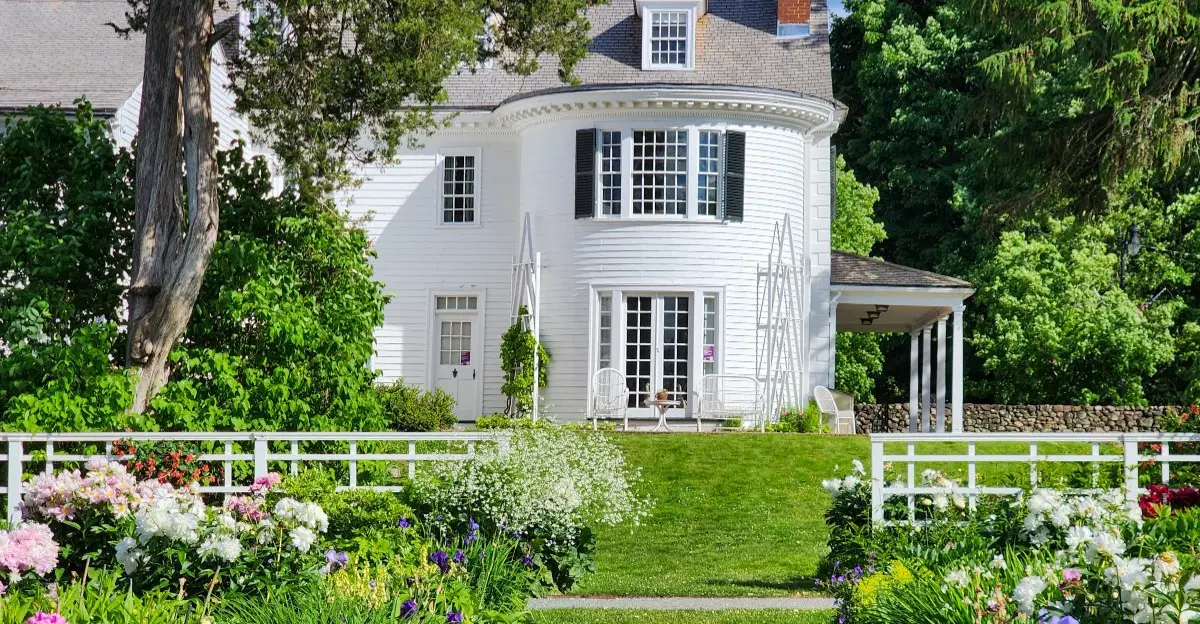
A brick wall that wiggles like a snake curls around a French kitchen garden here. Its curvy design borrows from Thomas Jefferson’s walls at the University of Virginia.
That wiggle has a family link, too. The man who summered here was a diplomat and a Jefferson descendant.
His aunt was Isabella Stewart Gardner, the famous Boston art collector.
Inside the house, Chinese porcelain sits beside American furniture and European decorative pieces. A split staircase, a delft-tiled fireplace, and a mural from a Spanish artist add even more personality.
I like how the rooms feel like a travel scrapbook you can walk through.
Outside, tulips, roses, herbs, and vegetables share the spotlight across this Massachusetts estate. I can’t imagine a better place to wander slowly.
A Farm Became A Diplomat’s Summer Escape
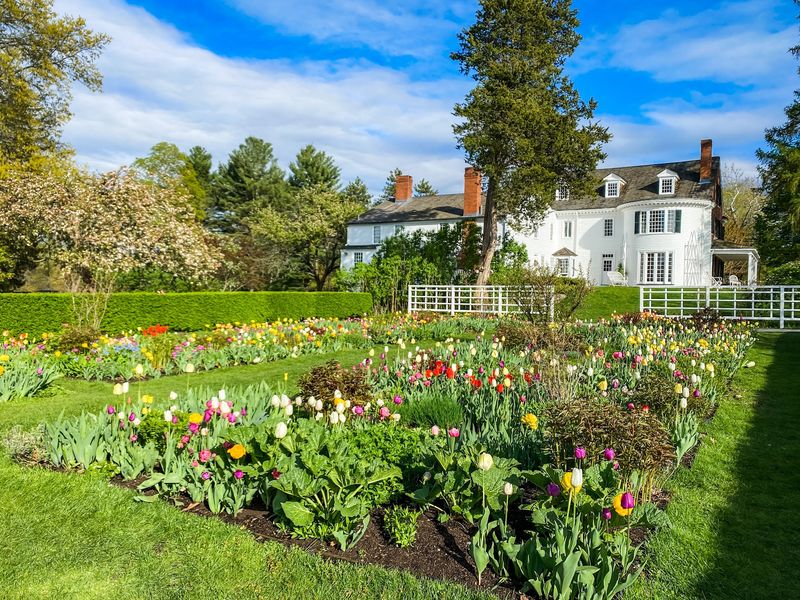
Long before anyone planted fancy roses, this land was a working farm called Ashdale Farm. The Stevens family acquired it in 1729 and farmed it for generations.
Fast forward to 1914, when Helen Stevens inherited the property. She and her husband, John Gardner Coolidge, turned it into their summer home until 1962.
John wasn’t your average summer resident. He served as a diplomat in several countries, and he was a descendant of Thomas Jefferson.
His aunt was Isabella Stewart Gardner, whose Boston museum still draws art lovers today.
Talk about a family tree with serious branches. That background explains a lot about what you’ll find at Stevens-Coolidge House & Gardens now.
When Helen passed the estate on in 1962, she left it to The Trustees of Reservations, a nonprofit conservation group. The property was renamed to honor both her and John.
The Trustees still manage it for the public and continue restoration work. So every path you walk carries nearly three centuries of Massachusetts history.
Knowing the backstory before you arrive makes the whole visit click into place. Think of it as reading the first chapter before opening the book.
An Architect Gave Two Old Farmhouses A Glow-Up
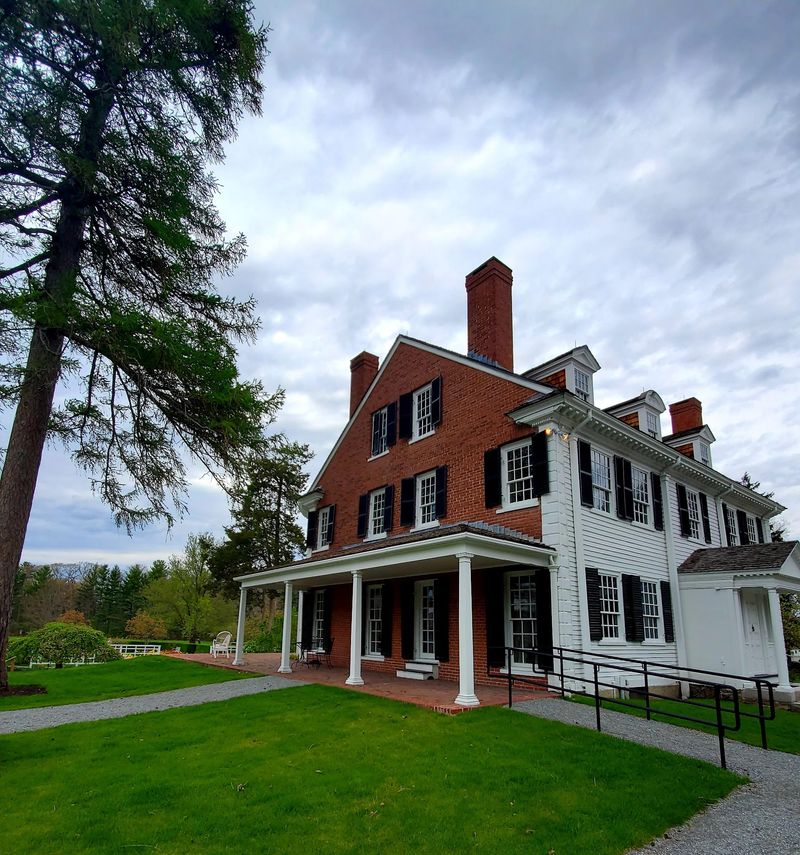
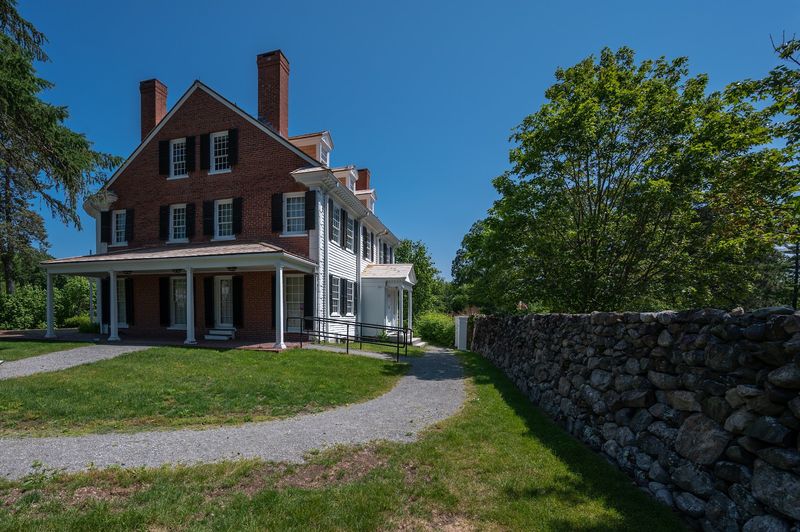
Two connected Federal-period farmhouses once stood where the main house is today. Between 1914 and 1918, the Coolidges hired preservation architect Joseph Everett Chandler to remake them.
Chandler reshaped the buildings into the Colonial Revival estate you see now. It’s a style that looks back fondly at early American homes while adding grace and polish.
Helen Coolidge didn’t just sit back and approve plans, either. She worked with Chandler on several big additions around the grounds.
Together, they added the walled rose garden, the greenhouse complex, the serpentine brick wall, and the potager garden. That’s quite a to-do list for one partnership.
Here’s a tip for your visit. Look at how the house and gardens connect, since the same mind helped shape both.
The layout feels planned as one big picture rather than separate pieces.
Fans of old houses will enjoy spotting how a farmhouse past still peeks through the dressed-up style. It’s a bit like seeing someone in a tuxedo who still has farm boots underneath.
Honestly, that mix is part of the charm.
The Wiggly Wall Hiding A French Kitchen Garden
Bricks usually line up in straight, serious rows. At this estate, one wall decided to curve back and forth like a ribbon.
That serpentine brick wall was inspired by Thomas Jefferson’s designs at the University of Virginia. Since John Coolidge descended from Jefferson, the nod feels pretty personal.
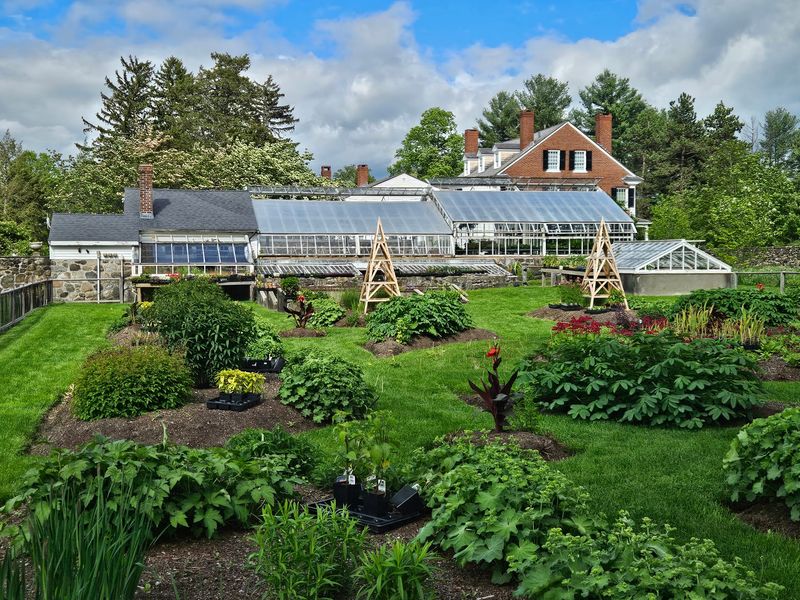
Beside the wall sits the formal potager, which is a French-style kitchen garden. Joseph Chandler designed it in 1931.
A potager mixes useful plants with pretty ones. Here, you’ll find herbs, vegetables, fruit, and flowers growing side by side.
That combo is the real fun. Instead of hiding the veggies out back, this garden shows them off like prized jewelry.
Lettuce gets to feel fancy for once.
Home gardeners can pick up great ideas here. Notice how edible plants and blooms share beds, and think about trying that in your own yard.
Even a small patch can borrow the idea.
Bring a notebook or snap photos of plant pairings you like. Of everything at Stevens-Coolidge House & Gardens, this corner might inspire your next weekend project the most.
Roses, Borders, And Greenhouses Still Hard At Work
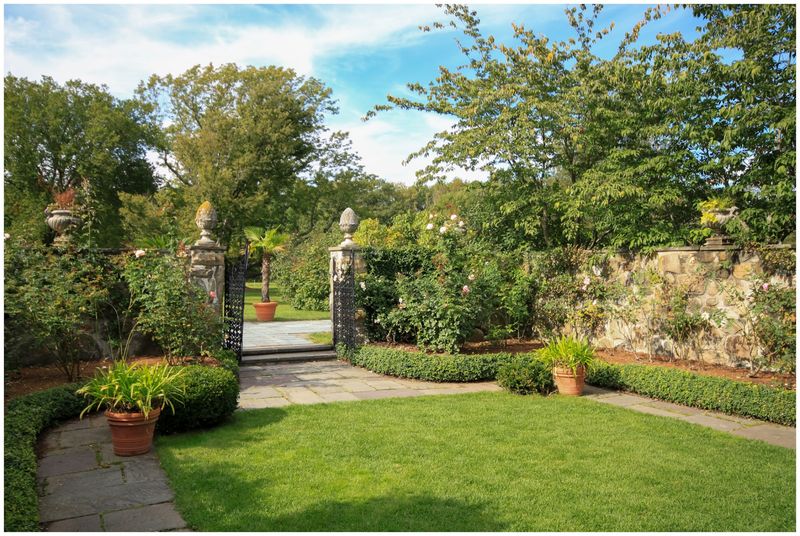
Roses get their own private room here, surrounded by walls. The walled rose garden feels tucked away from the rest of the world in the best way.
Nearby, a perennial garden and a cutting garden add even more color. The cutting garden grows flowers meant for snipping and bringing indoors, which is a very practical kind of pretty.
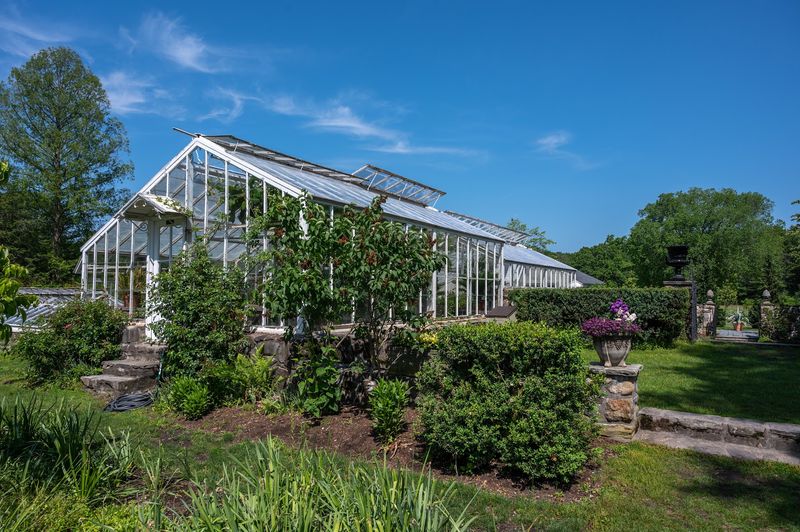
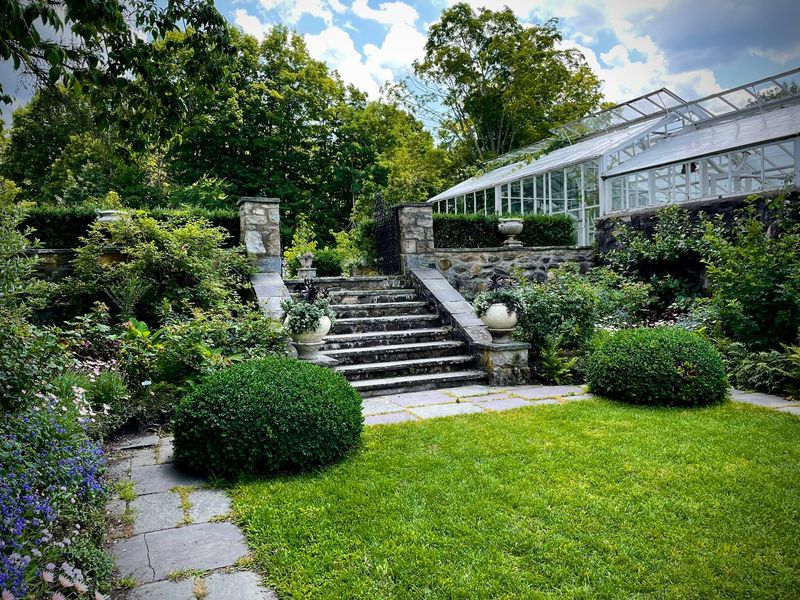
Then there’s the greenhouse complex. Construction started in 1926, and the greenhouses are still operational today.
Nearly a century of growing under glass is impressive. Plenty of modern sheds can’t last ten years.
You’ll also find land sculptures, a wetland walk, and an entry garden around the property. Each spot gives the grounds a different mood, from tidy and formal to wild and watery.
Want a simple strategy? Start at the entry garden, loop through the formal spaces, then finish with the wetland walk.
That way, you move from polished to peaceful.
Comfortable shoes help, since you’ll want to wander. Plants change through the seasons, so a repeat visit later in the year can feel like a brand-new garden.
Porcelain From China Shares Rooms With Yankee Furniture
Chinese porcelain and other Asian artifacts fill parts of this house. Somehow, they sit happily next to American furniture and European decorative arts.
That mix comes straight from John Gardner Coolidge’s career. As a diplomat, he lived and worked in various countries, and the collections reflect those travels.
So the rooms at Stevens-Coolidge House & Gardens feel global. A New England summer home ended up holding souvenirs from far across the map.
Honestly, it beats a fridge magnet collection by a mile. Each piece hints at a place and a time in the couple’s life.
The house reopened to visitors in 2022 after restoration work. Guided house tours run seasonally, and you can also explore the first floor at your own pace.
My advice? Slow down and look closely at shelves and tabletops.
Ask yourself which country each object might have traveled from, then check with a guide if one is around.
Kids might enjoy turning it into a treasure hunt. Pick one color or pattern and count how many times it shows up across the rooms.
Look Up, Look Around, Then Look At That Staircase
First impressions count, and the entry hall delivers. A mural by Spanish artist Joseph Remidas greets you right as you come in.
Just past that, a dramatic split staircase grabs the spotlight. Two paths up instead of one feels a little theatrical, and that’s half the fun.
The dining room has its own star. Its fireplace is lined with delft tiles, the classic blue-and-white style.
And then there’s the tavern ballroom. Yes, a ballroom inside what began as farmhouses.
Old Ashdale Farm clearly went places.
These details show how the Coolidges blended comfort with flair. Nothing here feels like a stiff museum hallway.
Photo lovers, take note. The staircase and mural make striking backgrounds, so check posted rules about photos when you arrive.
Keep in mind that self-guided visits cover the first floor. Plan your time around these spots so you don’t rush past them on the way back to the gardens.
A guided tour adds stories you’d likely miss alone. If one fits your schedule, it’s worth grabbing.
Tulip Season And Twinkling Lights Steal The Calendar

Tens of thousands of bulbs. That’s the scale of Spring BloomFest, when tulips, daffodils, and friends burst into color across the grounds.
Spring is a big moment for Stevens-Coolidge House & Gardens. If tulips make you happy, circle this event on your calendar.
When the weather turns cold, the property switches gears with Winterlights. The gardens glow after dark, giving the estate a cozy holiday feel.
Two seasons, two totally different moods. One shows off petals, the other shows off sparkle.
Special events can carry their own admission, unlike regular garden visits. Tickets may need to be booked ahead, so check the schedule early before heading out.
For Winterlights, dress warmly. Massachusetts winter nights don’t play around, and mittens will be your best friends.
The Trustees also host guided tours, educational programs, and other events through the year. Keep an eye on the event calendar so you don’t miss something seasonal.
Visiting once in spring and once in winter is a great plan. You’ll almost feel like you saw two different places.
Trails That Wander Way Past The Garden Gates
Gardens are lovely, but legs sometimes want more. Good news: a network of walking trails reaches beyond the formal beds.
The Stevens to Stevens Trail is a fun one to know. It connects to Weir Hill and other conservation lands nearby.
That means you can pair a garden stroll with a nature walk. Morning tulips, afternoon woods, pretty great day.
The estate also welcomes visitors of many needs. It’s Autism Welcoming certified, with accommodations like calming kits and social stories.
Social stories help visitors know what to expect before they arrive. That kind of planning can make a big difference for families.
One rule matters before you pack the car. Dogs are not permitted on the property, so your pup will need to sit this trip out.
Wear sturdy shoes for the trails and bring water on warm days. A small snack is smart too, especially with kids along.
Look up a trail map before you go. Knowing your loop ahead of time keeps the walk relaxing instead of guessy.
Plan Your Visit Without Spending A Fortune
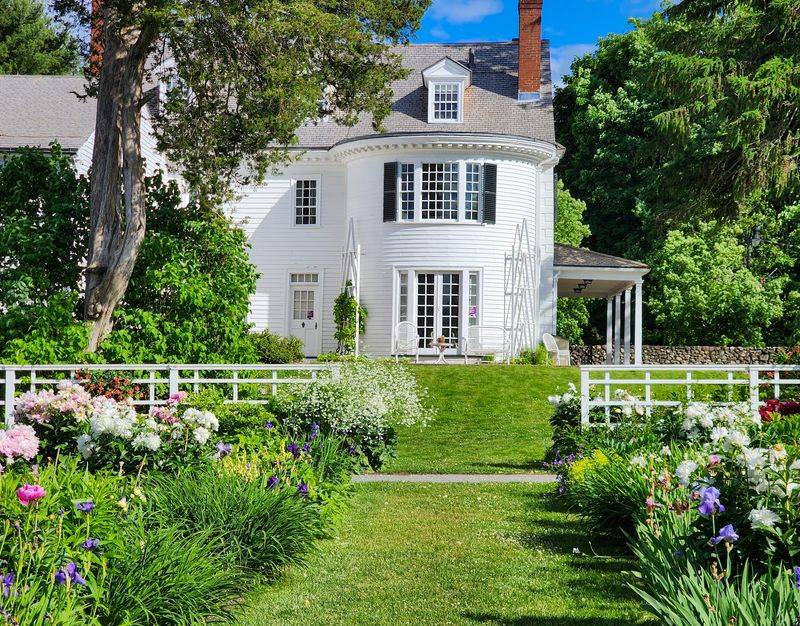
Free gardens? Yes, really.
Admission to the gardens at Stevens-Coolidge House & Gardens is free for most visits, except during special events.
You’ll find the estate at 153 Chickering Rd, North Andover, MA 01845. It sits in the northeastern part of Massachusetts, an easy target for a day trip.
Garden hours are generally 8 AM to sunset daily year-round. From mid-May through September, the posted hours are 10 AM to 6 PM, so double-check before you go.
House admission is free for Trustees Members and North Andover residents with ID. Nonmembers pay a small fee.
Don’t skip the Garden Gateway gift shop. It offers gifts, snacks, and beverages, and you don’t need admission to stop in.
The shop opens Thursday through Sunday from 10 AM to 6 PM. That makes weekends a handy time to browse after a stroll.
A smart move is to check the event calendar first. Then you’ll know if it’s a free garden day or a ticketed event.
Either way, pack curiosity. Between French-style beds and worldly treasures, there’s plenty to soak up.