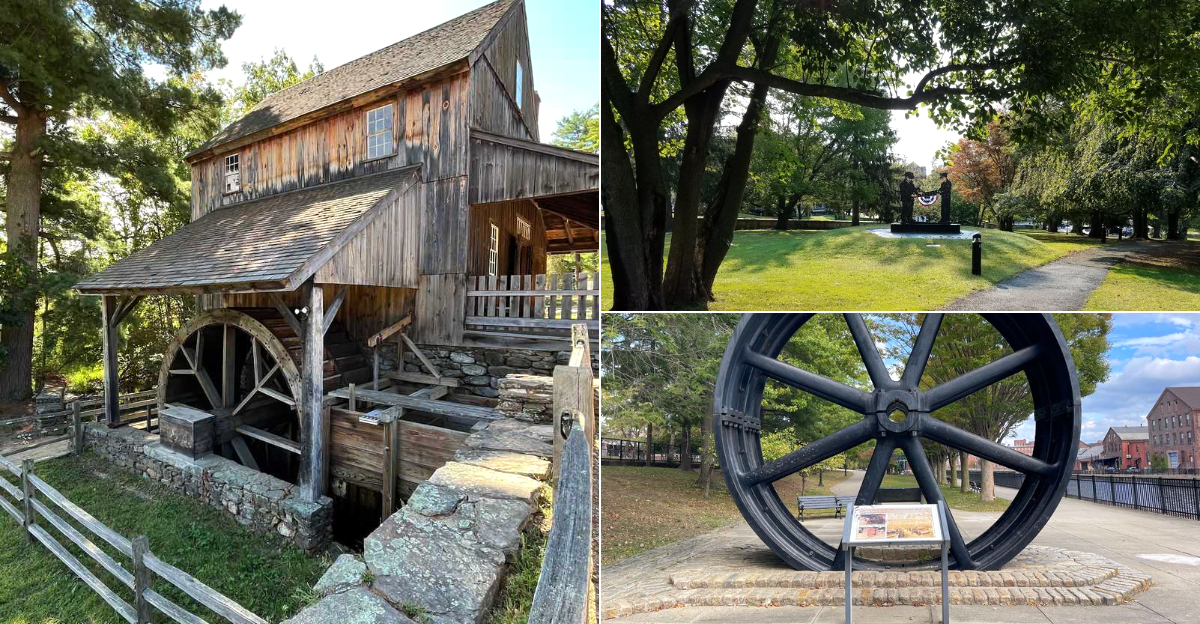
Massachusetts has a rich industrial past woven into the very fabric of its towns and landscapes.
Long before the state became known for its universities and seafood, it was a powerhouse of textile and paper manufacturing.
Walking through one of its historic mills today feels like stepping into a living museum where the hum of machinery still echoes in the walls.
From the grand brick complexes of Lowell to the quiet mill villages tucked along rural rivers, each site tells a distinct story of labor, innovation, and community.
Whether you’re a history enthusiast, a curious traveler, or simply someone who loves beautiful old architecture, Massachusetts’ historic mills are worth the drive.
Here are ten that I’d recommend for anyone ready to take a fascinating step into the past.
1. Boott Cotton Mills Museum – Lowell, Middlesex County
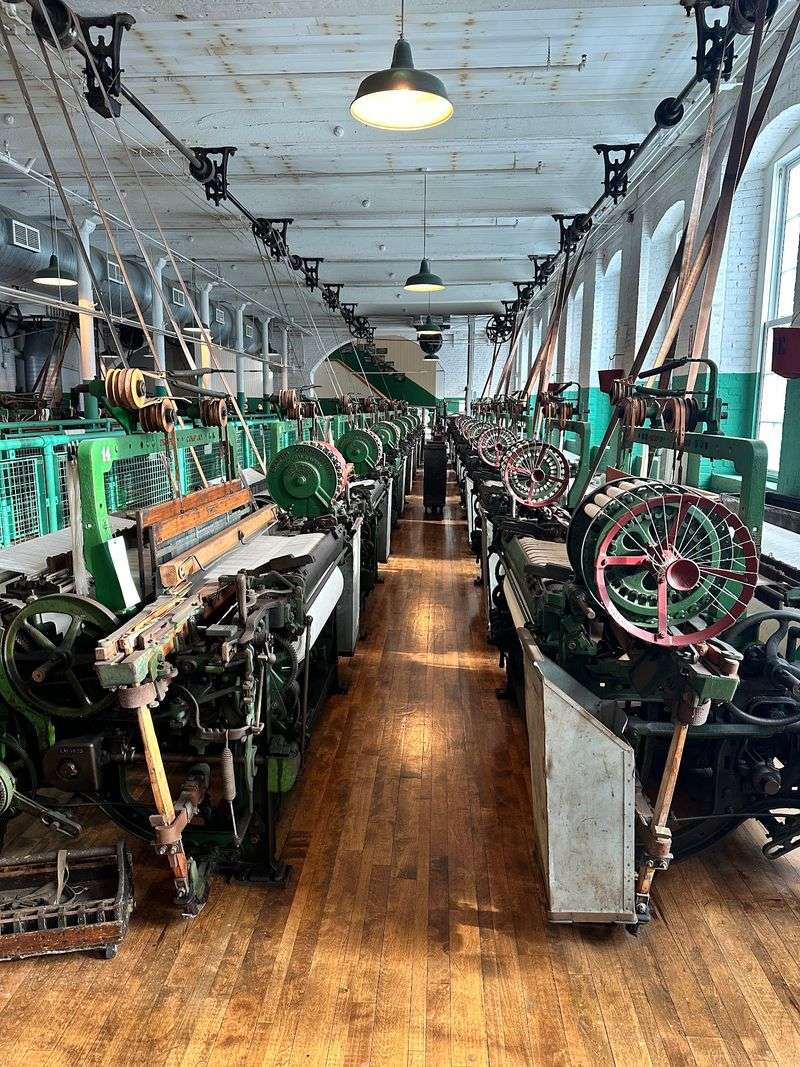
Brick walls and clattering looms pull visitors into Lowell’s story before they even reach the Boott Cotton Mills Museum doors.
Inside working machines thunder loudly enough to make history feel alive so bring kids and give everyone moment to listen.
Exhibits explain how cotton became cloth how immigrant families shaped the city and how waterpower turned a riverfront into opportunity.
Large windows old stairways and nearby boardinghouses help you picture daily life which makes this stop strong for first-time explorers.
Parking downtown can take patience but the museum pairs well with canal walks diners and Lowell sites in one day.
If you enjoy hearing real sounds instead of reading signs few places in Massachusetts create a connection to factory work.
School groups often love the hands-on feeling here and adults usually leave surprised by how massive textile production once seemed.
Try asking staff about the weave room demonstrations because those moving belts and spinning parts turn a subject into memory.
On rainy days the museum feels cozy and dramatic with echoing rooms that let you imagine the rush of changes.
Among the state’s historic mills Boott stands out for blending machinery people and place in a way that feels complete.
2. Assabet Mill – Maynard, Middlesex County
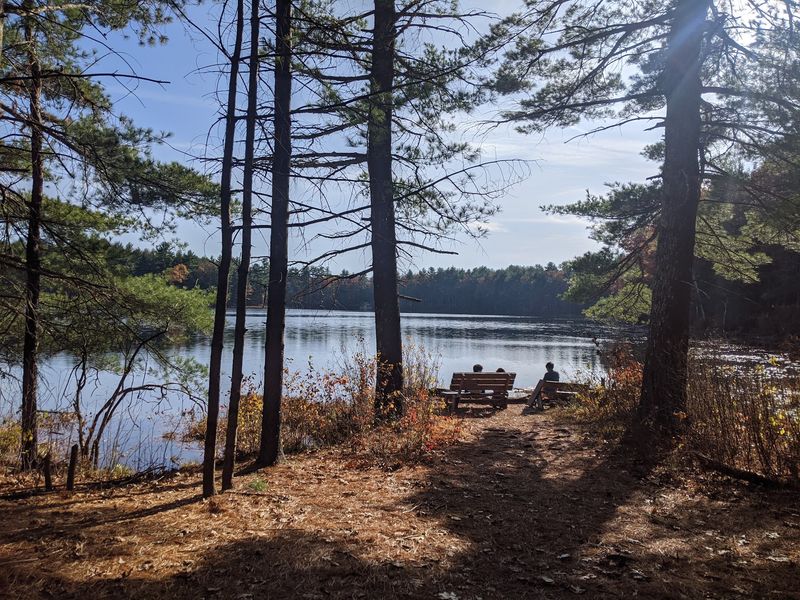
A calm river setting and sturdy brick buildings give Maynard a small-town feel and Assabet Mill anchors that scene beautifully.
Long before coffee shops and offices arrived this complex powered local jobs and helped shape one of Massachusetts’ mill communities.
Today visitors can appreciate the reused spaces while spotting industrial details which makes the past easier to notice and understand.
Walking around downtown Maynard after your visit adds context since the streets homes and businesses grew up beside the mill.
History fans who like adaptive reuse find this place interesting because it shows how old factory buildings gain new roles.
The Assabet River matters here so pause outside and imagine waterwheels noise and workers hurrying through weather that felt rougher.
Because it sits in a town center the site feels less frozen in time and more connected to Massachusetts life.
Photographers will enjoy textures like worn brick tall windows and river views especially during morning light when everything looks crisp.
Families can keep the outing by pairing the stop with lunch nearby turning history into something relaxed instead of heavy.
For readers wanting a quieter mill experience Assabet offers a thoughtful mix of architecture community memory and practical modern reuse.
3. Crane Museum of Papermaking – Dalton, Berkshire County
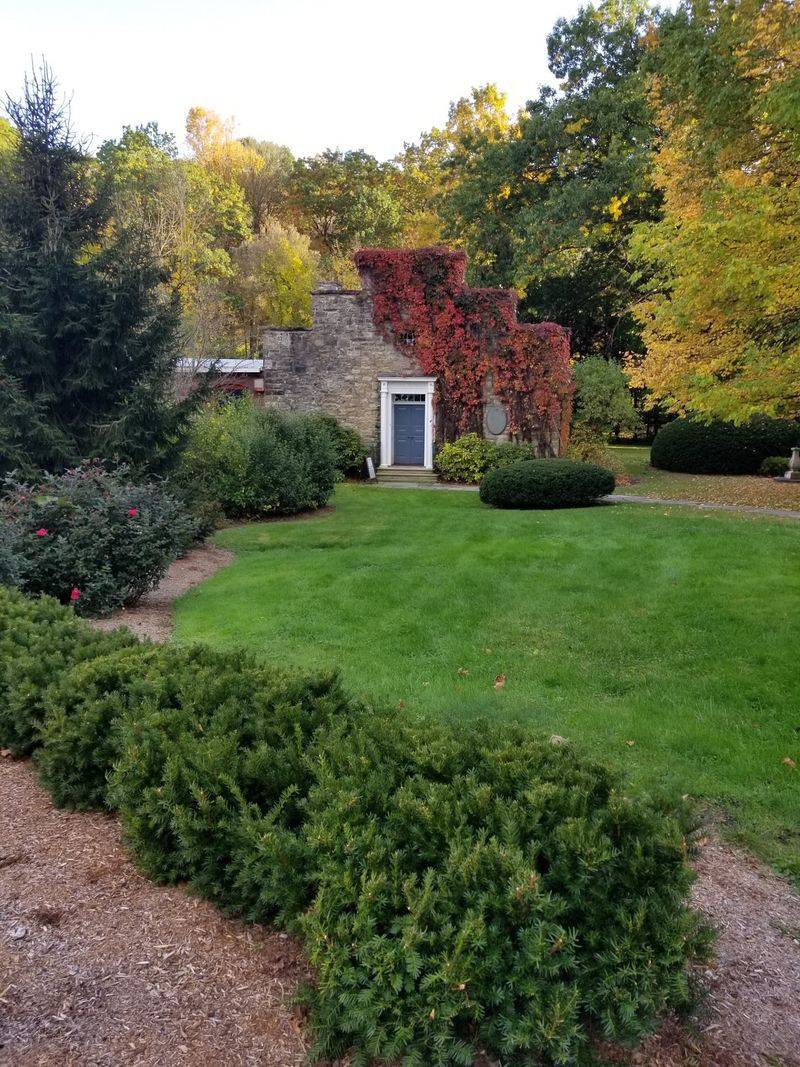
Few things feel more surprising than learning fancy paper has a local history and Dalton tells that story with pride.
Tucked within the Crane Museum of Papermaking the exhibits explain how skilled workers turned fibers into products used for documents.
That connection grabs visitors especially when they hear the company has made paper for American money and other official needs.
A stop here works best for people who enjoy niche history because the topic is specific yet easy to connect.
Dalton itself adds charm with Berkshire scenery making the visit feel less like homework and more like a afternoon trip.
You may leave seeing envelopes stationery and banknotes differently which is a fun reward for such a focused museum experience.
Look for demonstrations or staff insights if available since process details make old industries easier for younger visitors to remember.
Small museums can sometimes feel overlooked but this one offers a unusual angle on Massachusetts industry that stays in mind.
Pairing the visit with a drive through mill towns can help you see how paper water and business shaped communities.
Among specialized historic sites Crane stands apart by proving that even an everyday material can carry a deep American story.
4. Whitin Machine Works – Whitinsville, Worcester County
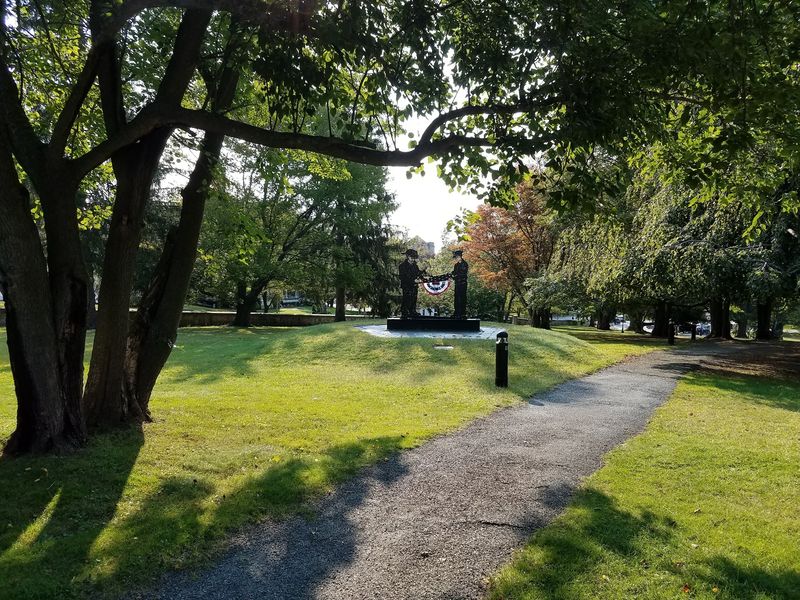
Massive brick buildings can make you stop mid-step and Whitinsville delivers that feeling as Whitin Machine Works comes into view.
Instead of focusing on cloth itself this site tells the story of machines that helped factories run across the country.
That difference gives history lovers something fresh especially if they have toured traditional mill museums and want a new angle.
The village around the complex also matters because company housing civic buildings and industry grew together in one shaped place.
Visitors who enjoy architecture appreciate the scale here where long facades and sturdy details suggest confidence ambition and industrial money.
Planning ahead helps since access and interpretation may differ from a museum but the setting rewards anyone interested in mills.
Kids who like gears tools and how things work may connect well here especially with a little background before arrival.
Nearby walks through Whitinsville can round out the visit helping you picture workers moving between home church shop and factory.
The place feels thoughtful rather than flashy which can be perfect for readers who prefer layered stories over tourist crowds.
For a picture of Massachusetts industry Whitin Machine Works adds the engineering side that many mill trips only mention briefly.
5. Holyoke Heritage State Park – Holyoke, Hampden County
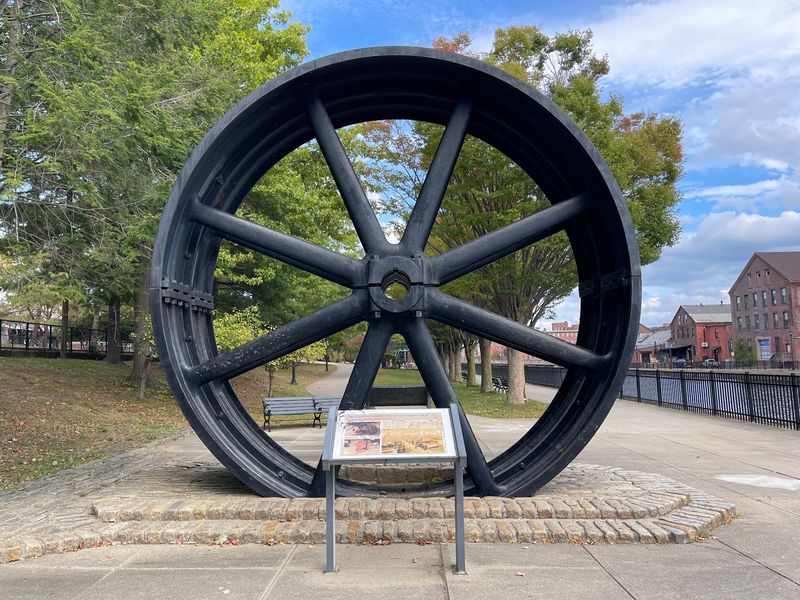
Canals brick mills and broad streets give Holyoke a look and the heritage park opens that history in approachable ways.
Set in a city built around waterpower Holyoke Heritage State Park helps visitors understand why industry grew so quickly here.
The museum spaces and canal views work together so you are not only reading facts but also seeing the landscape.
Families often appreciate the open setting which makes it easier to balance learning with walking photos and quick breaks outdoors.
Nearby attractions in downtown Holyoke can fill the rest of your day giving the trip a feel instead of isolation.
Because the park sits where industry and community meet it shows how mills influenced neighborhoods transportation and daily routines nearby.
A visit here pairs well with background reading on canals since Holyoke’s water system is a part of the story.
The city has grit and energy and that mood makes the historic material feel grounded rather than polished beyond recognition.
If weather is nice spend time outside tracing canal lines because the layout itself explains why factories gathered here originally.
Holyoke Heritage State Park earns a recommendation for combining scenery urban history and clear context in one manageable stop well.
6. American Textile History Museum – Lowell, Middlesex County
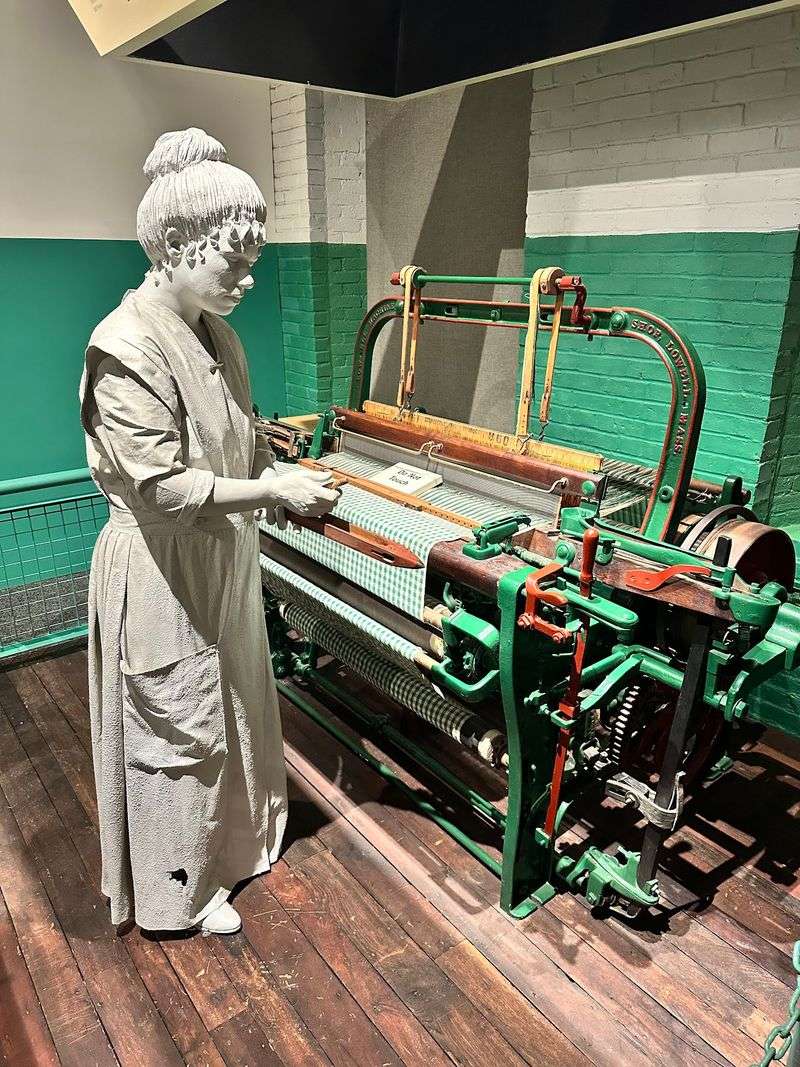
Some places stay meaningful even after their doors change status and Lowell’s American Textile History Museum is one of them.
For years it helped visitors understand cloth factories inventions and workers through exhibits that made a industry easier to grasp.
Although the museum closed its legacy still matters because it shaped how people learned about textile history across Massachusetts deeply.
Readers planning a Lowell trip should know its collections and influence remain part of the city’s wider industrial story today.
When paired with active sites like Boott the former museum adds depth by reminding you how broad textile production was.
Its subject range went beyond one building giving attention to spinning weaving design technology and the people behind the work.
That wider lens makes it worth mentioning especially for travelers who like connecting several stops into one richer historical picture.
If you research before visiting Lowell look for archived exhibits old photos or talks that keep the museum’s spirit alive.
Closed institutions can still teach us something important namely that preserving industrial memory takes steady community effort over many years.
Among Massachusetts mill stories this one stands as a reminder that knowledge itself can be part of a place’s heritage.
7. Fall River Heritage State Park – Fall River, Bristol County

A breezy waterfront and mill city background make Fall River feel dramatic and the heritage park captures that mix well.
Ships textile buildings and river views come together here helping visitors see how manufacturing and transportation supported each other locally.
The museum area gives context but stepping outside matters too because the scale of the city tells its own story.
Families often find this stop manageable since it mixes indoor learning with open air benches and room to move around.
If you have extra time nearby battleship and downtown attractions can turn the outing into a look at Fall River.
Photographers may enjoy the contrast between water sky and brick especially when changing weather adds mood to the scene there.
Because Fall River grew as a powerhouse of cotton manufacturing the site works well as a starting point for exploration.
Kids who like boats or big industrial buildings may connect quickly here which can make the history feel less abstract.
Try reading a little about immigrant workers beforehand since that human side helps balance the impressive scale of the mills.
Fall River Heritage State Park earns its spot by blending shoreline beauty with one of Massachusetts’ strongest textile stories well.
8. Mass MoCA Historic Mills – North Adams, Berkshire County
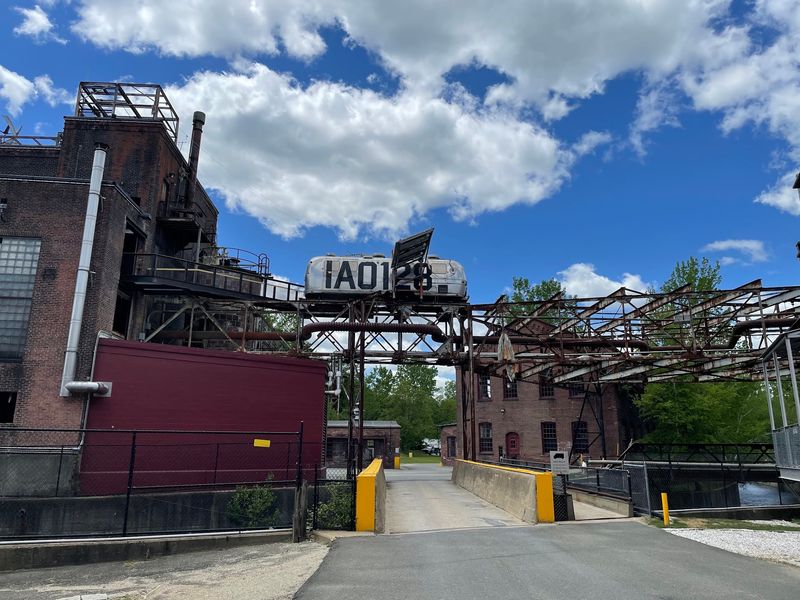
Art feels more powerful when it lives inside old factory walls and North Adams proves that point at Mass MoCA.
Beyond the contemporary exhibits the sprawling historic mills themselves are worth attention because their size shows the region’s industrial ambition.
Walking through the complex can feel almost cinematic with long corridors tall windows and weathered surfaces carrying layers of time.
That mood sets this site apart from traditional mill museums giving visitors a blend of history reuse and creative energy.
North Adams also rewards a full day trip since nearby hills downtown spots and galleries make the area feel lively.
People who do not usually seek industrial history may still enjoy this stop because the art offers an easy doorway.
Look up at beams and brickwork while visiting exhibitions since the building fabric quietly tells a second story of industry.
Photographs here often turn out striking especially where modern installations meet old architecture in bright or shadowy rooms for visitors.
Because the mill complex has such scale comfortable shoes and extra time will make the experience much better for everyone.
Mass MoCA’s historic mills earn a recommendation for showing that preservation can be bold useful and deeply imaginative today too.
9. Uxbridge Woolen Mill – Uxbridge, Worcester County
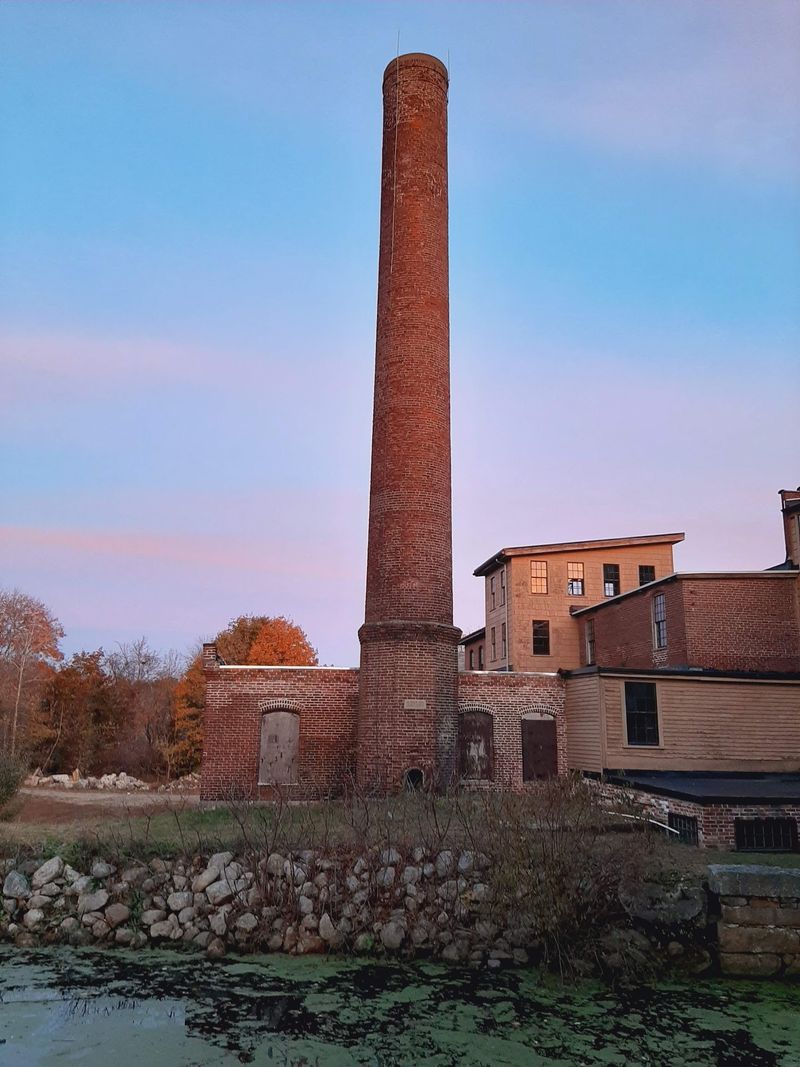
Quiet places can sometimes tell the richest stories and Uxbridge offers that feeling around the old Uxbridge Woolen Mill site.
The Blackstone Valley has deep industrial roots and this mill helps represent the wool side of Massachusetts manufacturing history clearly.
Compared with bigger textile destinations the appeal here is the regional setting and the chance to connect several nearby sites.
That approach works well for travelers who enjoy building their own history trail instead of relying on one major museum.
Uxbridge also sits in an area shaped by rivers roads and early industry so the wider landscape adds meaning here.
If public access is limited even viewing the exterior and learning local background can still make the stop worthwhile today.
Families may like pairing Uxbridge with other Blackstone Valley attractions turning the day into a broader story of work there.
Wool mills deserve attention because cotton stories often get more spotlight even though woolen goods mattered greatly in everyday life.
Bring curiosity about small towns because places like this often reward careful observers with details larger destinations sometimes miss completely.
For readers seeking an off-the-beaten-path mill stop Uxbridge Woolen Mill offers texture context and Blackstone Valley character in abundance today.
10. Old Sturbridge Village – Sturbridge, Worcester County
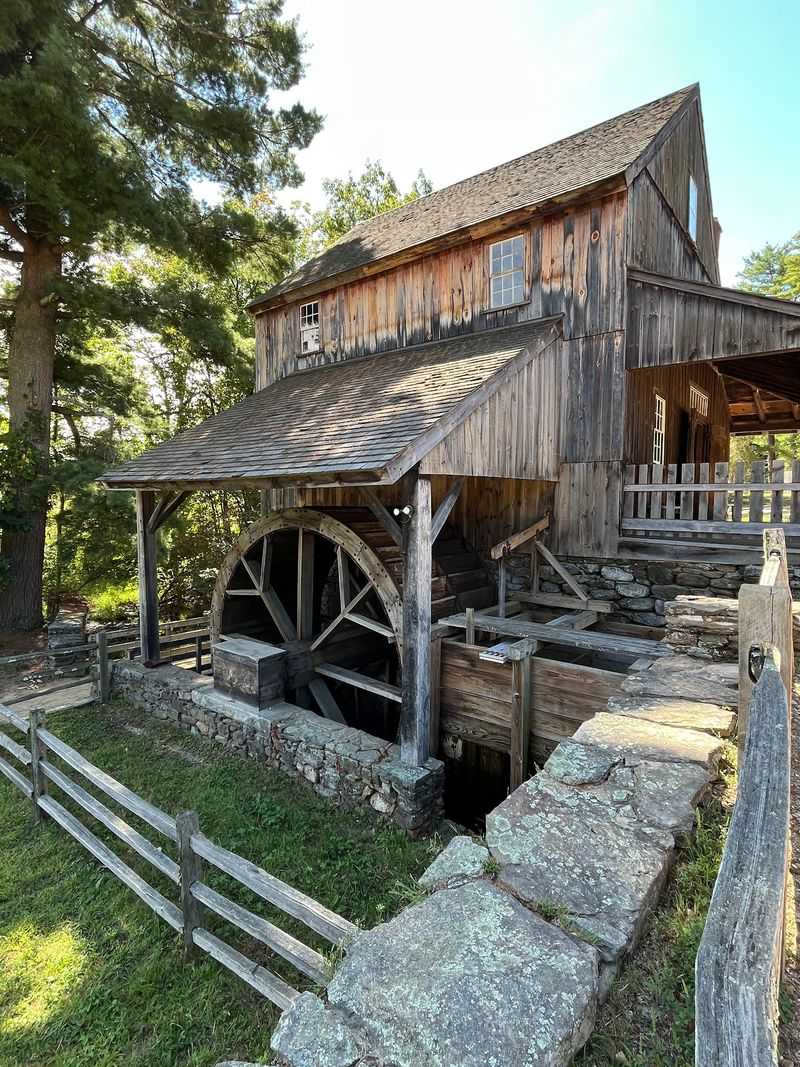
Stepping onto dirt paths and past working buildings can feel like entering another century which is Old Sturbridge Village’s magic.
Although it is a living history museum rather than a single mill its water-powered shops help explain early industry clearly.
Watching craftspeople at work makes the lesson stick especially for kids who understand better by seeing motion tools and action.
The mill areas show how grain lumber and simple machinery fit into daily life before giant factory cities took over.
Because the village is large comfortable shoes and a plan help especially if you want time for demonstrations and exhibits.
Sturbridge works wonderfully for families since history comes through smells sounds animals and costumed interpreters instead of labels for children.
Even readers focused on mills often enjoy this stop because it connects industrial change to farms homes and community life.
Try to catch a water-powered demonstration if available since seeing force and motion in person beats reading about them easily.
Seasonal events can add extra fun so check the calendar before visiting if you want music harvest themes or workshops.
Old Sturbridge Village earns its place here by showing the roots of mill life before New England industry grew larger.