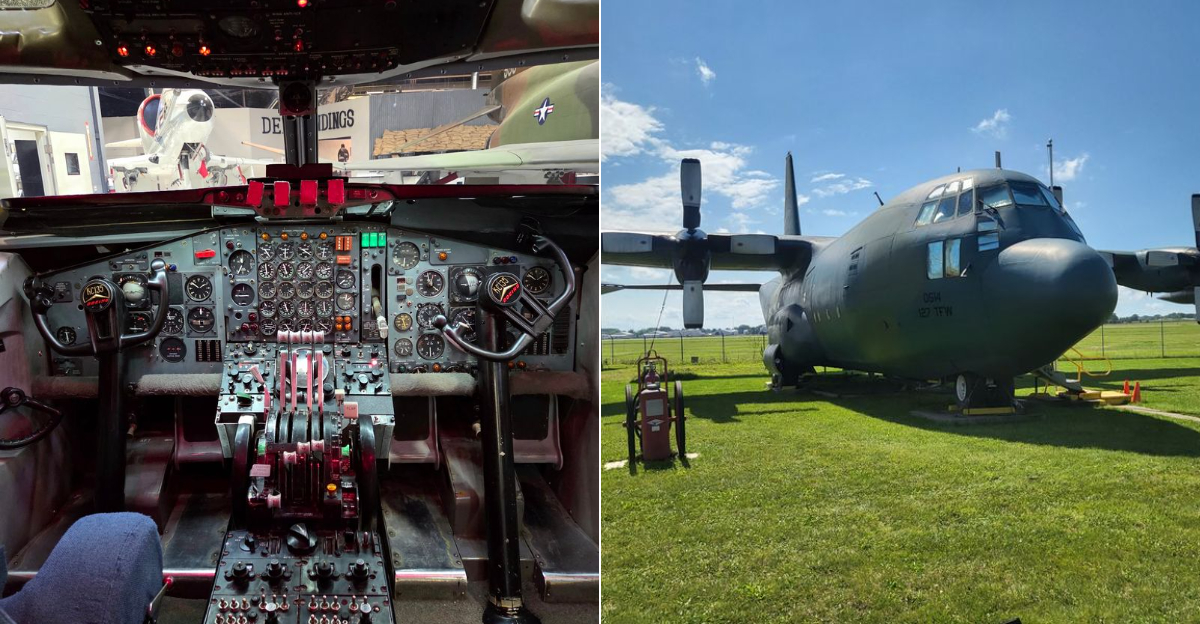
Michigan has a way of turning a regular road trip into a time machine, especially when old airplanes, brave pilots, and hands-on exhibits are part of the plan.
Across the state, aviation museums keep amazing stories alive, from wartime missions and record-setting flights to the science that helps planes leave the ground.
Families, school groups, and curious travelers can learn how flight changed travel, work, and even the outcome of history, all while standing close to real aircraft.
If you love big engines, bold ideas, and places that make the past feel exciting and easy to understand, these Michigan museums offer unforgettable stops that may send you home looking up every time a plane passes overhead.
Some are huge and packed with simulators, while others feel quiet and personal, but each one shows why flight history still matters to kids and adults today in surprising memorable very human ways too.
1. Air Zoo Aerospace & Science Museum – Portage
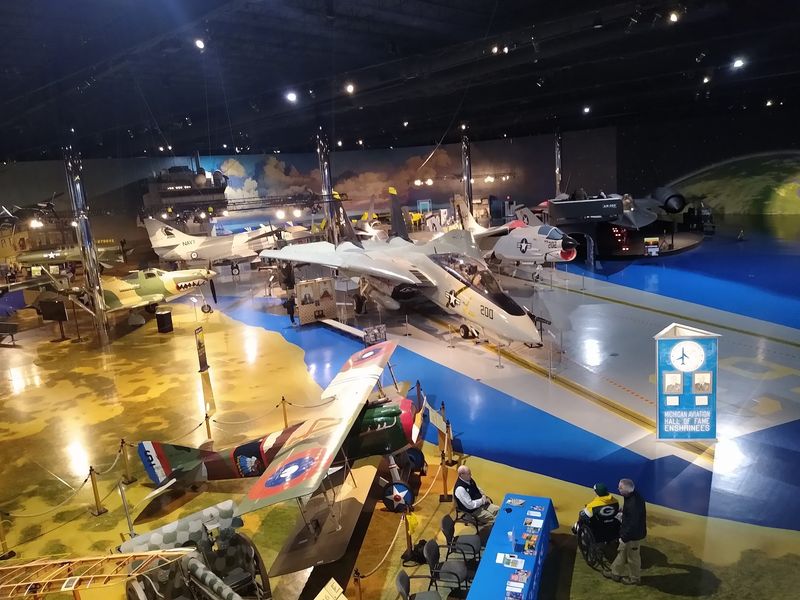
The moment you walk into Air Zoo in Portage, the place feels more like an adventure park for curious minds than a quiet museum.
Colorful displays, suspended aircraft, and interactive stations quickly pull visitors into the story of flight, space travel, and Michigan innovation.
Kids usually head straight for the rides and simulators, but adults often get hooked just as fast by historic planes and smart exhibits that explain hard ideas in simple ways.
The museum does a great job mixing fun with learning, so a family can spend hours here without anyone getting bored.
Look for the indoor amusement rides inspired by aviation, then slow down for galleries on pioneers, wartime service, and astronauts.
Because exhibits change through the year, repeat visits feel fresh, which makes Air Zoo especially useful for teachers, grandparents, and locals planning an easy day out.
Arrive early if you want extra simulator time, and wear shoes meant for walking because the campus is large.
By the end of a visit, many guests realize they learned real science almost by accident, which is a pretty wonderful trick for any museum on a busy afternoon there.
2. Aviation History Museum – Port Huron

Hidden along the shores where Lake Huron meets the St. Clair River, this museum proves that remarkable aviation stories don’t always come from giant institutions.
The Aviation History Museum in Port Huron focuses on preserving the region’s aviation heritage through carefully curated displays and personal stories.
Instead of overwhelming visitors with enormous collections, it highlights local pilots, military service, and aircraft connected to Michigan’s eastern shoreline.
Historic photographs, flight gear, engines, uniforms, and aviation memorabilia help illustrate how flying transformed transportation and community life throughout the twentieth century.
Volunteers with deep knowledge often share fascinating details that never appear on exhibit labels, making every visit feel personal.
Displays frequently spotlight veterans and local aviators whose accomplishments deserve wider recognition.
The museum’s intimate setting allows guests to slow down and appreciate the individual stories behind the machines.
Located near downtown Port Huron, it’s an easy addition to a day exploring the Blue Water Area.
Visitors interested in Michigan history will enjoy seeing how aviation connected this border community with the rest of the country.
The museum may be smaller than some larger aviation attractions, but its passion for preserving local flight history leaves a lasting impression on anyone curious about Michigan’s place in aviation.
3. Michigan Flight Museum
Some museums preserve airplanes.
This one keeps history flying.
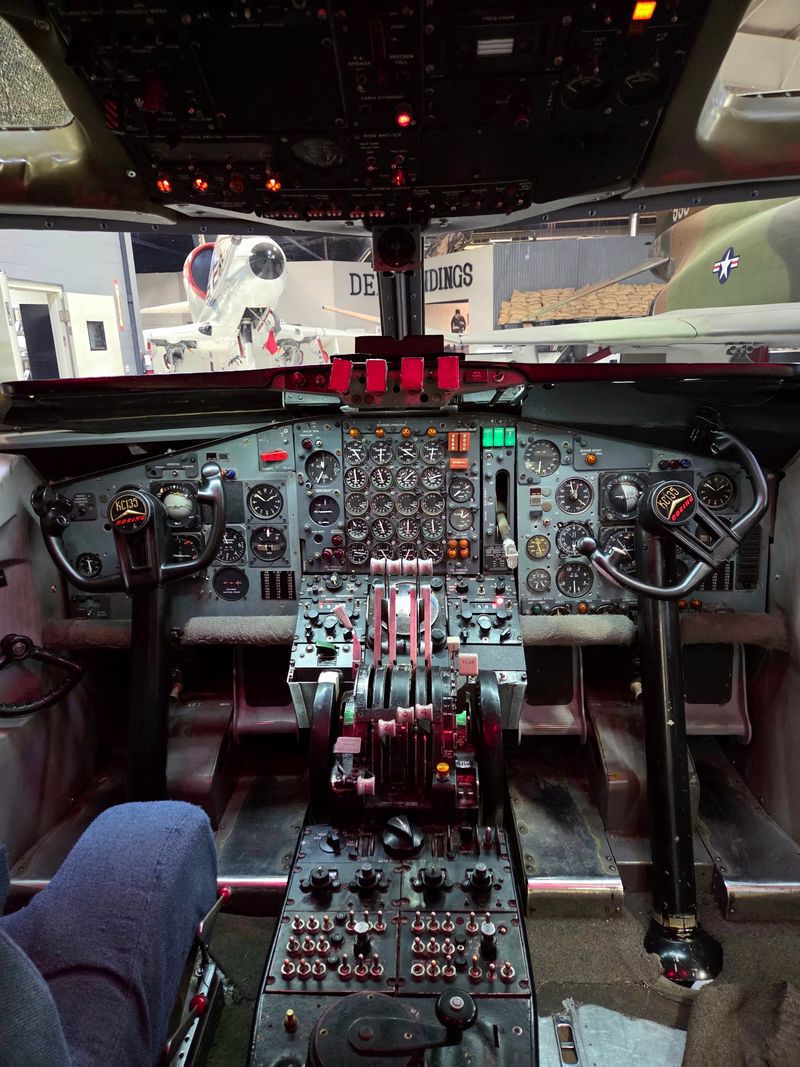
The Michigan Flight Museum at historic Willow Run Airport near Ypsilanti is dedicated to maintaining vintage aircraft in flying condition rather than simply displaying them indoors.
Visitors often hear engines roar before they even spot the aircraft, adding excitement to every visit.
The museum tells the remarkable story of Willow Run, once one of the world’s busiest bomber production facilities during World War II.
Exhibits explain how thousands of workers helped build B-24 Liberators at an astonishing pace, forever changing industrial history.
Restored aircraft, aviation artifacts, photographs, and historical displays connect guests to this extraordinary era.
Volunteers frequently work on restoration projects in view of visitors, offering a rare look at the craftsmanship required to preserve historic airplanes.
Educational programs and special events bring aviation history to life throughout the year.
Aviation enthusiasts especially appreciate opportunities to see aircraft taxi, fly, or participate in living history demonstrations during select events.
The museum combines Michigan’s industrial heritage with its rich aviation legacy.
Every visit reminds guests that preserving flight history means keeping these remarkable machines alive for future generations.
4. Selfridge Military Air Museum
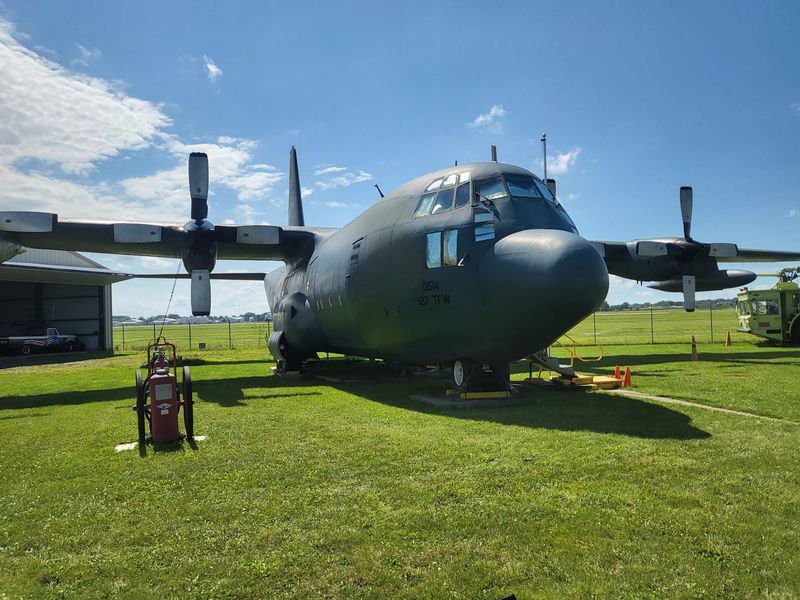
Jet engines and military history create an unforgettable combination at Selfridge Military Air Museum in Harrison Township.
Located beside the active Selfridge Air National Guard Base, the museum chronicles more than a century of American military aviation.
Visitors can explore an impressive outdoor aircraft park featuring fighters, bombers, helicopters, transport aircraft, and training planes that served across multiple conflicts.
Indoor galleries display uniforms, weapons, engines, flight equipment, photographs, and artifacts that explain how aviation shaped military operations.
The museum highlights the long history of Selfridge, one of America’s oldest continuously operating military airfields.
Watching modern military aircraft occasionally take off nearby adds an exciting backdrop to the historic collection.
Exhibits emphasize both technological progress and the service of the men and women who operated these aircraft.
Knowledgeable volunteers, many with military experience, provide valuable insights into individual airplanes and their missions.
Located about thirty miles northeast of Detroit, the museum makes an excellent destination for military history enthusiasts and aviation fans alike.
Every display reinforces the rapid pace of aviation development while honoring those who served.
The combination of historic aircraft and an active military setting gives the experience an authenticity that few aviation museums can match.
5. Tuskegee Airmen National Historical Museum
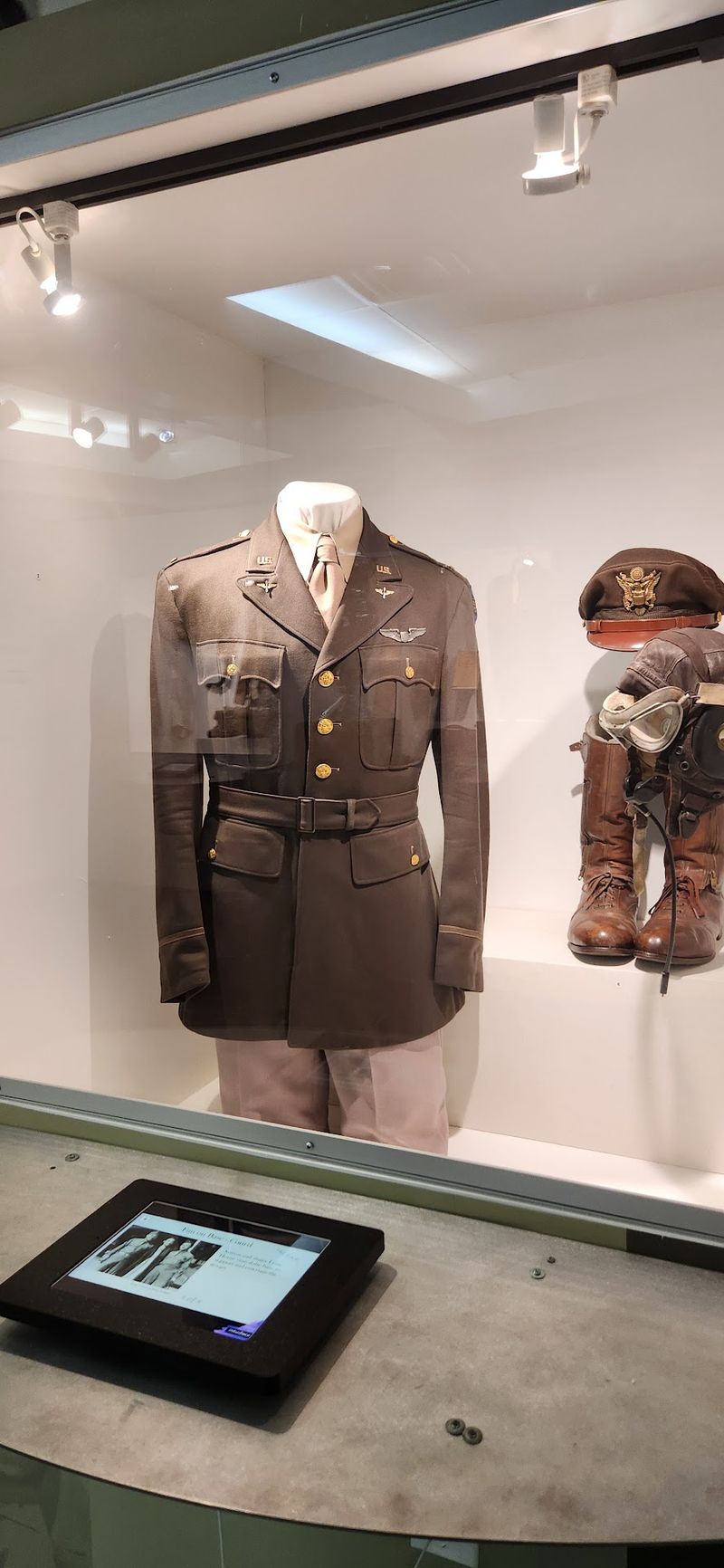
Courage takes center stage long before visitors notice the aircraft displays.
The Tuskegee Airmen National Historical Museum in Detroit celebrates the extraordinary achievements of the pioneering African American military aviators who overcame discrimination while serving their country during World War II.
Rather than focusing solely on airplanes, the museum tells powerful human stories of determination, leadership, and excellence.
Exhibits feature photographs, uniforms, medals, documents, flight equipment, and personal memorabilia that illustrate the experiences of the Tuskegee Airmen and the barriers they shattered.
Interactive displays help younger visitors understand both the history of segregation and the remarkable accomplishments of these skilled pilots and support personnel.
Educational programming continues the museum’s mission by inspiring future generations to pursue careers in aviation, engineering, and public service.
Located on Detroit’s west side, the museum serves as both a historical institution and an important cultural resource.
Visitors leave with a deeper appreciation for the role these aviators played in changing both military history and American society.
Every exhibit reinforces the idea that aviation history is about far more than machines.
It is also about people whose perseverance changed the course of history while opening doors for countless others.
6. W.K. Kellogg Airport Museum
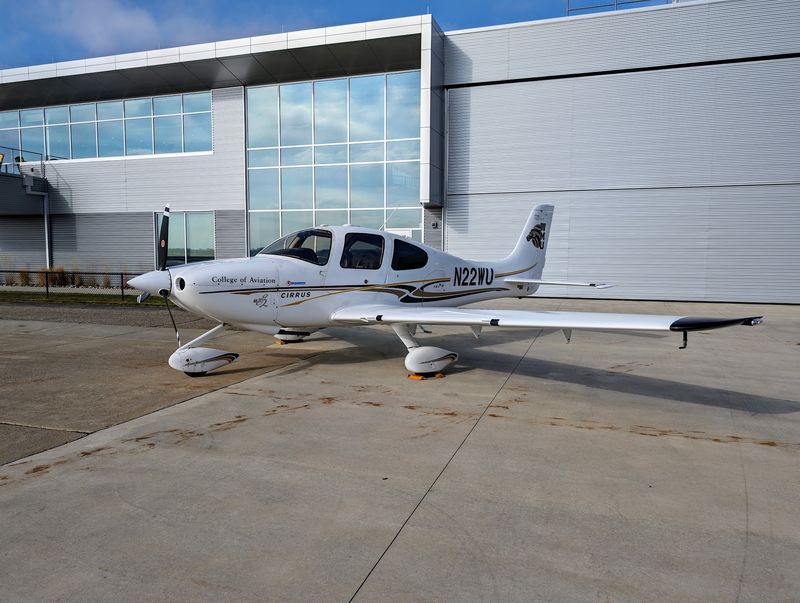
Not every airport has a museum that tells such a fascinating local aviation story.
The W.K.
Kellogg Airport Museum in Battle Creek highlights the development of aviation in southwest Michigan while celebrating the legacy of cereal entrepreneur W.K.
Kellogg, whose support helped establish the airport.
The museum features historic aircraft, aviation equipment, archival photographs, and exhibits documenting the airport’s evolution from its early years through modern aviation.
Visitors gain insight into Battle Creek’s unexpected importance in Michigan’s aviation history.
Displays explore civilian aviation, pilot training, airport operations, and regional aerospace development in an accessible way.
Historic artifacts help connect local events with broader changes in American aviation.
The museum’s setting beside the active airport creates opportunities to watch modern aircraft while learning about earlier generations of flight.
Families enjoy the approachable scale, making it easy to explore without feeling rushed.
Located just minutes from downtown Battle Creek, the museum pairs well with other attractions in the city.
Friendly volunteers often enhance the visit by sharing stories that bring exhibits to life.
The experience proves that aviation history isn’t limited to famous cities or massive institutions.
Sometimes the most memorable discoveries happen at community museums that preserve local stories with genuine pride.
7. Castle Museum of Saginaw County History (Aviation Gallery)

A castle may seem like the last place to expect aviation history, which makes this stop even more enjoyable.
The Castle Museum of Saginaw County History in downtown Saginaw includes an aviation gallery that explores the region’s contributions to flight.
Rather than presenting aviation as an isolated subject, the exhibits weave it into the broader history of Saginaw County.
Visitors encounter photographs, documents, uniforms, aviation artifacts, and stories highlighting local pilots, military service, and aviation businesses connected to the community.
The gallery demonstrates how flight influenced commerce, transportation, and everyday life across the region.
Because it’s part of a larger history museum, guests also gain valuable context about the industries and people that shaped Saginaw.
The beautifully restored historic building adds character before visitors even reach the exhibits.
Interactive displays and thoughtfully presented collections make the aviation section accessible for both enthusiasts and casual visitors.
Located in the heart of downtown, the museum is surrounded by restaurants, shops, and additional cultural attractions that encourage a full day of exploring.
While aircraft themselves play a smaller role here than at dedicated aviation museums, the gallery offers a refreshing perspective on how aviation became woven into Michigan’s local history.
8. Thunder Over Michigan Museum & Historic Aircraft Collection
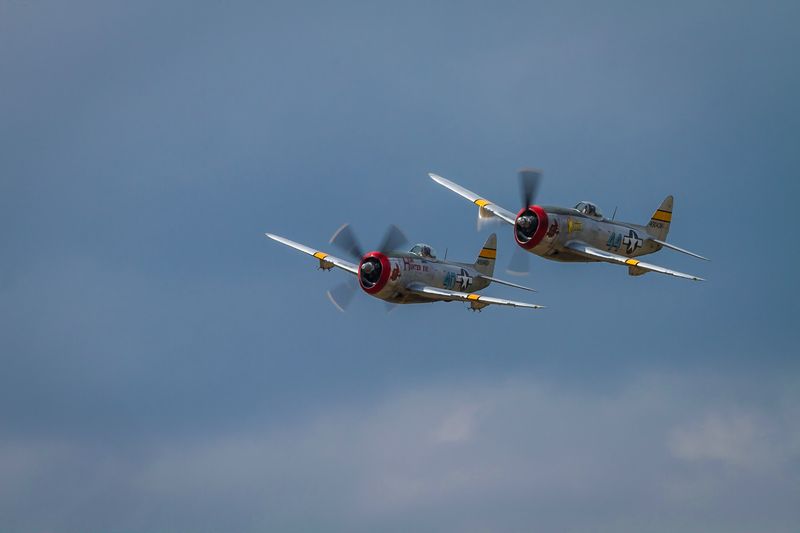
The excitement starts before the first exhibit because visitors know these airplanes still take to the skies.
The Thunder Over Michigan Museum & Historic Aircraft Collection near Ypsilanti showcases aircraft associated with the famous Thunder Over Michigan air show held at Willow Run Airport.
The collection highlights beautifully restored military aircraft while explaining the importance of preserving them through flight demonstrations rather than static display alone.
Visitors learn about aviation restoration, air show history, and the dedicated volunteers who keep these remarkable machines operational.
Historic fighters, bombers, trainers, and support aircraft represent multiple eras of military aviation, offering an impressive overview of technological progress.
Informational displays explain each aircraft’s service history and the restoration work completed behind the scenes.
During air show season, the experience becomes even more memorable as many of these aircraft perform dramatic flying demonstrations overhead.
Located in Belleville, the museum benefits from its connection to Willow Run’s extraordinary aviation heritage and its close relationship with other nearby aviation attractions.
Aviation fans appreciate seeing both the mechanical details and the larger historical context behind every airplane.
It is a fitting conclusion to a Michigan aviation journey, celebrating not only the past but the passionate people ensuring these aircraft continue inspiring future generations.