
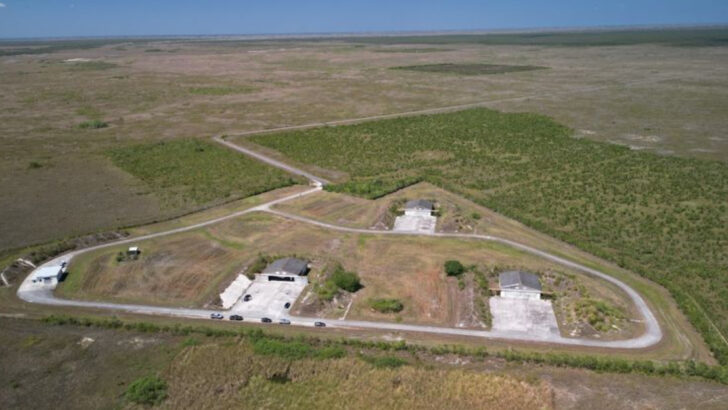
Hidden deep in the Florida Everglades, a Cold War relic sits quietly among the sawgrass and alligators — and it’s open to the public.
HM-69, also known as the Nike Missile Base, once stood guard over Miami during one of the most frightening moments in American history: the Cuban Missile Crisis.
Today, it’s a fascinating and totally free day trip inside Everglades National Park where you can walk among real missile shelters and learn about life on the nuclear front line.
If you’ve ever wondered what it felt like to live just minutes away from a potential nuclear strike, this place will give you chills in the best possible way.
Cold War Origins of HM-69
Long before smartphones and satellite alerts, the United States relied on a chain of missile batteries to keep its cities safe from Soviet bombers. HM-69 was born out of that fear — a fear that was very real, very urgent, and very much tied to the arms race heating up between the U.S. and the Soviet Union after World War II.
The Nike air-defense network was America’s answer to the growing Soviet threat. Hundreds of these sites were built across the country, each one designed to intercept enemy aircraft before they could reach populated areas.
HM-69 was a key piece of that puzzle in South Florida, positioned to defend one of the country’s most vulnerable coastlines.
What makes HM-69 especially interesting is how quickly it went from blueprint to operational base. Engineers and soldiers worked fast because the threat felt immediate.
The Cold War wasn’t just a political standoff — it was a race against time, and HM-69 was one of the finish lines. Visiting today gives you a rare chance to step inside that tension and understand just how seriously the government took the possibility of attack.
Built in the Wake of the Cuban Missile Crisis (1962)
Thirteen days in October 1962 changed everything for South Florida. The Cuban Missile Crisis brought the world closer to nuclear war than it had ever been, and suddenly Miami wasn’t just a beach destination — it was a potential target sitting just 90 miles from Soviet missile installations in Cuba.
The crisis revealed just how exposed South Florida really was. Military planners scrambled to strengthen the defensive perimeter around Miami, upgrading existing Nike sites and rushing new ones into operation.
HM-69 was part of that urgent military buildup, transformed almost overnight into a fully operational missile defense station ready to respond at a moment’s notice.
There’s something surreal about knowing that while families in Miami were stocking up on canned goods and watching news reports, soldiers at HM-69 were loading missiles and waiting for orders. The base represents a moment when the Cold War stopped being abstract and became terrifyingly real.
For anyone who wants to truly grasp what those 13 days felt like from the ground level, standing at HM-69 is as close as you can get to being there without a time machine.
Strategic Location Near Miami’s Defense Ring
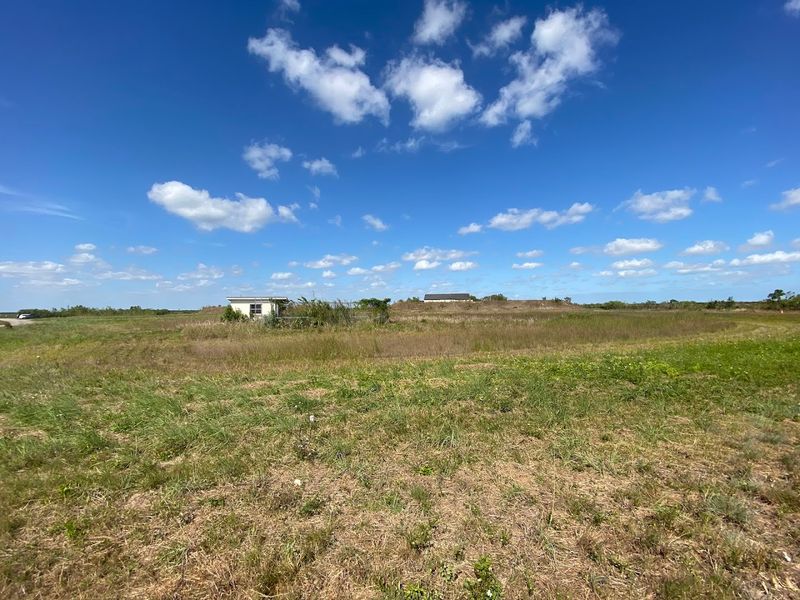
Geography played a huge role in where HM-69 was placed. Sitting deep in the Everglades, the site had an unobstructed line of sight toward the Caribbean — exactly the direction from which a Soviet bomber or missile would most likely approach.
No skyscrapers, no hills, just open sky and wetlands stretching for miles.
HM-69 was one of several Nike missile batteries arranged in a carefully planned defensive arc around Miami. Military planners called this kind of arrangement a “defense ring,” and it was designed so that at least one or two sites could intercept any incoming aircraft regardless of the flight path it took.
Each site covered a different slice of the sky, creating overlapping zones of protection.
The Everglades location was both a tactical advantage and a serious hardship. The open terrain was perfect for radar coverage, but the swampy conditions made daily life miserable for the soldiers stationed there.
Alligators, mosquitoes, and brutal humidity were constant companions. Still, the strategic value of the location outweighed the discomfort, and HM-69 remained a critical node in Miami’s aerial defense network throughout its years of operation.
Nike Hercules Missile System Explained
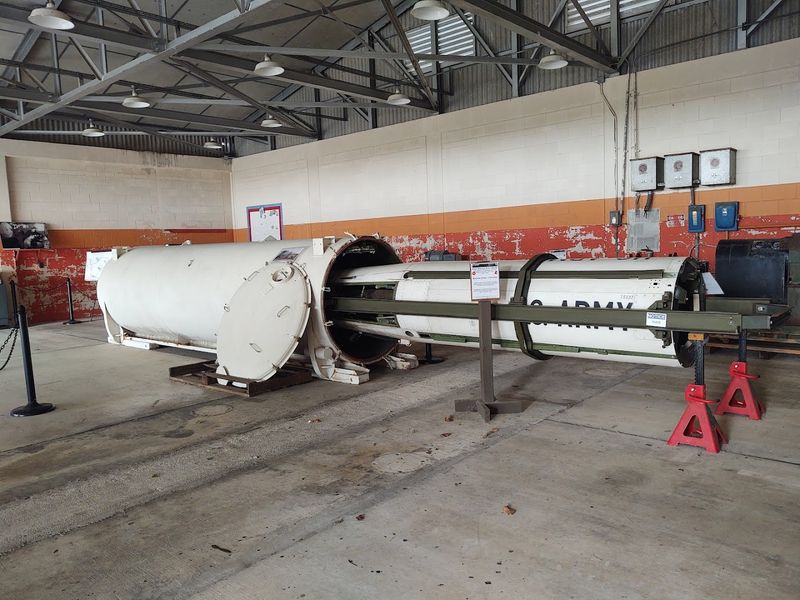
The Nike Hercules was not your average weapon. Standing over 40 feet tall and capable of reaching speeds above Mach 3, this missile was engineered specifically to destroy high-altitude enemy aircraft before they could drop their payloads on American cities.
It was a technological marvel for its time, combining speed, altitude range, and precision in ways that earlier missiles simply couldn’t match.
What set the Nike Hercules apart from its predecessor, the Nike Ajax, was its ability to carry a nuclear warhead. Military planners realized that a single conventional missile might not be enough to stop a formation of dozens of enemy bombers flying in tight formation.
A nuclear-tipped Hercules, however, could take out an entire group with one blast — a grim but effective solution to a very real problem.
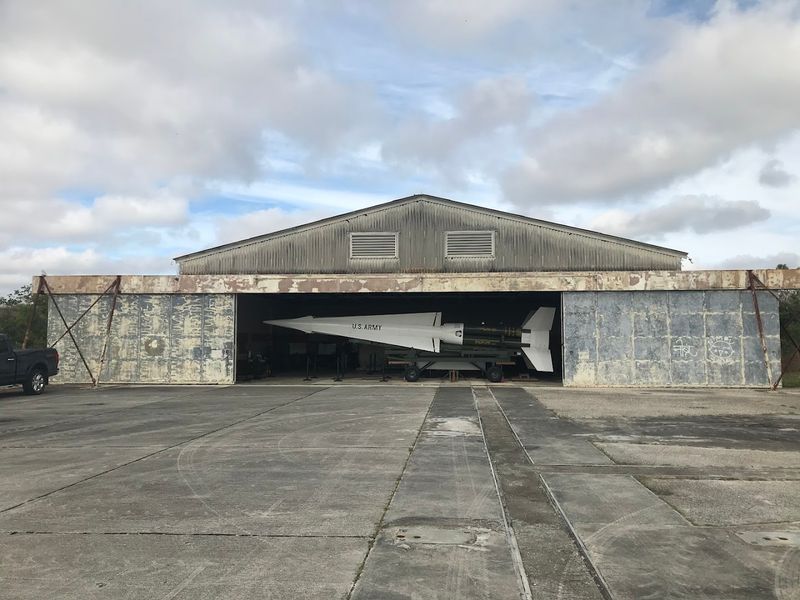
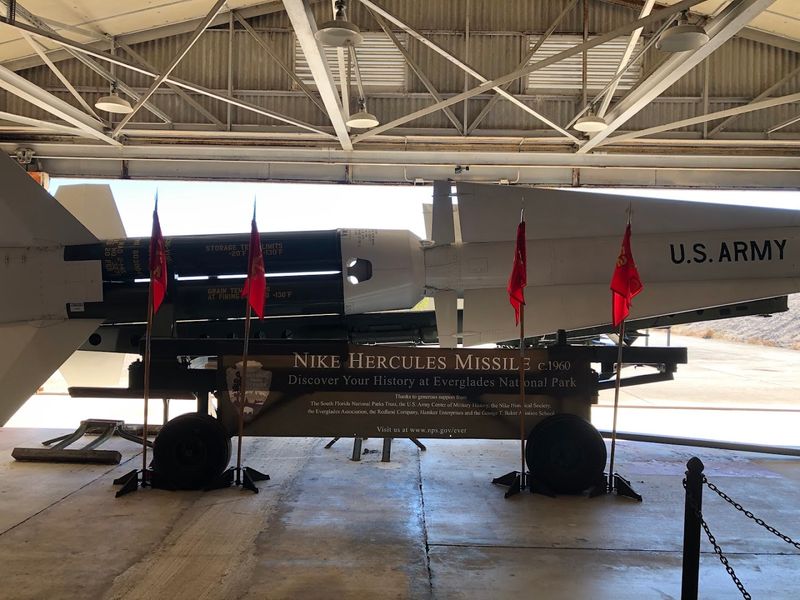
At HM-69, visitors can see a restored Nike Hercules missile up close, which is honestly one of the most jaw-dropping parts of the tour. Seeing it in person makes you realize just how enormous and powerful these weapons were.
Reading about Cold War missiles in a textbook is one thing, but standing next to an actual launch-ready example puts the whole era into sharp, startling focus.
Life on High Alert in the Everglades
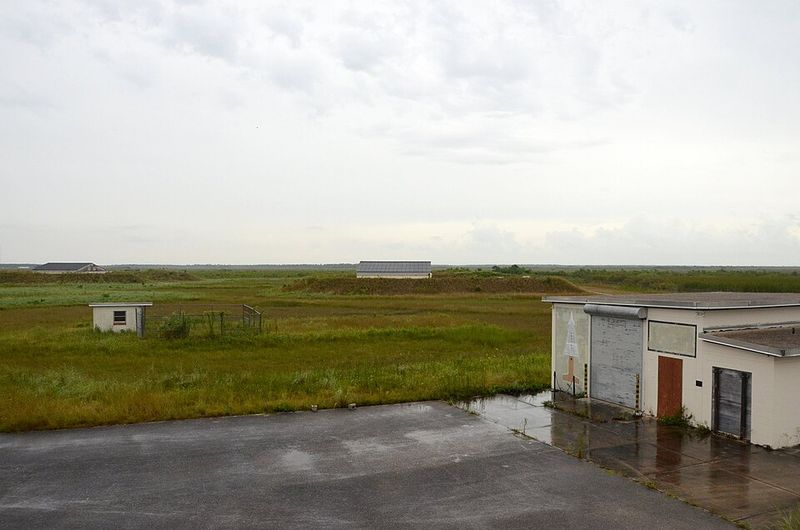
Imagine waking up every single morning knowing that a nuclear attack could come with less than five minutes of warning. That was the daily reality for the soldiers stationed at HM-69.
The base sat so close to Cuba that standard early-warning systems gave crews almost no time to react — every second counted, and everyone knew it.
Life at the base was physically grueling. The Florida Everglades in summer are brutally hot and humid, and the surrounding swamps brought mosquitoes, snakes, and alligators practically to the soldiers’ doorsteps.
Isolation was another challenge — the base was far from Miami’s city life, and entertainment options were extremely limited. Morale required constant attention from commanding officers.
Despite those hardships, the soldiers at HM-69 maintained a state of near-constant combat readiness. Regular drills kept crews sharp, and the proximity to Cuba made those drills feel anything but routine.
Veterans who served at South Florida Nike sites have described the experience as uniquely stressful — not the dramatic combat stress of a battlefield, but the slow, grinding pressure of waiting for something terrible that might never come. Or might come tomorrow.
Above-Ground Missile Barn Design
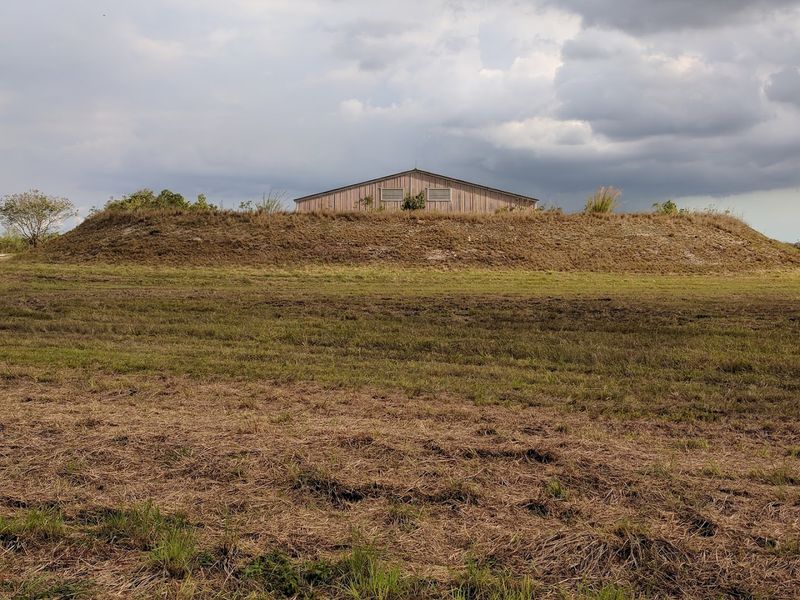
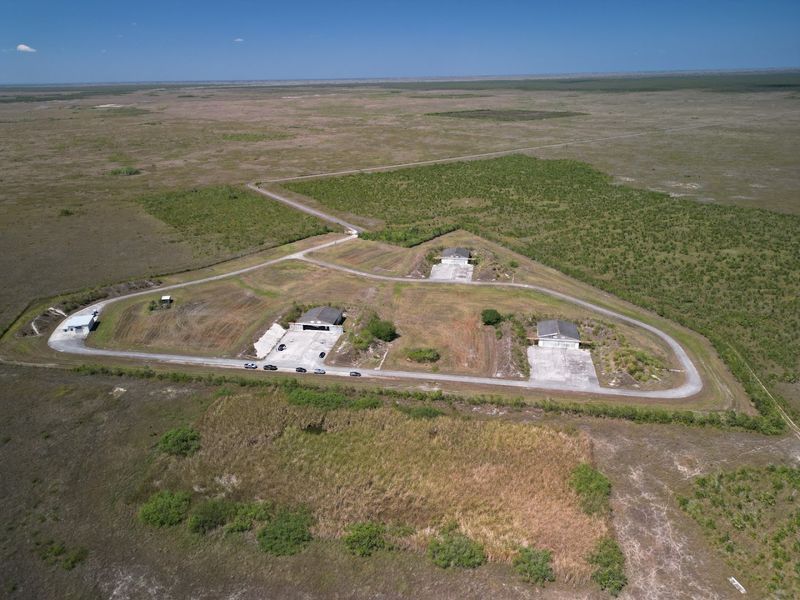
Here’s something most people don’t know: not all missile bases look like the underground bunkers you see in movies. HM-69 used a completely above-ground design for its missile storage shelters, and the reason comes down to simple geology.
Florida’s water table sits incredibly high — dig just a few feet down in the Everglades and you hit water. Underground silos were simply not an option.
Instead, engineers designed large reinforced structures nicknamed “missile barns.” These buildings were built to withstand blasts and weather while keeping the missiles protected, maintained, and ready to launch on short notice. The doors could swing open quickly, allowing crews to roll missiles onto launch rails and fire within minutes of receiving an alert.
The above-ground design actually made HM-69 look deceptively ordinary from a distance — more like a farm or an industrial facility than a nuclear-ready military installation. That low profile wasn’t entirely accidental.
During the Cold War, minimizing visual signatures that enemy reconnaissance aircraft or satellites might pick up was always a consideration. Today, the restored missile barns are one of the most visually striking parts of the visitor experience, giving you a vivid sense of how the base actually functioned during its operational years.
Integrated Radar and Fire Control Systems
A missile without guidance is just an expensive firework. The real brains of HM-69 were its Integrated Fire Control systems — a separate area of the base packed with radar equipment and early computers that tracked enemy aircraft and calculated precise intercept trajectories.
Without this technology, the missiles would have been nearly useless.
The HIPAR radar — High-Powered Acquisition Radar — was the eyes of the operation. It could detect aircraft at long ranges and feed that data into targeting computers that were remarkably sophisticated for the 1960s.
Operators worked in shifts around the clock, monitoring screens and running system checks to make sure everything was ready if the call ever came.
What’s fascinating about this system is how it represented the cutting edge of military technology for its era. Today, we take computerized targeting for granted, but in the 1960s, these machines were genuinely revolutionary.
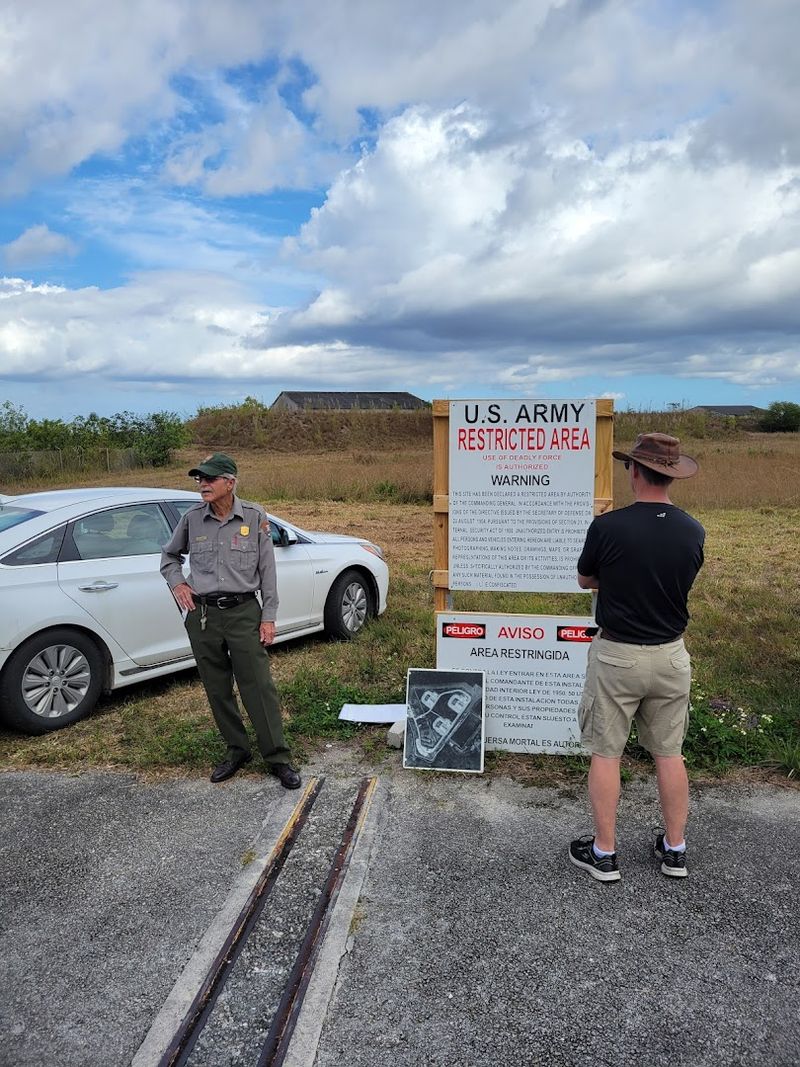
The fire control site at HM-69 was physically separated from the missile launch area as a safety measure — if one section was hit, the other might still function. Ranger-led tours at the site do a wonderful job of explaining how all these pieces worked together, making complex Cold War technology surprisingly accessible and engaging for visitors of all ages.
Nuclear Readiness and Deterrence Strategy
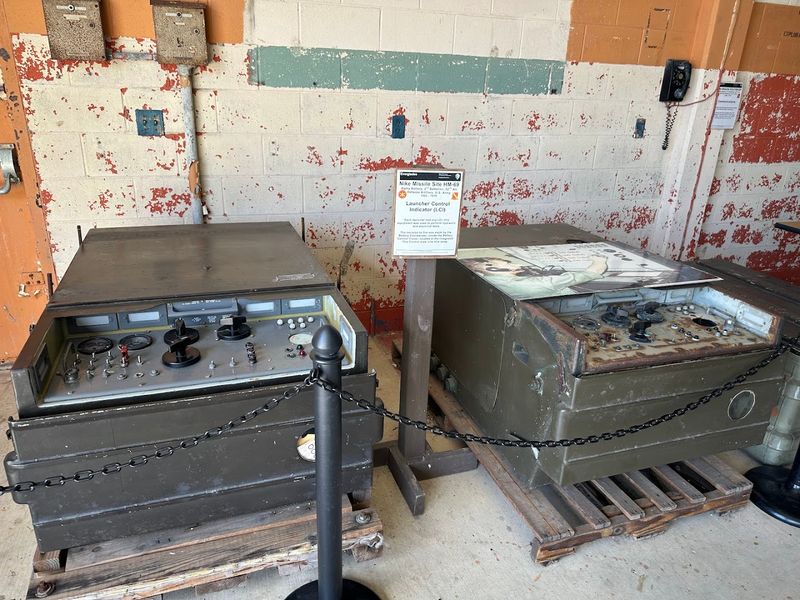
Nuclear deterrence sounds like a complicated policy term, but the basic idea is pretty straightforward: if your enemy knows that attacking you will result in their own destruction, they won’t attack. That logic shaped nearly every military decision made during the Cold War — including the decision to arm some Nike Hercules missiles with nuclear warheads.
At South Florida bases like HM-69, the nuclear option existed as a last-resort defense against mass bomber formations. A single nuclear-tipped Hercules could theoretically destroy dozens of incoming aircraft in one explosion, eliminating a threat that conventional missiles might not be able to handle quickly enough.
It was a calculated, if terrifying, military strategy.
The psychological weight of that responsibility on the soldiers stationed at these bases is hard to overstate. These were young men — many barely out of high school — who had the authority and the equipment to detonate nuclear weapons over American soil if the situation demanded it.
The strict protocols, the constant drills, and the chain-of-command procedures all existed to make sure that power was never used carelessly. Understanding that human element makes a visit to HM-69 feel less like a history lesson and more like a deeply personal story.
Deactivation and Military Closure (1979)
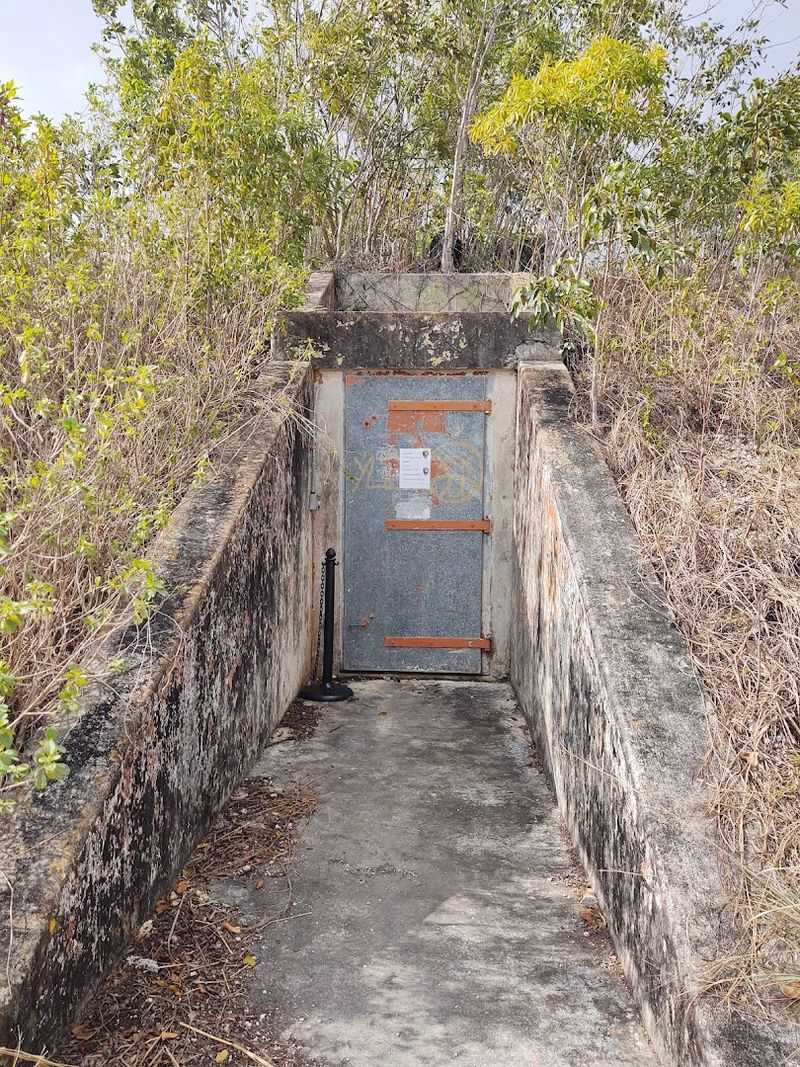
By the late 1970s, the threat that HM-69 was built to counter had fundamentally changed. Soviet bombers were no longer the primary concern — intercontinental ballistic missiles launched from submarines or land-based silos had become the real danger.
Nike missile sites, designed to shoot down aircraft, were powerless against ICBMs traveling at thousands of miles per hour through space.
The military quietly began shutting down Nike sites across the country throughout the 1970s. HM-69 was officially decommissioned in 1979, ending nearly two decades of continuous operation in one of the most strategically sensitive locations in the United States.
Soldiers packed up, equipment was removed or mothballed, and the Everglades began reclaiming the edges of the property almost immediately.
Rather than demolishing the site, the military transferred it to the National Park Service, recognizing its historical significance. That decision turned out to be an incredibly valuable one.
HM-69 is now one of the best-preserved Nike missile sites in the entire country, offering historians, educators, and curious visitors a nearly intact look at Cold War military infrastructure. The closure marked the end of one chapter and the quiet beginning of another — one focused on memory rather than missiles.
Visitor Experience Today at Everglades National Park
Few day trips in Florida can compete with the sheer weirdness and wonder of visiting HM-69. Located inside Everglades National Park near Homestead, the site is open to the public on selected weekends and offers free guided tours led by knowledgeable park rangers who bring the Cold War era to life with stories, facts, and genuine enthusiasm.
The tour takes you through the restored missile barns, where you can see the actual launch rail systems and get up close to a Nike Hercules missile that has been preserved for public display. Rangers explain how the base operated, what daily life was like for the soldiers stationed there, and how close the world came to nuclear conflict during the Cuban Missile Crisis.
It’s educational without ever feeling like a boring lecture.
Families, history buffs, and anyone with a curiosity about the Cold War will find HM-69 genuinely captivating. Bring sunscreen and bug spray — it’s the Everglades, after all — and plan to arrive early since tour slots can fill up.
Check the Everglades National Park website for current tour schedules before you go. This is the kind of hidden gem that makes you wonder why more people aren’t talking about it.